Zakimi Castle
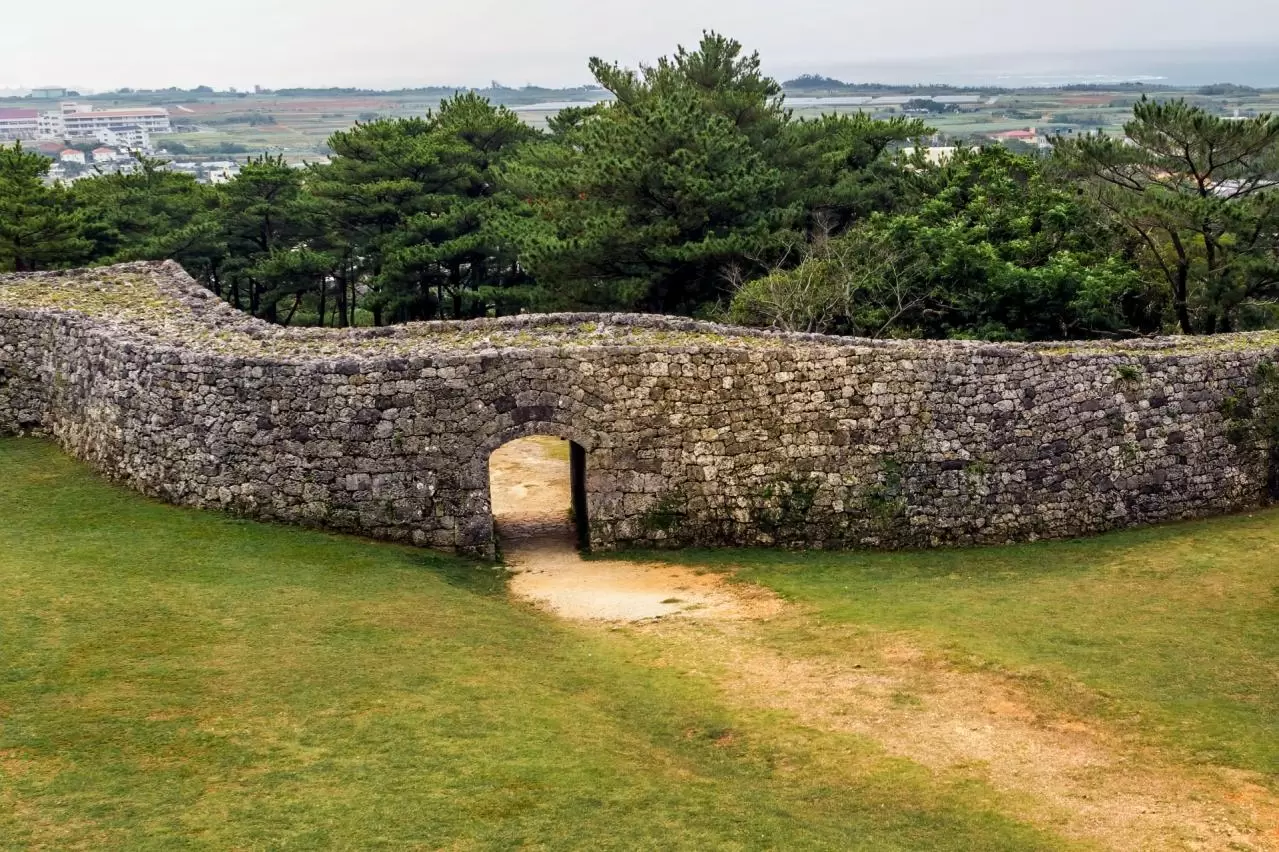
The castle is situated on a hill with an elevation of about 120 meters, providing a spectacular view of Yomitan Village and the surrounding sea. The design of Zakimi Castle features a defensive structure with beautifully curved stone walls, making it difficult for enemies to invade and enhancing the defense of the castle.
In 2000, it was registered as a UNESCO World Heritage Site as part of the "Gusuku Sites and Related Properties of the Kingdom of Ryukyu." Today, Zakimi Castle is a popular tourist destination where many visitors can enjoy its history and beauty. Well-maintained walking paths allow guests to appreciate the historical value and natural landscapes.
Additionally, near the ruins of Zakimi Castle, there is a museum that introduces the culture and history of Yomitan Village, where visitors can learn in detail about the castle's history and Gozamaru’s achievements. Zakimi Castle is an important heritage symbolizing Okinawa's rich history and culture, and its value will continue to be widely recognized in the future.
Zakimi Castle Movies


Basic Information
- Spot Name
- Zakimi Castle
- Location
- 904-0301 708 Zakimi, Yomitan Village, Nakagami District, Okinawa Prefecture
- Access
- From Ishikawa IC on the Okinawa Expressway, drive 12 km towards Yomitan via Prefectural Road 73, National Route 58, and Prefectural Road 12.
By bus: Take route 29 from Naha Bus Terminal to Zakimi bus stop, then walk approximately 15 minutes.
Map code: 33 854 277*11 - Parking
- Parking available.
- Business Hours
- Open for visitation.
- Regular Holiday
- None
- Contact Information
- Phone Number:【読谷村役場 文化振興課】098-958-3141
Map
Detailed Information
Zakimi Castle Ruins are located in Yomitan Village, Nakagami District, Okinawa Prefecture. The castle is believed to have been built in the early fifteenth century, during the period when the Ryukyu Kingdom was being established. In Okinawa, castles are called “gusuku,” and Zakimi Castle is also affectionately known as “Zakimi Gusuku.” It is traditionally said to have been built by Gosamaru, a renowned military commander who played an active role during the founding of the Ryukyu Kingdom. With its elegant, gently curving stone walls and intricately constructed arched stone gates, the site is a valuable historic monument that conveys the advanced castle-building techniques of the time. It was designated a National Historic Site on May 15, 1972, and in December 2000, it was registered as a UNESCO World Cultural Heritage Site as one of the constituent properties of the “Gusuku Sites and Related Properties of the Kingdom of Ryukyu.” In 2017, it was also selected as one of the “100 Continued Fine Castles of Japan” by the Japan Castle Foundation. Today, the ruins are known as one of Okinawa’s leading historical tourist attractions. Visitors can learn about the history and culture of the Ryukyu Kingdom while enjoying the beautiful scenery of the castle walls and the magnificent views from the surrounding hills.
Zakimi Castle Ruins stand on hills approximately 120 to 130 meters above sea level, near the west coast of central Okinawa Island. Because the castle was built at a higher elevation than the surrounding terrain, the ruins offer sweeping views of Yomitan’s urban areas, fields, and coastline along the East China Sea. On clear days, distant islands may also be visible, allowing visitors to enjoy a beautiful landscape of Okinawa’s characteristic blue sea and sky, together with its lush green land. This location was important not only for its scenic value but also because it is believed to have enabled the castle’s occupants to monitor activity in the surrounding region and detect approaching enemies at an early stage. Zakimi Castle is thought to have played a role in coordinating with the forces centered in Shuri, as well as monitoring the former Hokuzan forces that remained along the west coast of Okinawa Island even after the fall of Hokuzan. Built on a hill, the castle served as a military defensive stronghold while also symbolizing the authority of the powerful local ruler who controlled the area.
Gosamaru, who is believed to have built Zakimi Castle, was an influential Ryukyuan aji, or regional lord, who was active from the late fourteenth to the mid-fifteenth century. The term “aji” refers to powerful rulers who governed various regions even before the establishment of the Ryukyu Kingdom, and Gosamaru was known as the Aji of Yomitanzan. At the time, Okinawa Island was in the Sanzan period, when three rival powers—Hokuzan, Chuzan, and Nanzan—stood alongside one another. The aji of each region built castles and engaged in political and military activities in order to expand their influence. Gosamaru is known for his involvement in the expansion of Chuzan under Shō Hashi and in the establishment of the Ryukyu Kingdom. Because of his outstanding castle-building skills, he was also called a “master castle builder.” Zakimi Castle was built during this period of political transformation and remains an important archaeological site that conveys the history of the era in which the Ryukyu Kingdom moved toward unification.
Zakimi Castle is traditionally said to have been built by Gosamaru in the early fifteenth century, after he moved from Yamada Gusuku, which had previously served as his base. The exact date of construction is unknown, but one theory places it around 1420. Gosamaru is believed to have participated in Shō Hashi’s campaign against Hokuzan and to have subsequently built Zakimi Castle to strengthen his control over the Yomitanzan region. According to local traditions, people were mobilized not only from nearby areas but also from the Amami Islands, suggesting that the construction was a large-scale undertaking. Another tradition holds that stones from Yamada Gusuku were transported and reused in the construction of Zakimi Castle. It is also thought that Gosamaru was influenced by the formidable structure of Nakijin Castle, which he saw during the campaign against Hokuzan, and that he applied what he learned to the construction of Zakimi Castle. However, some aspects of this history are based on later records and oral traditions, and not all details have been definitively established. Gosamaru is said to have moved to Nakagusuku Castle around 1440. Although Zakimi Castle is believed to have ceased serving as his principal residence, Chinese ceramics and old coins dating from around the fifteenth and sixteenth centuries have been excavated at the site, suggesting that it may have continued to be used for other purposes after his relocation.
The greatest attraction of Zakimi Castle is its beautiful stone walls, which form smooth, flowing curves. Many gusuku in Okinawa feature walls built from materials such as Ryukyu limestone, but the stone walls at Zakimi Castle are characterized by a distinctive design composed of continuous gentle curves rather than straight lines. The walls extend in a folding, screen-like pattern, combining sections that project outward with sections that curve inward. This structure is thought to have been designed not only for visual beauty but also to improve defensive strength and stability. The use of curves helped distribute the forces exerted on the walls, making it possible to build sturdy fortifications even on relatively soft ground. The design was also advantageous for monitoring the surrounding area from the bends in the walls and responding to invading enemies. Combining functionality with artistic beauty, these stone walls form the defining landscape of Zakimi Castle and are an important feature that demonstrates the high level of Ryukyuan castle-building technology.
The stone-laying techniques used in the walls are another important feature of Zakimi Castle. Gusuku in Okinawa have traditionally employed various masonry methods, including nunozumi, in which stones are arranged in horizontal courses; aikatazumi, in which stones are shaped into polygons and fitted together; and nozurazumi, in which the natural shapes of rough stones are utilized. At Zakimi Castle, nunozumi is the primary technique, while aikatazumi and nozurazumi can also be seen in certain sections. The shape of the stones and the method of construction vary depending on the location of the wall. The skillful combination of individual stones to create a strong overall structure demonstrates the advanced abilities of the stonemasons of the time. When viewed up close, the walls reveal how carefully each stone was fitted together, retaining their beautiful form even after centuries. Comparing the different masonry techniques while touring the site also provides an opportunity to consider how Okinawan castle architecture developed over time.
Another distinctive feature of Zakimi Castle is its finely crafted arched stone gates. The castle consists of two main sections known as the First Enclosure and the Second Enclosure, each of which has an arched castle gate. The stone arch gates at Zakimi Castle are considered among the oldest surviving arched gates in Okinawa and are valuable remains demonstrating the advanced stone-building techniques of the Ryukyu Kingdom. In particular, they feature a unique structure in which wedge-shaped stones are inserted between the stones forming the arch, skillfully using the forces between the stones to support the gate. Set into massive stone walls, the arched gates harmonize beautifully with the curved fortifications and create an impressive landscape unique to Zakimi Castle. Some portions that were damaged during the war or altered when the site was used for postwar facilities have been restored based on the results of archaeological investigations. The stone gates visible today not only convey the sophisticated architectural techniques of the time but also represent the efforts made to preserve and pass on this cultural heritage.
The castle has a compound layout, with the Second Enclosure to the south and the First Enclosure to the north. Although the interior is relatively compact, its arrangement skillfully utilizes the terrain to enhance defensive capabilities. As visitors proceed from the Second Enclosure toward the First Enclosure, they can observe the structure of the stone walls and gates up close, creating the sensation of walking through the interior of the former castle. Archaeological investigations have uncovered stone structures in the First Enclosure that are believed to be the foundations of buildings, indicating that important structures once stood within the castle. In the Second Enclosure, investigators also discovered a stone-paved path leading toward the First Enclosure. Although the buildings themselves no longer remain, walking among the stone walls and archaeological remains allows visitors to imagine the castle’s former appearance and the activities of the people who lived there. The layout of the enclosures and passageways suggests that the limited space was used effectively to accommodate both defense and daily life.
A variety of artifacts have been excavated from Zakimi Castle Ruins, including Chinese ceramics such as celadon and underglaze-blue wares, old coins, iron objects, and earthenware. Chinese ceramics in particular are important evidence that the Ryukyu Kingdom developed through trade with China and other parts of East Asia. During the fifteenth century, the Ryukyu Kingdom flourished through trade with Japan, China, and Southeast Asian countries, and goods brought from overseas had a significant influence on the lives and culture of the royal government and powerful local rulers. The ceramics excavated from Zakimi Castle provide a glimpse into this broad network of exchange. A stone tablet bearing lines resembling writing has also been found. The meaning and purpose of these engraved lines remain unclear, making the tablet an intriguing archaeological artifact for considering the history and culture of Zakimi Castle. These excavated objects provide valuable clues that Zakimi Castle was not merely a military facility but a place deeply connected with the politics, culture, and trade of the Ryukyu Kingdom.
Zakimi Castle is closely connected not only with the history of the Ryukyu Kingdom but also with Okinawa’s modern and contemporary history. During the Battle of Okinawa, the site was used as a Japanese military position, and after the war, a U.S. military communications facility was installed there, significantly affecting the ruins. Some archaeological remains were damaged during this process, and parts of the stone gates were also altered. Later, on May 15, 1972, the day Okinawa was returned to Japan, the site was designated a National Historic Site. From 1973 to 1985, preservation and restoration projects, including archaeological investigations and repairs to the castle walls, were carried out. These investigations examined the structures of the walls and gates, building remains, and excavated artifacts in detail, while efforts were made to restore lost sections and recover the historic landscape. Today, Zakimi Castle Ruins are a cultural heritage site protected through many years of research, investigation, conservation, and restoration. The fact that this valuable historic site became a place once again enjoyed by local residents and visitors after experiencing the history of war and the postwar period is also significant when considering Okinawa’s efforts to protect its cultural heritage.
In December 2000, Zakimi Castle Ruins were registered as a UNESCO World Cultural Heritage Site, along with sites including Shuri Castle Ruins, Nakijin Castle Ruins, Nakagusuku Castle Ruins, and Katsuren Castle Ruins, as one of the constituent properties of the “Gusuku Sites and Related Properties of the Kingdom of Ryukyu.” This World Heritage property consists of nine sites that convey the political, cultural, and religious history of the Ryukyu Kingdom. Among them, Zakimi Castle Ruins are regarded as an important castle site that demonstrates the advanced construction techniques of the early fifteenth century. In addition to preserving the distinctive stone-building techniques and castle culture of the Ryukyu Kingdom, the site has great value for understanding the political changes that accompanied the kingdom’s formation. Furthermore, in 2017, it was selected as one of the “100 Continued Fine Castles of Japan” by the Japan Castle Foundation, recognizing it as an important historic site for understanding Japanese castle culture. Its selection as both a World Cultural Heritage Site and one of the 100 Continued Fine Castles of Japan reflects the high historical and cultural value of Zakimi Castle Ruins.
When visiting Zakimi Castle Ruins, visitors should not miss the expansive views from the tops of the castle walls. From the elevated site, nearly the entire area of Yomitan Village can be seen, and when weather and visibility conditions are favorable, islands floating beyond the East China Sea may also be visible. The harmonious scenery of blue sea and sky, lush green land, and gently curving stone walls embodies the beauty unique to Okinawa. On sunny days in particular, the pale color of the stone walls stands out against the blue sky, enveloping the entire site in a bright and open atmosphere. In the evening, the slanting sunlight emphasizes the shadows and contours of the walls, creating a calm landscape different from that of the daytime. Looking out over the surrounding terrain also gives visitors a sense of why this location was once important as a military observation post. However, the tops of the stone walls are elevated, so visitors should watch their step and use only areas where access is permitted.
Zakimi Castle Ruins are popular not only as a historical attraction but also as a photography location. The beautiful curves of the stone walls, the imposing arched gates, and the scenery of green lawns against a blue sky make the site particularly photogenic. The ruins are also sometimes used for commemorative photographs featuring ryūsō, Okinawa’s traditional clothing, as well as for wedding engagement and pre-wedding photo sessions, making them a special place where visitors can experience the atmosphere of the Ryukyu Kingdom era. Cultural events and traditional performing arts performances that take advantage of the historic landscape are also occasionally held there, and the space surrounded by the castle walls serves as a unique stage where nature and history exist in harmony. Another appealing aspect of Zakimi Castle is the opportunity to experience Okinawan traditional culture against the backdrop of historic remains. Commercial or large-scale photography may require advance permission, so visitors should confirm the requirements with the site administrator.
Near the entrance to the ruins is the World Heritage Zakimi Castle Ruins Yuntanza Museum, which opened on June 23, 2018. The museum was created through the integration and renovation of Yomitan Village’s historical and folklore museum and art museum. It introduces the history of Zakimi Castle, its construction techniques, the life and character of Gosamaru, and the culture and daily life of Yomitan Village. Exhibits include archaeological materials such as Chinese ceramics unearthed during excavations, as well as displays that explain the structure of the stone walls, enabling visitors to learn more about Zakimi Castle in detail. The museum also presents exhibits on the history, folklore, and art of Yomitan Village, providing insight into the broader cultural background of the region. Visiting the museum before touring the ruins allows visitors to understand the characteristics of the stone walls and gates, as well as Gosamaru’s historical role, making the experience more rewarding. Visiting both the ruins and the museum provides a deeper understanding of Zakimi Castle through the combination of actual archaeological remains and historical materials.
Zakimi Castle Ruins are a valuable World Cultural Heritage Site that conveys the history of Gosamaru, who played an active role during the formation of the Ryukyu Kingdom, as well as Okinawa’s distinctive and highly developed castle-building techniques. The elegant curved stone walls, finely crafted arched gates, and magnificent views from the hills combine historical value with natural beauty. The site also offers many perspectives from which to learn about Okinawa’s history, including its connections with overseas trade revealed through archaeological excavations, the history of the Battle of Okinawa and the postwar period, and the process of preserving and restoring cultural heritage. Walking slowly through the ruins while considering the stone-building techniques and the lives of the people of the time, then pausing to admire the beautiful surrounding landscape, can become one of the most memorable experiences of a trip to Okinawa. The site is highly recommended not only for those interested in history and architecture but also for visitors who want to enjoy beautiful scenery or take photographs. When visiting central Okinawa Island, Zakimi Castle Ruins are one of the historic landmarks well worth exploring.
Okinawa Tourist Attractions
View List
Kokuei Okinawa Memorial Park and Ocean Expo Park
The Okinawa Commemorative National Government Park and Ocean Expo Park was established in 1976 to commemorate the Okinawa International Ocean Exposition held in 1975...

Kabira Bay
Kabira Bay is located in the northwest of Ishigaki Island and is one of Okinawa's top scenic spots. It features a beautiful landscape with crystal-clear emerald gree...

Okinawa World (Cultural Kingdom, Gyokusendo)
Okinawa World is a tourist spot where you can enjoy the natural beauty, culture, and history of Okinawa all at once. Among its attractions, the Tamatsukuri Cave, whi...
Kokusai Street
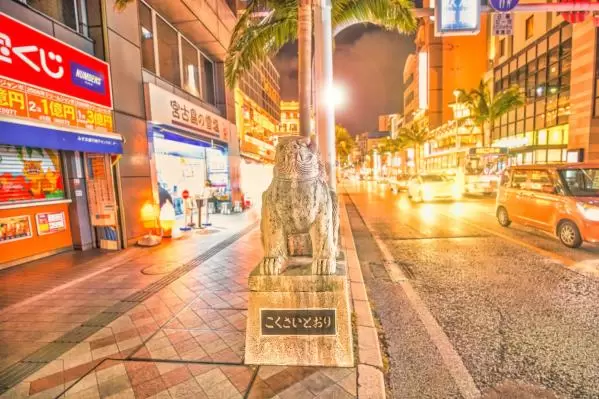
Naha's main street, Kokusai Dori, is known as the "Miracle Mile." It has achieved an astonishing revival from being completely burned down during World War II and ha...

Onna Village Museum
The museum that conveys the unique history, culture, and lifestyle of Onna Village is divided into three zones: the folk exhibition "Life in Onna," the video theater...

Shurijo Castle Park
Shuri Castle Park is a historical park centered around Shuri Castle, which is a symbol of the Ryukyu Kingdom. Although part of it, including the main hall, was destr...
Seifa Utaki
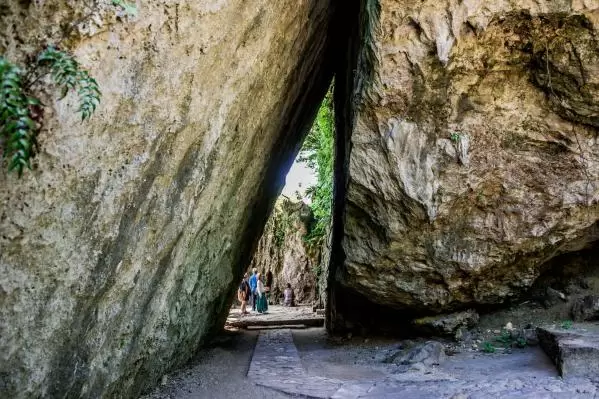
Seifa Utaki is the most sacred site of the Ryukyu Kingdom and was registered as a UNESCO World Heritage Site as part of the "Sites of Japan's Meiji Industrial Revolu...
Gangarā-no-Tani
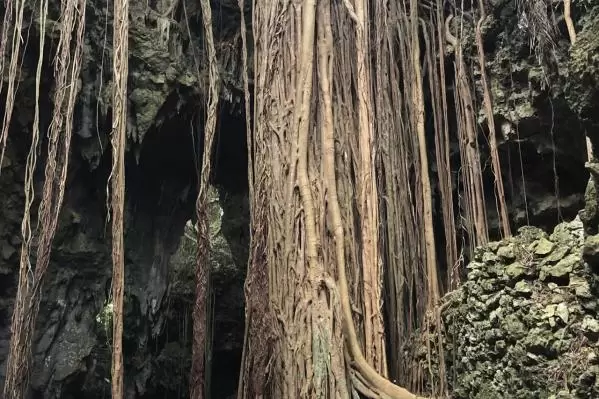
Ganggara Valley is a lush natural valley created by the collapse of a limestone cave hundreds of thousands of years ago, located in the southern part of Okinawa Isla...