Onna Village Museum
Onna Village Museum Movies


Basic Information
- Spot Name
- Onna Village Museum
- Location
- 904-0415 1656-8 Nakadomari, Onna Village, Okinawa Prefecture
- Access
- About 80 minutes by car from Naha Airport, approximately 4 km from Ishikawa IC.
- Parking
- Approximately 70 cars (shared with the Cultural Information Center)
- Business Hours
- 9:00 AM to 5:00 PM (Last admission at 4:30 PM)
- Regular Holiday
- Every Monday and the day after a holiday.
- Contact Information
- Phone Number:098-982-5112
Map
Detailed Information
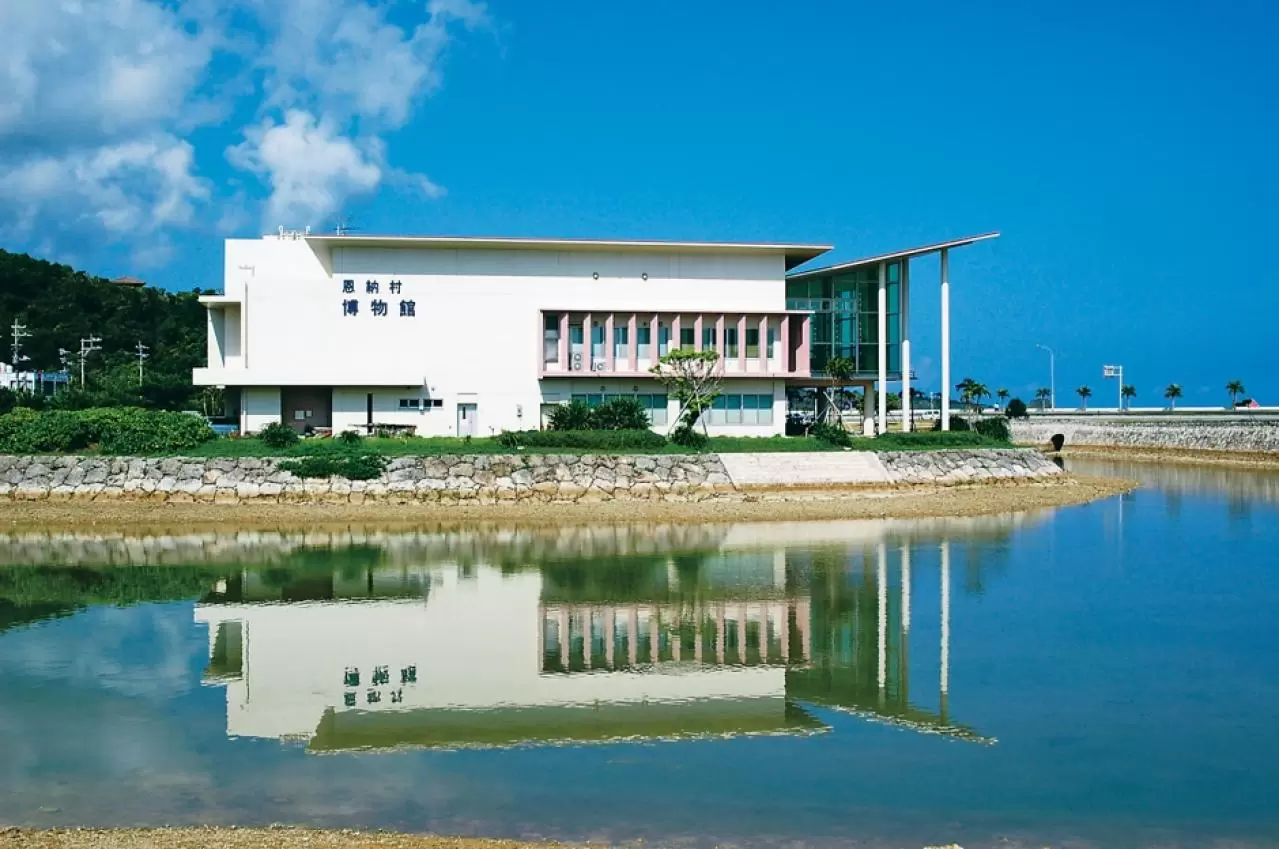
Onna Village Museum, located in Nakadomari, Onna Village, Kunigami District, Okinawa Prefecture, is a museum that broadly introduces the history, culture, natural environment, and everyday life of the people of Onna Village. Situated on the west coast almost in the center of Okinawa Island, Onna Village lies at the gateway to Yanbaru, the nature-rich northern region of the island. It is known as one of Okinawa’s leading resort areas, blessed with beautiful coastlines, crystal-clear waters, and abundant greenery. At the same time, it is a region that has developed its own distinctive culture by making use of the blessings of the sea and mountains since ancient times, accumulating a diverse history from the era of the Ryukyu Kingdom to the present day. Onna Village Museum is a valuable cultural facility where visitors can learn about the historical background, traditional culture, and everyday lives of the people of Onna Village—things that cannot be fully understood from the area’s appeal as a tourist destination alone.
Opened on May 1, 2001, Onna Village Museum is located along National Route 58, adjacent to Onna no Eki Nakayukui Market, a popular facility where visitors can enjoy local agricultural products, specialty goods, and Okinawan cuisine. The museum is easy to visit during a sightseeing trip and offers an accessible introduction to Onna Village’s natural environment, history, and traditional culture through actual artifacts, household implements, models, dioramas, photographs, and videos. The permanent exhibition is divided into three zones: the folk culture exhibition “Life in Onna,” the video theater “The Village Protected by the Gods,” and the history exhibition “The Roads of Onna.” Each exhibition presents, from various perspectives, the lifestyle and culture that developed within the natural environment surrounded by the sea and mountains, beliefs and traditional events handed down in the community, and the area’s history from ancient times to the present. A distinctive feature of the museum is that visitors of all ages can deepen their understanding of Onna Village while enjoying the exhibits.
The folk culture exhibition “Life in Onna” introduces how the people of Onna Village, surrounded by the sea and mountains, incorporated the blessings of nature into their daily lives. In the past, the people of Onna engaged in a variety of occupations suited to the local natural environment, including agriculture and fishing. The exhibition room displays household items and work tools used in everyday life, allowing visitors to gain a concrete understanding of people’s lifestyles and how they changed, with a particular focus on the period from before World War II through the time before Okinawa’s reversion to Japan. By examining the shapes and uses of the tools, as well as models and videos recreating life in those days, visitors can imagine a past way of living that was closely connected to nature and very different from today’s convenient lifestyle. The exhibition also highlights the wisdom and ingenuity passed down through daily life, helping visitors understand how local people made careful use of limited resources.
Of particular interest is the deep relationship between the people of Onna Village and the sea. The East China Sea stretches along the western side of Onna, and since ancient times the sea has been an important source of food and other resources. People made their living by taking advantage of the bounty of the sea through fishing and gathering along the shore, while adapting their lives to the tides and seasonal changes. Activities at sea required knowledge of the weather, currents, and underwater terrain, and the wisdom gained through such experience was passed down as part of everyday life. The exhibition allows visitors to learn about the knowledge and ingenuity of people who lived in harmony with the sea through fishing implements, models, and videos. The mountains and fields also provided resources that supported daily life, and people developed lifestyles suited to the local environment through crop cultivation and the use of natural materials. The ability to make use of both the sea and the mountains is an important characteristic for understanding Onna Village’s culture and way of life.
The history exhibition “The Roads of Onna” presents the history of Onna Village by tracing it backward from the present to the past. Through local ruins, excavated artifacts, historical documents, and other materials, visitors can follow the process by which present-day Onna Village was formed. The history of Okinawa extends from the prehistoric period and the Gusuku period to the era of the Ryukyu Kingdom, the modern period, the Battle of Okinawa, the postwar period of American administration, Okinawa’s reversion to Japan in 1972, and the present day. Onna Village has also undergone changes within this broader flow of Okinawan history. The exhibition offers insight into the formation of the local community, people’s lives, and the history of transportation and exchange, allowing visitors to understand the character of the region as it was shaped by history—quite different from Onna’s image today as a resort destination.
Representative historic sites associated with the history exhibition include the ruins of Yamada Castle, the Nakadomari Site, and the Kunigami Hō Seikaidō road. The ruins of Yamada Castle are a nationally designated historic site that conveys the history of the Gusuku period before the establishment of the Ryukyu Kingdom. They are also known as the remains of a castle associated with Gosamaru, a figure who appears in the history of the Ryukyu Islands. Gosamaru was a powerful warrior who played an active role during the formative years of the Ryukyu Kingdom, and the ruins of Yamada Castle are important for understanding the medieval history of Onna Village. Okinawa’s gusuku have characteristics different from those of conventional Japanese castles. They often made use of stone walls and natural terrain and are thought to have been closely connected with regional politics, defense, and religious beliefs. Learning about the history of such castle ruins helps visitors deepen their understanding of Okinawan society and relationships among local communities before the establishment of the Ryukyu Kingdom.
The Nakadomari Site is a nationally designated historic site important for understanding the lives of people in Okinawa’s prehistoric period. Shell middens and rock-shelter dwellings have been identified there, and the site and its excavated artifacts provide clues to the environments in which people lived and how they used natural resources. Shell middens are places where the shells of shellfish eaten by people in the past, along with artifacts related to daily life, were left behind. They offer valuable evidence about food habits and living environments. The existence of sites such as this shows that people had lived around Onna Village since ancient times, making use of the resources of the sea and mountains. Against the backdrop of today’s beautiful coastal scenery, visitors can sense the long history of the people who have lived in the area over the centuries.
The Kunigami Hō Seikaidō was one of the principal routes connecting Shuri with northern Okinawa Island during the era of the Ryukyu Kingdom. Under the Ryukyu Kingdom, roads linking various regions were developed around Shuri and used for travel, the transportation of goods, and administrative communication. The Kunigami Hō Seikaidō was an important route running through the western side of Okinawa Island toward the north, and Onna Village formed part of this transportation network. The road served not merely as a means of travel but also supported interaction between communities, the transmission of information, and the spread of culture. Learning about the existence of this route through the history exhibition helps visitors understand that Onna Village has long been connected with surrounding areas and served as a place where people interacted.
The video theater “The Village Protected by the Gods” introduces festivals, annual events, religious ceremonies, and traditional performing arts handed down in Onna Village. Since ancient times, the people of Okinawa have respected nature and their ancestors, preserving beliefs centered on prayers for peace in the community, abundant harvests, and plentiful catches. In Onna Village as well, events and rituals carefully protected in each settlement remain closely connected with people’s daily lives and spiritual culture. In traditional Okinawan village communities, local residents worked together to hold festivals and events, maintaining the bonds of the community. These occasions express gratitude toward nature, respect for ancestors, and wishes for the peace and well-being of families and the local community. At the video theater, visitors can see festivals and rituals visually and experience aspects of traditional culture that are difficult to convey through photographs and written explanations alone. Encountering the distinctive customs and events of different communities also provides an opportunity to consider the diversity of Okinawan culture and the importance of passing traditions on to future generations.
Another major attraction of the museum is the beautiful view of the sea from the exhibition hall on the second floor. Beyond the large glass windows stretches the blue sea of Onna Village, whose appearance changes from emerald green to deep blue depending on the weather and the angle of the light. On clear days, visitors can enjoy an expansive Okinawan landscape, with the sea and sky shining under the bright sunlight. Looking out at the sea after learning about the region’s history and culture makes it possible to appreciate how deeply the lives introduced in the exhibits were connected to the natural environment spread out before one’s eyes. The open space overlooking the sea is also an appealing place to relax during a visit, allowing visitors to enjoy both learning at the museum and Okinawa’s natural scenery.
The traditional Okinawan small wooden boat known as a sabani is another highlight of the exhibition hall. Sabani were used for fishing and transportation in Okinawan waters and are symbolic of the region’s maritime culture. Their slender hulls and structures adapted to the marine environment embody the wisdom and skills cultivated by local people over many years. In Okinawan waters, it was necessary to respond to natural conditions such as coral reefs, shallow waters, and ocean currents, and sabani developed in response to these surroundings. A sabani is displayed in the exhibition hall of Onna Village Museum, and visitors are informed that they may be able to touch it. Observing the shape and structure of the boat up close makes it easier to imagine the fishing and maritime transportation of the past and offers a familiar sense of the wisdom and techniques that Okinawan people developed through their relationship with the sea. Visitors should follow the museum’s instructions regarding the handling of exhibits.
In addition to its permanent exhibitions, Onna Village Museum sometimes holds special exhibitions, photography exhibitions, and panel exhibitions focusing on regional history, culture, and nature. Events making use of the exhibition hall and sunset concerts may also be held, and the museum serves as a venue for local cultural activities and learning. Special exhibitions may offer perspectives on regional culture and history that differ from those of the permanent displays, so visitors can expect new discoveries depending on when they visit. Through these events, both local residents and tourists have opportunities to encounter the culture of Onna Village. The museum therefore serves not only to preserve and introduce historical materials but also as a base for passing local culture on to future generations. In particular, preserving and transmitting former household implements, traditional events, and regional historical materials has important significance today, as lifestyles and social environments undergo major changes.
When visiting Onna Village Museum, it is also recommended to combine it with nearby sightseeing spots. The adjacent Onna no Eki Nakayukui Market is a popular stop offering local agricultural products, specialty goods, and Okinawan foods. Visitors can enjoy Okinawan ingredients, processed products, and dishes that make use of the area’s distinctive character, gaining a closer sense of the local lifestyle and food culture introduced at the museum. Visiting the market after learning about life in the past and people’s relationship with nature can also help visitors appreciate the connection with Onna Village’s present-day industries and food culture. Nearby, there are also places that convey the area’s past, including the Nakadomari Site and historic roads. Visiting these actual historic sites after learning about the region’s history at the museum enables visitors to deepen their understanding by connecting what they have learned in the exhibits with the landscapes of the sites themselves.
Onna Village Museum is a tourist destination where visitors can encounter the rich history and culture of Onna Village—things that cannot be discovered through its beautiful beaches and resort hotels alone. The museum reveals the many facets of Onna, including the wisdom of people who lived in harmony with the sea and mountains, the local history extending back to prehistoric times, transportation and exchange during the era of the Ryukyu Kingdom, and the beliefs and traditional events handed down in each settlement. Reflecting on life in the past through household implements, historical materials, models, and videos, and then taking in the present-day beauty of the sea from the exhibition hall on the second floor, can make a trip to Okinawa even more memorable. The museum is suitable not only for those interested in Okinawan history and folk culture but also for family trips, educational excursions, and sightseeing on rainy days. By learning about the history and culture of the people who have lived in the area, rather than simply enjoying its sea and natural scenery, visitors can gain a deeper appreciation of Onna Village. It is one of the cultural attractions well worth visiting when traveling to Onna.
Okinawa Tourist Attractions
View List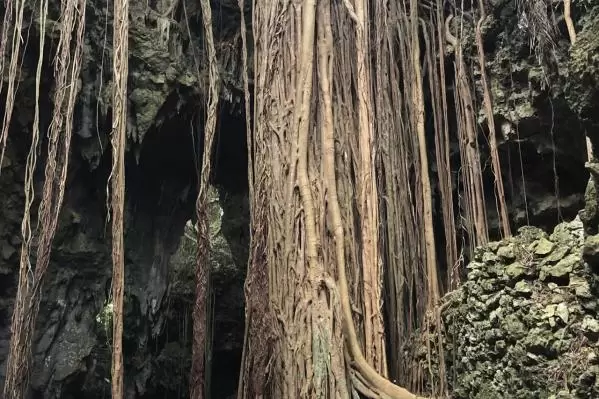
Gangarā-no-Tani
Ganggara Valley is a lush natural valley created by the collapse of a limestone cave hundreds of thousands of years ago, located in the southern part of Okinawa Isla...

Kabira Bay
Kabira Bay is located in the northwest of Ishigaki Island and is one of Okinawa's top scenic spots. It features a beautiful landscape with crystal-clear emerald gree...
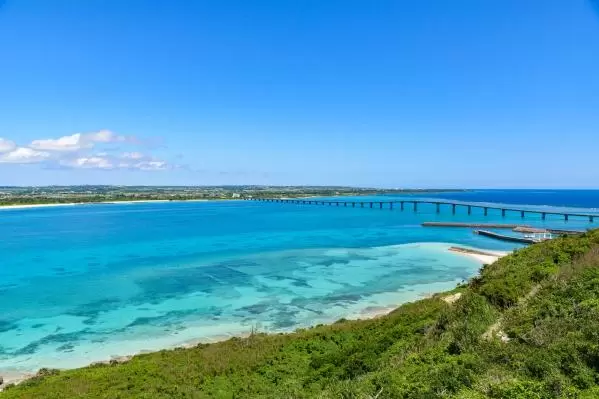
Ryugujo Observatory
The three-story observatory designed to resemble the Dragon Palace is located on a hill in Kurima Island. In front of it is Maehama Beach, and to the left and right,...
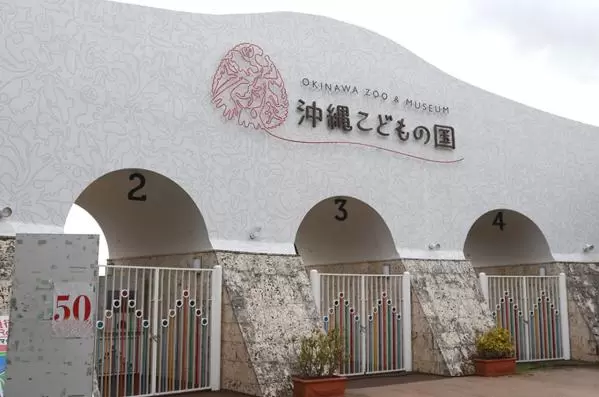
Okinawa Zoo & Museum
Okinawa Children's Country is a family-oriented leisure facility located in Okinawa City, Okinawa Prefecture. Opened in 1970, this facility features a diverse range ...
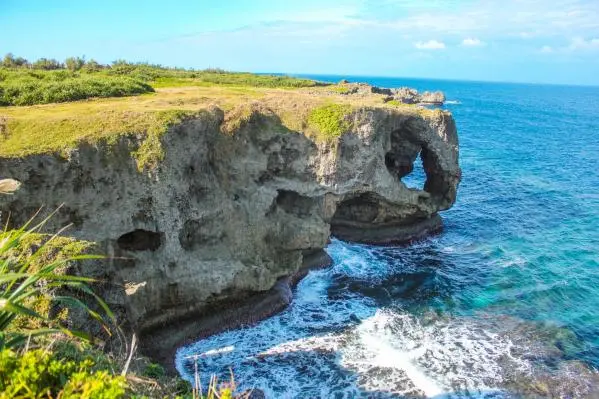
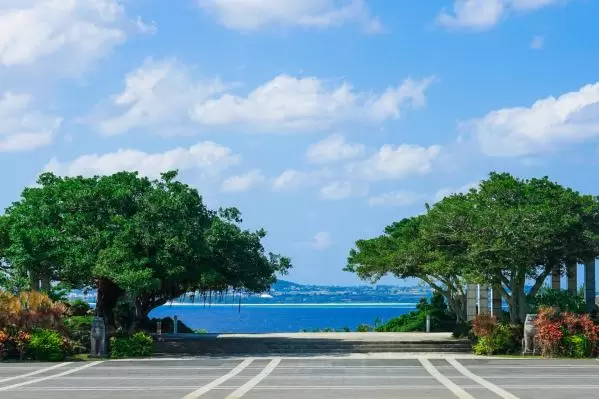
Kokuei Okinawa Memorial Park and Ocean Expo Park
The Okinawa Commemorative National Government Park and Ocean Expo Park was established in 1976 to commemorate the Okinawa International Ocean Exposition held in 1975...
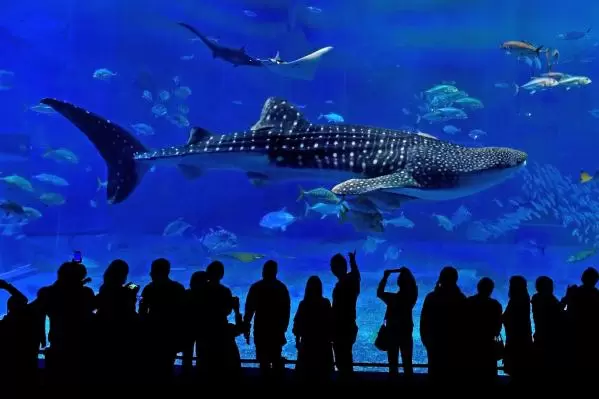
Okinawa Churaumi Aquarium
Okinawa's Sea - Experience rich nature and cultural history, as well as interaction with dolphins at the Ocean Expo Park. One of the popular spots in the park is the...
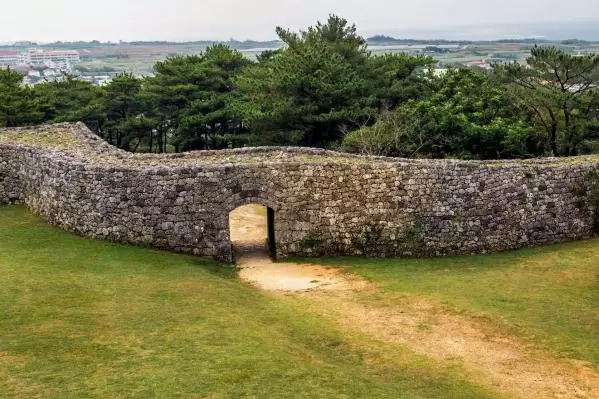
Zakimi Castle
Zakimi Castle, located in Yomitan Village, Okinawa Prefecture, is a castle (gusuku) from the Ryukyu Kingdom era. This castle was built in the 15th century by Gozamar...