Seifa Utaki
Seifa Utaki Movies


Basic Information
- Spot Name
- Seifa Utaki
- Location
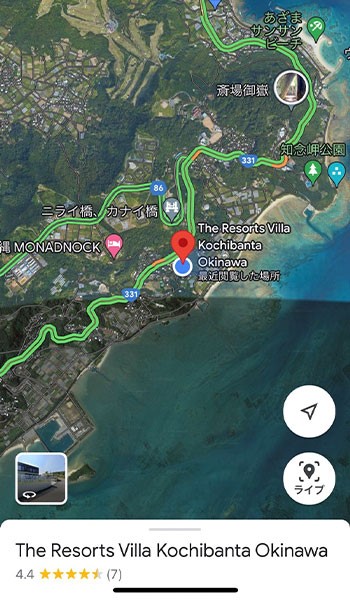
- 〒901-1511 Kutekata, Chinen, Nanjō City, Okinawa Prefecture
- Access
- City bus, Line 5, get off at Inari Taisha-mae and walk east for 7 minutes.
Approximately 40 minutes by car from the Okinawa Urban Monorail Line "Shuri Station." - Parking
- 150 cars
- Business Hours
- March to October: 9:00 AM - 6:00 PM (Last admission at 5:30 PM)
November to February: 9:00 AM - 5:30 PM (Last admission at 5:00 PM) - Regular Holiday
- Rest days (twice a year: from the 1st to the 3rd of the 5th month in the lunar calendar and from the 1st to the 3rd of October)
- Fees
- Adults (high school students and above) 300 yen
Children (elementary and junior high school students) 150 yen - Contact Information
- Phone Number: 098-949-1899
- Official Website
Map
Detailed Information
Sefa Utaki is a sacred site located in Kudeken, Chinen, Nanjō City, Okinawa Prefecture. Known as the holiest place in the Ryukyu Kingdom, it lies amid the lush forests of southern Okinawa Island and continues to convey the distinctive spiritual culture of the Ryukyu people, who regarded huge rocks, trees, and natural landforms themselves as objects of worship. In December 2000, it was registered as a UNESCO World Cultural Heritage Site as one of the constituent properties of the “Gusuku Sites and Related Properties of the Kingdom of Ryukyu.” Today, it remains an important sanctuary where local people continue to offer prayers, and is one of Okinawa’s foremost historic sites for experiencing the history, faith, and nature worship of the Ryukyu Kingdom.
The term “utaki” refers to a sacred place of prayer widely found throughout Okinawa and the Southwestern Islands. Unlike shrines on Japan’s main islands, utaki generally have no elaborate buildings or images of deities; instead, natural features such as rocks, trees, forests, and springs are treated as sacred. Sefa Utaki is counted among the “Seven Utaki of the Creation of the Ryukyu Kingdom,” which are said to have been created by Amamikiyo, the creator deity believed to have established the land of the Ryukyu Islands. Worshiped since ancient times as a special place where the gods reside, it served during the Ryukyu Kingdom period as an important site for rituals praying for national peace and prosperity, abundant harvests, and safe voyages.
One reason Sefa Utaki came to be regarded as the holiest site in the Ryukyu Kingdom is its close connection with Kikoe-Ōgimi, the kingdom’s highest-ranking priestess. Kikoe-Ōgimi was the highest-ranking female religious official, believed to spiritually protect the king and the entire kingdom, and was responsible for overseeing important rituals conducted by the royal government. At Sefa Utaki, the “Oaraori,” the installation ceremony of Kikoe-Ōgimi, was held, making the site a stage for important state rituals. This faith centered on female religious officials was deeply connected to the Okinawan belief in onari-gami, in which sisters provide spiritual protection for their brothers. In the past, Sefa Utaki was, in principle, a sanctuary closed to men, and only a limited number of people were permitted to enter.
During the Ryukyu Kingdom period, it is said that when state rituals were held at Sefa Utaki, sacred white sand was brought from Kudaka Island, which lies in the sea to the east, and spread throughout the utaki. Kudaka Island is known as the “Island of the Gods,” where the creator deity Amamikiyo is said to have first descended, and it holds a special place in Ryukyuan religious belief. The people of the Ryukyu Islands also believed that the world of the gods, known as Nirai Kanai, lay beyond the eastern sea. Located where Kudaka Island can be seen, Sefa Utaki has long been regarded as an important sacred site deeply connected to the realm of the gods. Today, it continues to attract worshipers as one of the destinations of Agari-Umai, a pilgrimage tradition that carries on the sacred-site visits once undertaken by the kings of the Ryukyu Kingdom and Kikoe-Ōgimi.
Sefa Utaki contains six sacred areas called “ibi.” During the Ryukyu Kingdom period, the king visited these areas in pilgrimage to pray for national peace and prosperity, abundant harvests, and safe voyages. Visits begin at the “Green House Sēfa” near the entrance, after which visitors proceed through a forest filled with subtropical vegetation. Near the approach is the Kudaka Island Worship Site, from which Kudaka Island can be seen floating in the eastern sea. This place has long been valued as a site for offering prayers toward the Island of the Gods. Farther along is the Ujōguchi, the entrance to the utaki. Six incense burners are placed there, and it is believed to have been the place where people who were once unable to enter the inner part of the utaki offered prayers toward its six sacred areas.
Proceeding through the forest, visitors come to Ufugui, the first major worship site. The word “Ufugui” means “great hall” or “main chamber,” and a place with the same name once existed within Shuri Castle. In front of a massive rock is a prayer space paved with stone, where important ceremonies associated with the installation of Kikoe-Ōgimi are said to have taken place. Surrounded by dense greenery, it is a quiet space filled with the sounds of birdsong and rustling leaves. With almost no artificial structures, the site symbolizes the Ryukyuan belief that nature itself is sacred.
The next worship site, Yuinchi, is another of Sefa Utaki’s most notable sacred areas. In the language of the Ryukyu royal government, “Yuinchi” means kitchen, but it was not actually a place where food was prepared. Instead, it has been interpreted as a place where abundant blessings gathered. It is characterized by a distinctive formation in which a massive rock projects overhead, and was regarded as an important sacred area for praying for the prosperity of the kingdom and abundant harvests. Both Ufugui and Yuinchi share names with facilities within Shuri Castle, demonstrating the close relationship between Sefa Utaki and the Ryukyu royal government.
Farther inside are the “Amadayuru Ashikanu-Bī Jar” and the “Shikiyodayuru Amaganu-Bī Jar.” These jars were placed to collect sacred water dripping from two stalactites. In the past, the amount of water collected in the jars was said to have been used to divine auspicious or unfavorable omens. Even the natural phenomenon of rainwater seeping into the Ryukyu limestone and dripping down over a long period of time was understood to have a mystical significance. The belief in the sacred nature of water conveys the spiritual culture of the Ryukyuan people, who lived in close relationship with nature.
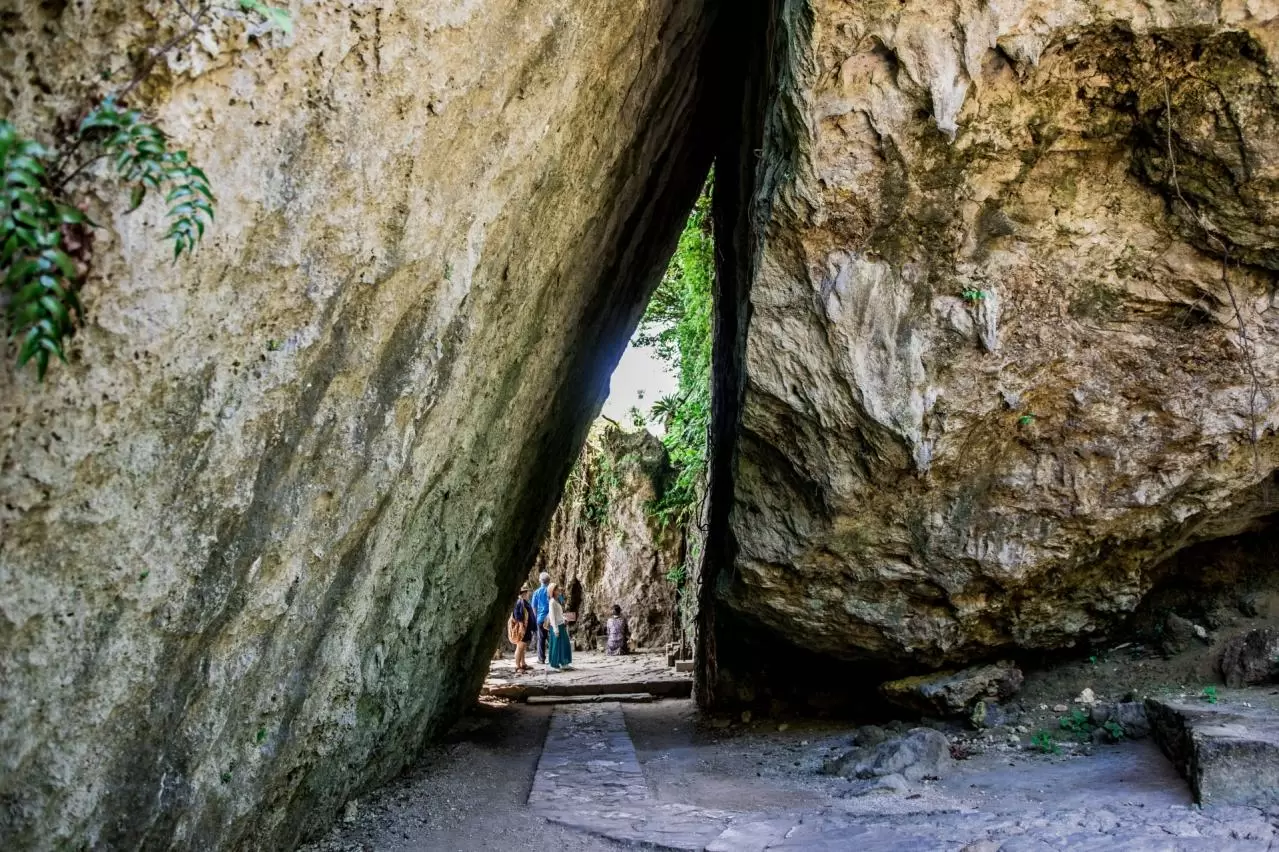
The most famous area within Sefa Utaki is Sanguui. Two enormous rocks stand leaning against one another, forming a triangular space between them. This striking landscape is widely recognized as the symbol of Sefa Utaki. The magnificent rock formation, shaped by nature over countless years, creates an atmosphere of mystery and solemnity. Near Sanguui is another worship site called Chō-no-Hana, which is believed to have a deep connection with Kikoe-Ōgimi. It has long been revered as one of the most prestigious sacred areas within Sefa Utaki. The sacred area beyond the triangular rocks of Sanguui is closed to visitors to protect the sanctuary and ensure safety. Visitors are asked to view the scenery from the designated area and respect the quietness of this sacred place of prayer.
Archaeological excavations around Sanguui uncovered three gold magatama beads, three stone magatama beads, and three glass magatama beads—a total of nine—as well as Chinese ceramics, old coins, and other artifacts. These discoveries are valuable evidence that Sefa Utaki was an important site for state rituals in the Ryukyu Kingdom. They have been designated Important Cultural Properties of Japan as the “Artifacts Excavated from Sefa Utaki, Okinawa Prefecture.” Learning about the history of state ceremonies held amid rocks and forests worshiped as sacred reveals the special significance Sefa Utaki held within the Ryukyu Kingdom.
When visiting Sefa Utaki, it is important to remember that it remains a sacred place where people continue to pray, and visitors are expected to behave quietly and respectfully. Basic etiquette includes refraining from touching worship sites or incense burners unnecessarily and not taking plants or stones home. The approach includes stone pavements, rocky areas, and slippery slopes, so comfortable walking shoes are recommended. A visit generally takes approximately 50 minutes to one hour, but visitors who wish to learn more about the site’s history and religious traditions may also wish to join a tour led by a specialized guide. The ticket office and public parking area are located at the Nanjō City Regional Products Center, some distance from the entrance to Sefa Utaki.
To preserve the tranquility and natural environment of the sacred site, Sefa Utaki is closed for six days each year: from the first through the third day of the fifth month of the lunar calendar and from the first through the third day of the tenth month. In addition, certain areas are subject to access restrictions in 2026 due to conservation and repair work. In particular, from November 2, 2026, through January 5, 2027, access to the worship sites beyond Ujōguchi is scheduled to be restricted. Visitors should check the latest information on the official websites of Nanjō City or Sefa Utaki before traveling.
Sefa Utaki is a globally significant sacred site that preserves the history of the Ryukyu Kingdom and Okinawa’s distinctive religious culture. In its forest-covered sacred areas, massive rocks, and views toward Kudaka Island lives on the spirit of the Ryukyuan people, who respected nature and lived alongside the gods. By visiting not merely as a tourist destination but as a sacred place where prayers continue to be offered today, visitors can deepen their understanding of Okinawa’s history and culture. Listening to the quietness of nature while sensing the faith and timeless history of the Ryukyu Kingdom, visitors can experience one of Okinawa’s foremost cultural heritage sites.
Okinawa Tourist Attractions
View List
Naki-jin Castle Ruins
Nakijin Castle Ruins is a historic site built as the residence of the king of the northern kingdom during the time of the Three Kingdoms of Okinawa. It is located in...
Senagajima Umikajitourasu
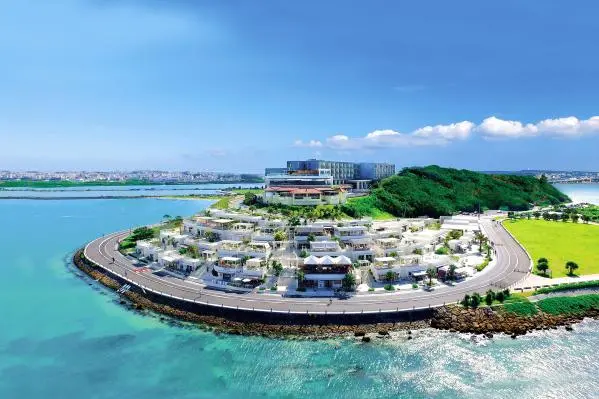
Senaga Island Umikaji Terrace is an island resort located on Senaga Island, connected by a road through the sea from Okinawa Main Island. Opened in 2015 and renovate...
Miha American Village
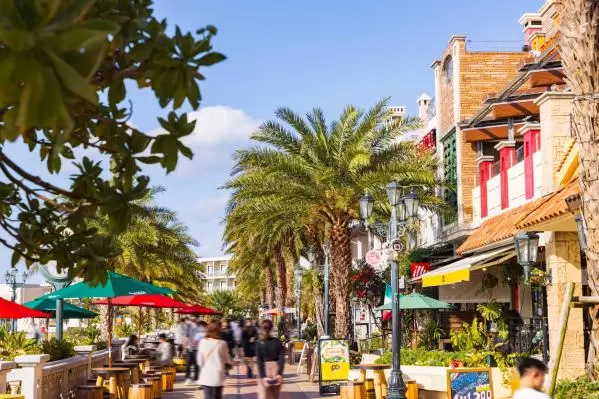
Mihama American Village is a popular resort town located in central Okinawa. It features colorful buildings and a Ferris wheel that recreate an American street scene...
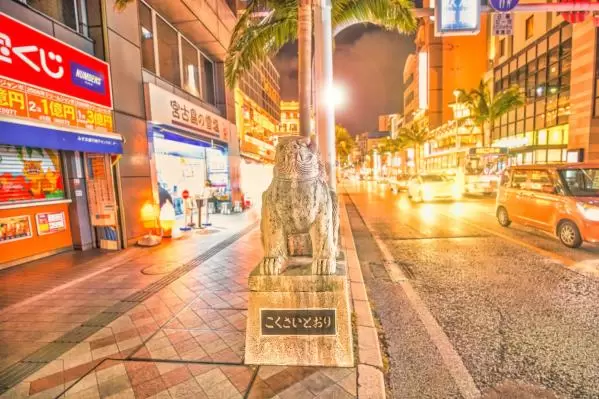
Kokusai Street
Naha's main street, Kokusai Dori, is known as the "Miracle Mile." It has achieved an astonishing revival from being completely burned down during World War II and ha...
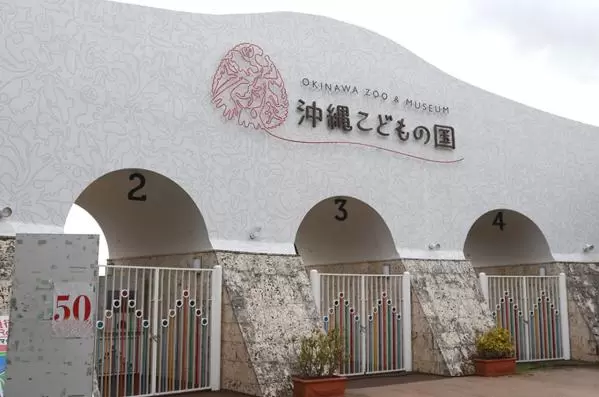
Okinawa Zoo & Museum
Okinawa Children's Country is a family-oriented leisure facility located in Okinawa City, Okinawa Prefecture. Opened in 1970, this facility features a diverse range ...
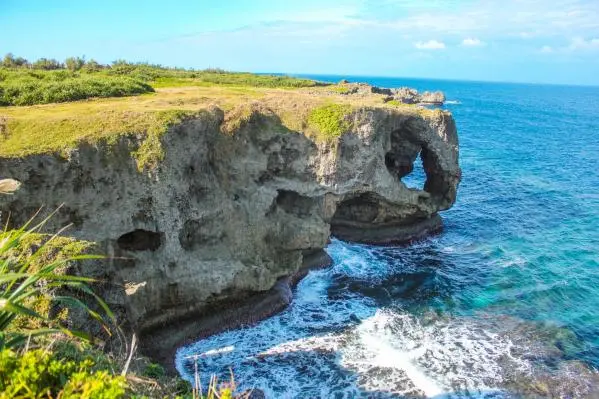
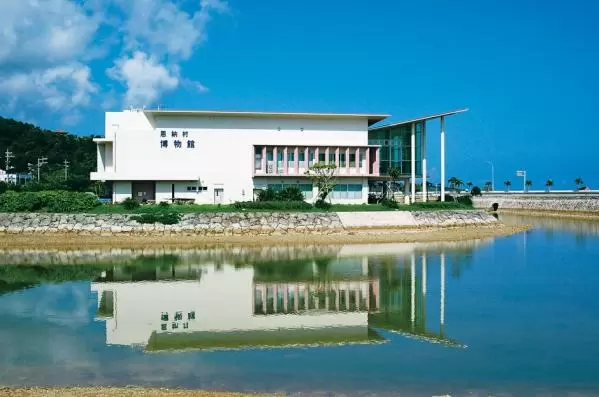
Onna Village Museum
The museum that conveys the unique history, culture, and lifestyle of Onna Village is divided into three zones: the folk exhibition "Life in Onna," the video theater...

Yonaha Maehama Beach
Yonaha Maehama Beach, located on the eastern side of Miyako Island, features a stunning 7 km stretch of pure white sand and the emerald green waters known as "Miyako...