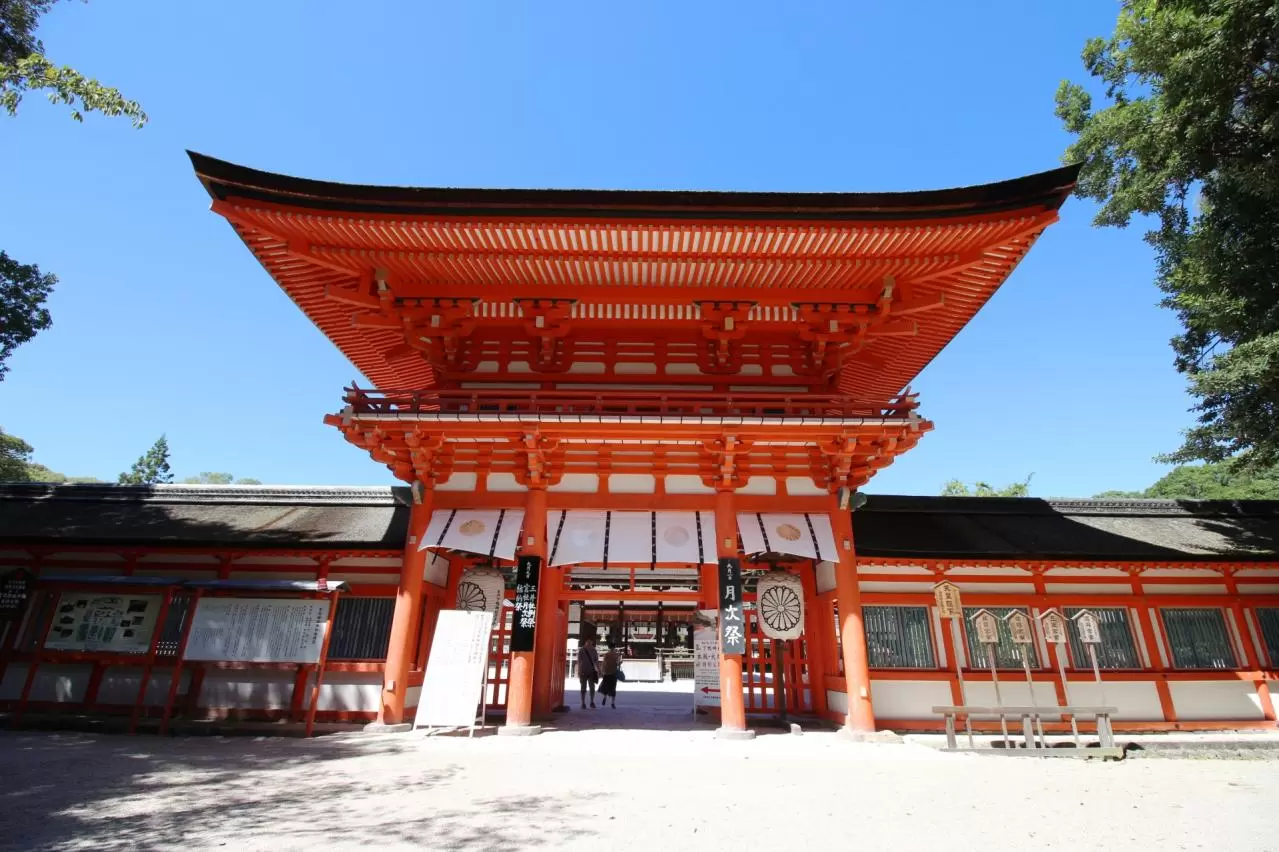
Shimogamo Shrine (Kamo Mioya Shrine)
The deities enshrined here are Kamo Taketsunomi no Mikoto and Tamayori Hime no Mikoto, with Tamayori Hime being particularly popular among women as a goddess of matchmaking and safe childbirth. This shrine, along with Kamigamo Shrine, is known as "Kamo Shrine," and the two share a close relationship.
Every year in May, one of Kyoto's three major festivals, the "Aoi Matsuri," takes place. This festival features a procession of over 500 people moving from the Kyoto Imperial Palace to Shimogamo Shrine, where rituals are solemnly conducted at the shrine.
Shimogamo Shrine offers many attractions and mysteries, such as the matchmaking ema (votive plaques) and the "Seven Wonders of Kamo," bringing peace of mind to its visitors.
Shimogamo Shrine (Kamo Mioya Shrine) Movies


![[Vlog]京都|下鴨神社|女子ひとり旅|ホテルの探し方のコツもご紹介🐥|おでかけvlog🎐vol.6](https://i.ytimg.com/vi/mDClZh4RFBA/mqdefault.jpg)

![[ 下鴨神社 ] 世界遺産とグルメを満喫できる半日散策プラン|老舗和菓子を堪能する旅|百名店のお土産情報も充実| vlog [ 百名店 ]](https://i.ytimg.com/vi/NZ3MOOgQzjY/mqdefault.jpg)


Basic Information
- Spot Name
- Shimogamo Shrine (Kamo Mioya Shrine)
- Location
- 〒606-0807 59 Shimogamo Izumikawacho, Sakyo-ku, Kyoto-shi, Kyoto Prefecture, Japan
- Access
- About 25 minutes by bus from the Karasuma Subway Line "Kita-Oji Station," get off at "Shimogamo Shrine-mae" or "Tadasu no Mori-mae" immediately.
Approximately 12 minutes on foot from Keihan Electric Railway "Demachiyanagi Station." - Parking
- Parking available
- Business Hours
- [Summer] 5:30 AM - 6:00 PM, [Winter] 6:30 AM - 5:00 PM
- Regular Holiday
- Open year-round
- Fees
- Free
Special viewing of "Ooidono" - Adults 500 yen, Free for middle school students and below. - Contact Information
- Phone Number:075-781-0010
- Official Website
Map
Detailed Information
Shimogamo Shrine, formally known as Kamomioya Shrine, is a historic shrine located in Sakyo Ward, Kyoto City. It is said to have been founded in the age of the gods, even before the Heian period, and is known as one of the oldest shrines in Kyoto. Long revered by the imperial court as the chief shrine of Yamashiro Province, it has long been regarded as an important shrine for praying for the peace of the nation and the well-being of its people.
World Cultural Heritage Site and the Sacred Forest of Tadasu no Mori
In 1994, it was registered as a UNESCO World Cultural Heritage Site as one of the components of the “Historic Monuments of Ancient Kyoto.” The grounds are home to Tadasu no Mori, a primeval forest covering about 124,000 square meters, which is also designated as a National Historic Site. The forest contains around 4,700 trees, including about 600 giant trees that are 200 to 600 years old. This sacred forest is cherished as a spiritual place that brings healing and spiritual tranquility to visitors.
Main Deities and Blessings
The principal deities of Shimogamo Shrine are Kamo Taketsunumi no Mikoto and his daughter Tamayorihime no Mikoto. Kamo Taketsunumi no Mikoto is also believed to be the incarnation of the Yatagarasu, and is worshipped as a god of guidance, while Tamayorihime no Mikoto is especially venerated by women as a deity of match-making, safe childbirth, and child-rearing. Nearby Kamigamo Shrine (Kamo Wakeikazuchi Shrine) enshrines Kamo Wakeikazuchi no Mikoto, the son of Tamayorihime no Mikoto, and the two shrines are collectively known as the Kamo Shrines, with a deep historical connection.
Annual Events and Seasonal Scenery
Spring (March)
On March 3, during the Peach Festival, the Nagashibina ritual is held at Mitarai River. In this rite, people entrust their misfortunes to clay dolls dressed in paper kimono and set them afloat on the river, a seasonal custom that heralds the arrival of spring and draws many worshippers.
Cherry Blossom Season
Near the Rōmon gate beyond Tadasu no Mori, beautiful cherry blossoms welcome visitors. The cherry trees blooming beside the sacred “sazare-ishi” stone, believed to house divine spirits, add elegance and color to Shimogamo Shrine in spring.
Summer (July)
The summer tradition of Mitarai Festival is held around the days of the Doyō no Ushi. Visitors dip their feet in the cold spring water of Mitarai Pond and offer candles while praying for good health and protection from illness. This “foot-purification ritual” is one of the signature summer events in Kyoto.
Fresh Greenery
In early summer, Tadasu no Mori is enveloped in lush new greenery. Sunlight filtering through the trees and the sound of birds in this ancient forest bring a quiet healing that feels as though it purifies both body and mind.
Autumn (Midsummer to Autumn Equinox)
Around the time of the full moon in autumn, the Meigetsu Kangen Festival is held. This ritual originated from the imperial court’s donation of rice fields as mitoshiro, and after offerings of gagaku court music and kagura dance, visitors admire the full moon. It is an elegant and sacred event praying for abundant harvests and peace throughout the land.
Autumn Leaves
As autumn deepens, Tadasu no Mori turns shades of red and gold, and a tunnel of autumn leaves appears along the approach to the shrine. In the quiet, the scenery woven by the colored trees captivates many with its beauty, symbolizing Kyoto’s autumn.
Winter Snow Scene
When snow falls, the shrine grounds are silently transformed into a pure white world, creating a dreamlike landscape that feels almost otherworldly. In the solemn winter air, Shimogamo Shrine takes on an even more sacred atmosphere.
Aoi Matsuri | Held Every Year on May 15
The Aoi Matsuri, held at Shimogamo Shrine and Kamigamo Shrine, is one of Kyoto’s three major festivals, along with Gion Matsuri and Jidai Matsuri. On May 15, a procession of more than 500 participants dressed in Heian-period attire travels from Kyoto Imperial Palace to Shimogamo Shrine and then to Kamigamo Shrine. At Shimogamo Shrine, the Shato no Gi ceremony is solemnly performed, creating an elegant scene like a living picture scroll of the imperial court.
Main Halls and Auxiliary Shrines
Main Halls (National Treasures)
The East Main Hall and West Main Hall of Shimogamo Shrine are National Treasures built in the nagare-zukuri architectural style. They were rebuilt in 1863, with Kamo Taketsunumi no Mikoto enshrined in the East Main Hall and Tamayorihime no Mikoto in the West Main Hall.
Izumii Jinja (Hiraki-sha)
A subsidiary shrine within the grounds, dedicated to Takehayasusa no O no Mikoto. It is also called Hiraki-sha because it is said that the leaves of the trees around the shrine become jagged like holly leaves. It is believed to bring protection from misfortune, new opportunities, and success in tea ceremony.
Inoue Shrine (Mitarai Shrine)
A subordinate shrine built over Mitarai Pond, enshrining Seoritsuhime no Mikoto. It is also the stage for the Mitarai Festival in summer and the Yatatori ritual held on the eve of the beginning of autumn, and is known as the birthplace of mitarashi dango.
Koto Shrine (Okuni-san)
A group of seven shrines lined up in front of the worship hall, these subsidiary shrines enshrine the seven manifestations, or alternate names, of Ōkuninushi no Mikoto. Each is regarded as a guardian deity of the twelve zodiac signs, and the shrines are crowded with worshippers during the “Hatsu-Ōkuni” festival in January and the October rites. Each shrine is designated as an Important Cultural Property.
Ōkunitama no Kami (guardian deity for the Year of the Snake and Year of the Goat)
Akinokunitama no Kami (guardian deity for the Year of the Horse)
Ōkuninushi no Kami (guardian deity for the Year of the Rat)
Ōmononushi no Kami (guardian deity for the Year of the Ox and Year of the Boar)
Shikao no Kami (guardian deity for the Year of the Rabbit and Year of the Rooster)
Ōnamuchi no Kami (guardian deity for the Year of the Tiger and Year of the Dog)
Yachihoko no Kami (guardian deity for the Year of the Dragon and Year of the Monkey)
Kamo Hani Jinja (Akano-miya Shrine)
A peripheral subsidiary shrine near the Kamo River, it enshrines Hani Yasuhiko no Kami and Hani Yasuhime no Kami. Its name derives from the place name Hanikawa and the names of the deities, and it is revered as a deity for protection from misfortune, direction, calamity, and the promotion of industry. During the annual Mikage Festival (Mio Shinji) in May, the bugaku dance “Kangenraku” is dedicated.
Kyoto Tourist Attractions
View List
Kyoto Aquarium
Kyoto Aquarium is a large inland aquarium located in Umekoji Park in the Shimogyo Ward of Kyoto City. It is conveniently accessible, being about a 15-minute walk fro...

Tofuku-ji Temple
Tōfuku-ji is the head temple of the Rinzai sect of Zen Buddhism, founded in 1236 by Kujō Tadayoshi, with its main hall completed in 1255. It is counted among the fiv...

Kyoto Tower
Kyoto Tower was built as a "major center for industry, culture, and tourism," with the purpose of "contributing to the development of Kyoto City." Completed in the s...


Tenryu-ji Temple
Tenryu-ji Temple is a Zen temple located in the Arashiyama district of Kyoto, registered as a UNESCO World Heritage Site. Originally, this site was the location of D...

Kitano Tenmangu Shrine
Kitano Tenmangu is a historic site in Kyoto that is widely revered as the deity of learning and the arts. This shrine enshrines Sugawara no Michizane, a scholar and ...

To-ji Temple
Toji Temple (official name: Kyo-o Gokokuj), is the only existing structure from the Heian-kyo period and is registered as a UNESCO World Heritage Site. Founded two y...