
Magome-juku
Magome-juku Movies


Basic Information
- Spot Name
- Magome-juku
- Location
- Magome, Nakatsugawa City, Gifu Prefecture
- Access
- From Nakatsugawa Station, take the Kita Ena Kotsu bus on the Magome line for approximately 25 minutes and get off at "Magome."
Approximately 20 minutes from Nakatsugawa IC on the Chuo Expressway. Turn right at the "Okita" intersection onto National Route 19 towards Matsumoto and Kiso. Continue straight on Prefectural Route 7 and turn left at the guide sign. - Parking
- Parking available
- Business Hours
- Open for visitation.
- Regular Holiday
- None
- Contact Information
- Phone Number:0573-69-2336
- Official Website
Map
Detailed Information
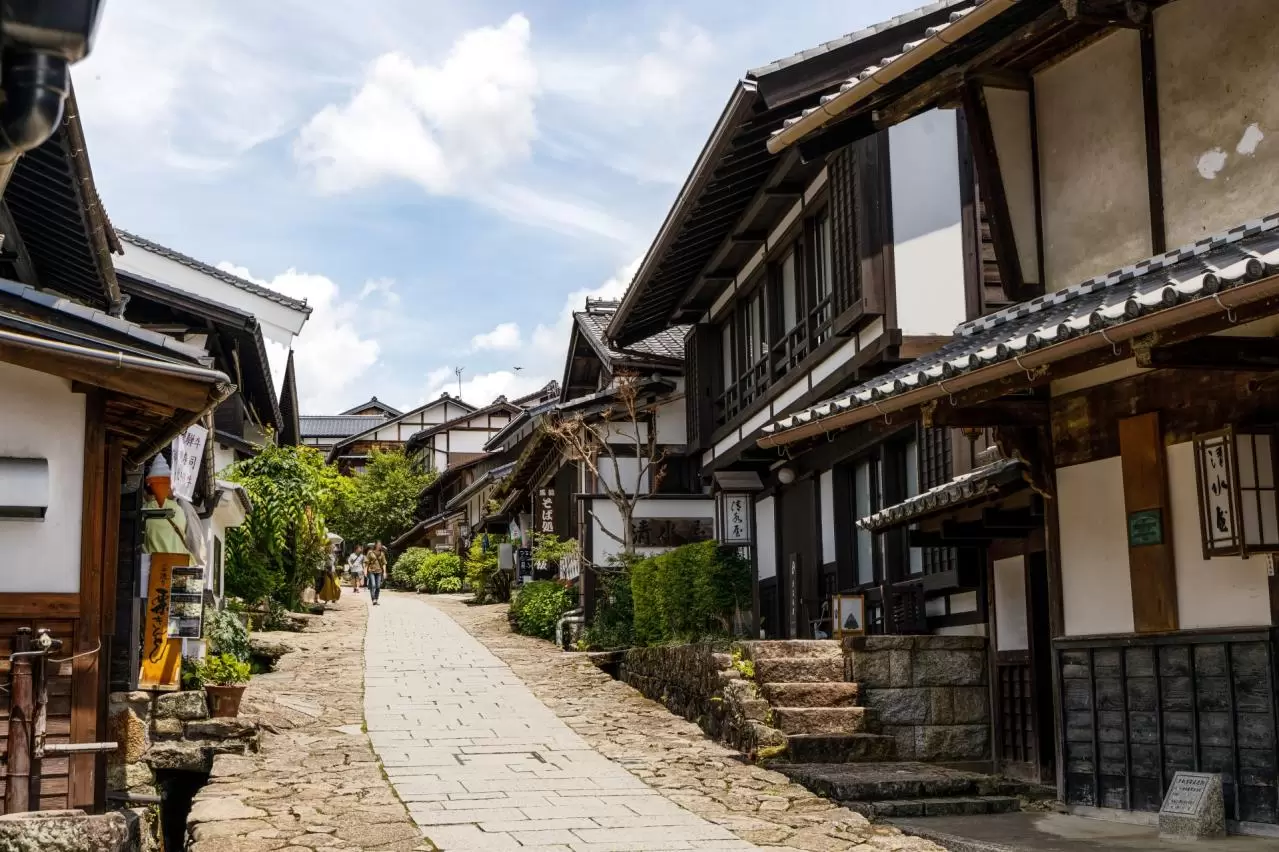
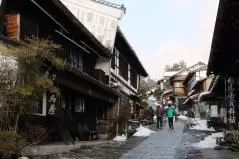
Magochi-juku is a historic post town nestled in the mountains of Nakatsugawa City, Gifu Prefecture, that once flourished as a station town along the Nakasendō. Its greatest appeal lies in the townscape that still strongly reflects the Edo period, with stone-paved streets and wooden houses lined tightly along the slope.
1. Location and Scenic Features of Magochi-juku
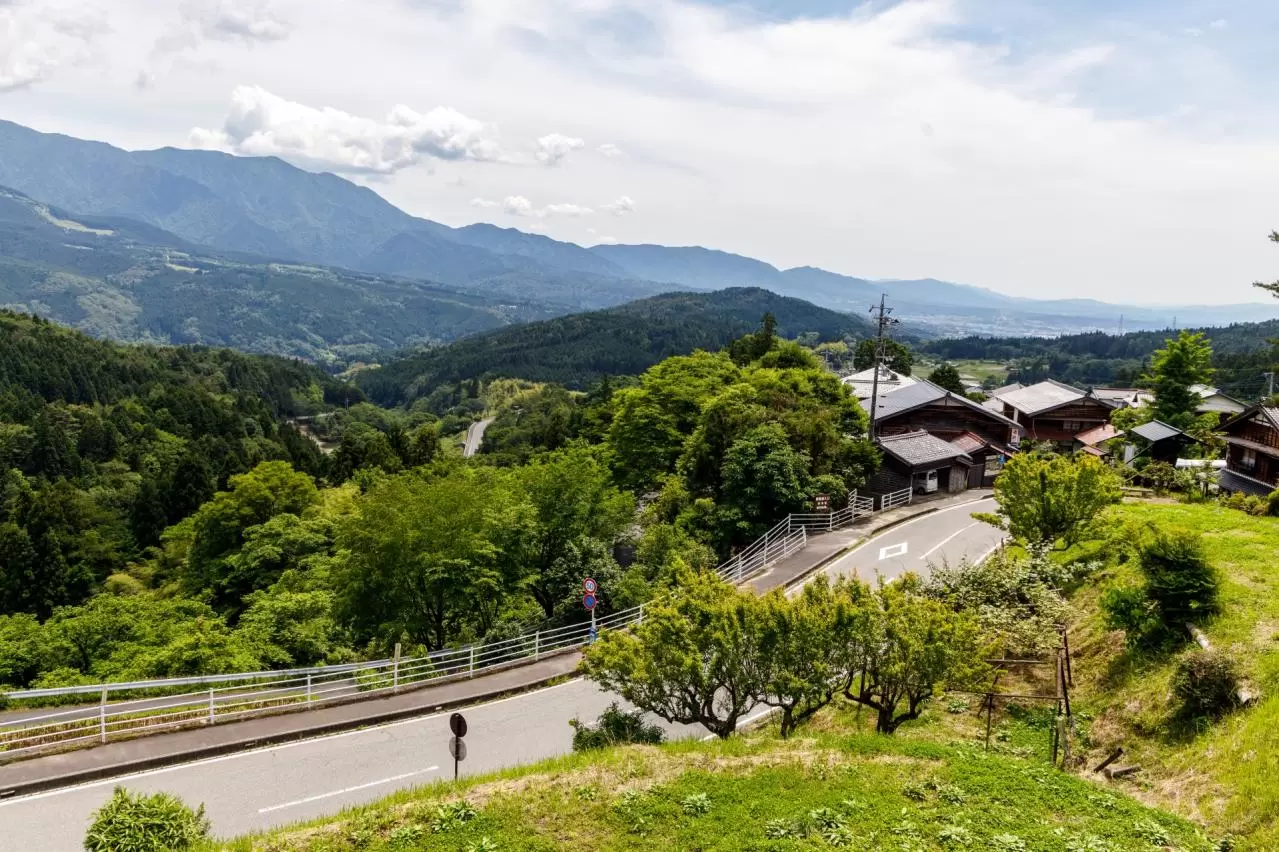
Magochi-juku is located in the Magome area of Nakatsugawa City, Gifu Prefecture, in the mountains near the center of Japan, at the southern edge of the Central Alps. It is an area where you can enjoy a satoyama landscape of rice fields and mountain forests amid hilly terrain.
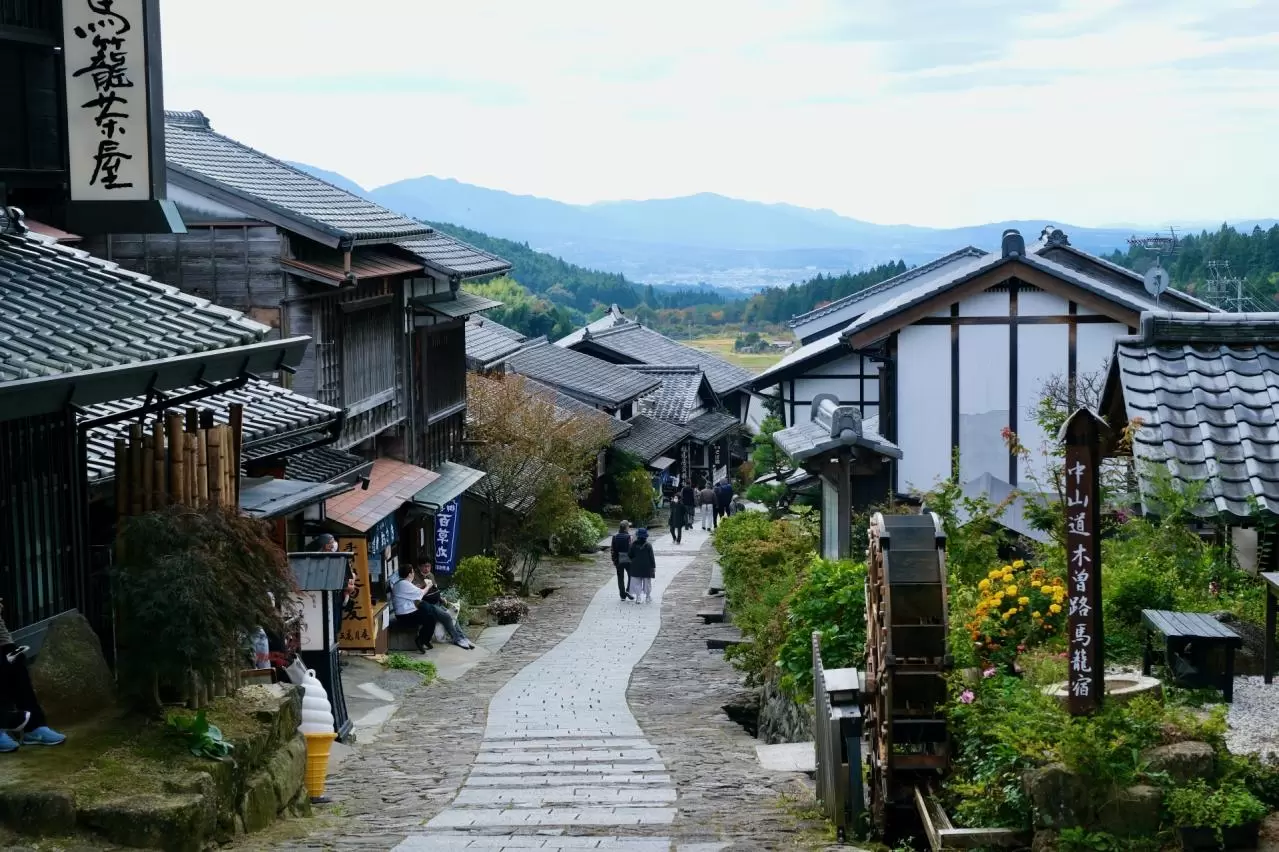
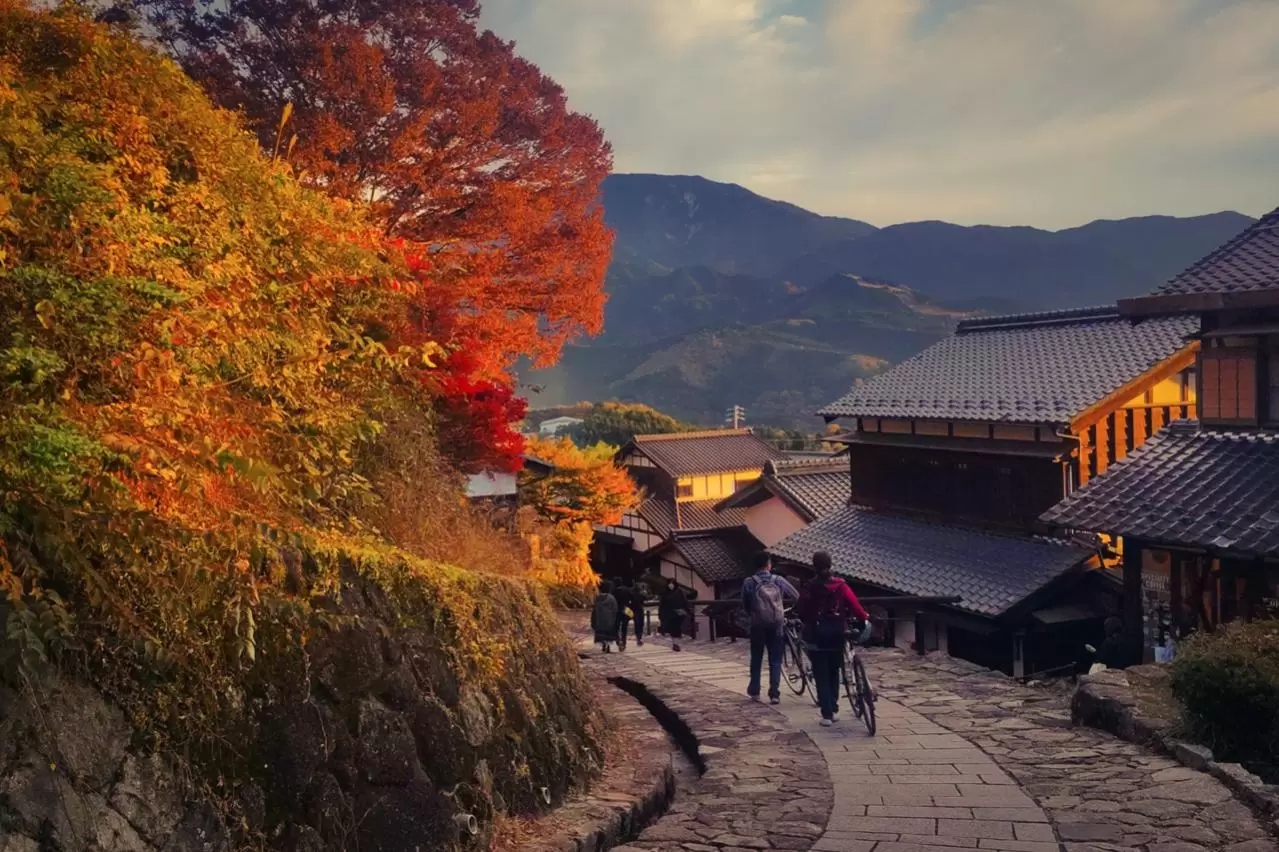
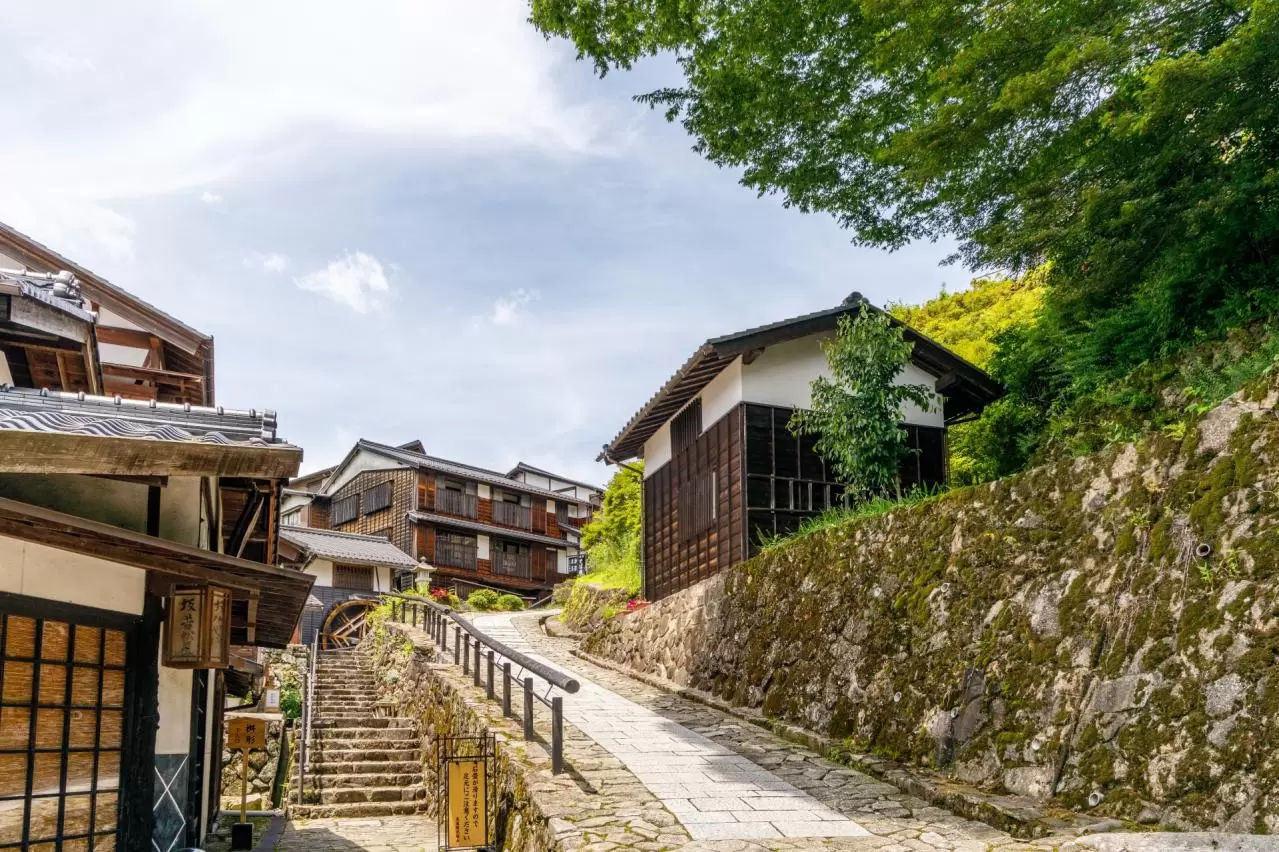
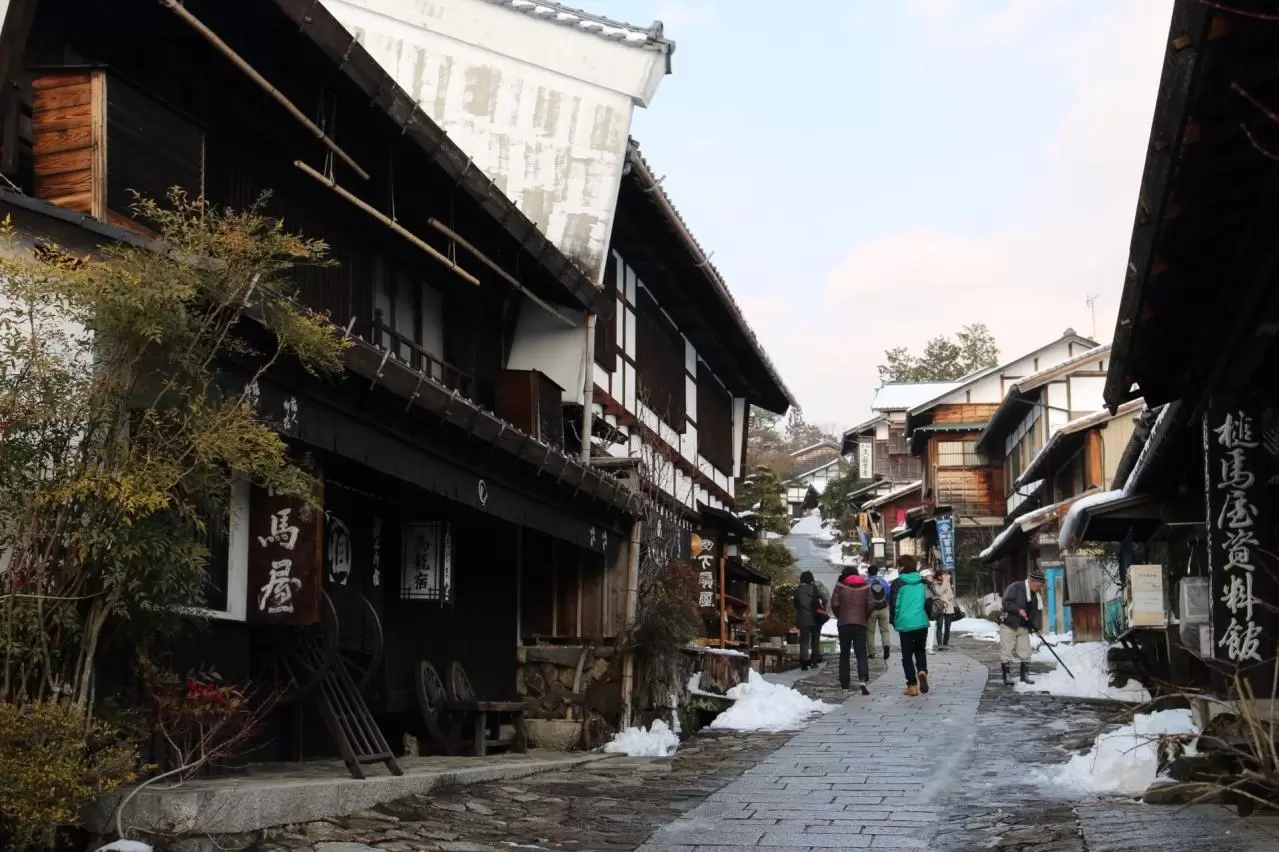
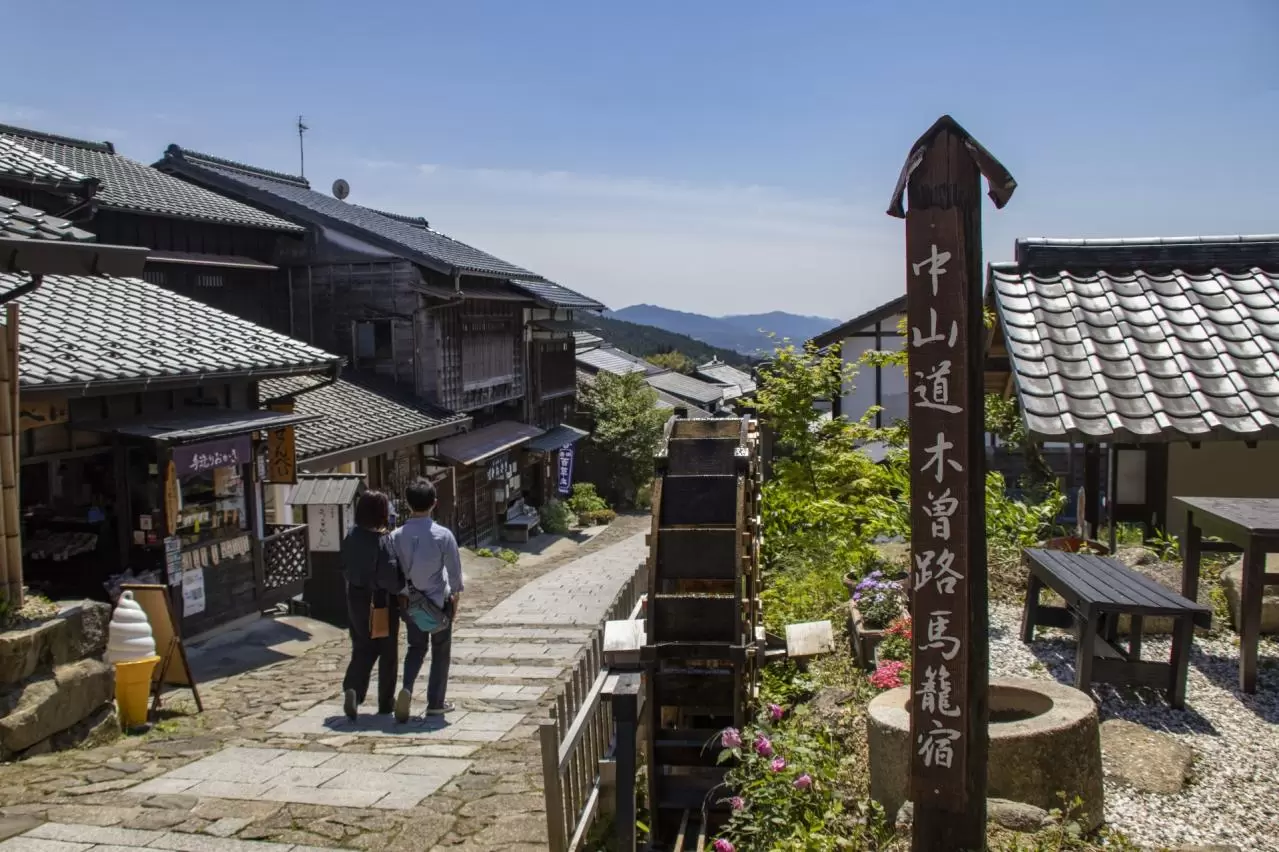
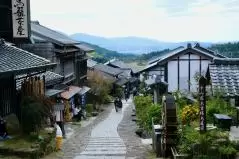
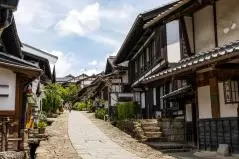
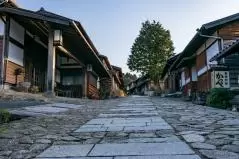
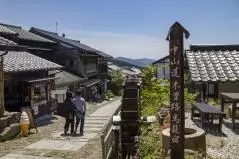
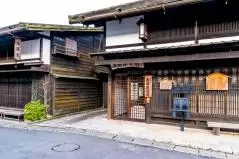
The Nakasendō, which opened in the early Edo period, runs through the center of the town, and the stone-paved road that follows the slope is its defining feature. Within the post town, a stone-paved uphill road stretches for more than 600 meters, and along both sides stand traditional wooden inns, restaurants, cafés, and specialty shops.
As you walk, the soothing sounds of flowing water, birdsong, and the breeze from the mountains let you spend a nostalgic moment somewhat removed from everyday life.
2. Magochi-juku on the Nakasendō and in the “Kisoji”
The Nakasendō is one of the Five Highways developed during the Edo period, connecting Edo (present-day Tokyo) and Kyoto. Along the route, 69 post towns were established, and Magochi-juku was the 43rd post town from Edo to Kyoto.
Beyond Magochi-juku, the Nakasendō continues into the deep mountain section of the Kiso Valley known as the “Kisoji.” In this Kisoji area, the “Kiso Eleven Post Towns” are scattered throughout the valley; Magochi-juku is the southernmost of them and the only one in Gifu Prefecture.
Surrounded by steep mountains, this place once posed a major transportation challenge, yet it served as an important relay point where goods, information, and people passed through. Even today, it retains the strong atmosphere of an Edo-period road, making it a valuable destination where history and nature can be enjoyed together.
3. A Town Walk Filled with the Spirit of Edo
Stone-Paved Slopes and Townscape
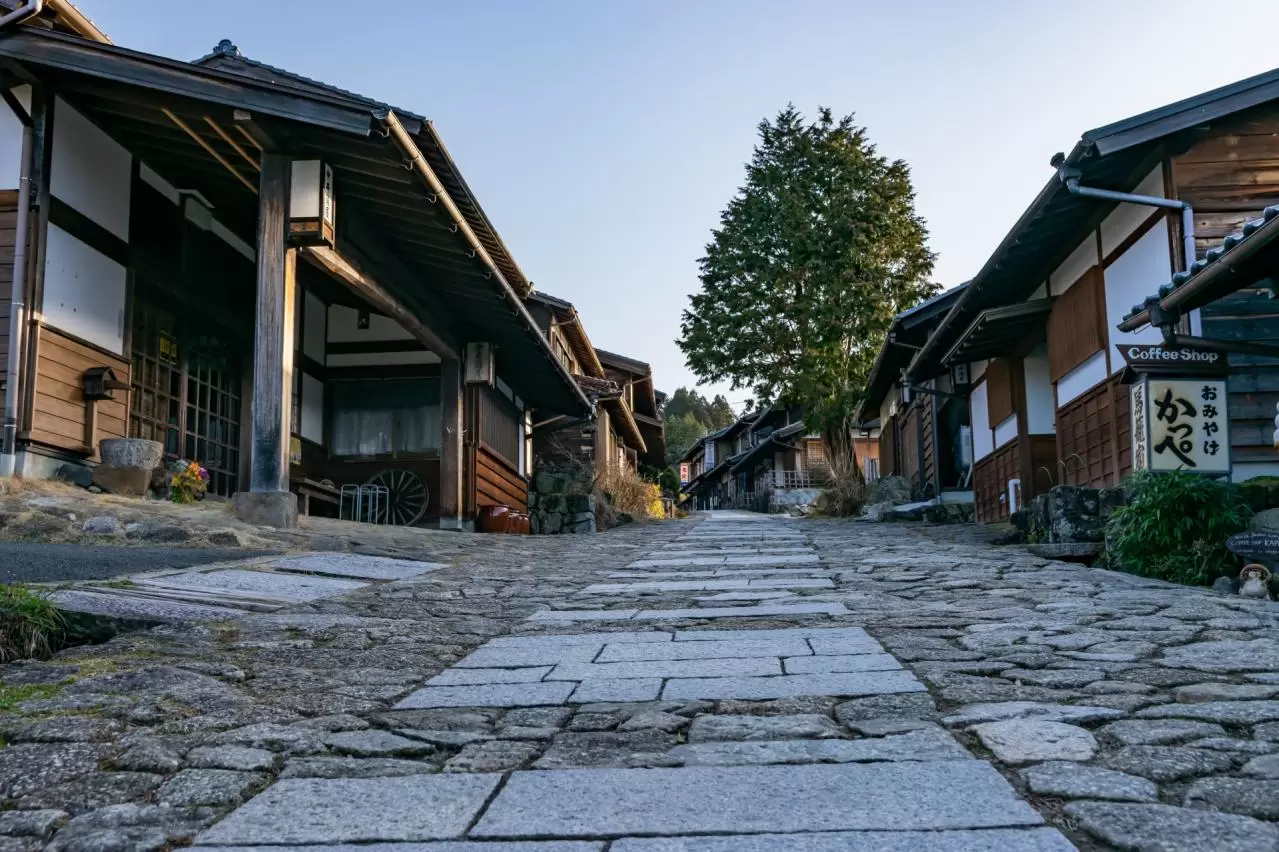
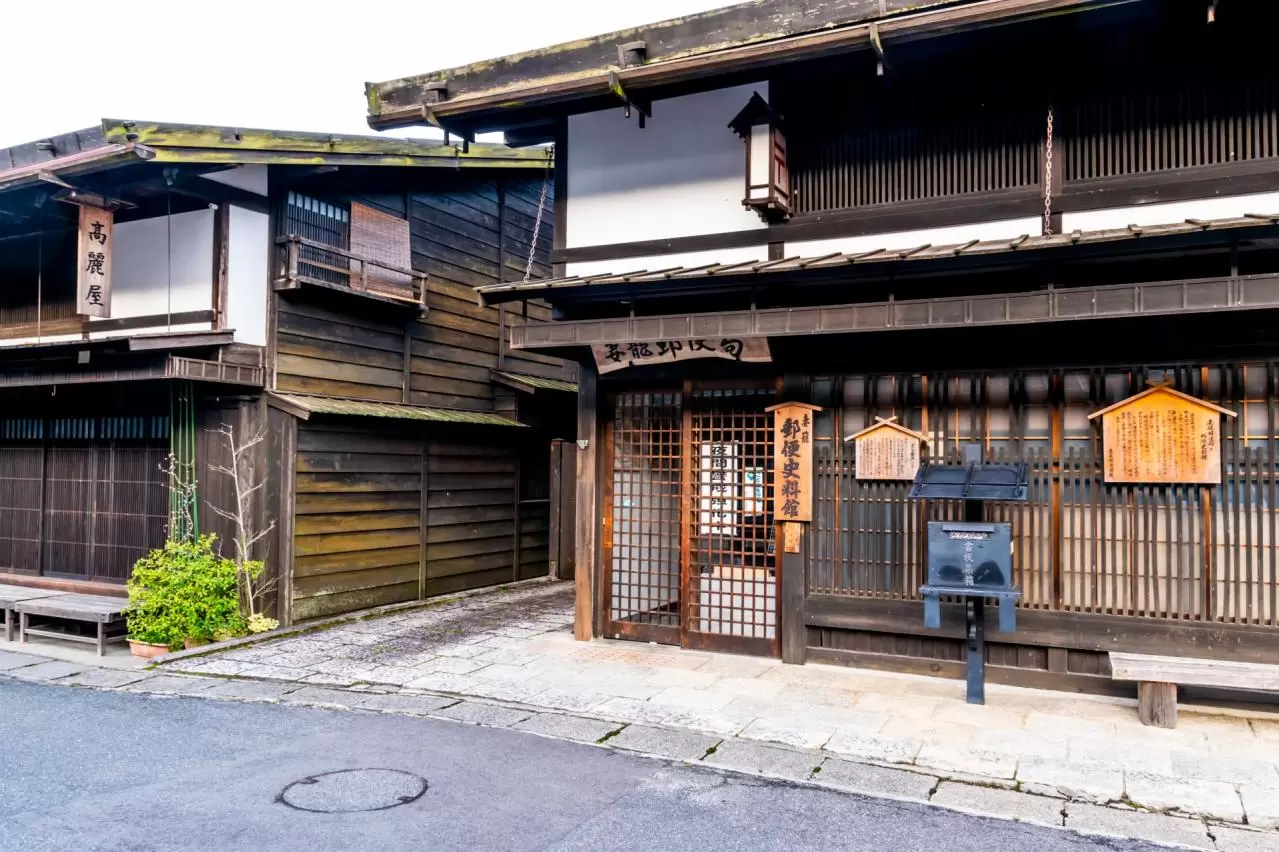
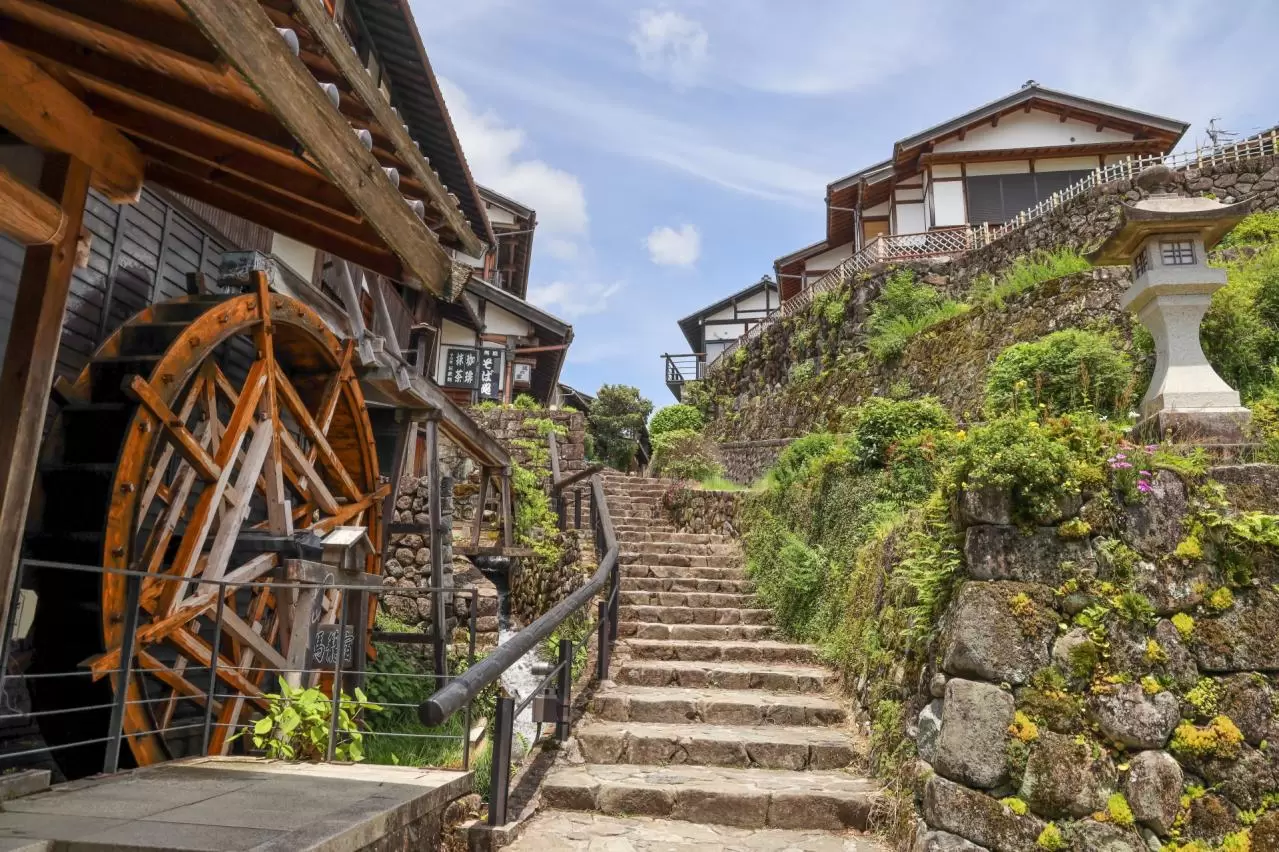
The highlight of Magochi-juku is, above all, its stone-paved slope. The view from the bottom of the hill looking up is especially beautiful, and the scene created by the stone pavement, the old buildings lining both sides, and the mountains in the distance is like a scene from a period drama.
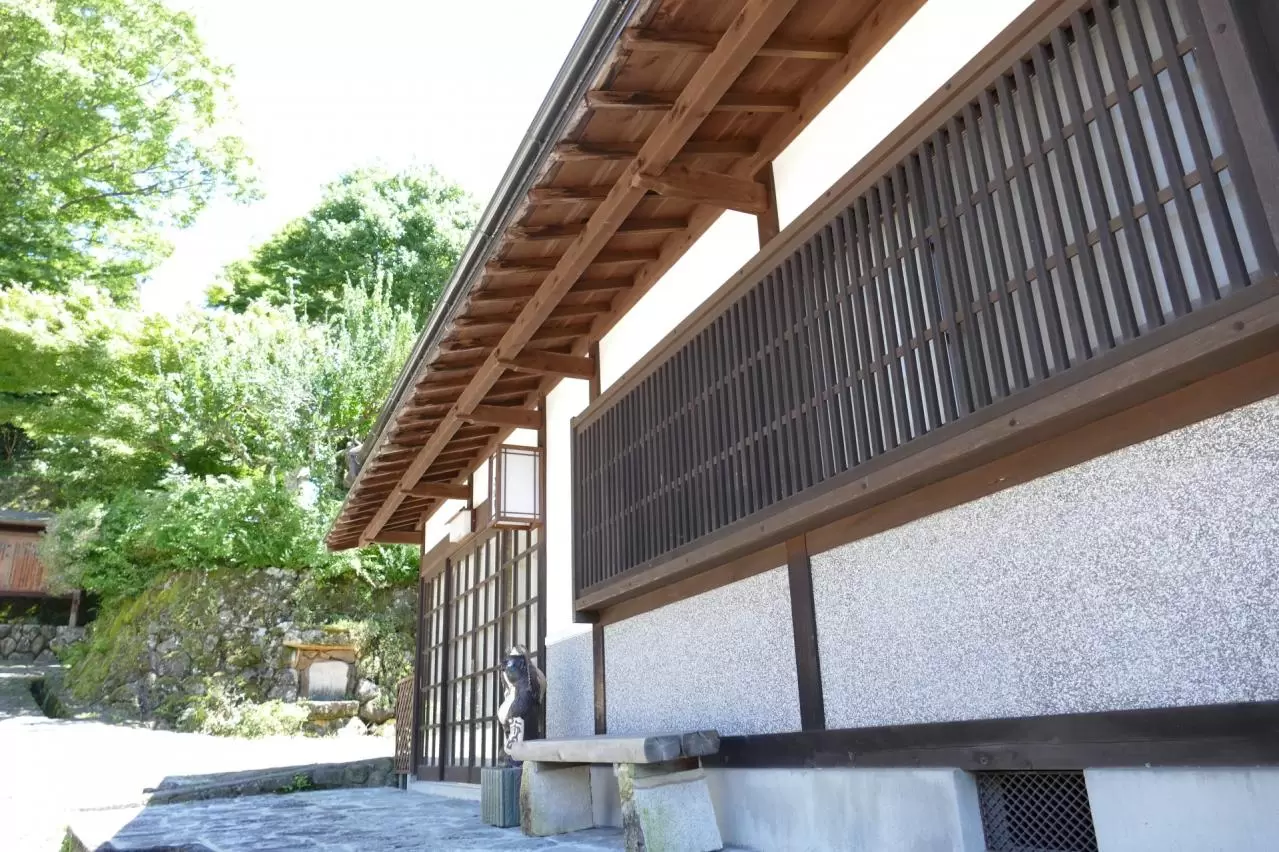
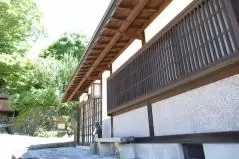
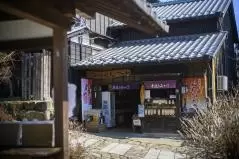
Along the slope you will find inn-style buildings, traditional teahouses, cafés, and souvenir shops. You can enjoy strolling as if you were an old traveler or a history lover walking the Kisoji—browsing unusual little shops rarely seen in the city, or taking a break in a café renovated from an old folk house.
Photo Spots
• Water wheel
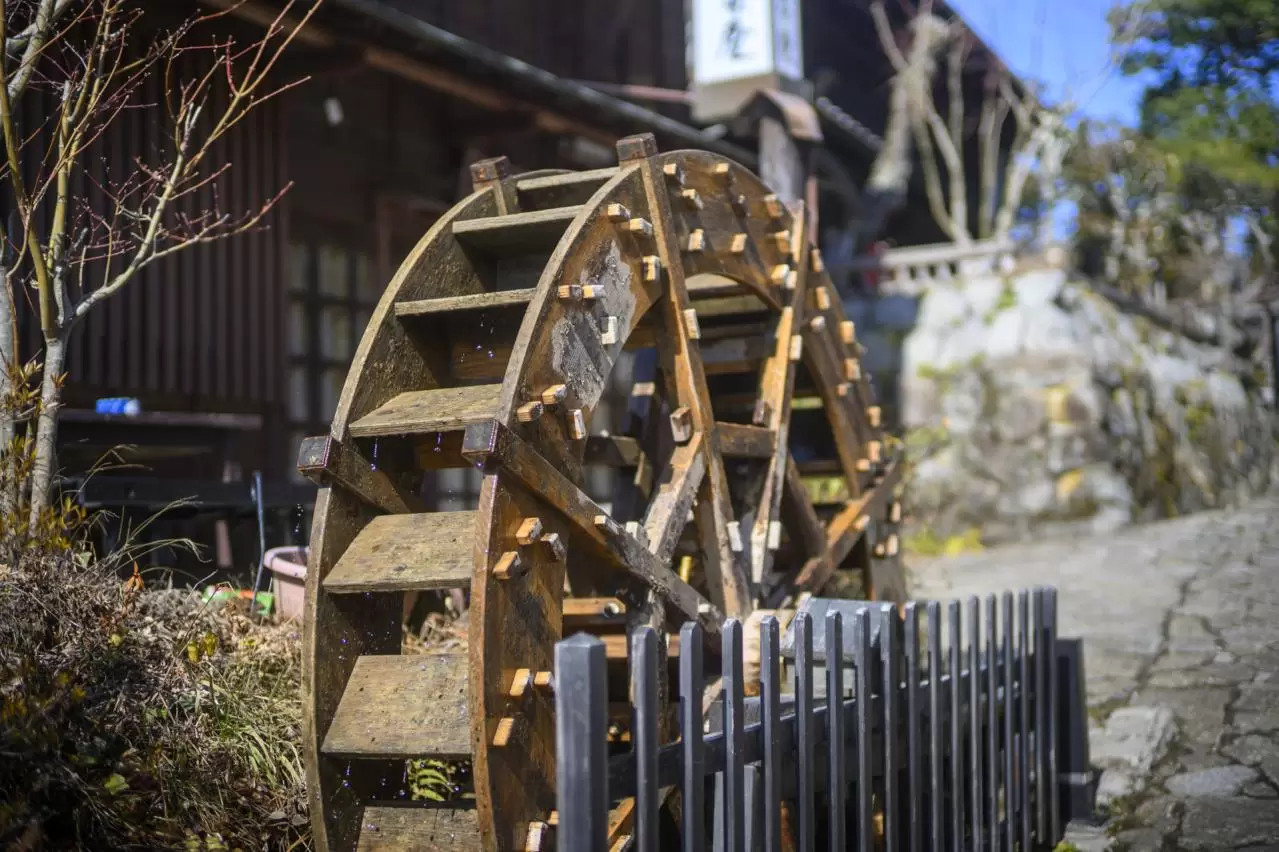
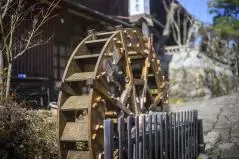
The large water wheel, a symbol of Magochi-juku, turns using water from the canal that flows through the post town. It is still in operation today as a small hydroelectric generator and is also used to supply electricity for streetlights. It is a relaxing photo spot where you can take pictures while listening to the sound of water.
• Stone-paved slope
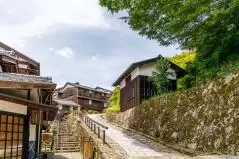
A view looking up from the bottom of the hill is recommended, allowing you to capture the old-fashioned, warm atmosphere created by the stone pavement and wooden houses.
• Magome Viewpoint / Magome Jinba-jō Observation Plaza
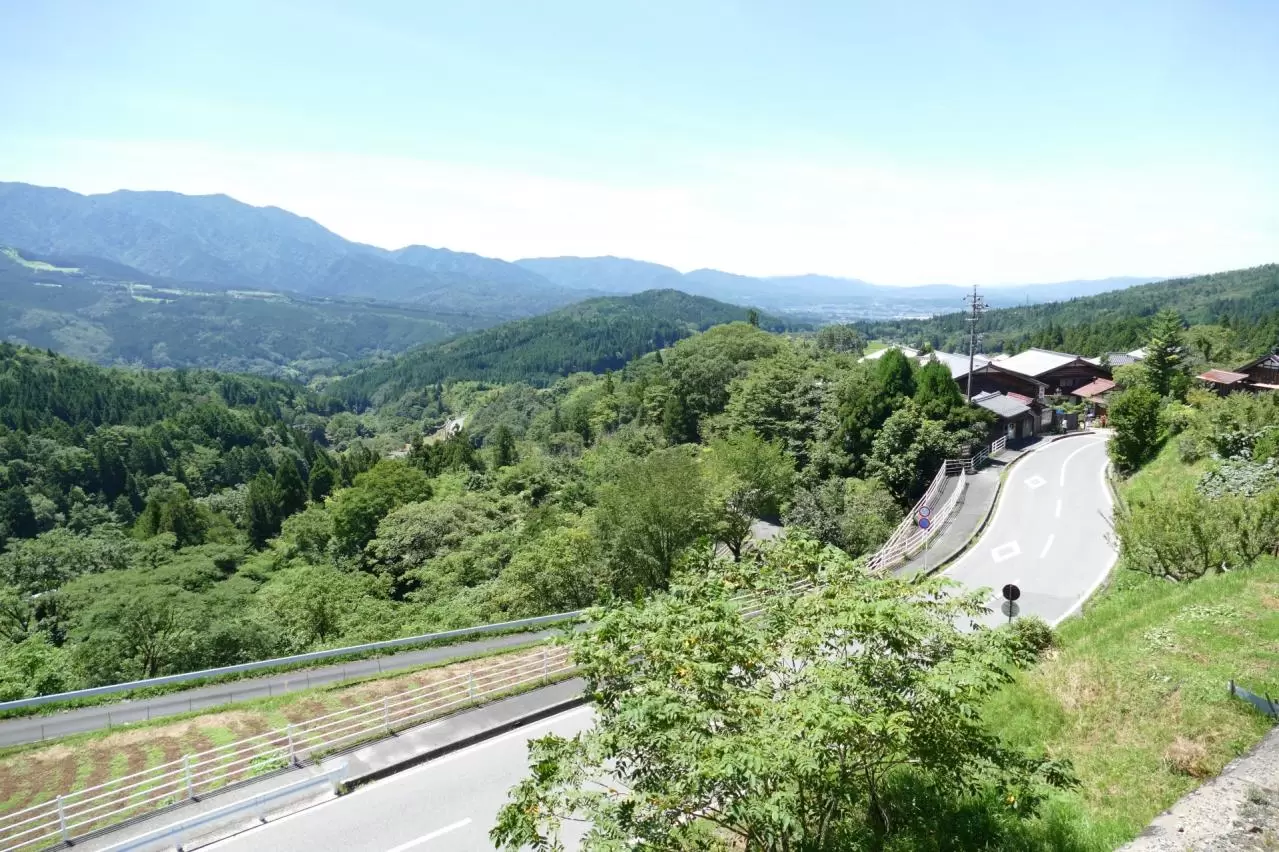
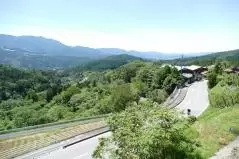
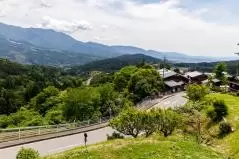
From Magome Viewpoint, one of the entrances to the post town, and the elevated Magome Jinba-jō Observation Plaza, a grand panorama opens up with Mt. Ena directly ahead. You can also overlook the Kiso Valley and the mountain ridges of the Central Alps, making this a superb scenic spot that changes with the seasons. Benches are available, making it a good place to rest during your walk.
4. A Town Where the Spirit of Toson Shimazaki and Literature Lives On
Birthplace of the Great Writer Toson Shimazaki
Magochi-juku is also known as the birthplace of Toson Shimazaki, one of the leading writers of modern Japanese literature. Toson was born as the fourth son of the Magome Honjin and went on to produce masterpieces such as The Broken Commandment and Before the Dawn.
His代表作 Before the Dawn is a historical novel set in Magochi-juku that depicts the turbulent era from the end of the Tokugawa shogunate to the Meiji Restoration, and it is also known for being based on the life of his biological father. Its opening line, “Kiso Road is all in the mountains,” is one of the most famous openings in Japanese literary history.
Toson Memorial Museum (Site of Shimazaki Toson’s House / Magochi-juku Honjin Site)
In the center of the post town stands the Toson Memorial Museum, built on the site of Toson Shimazaki’s birthplace (the former Magome Honjin). This site is a designated historic place by Gifu Prefecture, and in 2020 it was additionally recognized as a constituent cultural property of Japan Heritage, “Kisoji is all in the mountains: Protecting the mountains, living with the mountains.”
The museum houses about 6,000 items, including handwritten manuscripts, letters, first editions, and personal belongings of Toson. It also features a reconstruction of the study from his final residence in Oiso, Kanagawa Prefecture, allowing visitors to trace his life and literary world. Touring the real locations that appear in Before the Dawn, such as Eishō-ji Temple and Daikokuya, is another uniquely Magochi-juku way to enjoy the area.
5. Historic Spots Where You Can Learn About the Past
Magochi-juku is dotted with facilities where visitors can experience the town’s history and the way people lived at the time.
Magochi Wakihonjin Museum
The Magochi Wakihonjin Museum is a facility that recreates an actual wakihonjin used in the Edo period. Tatami rooms, earthen-floored spaces, and wooden-floored rooms have been reconstructed, giving visitors a tangible sense of the role of a post town.
In particular, the highly formal “Jōdan no Ma” was the room used to welcome feudal lords and important guests, conveying the dignity of the wakihonjin to the present day.
Shimizuya Museum
The Shimizuya Museum is a building that preserves the appearance of an inn that has continued since the Edo period. Tools and furniture used by travelers are on display, and guest rooms, kitchens, and earthen-floored areas have been preserved much as they were.
Also noteworthy are ceramics from all over Japan and materials related to Toson passed down through the Hara family, who had close ties with the Shimazaki family.
Masugata and Water Mill Cottage
The “Masugata” near the entrance to the post town is an L-shaped road created for defense and is a valuable remnant for understanding the structure of a post town.
At the nearby water mill cottage, the water wheel is still in operation today and is cherished as one of Magochi-juku’s iconic landscapes.
6. Gourmet Food and Snacking in Magochi-juku
One of the pleasures of Magochi-juku is its street food and snacks enjoyed along the slope.
Classic Local Foods
• Gohei mochi
A local dish originating in the Kiso Valley and the central mountainous region, Magochi-juku has several gohei mochi shops. Each shop uses a different sauce and grilling method, so you can compare the flavors.
• Rice crackers and oyaki
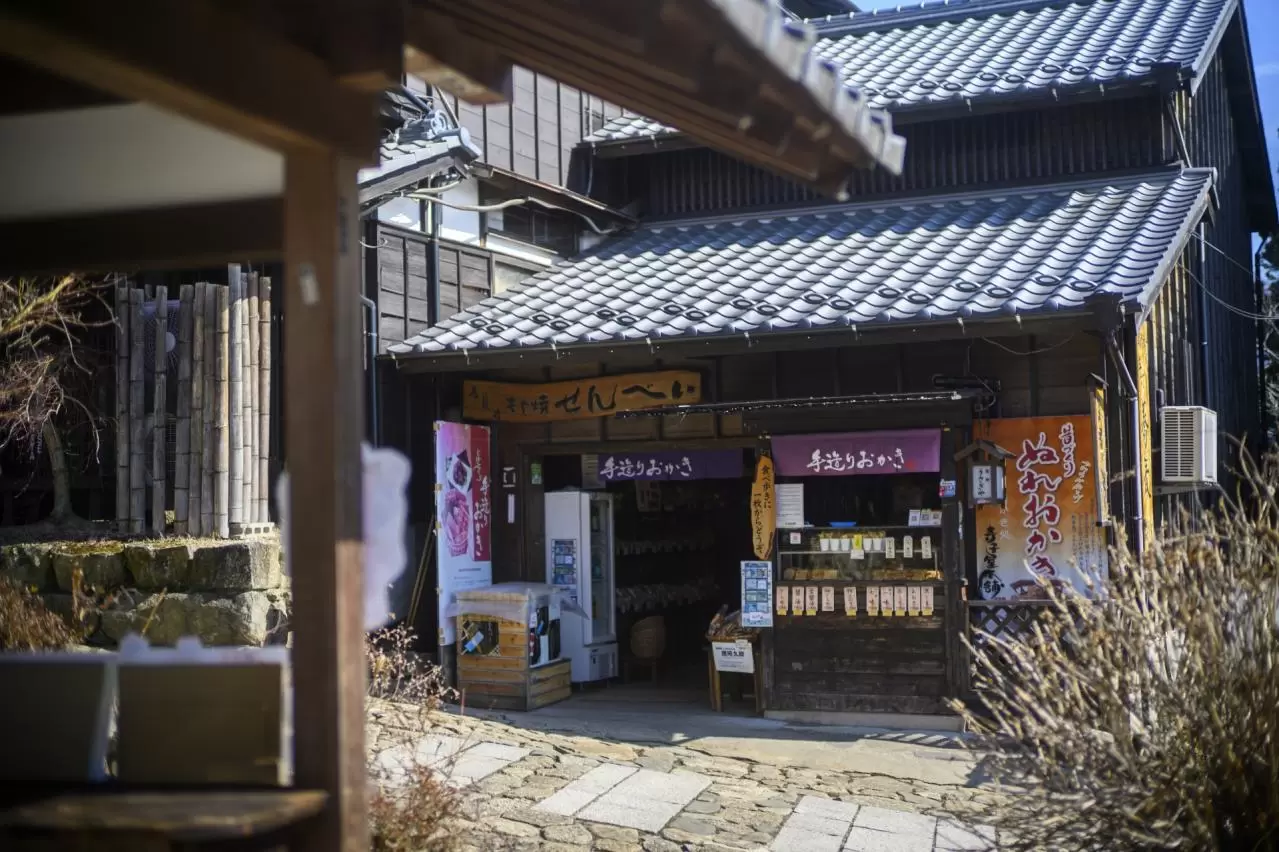
Freshly baked rice crackers and simple oyaki are popular items that can be enjoyed casually while walking.
• Chestnut kinton-flavored soft serve
In summer, soft serve ice cream inspired by Nakatsugawa’s famous chestnut kinton is also very popular.
Café Culture
From a home-roasting café near the water wheel to cafés housed in old folk houses and retro coffee shops, there are plenty of places ideal for resting during your stroll.
7. Experiences, Events, and Cultural Encounters
At Magochi-juku, experience programs and seasonal events are held that allow visitors to engage with post-town culture and local life. Since the content varies depending on the time of year, checking the latest information before your visit will help you enjoy a more fulfilling stay.
8. Recommended Seasons and Ways to Enjoy the Scenery
Spring (around early April)
Spring, when the cherry blossoms are at their best, is a season in which you can enjoy beautiful scenery where the stone-paved slope, old folk houses, and cherry blossoms blend harmoniously. The climate is mild, making it ideal for walking.
Autumn (late October to mid-November)
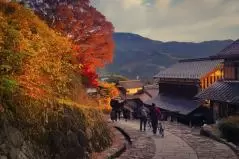
In autumn, the surrounding mountains turn vivid shades of red and gold, and Magochi-juku becomes especially lively with many visitors. Depending on the timing, illumination events may also be held in conjunction with the autumn leaves, allowing you to enjoy a magical atmosphere different from daytime. It is recommended to confirm in advance whether the event is taking place.
9. The “Samurai Road” Connecting Magochi-juku and Tsumago-juku
From Magochi-juku to the next post town, Tsumago-juku, the distance is about 7.3 to 8 km, and the route has been developed as a hiking course that takes about two hours on foot. This section is popularly known as the “Samurai Road” or “Samurai Trail” and is also well liked by international visitors.
The route passes through old mountain paths, woodland trails, and rural landscapes of fields and rice paddies, offering an experience like following in the footsteps of travelers from long ago. Because there are ups and downs along the way, comfortable clothing and walking shoes are recommended.
#Traditional culture experience #Townscape/Bikan Historical Quarter #Cultural assets/historic sites
Gifu Tourist Attractions
View List
Hida Takayama Old Town
The "Old Town" of Hida Takayama consists of three main streets that developed as a merchant town and served as the center of a castle town. Under the eaves lined wit...


Gero Onsen
Gero Onsen is a hot spring resort located in the basin of the Hida River, known as one of Japan's three famous hot springs, along with Arima Onsen in Hyogo Prefectur...

Gifu Castle
Gifu Castle is a historic castle located in Gifu City, Japan, formerly known as Inabayama Castle. During the Warring States period, it served as the residence of Sai...

Shirakawa-go Historic Village
Shirakawa-go Gassho-zukuri village is located in Gifu Prefecture, Japan, where a unique architectural style known as Gassho-zukuri has been preserved for hundreds of...

Takayama Shrine
Takayama Jinya is a location where the governors and officials of the Edo period conducted their administration, and the term "Jinya" refers collectively to the offi...

Hida no Sato
Hida no Sato is an open-air museum featuring over 30 traditional gassho-zukuri houses that have withstood heavy snowfall, representing Hida's architectural heritage....

Shin-Hotaka Ropeway
The Shin-Hotaka Ropeway, the first two-story gondola in Japan, spans a total length of 3,200 meters and takes you to a world above the clouds at an elevation of 2,15...