Japan’s only double-deck gondola
Enjoy the dramatic feeling of the mountains drawing closer from the spacious cabin.

AI Summary
This is an AI-generated summary. Please check the official information for opening hours, fees, and closed days.
A mountain attraction where you can easily take in sweeping views of the Northern Alps by ropeway.
Ride Japan’s only double-de deck gondola to an elevation of 2,156 m for a dramatic journey above the mountains. From Nishihotakaguchi Station, you can see peaks including Mount Yari and the Hotaka range, while Sengoku Garden offers seasonal alpine flowers. Views depend on the weather, so a clear day is best.
Enjoy the dramatic feeling of the mountains drawing closer from the spacious cabin.
On a clear day, take in sweeping views of the Northern Alps’ iconic peaks.
The scenery changes from fresh greenery and flowers to autumn colors and snow.
Take the ropeway up, visit the observation deck and Sengoku Garden, then return to the Okuhida Onsen area.
Shinhotaka Ropeway | A Sky-High Journey to Spectacular Views Above the Clouds
Shinhotaka Ropeway is one of Japan’s leading mountain sightseeing ropeways, located in Okuhida Onsen-go, Takayama City, Gifu Prefecture. Its major appeal is that anyone can easily access the world above the clouds at an elevation of over 2,000 meters, thanks to Japan’s only double-decker gondola. From small children to seniors, visitors can safely enjoy an extraordinary experience that feels like walking through the sky.
Japan’s Only Double-Decker Gondola and a Grand Panorama
Shinhotaka Ropeway connects two ropeway lines, the First Ropeway and the Second Ropeway, leading to its final destination, Nishihohodaiguchi Station at an elevation of 2,156 meters. With a total length of approximately 3,200 meters, it is one of Japan’s most impressive mountain ropeways in scale.
The Second Ropeway, in particular, features Japan’s only double-decker gondola, allowing passengers to leisurely take in the magnificent scenery from a spacious cabin. As the gondola climbs higher, the distant peaks of the Northern Alps gradually draw nearer, creating a thrilling and dramatic experience that fully captures the essence of an aerial stroll.
Breathtaking Views from Nishihohodaiguchi Station and the Northern Alps
Upon reaching the terminal station, Nishihohodaiguchi Station, visitors can enjoy a 360-degree panorama of the Northern Alps from the observation deck on clear days. Famous peaks such as Mt. Yari, the Hotaka mountain range, and Mt. Kasa rise before your eyes, and their overwhelming scale creates a scene truly worthy of being called a “spectacular view above the clouds.”
Shinhotaka Ropeway is also known as one of the gateways to the Northern Alps for climbers. Another major attraction is that it allows visitors to easily enjoy mountain scenery that would normally require serious mountaineering to see.
Well-Equipped Facilities and Ways to Enjoy the Area
Around Nishihohodaiguchi Station, there are facilities that let visitors enjoy not only the scenery but also nature more deeply. These include the Visitor Center Sanrakukan, which introduces the nature and formation of the Northern Alps, and Kamino-yu, a natural hot spring open-air bath where guests can relax while gazing at the grand mountains.
*These facilities have been closed for the time being since February 26, 2024. Operating status is subject to change.
There are also shops offering Montbell products and facilities where visitors can enjoy souvenirs and light meals, such as “Alps Bakery,” famous for its freshly baked bread. Montbell corners are located at both the base and summit stations, with exclusive items available only here.
Nature That Changes with the Seasons
One of Shinhotaka Ropeway’s greatest charms is the natural beauty of the Northern Alps, which transforms dramatically with each season.
In spring, the forest buds and fresh greenery spreads with vibrant life. In summer, the cool breeze unique to high elevations makes it a popular summer retreat. In autumn, the red of maple and Japanese maple trees, and the yellow of beech and Mongolian oak trees, color the mountain slopes. The autumn foliage seen from the ropeway is beautiful like a vividly colored carpet. The foliage begins around late September near the summit station and gradually spreads toward the base. When conditions are right, visitors can enjoy a three-color masterpiece of deep blue skies, the Northern Alps covered in the season’s first snow, and autumn leaves.
In winter, a vast silver world unfolds, and depending on snow conditions, a massive snow corridor may appear, allowing visitors to experience the harsh yet beautiful winter scenery of the Northern Alps.
Nature Experiences and Activities
At Shinhotaka, a variety of activities are also available, allowing visitors to feel nature more closely. Guided walks and snowshoe tours are especially popular, offering a chance to enjoy the changing seasons with all five senses.
In Sengoku Garden, which spreads out beyond Nishihohodaiguchi Station, well-maintained walking courses wind through primeval forest, and from May to October visitors can observe delicate wildflowers and alpine plants.
Access and Nearby Attractions
Shinhotaka Ropeway is located in northern Gifu Prefecture, near the border with Toyama and Nagano prefectures. The surrounding area is home to many famous peaks over 3,000 meters, including Mt. Okuhotaka (3,190 meters), Japan’s third-highest mountain, and Mt. Yari (3,180 meters), the fifth-highest.
From Takayama Station, Nohi Bus operates about once an hour. When you get off at the terminal stop, the ropeway boarding area is right in front of you. Along the route, there are also sightseeing spots such as Hirayu Great Falls, Hida Great Limestone Cave, and Okuhida Bear Ranch, which can be enjoyed together with the abundant hot springs of Okuhida Onsen-go.
Shinhotaka Ropeway is a special place where visitors can enjoy an aerial stroll on Japan’s only double-decker gondola, breathtaking views above the clouds at an elevation of 2,156 meters, and nature experiences that change with the seasons all at once. Each visit brings new emotions and discoveries, making it a destination so appealing that you will want to return again and again.
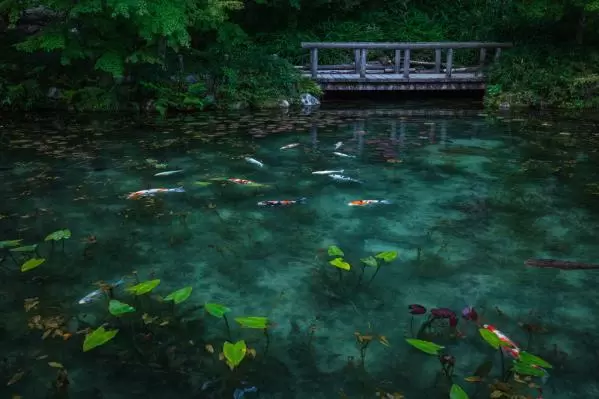
The Nameless Pond, commonly known as "Monet's Pond," located in Itadori, Seki City, Gifu Prefecture, features highly transparent spring water and beautiful water lil...
Takayama Jinya is a location where the governors and officials of the Edo period conducted their administration, and the term "Jinya" refers collectively to the offi...
Gifu Castle is a historic castle located in Gifu City, Japan, formerly known as Inabayama Castle. During the Warring States period, it served as the residence of Sai...
Shirakawa-go Gassho-zukuri village is located in Gifu Prefecture, Japan, where a unique architectural style known as Gassho-zukuri has been preserved for hundreds of...
Gero Onsen is a hot spring resort located in the basin of the Hida River, known as one of Japan's three famous hot springs, along with Arima Onsen in Hyogo Prefectur...
Magome-juku is a historic town that prospered as a post town on the Nakasendo route. It retains the charm of the Edo period, with its cobblestone paths and tradition...
Yoro Falls, known for centuries as the "Waterfall of Filial Piety," is a renowned waterfall selected as one of Japan's Top 100 Waterfalls. With a height of approxima...
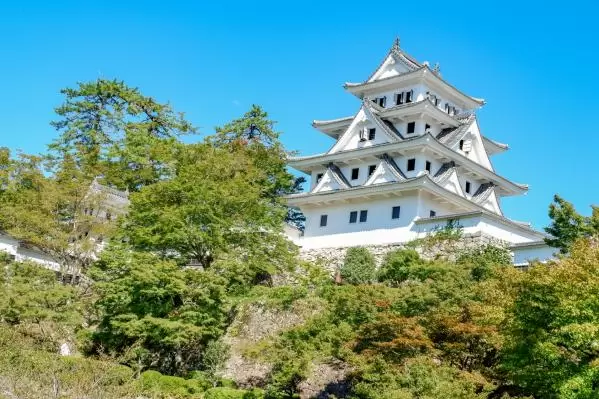
Gujo Hachiman Castle is located in Gujo City, Gifu Prefecture, and it is Japan's oldest wooden reconstructed castle. Built by Endo Morikazu during the late Sengoku p...