Gero Onsen
Gero Onsen Movies


Basic Information
- Spot Name
- Gero Onsen
- Location
- Gero City, Gifu Prefecture
- Access
- 10-minute walk from JR Takayama Line Gerro Station.
- Parking
- Parking available.
- Business Hours
- Open year-round.
- Contact Information
- Phone Number:0576-24-1000
- Official Website
Map
Detailed Information
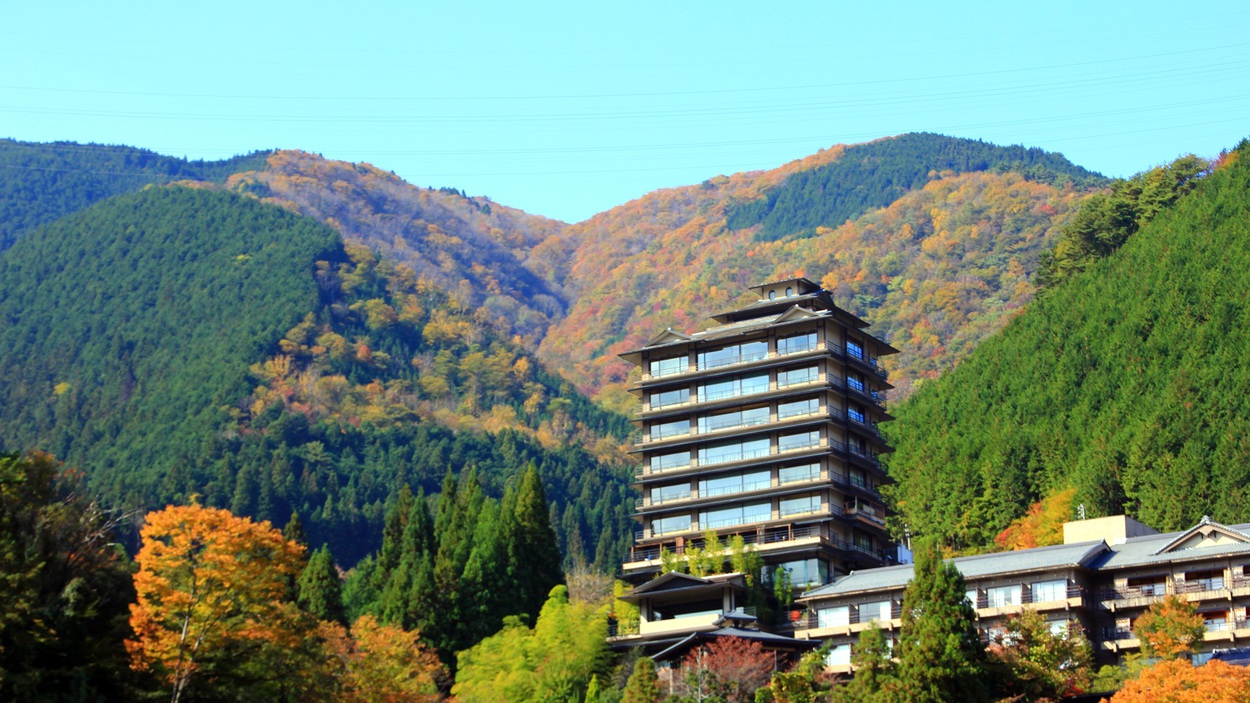
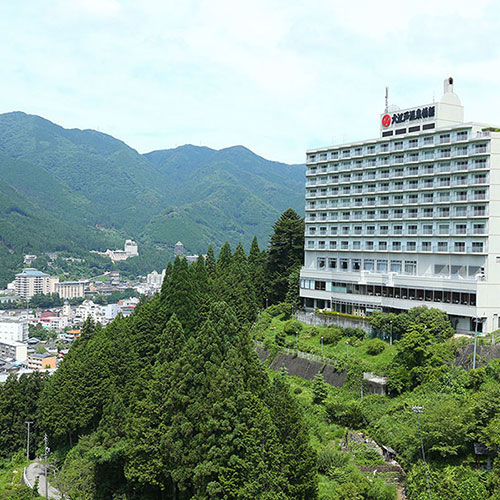
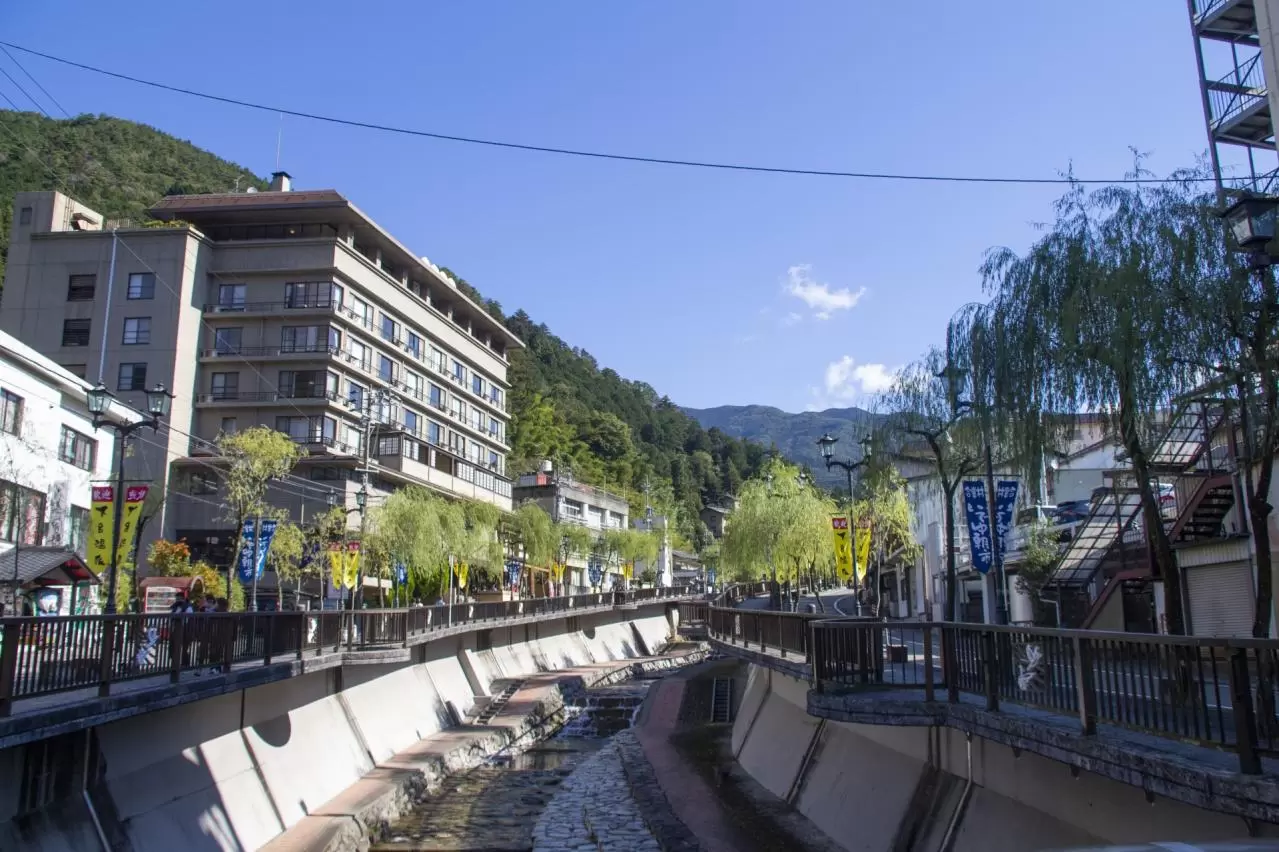
Gero Onsen, located in Gero City, Gifu Prefecture, is a historic hot spring resort that springs up along the Hida River basin. Along with Arima Onsen in Hyogo Prefecture and Kusatsu Onsen in Gunma Prefecture, it has long been celebrated as one of Japan’s Three Great Hot Springs and as one of the “finest springs under heaven.” With a history of more than 1,000 years, it is one of Japan’s most iconic hot spring destinations, loved by many people since ancient times.
Origins and History of the Three Great Hot Springs of Japan
Gero Onsen became known as a famous hot spring through its long history and numerous records. One of the earliest references appears in Baika Mujinzō, a collection of poems and prose by the Muromachi-period monk and scholar Banri Shūku. While traveling around the country to avoid the Ōnin and Bunmei civil wars, Banri Shūku visited Gero Onsen and wrote, “In the more than sixty provinces of this country, the finest are Kusatsu, Arima, and the hot waters of Hida,” introducing Gero Onsen as one of Japan’s leading hot springs.
Later, during the Edo period, the Confucian scholar Hayashi Razan described Arima Onsen and Kusatsu Onsen together with Gero Onsen as the “three great springs under heaven” in a travelogue, and the name “Japan’s Three Great Hot Springs” became established. It is also said that Oda Nobunaga visited the hot spring for therapeutic bathing during the Sengoku period, showing that it has been cherished by many great figures across the ages.
There is also a legend that the Medicine Buddha, taking the form of an injured white heron, showed the villagers the location of the source after healing its wings in the Hida River. This story reflects how deeply Gero Onsen is connected not only to healing but also to faith and legend.
Spring Quality and the “Beauty Bath”
The spring water of Gero Onsen is an alkaline simple hot spring. The source temperature reaches as high as about 84°C, and since the introduction of a centralized hot spring management system in 1974, water adjusted to around 55°C has been supplied steadily to each inn, in principle without added water or reheating.
It is colorless, clear, and has a gentle texture. Because it is said to softly remove dead skin cells and excess sebum, the skin feels smooth and silky after bathing. For this reason, Gero Onsen is also known as the “beauty bath,” enjoys great popularity especially among women, and has many repeat visitors. In addition to being effective for neuralgia, muscle pain, joint pain, and recovery from fatigue, it is also expected to improve the skin.
The Appeal of the Onsen Town and Strolling Through It
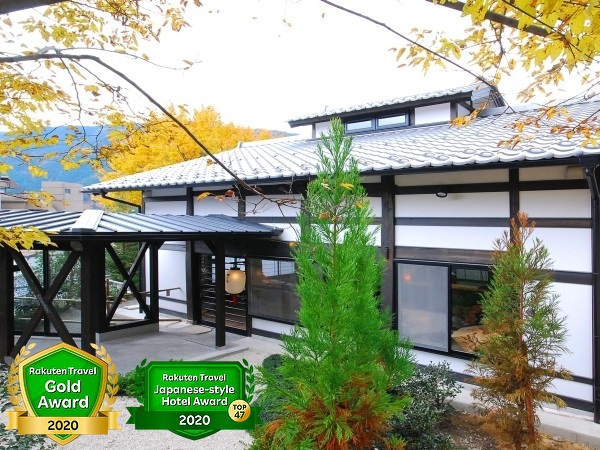
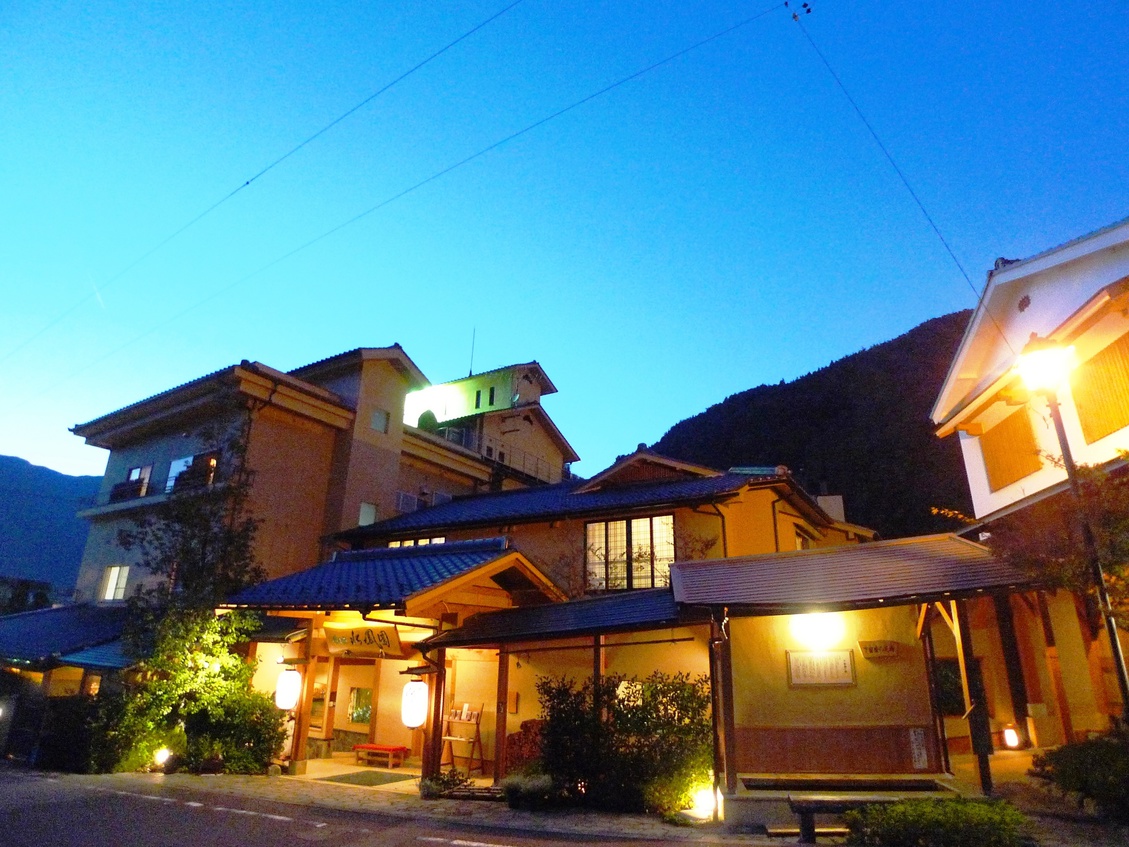
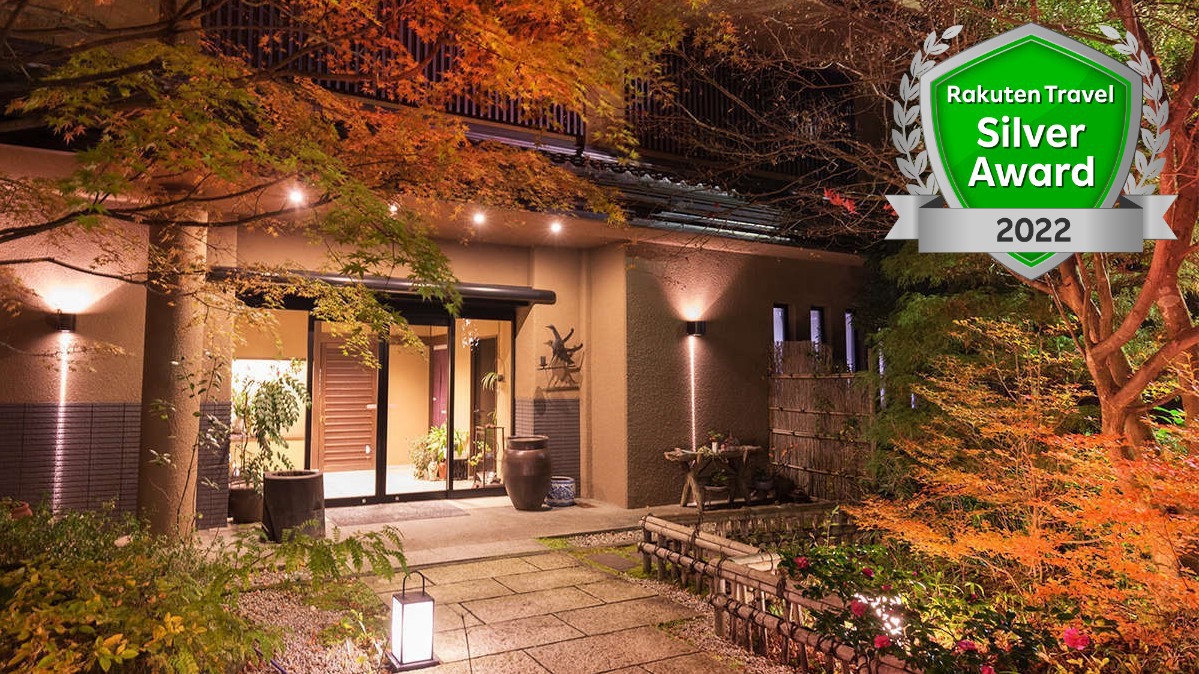
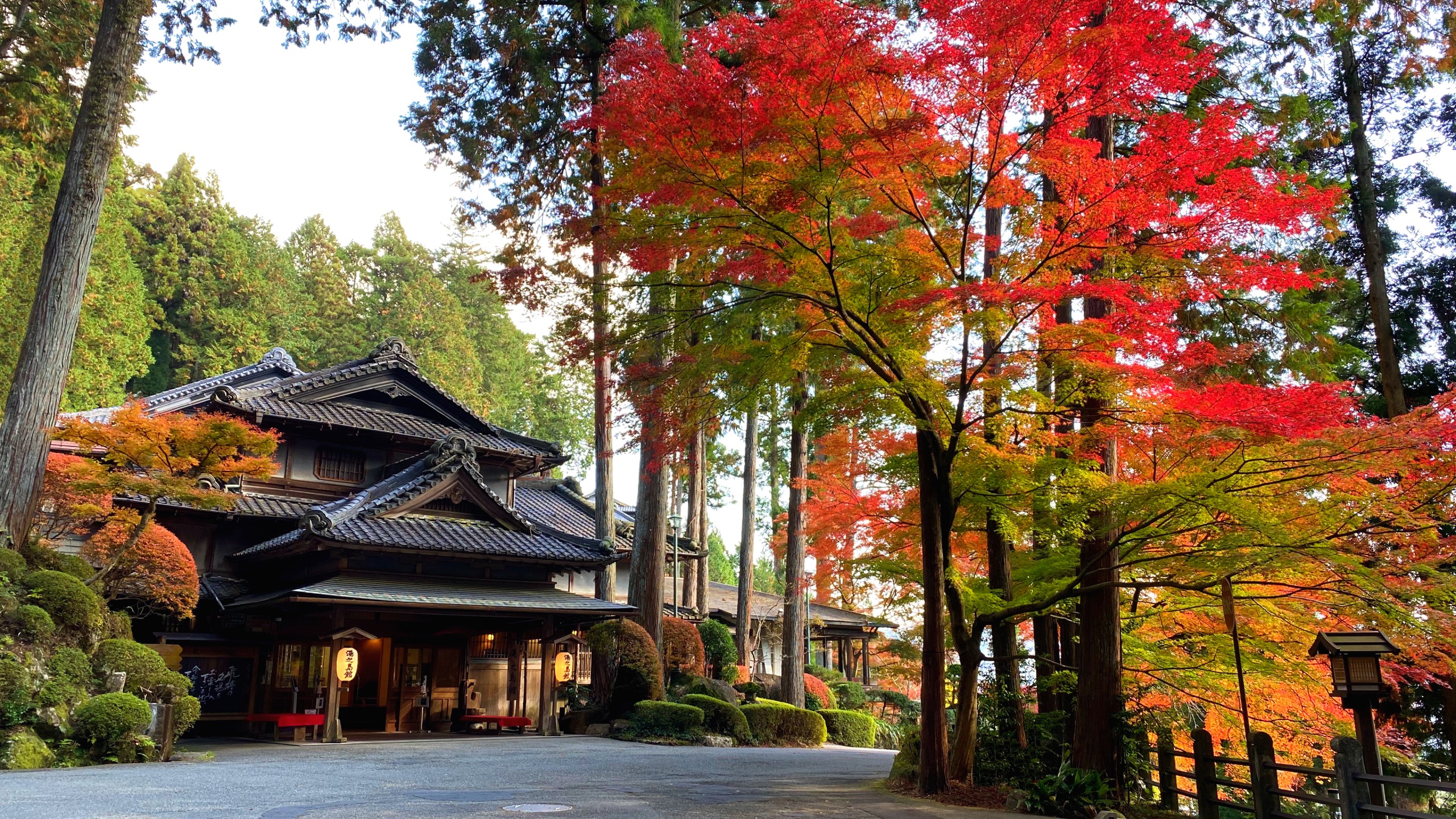
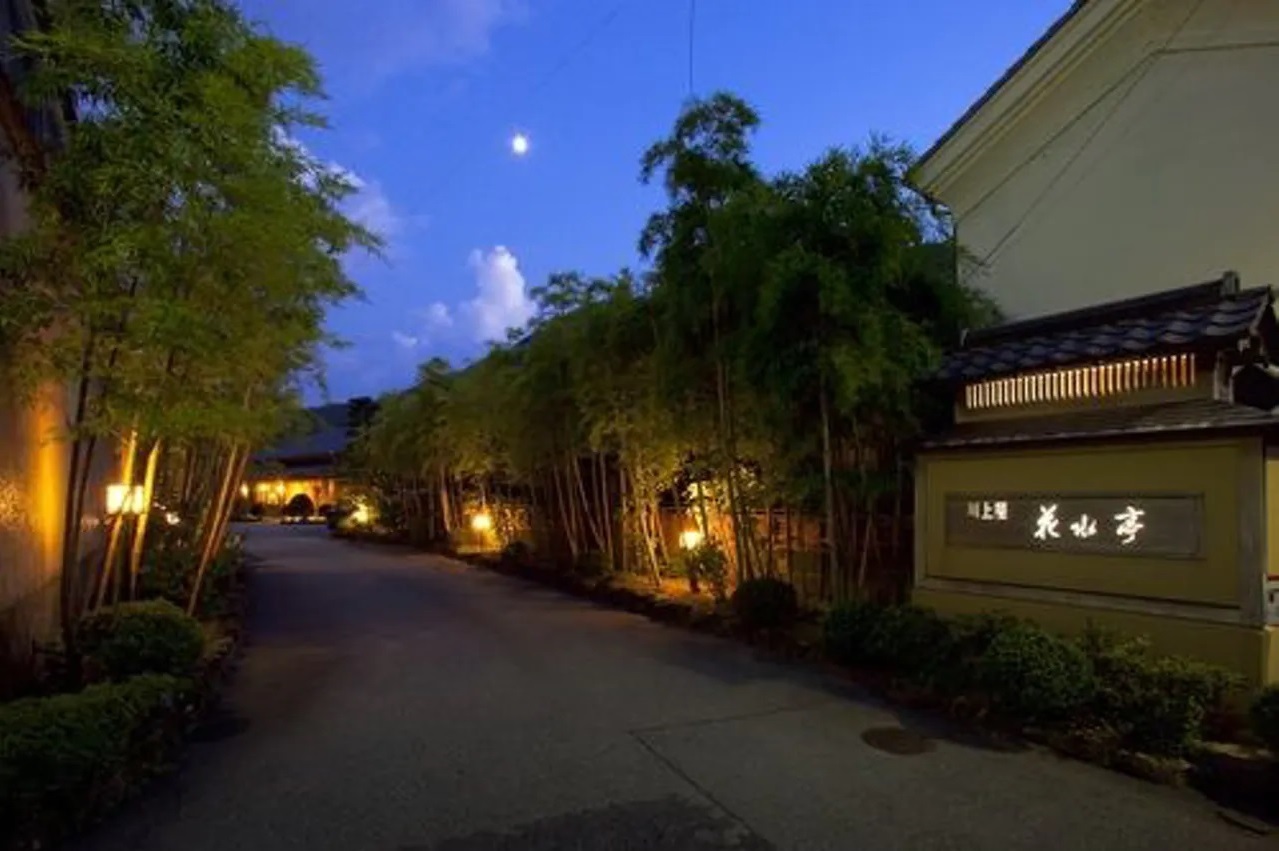
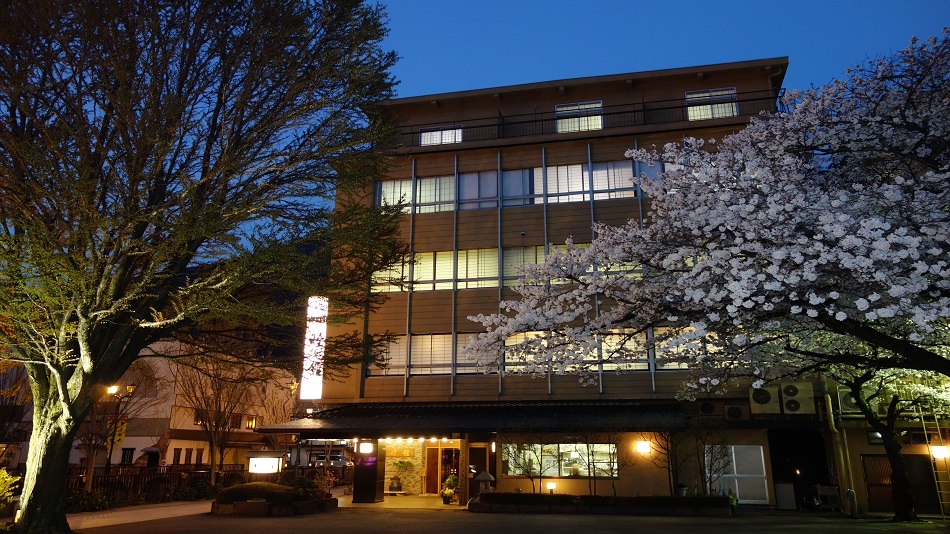
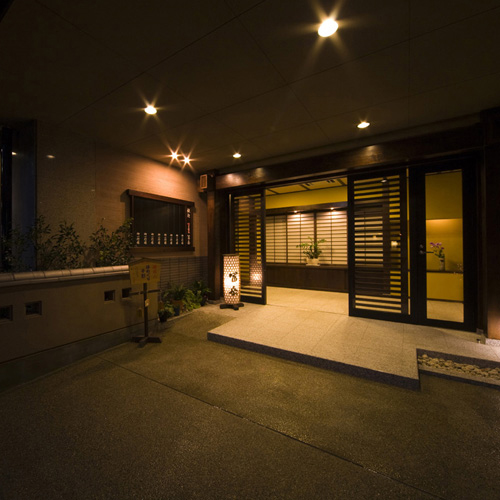
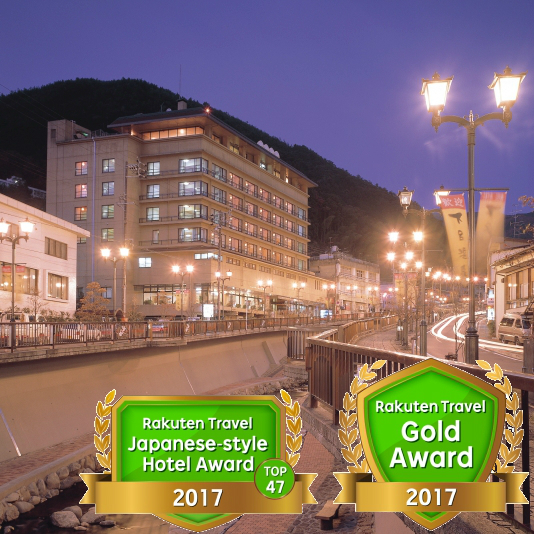
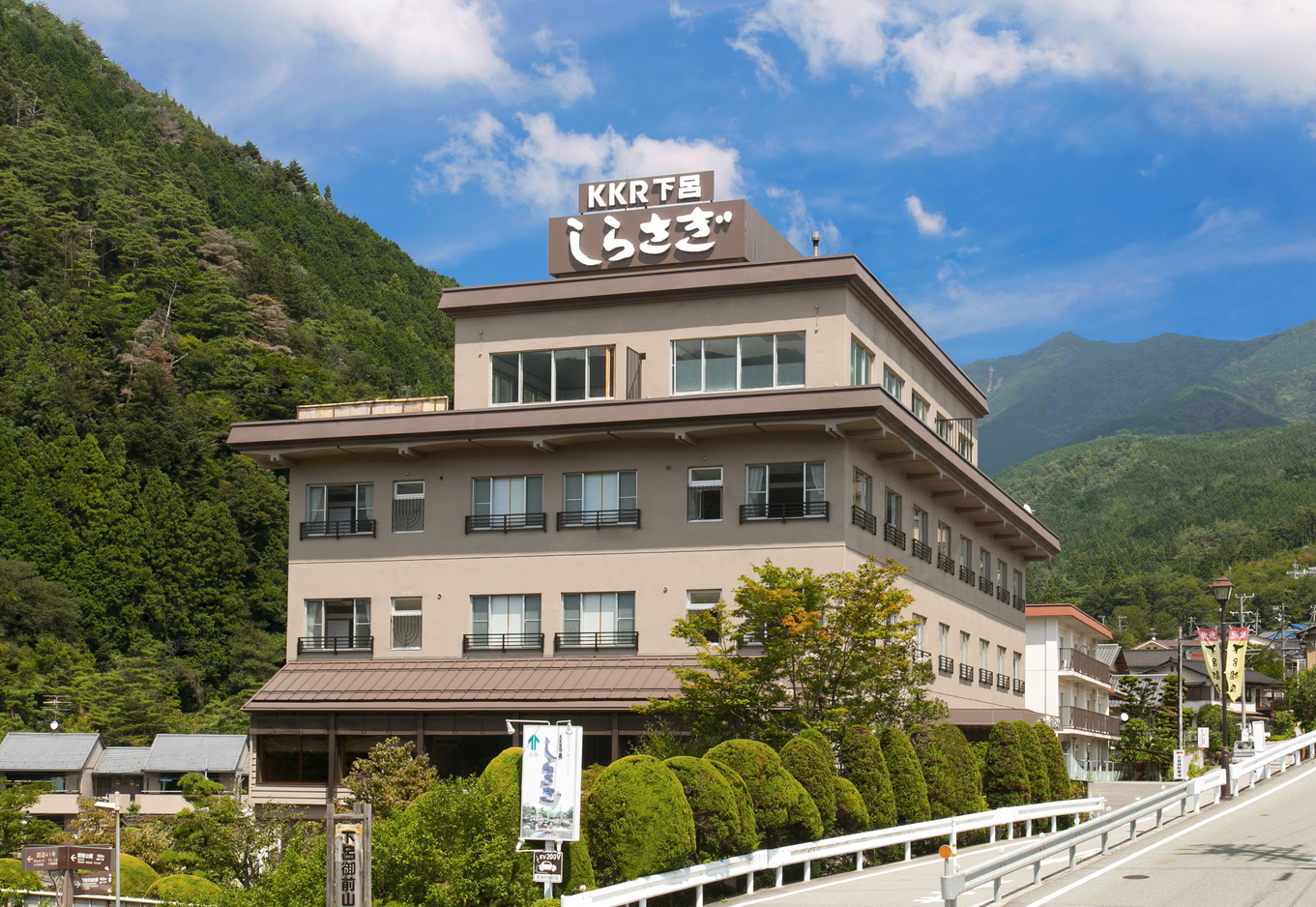
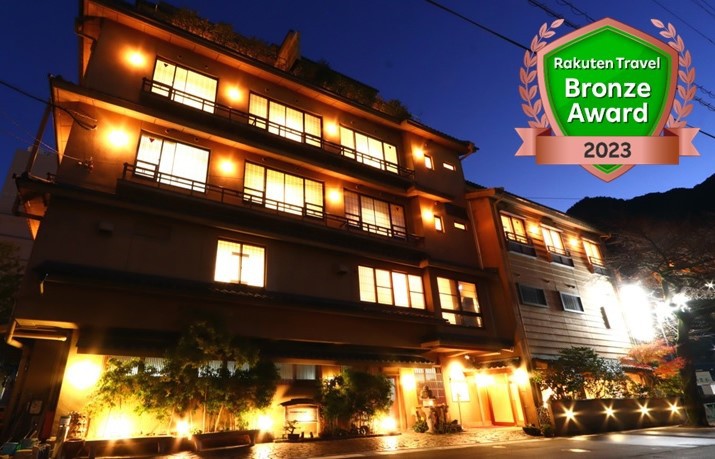
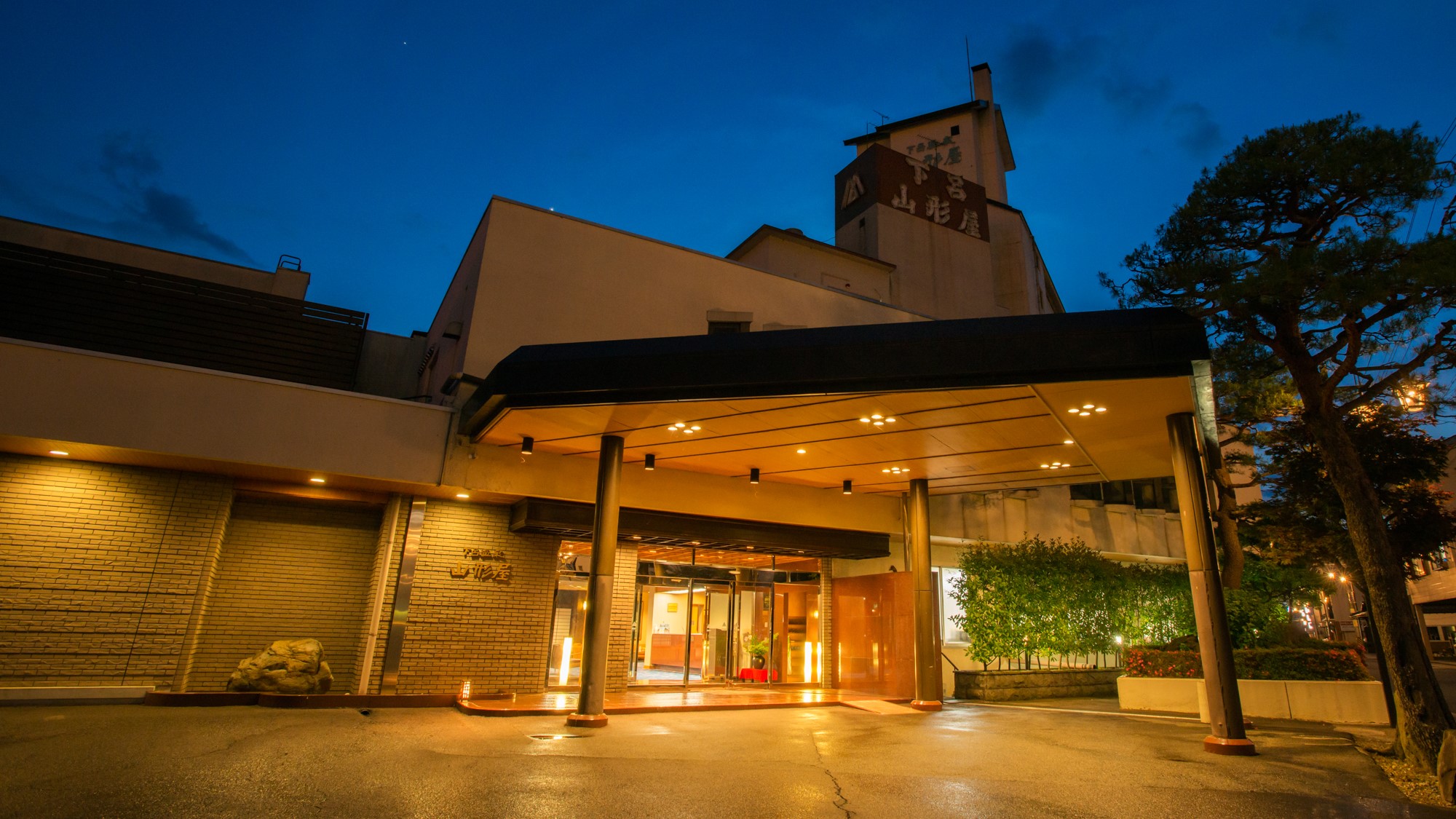
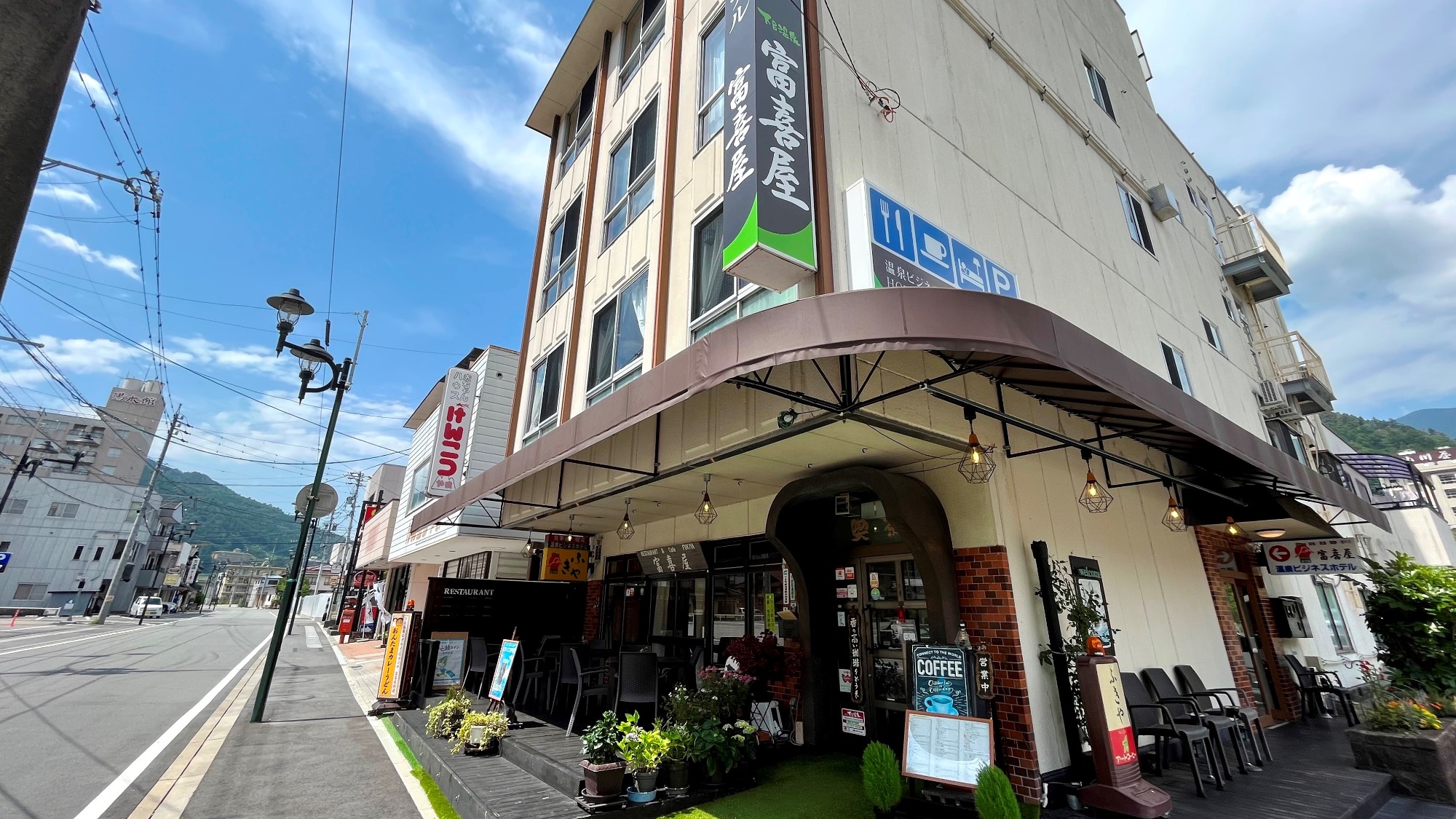
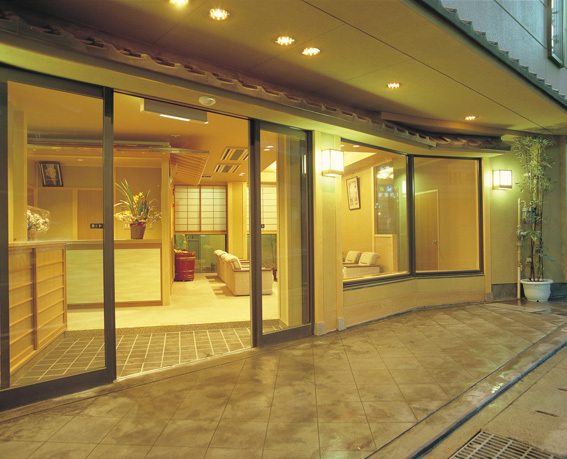
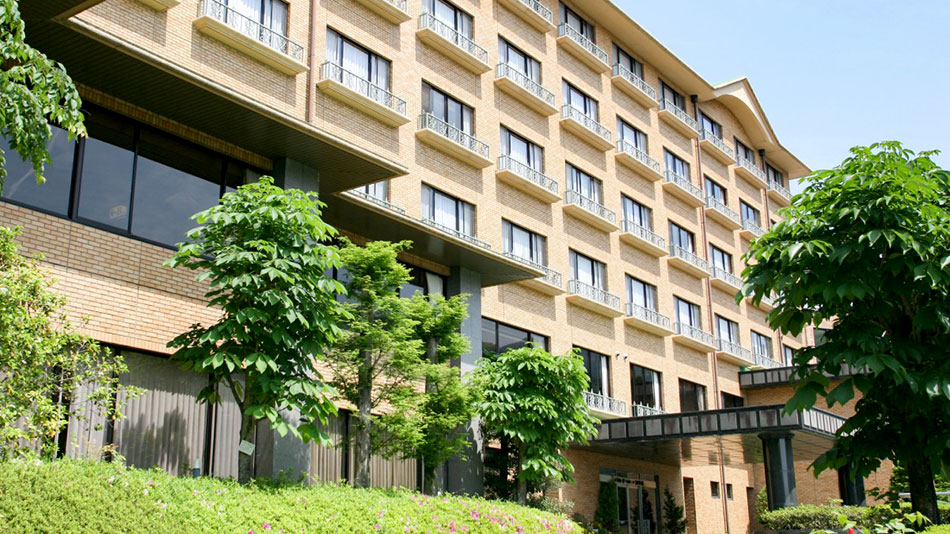
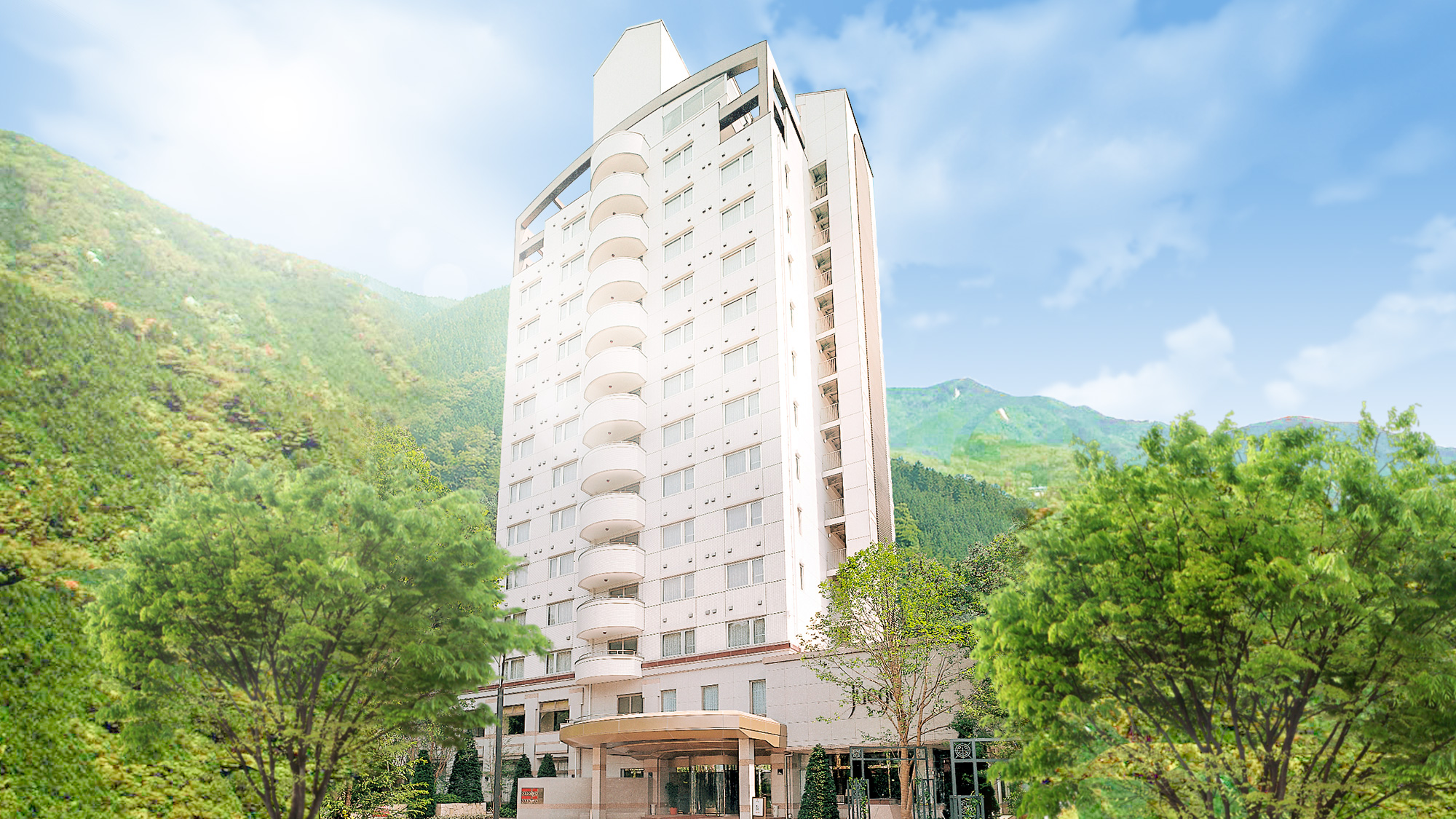
The hot spring town of Gero Onsen is centered around the Hida River, and its landscape is appealing for the harmony between the calm atmosphere of a mountain village and the liveliness of a tourist destination. Along the Hida River, inns of various sizes line the banks, and because inns, restaurants, and souvenir shops are gathered in a relatively compact area, visitors can enjoy bath hopping and strolling through town in a yukata.
In the hot spring district, there are communal baths such as “Funsenchi,” a natural hot spring source along the Hida River, as well as “Shirasagi no Yu,” “Kōno Yu,” and “Ryujin no Yu,” where visitors can easily enjoy public bathing. Free foot baths are also scattered throughout the area, allowing people to enjoy the comfort of the hot springs during a walk—one of the unique charms of Gero Onsen.
Enjoy Hot Springs to the Fullest with the Bath-Hopping Pass
One of the most popular ways to enjoy Gero Onsen is the “Yumeguri Tegata” bath-hopping pass. By purchasing one of these distinctive passes, designed in the motif of a shogi piece, you can choose three participating inns and bathe in each of their signature hot springs.
Because each inn offers a different atmosphere—such as large public baths, open-air baths, and creatively designed private baths—you can experience a wide variety of hot springs in a single day. It is also popular as a souvenir to take home from your trip.
Gourmet Food and Nearby Attractions
Gero Onsen also offers excellent cuisine, and because it is close to Hida Takayama, many inns and restaurants are known for dishes made with the region’s famous Hida beef. Tourists can often be seen enjoying food walks with dishes such as Hida beef steak, hoba miso, and local sweets.
There are also tourist spots unique to a hot spring town, such as museums and shrines themed around hot springs, so visitors can enjoy not only bathing but also strolling and sightseeing. With easy access of about 1.5 to 2 hours by car or train from Nagoya, this is one reason many tourists visit throughout the year.
Seasons and Recommended Ways to Enjoy It
Gero Onsen is a hot spring destination that can be enjoyed all year round, but winter is especially recommended. Soaking in a hot spring during the cold season is exceptional, and when it snows, visitors can enjoy the baths in a magical landscape. Although the surrounding area is not a heavy snowfall region, it can still be covered in snow, offering a different and more atmospheric experience than usual.
It is also conveniently located for trips to the UNESCO World Heritage site of Shirakawa-go, and many travelers use Gero Onsen as a base for winter sightseeing in Shirakawa-go.
Gifu Tourist Attractions
View List
Hida no Sato
Hida no Sato is an open-air museum featuring over 30 traditional gassho-zukuri houses that have withstood heavy snowfall, representing Hida's architectural heritage....

Mone no Ike
The Nameless Pond, commonly known as "Monet's Pond," located in Itadori, Seki City, Gifu Prefecture, features highly transparent spring water and beautiful water lil...

Gujo Hachiman Castle
Gujo Hachiman Castle is located in Gujo City, Gifu Prefecture, and it is Japan's oldest wooden reconstructed castle. Built by Endo Morikazu during the late Sengoku p...

Hida Takayama Old Town
The "Old Town" of Hida Takayama consists of three main streets that developed as a merchant town and served as the center of a castle town. Under the eaves lined wit...

Shirakawa-go Historic Village
Shirakawa-go Gassho-zukuri village is located in Gifu Prefecture, Japan, where a unique architectural style known as Gassho-zukuri has been preserved for hundreds of...

Shin-Hotaka Ropeway
The Shin-Hotaka Ropeway, the first two-story gondola in Japan, spans a total length of 3,200 meters and takes you to a world above the clouds at an elevation of 2,15...

Yoro Falls
Yoro Falls, known for centuries as the "Waterfall of Filial Piety," is a renowned waterfall selected as one of Japan's Top 100 Waterfalls. With a height of approxima...