Kyoto Imperial Palace
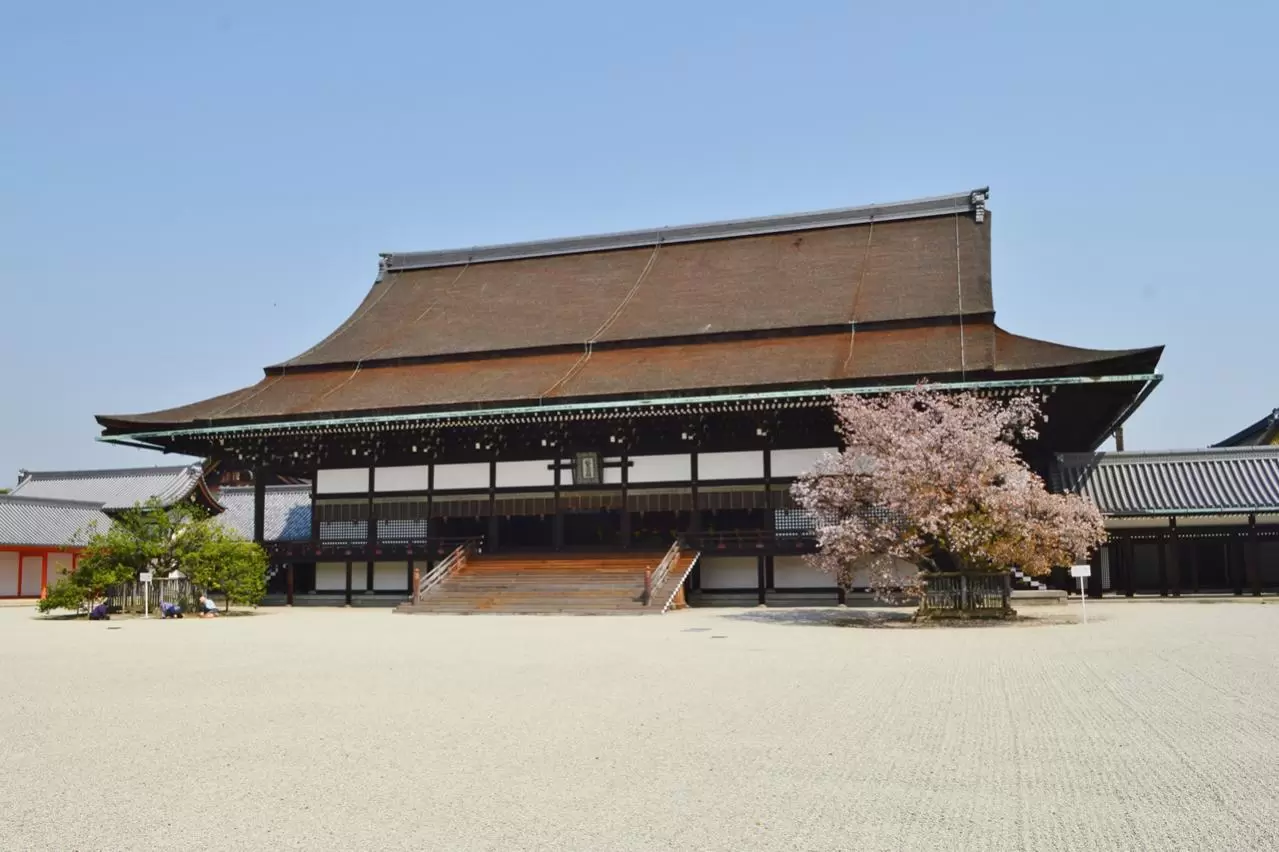
Originally established in 794 when Emperor Kammu moved the capital to Heian-kyo (modern-day Kyoto), it served as the residence of the emperor for nearly 1,000 years until the Meiji Restoration. Historical buildings, including the Shishinden (the Hall of State), have been preserved, and important rituals are still held here.
The buildings have suffered from numerous fires, with the last major reconstruction being completed in 1855 during the Ansei era. Notably, the Shishinden is where the enthronement ceremonies of successive emperors took place and reflects the architectural style of the Heian period. Additionally, the grounds feature the Empress's Palace and beautiful gardens, attracting many tourists and researchers throughout the year.
Since 2016, the palace has been open to the public without the need for reservations, allowing visitors to experience Japan's history and culture up close. Thus, the Kyoto Imperial Palace is valued not only for its historical and cultural significance but also serves as an urban green space, beloved by many.
Basic Information
- Spot Name
- Kyoto Imperial Palace
- Location
- 〒602-8611 3 Kyotogyoen, Kamigyo Ward, Kyoto City, Kyoto Prefecture, Japan
- Access
- Get off at Imadegawa Station on the Karasuma Subway Line and walk for 5 minutes.
Get off at Karasuma Imadegawa on the city bus and walk for 5 minutes.
Get off at Demachiyanagi Station on the Keihan Electric Railway and walk for 20 minutes. - Parking
- Parking available
- Business Hours
- April to August: 9:00 AM - 4:20 PM (Last entry by 5:00 PM)
September and March: 9:00 AM - 3:50 PM (Last entry by 4:30 PM)
October to February: 9:00 AM - 3:20 PM (Last entry by 4:00 PM) - Regular Holiday
- Closed on Mondays (the following day if it's a holiday), during the year-end and New Year period (12/28 to 1/4), and on days when events are held that may cause disruptions.
- Fees
- Free admission.
- Contact Information
- Phone Number:075-211-1215
- Official Website
Map
Kyoto Imperial Palace Movies


Kyoto Tourist Attractions
View List
The National Museum of Modern Art, Kyoto
The National Museum of Modern Art, Kyoto, was opened in 1963 in Okazaki Park, Kyoto. This museum covers a wide range of art genres, including Japanese painting, oil ...

Nijo Castle
Nijo Castle, originally built as a retreat for the Shogun, can be described as a place condensed with Japan’s history and culture. Constructed in 1603 by the first S...

Byodo-in Temple
Byodoin Temple is a historic temple located in Uji City, Kyoto Prefecture, renowned for its Hall of Phoenix. Established in 1052 by the regent Fujiwara no Yorimichi,...

Kifune Shrine
Kifune Shrine is an ancient shrine located in Kibune, Sakyo Ward, Kyoto City, and it is the head shrine of about 500 Kifune Shrines nationwide, dedicated to Takao Ka...

Sanjusangen-do Temple
Sanjusangendo, officially known as Rengeoin, is a Tendai Buddhist temple located in Kyoto. Rebuilt during the Kamakura period, this temple boasts a main hall that is...

Ginkaku-ji (Silver Pavilion)
Ginkaku-ji, officially known as Jishō-ji, is located in the Sakyo Ward of Kyoto City and is affiliated with the Rinzai school of the Shokoku-ji sect. Originally buil...

Yasaka Shrine
Yasaka Shrine, commonly known as "Gion-san," is widely cherished. This shrine is particularly significant as the head shrine of the approximately 2,300 Yasaka Shrine...

Togetsukyo Bridge
The Togetsukyo Bridge, which connects Arashiyama and Sagano, is a bridge rich in history and charm, spanning the Katsura River. The first bridge was built by the mon...