Shrines and Temples in Japan
「Shrine/Temple」Tourist Attractions
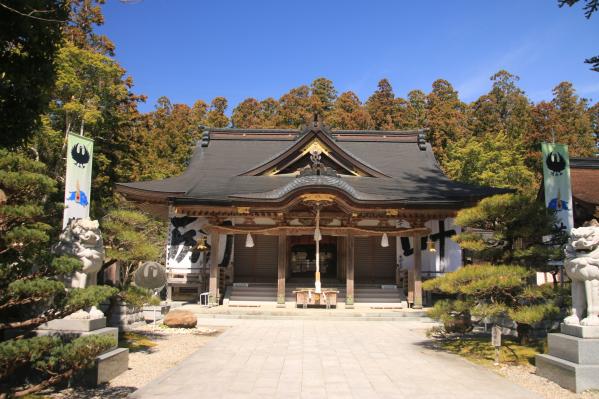
Kumano Hongu Taisha
Kumano Hongu Taisha is one of the Kumano Sanzan (Kumano Hongu Taisha, Kumano Nachi Taisha, and Kumano Hayatama Taisha) and serves as the head shrine of all Kumano shrines ac...
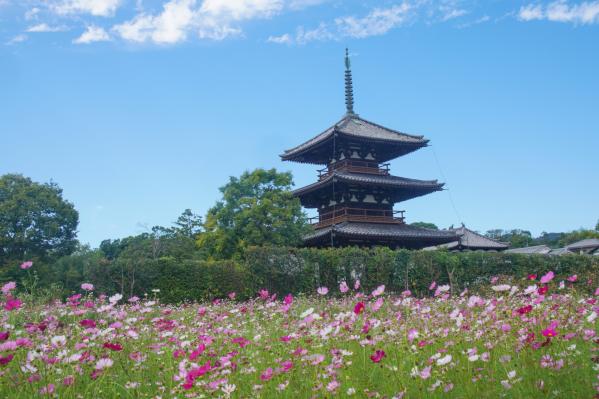
Horyu-ji Temple
Hōryū-ji is a temple founded by Prince Shōtoku in the 14th year of Suiko (606 AD), and it is currently registered as a UNESCO World Heritage Site. Established as Okamoto-ki,...
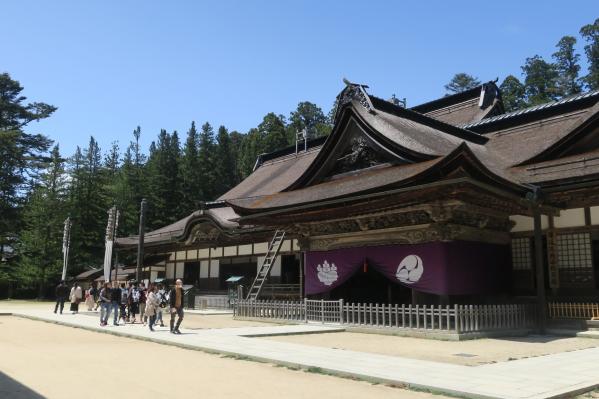
Kongōbu-ji
Kongōb номерji is the headquarters of the Kōyasan Shingon sect, and is a sacred site of Japanese Buddhism established by the Great Teacher Kūkai in the early Heian period. T...
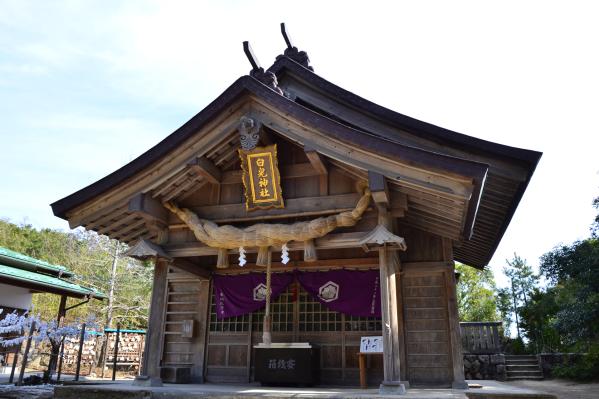
Hakuto Shrine
Shirataki Shrine is dedicated to the "White Rabbit of Inaba," which connects the great deity Okuninushi no Mikoto of Izumo and the princess Yagami of Inaba. It is known as t...
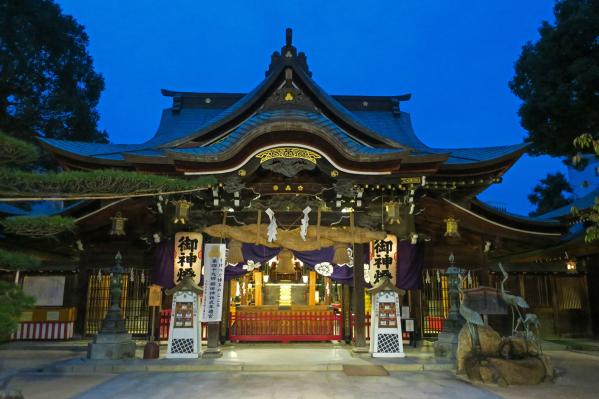
Kushida Shrine
Kushida Shrine is known as the guardian shrine of Hakata and is affectionately referred to by locals as "O-Kushida-san." It has a long history and the current shrine buildin...
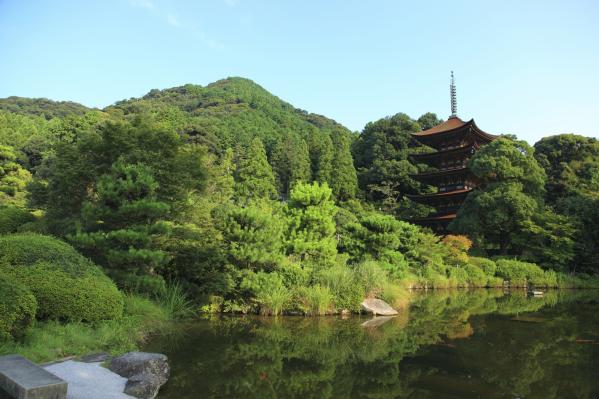
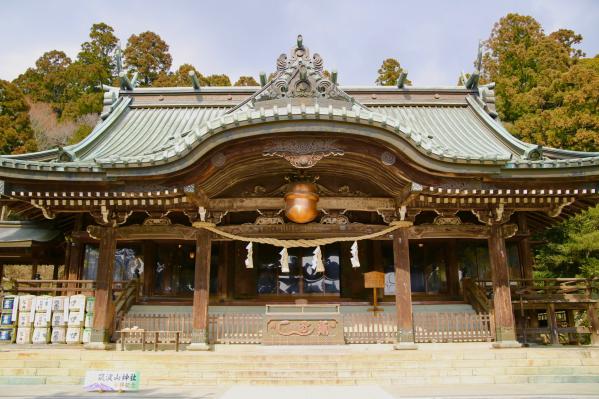
Tsukuba San Shrine
Tsukuba Shrine is a historic shrine located on the slopes of Mount Tsukuba, a sacred peak in Tsukuba City, Ibaraki Prefecture, with a history of approximately 3,000 years. I...
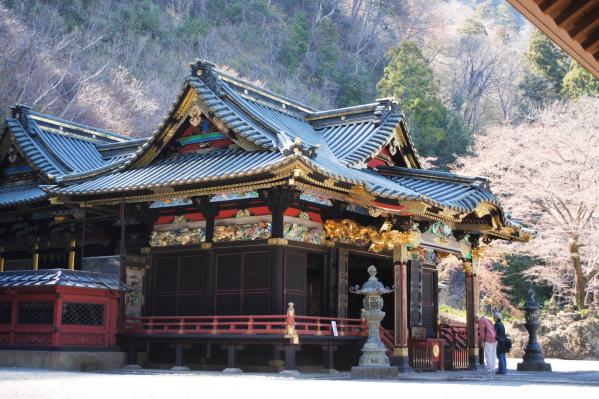
Myogi Shrine
Myogi Shrine is located at the eastern foothills of Myogi Mountain and Hakubun Mountain, famous for its peculiar rocks and formations, surrounded by majestic scenery filled ...
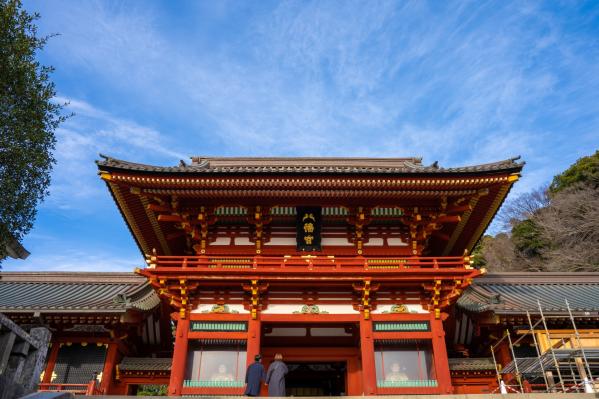
Tsurugaoka Hachimangu Shrine
Tsurugaoka Hachimangu is the head shrine of the Sagami province and one of the three major Hachimangu shrines, alongside Usa Jingu in Oita and Ishimizu Hachimangu in Kyoto. ...
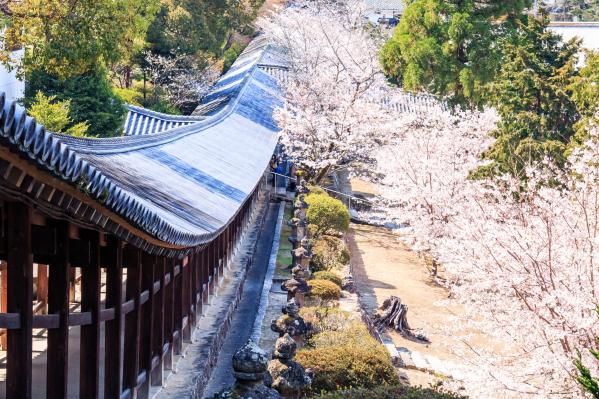
Kibitsu Shrine
Kibitsu Shrine is known for its legends surrounding Kibitsuhiko no Mikoto and the ogre Ura, which are considered to be the prototypes of the Momotaro legend and associated w...
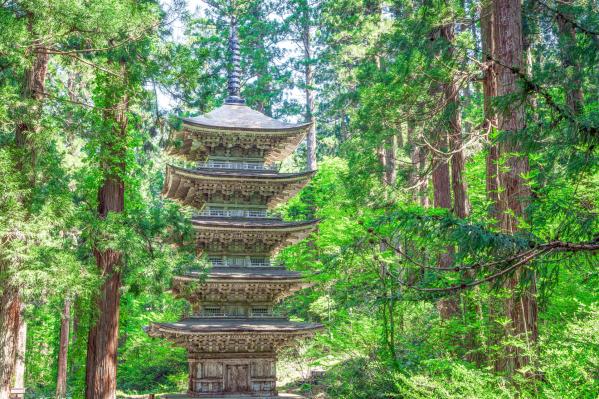
Mount Haguro Five-story Pagoda
The Haguro Five-Story Pagoda is a historic structure considered to be the oldest in the Tohoku region, located at the entrance to the "Ichi no Saka" on the approach to Mount...
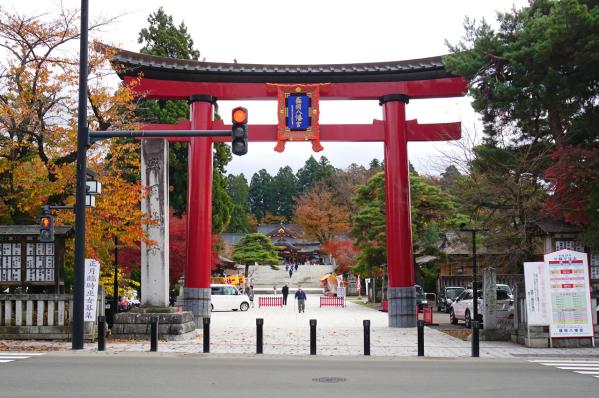
Morioka Hachimangu Shrine
Morioka Hachimangu Shrine is located in Morioka City, Iwate Prefecture, and was founded in 1680 (the 8th year of the Enpo era) by the 29th lord of the Nanbu clan, Shigenobu ...