Kongōbu-ji
Kongōbu-ji Movies


Basic Information
- Spot Name
- Kongōbu-ji
- Location
- 〒648-0211 132, Okuyamasan, Takayama-cho, Ito-gun, Wakayama Prefecture, Japan
- Access
- It takes 10 minutes by Nankai Rinkan Bus from Koyasan Station. Get off at "Motoyama-mae Bus Stop" on the bus heading to Daimon, which is immediately nearby.
- Parking
- Available
- Business Hours
- 8:30 AM to 5:00 PM
- Fees
- Adults (Junior high school students and above) 1,000 yen, Elementary school students 300 yen, preschoolers free.
- Contact Information
- Phone Number:0736-56-2011
- Official Website
Map
Detailed Information
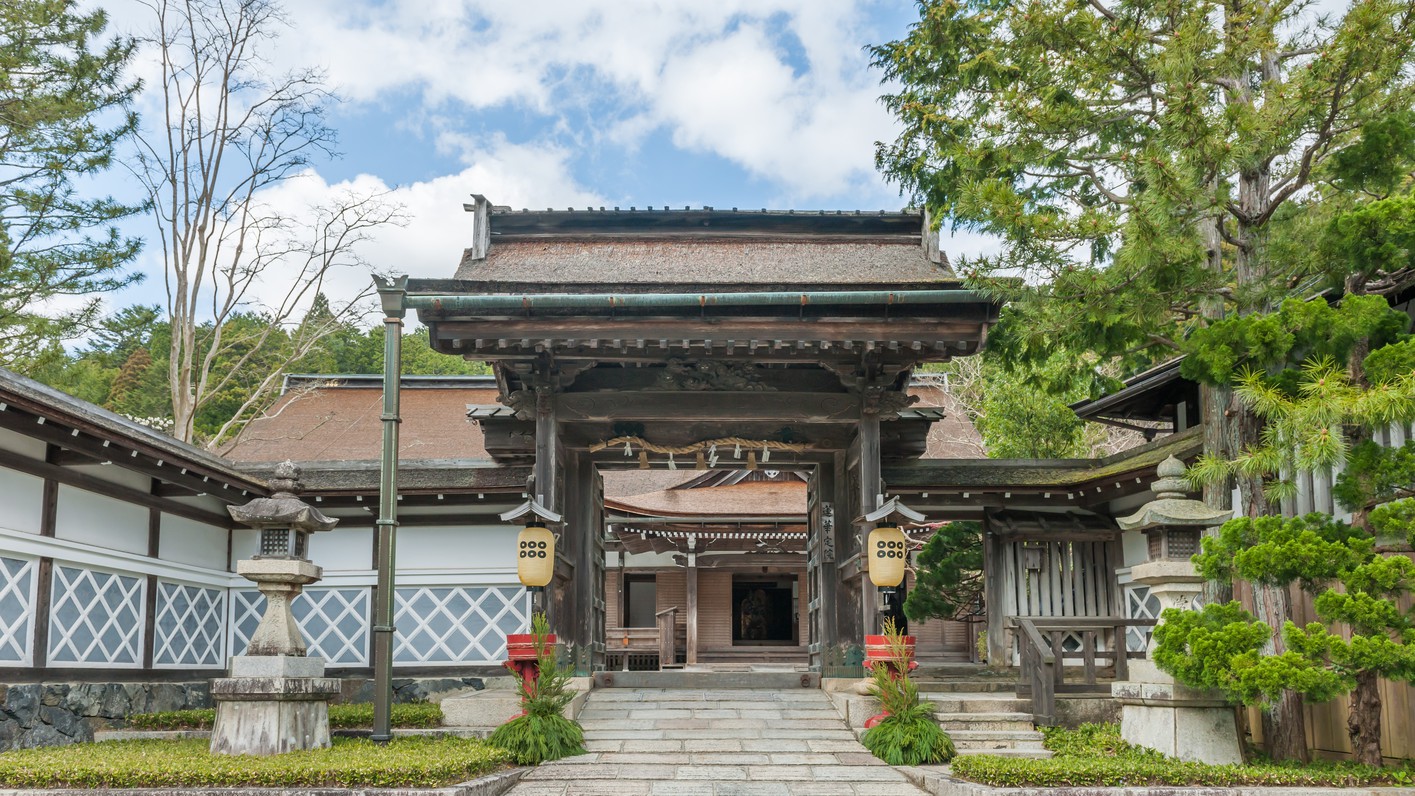
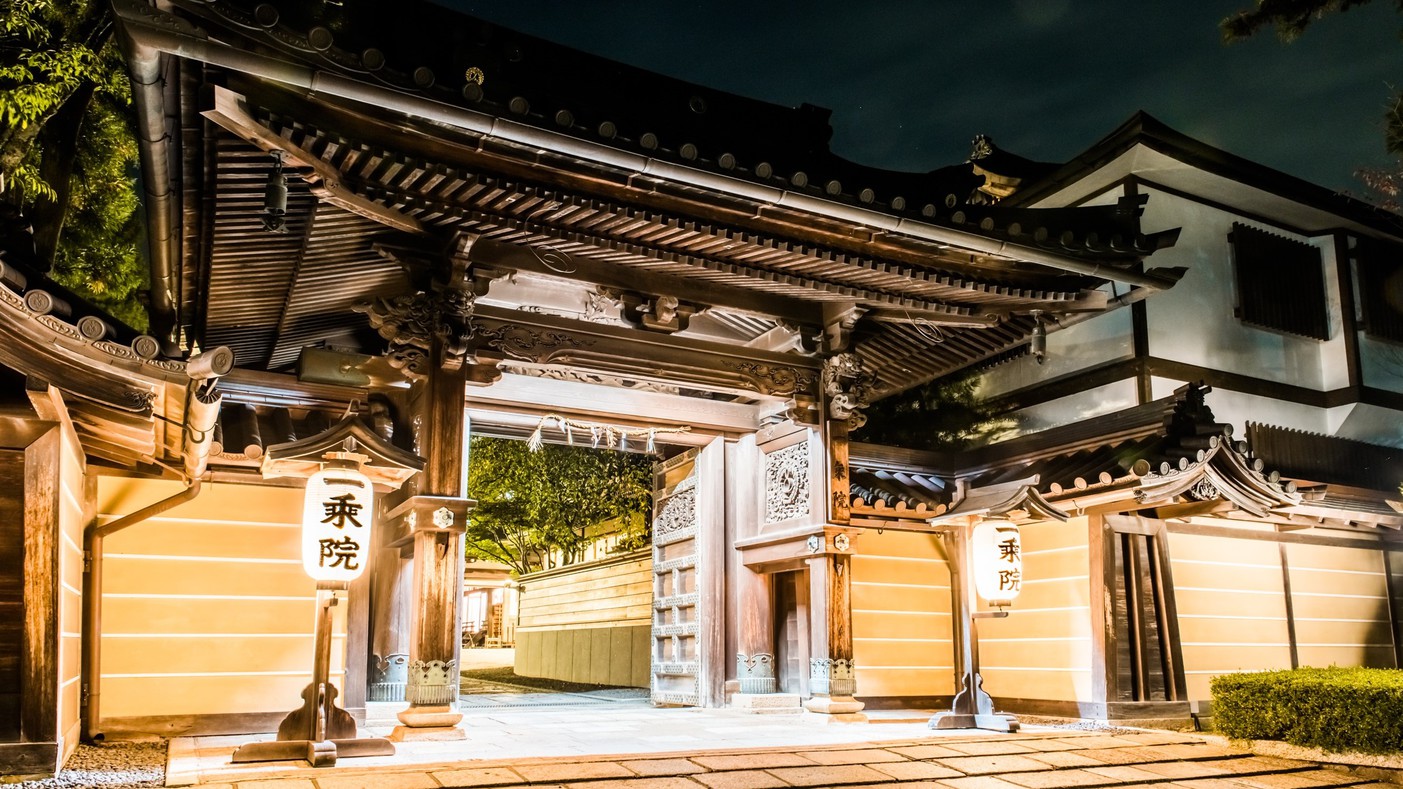
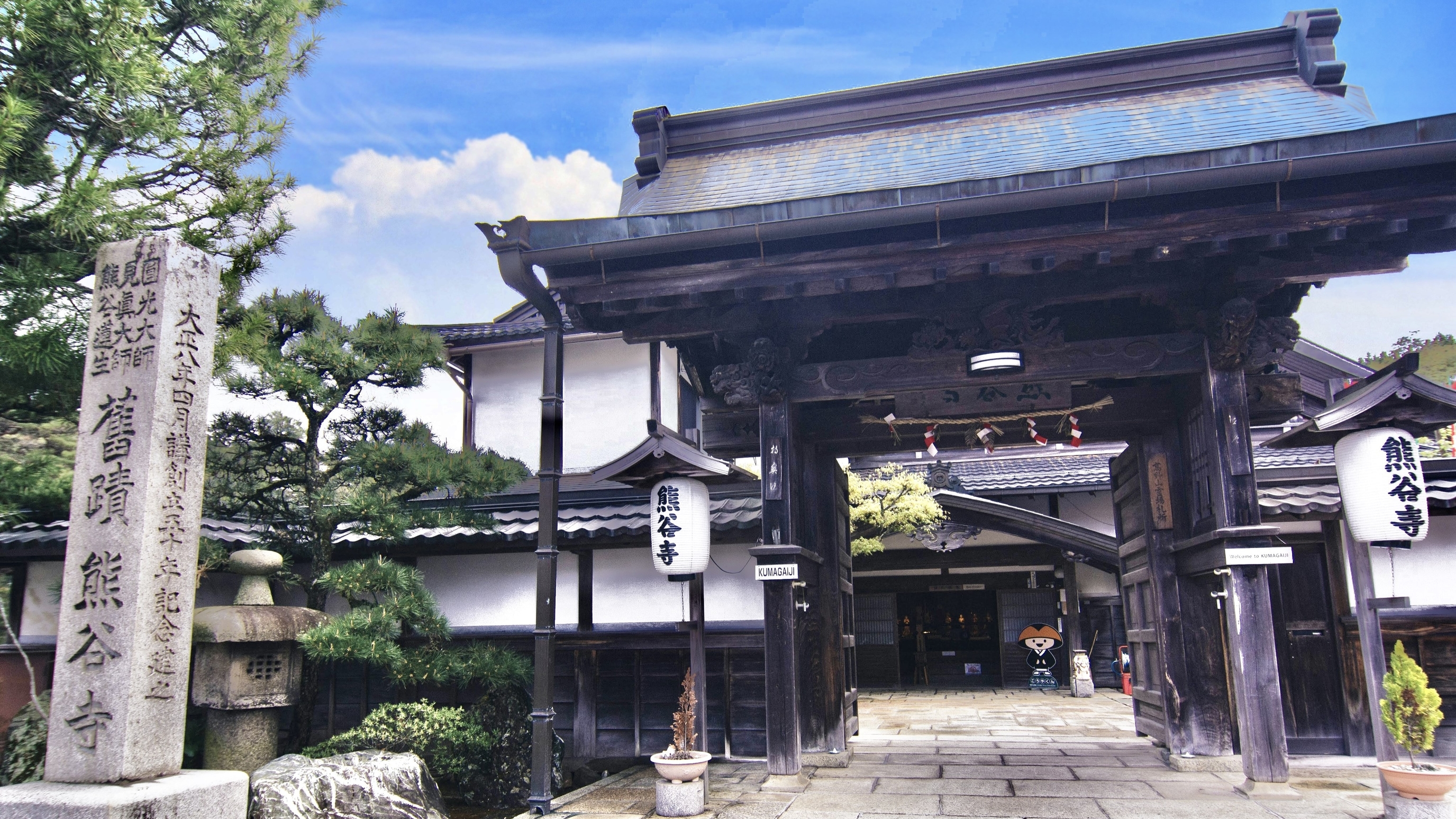
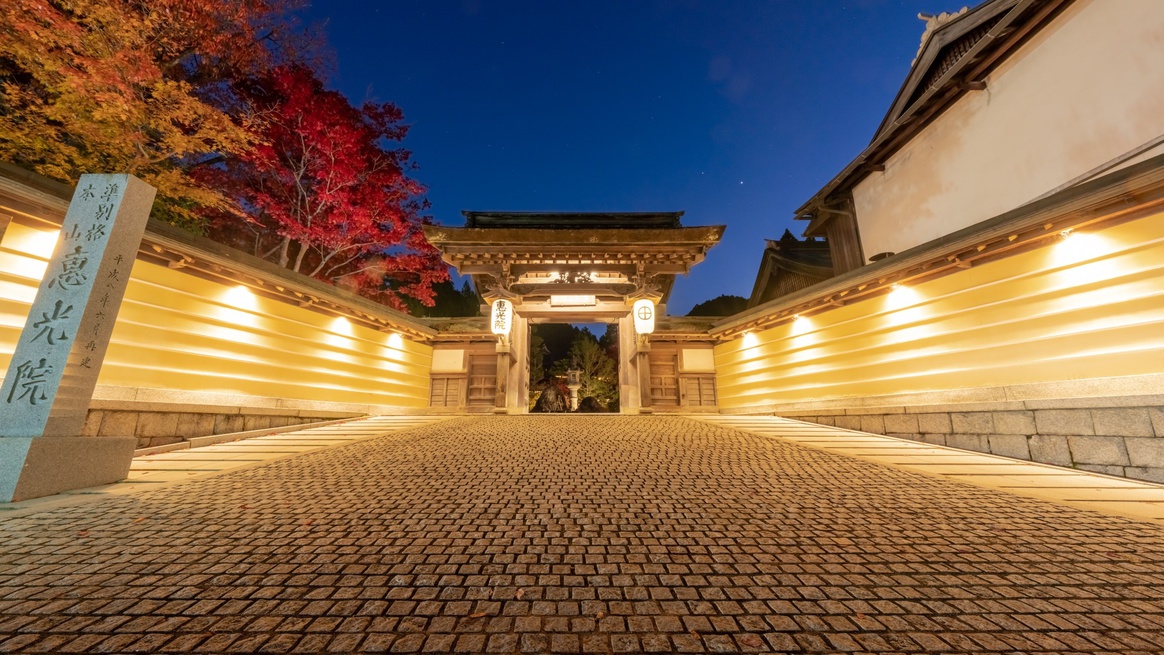
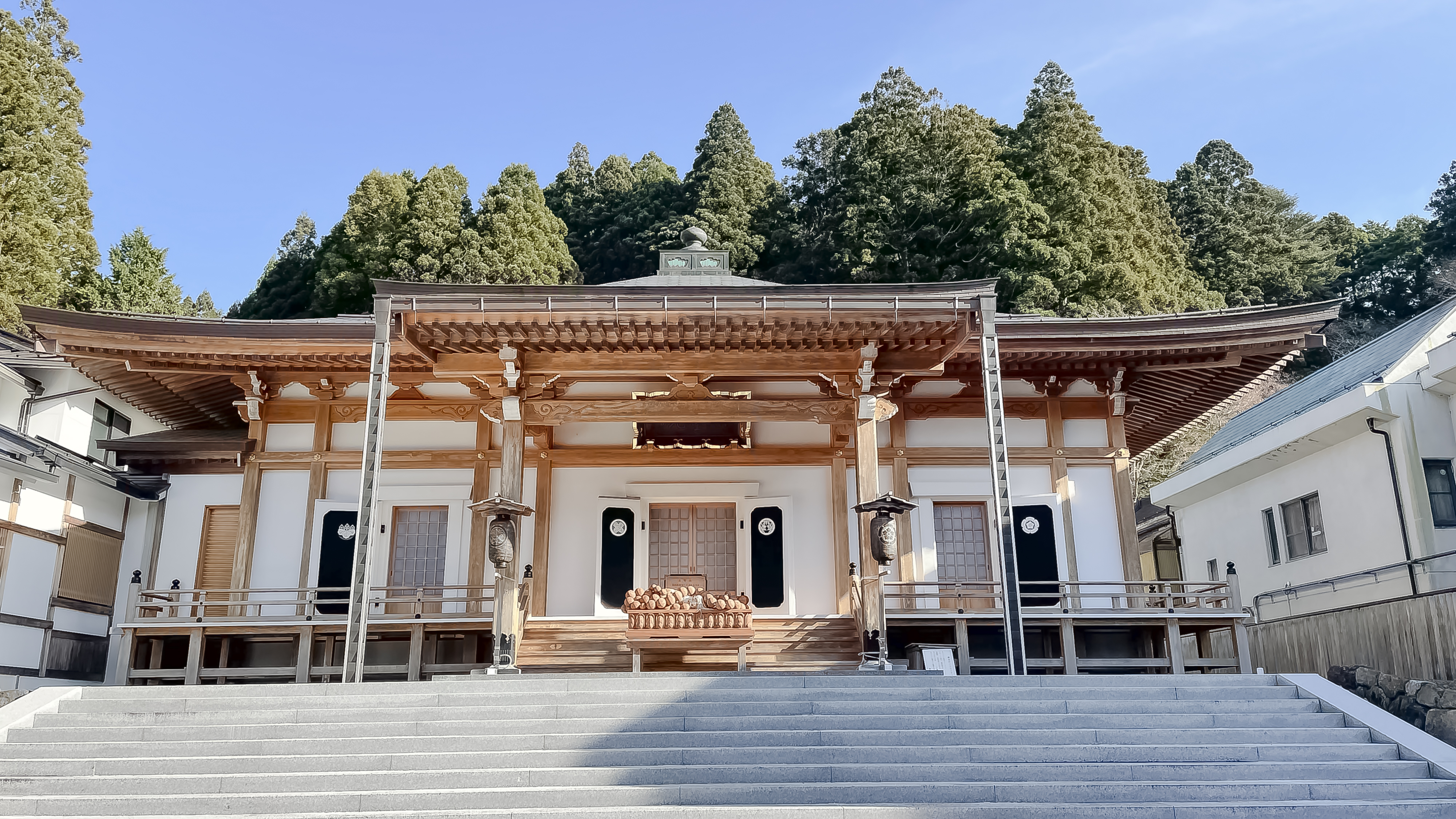
Kongobu-ji Temple, located on Mount Koya in Wakayama Prefecture, is the head temple of the Koyasan Shingon School of Buddhism and one of Japan’s most significant Buddhist sacred sites. On Mount Koya, which was founded by Kobo Daishi Kukai in the early Heian period, the temple has played a central role in administering the school and has carried on its faith and traditions for more than 1,200 years.
■ History and Origins
Mount Koya is a sacred site established by Kobo Daishi Kukai as a place for the practice of Shingon Esoteric Buddhism. The entire mountain is considered temple grounds, known as “isshan keidaichi,” or “one mountain as a temple precinct.” It is said that the name “Kongobu-ji” was derived by Kukai from the Buddhist scripture *Kongōbukyō Rōkaku Issai Yuga Yugi-kyō*. The temple’s name inscription was assembled using characters based on Kukai’s own calligraphy.
In the past, “Kongobu-ji” referred to Mount Koya as a whole. However, following institutional reforms in the early Meiji period, Seigan-ji Temple was renamed Kongobu-ji and later merged with Koyama-ji Temple, resulting in the present-day head temple. These temples were built at the order of Toyotomi Hideyoshi to commemorate his mother, and the establishment of Kongobu-ji has a strong connection with Hideyoshi.
■ Architecture and Temple Grounds
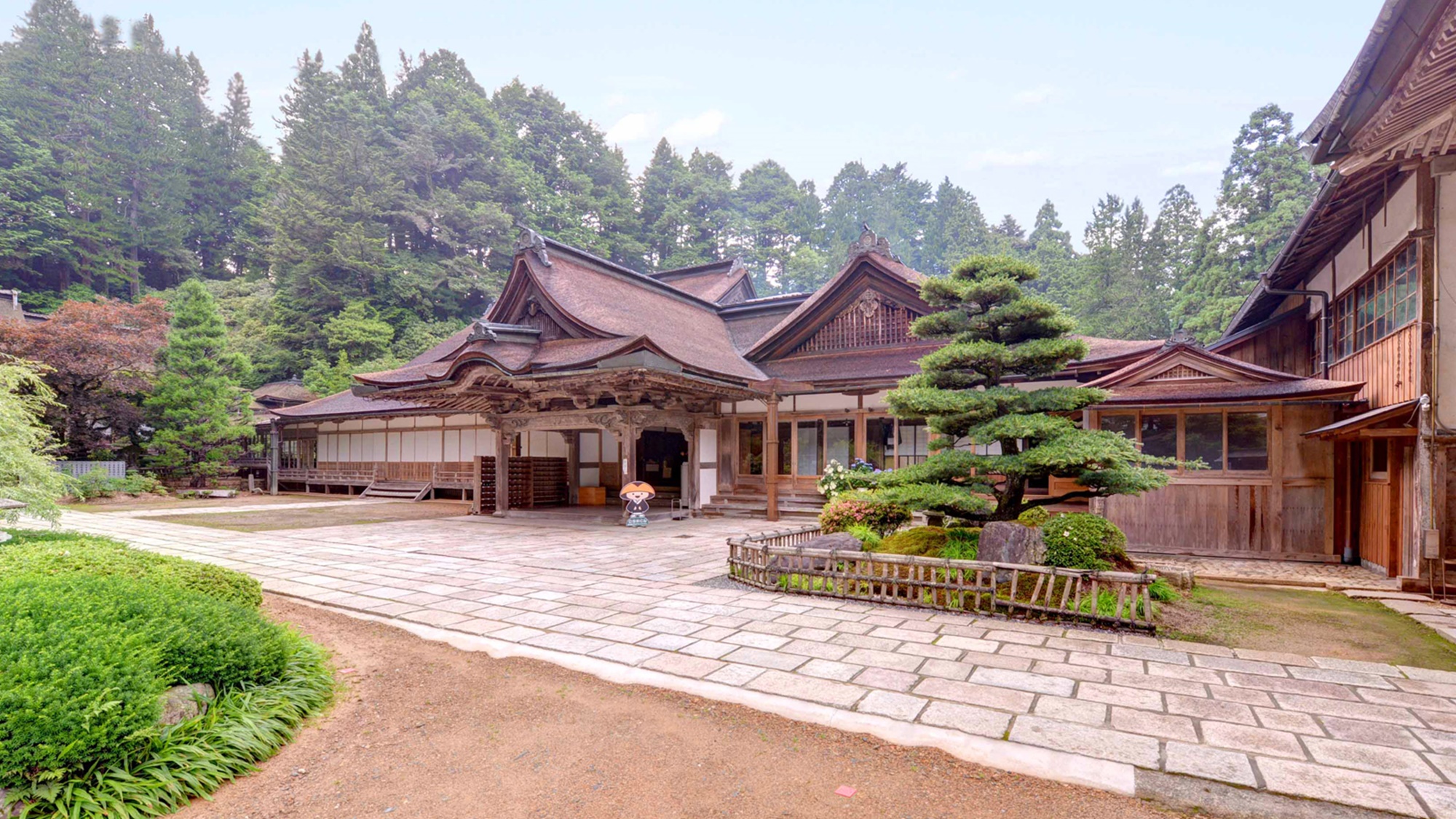
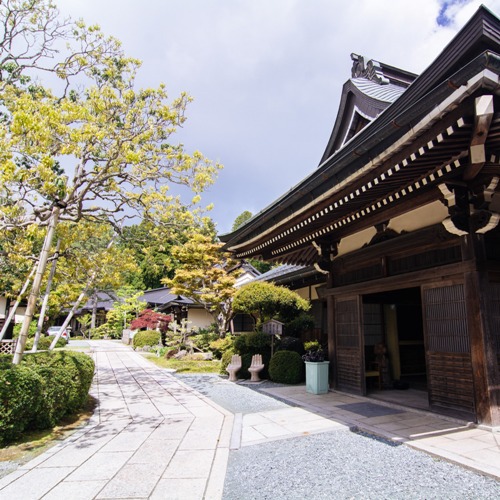
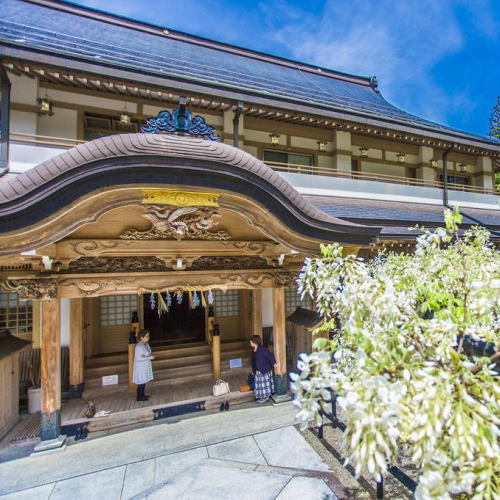
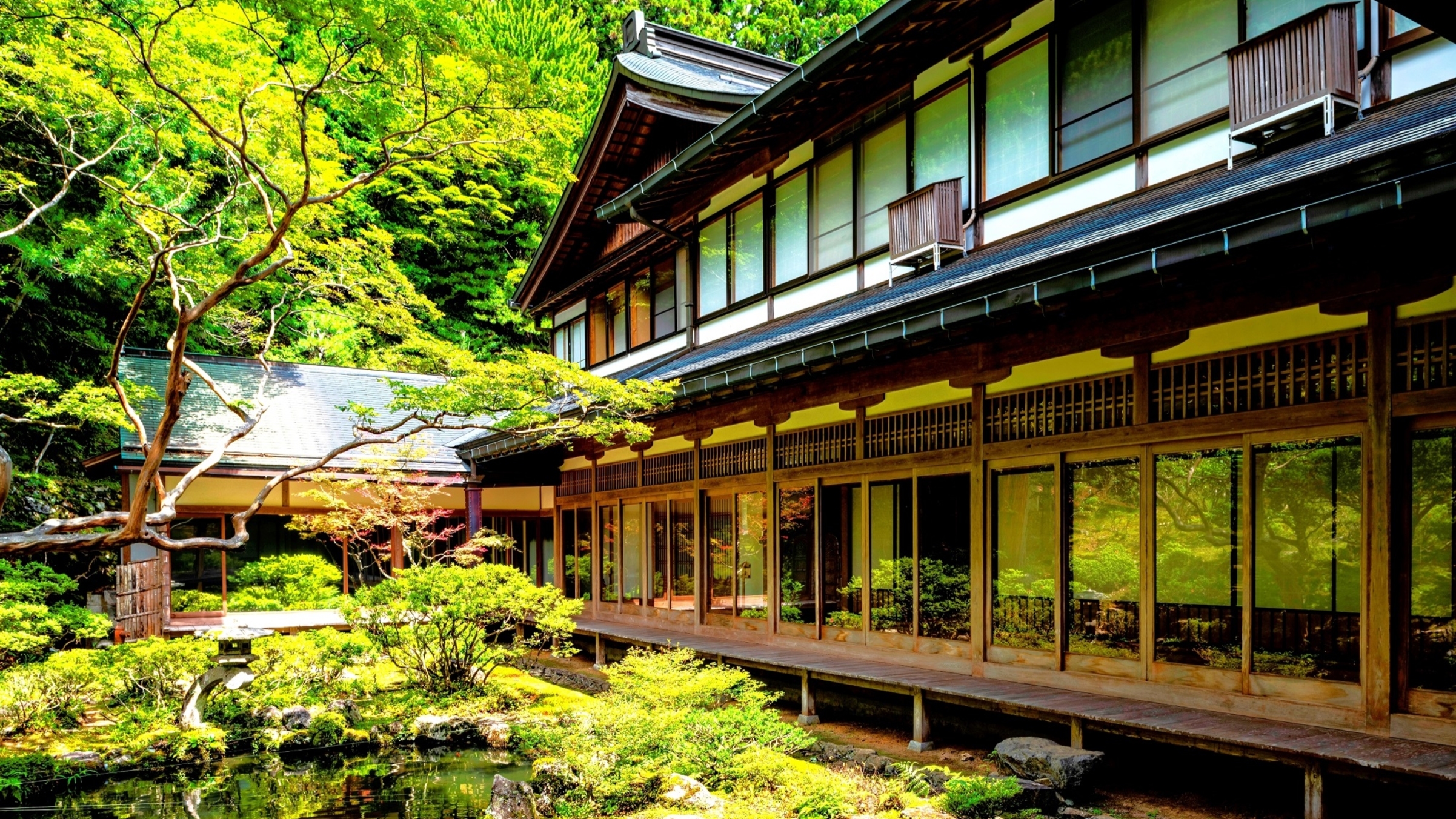
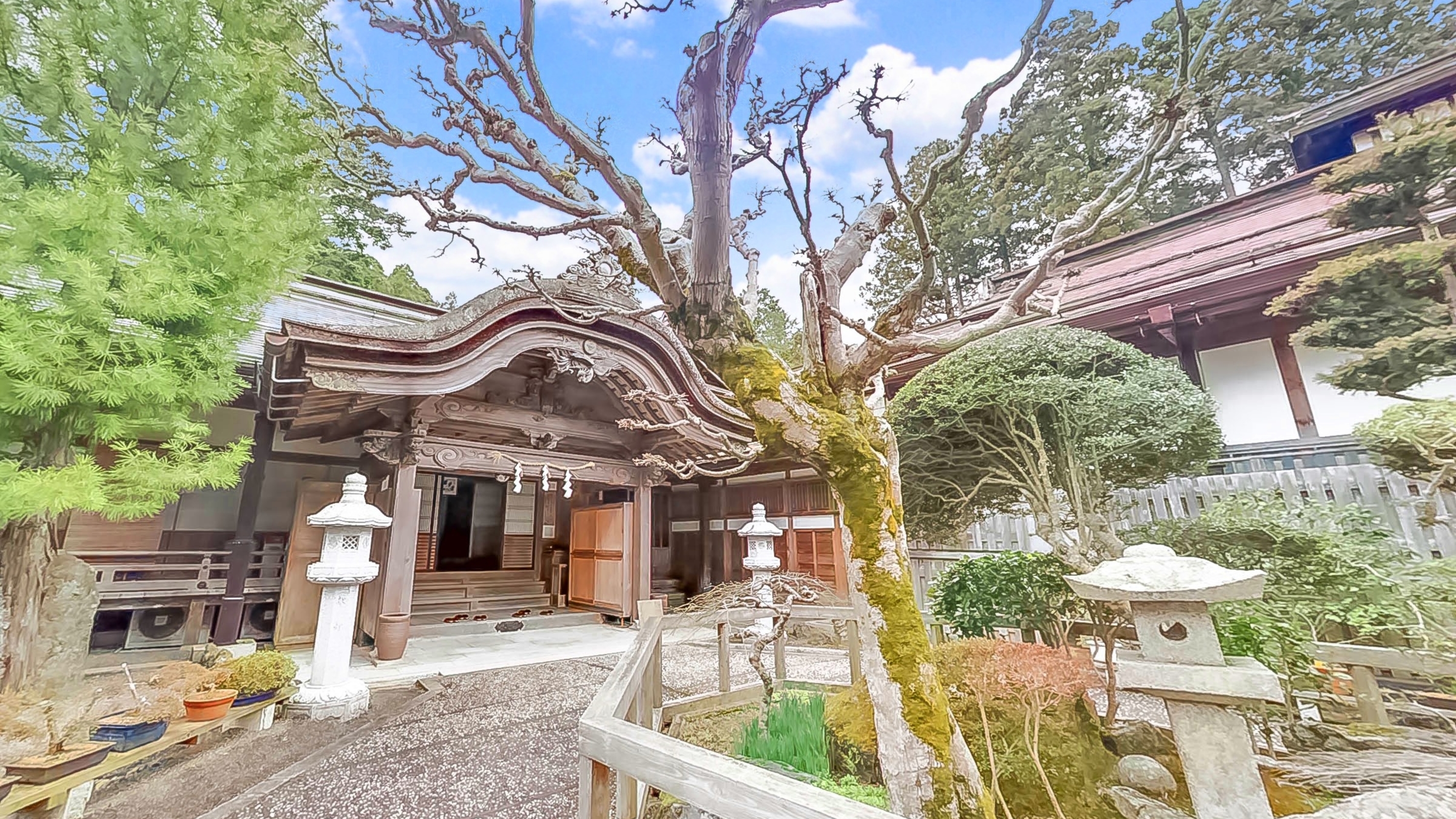
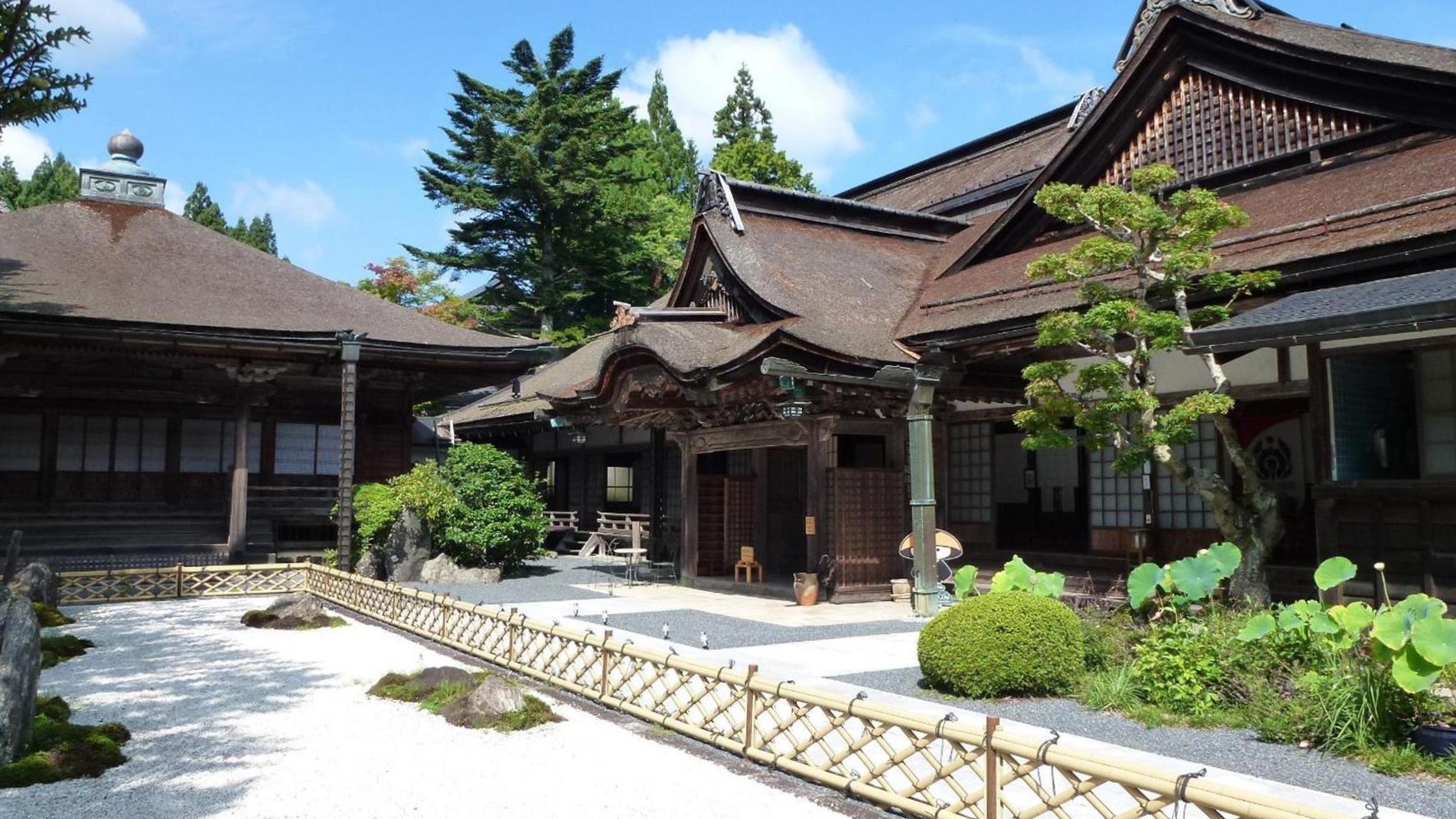
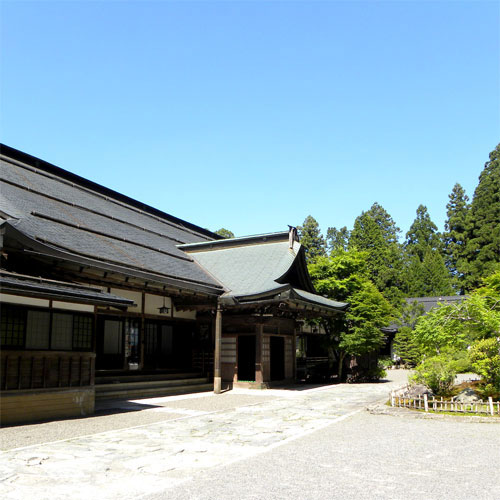
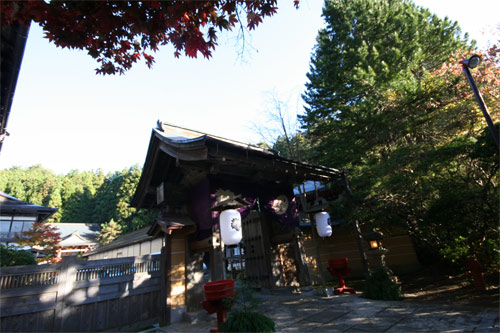
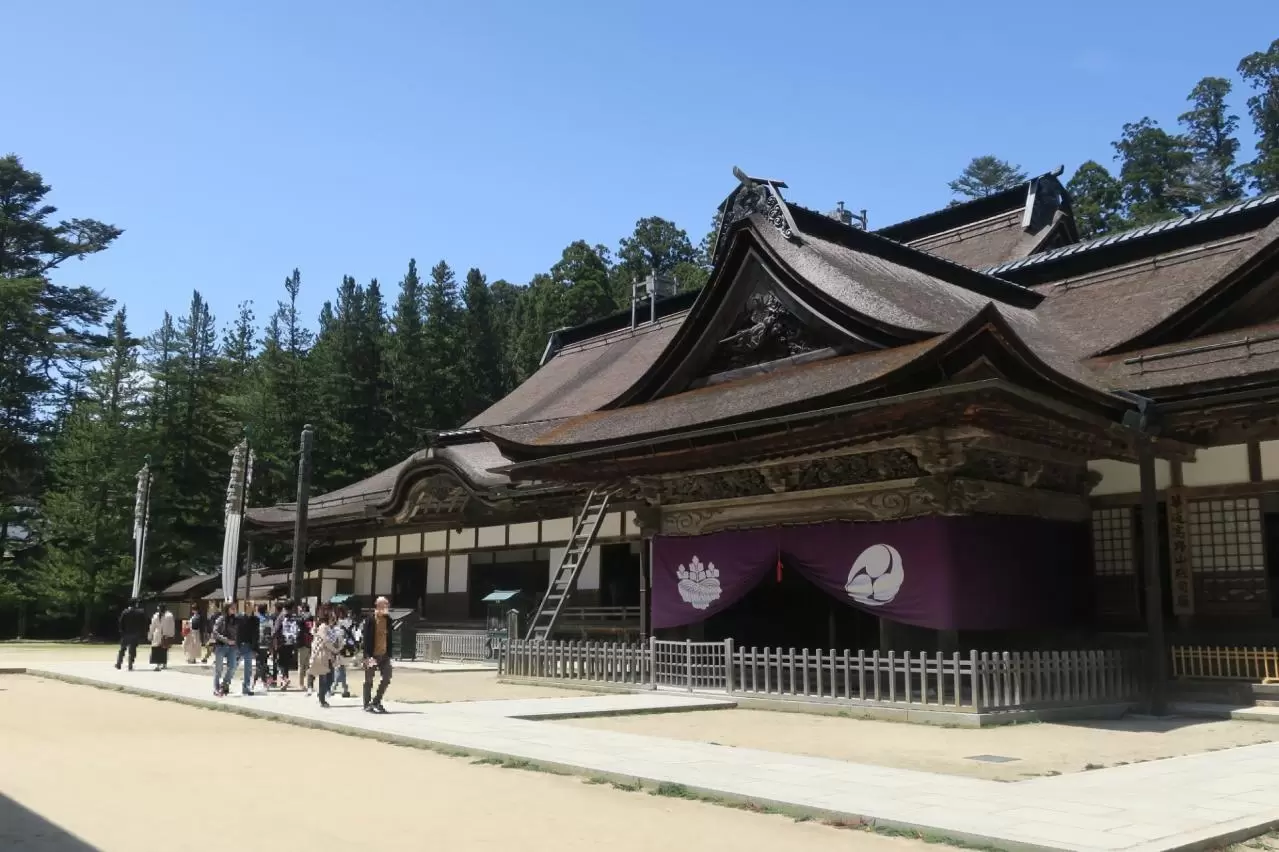
Kongobu-ji is located almost at the center of Mount Koya and oversees the religious affairs of the entire Koyasan Shingon School. The current main hall, or head temple residence, was rebuilt in 1863. It is a magnificent structure measuring approximately 54.5 meters from east to west and 63.6 meters from north to south, although some sources give its dimensions as approximately 60 by 70 meters. The roof is covered with cypress bark shingles, and rainwater barrels are installed as a precaution against fire.
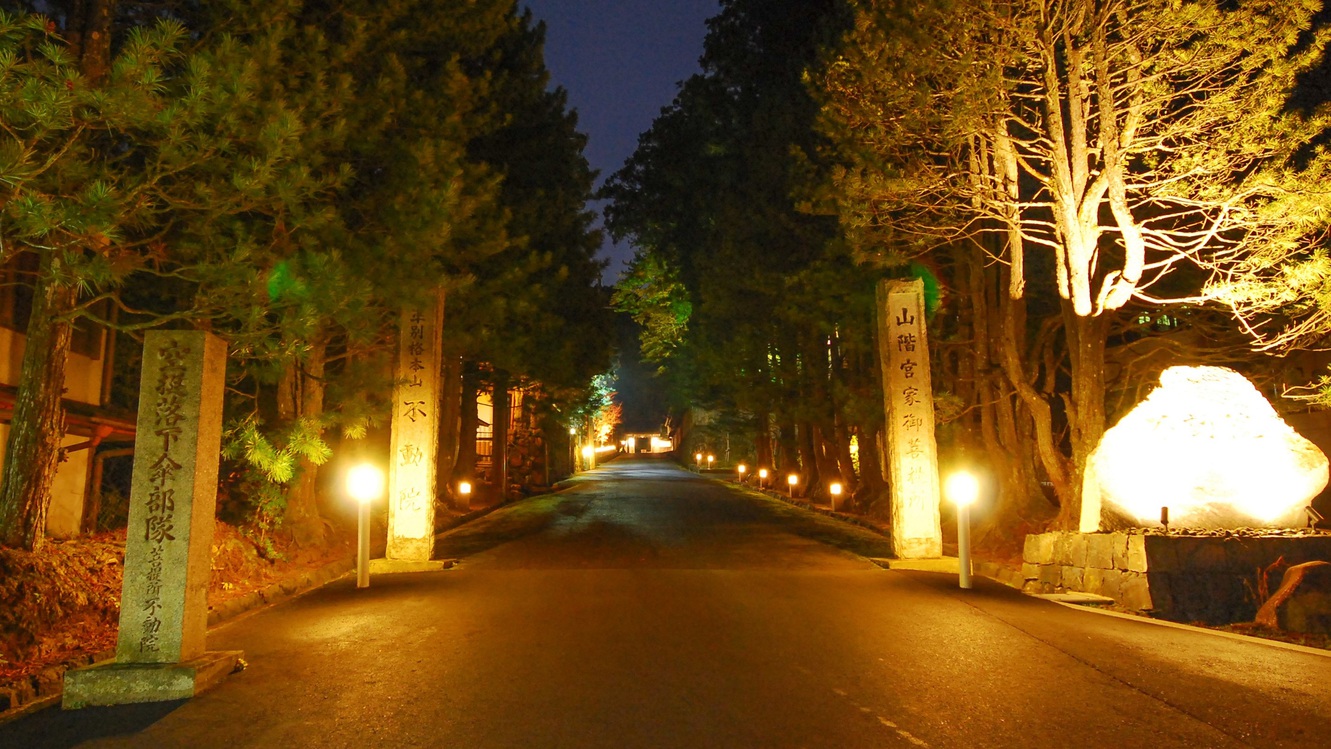
The temple grounds cover approximately 48,295 tsubo, or about 159,650 square meters, and are registered as part of the UNESCO World Heritage Site “Sacred Sites and Pilgrimage Routes in the Kii Mountain Range.” The Mount Koya area spreads across a mountain basin at an elevation of more than 800 meters, with approximately 117 subsidiary temples scattered throughout the area.
■ Highlights: Buildings and Interior Decorations
The interior of Kongobu-ji contains many highlights where history and art come together.
・The Great Hall
The hall features sliding-door paintings titled “Cranes Among Pine Trees,” by Kano Tanyu, depicting pine trees and cranes against a gold background. These paintings create a solemn atmosphere, and the hall is used for important Buddhist ceremonies and events.
・The Willow Room (the Room of Hideji’s Suicide)
This room is decorated with sliding-door paintings of “White Eagles in Snowy Willows” by Kano Tansai. It is also known as the place where Toyotomi Hidetsugu took his own life.
・The Private Buddha Room
A statue of Kobo Daishi is enshrined here, making this one of the temple’s central places of prayer.
・The Earthen Room
Designed to cope with Mount Koya’s cold climate, this room uses earthen walls and an irori hearth to improve heat retention, demonstrating the ingenuity of traditional temple architecture.
The temple also houses contemporary artworks by the Japanese painter Hiroshi Senju, including “Waterfall” and “Cliff,” creating a space where tradition and modern art come together.
■ The Garden: Banryu Garden
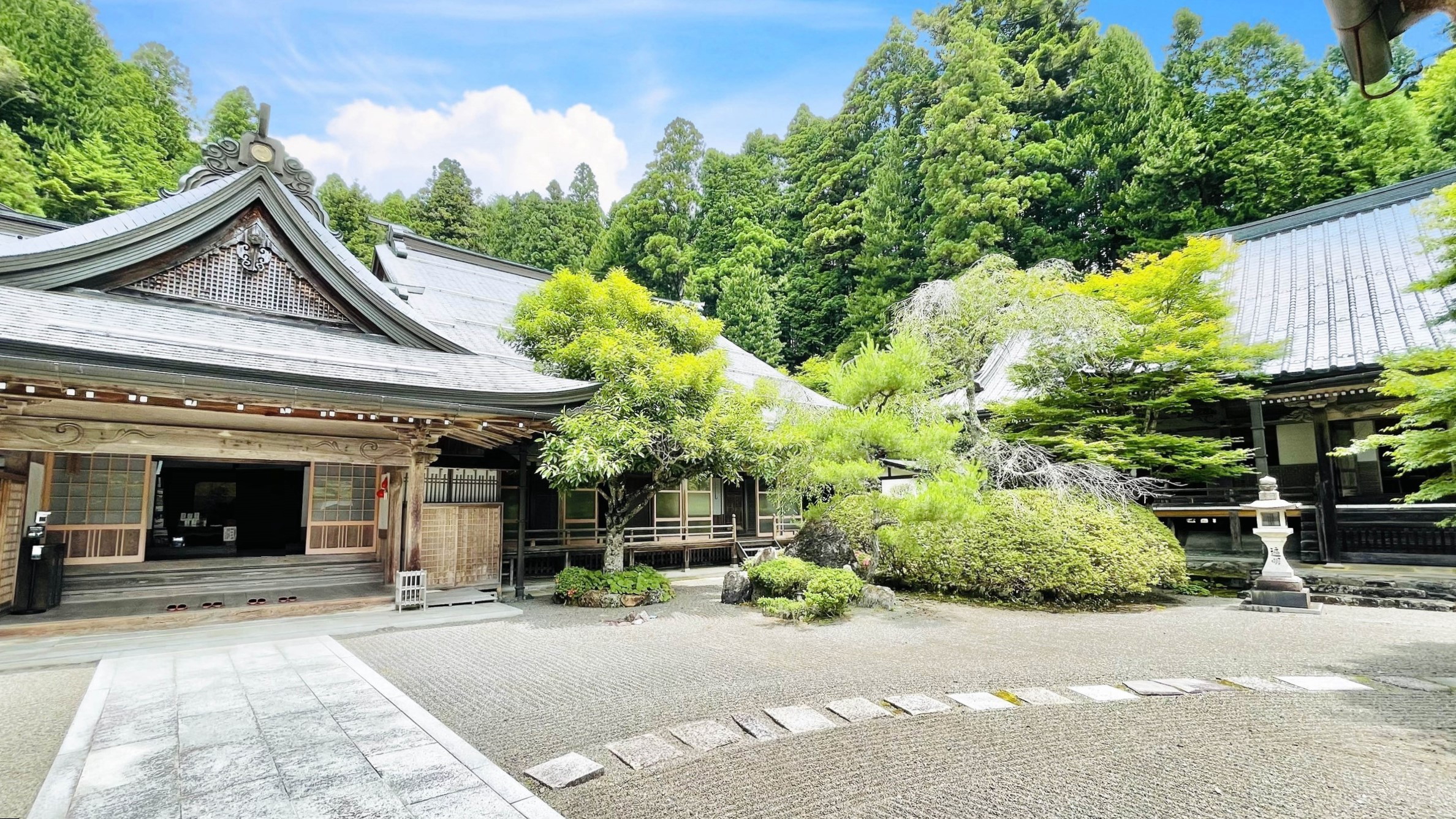
The temple grounds are home to Banryu Garden, one of Japan’s largest dry landscape gardens. Covering approximately 2,340 square meters, the garden uses white sand and massive rocks to depict a dragon advancing through a sea of clouds. The stones are made from granite brought from Shikoku, the birthplace of Kobo Daishi. Visitors can enjoy the garden’s deeply spiritual scenery in an atmosphere of profound tranquility.
■ Relation to the Highlights of Mount Koya
Mount Koya, centered around Kongobu-ji, is home to many important sacred sites, including the Danjo Garan complex and Okunoin. Okunoin is believed to be the place where Kobo Daishi remains in eternal meditation, and it attracts many worshippers.
The Koyasan Reihokan Museum also displays numerous precious cultural properties, including Buddhist statues and paintings, allowing visitors to gain a deeper understanding of the history and faith of Kongobu-ji.
■ Experiences and Attractions for Visitors
In addition to worship, Kongobu-ji may offer participatory Buddhist experiences such as sutra transcription and the receiving of Buddhist precepts. Through these activities, visitors can experience the spirit of Shingon Esoteric Buddhism.
Because visiting the extensive temple grounds involves considerable walking, visitors are advised to check their route in advance and wear comfortable walking shoes.
■ Conclusion
Kongobu-ji is the center of Shingon Esoteric Buddhism, preserving the teachings of Kobo Daishi Kukai to the present day. It is a magnificent space where history, architecture, art, and nature come together. Offering visitors the chance to experience centuries of faith and culture, it continues to captivate people as one of the spiritual centers of Japanese Buddhism.
Wakayama Tourist Attractions
View List
Shirarahama Beach
Shirarahama is a beautiful beach extending about 620 meters, and it is one of the most famous beaches in the Kansai region. Its name comes from the pure white sandy ...

Kumano Nachi Taisha
Kumano Nachi Taisha is a shrine revered as one of the Kumano Sanzan, along with Kumano Hayatama Taisha and Kumano Hongu Taisha, and it is located on the slopes of Na...

Senjōji Temple
Chinjoh-jiki is a scenic spot in Wakayama, characterized by its expansive rock formation located at an elevation of about 200 meters. The sloping white rock face, wh...

Toretore Ichiba Nanki Shirahama
Toretore Market in Nanki Shirahama is one of the largest seafood markets in Western Japan, managed by the local Kata Fishing Cooperative. As a result, you can find e...

Wakayama Castle
Wakayama Castle is an iconic castle that towers over Wakayama City, situated on Mount Torafusu. It was once referred to as "Oten su" in the Wakayama dialect. This ca...

Adventure World
Adventure World is a theme park that integrates a zoo, aquarium, and amusement park, themed around "Smile in Your Heart, Creating the Future Park." Visitors can expe...

Kumano Hongu Taisha
Kumano Hongu Taisha is one of the Kumano Sanzan (Kumano Hongu Taisha, Kumano Nachi Taisha, and Kumano Hayatama Taisha) and serves as the head shrine of all Kumano sh...

Nachi Falls
Nachi Falls is a famous spot in Wakayama, recognized as one of Japan's three great waterfalls, boasting a height of 133 meters, a width of 13 meters at the mouth, an...