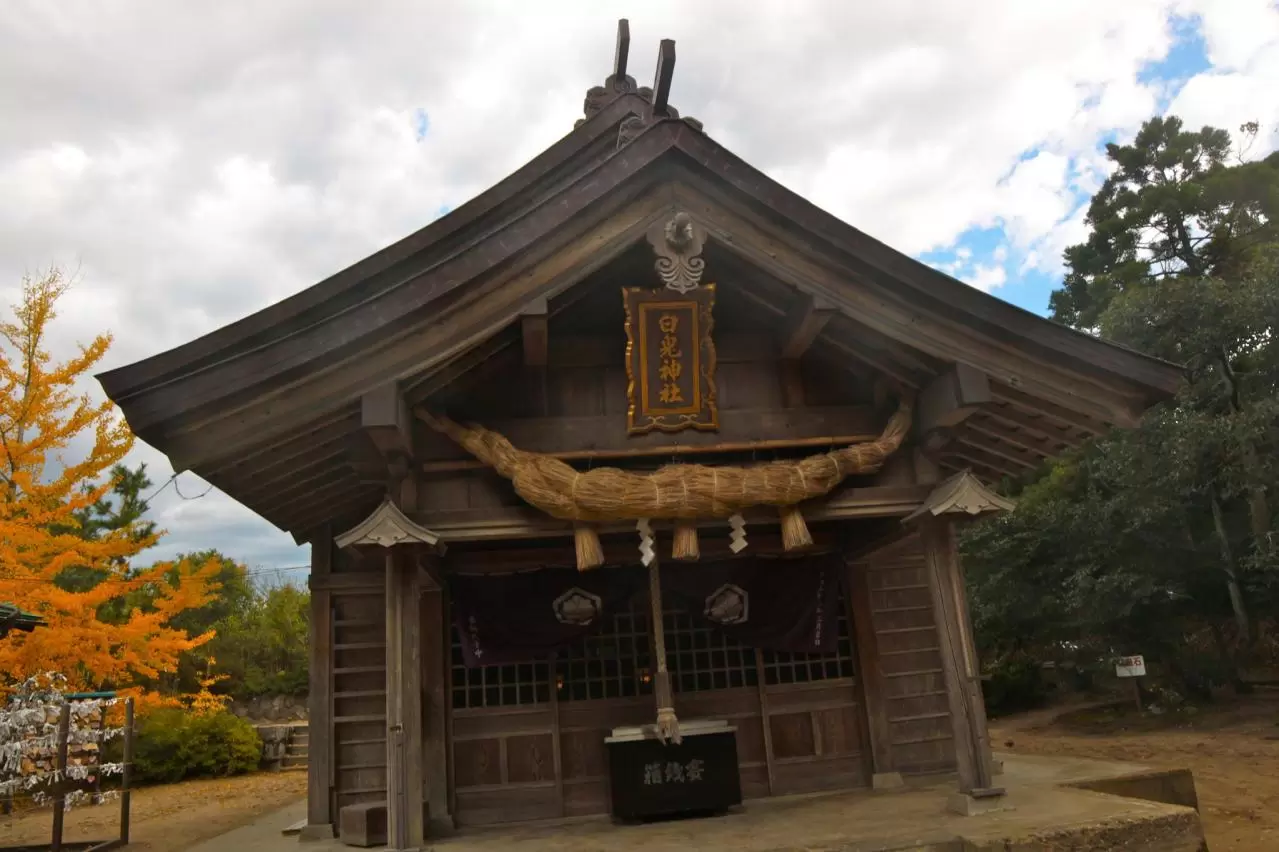
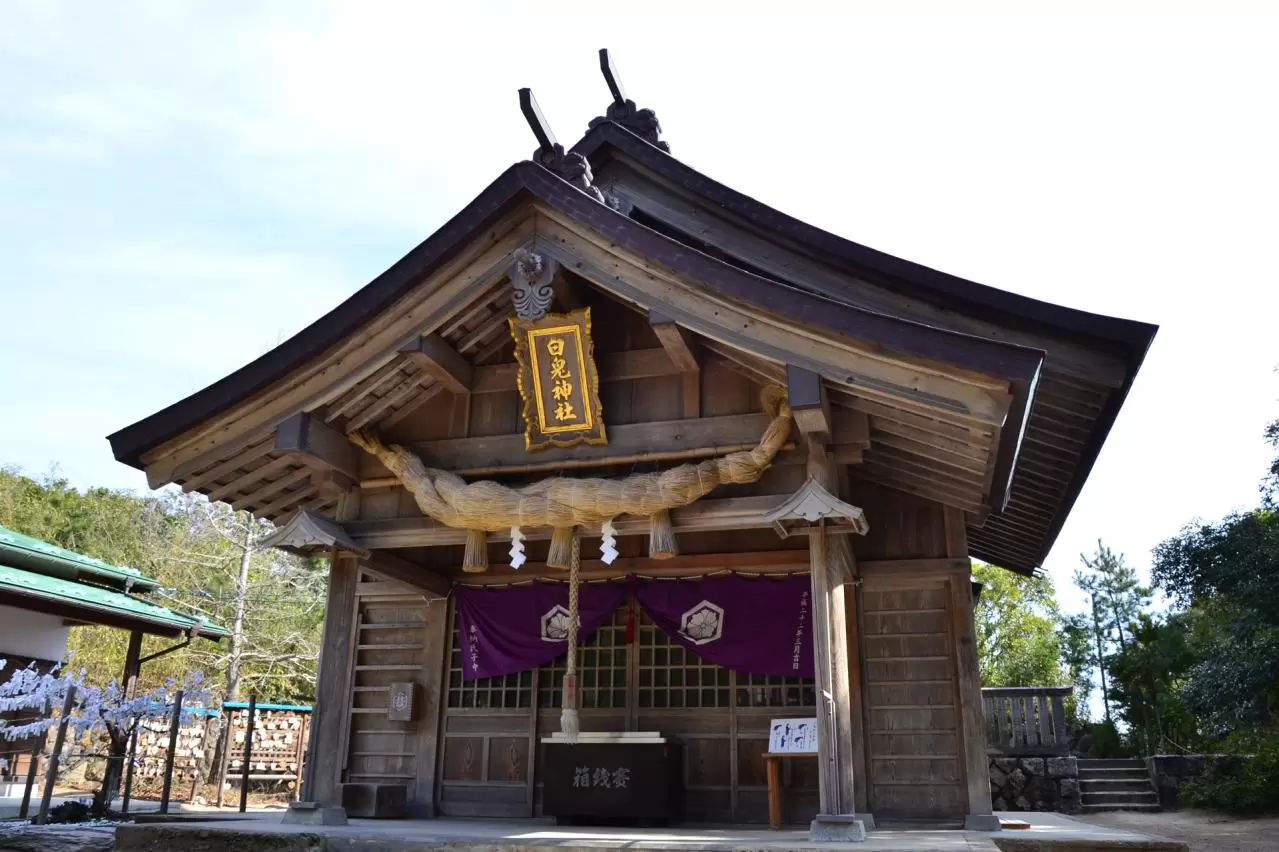


Hakuto Shrine
Hakuto Shrine Movies


Basic Information
- Spot Name
- Hakuto Shrine
- Location
- 〒689-0206 603 Shirato, Tottori City, Tottori Prefecture
- Access
- About 40 minutes by local bus from JR Tottori Station. Approximately 20 minutes by car from the Tottori IC, which is accessed via the Chugoku Expressway "Sayou JCT," and about 1 hour and 30 minutes by car from Sayou JCT.
- Parking
- Please use the free parking lot at "Michi-no-Eki Shinwa no Sato Shiro Usagi."
- Business Hours
- Shrine office: 9:00 AM - 4:00 PM
- Contact Information
- Phone Number:0857-59-0047
- Official Website
Map
Detailed Information
Hakuto Shrine is located in Hakuto, Tottori City, Tottori Prefecture. It is widely known as the setting of the myth of “The White Hare of Inaba,” recorded in the Kojiki, Japan’s oldest historical record, and the Nihon Shoki, Japan’s oldest official chronicle. The shrine’s principal deity is Hakuto-shin, the White Hare Deity who appears in the myth. The deity is also known as Ōusagi Daimyōjin or Usagi no Miya Hakuto Daimyōjin. Because the white hare brought together Ōkuninushi no Mikoto of Izumo and Princess Yagami of Inaba in the myth, the deity has been worshipped since ancient times as a god of matchmaking.
In recent years, the shrine has attracted attention as the setting of “The White Hare of Inaba,” said to be one of Japan’s oldest love stories, and was designated a “Lover’s Sanctuary” in 2010. Today, it is one of Tottori Prefecture’s most popular matchmaking destinations, drawing visitors from all over Japan.
## The Myth of the White Hare of Inaba
The origins of Hakuto Shrine lie in the Japanese myth of “The White Hare of Inaba.”
According to the myth, a white hare attempting to travel from the Oki Islands to the land of Inaba tricked sharks—referred to as wani in the Kojiki—into lining up across the sea, then leaped from one back to another to cross the water. However, the sharks realized that they had been deceived at the very end and, enraged, tore off the hare’s fur.
The injured hare was given incorrect medical advice by the Yasogami, the elder brothers of Ōkuninushi no Mikoto. After washing its body in seawater and then exposing itself to the wind, its wounds became even worse. Ōkuninushi no Mikoto happened to pass by and told the hare the correct treatment: “Wash your body in fresh water, then rest on the flowers of cattails.” The white hare followed his instructions and recovered from its wounds. In gratitude, it foretold, “Princess Yagami will choose you as her husband.” It is said that, just as the hare predicted, Ōkuninushi no Mikoto and Princess Yagami were later united.
This myth is considered one of Japan’s oldest love stories and is also known as one of the country’s earliest stories concerning medicine and healing.
## Enshrined Deity and Blessings
Based on the story of the myth, Hakuto-shin, the principal deity of Hakuto Shrine, is believed to grant the following blessings:
- Matchmaking
- Fulfillment of romantic wishes
- Prayers for a good relationship
- Marital harmony
- Prayers for children
- Healing of skin diseases
- Healing of burns
- Health and longevity
The deity is particularly famous as a god of matchmaking. Because Hakuto-shin brought Ōkuninushi no Mikoto and Princess Yagami together, many visitors come to pray for success in love and marriage. In connection with the myth, the shrine has also long been revered as a place to pray for the healing of skin diseases and burns.
## History of the Shrine
The exact date of Hakuto Shrine’s founding is unknown, but it has an extremely long history—so long that its name is recorded in both the Kojiki and the Nihon Shoki. Since ancient times, it has been revered by local people as Ōusagi Daimyōjin.
The current shrine buildings were reconstructed in 1896, the 29th year of the Meiji era. They have survived to the present after undergoing several repairs and reconstructions throughout the shrine’s long history.
## Highlights of the Shrine Grounds
### Stone Statues of White Hares
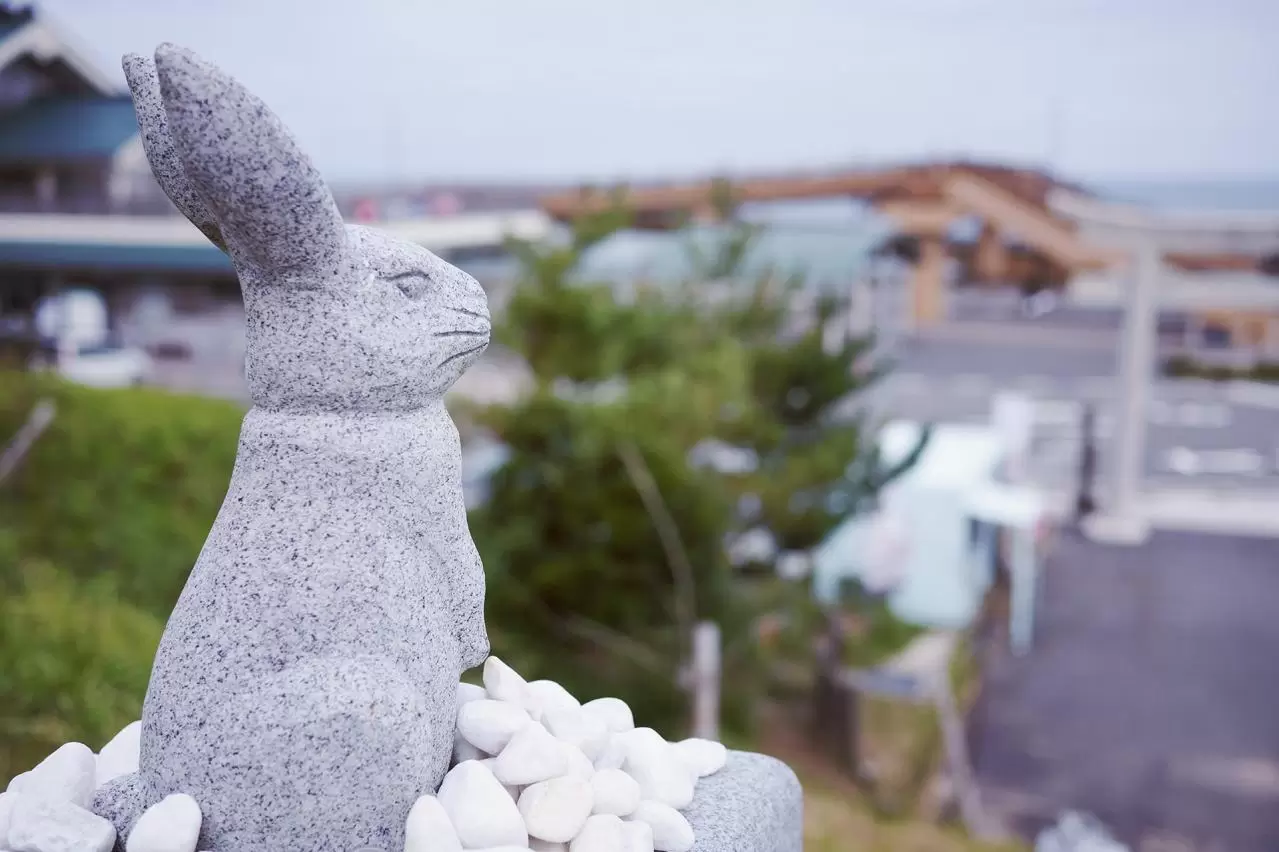
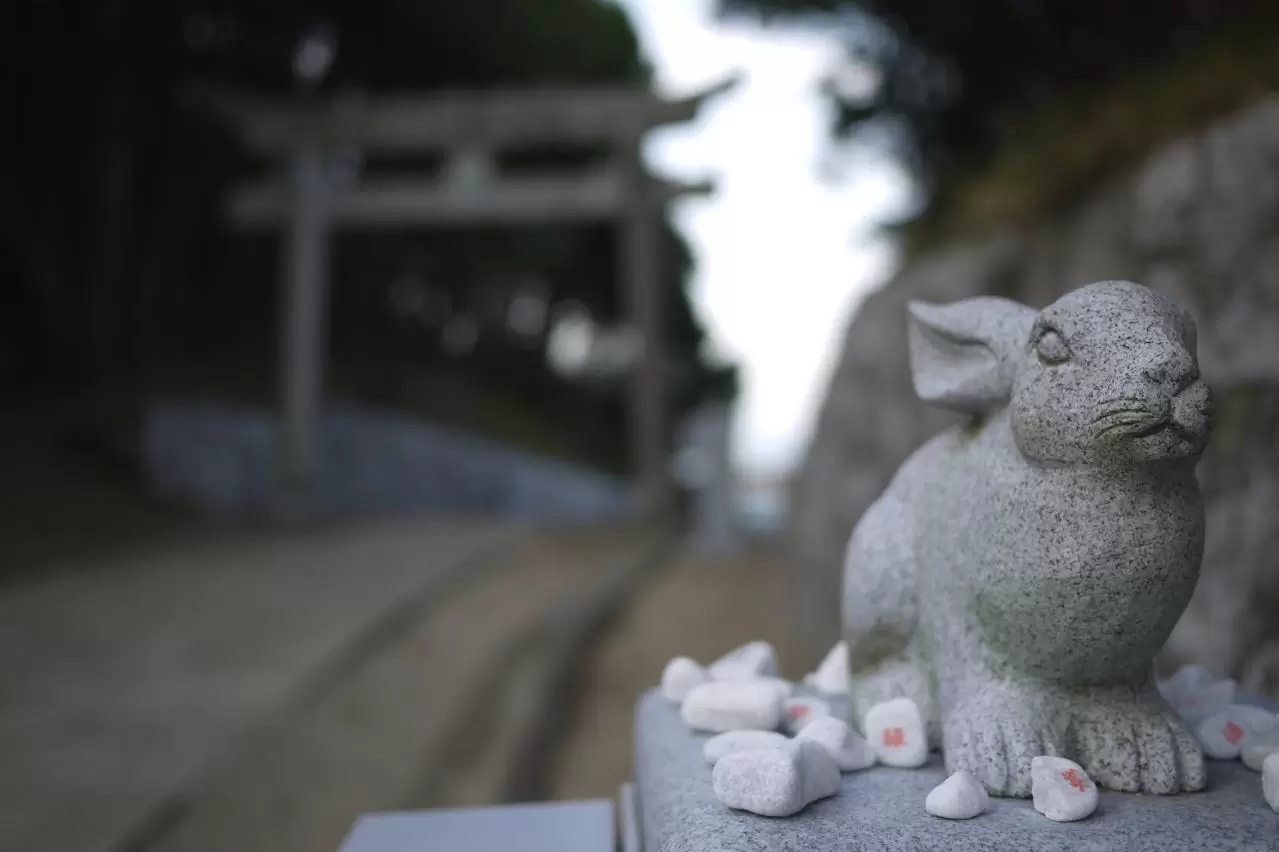
Numerous stone statues of white hares are placed throughout the shrine grounds. Each has a different expression and pose, and they are arranged as if guiding visitors toward the main sanctuary. Their adorable appearance has become a symbol of Hakuto Shrine, and many visitors enjoy taking photographs of them.
### Musubi Stones
The “Musubi Stones” are one of Hakuto Shrine’s most famous good-luck charms.
They embody wishes for five types of blessings:
- A good relationship
- Children
- Prosperity
- Success and growth
- Health
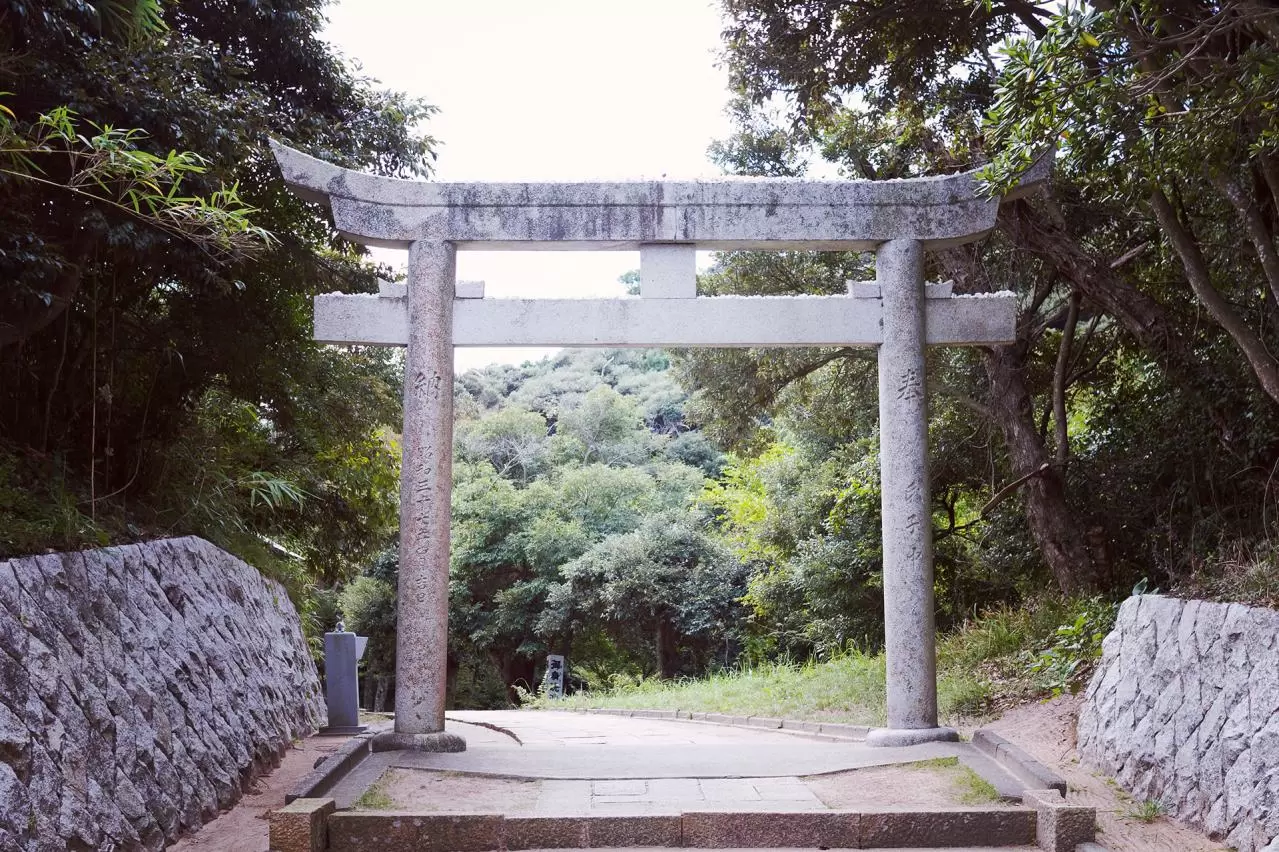
It is said that placing a stone with a wish in mind on top of a torii gate, on the head of a white hare statue, or on a pedestal will make the wish come true. Many Musubi Stones have been piled up throughout the shrine grounds, creating a distinctive shrine landscape.
### Hakuto Kishōmon
This matchmaking prayer became popular after the shrine was designated a “Lover’s Sanctuary.” Couples and married partners write down their love and promises and make a vow to Hakuto-shin. It is cherished by people wishing for success in love and lasting happiness.
### Mitaraishike Pond
Along the approach leading to the shrine grounds is Mitaraishike Pond.
According to the myth, this is where the white hare washed its body after following Ōkuninushi no Mikoto’s advice. The pond’s most remarkable feature is that its water level changes very little throughout the year. For this reason, it is also called Fuzō Fugen no Ike, meaning the “Pond of Neither Increase nor Decrease.”
As a sacred place associated with the myth, it is a popular destination visited by many worshippers.
### Hakuto Shrine’s Grove
To the west of the approach spreads a dense grove of evergreen trees, including tabunoki bay trees, shii oak trees, and kakuremino trees.
Because this forest retains many of the characteristics of a primeval forest along the Sea of Japan coast, it has been designated a national natural monument. It is known as a valuable natural heritage site that enhances the shrine’s mysterious atmosphere.
## Nearby Sites Associated with the Myth
### Hakuto Coast
This beautiful coastline stretches directly in front of Hakuto Shrine. According to the myth, it is where the white hare arrived after crossing from the Oki Islands. The scenery created by the blue waters of the Sea of Japan and the white sandy beach is exceptionally beautiful, and visitors can enjoy spectacular sunsets in the evening.
### Okinoshima Island
This small island lies offshore from Hakuto Coast and is said to have been a stopping point for the white hare as it crossed the sea in the myth. Today, it remains a symbolic landmark that evokes the setting of the ancient story.
### Hakuto Hill
There are several scenic viewpoints around the shrine offering sweeping views of Hakuto Coast and the Sea of Japan. Visitors can enjoy magnificent scenery, especially on clear days when the beautiful panorama of the Sea of Japan comes into view.
### Roadside Station: Mythical Village Hakuto
Located next to the shrine, this roadside station sells Tottori specialties and souvenirs. Its observation deck offers a panoramic view of Hakuto Coast, and its restaurant, which serves fresh seafood, is also popular.
## Amulets, Votive Tablets, and Goshuin Stamps
A variety of religious items can be obtained at the shrine office, including:
- Amulets featuring white hares
- Matchmaking amulets
- Amulets for success in love
- White hare ema votive tablets
- Rabbit-shaped fortune slips
- Musubi Stones
- Goshuin shrine stamps
Items featuring white hare designs are particularly charming and popular as souvenirs of a shrine visit.
## Summary
Hakuto Shrine is a historic shrine known as the setting of the Japanese myth “The White Hare of Inaba.” Because it enshrines Hakuto-shin, who brought Ōkuninushi no Mikoto and Princess Yagami together, the shrine is revered throughout Japan as a deity of matchmaking and success in love. Numerous sites associated with the myth remain within the shrine grounds, including white hare stone statues, Musubi Stones, and Mitaraishike Pond, allowing visitors to experience the world of Japanese mythology up close.
The surrounding area also features locations connected to the myth, such as Hakuto Coast and Okinoshima Island. Visitors can enjoy these sites together with the beautiful scenery of the Sea of Japan. Whether praying for success in love or a good relationship, or exploring mythology, history, and abundant nature, Hakuto Shrine is one of Tottori Prefecture’s leading and most popular tourist destinations.
Tottori Tourist Attractions
View List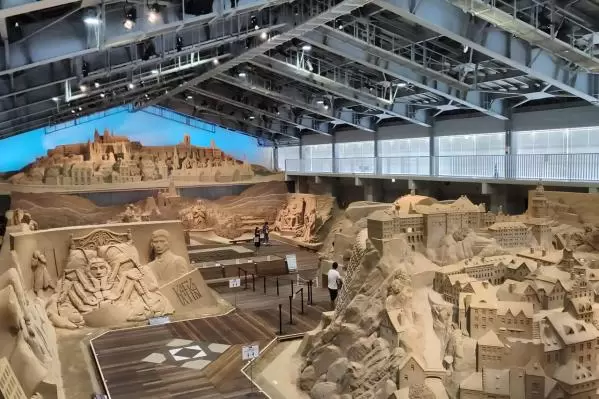
Tottori Sand Dunes Conan
The "Sand Museum" at Tottori Sand Dunes is the world's first museum dedicated to sand sculptures. With the concept of "World Travel Through Sand," sand sculptures ar...
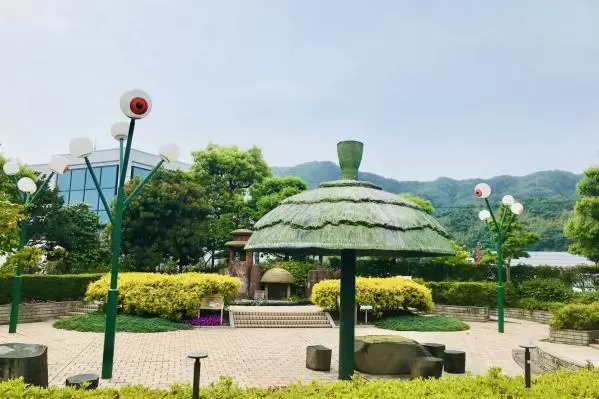
Mizuki Shigeru Road
Mizuki Shigeru Road is a street that stretches approximately 800 meters from Sakai Minato Station to the Mizuki Shigeru Memorial Museum, established in 1993. In 2018...

Tottori Sand Dunes
The Tottori Sand Dunes boast an astonishing landscape shaped by the beauty of wind and nature. The dunes, which constantly change shape due to the wind, create natur...

Daisen Makiba Milk no Sato
Daisen Makiba Milk no Sato is a popular spot located within Daisen Ranch, offering breathtaking views of the majestic Daisen Mountain and the Sea of Japan. Visitors ...

Uradome Coast Island Cruise
The Uradome Coast Island Cruising Tour is a scenic cruise that explores the popular tourist attraction, Uradome Coast, in Iwami Town. Uradome Coast is known for its ...

Kaike Onsen
Kaike Onsen is a beautiful seaside hot spring area located on the northern side of Yonago City in Tottori Prefecture, facing the Japan Sea. Known as "Shio no Yu" or ...
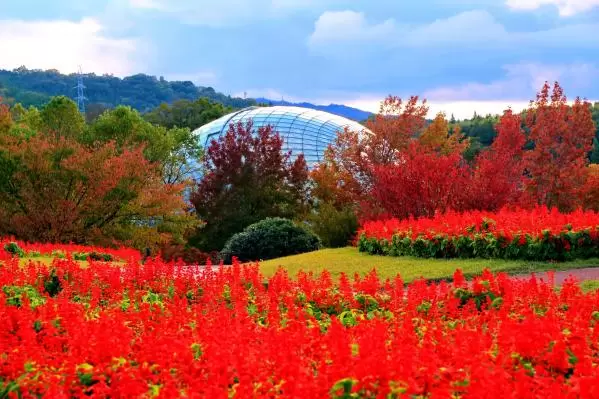
Tottori Hanakairo Flower Park
The "Tottori Hanakairo," one of the largest flower parks in Japan, is a floral paradise worth visiting throughout the four seasons. Nestled in beautiful landscapes, ...

Tottori Nijisseiki Kenkankan (Nashikko-kan)
The Tottori 20th Century Pear Memorial Hall, known as "Nashikko-kan," is Japan's only museum dedicated to pears, located within the Kurayoshi Park Square in Kurayosh...