Morioka’s principal guardian shrine
This important local shrine has been a focus of worship for generations.
AI Summary
This is an AI-generated summary. Please check the official information for opening hours, fees, and closed days.
A large shrine known for its striking vermilion buildings and its role as Morioka’s principal guardian shrine.
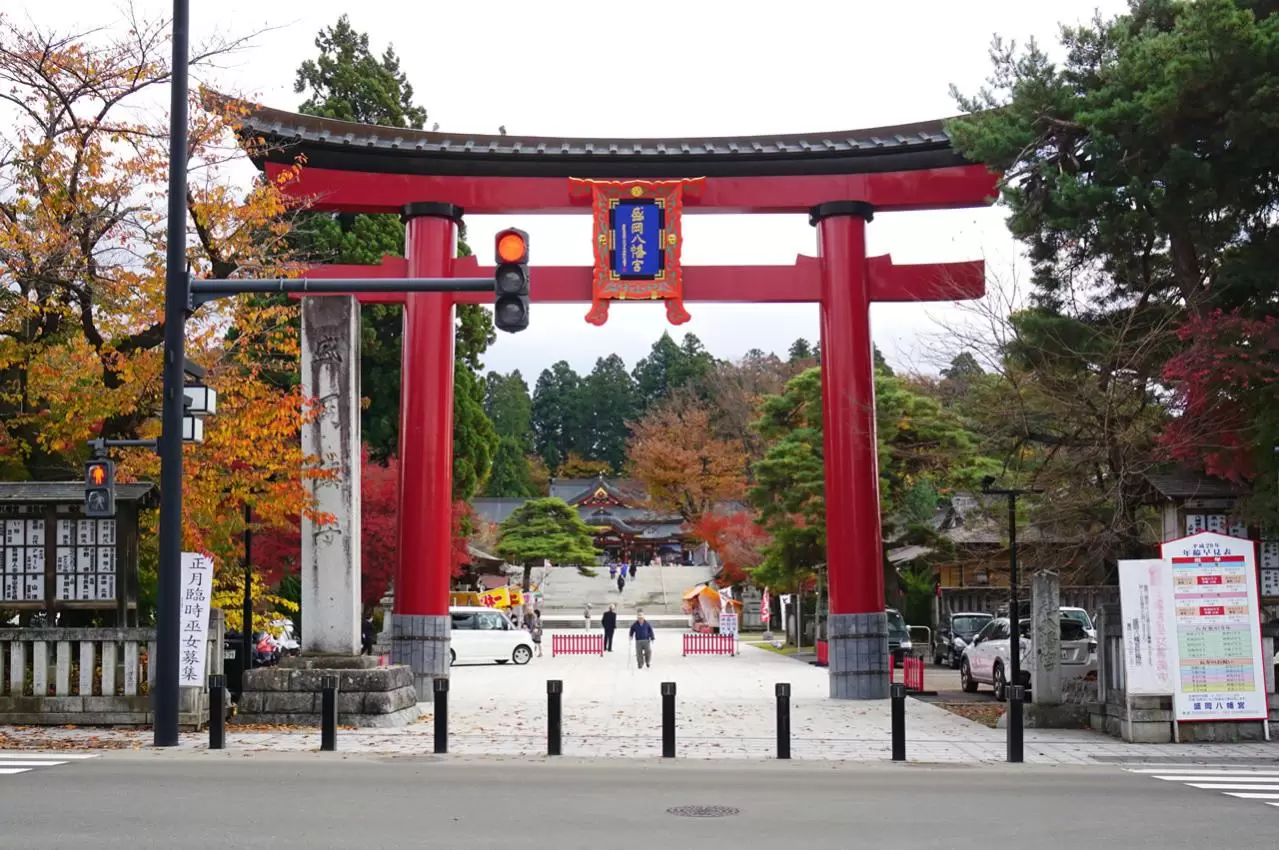
Near central Morioka, this historic shrine stands out for its vermilion-colored buildings. Its spacious grounds are dotted with smaller shrines, making it a pleasant place to stroll as well as to pray. It is especially lively during New Year visits and the annual festival.
This important local shrine has been a focus of worship for generations.
The vivid shrine buildings make a memorable sight alongside your visit to pray.
The shrine is closely tied to everyday life and occasions such as New Year visits and Shichi-Go-San celebrations.
Combine a visit with sightseeing around Morioka Station for an easy half-day outing.
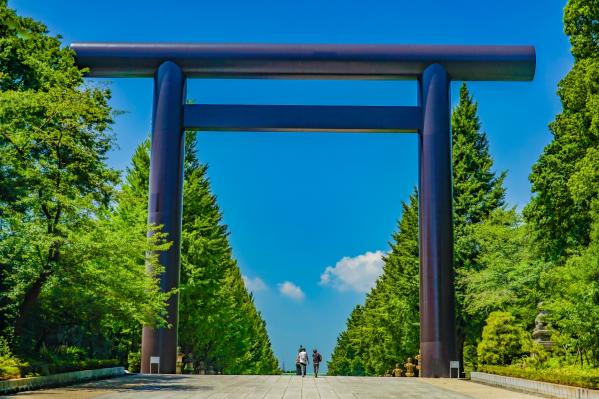
Morioka Hachimangu is the largest shrine in Iwate Prefecture, located in Hachiman-cho, Morioka City, and has long been revered by the people as the guardian shrine of Morioka.
Its origins are said to date back to Kohei 5 (1062) in the Heian period, when Minamoto no Yoriyoshi prayed for victory in the Former Nine Years’ War and invited a branch deity from Iwashimizu Hachimangu in Kyoto. It was originally known as “Hatonomori Hachimangu,” and was deeply worshiped for generations by local lords such as the Hideto clan.
In Bunroku 2 (1593), during the construction of Morioka Castle, Lord Nanbu Nobunao revived it as the castle’s guardian shrine. Later, in Enpo 8 (1680), the 29th feudal lord, Nanbu Shigenobu, invited the deity of Kushihiki Hachimangu in Hachinohe, Aomori Prefecture, and built the shrine buildings at their present location. From then on, it came to be known as “Shin Hachiman” or “Nanbu Shin Hachiman.” In this way, the foundation of the faith that continues to this day was established.
Its enshrined deity is Hondawake no Mikoto (Emperor Ojin), who is widely worshiped as a guardian god of all aspects of human life, including agriculture, industry, commerce, scholarship, clothing, food, and housing.
Within the shrine grounds are the main hall and 12 subsidiary shrines, including Enmusubi Shrine for matchmaking, Umenomiya for safe childbirth and children, Morioka Tenjinsha for academic success, Kenko Shrine for health and longevity, and Kasamori Inari Shrine, known for prosperity in business. In particular, Kasamori Inari Shrine is believed to have been enshrined on the summit of Hachiman-yama even before Morioka Hachimangu was founded, and is known as the oldest shrine on the grounds.
The shrine buildings have been rebuilt repeatedly due to the Great Morioka Fire of 1884 and numerous other disasters and severe weather. The current vermilion grand shrine hall was completed in December 1997, and features elaborate carvings, vivid colors, and decorations inspired by the paulownia, the prefectural flower. Its majestic appearance is cherished by local residents as “the face of Morioka.”
The shrine attracts many worshippers throughout the year. The first shrine visit of the New Year during the first three days of January draws the largest crowds in the prefecture. On January 15, the Donto Festival and Hadaka Mairi are held; on February 3, the Setsubun Festival; on the second Saturday of June, the horse festival Chagu Chagu Umakko; and on the last Sunday of June, the Natsu-go Ooharai purification rite. In addition, during the Morioka Hachimangu Annual Festival from September 14 to 16, a colorful shrine procession and a powerful yabusame horseback archery ceremony are held, adorning Morioka’s autumn.
It is also widely used as a place to celebrate life milestones such as Coming of Age ceremonies and Shichi-Go-San, and continues to play an important role as a spiritual pillar for the people of Morioka.
Geibikei is a beautiful gorge located along the Iwai River, which flows into Ichinoseki City and originates from Mount Kurikoma. Its approximately 2-kilometer stretc...
The Iwate Bank Red Brick Building was established in 1911 as the main branch of Morioka Bank. This beautiful red brick structure was designed by the architectural fi...
Moeji Temple is a unique temple that is designated as both a World Heritage Site and as a special historic site and special scenic spot by the Japanese government, a...
Ryusendo Cave is one of Japan's three great limestone caves, designated as a national natural monument in 1938 under the name "Iwaizumi Cave and Bats." The cave is e...
Chuson-ji Temple was founded in 850 by the high priest Jikaku Daishi Ennin and had large-scale structures built by Kiyohira, the first ruler of the Oshu Fujiwara cla...
The Iwate Prefectural Museum of Art was opened in 2001 in the new cultural zone of Central Park in Morioka City. The museum's collection focuses on works by local ar...
Jodogahama is a beautiful coastline located in Iwate Prefecture, Japan, and serves as the centerpiece of the Sanriku Reconstruction National Park and Sanriku Geopark...
Koiwai Farm Makiba Park is one of Japan’s largest private comprehensive farms, boasting a history of over 130 years since its establishment in 1891. Covering an area...