Mount Haguro Five-story Pagoda
AI summary
What kind of place is Haguro Mountain Five-Story Pagoda?
This is an AI summary. Check official information for opening hours, prices and closures.
A National Treasure pagoda nestled among towering cedar trees, ideal for a peaceful stroll through history.
Plan your visit
- Time to allow
- Allow plenty of time to explore at a relaxed pace Not verified
- Getting there
- About 40 minutes by bus from JR Tsuruoka Station; get off at Haguro Center Not verified
Explore more places

Read highlights and visiting tips
Plan your visit
- Rainy Day
- Check conditions and visit options based on the weather Not verified
- Family-friendly
- Consider the stairs and amount of walking Not verified
- For Older Visitors
- Be mindful of the walking distance Not verified
- Best Season
- Winter for snowy scenery, or the fresh-green season Not verified
- Photo Spots
- The pagoda, Jiji-sugi cedar, and cedar-lined approach Not verified
- Travel Mood
- A peaceful walk through history Not verified
Standing along the cedar-lined approach to Mount Haguro, this pagoda is considered one of the oldest in the Tohoku region. Its understated beauty comes from its natural wood construction and thatched bark roof. The nearby Jiji-sugi cedar and solemn atmosphere of the approach are also highlights. The snowy scenery is especially popular; check official information in advance for any effects from restoration work.
Recommended for
Highlights
A historic National Treasure — One of the oldest pagodas in the Tohoku region, it showcases the quiet beauty of natural wood.
Jiji-sugi cedar and the cedar-lined approach — A giant cedar believed to be over 1,000 years old and the surrounding tree-lined path create a solemn, sacred atmosphere.
A different look in every season — The pagoda is especially striking in snow and makes a lovely subject for quiet, atmospheric photographs.
Before you go
- The approach involves a fair amount of walking, so wear comfortable shoes.
- Check official information before setting out for updates on restoration work and visitor access.
- Mountain weather can change quickly, so dress for the season.
Ideas for your visit
Walk along Mount Haguro’s approach to see the Five-Story Pagoda and Jiji-sugi cedar, then continue toward the summit if you have time.
Before deciding to visit
It may be less suitable for travelers who want to avoid long walks or fit several sights into a short visit.
What to look for in the videos
Watch the related videos to get a better feel for the pagoda’s quiet atmosphere and the cedar-lined approach.
Mount Haguro Five-story Pagoda Movies


Basic Information
- Spot Name
- Mount Haguro Five-story Pagoda
- Location
- 〒997-0211 Takemuka, Haguro-machi, Tsuruoka City, Yamagata Prefecture
- Access
- From JR Tsuruoka Station, take the bus to Haguro-san Summit for 40 minutes and get off at Haguro Center. It is a 30-minute drive from the Shonai Asahi IC on the Yamagata Expressway.
- Parking
- No parking available.
- Business Hours
- No information available.
- Contact Information
- Phone Number:0235-62-2355(出羽三山神社)
- Official Website
Map
Detailed Information
Haguro-san Five-Story Pagoda is one of the oldest five-story pagodas in the Tohoku region, standing amid a cedar grove near the upper entrance of the “Ichin-zaka” slope on the Haguro-san pilgrimage path in Tsuruoka City, Yamagata Prefecture. According to tradition, it was originally founded by Taira no Masakado, and the present structure is said to have been rebuilt about 600 years ago during the Muromachi period. It rises to a height of 29.0 meters and is a three-bay, five-tiered, unpainted wooden structure with a bark-shingle roof. It was designated a National Treasure in 1966. Its simple beauty, unique to unpainted wood construction, and its harmony with the surrounding natural landscape are among its greatest charms.
Architectural Features and Value
The roof of Haguro-san Five-Story Pagoda is covered using “kokera-buki,” a traditional technique in which thin wooden boards are layered one over another. Even after many centuries, it retains its dignified appearance. Its design is not ornate but understated, quietly blending into the natural environment. Its status as a National Treasure also makes it an exceptionally valuable structure in the history of Japanese architecture, symbolizing the religious culture and aesthetic sensibilities of the Tohoku region.
Surrounding Environment and Highlights
Near the pagoda stands “Jijisugi,” a giant cedar tree said to be over 1,000 years old, with a trunk circumference of about 10 meters. This tree, together with the pagoda, creates an overwhelming presence and further enhances the sacred atmosphere. The surrounding cedar avenue, with trees over 350 years old, and the stone staircase of the pilgrimage route, totaling 2,446 steps, together form a solemn landscape unique to this sacred area.
Another attraction is the pagoda’s changing appearance with the seasons. In particular, the five-story pagoda wrapped in snow has an ethereal beauty that has captivated many pilgrims and tourists.
Faith in Dewa Sanzan and Haguro-san
Haguro-san is a mountain with an elevation of 414 meters and is one of the three mountains of Dewa Sanzan, along with Mount Gassan and Mount Yudono. Since ancient times, Dewa Sanzan has been revered as a mountain of ascetic practice, offering people a spiritual journey of death and rebirth known as the “journey of rebirth.” Haguro-san is regarded as the mountain that governs benefits in this world, and its relative closeness to the plains has made it widely worshiped. At the summit stands the “Dewa Sanzan Shrine Sanjin Gosaiden,” which enshrines the deities of all three mountains together in a single hall, a rare shrine in Japan where all three deities can be worshiped at one site.
Renovation Work and Important Notes
A large-scale restoration project for the roof of Haguro-san Five-Story Pagoda began in May 2023 and is scheduled to continue until around spring 2025. During this period, the pagoda will be covered, and there will be times when its exterior cannot be seen directly. In particular, construction was scheduled to take place from May 13 to September 30 in 2024. Once the work is completed, the pagoda is expected to reveal an even more robust and beautiful appearance.
Haguro-san Five-Story Pagoda is an historically and culturally important structure as one of the oldest five-story pagodas in the Tohoku region. Its rustic beauty, created by unpainted wood and a bark-shingle roof, together with the sacred landscape formed by the thousand-year-old Jijisugi and the cedar avenue, leaves a deep impression on visitors. As a place of spiritual significance connected to the faith of Dewa Sanzan, it offers a chance to experience the harmony of Japan’s traditional culture and nature.
Yamagata Tourist Attractions
View ListKamo Aquarium
Located in Tsuruoka City, Yamagata Prefecture, "Kamo Aquarium" is an impressive aquarium housed in a modern white-walled building along the Sea of Japan. This aquari...
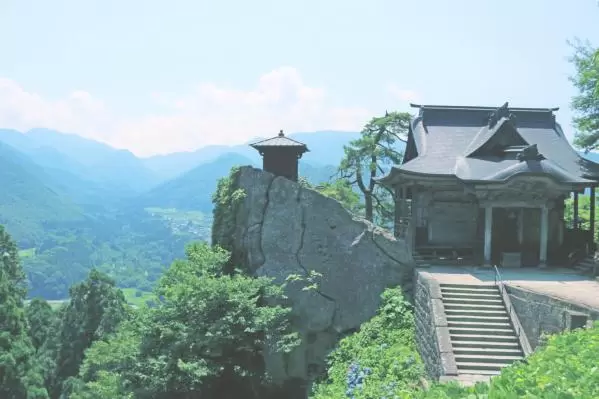
Risshaku-ji (Yamadera)
Hojusan Risseiji, commonly known as Yamadera, is one of Japan's renowned spiritual sites. Founded in the second year of the Jōgan era (860) by the third head of the ...
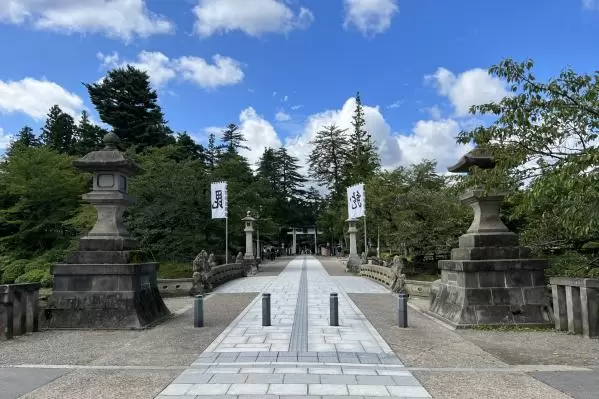
Uesugi Shrine
The Uesugi Shrine, established at the ruins of Yonezawa Castle, enshrines Uesugi Kenshin, regarded as the strongest warlord of the Sengoku period. It is known as a p...
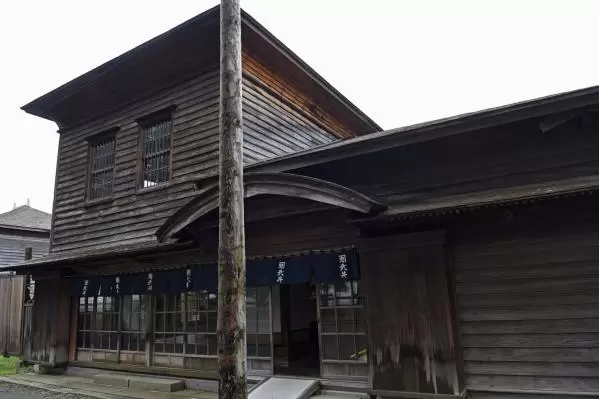
Sake Brewery Museum Toko's Brewery
The "Sake Brewing Museum Tokko no Sakagura" in Yonezawa City is located in an environment well-suited for sake brewing, blessed with abundant water and high-quality ...
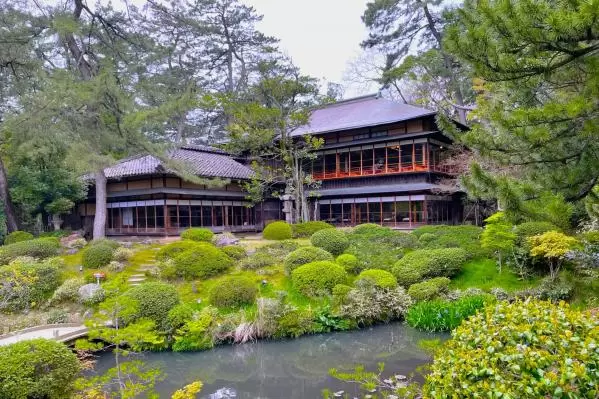
Honma Museum of Art
Honma Art Museum was established in 1947 as Japan's first private art museum after World War II, based on the honma family's villa "Seienkaku" and the garden "Tsurum...

Yonezawa Uesugi Museum
The Yonezawa Uesugi Museum is located on the site of the main keep of Yonezawa Castle and houses valuable cultural assets related to the Uesugi family. Adjacent to t...
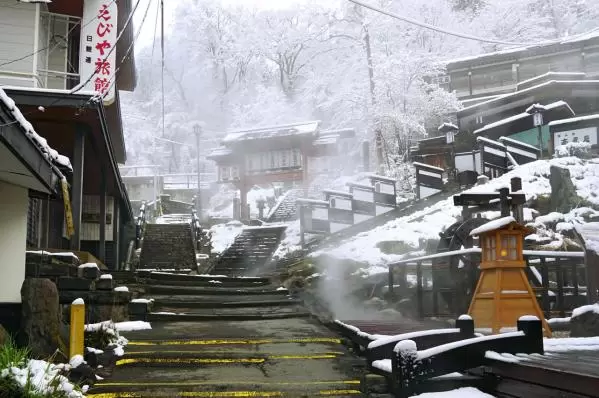

Ginzan Onsen
Ginzan Onsen is a charming hot spring resort that feels like stepping back in time, characterized by its retro scenery. Traditional wooden ryokans (inns) line both b...