A World Heritage Pure Land garden
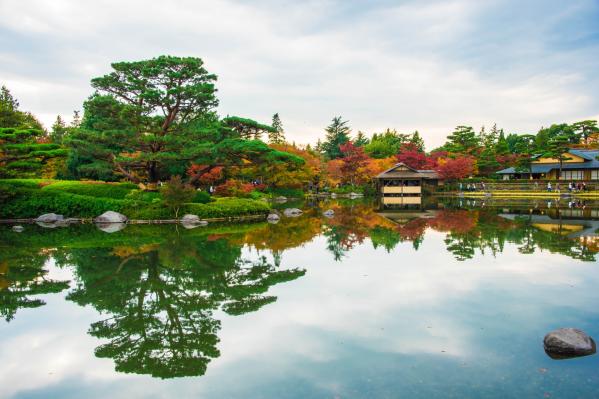
Centered on Oizumigaike Pond, the garden preserves the beauty of Heian-era landscape design.
AI Summary
This is an AI-generated summary. Please check the official information for opening hours, fees, and closed days.
Walk through a Pure Land garden in Hiraizumi and enjoy its Heian-era atmosphere and seasonal flowers at a leisurely pace.
A UNESCO World Heritage site alongside Chusonji Temple, Motsuji is also designated a Special Historic Site and Special Place of Scenic Beauty in Japan. Its highlights include the Pure Land garden centered on Oizumigaike Pond and remains from the Heian period. It is a good place for a relaxed stroll through history and garden scenery. The garden is especially atmospheric when irises bloom in early summer and bush clover in early autumn.
Centered on Oizumigaike Pond, the garden preserves the beauty of Heian-era landscape design.
As a temple associated with the Ōshū Fujiwara clan, it offers a sense of Hiraizumi’s past.
Irises and bush clover bring added color and atmosphere to the garden.
Pair Motsuji with Chusonji Temple on a Hiraizumi history walk to experience and compare the area’s World Heritage sites.
Motsu-ji is a distinguished Tendai temple in Hiraizumi Town, Iwate Prefecture, and, together with Chuson-ji, it is registered as part of the UNESCO World Cultural Heritage site “Hiraizumi – Temples, Gardens and Archaeological Sites Representing the Buddhist Pure Land.” It is also uniquely designated by the Japanese government as both a “Special Historic Site” and a “Special Place of Scenic Beauty,” making it a nationally precious temple.
History
Motsu-ji is said to have been founded in 850 by the eminent priest Ennin, known as Jikaku Daishi. It was later extensively developed by Motohira, the second head of the Northern Fujiwara clan, and Hidehira, the third. At its peak, the temple is said to have consisted of 40 halls and towers and 500 monks’ quarters, with a scale and splendor surpassing even Chuson-ji. The Azuma Kagami describes it as “a magnificent sacred site unsurpassed in our land.”
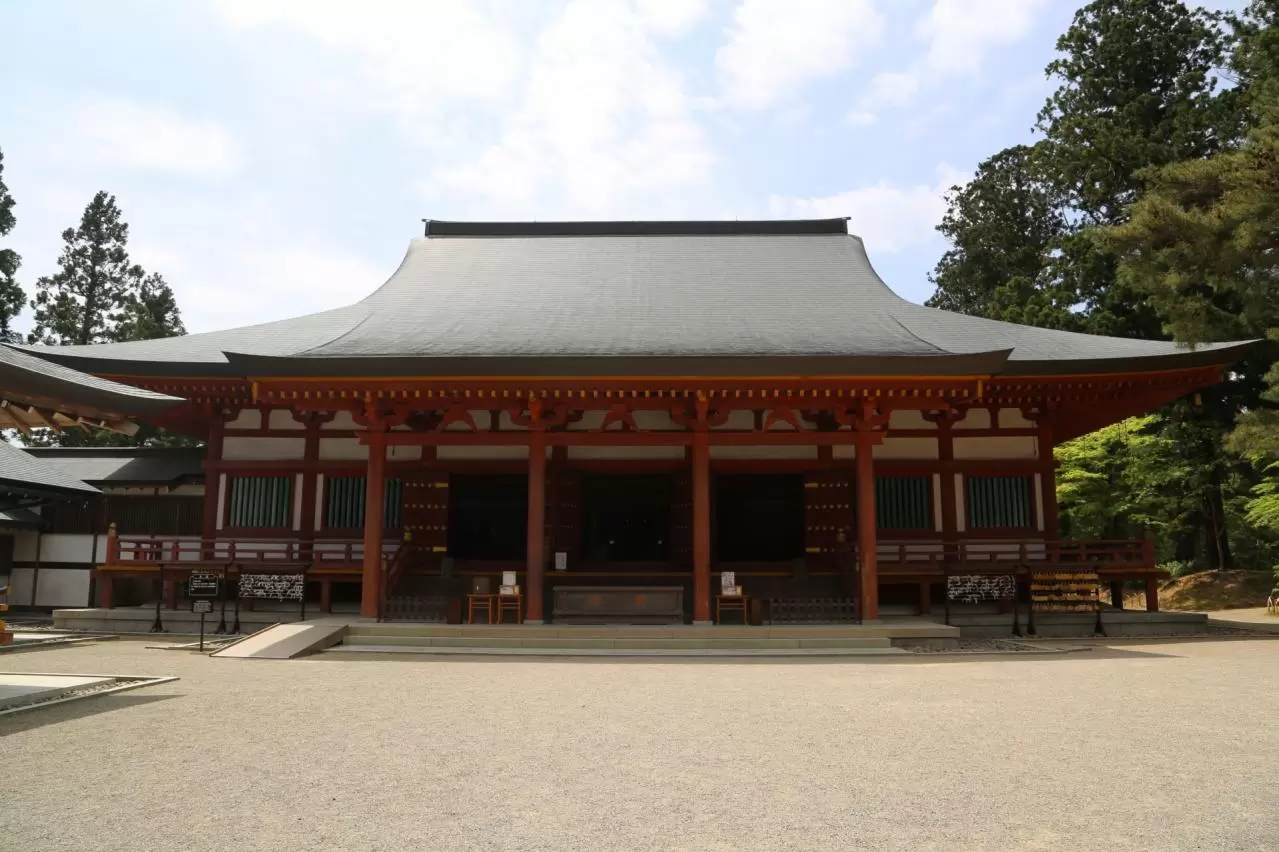
However, after the fall of the Northern Fujiwara clan, all of the buildings were destroyed by repeated disasters, and today only the temple remains and garden survive. In 1989, the Main Hall (Yakushi-do), built in the Heian style, was reconstructed, passing on the spirit of the temple to the present day.
Legend of its Founding
According to temple tradition, when Ennin was traveling through the Tohoku region, he was once halted by a blanket of fog and guided by a white deer to this place, where he met a white-haired old man believed to be an incarnation of Yakushi Nyorai. The old man told him, “Build a hall on this land,” and Ennin erected a temple there, which was initially called Kajo-ji. It later came to be known as Motsu-ji.
Pure Land Garden
The greatest highlight of Motsu-ji is its Pure Land Garden, centered on Oizumigaike Pond. The garden’s creator is unknown, but it features many design elements based on Sakuteiki, the Heian-period gardening treatise, and is renowned as an exquisite garden that expresses the world of the Buddha, the Pure Land, on earth.
At the center of the pond is a magatama-shaped island, which is said to have once been connected to the South Gate by a curved bridge. Around the pond are features representing a coastline, including “suhama” sandbanks, “tsukiyama” artificial hills that imitate cliffs, and a detached island and standing stones evoking a rugged shore, creating an elegant composition that incorporates natural scenery. In particular, the rugged detached island on the southeastern shore is regarded as the garden’s finest feature, and a standing stone more than 2 meters tall rising from the water gives the scenery a striking sense of balance.
Motsu-ji also preserves a “yarimizu” stream, an extremely rare surviving example of a Heian-period garden feature. Each May, the “Kikusui no En” ceremony is recreated here, with people dressed in Heian-period attire floating cups on the stream while composing waka poetry. This garden is highly regarded as “a fusion of the ideals of Pure Land thought and the traditional Japanese view of nature.”
Culture and Events
Motsu-ji preserves the performing art of “Nenbutsu,” including the dance-drama “Ennen,” which is performed after Buddhist services. More than ten forms have been handed down, including Dengaku Odori, Michimai, Norito Mai, Rojo Mai, Hanaori, and Chokushi Mai. These are designated as Important Intangible Folk Cultural Properties of Japan, and in recent years the “Tomadori” dance has also been revived.
The temple also offers zazen meditation and sutra copying experiences, giving visitors the opportunity to calm and center their minds in a tranquil setting.
Seasonal Appeal
Motsu-ji is adorned with flowers throughout the four seasons, captivating many worshippers and visitors. In early summer, the Motsu-ji Iris Festival is held, and in early autumn, the Hagi Festival takes place. Along with the flowers that beautifully color the garden, visitors can enjoy a mysterious and dreamlike world woven from history and nature.
Motsu-ji is a precious cultural asset that conveys the splendor of the Heian period to the present day, and one of the few places where visitors can experience the world of Pure Land thought firsthand. Walking through the garden, one can feel in the present day the ideal Buddhist land imagined by Heian aristocrats, leaving a deep sense of awe and serenity with all who visit.
The Iwate Prefectural Museum of Art was opened in 2001 in the new cultural zone of Central Park in Morioka City. The museum's collection focuses on works by local ar...
The Iwate Tsunami Memorial, located within the Takada Matsubara Tsunami Restoration Memorial Park in Iwate Prefecture, opened on September 22, 2019. This facility ai...
Geibikei is a beautiful gorge selected as one of Japan's top 100 scenery spots, featuring approximately 2 kilometers of cliffs that rise around 100 meters on both si...
Chuson-ji Temple was founded in 850 by the high priest Jikaku Daishi Ennin and had large-scale structures built by Kiyohira, the first ruler of the Oshu Fujiwara cla...
Koiwai Farm Makiba Park is one of Japan’s largest private comprehensive farms, boasting a history of over 130 years since its establishment in 1891. Covering an area...
Jodogahama is a beautiful coastline located in Iwate Prefecture, Japan, and serves as the centerpiece of the Sanriku Reconstruction National Park and Sanriku Geopark...
Morioka Hachimangu Shrine is located in Morioka City, Iwate Prefecture, and was founded in 1680 (the 8th year of the Enpo era) by the 29th lord of the Nanbu clan, Sh...
The Iwate Bank Red Brick Building was established in 1911 as the main branch of Morioka Bank. This beautiful red brick structure was designed by the architectural fi...