Panoramic views of Tokyo
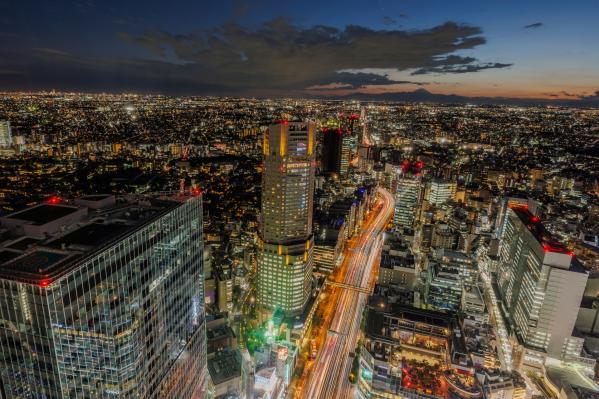
Take in the city’s high-rise skyline from Tokyo City View.
AI Summary
This is an AI-generated summary. Please check the official information for opening hours, fees, and closed days.
This urban complex brings together art, city views, shopping, and dining.
Roppongi Hills is a large complex with shops and restaurants, as well as the Mori Art Museum, Tokyo City View, and Mohri Garden. It’s easy to explore at your own pace, but the grounds are extensive, so having a plan can help you avoid feeling tired.
Take in the city’s high-rise skyline from Tokyo City View.
See special exhibitions at the Mori Art Museum and other galleries.
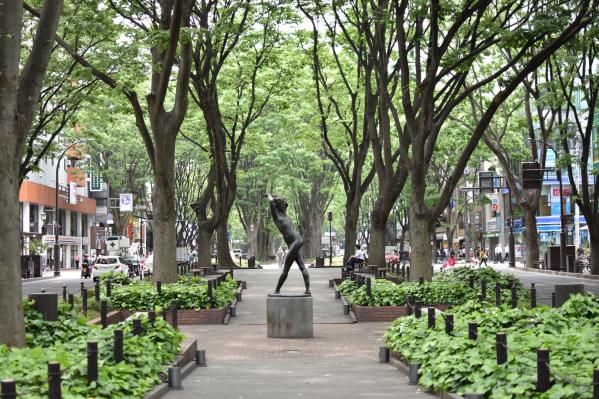
Enjoy an urban stroll through Mohri Garden and along Keyakizaka Street.
Start at Roppongi Station, visit the observation deck or museum, then explore Mohri Garden and the shopping area.
Roppongi Hills is a large-scale complex located in Roppongi, Minato Ward, Tokyo. Since opening in 2003, it has continued to develop as a symbol of the city, integrating a wide range of functions such as shopping, dining, art, business, and residential spaces under the concept of a “cultural city center.” Led by Mori Building, this redevelopment project embodies the vision of creating a “Vertical Garden City.”
Main Facilities and Highlights
1. Shops and Restaurants
Roppongi Hills is home to around 200 shops and restaurants, offering a wide range of options from luxury brands to casual cafés. Along Keyakizaka Street and West Walk, high-end boutiques such as Louis Vuitton, Gucci, Cartier, and Rolex line the streets, and in the past, a restaurant by the renowned French chef Joël Robuchon also operated here, offering a refined shopping and dining experience.
2. Mori Art Museum and Mori Arts Center Gallery
On the 53rd floor, the top floor of Roppongi Hills Mori Tower, is the Mori Art Museum, a contemporary art museum that showcases genre-crossing art including fashion, architecture, photography, and video, with a focus on special exhibitions by cutting-edge artists from Japan and abroad.
On the 52nd floor is the Mori Arts Center Gallery, which hosts a wide variety of high-quality exhibitions, from masterpieces borrowed from world-renowned museums to special exhibitions related to anime, film, and design. Together with the observation deck Tokyo City View, these facilities form a cultural space where art and scenery can be enjoyed as one.
3. Tokyo City View (Observation Deck)
Tokyo City View, the indoor observation deck on the 52nd floor, is located 250 meters above sea level and offers a sweeping 360-degree glass-enclosed panorama. On clear days, visitors can enjoy views of Tokyo’s skyline, Tokyo Tower, Tokyo Skytree, and even Mount Fuji. Art exhibitions are also held in the observation space, offering visitors visual inspiration and fresh ideas.
4. Roppongi Hills Mori Tower (Office Building)
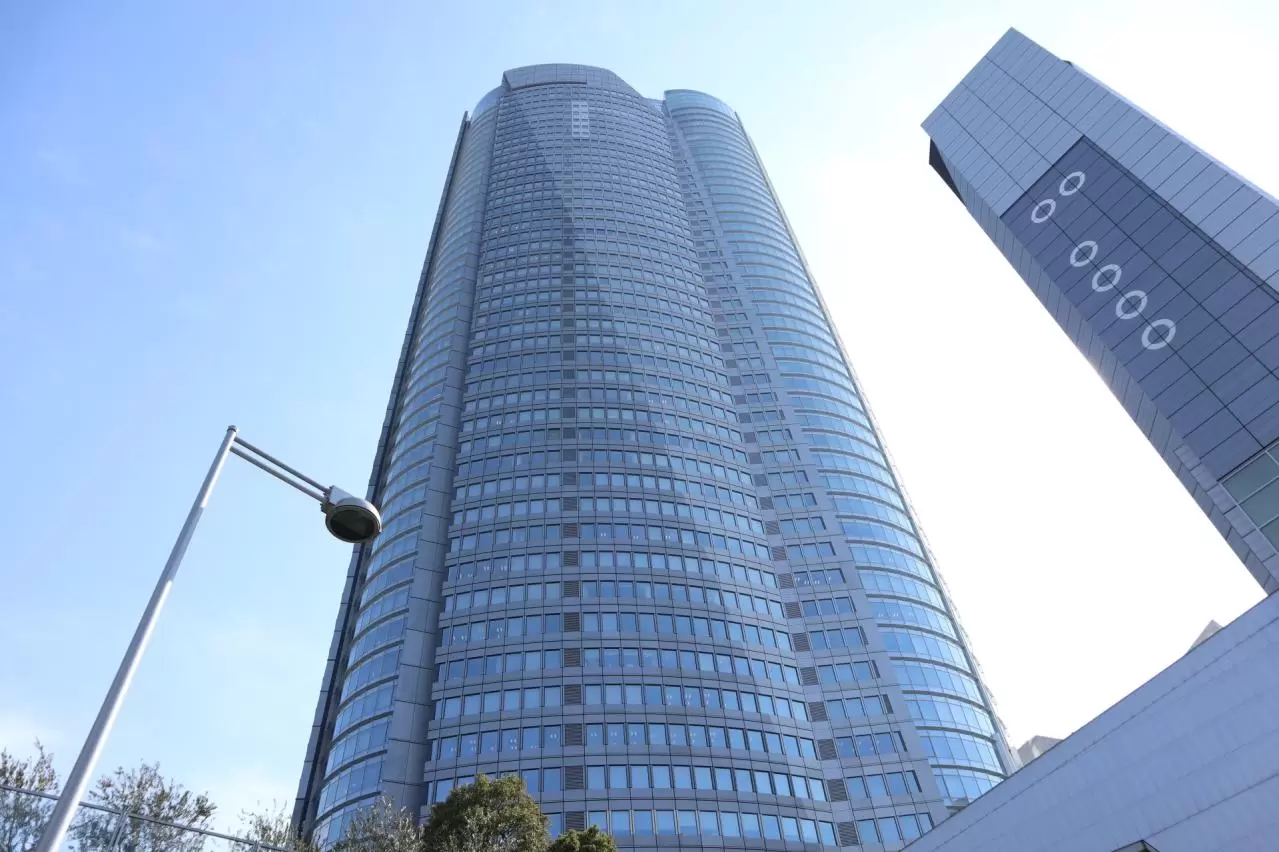
Rising at the center of Roppongi Hills, Mori Tower is a 54-story skyscraper standing 238 meters tall. From the 7th to the 48th floors, it contains one of the largest office spaces in Japan, with many international companies and media organizations headquartered there. The uppermost levels house cultural facilities and private clubs.
5. Roppongi Hills Club
Located on the 51st floor, the members-only Roppongi Hills Club is a social venue where influencers and creators from around the world gather. With its outstanding views and sophisticated interior design, it is known for the finest hospitality provided by seven restaurants and two bars.
6. Mohri Garden
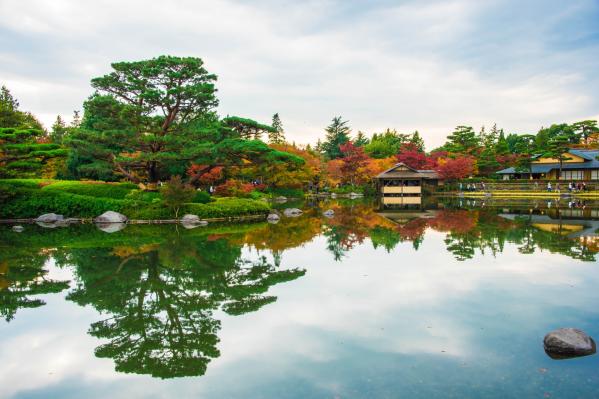
Located in the center of Roppongi Hills, Mohri Garden is designed in the style of a Japanese garden, creating a quiet space that lets visitors forget the noise of the city. Plum blossoms and cherry blossoms bloom in spring, autumn leaves are beautiful in fall, and the garden offers scenic views that change with the seasons.
7. TOHO Cinemas Roppongi Hills
TOHO Cinemas, which opened as the first cinema complex in the Roppongi area, is a movie theater equipped with state-of-the-art visual and audio systems. In addition to popular Japanese and foreign films, it frequently hosts events such as stage greetings, special screenings, and preview showings.
Background and History of the Redevelopment
The Roppongi 6-chome area, where Roppongi Hills is located, was once an aging district of wooden houses and narrow roads. It was designated as a redevelopment promotion area in 1986, and redevelopment began in earnest led by Mori Building and TV Asahi. After about 15 years of preparation and coordination, construction began in 2000, and Roppongi Hills opened in 2003.
About 400 rights holders participated in this redevelopment, making it one of the rare examples in Japan of a large-scale urban redevelopment project achieved through successful consensus-building.
Design and Concept
Architecture and Spatial Design
The architectural design of Mori Tower was handled by KPF (Kohn Pedersen Fox), the renowned New York-based architecture firm. Inspired by Japanese “armor” and “origami,” its exterior combines a sense of solidity with lightness.
The spatial design of the commercial area was created by Mori Building’s design team together with architects from Japan and abroad, and it uses circulation planning that emphasizes “ma” (a sense of space and pause) to realize a “city you want to walk through.” As the scenery changes with every step and natural elements are incorporated throughout, visitors can enjoy the entire cityscape.
The Urban Vision Roppongi Hills Aims For
Roppongi Hills aims to be a city where ideas are born and a place that nurtures open-minded people, encouraging dialogue, interaction, and the creation of new value. At its core is the idea that residents, workers, and visitors all participate and share responsibility for the city’s growth.
Through the fusion of culture, economy, and international openness, it continues to attract globally active people and more than 40 million visitors a year even more than 20 years after opening.
Roppongi Hills is more than just a commercial complex; it is the culmination of an effort to portray the future image of the city. From everyday experiences such as shopping, dining, and enjoying art to business, international exchange, and creative encounters, it offers a multilayered urban experience. In the global city of Tokyo, Roppongi Hills will undoubtedly continue to draw attention as a pioneering urban model.
With new discoveries awaiting every visit, and while continuing its dialogue with the world, this is a city shaping the future of Tokyo: Roppongi Hills.
Hamarikyu Gardens is a garden that combines the beauty of nature and history, located in the heart of Tokyo. This garden is divided into the South Garden and the Nor...
Akihabara Electric Town is a globally renowned hub of Japanese pop culture. Affectionately known as "Akiba," the area is bustling with specialty stores for anime, ma...
Tokyu Kabukicho Tower is a super high-rise complex located in Shinjuku's Kabukicho area, featuring 48 floors above ground and 5 below, with a height of 225 meters. O...
The National Diet Building is the center of Japan's legislature, located a 3-minute walk from Tokyo Metro's Nagatacho Station. Construction began in 1920 and was com...
Founded in 1872, the Tokyo National Museum is the oldest museum in Japan, focusing on Japanese and Asian art and archaeology. Located in Ueno Park, Taito-ku, Tokyo, ...
Toyosu Market, which opened in October 2018 after relocating from Tsukiji, is part of the Tokyo Central Wholesale Market and is one of the largest public markets not...
Senso-ji Temple is the oldest temple in Tokyo and is a representative tourist destination in Japan, attracting over 30 million visitors each year. Since its founding...
KidZania Tokyo is a "city where children are the main characters" that allows children to learn about the workings of society through genuine work experiences. Locat...