A landmark glass dome
The building itself is a striking sight, even before you step inside.

AI Summary
This is an AI-generated summary. Please check the official information for opening hours, fees, and closed days.
Its glass dome and huge tuna tank make a strong impression, and the aquarium is easy to explore at a relaxed pace with family.
Set in Kasai Rinkai Park, this metropolitan aquarium is known for its glass dome and the large Ocean Voyagers tank. Watch schools of tuna and see penguins, as well as hands-on exhibits that make learning fun. Allow half a day to a full day if you plan to combine your visit with a walk in the park.
The building itself is a striking sight, even before you step inside.
Get a close look at powerful schools of tuna swimming together.
Observe animals up close, with interactive displays to keep younger visitors engaged.
Explore the aquarium, take a stroll through the park, then head back to the station for an easy-paced visit.
Kasai Rinkai Aquarium is a large metropolitan aquarium that opened in 1989 in Kasai Rinkai Park in Edogawa City, Tokyo. Its landmark is a beautiful 30.7-meter-tall glass dome designed by architect Yoshio Taniguchi, known for the New Museum of Modern Art in New York. Beneath it lies the donut-shaped giant tank “Voyagers of the Sea,” which holds 2,200 tons of water.
In this tank, visitors can observe powerful schools of Pacific bluefin tuna up close, and in the viewing area called the “Aqua Theater,” they can watch them at a leisurely pace. The aquarium features exhibits themed around diverse marine environments such as “The World’s Seas” and “Tokyo’s Sea,” where visitors can encounter creatures from the Pacific, Indian, Arctic, and Antarctic Oceans, as well as fish living around the Ogasawara Islands and in Tokyo Bay.
The “Penguin Ecology” exhibit displays four species of penguins, including Humboldt penguins and king penguins, on one of the largest scales in Japan, allowing visitors to observe them both underwater and on land. Exhibits such as “Seaweed Forest” and “Coral Reef Sea” introduce marine vegetation and the creatures that live among it.
The interactive exhibit “Ikimono Majika” is designed to bring visitors closer to living creatures, with well-placed observation points and informative panels. On a guided tour, visitors can explore the facility with a specialist guide and gain a deeper understanding.
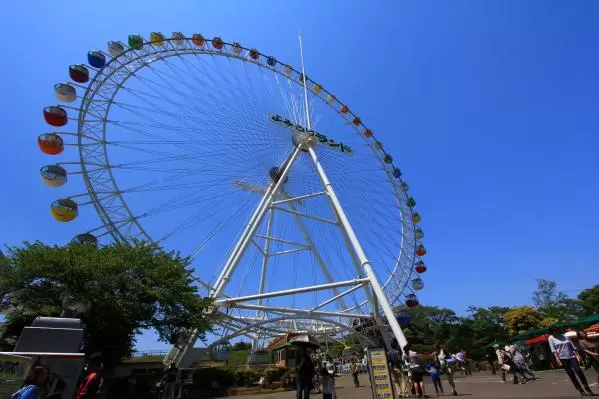
The outdoor area also includes “Waterside Nature,” which recreates a traditional Tokyo waterside environment, and “Seabird Ecology,” home to seabirds such as tufted puffins, offering a nature experience that goes beyond an aquarium. Within Kasai Rinkai Park, where the aquarium is located, there is also a bird sanctuary, the “Diamond and Flower Ferris Wheel,” a barbecue area, and a boarding point for the Tokyo Mizube Line, making it a spot where families can enjoy a full day. With over 1.21 million annual visitors in fiscal 2023, it is one of Japan’s most popular aquariums.
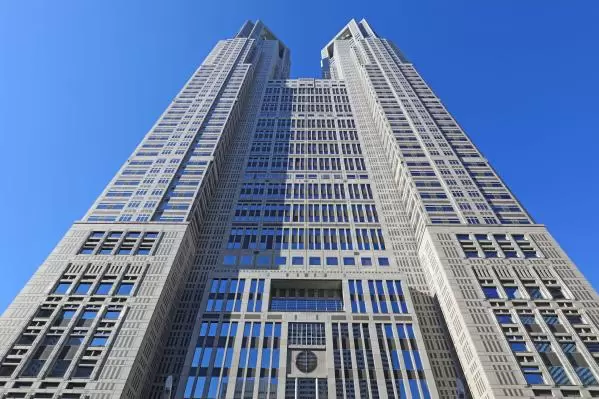
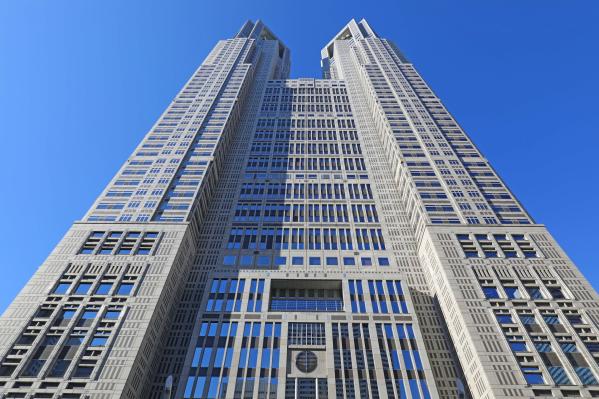
The Tokyo Metropolitan Government Building, located in the Shinjuku ward, is one of the iconic architectural landmarks of Japan's capital, Tokyo. Completed in 1991 a...
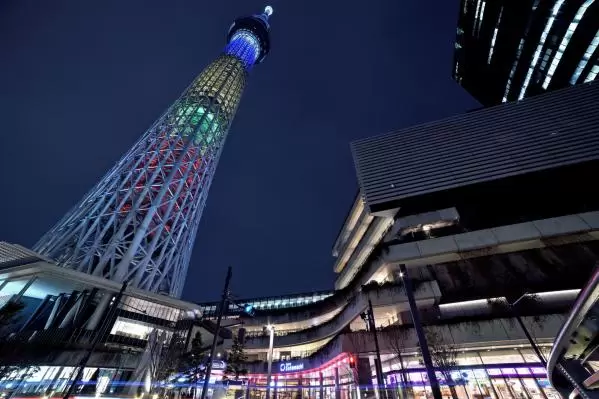
Tokyo Solamachi is a large commercial facility located at the base of Tokyo Skytree®, boasting over 300 shops. It features a variety of fashion items, miscellaneous ...
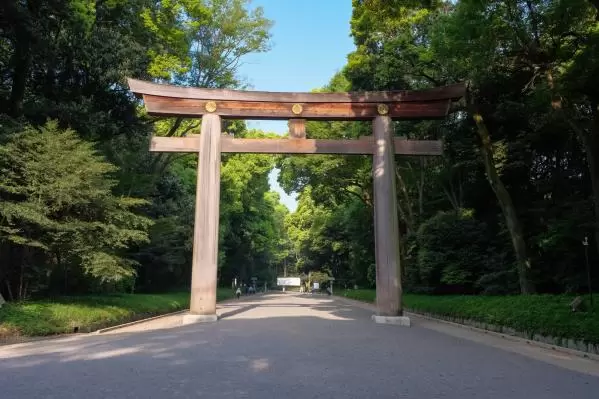
Meiji Shrine is an important Shinto shrine located in Shibuya, Tokyo, dedicated to Emperor Meiji and Empress Shoken. Built in 1920, it boasts the highest number of v...
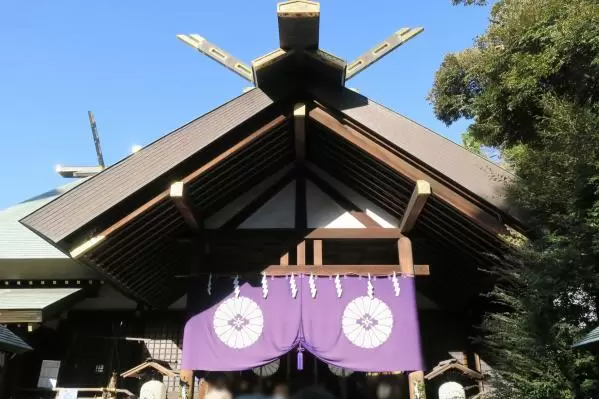
Tokyo Daijingu, affectionately known as "Ise-sama of Tokyo," was established in 1880 as a worship hall for Ise Jingu. It enshrines the deities Amaterasu Omikami, Toy...
Yomiuriland offers a variety of attractions, including the thrilling roller coaster "Bandit," a large Ferris wheel, and the new Ferris Wheel "SKY-GO-LAND." In the su...
Yasukuni Shrine was established in 1869 by the order of Emperor Meiji and enshrines over 2.466 million spirits of those who died in wars from the late Edo period to ...
Founded in 1872, the Tokyo National Museum is the oldest museum in Japan, focusing on Japanese and Asian art and archaeology. Located in Ueno Park, Taito-ku, Tokyo, ...
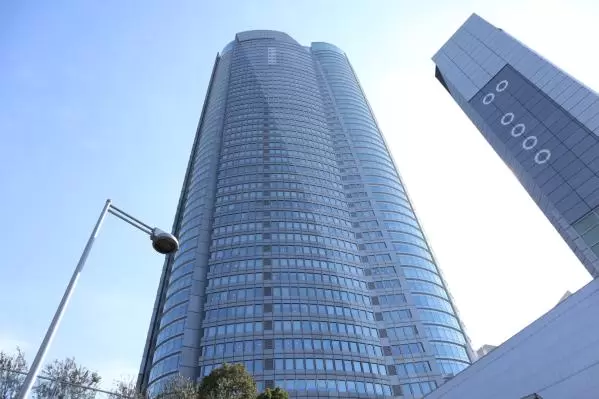
Roppongi Hills, which was established in Roppongi, Tokyo, in 2003, is not just a cluster of buildings and commercial facilities; it is a city where diverse functions...