Famous for spring cherry blossoms
One of Tokyo’s best-known cherry blossom spots, offering a memorable taste of the season.


AI Summary
This is an AI-generated summary. Please check the official information for opening hours, fees, and closed days.
A convenient Tokyo classic, combining cherry blossoms with a wealth of cultural attractions.
Just steps from Ueno Station, this spacious city park is known for cherry blossoms in spring and lotus flowers on Shinobazu Pond in summer. The grounds are home to a zoo, museums, art museums, and historic buildings, making it enjoyable for a stroll or a full day of exploring. Entry to the park is free, but check the opening days of individual attractions in advance.
One of Tokyo’s best-known cherry blossom spots, offering a memorable taste of the season.
With many museums and art museums, it’s easy to choose activities that suit your interests.
Just steps from Ueno Station, it’s convenient even for a brief visit.
Start at Ueno Station and walk through the park, stopping by Shinobazu Pond and the statue of Saigo Takamori before heading to a museum or the zoo that interests you.
Ueno Onshi Park is one of the oldest urban parks in Japan, located in Taito City, Tokyo. Since being designated in 1873 as one of Japan’s first urban parks, it has been beloved by many people for more than 140 years. In 1924, it was granted to the Tokyo City by Emperor Taisho, and the name “Onshi” was added, giving it its current title. The park spreads through the heart of Ueno, a traditional downtown area of Tokyo, and is a place where culture, nature, and history blend beautifully together.
Seasonal Nature and Scenery
Spring Cherry Blossoms
Ueno Onshi Park is known as one of the country’s most famous cherry blossom spots. About 800 Somei Yoshino cherry trees are planted along the central park promenade, and they typically reach full bloom from late March to early April. During cherry blossom season, the park is crowded every day with hanami visitors, and the park’s “Ueno Sakura Festival” features around 1,000 lanterns hung throughout the grounds, creating a magical atmosphere for viewing the blossoms at night. Events such as the Aozora Antique Market are also held, celebrating the arrival of spring in grand style.
Summer Lotuses and Shinobazu Pond
In summer, lotus flowers bloom beautifully on Shinobazu Pond, vividly coloring the water’s surface. Walking paths and boat rentals are available around the pond, allowing visitors to relax and enjoy the waterside scenery. In the center of Shinobazu Pond stands Shinobazu Bentendo, an octagonal hall known as a sacred place dedicated to Benzaiten.
Excellent Access
Access to Ueno Onshi Park is extremely convenient. Just outside the “Park Exit” of JR Ueno Station, the park entrance is right in front of you. It is also within walking distance from Ueno Station on the Tokyo Metro Ginza and Hibiya Lines, Keisei Ueno Station on the Keisei Line, and Uguisudani Station on the JR Yamanote Line. Ueno Station, served by many lines, is also a Shinkansen stop, making the park easy to reach for tourists from other regions as well.
A Center of Culture and Art
Ueno Onshi Park is also famous as an area where some of Japan’s most distinguished cultural facilities are gathered. The following museums and art institutions are scattered throughout the area, attracting many visitors and researchers from Japan and abroad.
Tokyo National Museum
The oldest and one of the largest museums in Japan, it houses many cultural properties and works of art from Japan and the East Asian region. With multiple exhibition buildings, its themed galleries introduce a wide variety of cultural heritage, including swords, Buddhist statues, ceramics, and more.
National Museum of Nature and Science
This museum focuses on natural science and technology, and visitors can learn about dinosaur fossils, specimens of plants and animals, and the history of science and technology in Japan. It also offers many interactive exhibits that can be enjoyed by both children and adults.
The National Museum of Western Art
Designed by the French architect Le Corbusier, this museum primarily exhibits Western paintings and sculpture. Its permanent collection includes masterpieces from the Renaissance to the modern era, while special exhibitions also feature loaned works from renowned museums around the world.
Shitamachi Museum
This museum introduces the everyday life and culture of the common people nurtured in the Ueno area. With reconstructed displays of household items and streetscapes from the Meiji period through the early Showa period, visitors can experience what life was like in those days.
These cultural facilities are generally affordable, with admission fees often around 600 yen, and their opening hours are typically from around 9:00 to 9:30 a.m. until around 4:00 to 5:30 p.m. Many of them are closed on Mondays.
Ueno Zoo
The Tokyo Metropolitan Ueno Zoo, which opened in 1882, is Japan’s oldest zoo and is located on the north side of the park. The grounds are divided into two areas, the East Garden and the West Garden, connected by bridges. Approximately 350 species and more than 2,500 animals are kept here, making it an extremely diverse zoo.
It is especially famous for its successful keeping and breeding of giant pandas, which are immensely popular with visitors. In addition, rare animals from around the world, such as Sumatran tigers, gorillas, Malayan tapirs, and polar bears, are on display.
The West Garden includes “Children’s Zoo Step,” as well as large animals such as rhinos, hippos, and giraffes, plus the Small Mammal House and the Amphibian and Reptile House, offering enjoyment for all ages. The East Garden features a five-story pagoda and an Edo-period tea house, allowing visitors to enjoy a distinctly Japanese atmosphere.
Traces of History and Faith
Ueno Onshi Park was originally part of the precincts of Kaneiji Temple, the family temple of the Tokugawa shogunate. Much of it was lost in the civil war of the Meiji period, but parts of Kaneiji Temple and structures that convey its history still remain scattered throughout the park.
Ueno Toshogu Shrine
This shrine, dedicated to Tokugawa Ieyasu, was built in 1627. It is characterized by its lavish gold-leaf decoration and intricate carvings, and it has been designated as an Important Cultural Property of Japan. Having withstood war and earthquakes, it continues to preserve its beautiful appearance to this day.
Shinobazu Bentendo
An octagonal hall standing in the center of Shinobazu Pond, it enshrines Benzaiten, the deity of music, performing arts, and fortune. Together with the waterside scenery, it is a charming and relaxing spot.
Statue of Takamori Saigo
The bronze statue of Takamori Saigo, a key figure in the Meiji Restoration, is one of the symbols of the park. Depicted walking with his dog, it has become a popular photo spot for many tourists.
Visitor Information
Ueno Onshi Park is open year-round and admission is free. Opening hours are from 5:00 a.m. to 11:00 p.m., making it suitable for early morning walks and viewing the cherry blossoms at night. With many benches and grassy open spaces throughout the park, it offers an ideal environment for picnics, reading, and relaxing.
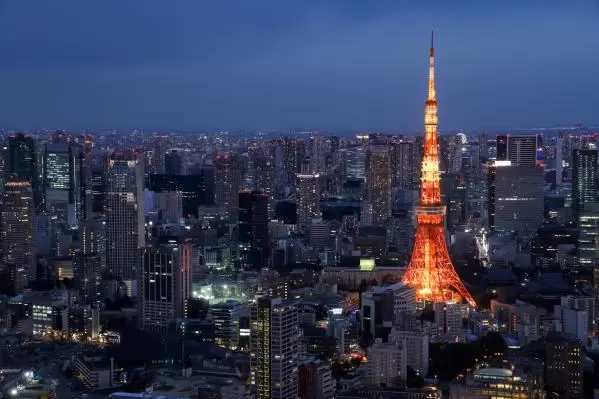
Tokyo Tower has been loved by many as a landmark of Tokyo since it opened in 1958. This multi-purpose broadcasting tower stands at a height of 333 meters and is loca...
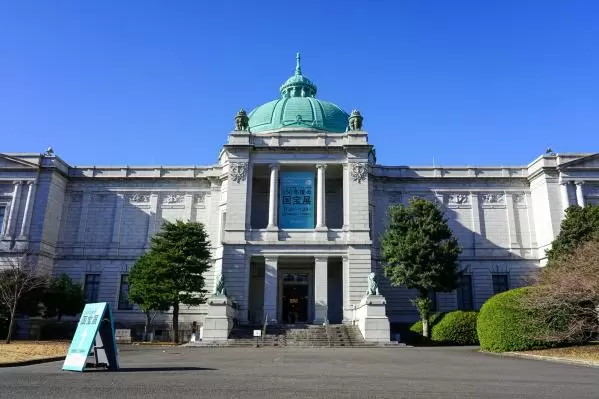
Founded in 1872, the Tokyo National Museum is the oldest museum in Japan, focusing on Japanese and Asian art and archaeology. Located in Ueno Park, Taito-ku, Tokyo, ...
The National Museum of Emerging Science and Innovation, commonly known as Miraikan, opened in Odaiba, Tokyo, in 2001. It is operated by the Japan Science and Technol...
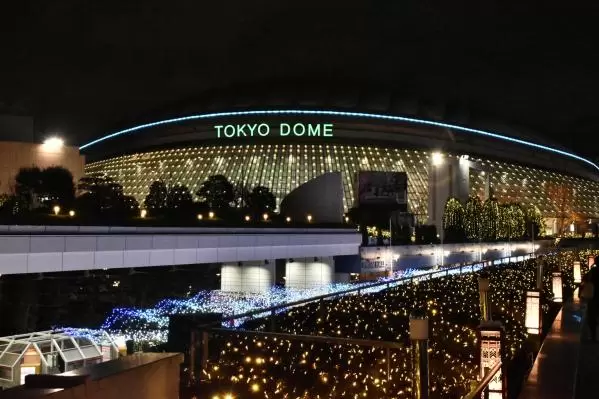
Tokyo Dome City is an urban complex entertainment facility located in Bunkyo-ku, Tokyo, where people of all ages can enjoy themselves throughout the day. Admission i...
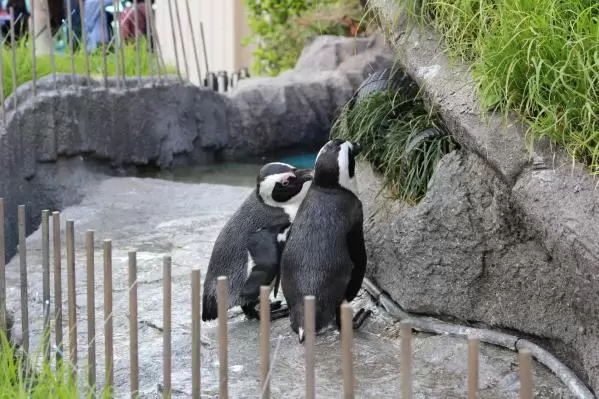
Sunshine Aquarium is an aquarium located on the rooftop of a building in Ikebukuro, Tokyo, themed as a "sky oasis." The outdoor area, brimming with a resort-like atm...
Takao Mountain is a 599-meter high mountain located in Hachioji City, Tokyo. It is easily accessible by train from the city center, making it a great spot for casual...
KidZania Tokyo is a "city where children are the main characters" that allows children to learn about the workings of society through genuine work experiences. Locat...
Shinjuku Gyoen is a beloved natural retreat located in the heart of Tokyo. The garden has a deep history, originally rooted in a daimyo residence granted to Naito Ki...