Easy to visit from the station
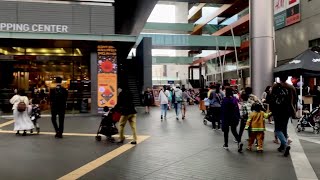
With little travel between the station and the complex, it’s easy to fit shopping or a meal into your plans.
AI Summary
This is an AI-generated summary. Please check the official information for opening hours, fees, and closed days.
This spacious, open-feeling shopping complex is directly connected to the station, making it easy to browse and dine.
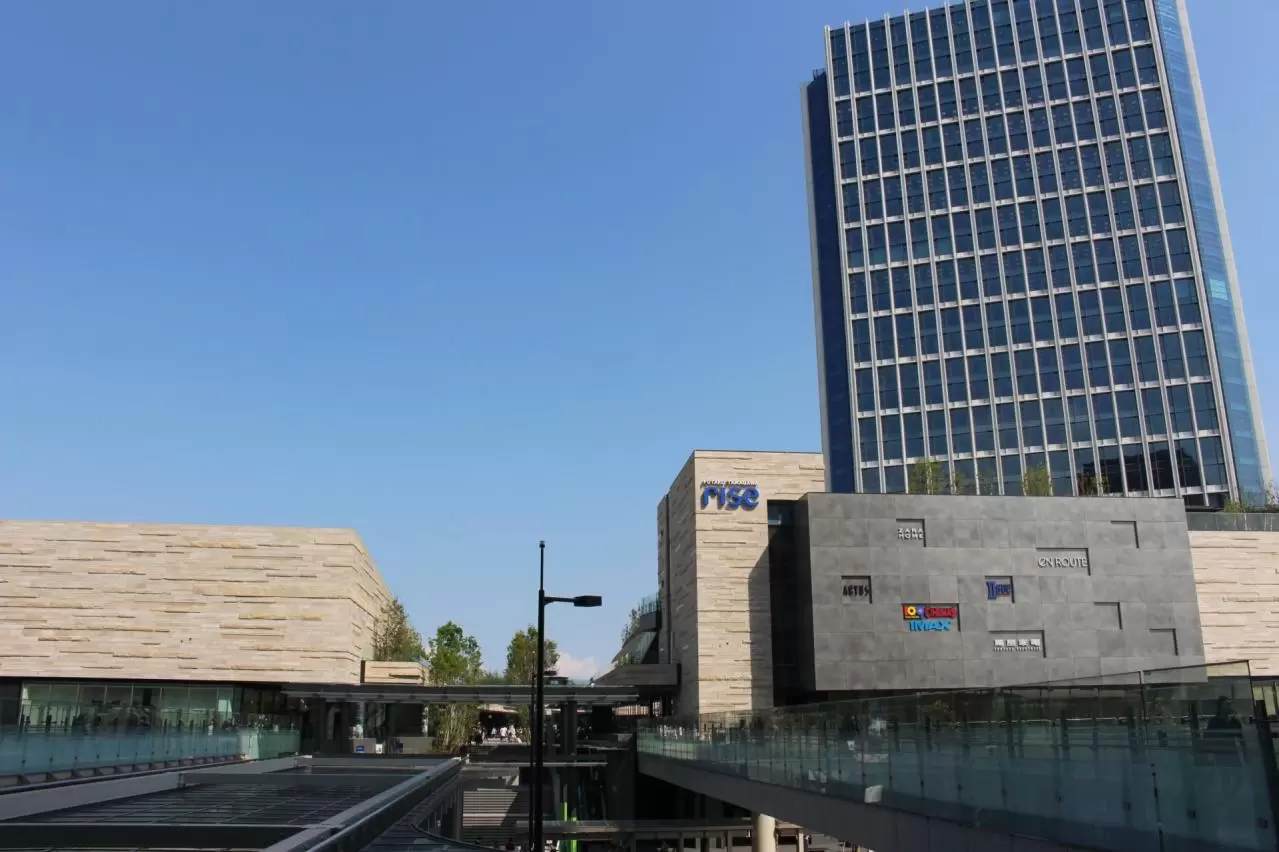
Directly connected to Futako-Tamagawa Station, this convenient complex brings together shops, restaurants, Tsutaya Books & Electronics, and a food market. You can also pair shopping or a meal with a visit to nearby Futako-Tamagawa Park. Its urban setting feels open and welcoming, including for families.
With little travel between the station and the complex, it’s easy to fit shopping or a meal into your plans.
Choose from everyday shopping to a more special meal, depending on what you’re looking for.
It’s easy to combine a visit to the complex with a stroll around the surrounding area.
After arriving at the station, explore the complex, enjoy a meal, then take a short stroll through Futako-Tamagawa Park.
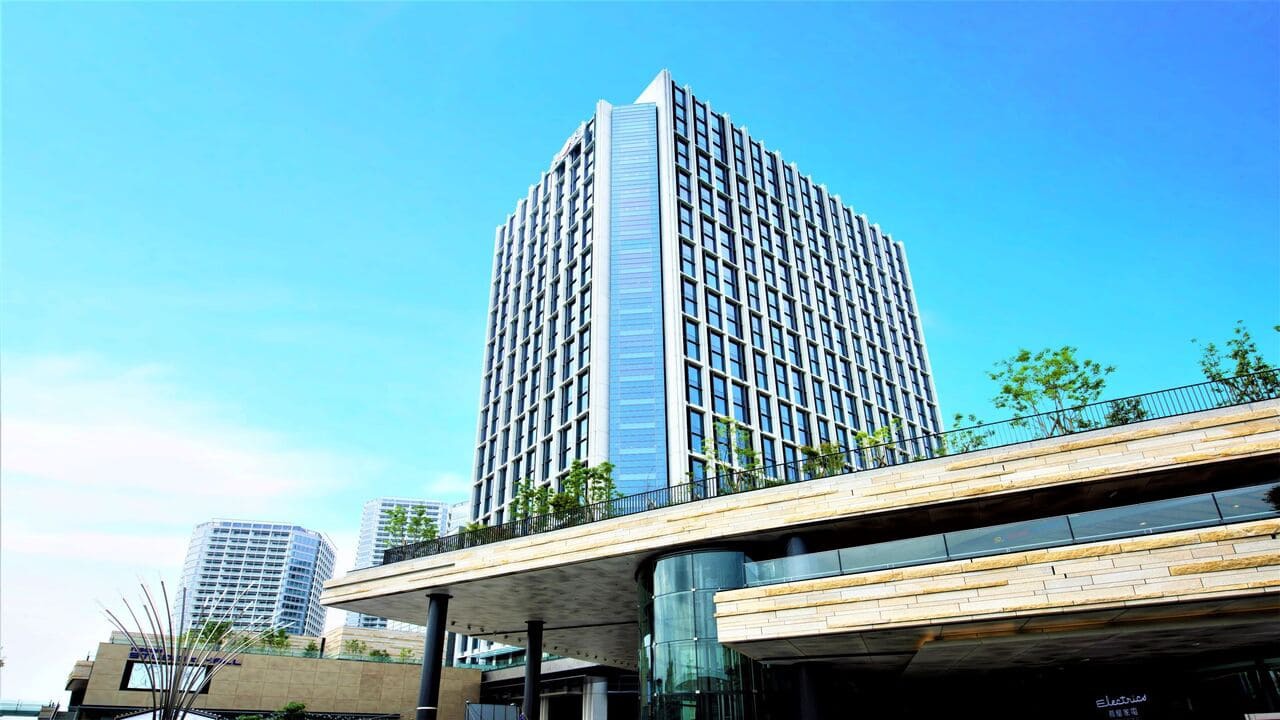
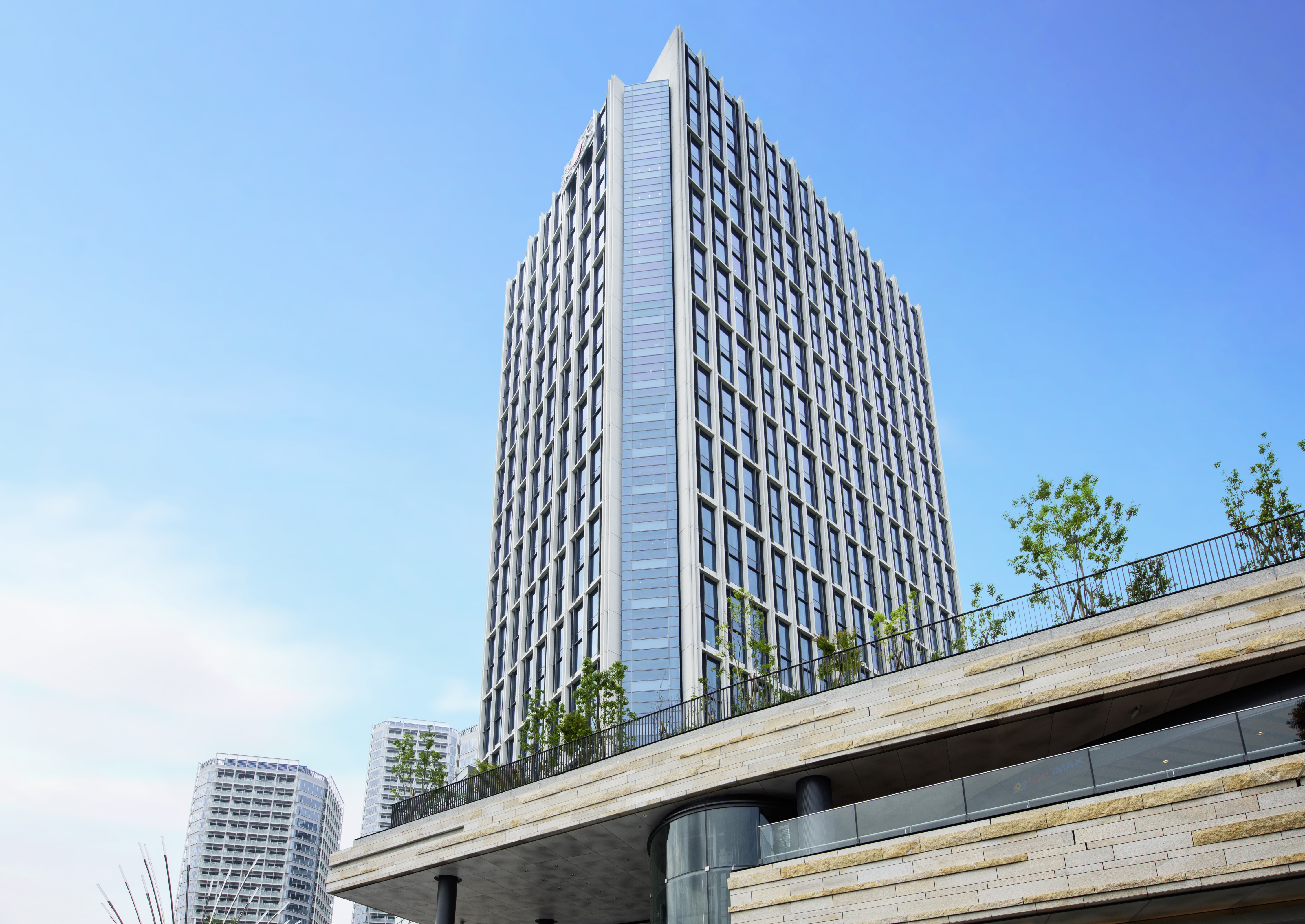
Futakotamagawa Rise Shopping Center, directly connected to Futakotamagawa Station, is a large, attention-grabbing mixed-use commercial complex featuring sophisticated shops and popular restaurants, including some opening in Japan for the first time. At “Futakotamagawa Tsutaya Kaden,” created by Culture Convenience Club, visitors can enjoy a new concept that blends the latest home appliances with lifestyle inspiration. In addition, the basement food section offers a carefully curated selection of products, and its high-quality goods, suited for both everyday use and special occasions, are especially popular.
Nearby is the lush, nature-filled Futakotamagawa Park, which is also well liked by families stopping by between shopping trips. The facility has an open, mall-style design, creating a free and comfortable space where visitors can spend time however they like.
The concept of Terrace Market is “OPEN NEIGHBORS” and “MINNA TERRACE.” It aims to create an open community where a wide variety of people—residents, workers, and visitors—naturally come and go, interact, and deepen their connections.
This facility is a core part of the Futakotamagawa area redevelopment project, which began in 1982 under the theme of “coexistence with nature,” and stands as a symbol of urban development that integrates the natural environment with city functions. The development was completed in Phase 1 in 2011 and Phase 2 in 2015, growing into a district that includes not only commercial facilities but also a cinema complex, hotel, fitness club, and roof garden.
The name “Futakotamagawa Rise” reflects the hope that, like the rising sun, people’s lives will begin to shine more brightly. Created within one of Tokyo’s largest private redevelopment areas, spanning approximately 12.1 hectares, this town combines urban convenience with the richness of nature, becoming a new everyday space that brings creativity and comfort to everyone who lives, works, or visits there.
Kasai Rinkai Park, located along Tokyo Bay, is an urban oasis packed with attractions that can keep you entertained all day long. Its excellent access, just a one-mi...
Aqua City Odaiba is a large shopping complex set in an excellent location facing Tokyo Bay. Adjacent to Odaiba Seaside Park, it offers views of the Statue of Liberty...
The Tokyo Metropolitan Art Museum opened in 1926 as Japan's first public art museum. Throughout the year, it hosts numerous exhibitions, including special exhibition...
The National Diet Building is the center of Japan's legislature, located a 3-minute walk from Tokyo Metro's Nagatacho Station. Construction began in 1920 and was com...
The National Museum of Nature and Science is the oldest and largest science museum in Japan. Established in 1877, it is currently located in Ueno Park, Tokyo. The ex...
Shinjuku Gyoen is a beloved natural retreat located in the heart of Tokyo. The garden has a deep history, originally rooted in a daimyo residence granted to Naito Ki...
Kabukiza is renowned as a prestigious theater for Japan's traditional performing art, Kabuki. Established in 1889, it witnessed the "Dan-Kiku Era" when famous actors...
The National Museum of Western Art is the only national museum in Japan dedicated to Western art, located within Ueno Park in Tokyo. It opened in 1959 and was design...