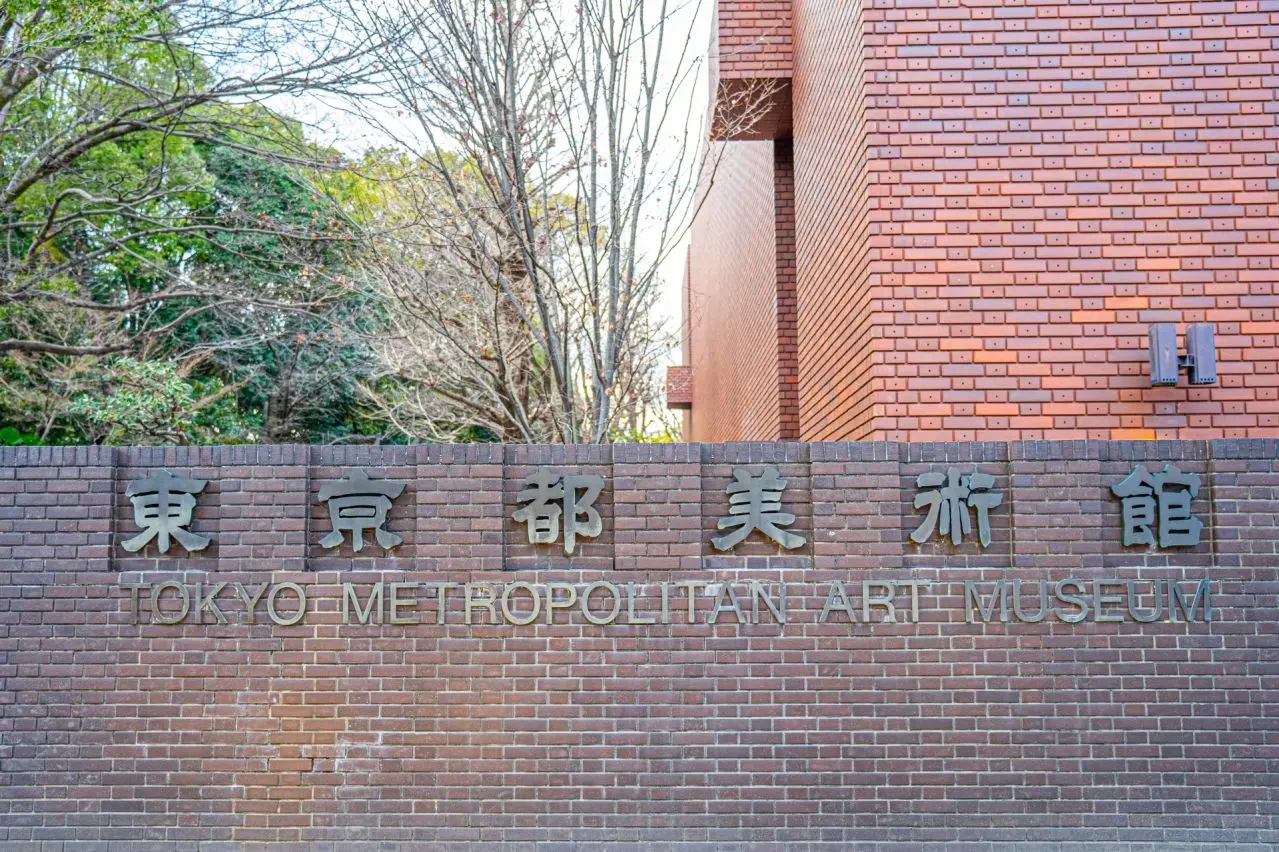
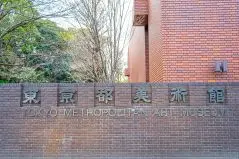
Tokyo Metropolitan Museum of Art
Tokyo Metropolitan Museum of Art Movies



Basic Information
- Spot Name
- Tokyo Metropolitan Museum of Art
- Location
- 〒110-0007 8-36 Ueno Park, Taito-ku, Tokyo, Japan
- Access
- 7 minutes on foot from the Park Gate at JR Ueno Station,
10 minutes on foot from the Ikenohata Gate at Keisei Ueno Station,
10 minutes on foot from Exit 7 at Ueno Station on the Tokyo Metro Ginza Line and Hibiya Line. - Parking
- No parking available.
- Business Hours
- Opening hours: 9:30 AM to 5:30 PM (Last admission at 5:00 PM)
*On Fridays during special exhibitions: 9:30 AM to 8:00 PM - Regular Holiday
- Closed: The first and third Mondays of the month (if a holiday or substitute holiday, it will be the following weekday)
- Fees
- Admission to the permanent exhibition is free; special exhibitions have an entrance fee.
- Contact Information
- Phone Number: 03-3823-6921
- Official Website
Map
Detailed Information
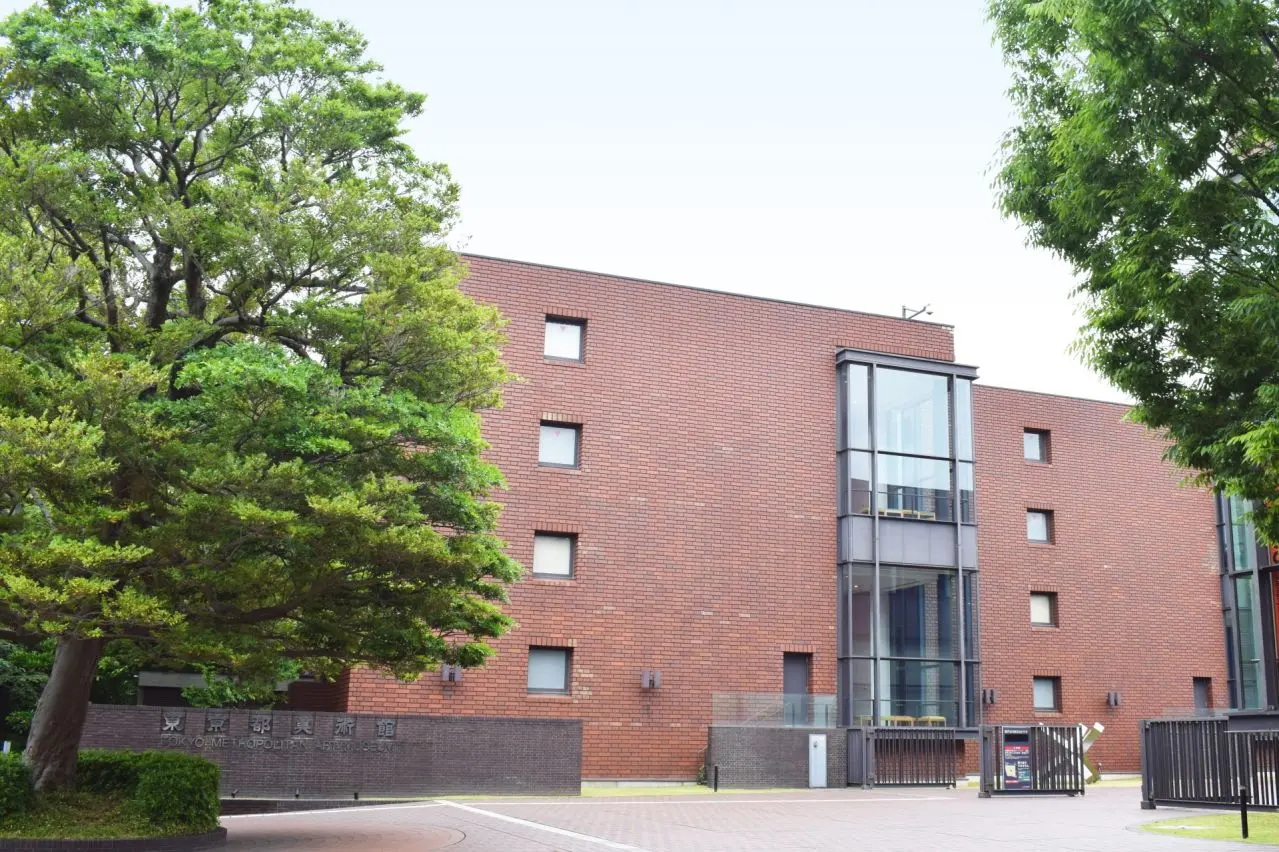
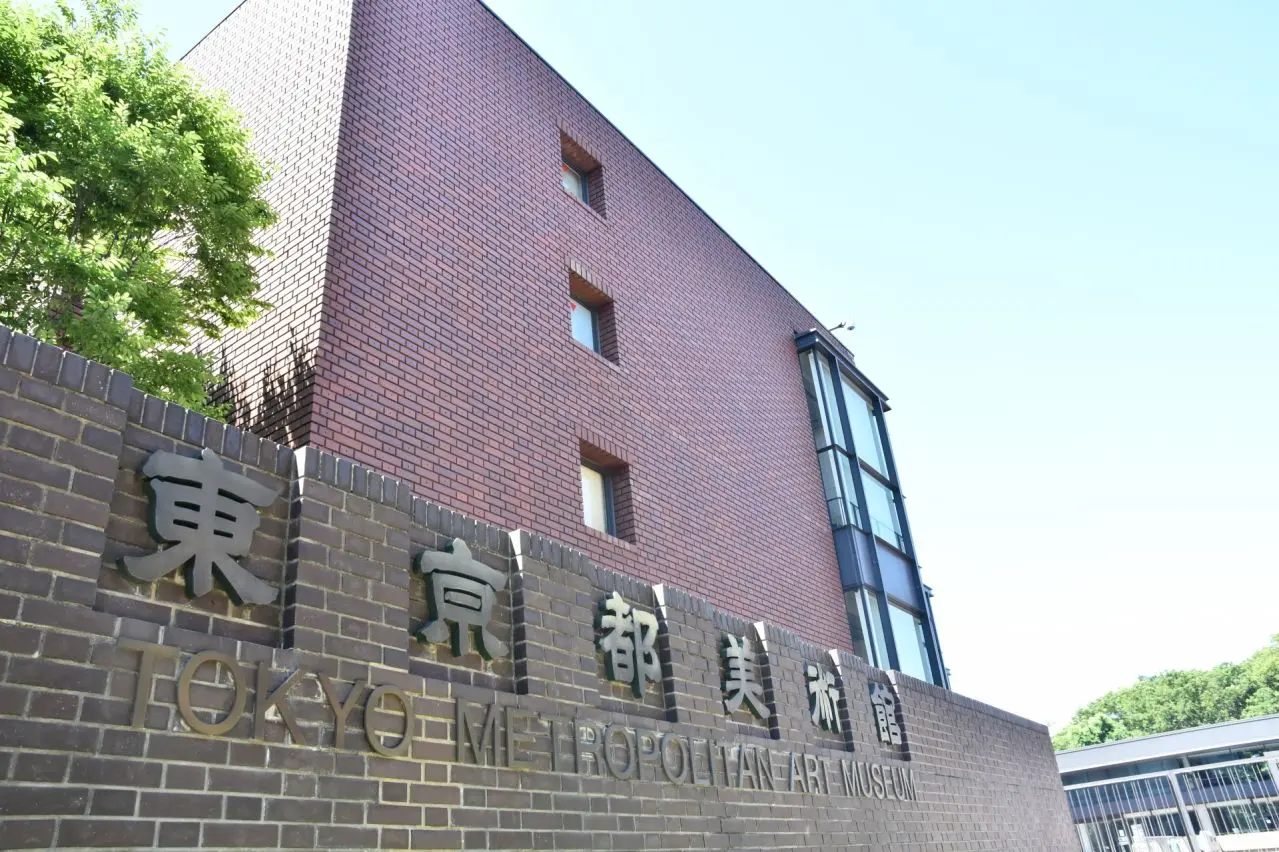
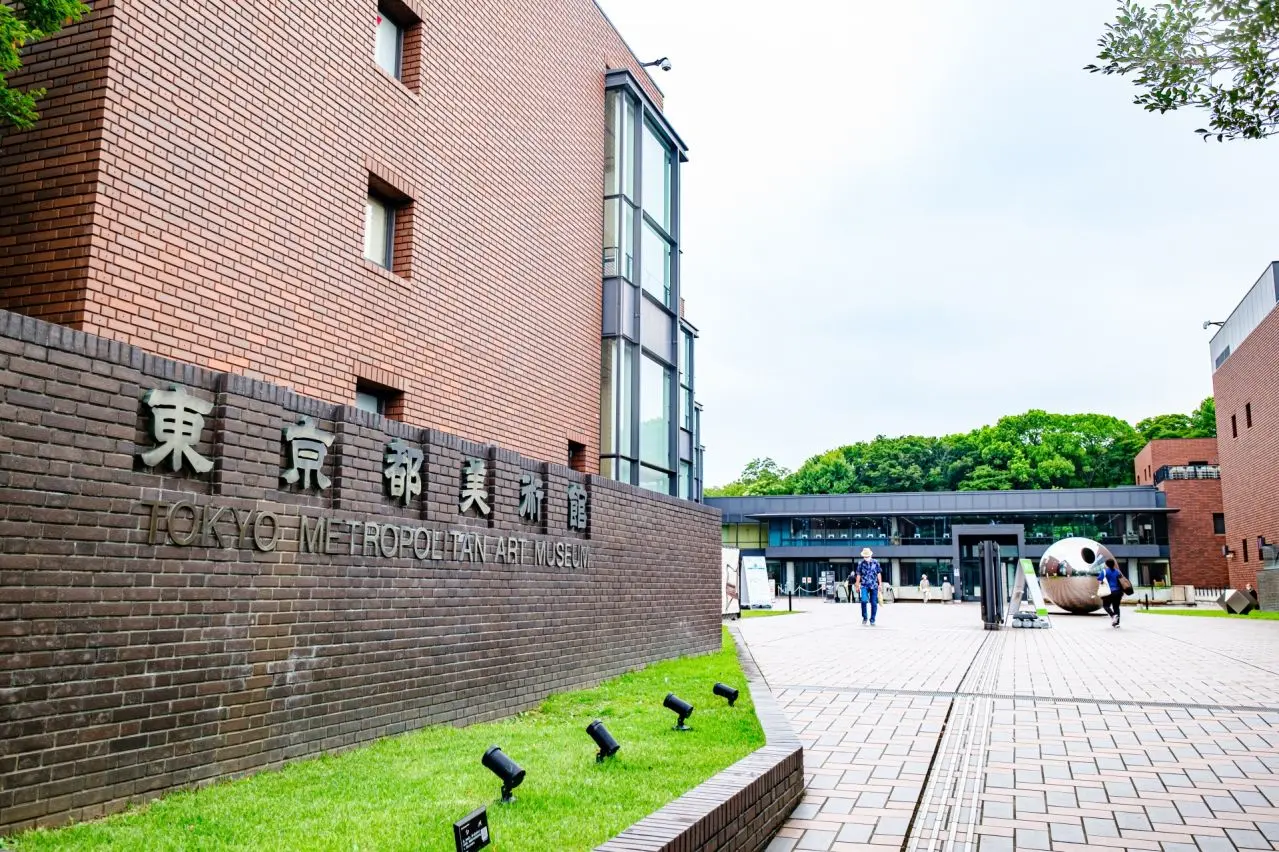
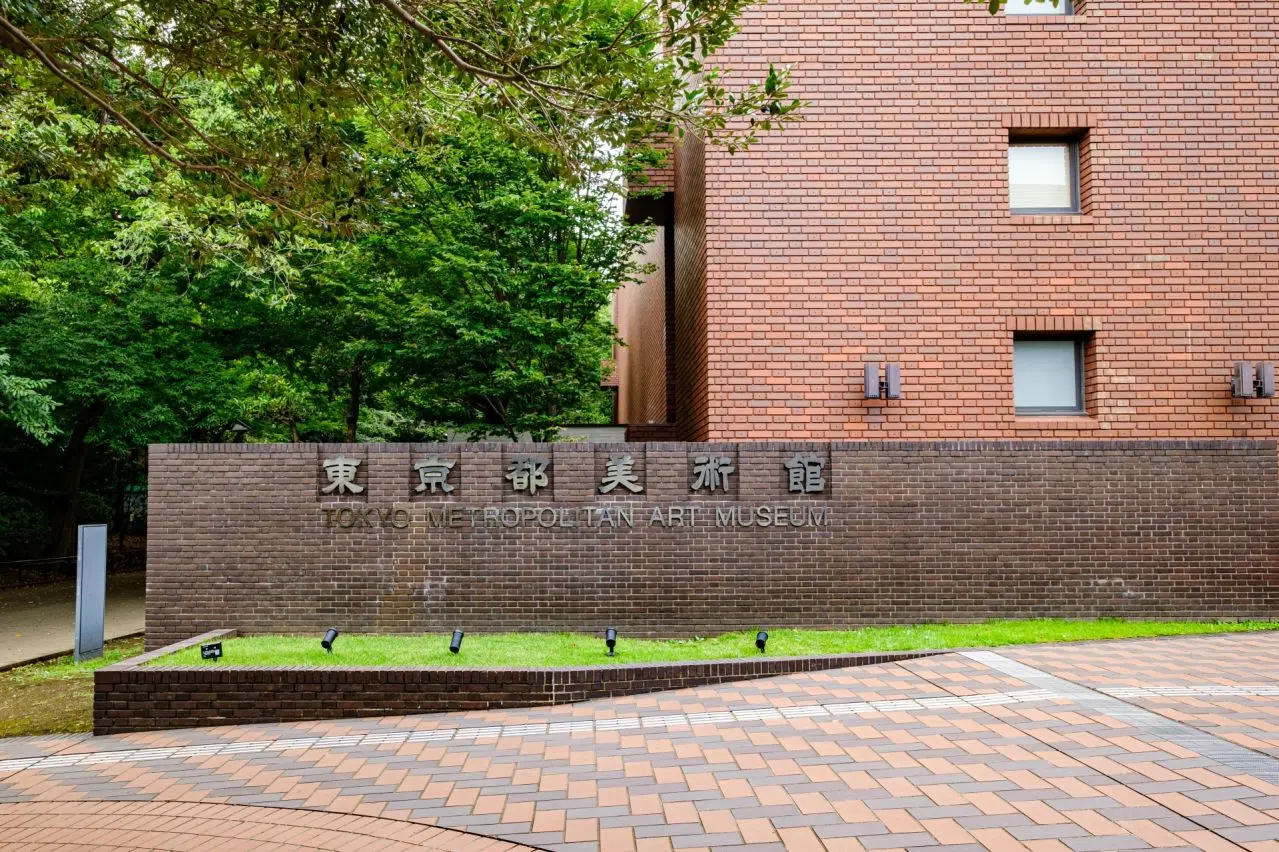
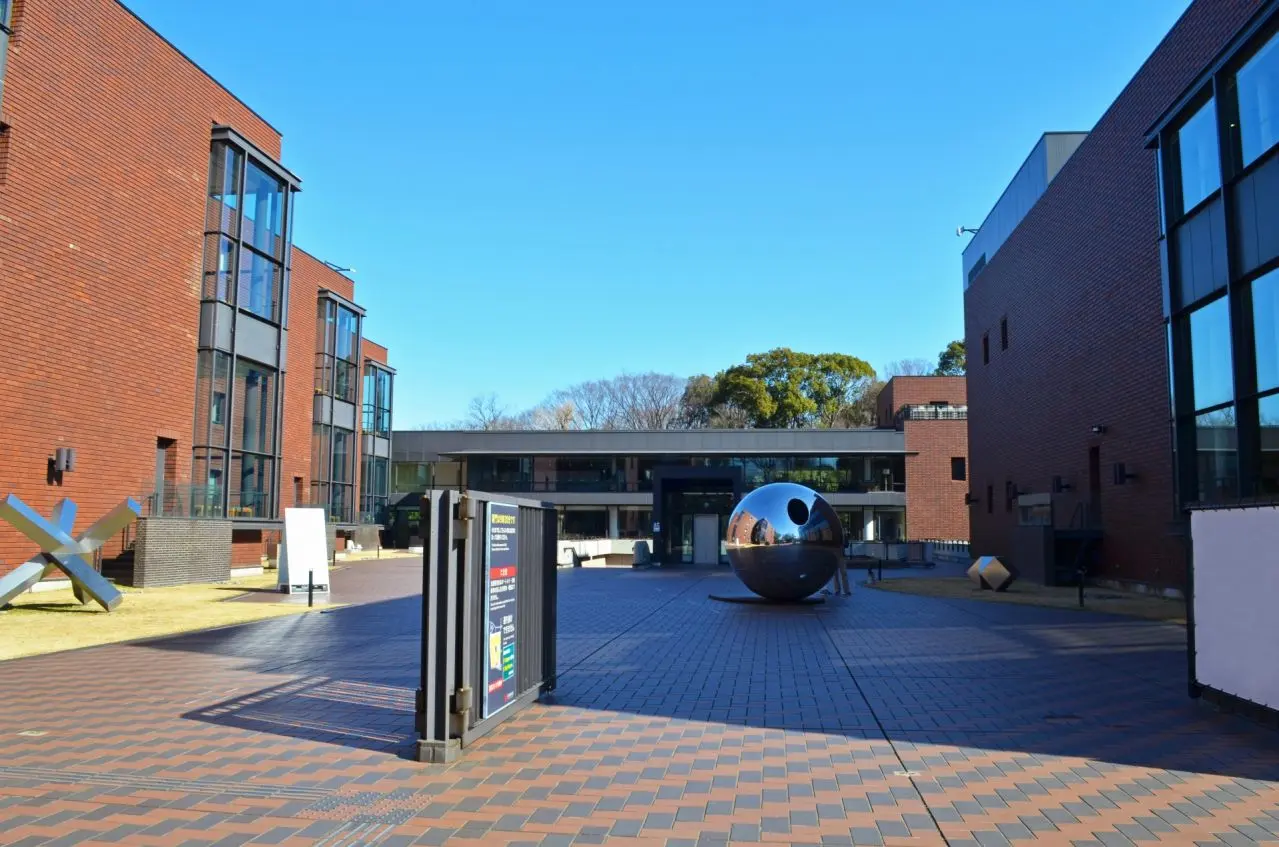
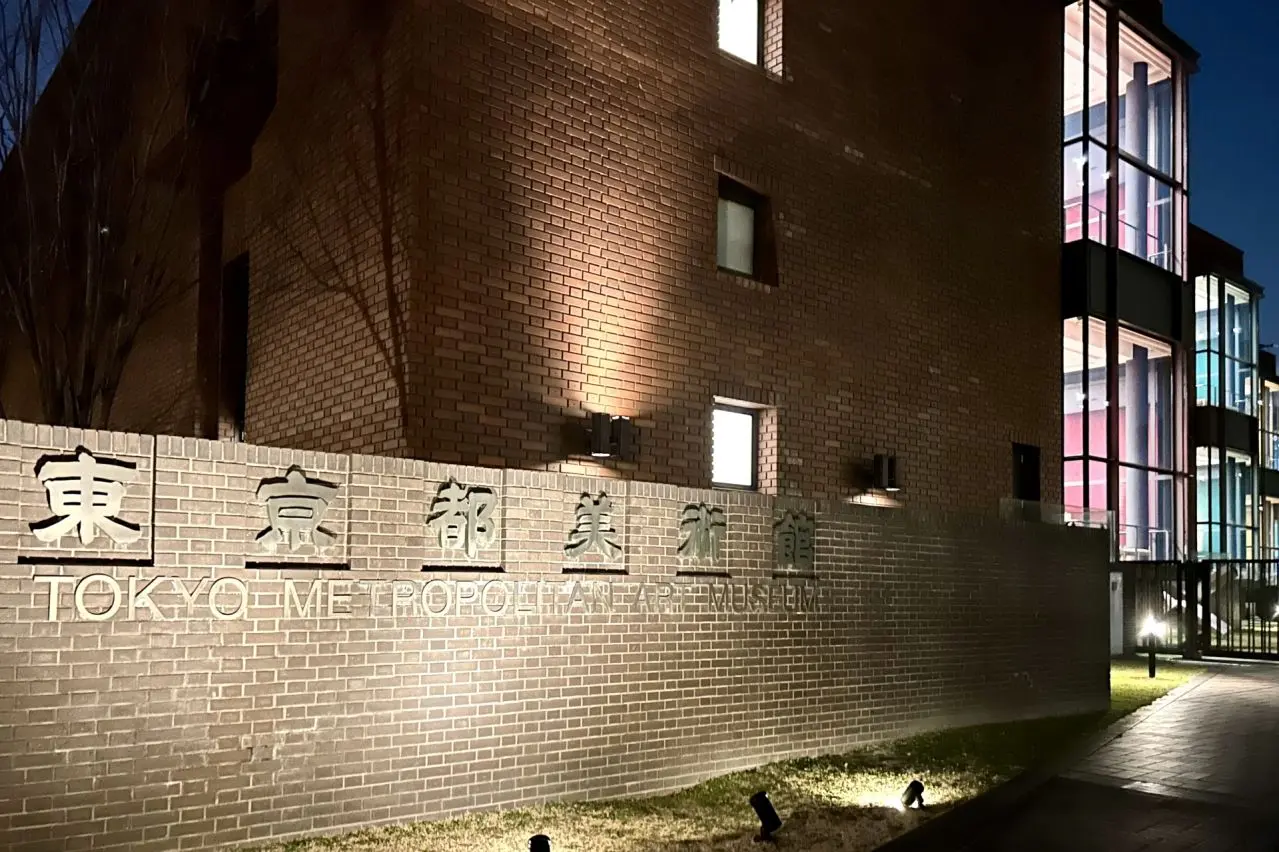
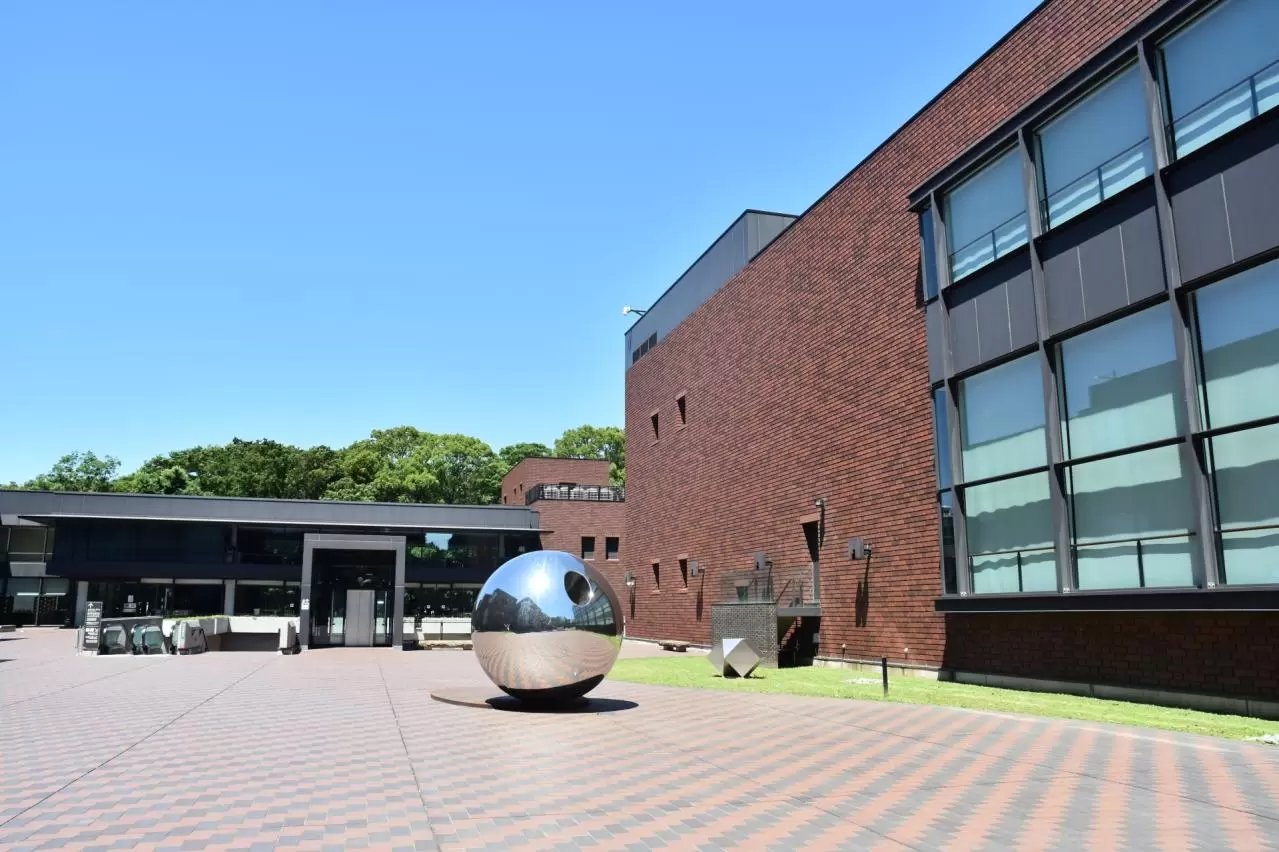
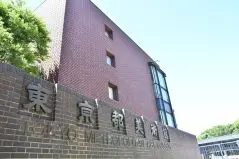
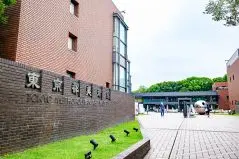
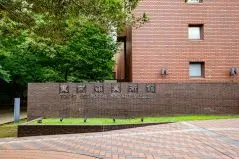
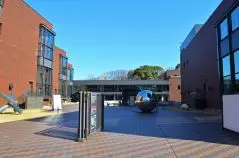
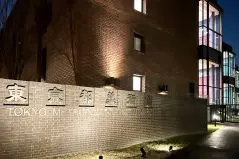
The Tokyo Metropolitan Art Museum opened in 1926 as Japan’s first public art museum. At the time, the opening took place in the final days of Taisho 15 and continued into the following year, 1927 (Showa 2). Since then, it has served as a temple of art in Ueno Park, distinguished by its brick-colored tiled exterior.
Exhibitions and Activities
The Tokyo Metropolitan Art Museum hosts numerous exhibitions throughout the year, including special exhibitions featuring masterpieces from Japan and abroad, as well as a wide variety of independently planned exhibitions and public exhibitions organized by art groups. In particular, large-scale special exhibitions introducing world-famous works attract many visitors.
The museum is also more than just a place to view art. Through its “Art Communication” initiatives, it connects people with artworks, people with people, and people with places, while also fostering communities through art. It offers diverse programs, including special viewing sessions for children and people with disabilities, creating an environment where everyone can enjoy art with ease.
Architecture and Facilities
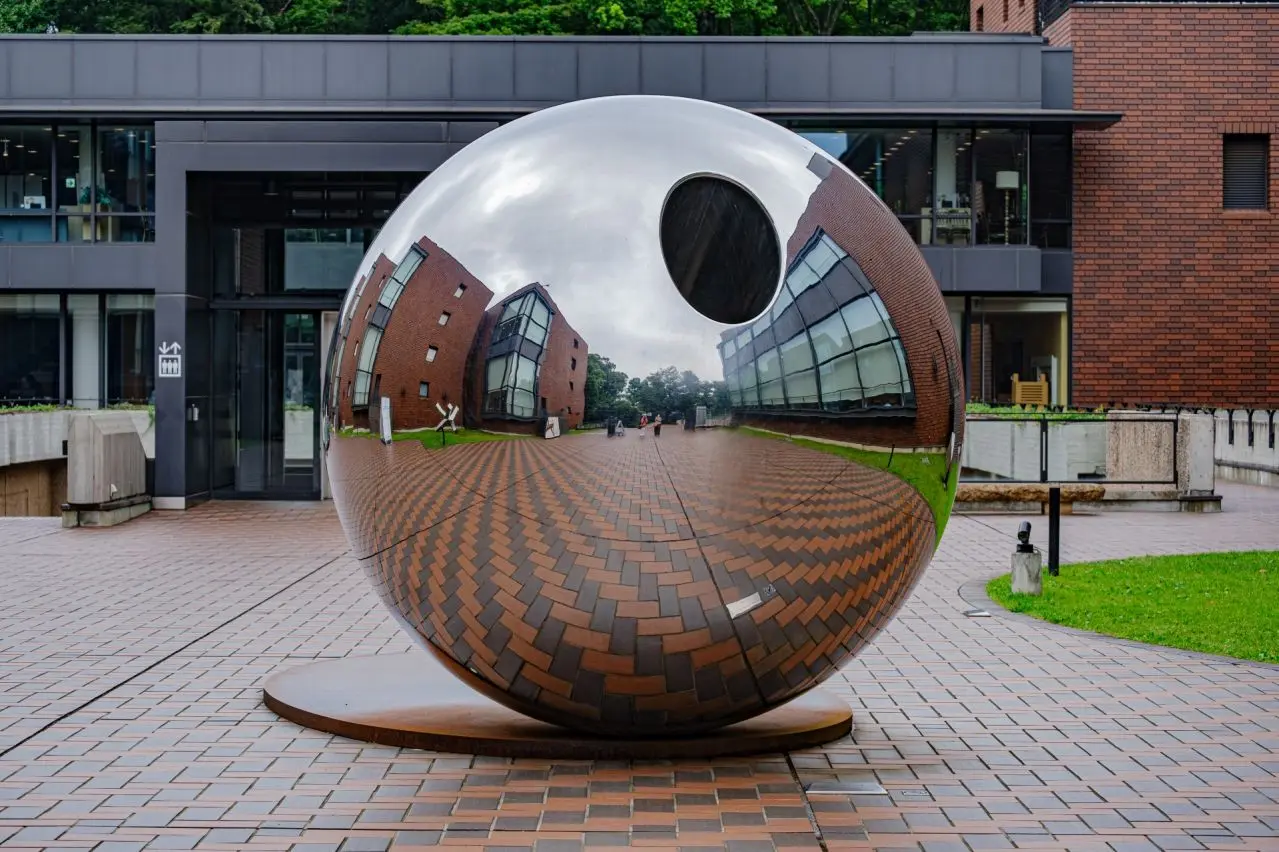
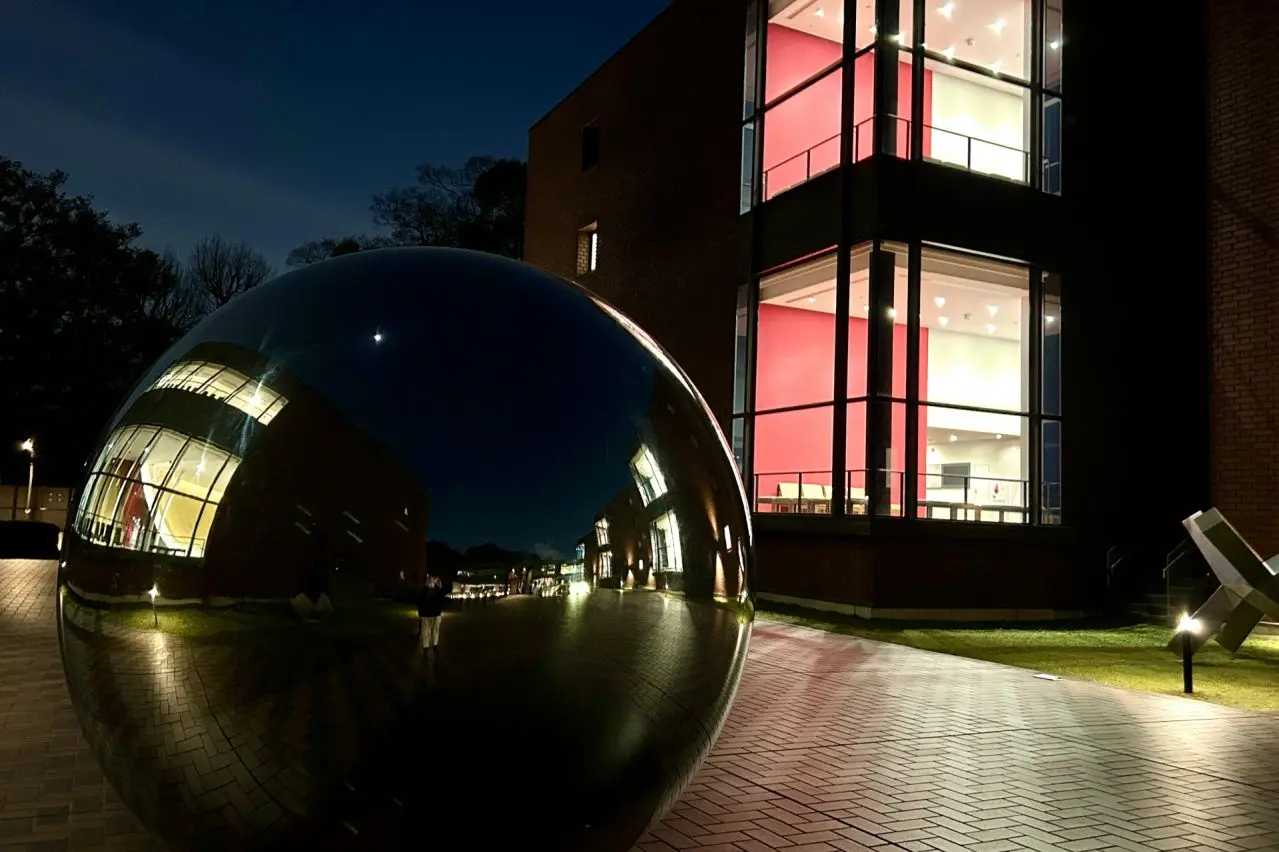
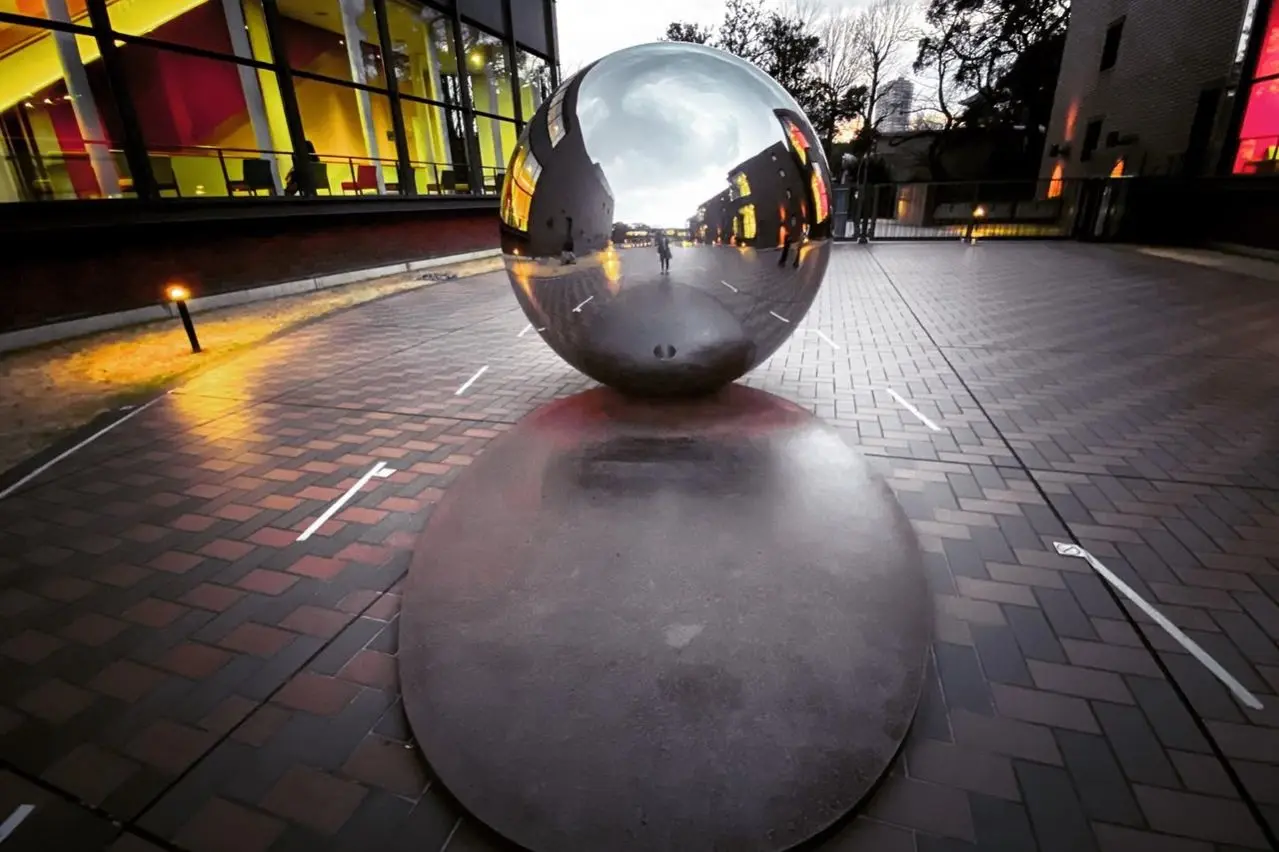
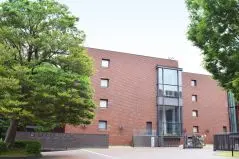
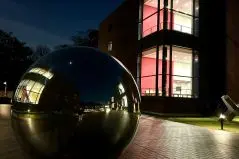
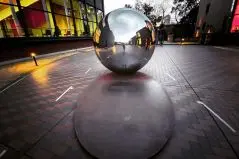
The current building of the Tokyo Metropolitan Art Museum was designed in 1975 by Kunio Maekawa, a master of Japanese modernist architecture. Unlike the original museum building, it is a beautiful example of modern architecture set within an urban space that harmonizes with the natural surroundings of Ueno Park, and it is one of the museum’s major attractions.
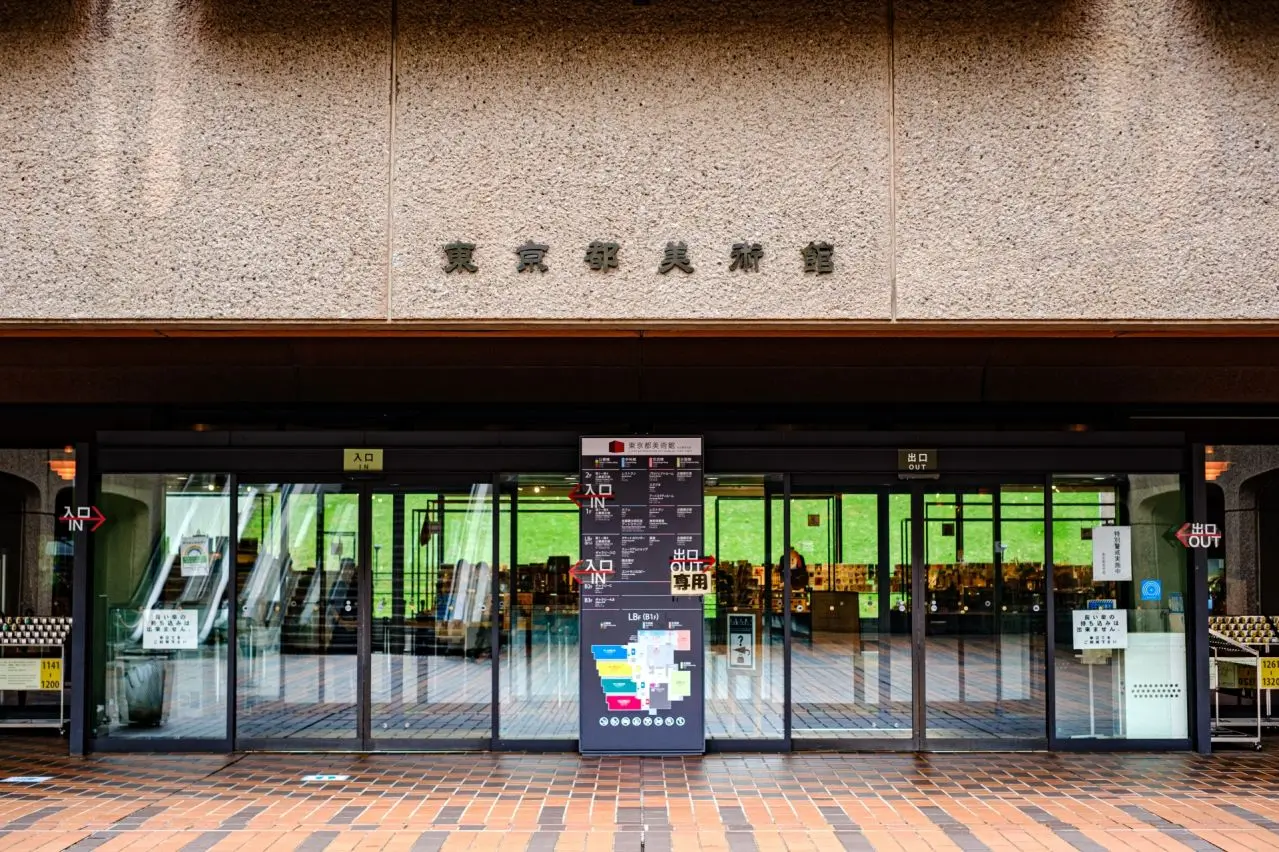
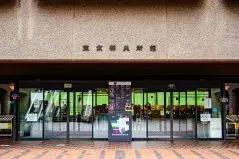
Inside the museum, visitors can enjoy free permanent spaces as well as a museum shop, café, and restaurant, allowing them to relax after viewing an exhibition (some special exhibitions require an admission fee).
The Mission and Four Roles of the Tokyo Metropolitan Art Museum
In conjunction with its 2012 renewal, the Tokyo Metropolitan Art Museum established the mission of “promoting art for the people of Tokyo” and set forth the following four roles:
- A museum where visitors can encounter masterpieces from Japan and around the world
- A museum that combines respect for tradition with fresh new inspiration
- A museum that serves as a place of exchange and generates new values
- A museum that invigorates artistic activity and deepens the viewing experience
To realize these goals, the museum operates through four core areas: exhibition programs, public exhibition programs, art communication programs, and amenity programs.
Main Programs
Special Exhibitions
In cooperation with media organizations, the museum presents large-scale exhibitions where visitors can encounter masterpieces from Japan and around the world.
Planned Exhibitions
Each year, the museum holds exhibitions based on themes such as “Arts & Life,” “Contemporary Artists,” and “Arts & Care.”
Collection Exhibitions
The museum presents exhibitions showcasing its own collection as well as collections from Tokyo Metropolitan art museums and museums.
Public Group Exhibitions
About 40 exhibition periods are held each year by approximately 250 public art groups in fields such as painting, sculpture, crafts, and calligraphy.
School Education Exhibitions
As part of its support for educational institutions, the museum provides a venue for children, students, and pupils to present their works.
Public Exhibition Revitalization Projects
- The “Ueno Artist Project” selects and introduces outstanding contemporary artists.
- “Tobira Selection Group Exhibitions” supports artist groups with fresh ideas.
Art Communication Programs
The museum offers a wide range of programs, including the “Tobira Project,” a collaboration with Tokyo University of the Arts, and “Museum Start i-Ueno,” a partnership among cultural institutions in Ueno Park. It also provides participatory programs for people with disabilities and senior citizens.
Keitaro Sato Memorial Art Lounge
The museum operates an art lounge named after Keitaro Sato, whose support helped establish the Tokyo Metropolitan Art Museum, and displays exhibition information and archival materials.
Art Information Room and Archives
The museum houses about 50,000 books and magazines and approximately 6,000 archival materials, which are available for viewing in its reading room.
Museum Shop, Restaurant, and Café
The museum operates a shop offering goods that enrich daily life, as well as a restaurant and café where visitors can relax inside the museum.
Since its opening, the Tokyo Metropolitan Art Museum has aimed to be an “entryway to art,” open to everyone. With exhibitions that showcase its rich history and masterpieces, diverse educational and planned programs, a comfortable architectural space, and a variety of activities that encourage visitor interaction, it has become a source of spiritual enrichment for many people.
Tokyo Tourist Attractions
View List
Meiji Shrine
Meiji Shrine is an important Shinto shrine located in Shibuya, Tokyo, dedicated to Emperor Meiji and Empress Shoken. Built in 1920, it boasts the highest number of v...

The National Art Center, Tokyo
The National Art Center, Tokyo is located in Roppongi, known as the art hub of Japan's capital city, Tokyo. This museum opened in 2007, and its architectural design ...

Akihabara Electric Town
Akihabara Electric Town is a globally renowned hub of Japanese pop culture. Affectionately known as "Akiba," the area is bustling with specialty stores for anime, ma...

Tokyo Skytree®
Tokyo Skytree® is the tallest freestanding broadcasting tower in the world, located in Sumida, Tokyo. Since its opening in 2012, it has attracted many tourists as a ...

Ikebukuro Sunshine City
Ikebukuro's landmark "Sunshine City" is one of Japan's largest complex facilities, opened in 1978. It features a variety of attractions including an aquarium, planet...

Tokyo Daijingu
Tokyo Daijingu, affectionately known as "Ise-sama of Tokyo," was established in 1880 as a worship hall for Ise Jingu. It enshrines the deities Amaterasu Omikami, Toy...

Tokyo Dome City
Tokyo Dome City is an urban complex entertainment facility located in Bunkyo-ku, Tokyo, where people of all ages can enjoy themselves throughout the day. Admission i...

Rikugien Garden
Rikugien Garden is a landscape garden designed by Yanagisawa Yoshiyasu, a close aide to Tokugawa Tsunayoshi, and completed over a period of seven years in 1695 (Genr...