The home of kabuki
Performances are held throughout much of the year, offering an opportunity to experience this traditional art form in a dedicated theatre.



AI Summary
This is an AI-generated summary. Please check the official information for opening hours, fees, and closed days.
A landmark theatre in Tokyo’s Ginza district, where you can experience kabuki in an authentic setting.
Kabukiza Theatre is a dedicated venue known as the home of kabuki, Japan’s traditional performing art. It is directly connected to a subway station, making it easy to reach, and you can also browse the shops or enjoy a light meal. With options such as single-act tickets and guidance for first-time visitors, it’s a good choice for anyone interested in Japanese culture.
Performances are held throughout much of the year, offering an opportunity to experience this traditional art form in a dedicated theatre.
Just steps from Higashi-Ginza Station, with much of the journey sheltered from the weather.
Souvenirs, light meals, and spots to explore inside make it worthwhile even for a shorter visit.
Combine a stroll around Ginza with a visit to Kabukiza Theatre, either to explore the venue or attend a performance.
Kabukiza was founded on November 21, 1889, in Kobikicho, Tokyo (now Ginza 4-chome). Since then, as Japan’s premier dedicated kabuki theater, it has continued to convey the appeal of kabuki as a classical performing art through the Meiji, Taisho, Showa, Heisei, and Reiwa eras. Throughout its long history, it has overcome many hardships, including the fire of 1921, the Great Kanto Earthquake of 1923, and air raids during World War II, and has been rebuilt time and again. It is truly a theater that symbolizes the history of modern Japanese theater.
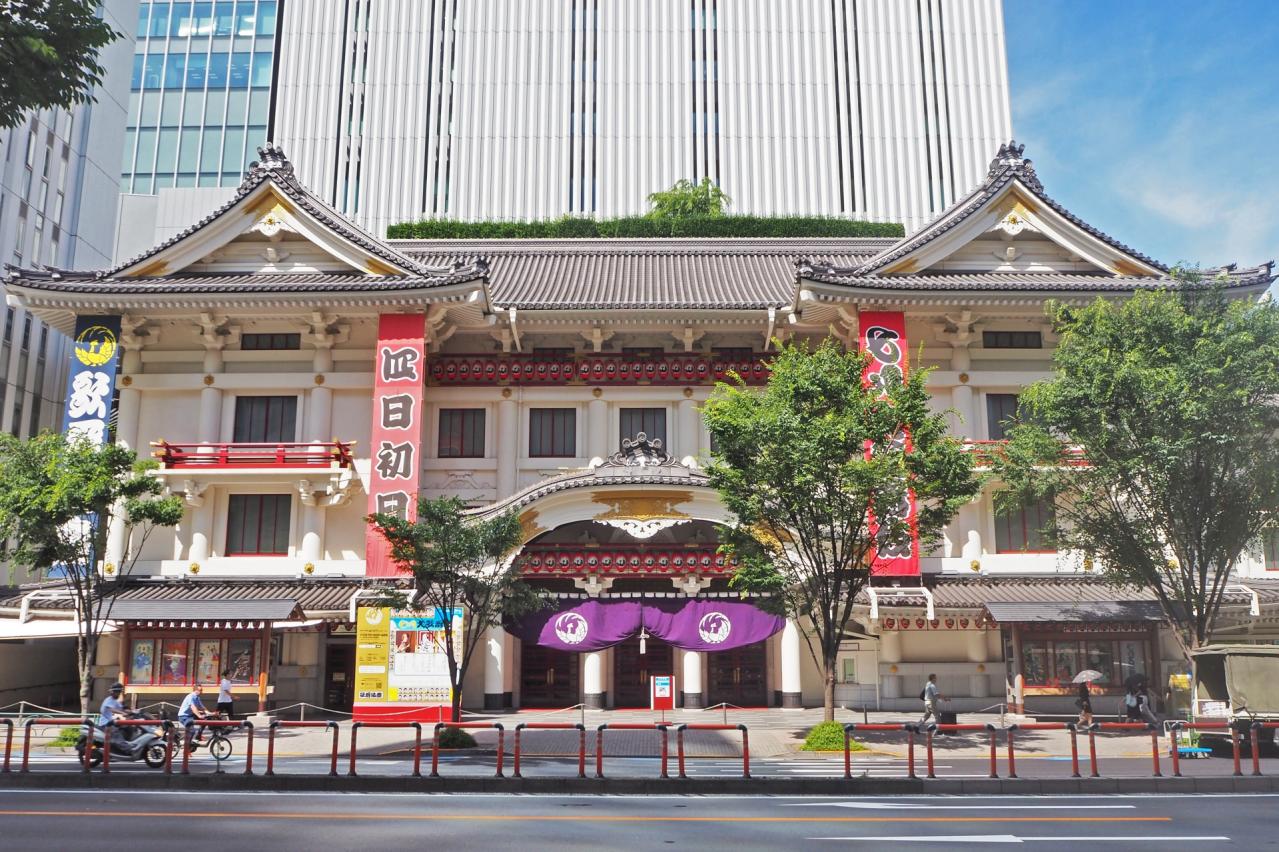
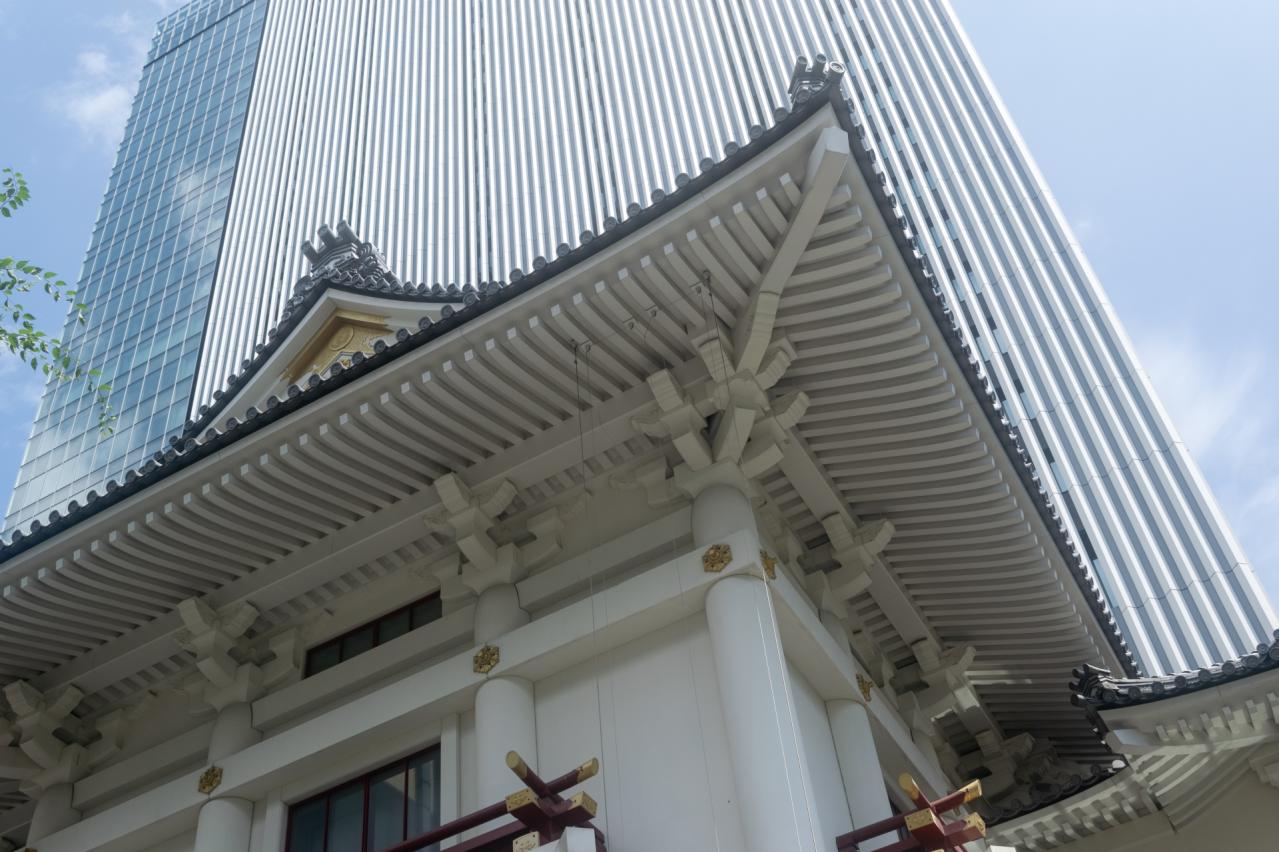
In April 2013, the fifth-generation Kabukiza opened as a new venue. While preserving the appearance of traditional Japanese architecture, it now welcomes many visitors as a facility equipped with the latest earthquake-resistant structure and stage technology.
Architecture and Design
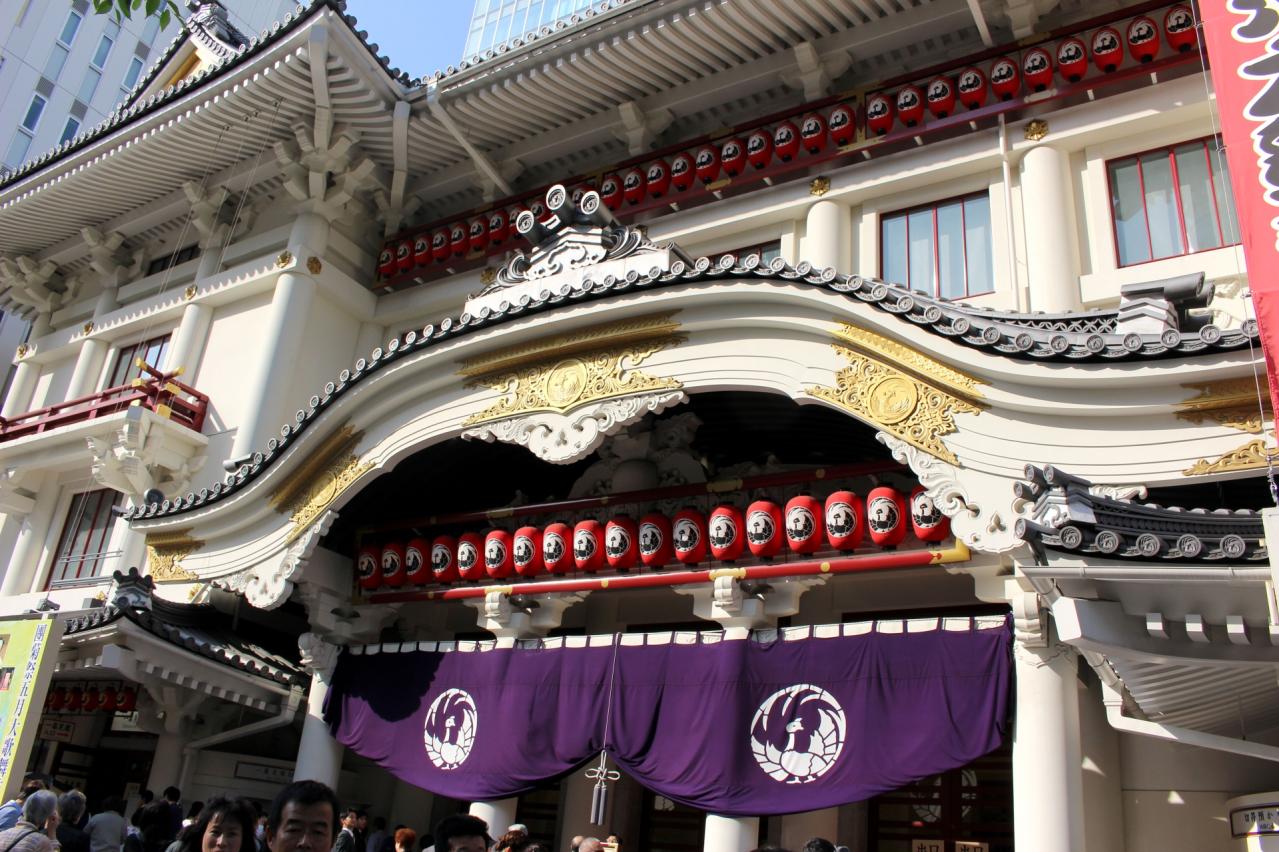
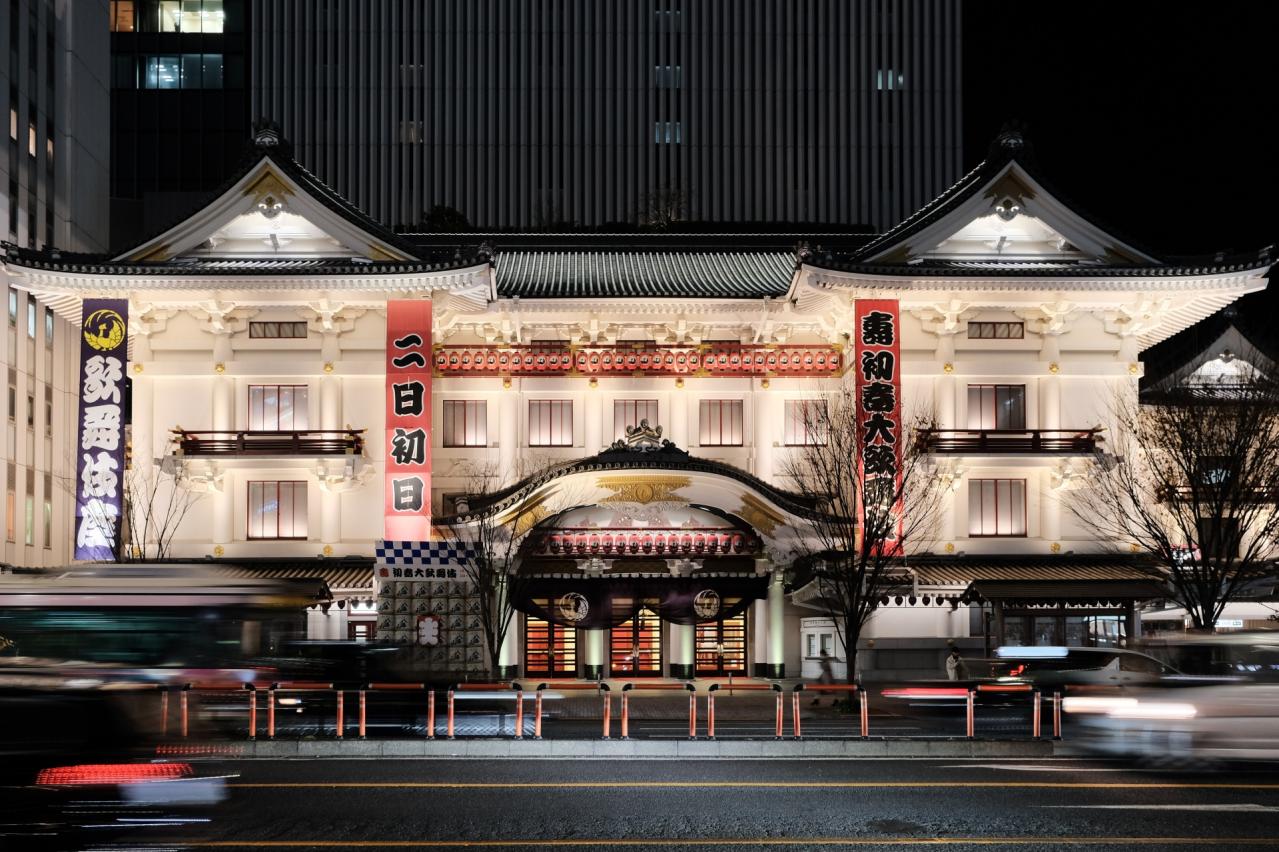
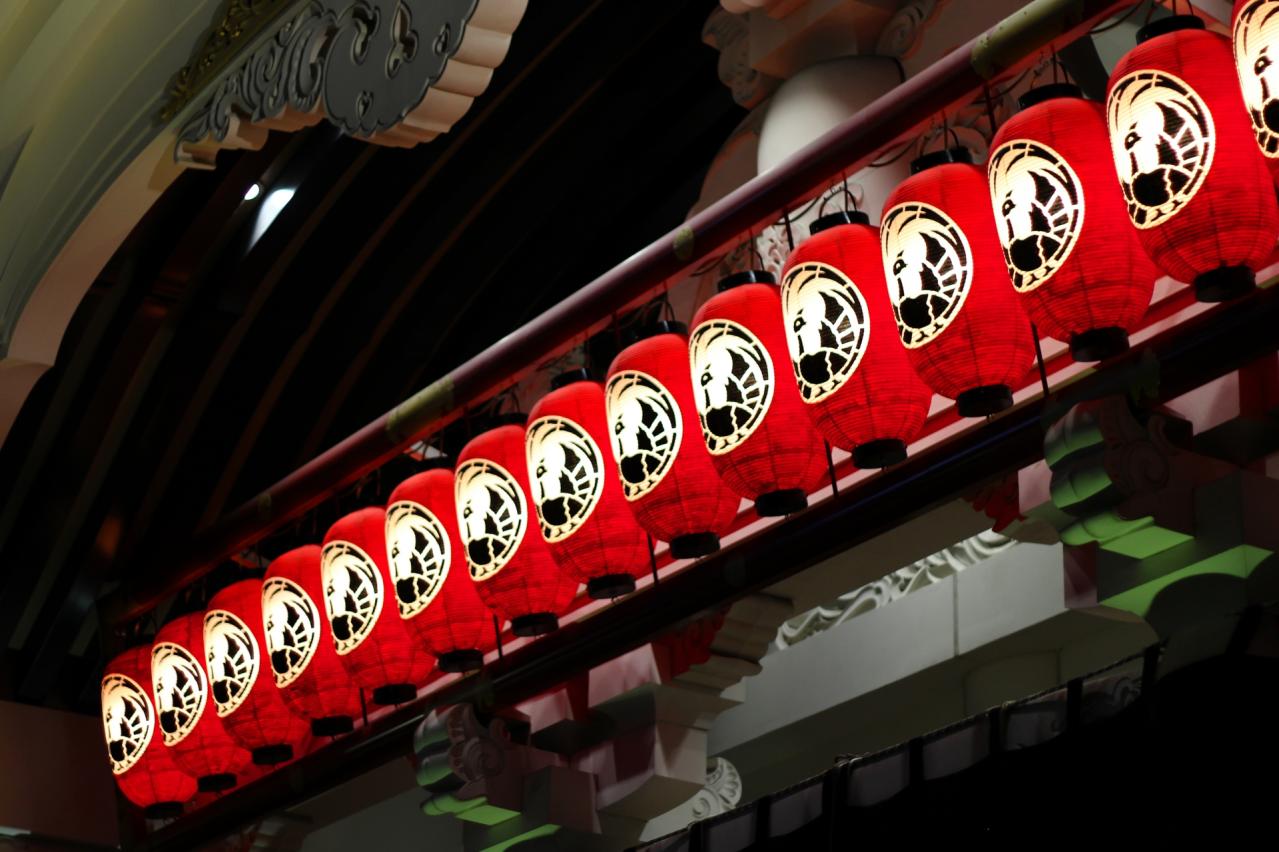
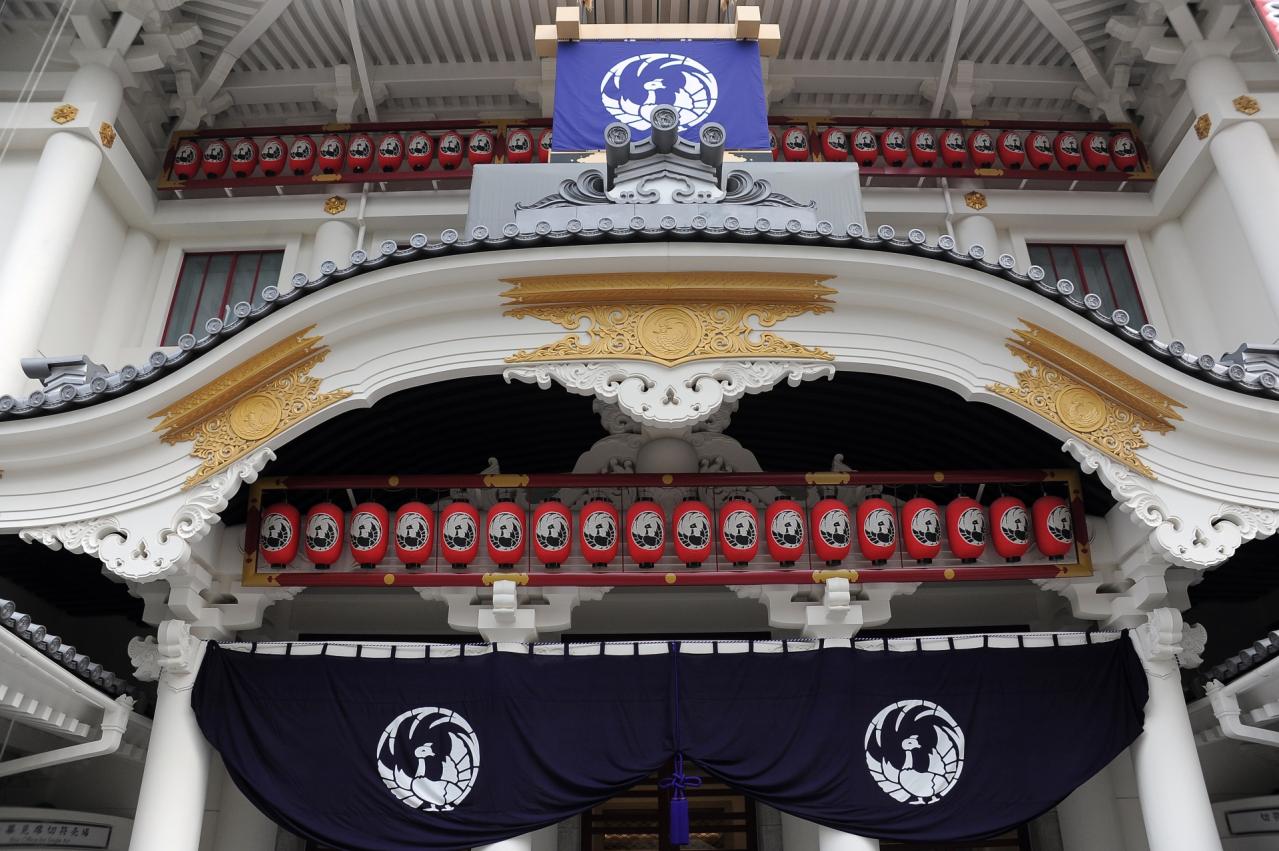
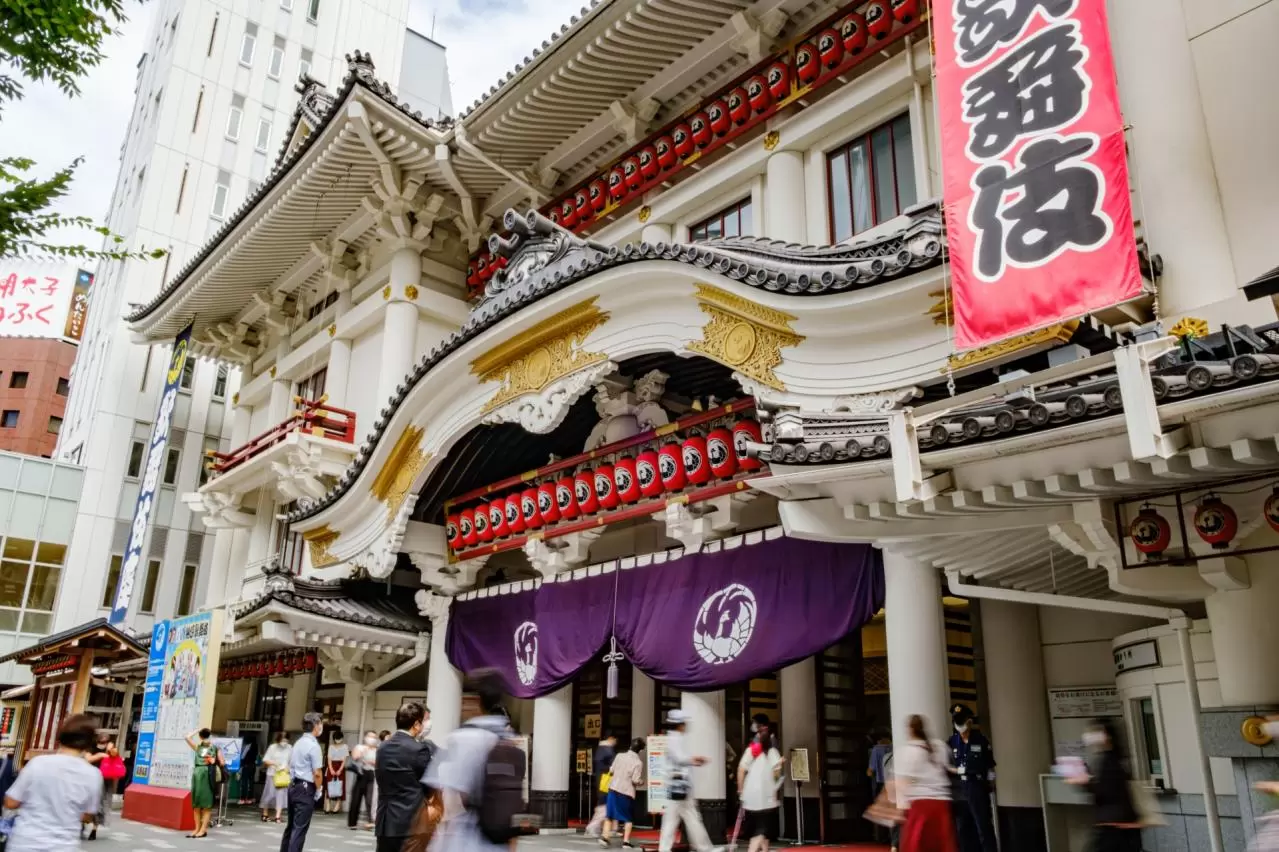
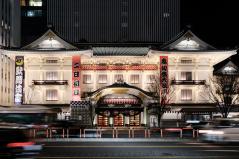
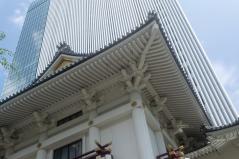
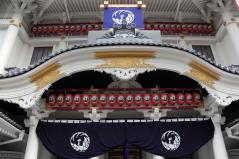
The current Kabukiza building follows the traditional Japanese architectural style of irimoya-zukuri, with a large roof, and is characterized by its majestic exterior that evokes the beauty of Japanese tradition. The interior is also decorated throughout with Japanese design elements, drawing visitors into the world of Japanese culture the moment they step inside.
With state-of-the-art stage facilities and earthquake-resistant construction, the theater can accommodate safe and diverse performances. It also has approximately 1,964 seats, providing a comfortable environment for viewing performances.
Features and Appeal of Kabukiza
The Mecca of Kabuki
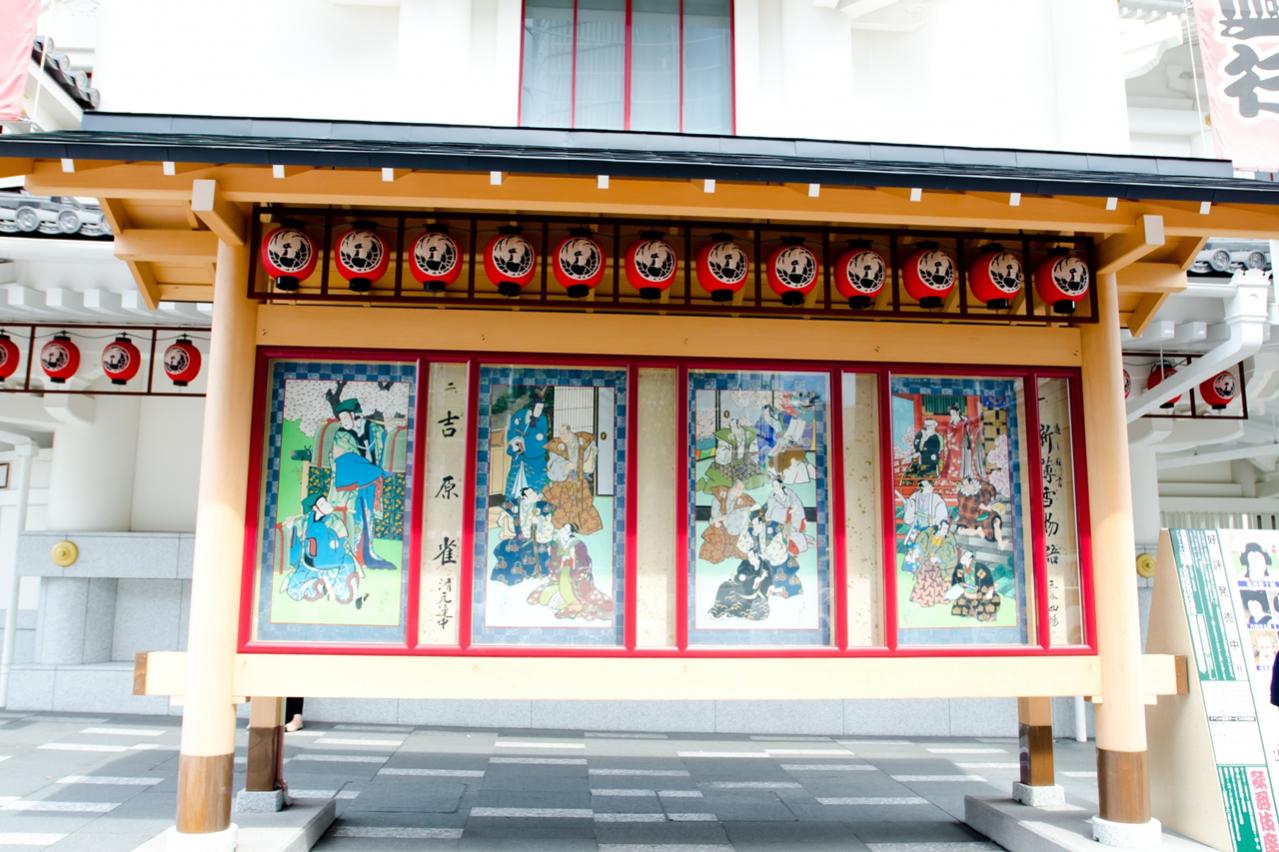
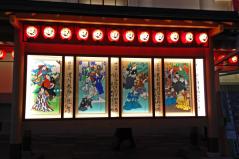
Kabukiza presents authentic kabuki performances every month, staging mainly classical works as well as new creations and revived productions that reflect the times. Renowned actors appear on stage, continually delivering fresh and moving experiences.
Ichimakumi seats
For those who cannot watch an entire performance or who are beginners, “Ichimakumi seats” are available, allowing guests to watch just one act. Prices are around 500 to 2,000 yen, and tickets are sold at the box office on the day, making it easy to enjoy.
Excellent access directly connected to Higashi-Ginza Station
The theater is directly connected to Higashi-Ginza Station on the Tokyo Metro Hibiya Line and Toei Asakusa Line, allowing visitors to reach it without getting wet even on rainy days. It is also within walking distance of Ginza Station and Shimbashi Station, making it convenient to combine with sightseeing and shopping.
Kobikicho Plaza
Located on the second basement level, “Kobikicho Plaza” is a space open to everyone, regardless of whether they are attending a performance. Here, visitors can buy kabuki-related souvenirs, Japanese miscellaneous goods, limited-edition items, light meals, and more, creating a lively atmosphere like a festival. It is especially popular with overseas tourists.
Free facilities such as the rooftop garden and gallery
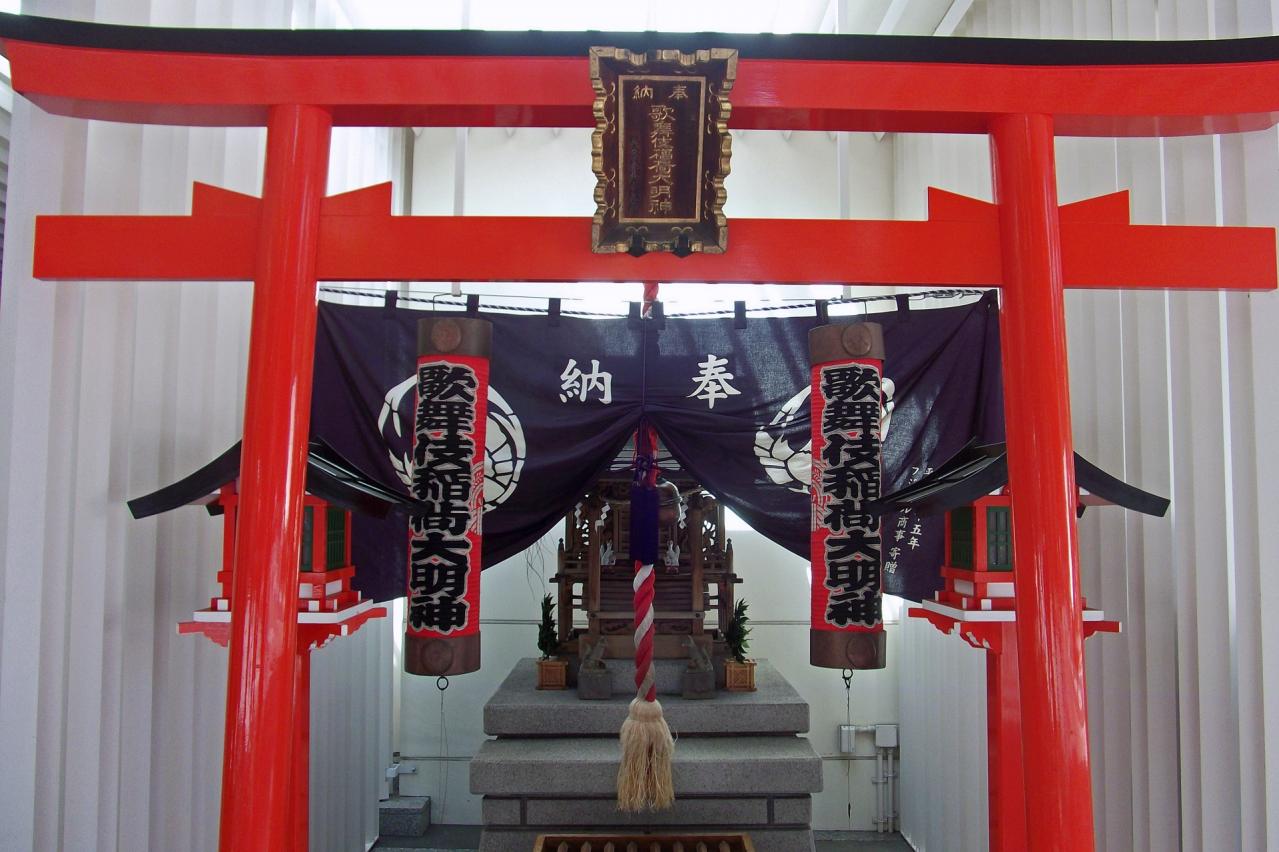
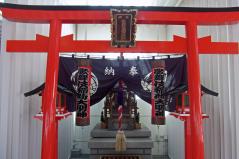
Kabukiza also offers several facilities that can be enjoyed without a ticket, including the rooftop garden on the fifth floor, a small shrine, and a gallery. When visiting Kabukiza, be sure to experience these cultural spaces as well.
Rental of English subtitle guides
For international visitors, an English subtitle guide rental service is available, making kabuki easy to understand and enjoy even for beginners. The rental fee is about 500 yen, and a deposit is required.
Kabukiza’s History and Cultural Significance
The history of Kabukiza is the history of modern Japanese theater itself, and for more than 130 years it has made a major contribution to the preservation, development, and popularization of kabuki as a traditional performing art. Even today, it is highly regarded not only in Japan but also by overseas tourists and cultural professionals, making it one of Tokyo’s leading cultural landmarks.
Kabukiza is more than just a venue for watching performances; it remains a vibrant hub that transmits the appeal of Japan’s traditional culture across generations.
Kabukiza is a one-of-a-kind theater where visitors can experience Japan’s proud traditional performing art of kabuki in its authentic form. With excellent access, the ease of Ichimakumi seats, a well-equipped shopping area, and free cultural facilities, it offers many attractions. For anyone wishing to experience Japanese culture, it is a place well worth visiting at least once in a lifetime.
Ginza Mitsukoshi is a long-established department store that opened in 1930 and is located at the Ginza 4-chome intersection. With a total of 15 floors, including 3 ...
The Tokyo Metropolitan Art Museum opened in 1926 as Japan's first public art museum. Throughout the year, it hosts numerous exhibitions, including special exhibition...
Sunshine Aquarium is an aquarium located on the rooftop of a building in Ikebukuro, Tokyo, themed as a "sky oasis." The outdoor area, brimming with a resort-like atm...
Kasai Rinkai Park, located along Tokyo Bay, is an urban oasis packed with attractions that can keep you entertained all day long. Its excellent access, just a one-mi...
Akihabara Electric Town is a globally renowned hub of Japanese pop culture. Affectionately known as "Akiba," the area is bustling with specialty stores for anime, ma...
Tokyo Daijingu, affectionately known as "Ise-sama of Tokyo," was established in 1880 as a worship hall for Ise Jingu. It enshrines the deities Amaterasu Omikami, Toy...
Tokyo Dome City is an urban complex entertainment facility located in Bunkyo-ku, Tokyo, where people of all ages can enjoy themselves throughout the day. Admission i...
The National Museum of Western Art is the only national museum in Japan dedicated to Western art, located within Ueno Park in Tokyo. It opened in 1959 and was design...