Hibiya Park
Hibiya Park Movies


Basic Information
- Spot Name
- Hibiya Park
- Location
- 〒100-0012 1-6 Hibiya Park, Chiyoda-ku, Tokyo, Japan
- Access
- Tokyo Metro Marunouchi Line and Chiyoda Line, get off at "Kasumigaseki" (Exit B2), right at the exit.
Tokyo Metro Hibiya Line, Chiyoda Line, and Toei Mita Line, get off at "Hibiya" (Exits A10 and A14), right at the exit.
Tokyo Metro Yurakucho Line, get off at "Sakuradaimon" (Exit 5), a 5-minute walk.
JR, get off at "Yurakucho," an 8-minute walk. - Parking
- Underground public parking lot
- Business Hours
- Admission free (Grass square until 16:30 <closing time>)
- Regular Holiday
- Open year-round.
- Fees
- Free admission.
- Contact Information
- Phone Number:03-3501-6428
- Official Website
Map
Detailed Information
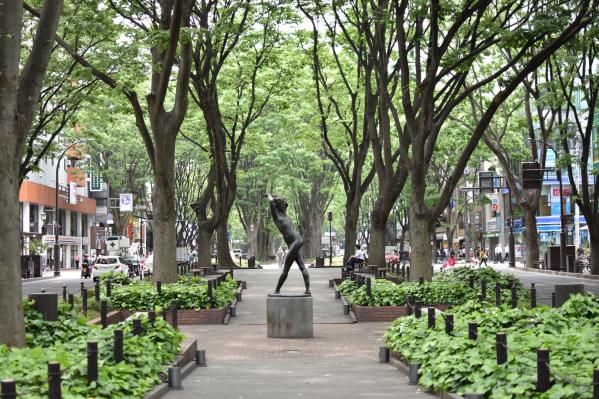
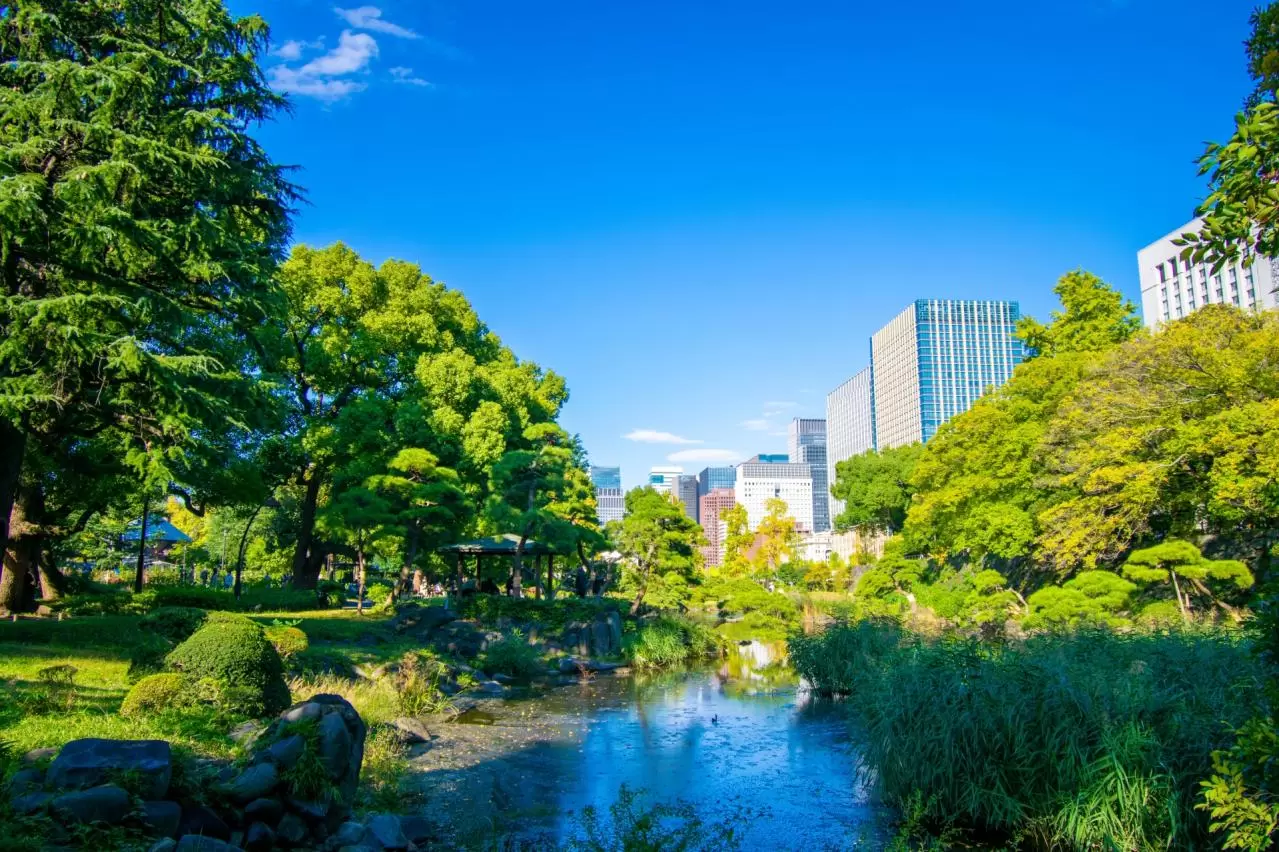
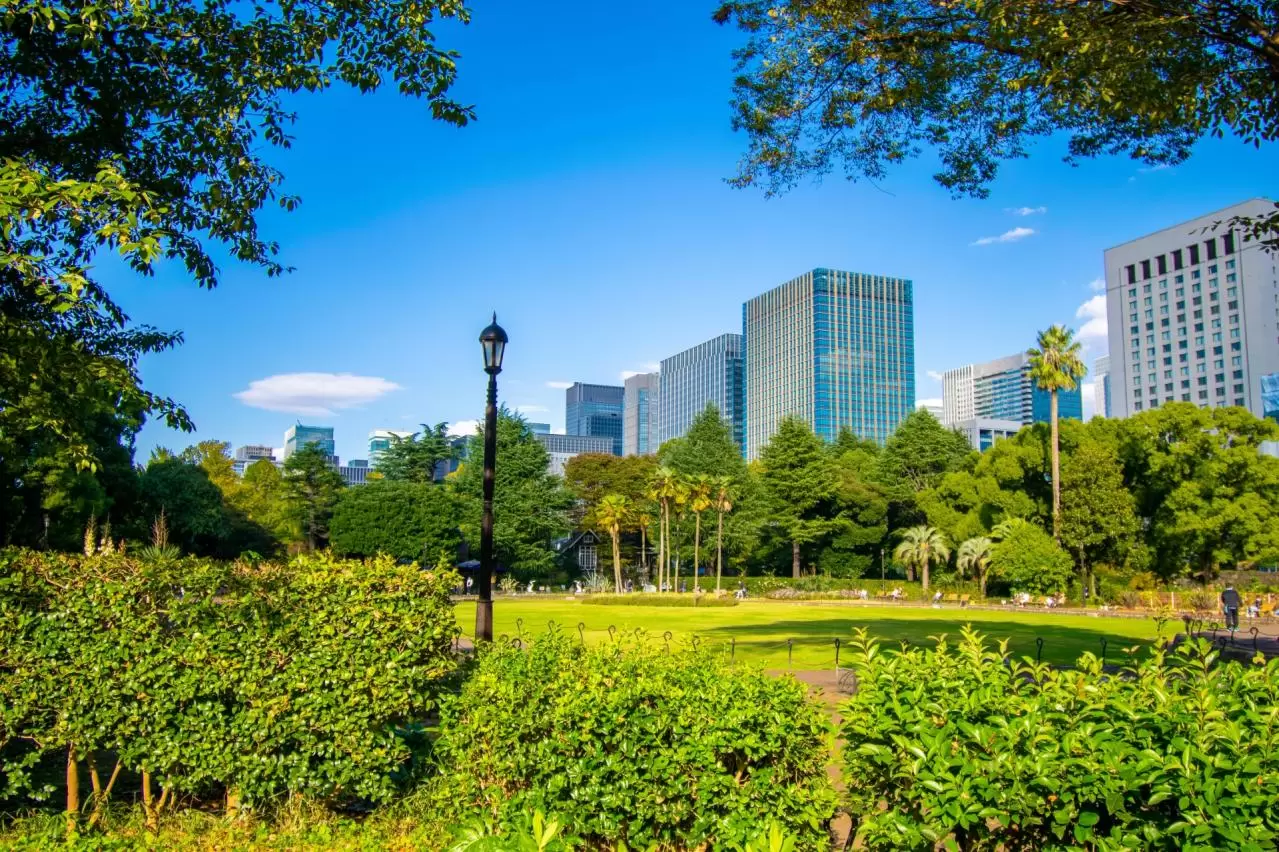
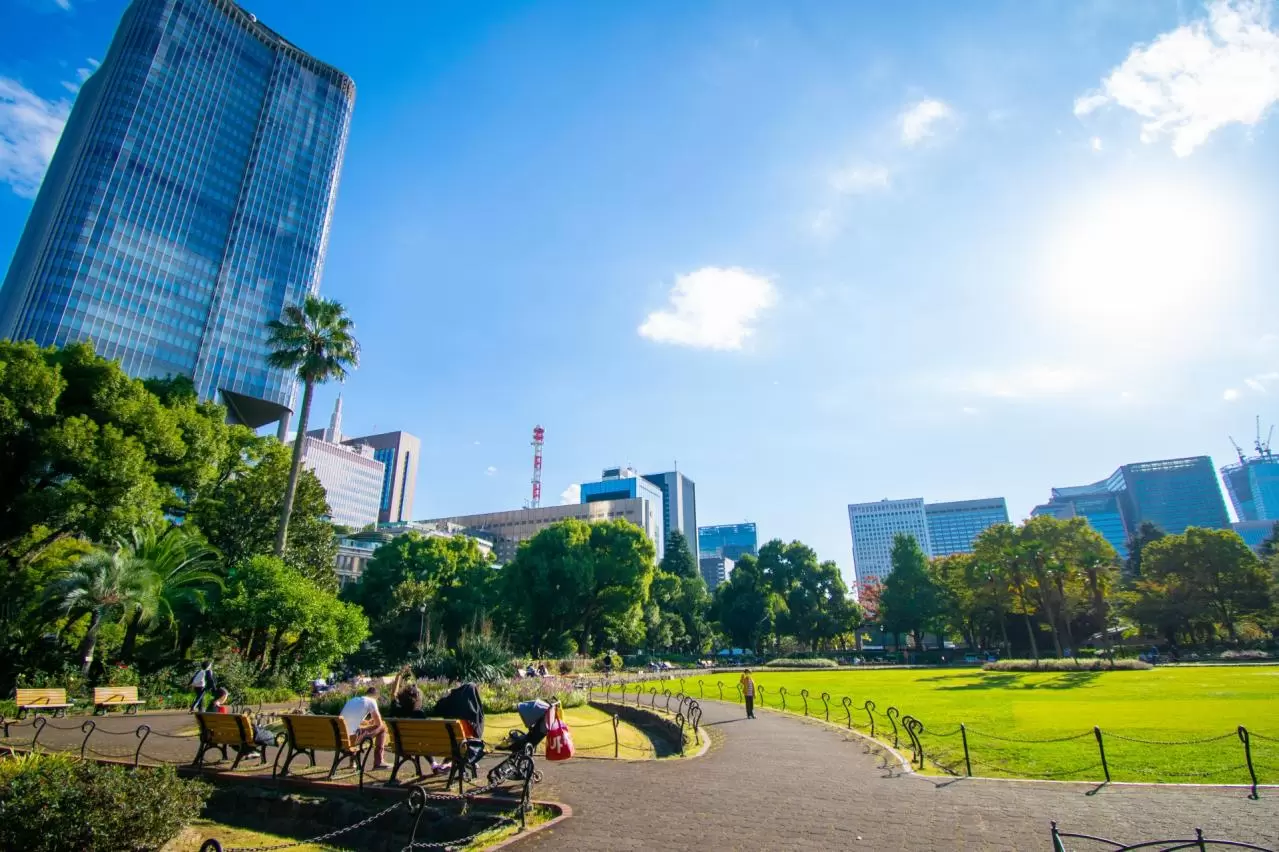
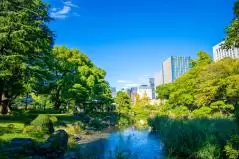
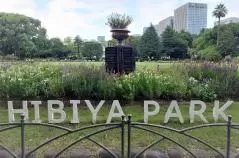
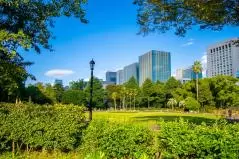
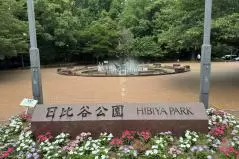
Hibiya Park, which opened in 1903, was Japan’s first “Western-style” urban park and is located in the Hibiya area of Chiyoda Ward, Tokyo. Adjacent to major centers of politics, business, and culture such as Kasumigaseki and Ginza, it is beloved as a “green oasis” where visitors can feel both nature and history in the heart of the city.
Originally, the site was home to feudal lords’ residences such as that of Matsudaira Hizen-no-kami during the Edo period, and during the Meiji era it was used as an army drill ground. Later, as part of Tokyo’s city improvement and planning project, the area was designated for park development, and Hibiya Park was created based on the design of Dr. Seiroku Honda.
While actively incorporating elements of Western gardens, Hibiya Park also preserves Japanese scenery in many places, giving it a distinctive harmony of Japanese and Western aesthetics. Seasonal flowers, the grand fountain, and Kumogata Pond are among the many highlights that delight visitors.
Main Highlights
Grand Fountain / Fountain Plaza (currently under construction)
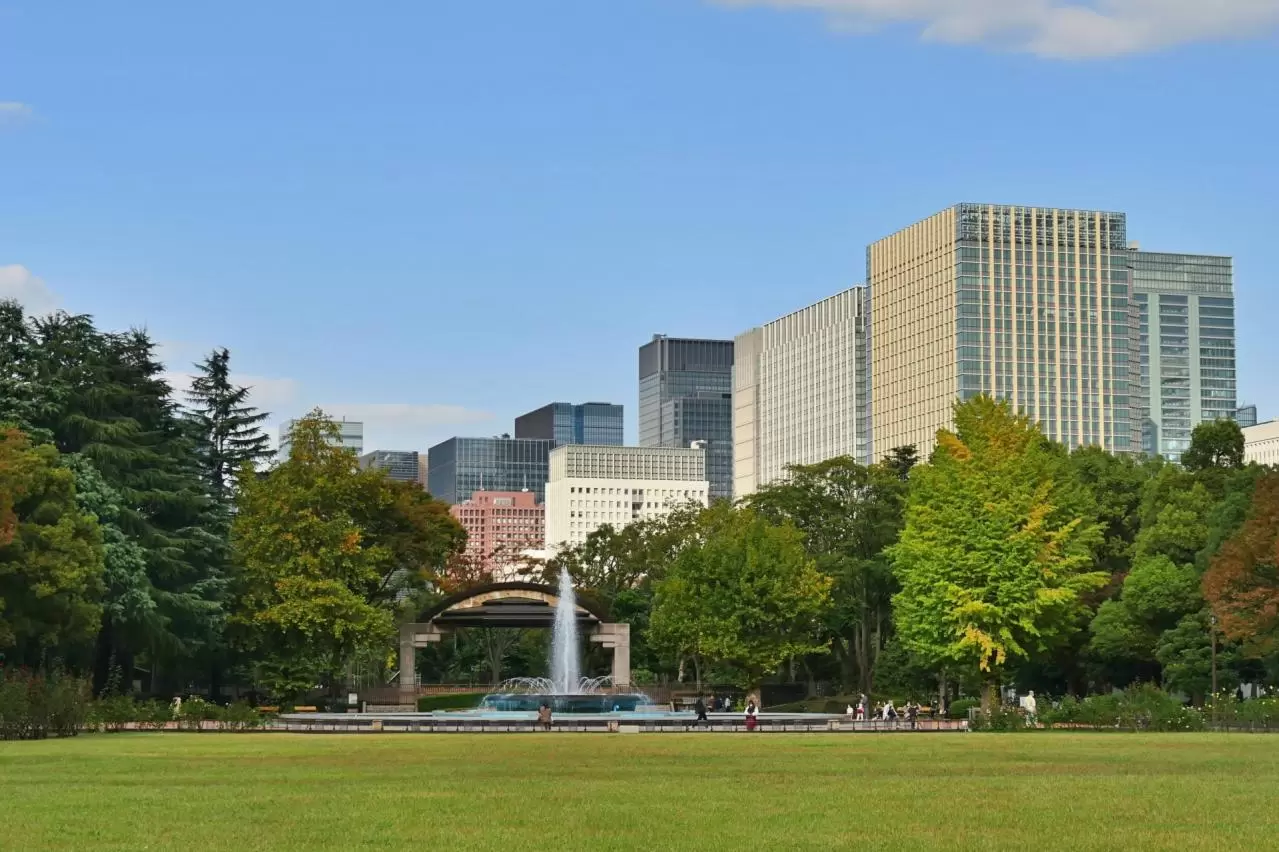
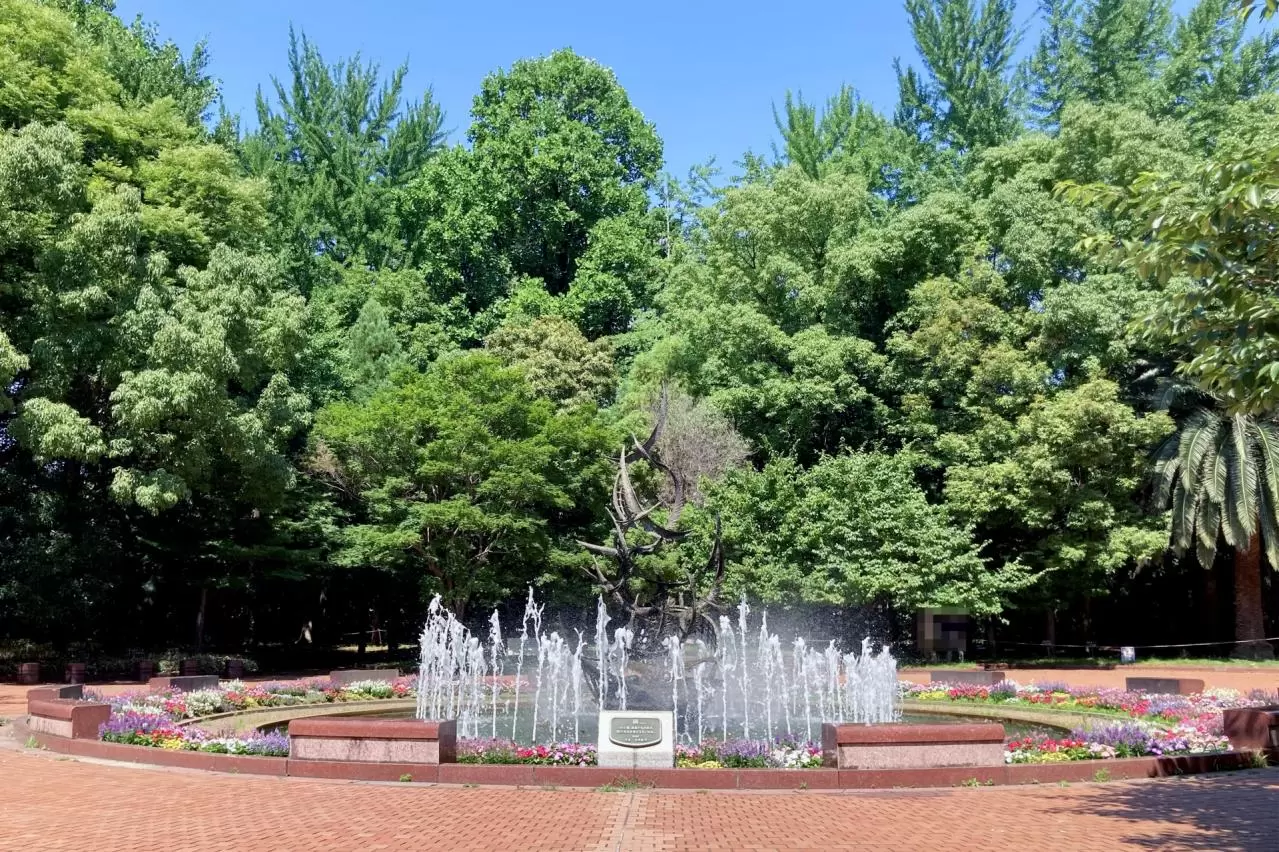
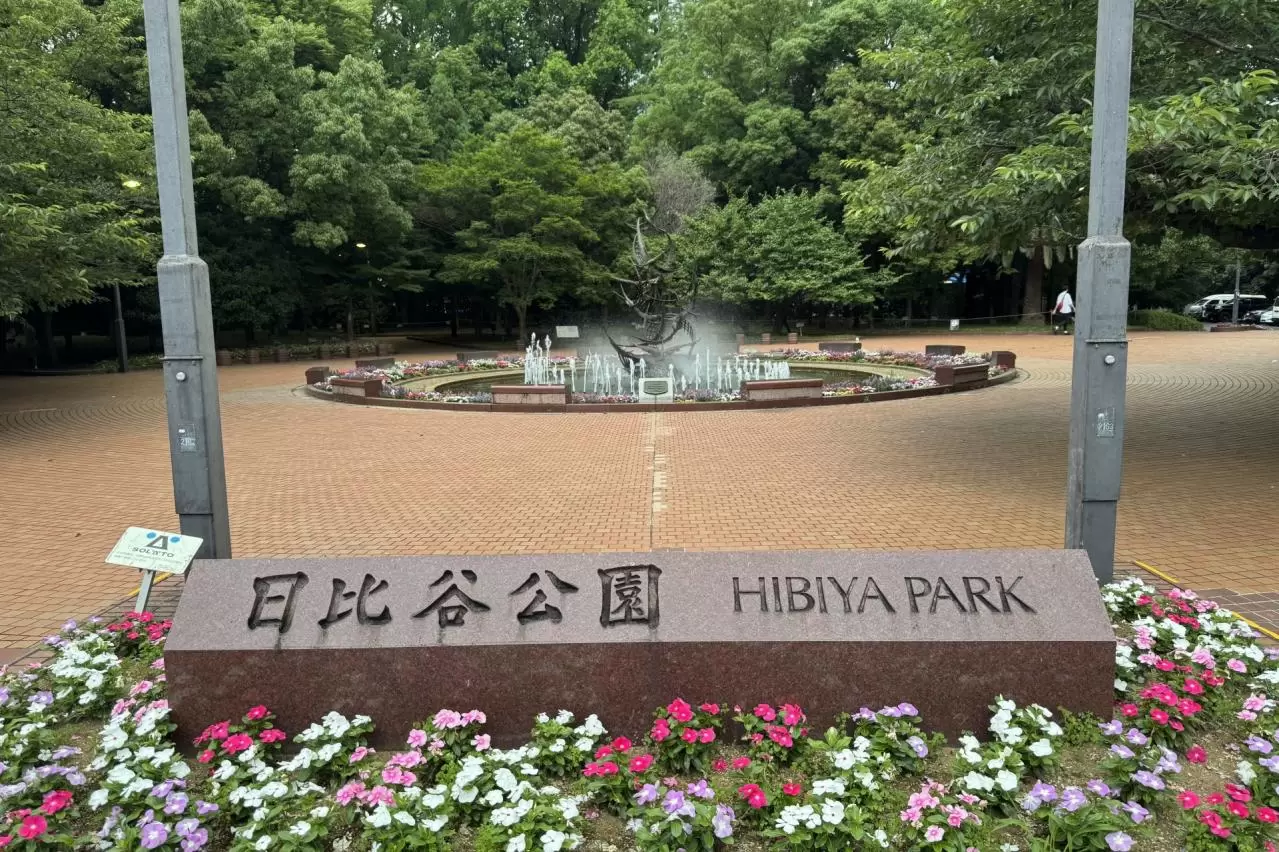
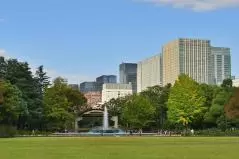
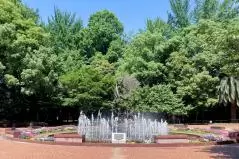
The Grand Fountain, a symbol of Hibiya Park, operates from 8:00 a.m. to 9:00 p.m. (except on regular cleaning days, etc.), and offers 24 fountain patterns in a 28-minute cycle. The fountain basin has a three-tier structure of upper, middle, and lower levels, with a diameter of about 30 meters and a main jet reaching approximately 12 meters high. At night, it is illuminated, creating a magical atmosphere.
No. 1 Flower Bed / Pelican Fountain
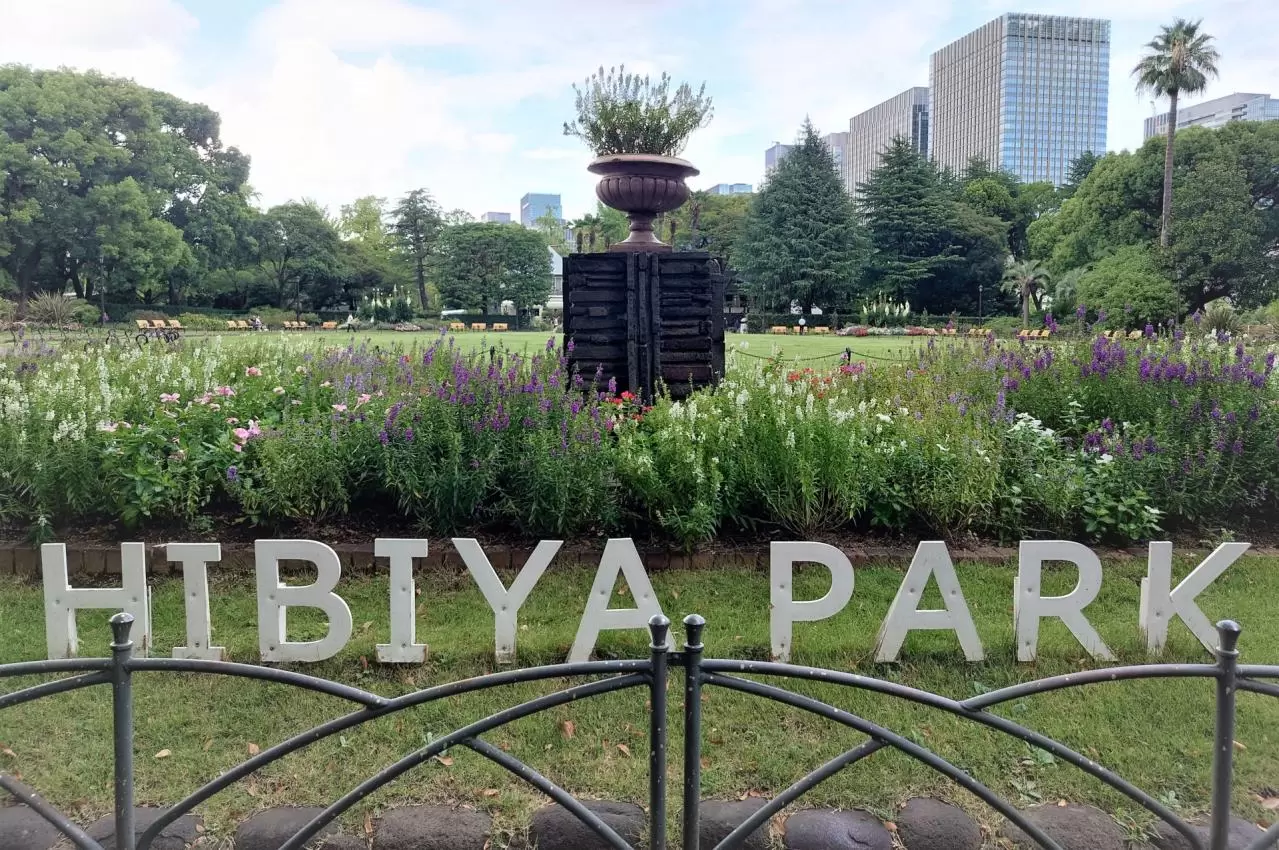
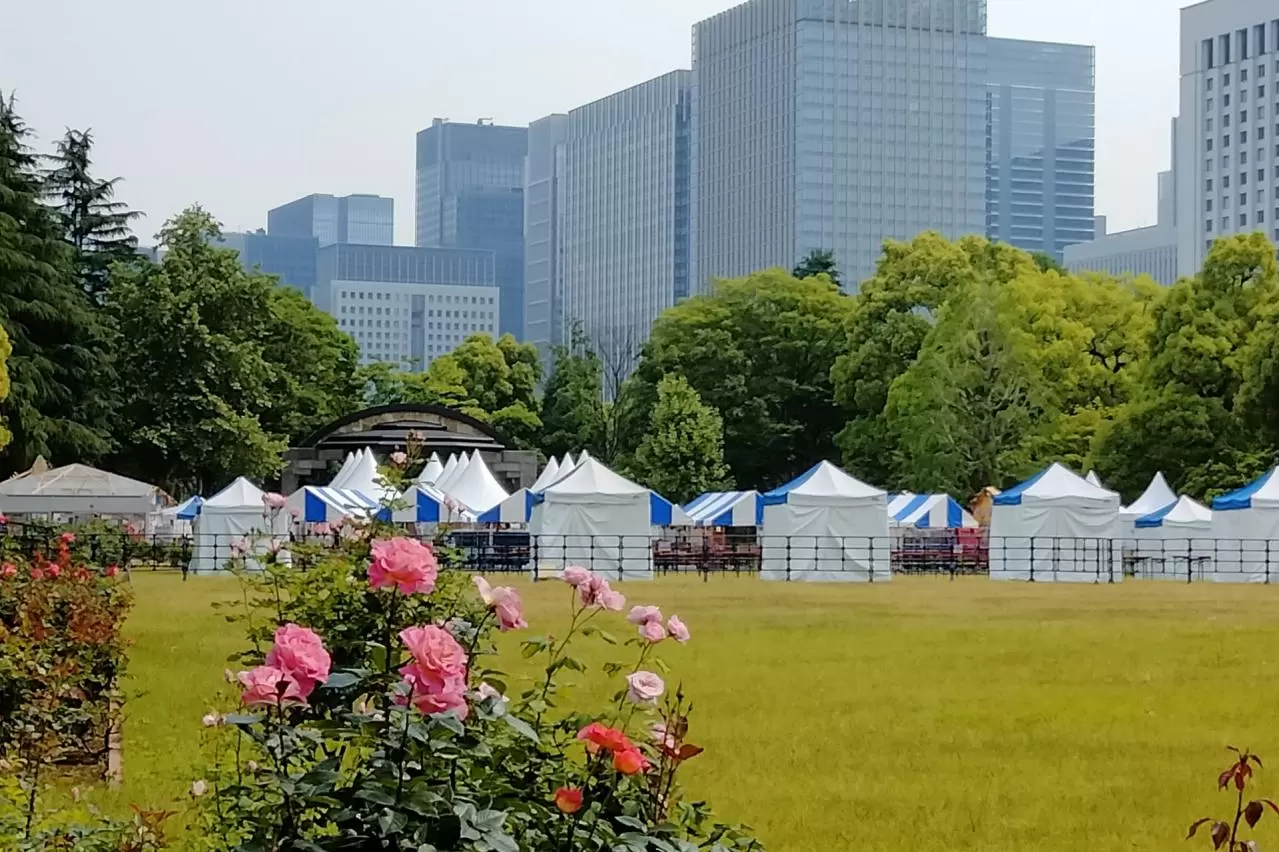
The “No. 1 Flower Bed,” which dates back to the park’s opening, was the first place in Japan to adopt a Western-style flower bed design. It was originally planted with many Western flowers that were rare in Japan at the time, such as tulips and pansies. Even today, seasonal flowers bloom beautifully and delight visitors. The “Pelican Fountain” within the flower bed was donated in 1953 with the sponsorship of a cement company, and its unique design leaves a strong impression.
Hibiya Mitsuke Ruins / Shinjike Pond
Inside the park, the stone walls of “Hibiya Mitsuke,” an Edo-period relic, remain. This was once one of the outer gates of Edo Castle and an important passage for feudal lords heading to the castle. The stone walls were built using a technique called nozurazumi, preserving early Edo-period stonework techniques to this day. The area has been developed as Shinjike Pond, named because the shape of the pond resembles the character for “heart” (心). Visitors can enjoy a graceful Japanese garden-like landscape.
The Hanging-Neck Ginkgo
One of the most striking trees in the park is the “Kubikake Ginkgo,” an enormous tree estimated to be 400 to 500 years old, with a trunk circumference of about 7 meters. It originally stood near the present-day Hibiya intersection, but just before it was to be cut down for road expansion, Dr. Seiroku Honda insisted that it should be transplanted “even if it cost him his own neck.” In 1902, the tree was transplanted over a distance of about 450 meters in 25 days. Today, it is cherished as a symbolic tree of Hibiya Park.
Cranes Fountain and Kumogata Pond
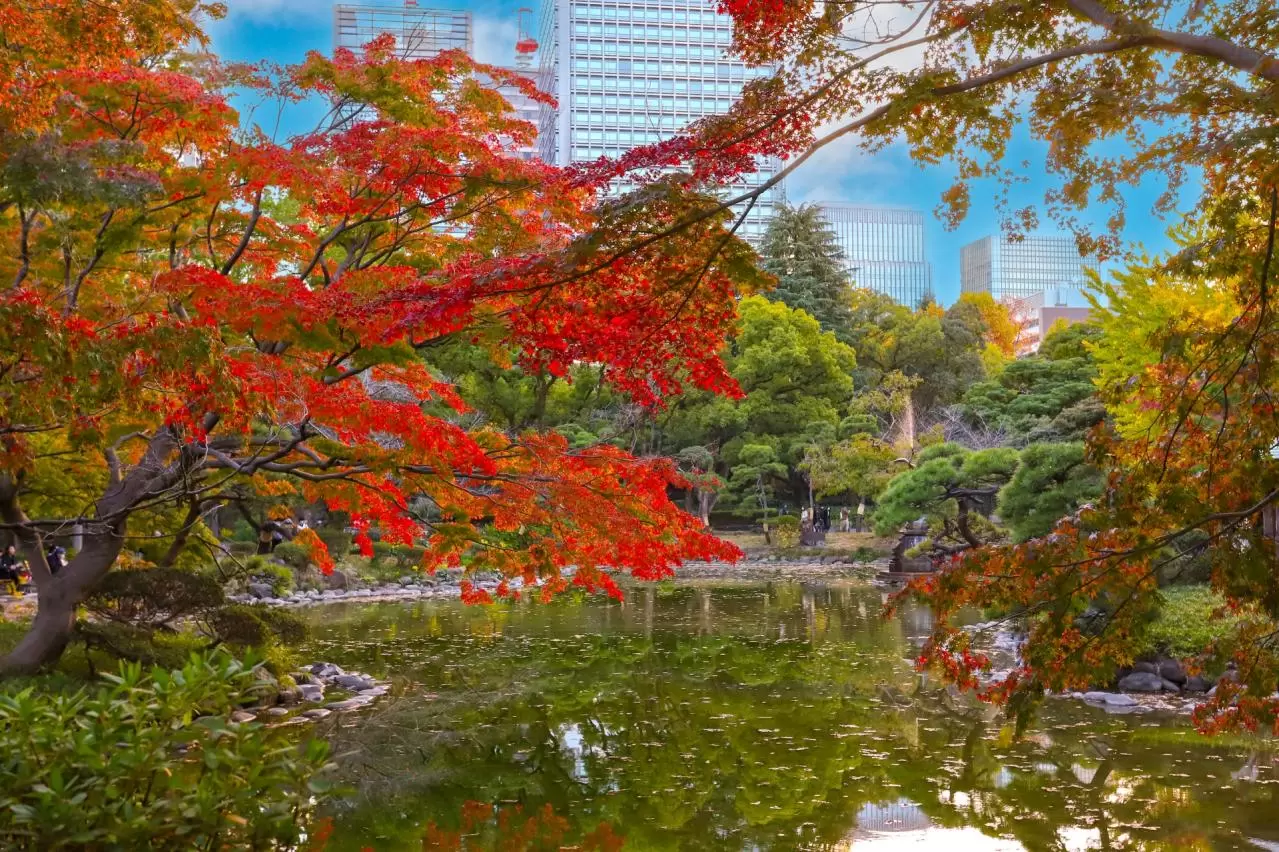
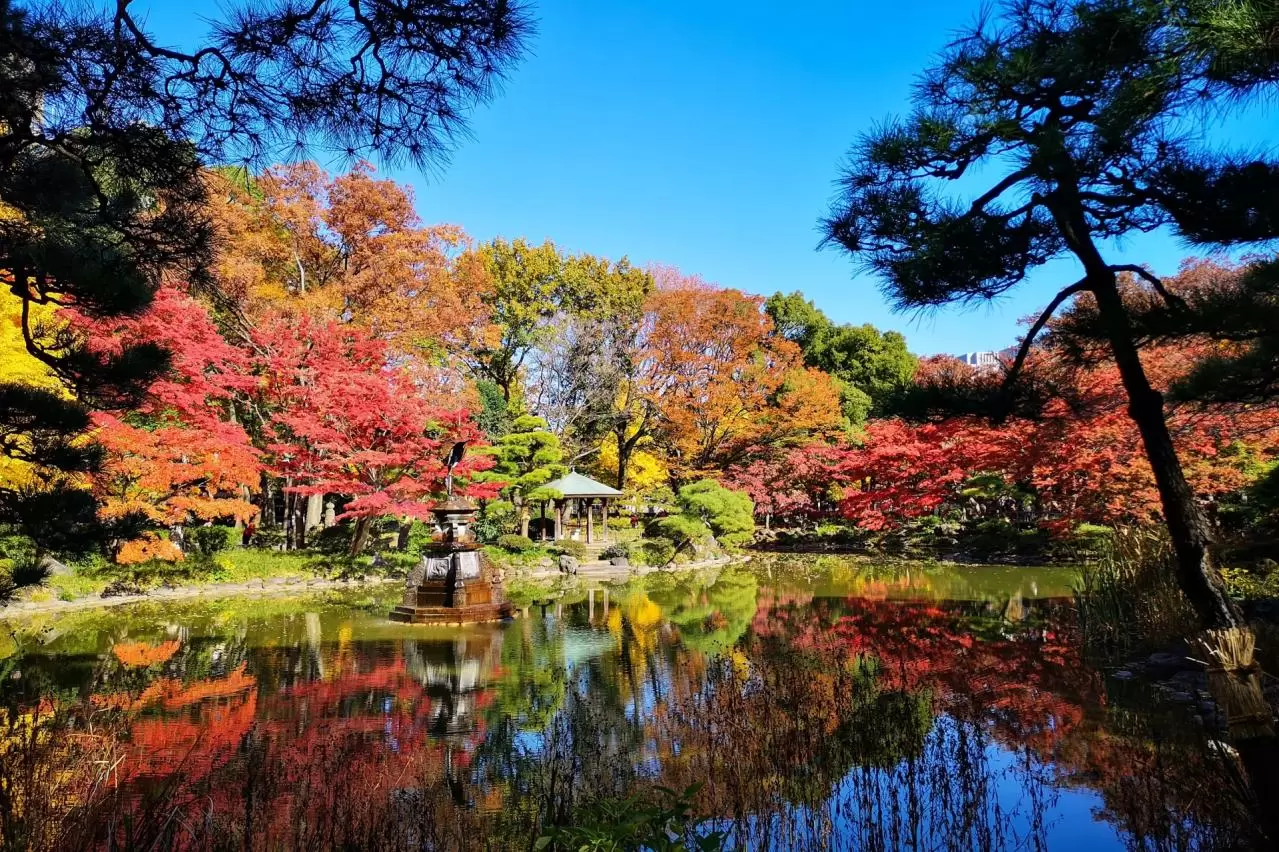
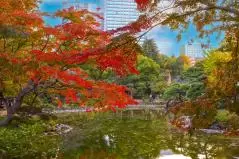
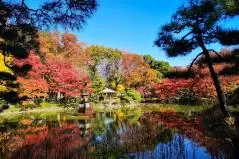
The “Crane Fountain,” a symbolic feature since the park’s opening, was temporarily removed during wartime and the pond was filled in, but it was restored after the war and continues to welcome visitors today. Kumogata Pond, where the fountain stands, is said to be the third-oldest artificial pond in Japan, and in autumn it offers a beautiful view of colorful foliage reflected on the water’s surface.
Events and Facilities
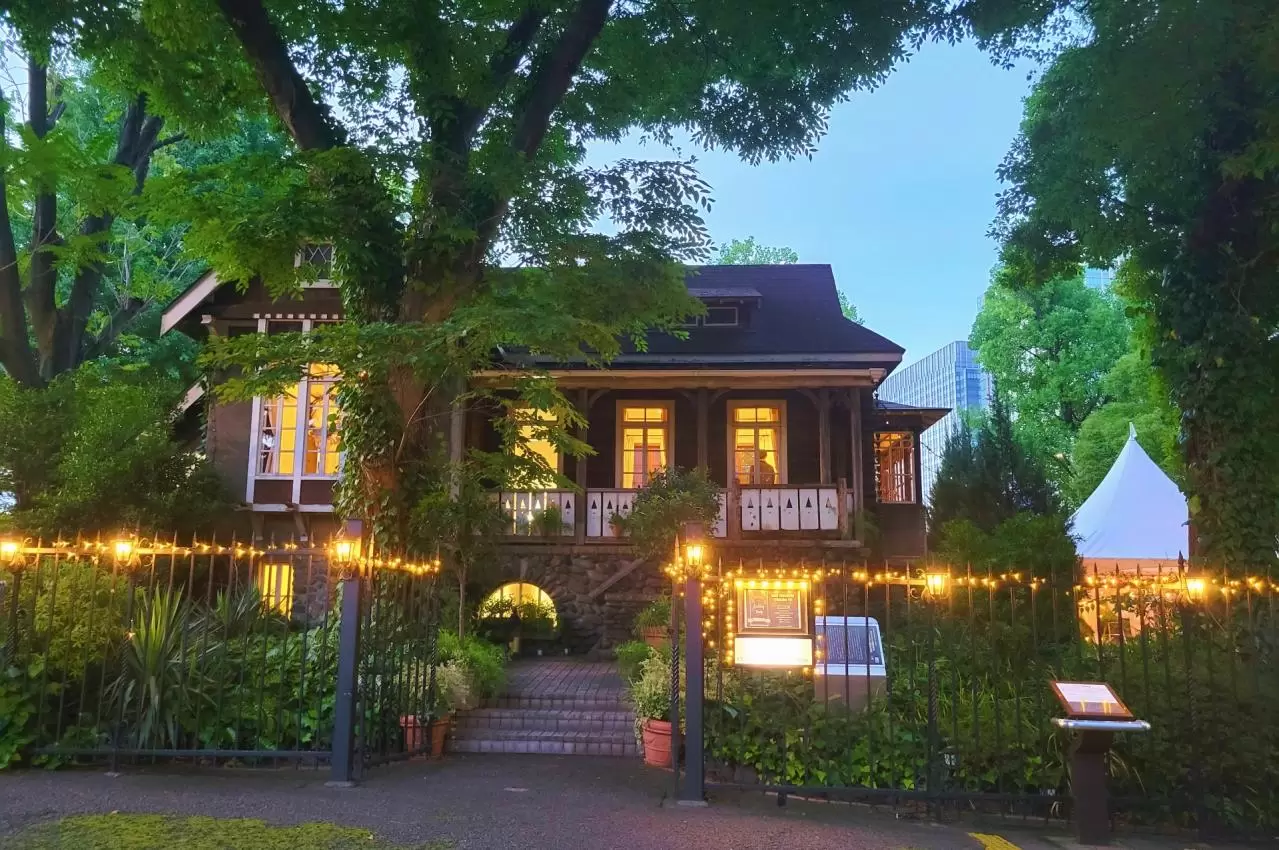
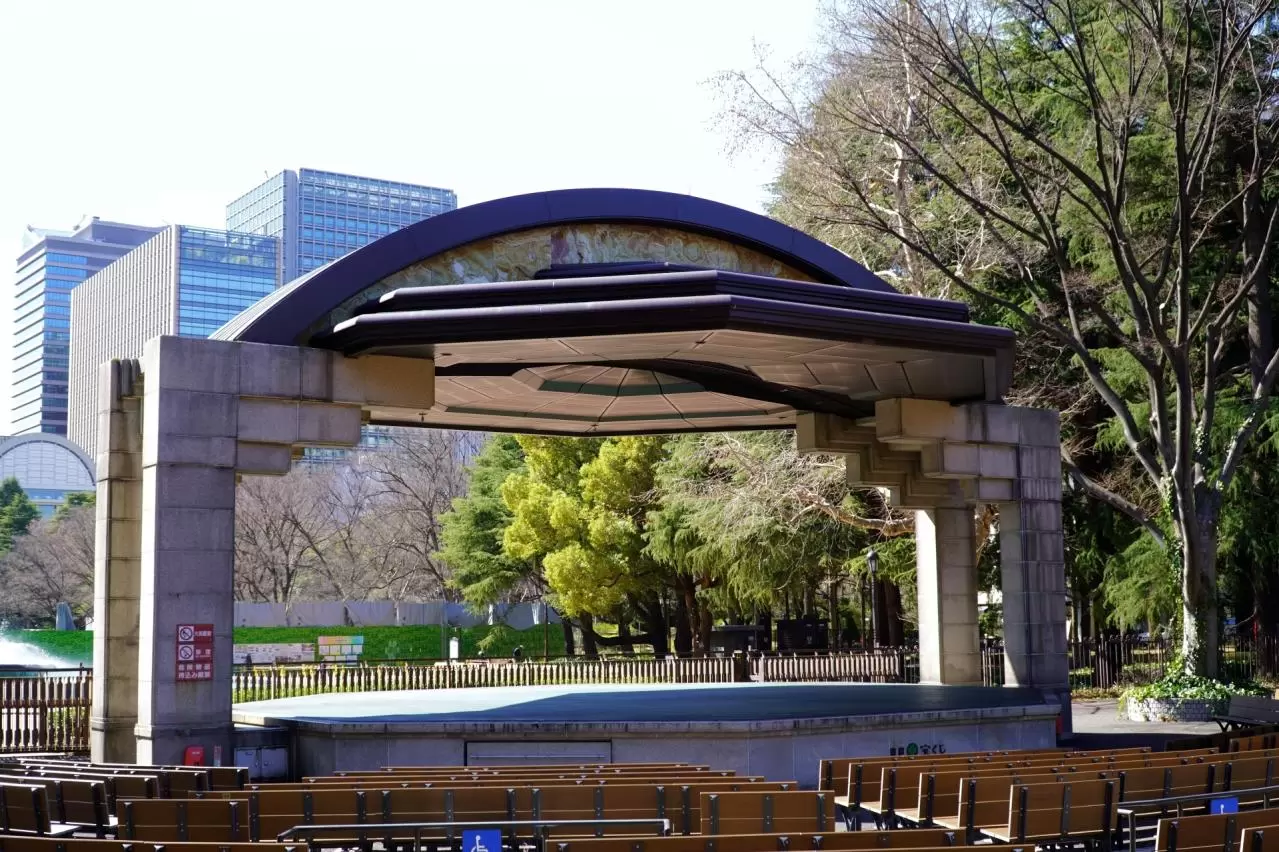
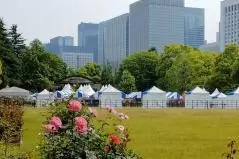
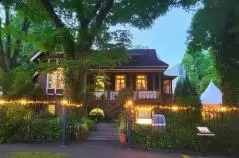
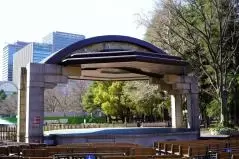
Hibiya Park is equipped with cultural facilities such as the Hibiya Open-Air Concert Hall and Hibiya Public Hall, where music events, lectures, and festivals are held throughout the year. The park also has cafés and restaurants scattered throughout, creating a space where visitors can relax even in the middle of the city.
The Appeal of Hibiya Park
As an urban park where nature, history, and culture come together, Hibiya Park was a pioneer of modern urban parks in Japan. Seasonal flowers and autumn leaves, landscapes featuring ponds and fountains, and a tranquil atmosphere that seems unimaginable in the center of the city bring comfort and relaxation to many people.
Because government offices and business districts are nearby, it is widely appreciated by a diverse range of visitors: office workers come on weekdays for a break, while families and tourists visit on weekends to stroll through the park.
Tokyo Tourist Attractions
View List
Roppongi Hills
Roppongi Hills, which was established in Roppongi, Tokyo, in 2003, is not just a cluster of buildings and commercial facilities; it is a city where diverse functions...

Mount Takao
Takao Mountain is a 599-meter high mountain located in Hachioji City, Tokyo. It is easily accessible by train from the city center, making it a great spot for casual...

Showa Kinen Park
Showa Kinen Park is a vast national park created to commemorate the 50th anniversary of Emperor Showa's reign, located across Tachikawa City and Akishima City in Tok...

Yomiuri Land
Yomiuriland offers a variety of attractions, including the thrilling roller coaster "Bandit," a large Ferris wheel, and the new Ferris Wheel "SKY-GO-LAND." In the su...

Tokyo Solamachi
Tokyo Solamachi is a large commercial facility located at the base of Tokyo Skytree®, boasting over 300 shops. It features a variety of fashion items, miscellaneous ...

Sunshine Aquarium
Sunshine Aquarium is an aquarium located on the rooftop of a building in Ikebukuro, Tokyo, themed as a "sky oasis." The outdoor area, brimming with a resort-like atm...

Hama-rikyu Gardens
Hamarikyu Gardens is a garden that combines the beauty of nature and history, located in the heart of Tokyo. This garden is divided into the South Garden and the Nor...

Ueno Ameyoko Shopping Street
Ueno Ameyoko Shopping Street is one of Japan's premier shopping streets, stretching about 500 meters between Ueno Station and Okachimachi Station, featuring around 4...