Architecture is a highlight
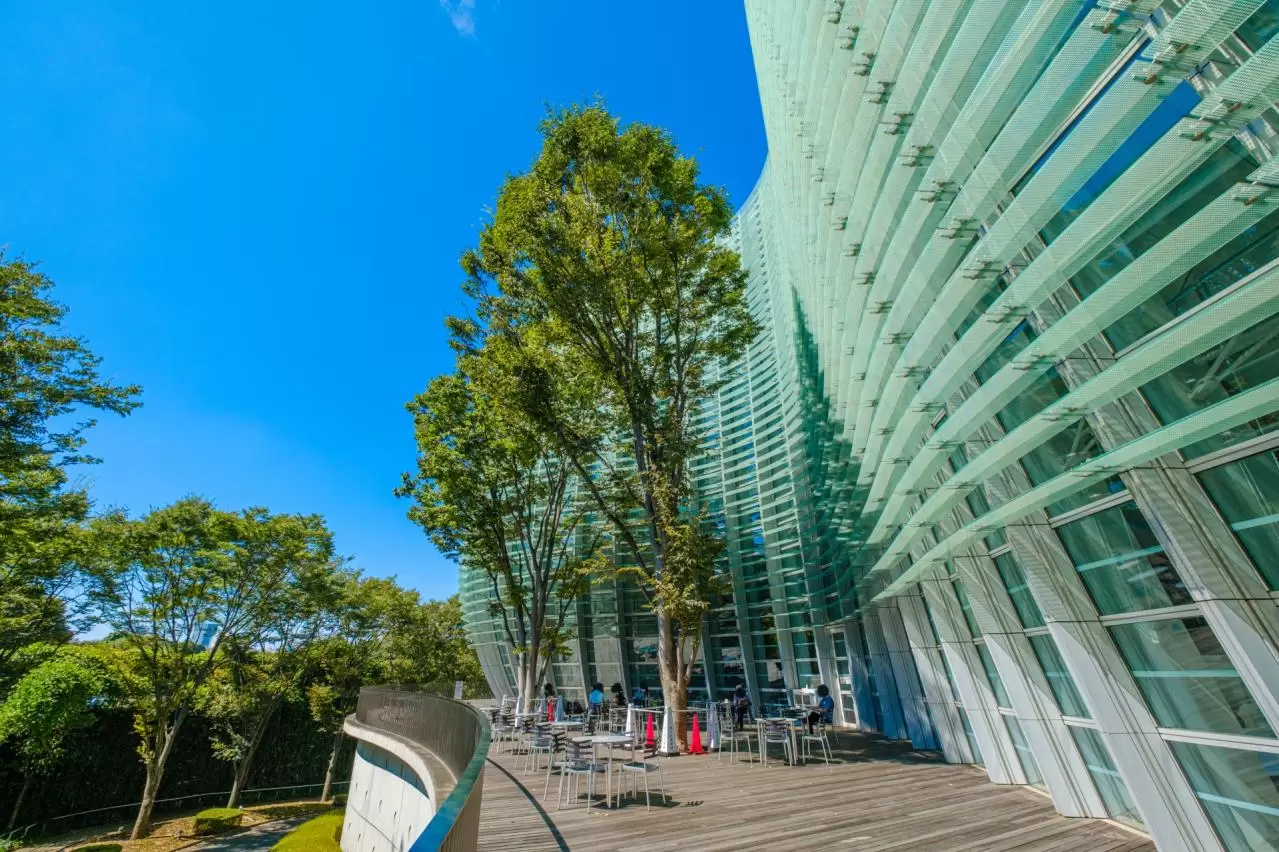
The undulating glass façade, designed by Kisho Kurokawa, makes a striking impression.
AI Summary
This is an AI-generated summary. Please check the official information for opening hours, fees, and closed days.
A major exhibition venue in Roppongi where the striking architecture is part of the experience.
The National Art Center, Tokyo, has no permanent collection and hosts a wide range of special and open-call exhibitions. Its glass architecture, designed by Kisho Kurokawa, is a highlight in its own right, so you can enjoy the building as well as the exhibitions.
The undulating glass façade, designed by Kisho Kurokawa, makes a striking impression.
With no permanent collection, the exhibitions often change, making it a place worth revisiting.
Alongside spacious galleries, the center has cafés and a relaxed atmosphere for taking a break.
Pair your visit with a walk around Roppongi, taking in the architecture before spending time exploring the exhibitions.
National Art Center, Tokyo — An Art Center Connecting the Future of Art and Architecture
The National Art Center, Tokyo, located in Roppongi in Japan’s capital city of Tokyo, is a museum highly regarded for both its art and architecture. Opened in 2007, it became the fifth facility under the Independent Administrative Institution National Museum of Art. Its architecture was designed by the late Kisho Kurokawa, one of Japan’s leading architects, and is also known as his final project completed during his lifetime.
A Futuristic Architectural Beauty
The museum’s most striking feature is its large, wave-like glass curtain wall, embodying Kisho Kurokawa’s philosophy of “symbiosis.” Designed to make the most of openness and natural light, the building aims to create harmony between urban space and people. At the south-facing main entrance, the curve of the glass gives the impression of hands reaching up toward the sky.
The interior is also full of highlights. In the 21.6-meter-high entrance lobby, two gigantic inverted cone-shaped structures are installed, with a restaurant and a café located at the top of each. In addition, the “light wall,” made by arranging wood at regular intervals, emits a beautiful, soft glow and offers visitors a sense of calm.
At night, the entire museum glows gently from within, creating a fantastical atmosphere like a paper lantern. One of the charms of the architecture is that it offers completely different impressions by day and by night.
Exhibitions and Activities
What makes the National Art Center, Tokyo, especially unique is that it is a museum with no permanent collection. Instead of a permanent exhibition, it makes use of one of Japan’s largest exhibition spaces—approximately 14,000 square meters—to host a wide variety of special exhibitions, open-call exhibitions, and shows organized by art groups. Not only contemporary art, but also a broad range of artistic expression across genres such as architecture, design, fashion, manga, and anime is introduced here.
Main Programs and Initiatives
1. Exhibition Programs
By showcasing art from different eras, regions, and fields, the museum strives to present new perspectives and values through art. It provides exhibition opportunities for art groups from across Japan and supports the development of contemporary art.
2. Information and Research Materials Collection and Provision
The museum makes materials, especially exhibition catalogs from the latter half of the 20th century onward, available through its Art Library, while also compiling and providing information on exhibitions held in Japan. It is also engaged in collecting and organizing valuable materials useful for research into modern and contemporary Japanese art.
3. Educational Outreach Programs
Through lectures, symposiums, gallery talks, and workshops with artists, the museum offers a diverse range of hands-on programs that create opportunities to enjoy art more deeply. It also actively supports the development of future cultural and artistic professionals through internships and volunteer activities.
4. International Collaboration Programs
By collaborating with overseas museums, universities, artists, companies, and international organizations, the museum promotes the dissemination and exchange of art and culture from a global perspective. As befitting an international city like Tokyo, it serves as a place where diversity and inclusiveness are realized through art.
User-Friendly Design and Services
The National Art Center, Tokyo, aims to be a facility that is friendly to everyone. It offers stroller rentals and childcare services provided three times a month, making it considerate and welcoming for those raising children.
In addition, the glass-enclosed see-through elevators do not have a “close” button. This reflects Kisho Kurokawa’s wish that visitors should not rush through time, but instead engage with art in a relaxed state of mind, while also fully considering safety.
Why not experience the luxury of simply spending quiet time away from the bustle in a museum space? Your encounter with art is sure to bring richness to your everyday life.
Tokyo Tower has been loved by many as a landmark of Tokyo since it opened in 1958. This multi-purpose broadcasting tower stands at a height of 333 meters and is loca...
Roppongi Hills, which was established in Roppongi, Tokyo, in 2003, is not just a cluster of buildings and commercial facilities; it is a city where diverse functions...
The National Diet Building is the center of Japan's legislature, located a 3-minute walk from Tokyo Metro's Nagatacho Station. Construction began in 1920 and was com...
The National Museum of Emerging Science and Innovation, commonly known as Miraikan, opened in Odaiba, Tokyo, in 2001. It is operated by the Japan Science and Technol...
The Kanda Matsuri is one of the three great festivals of Edo, held at Kanda Myojin Shrine, and is a grand celebration that conveys the traditions of Tokyo to the pre...
The Ghibli Museum, Mitaka is situated within Inokashira Park in Mitaka City, Tokyo, and offers a chance to experience the world of Studio Ghibli. Opened in 2001 unde...
Ikebukuro's landmark "Sunshine City" is one of Japan's largest complex facilities, opened in 1978. It features a variety of attractions including an aquarium, planet...
The National Museum of Western Art is the only national museum in Japan dedicated to Western art, located within Ueno Park in Tokyo. It opened in 1959 and was design...