Ueno Ameyoko Shopping Street
Ueno Ameyoko Shopping Street Movies




Basic Information
- Spot Name
- Ueno Ameyoko Shopping Street
- Location
- 〒110-0005 6-10-7 Ueno, Taito-ku, Tokyo (Ameyoko Shopping Street Federation)
- Access
- Immediately at the Shinobazu Exit of JR Yamanote Line, Keihin-Tohoku Line, Joban Line Rapid Service, Tohoku Main Line, Takasaki Line, and Shinkansen "Ueno".
A 2-minute walk from Exit 7 of Tokyo Metro Ginza Line and Tokyo Metro Hibiya Line "Ueno".
Immediately at the North Exit of JR Yamanote Line and Keihin-Tohoku Line "Okachimachi".
Immediately at the A2/A5/A7 exits of Tokyo Metro Ginza Line "Ueno Hirokoji".
Immediately at the A2/A5/A7 exits of Tokyo Metro Hibiya Line "Nakano Okachimachi".
Immediately at the Main Entrance of Keisei Main Line "Keisei Ueno". - Parking
- Please use the nearby paid parking facilities.
- Business Hours
- Varies by store.
- Regular Holiday
- Open year-round.
- Contact Information
- Phone Number:03-3832-5053(アメ横商店街連合会)
- Official Website
Map
Detailed Information
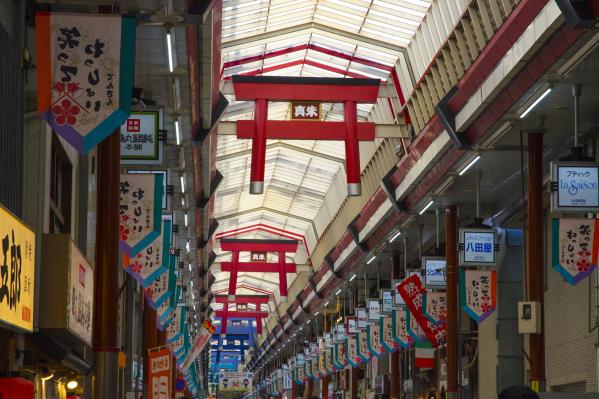
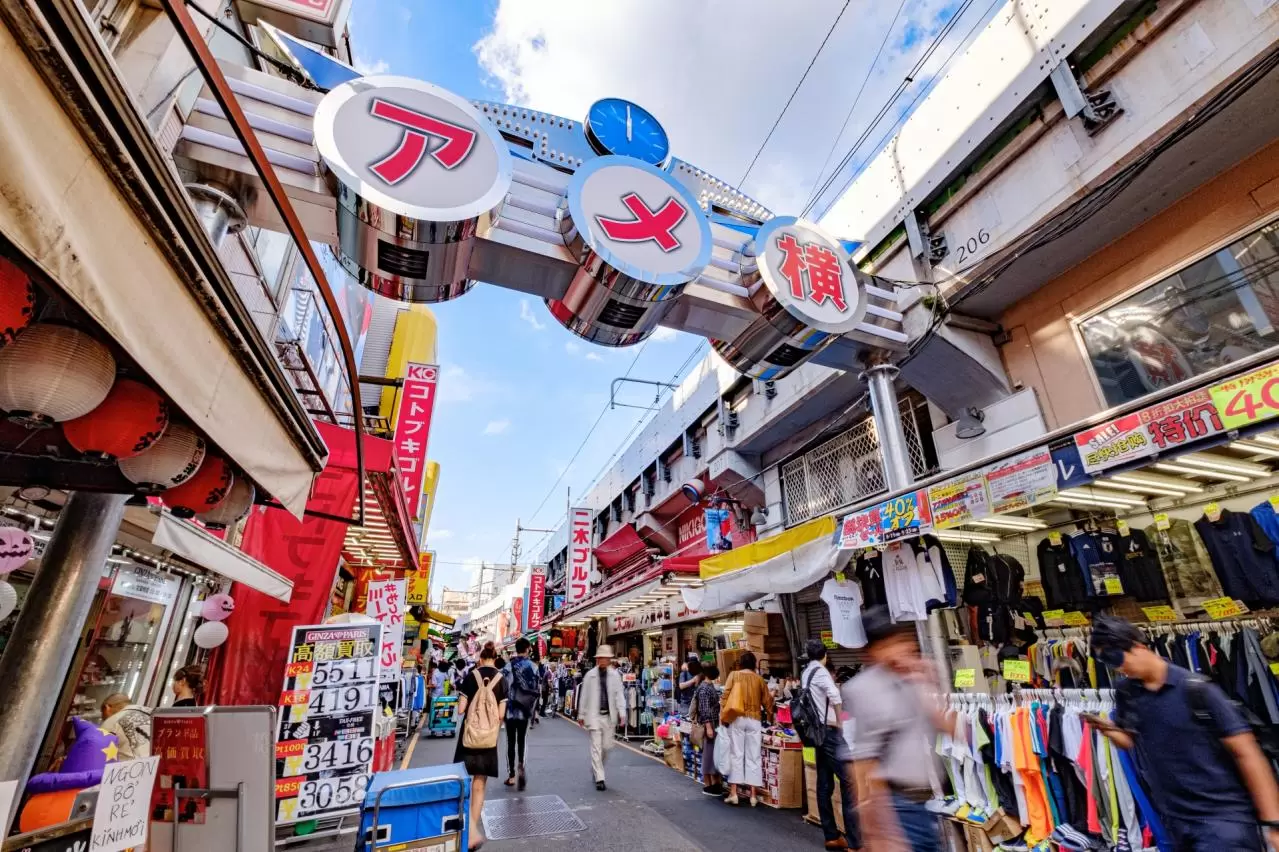
Ueno Ameyoko Shopping Street is a lively shopping district in Taito City, Tokyo, where about 400 stores line a stretch of roughly 500 meters between JR Ueno Station and Okachimachi Station. Commonly called “Ameyoko,” it is short for “Ameya Yokocho,” and there are several theories about the origin of the name. Some say it came from “Ameya” because American goods were once sold there, while others suggest it refers to the many candy shops or to the alley-like layout; in any case, the name is said to reflect the chaotic postwar period.
This shopping street traces its roots to a black market that emerged naturally during the post–World War II era of severe shortages. Amid a lack of controlled goods, about 400 demobilized soldiers who had returned from Manchuria formed a community and attempted to regulate storefronts, aiming for orderly commercial activity rather than domination by gang-run markets. As a result, it developed into the organized shopping street seen today.
Today, Ameyoko offers an incredibly wide variety of goods, including seafood, fresh foods, sweets, spices, ethnic ingredients, clothing, miscellaneous goods, accessories, cosmetics, sneakers, and vintage jeans. In particular, the “Ameyoko Plaza Shopping Street” under the JR elevated tracks is home to many distinctive specialty shops, offering everything from everyday necessities to tourist souvenirs. Meanwhile, “Ueno Center Mall” features many stores that retain a Showa-era atmosphere, and items that evoke Ameyoko’s history, such as sukajan jackets, are especially popular.
One of Ameyoko’s biggest attractions is the chance to bargain face-to-face. Many shops are flexible with price negotiations, making shopping itself a kind of entertainment. However, excessive haggling is considered impolite, so it is best to enjoy it in moderation. Especially near closing time in the evening, fresh foods such as seafood may be heavily discounted, and many people visit hoping to catch these bargains.
Ameyoko is crowded with visitors throughout the year, but the year-end scene is especially noteworthy. It overflows with people buying ingredients for New Year’s dishes and gifts, and it is said that between 1.5 million and 2 million people visit over just five days. This spectacle is often featured on news programs and internet media and has become a familiar winter tradition in Tokyo.
The shopping street also offers a rich selection of food perfect for snacking while walking, ranging from light meals and trendy sweets to izakaya pubs where you can enjoy bar-hopping. Another reason it is highly rated by international visitors is the chance to experience food cultures from around the world.
Store hours vary by shop, but many open around 9:00 to 10:00 a.m. and close around 7:00 p.m. Some restaurants open early in the morning, so it is also possible to enjoy breakfast there.
Often described as a “department store of the alleyways,” Ameyoko Shopping Street is appealing not only for shopping, but also for the once-in-a-lifetime encounters that arise through interactions with the shop staff. Why not enjoy shopping itself as entertainment at Ameyoko, where there is something new to discover every time you visit?
Tokyo Tourist Attractions
View List
Yomiuri Land
Yomiuriland offers a variety of attractions, including the thrilling roller coaster "Bandit," a large Ferris wheel, and the new Ferris Wheel "SKY-GO-LAND." In the su...

Tokyo National Museum
Founded in 1872, the Tokyo National Museum is the oldest museum in Japan, focusing on Japanese and Asian art and archaeology. Located in Ueno Park, Taito-ku, Tokyo, ...

Shinjuku Gyoen National Garden
Shinjuku Gyoen is a beloved natural retreat located in the heart of Tokyo. The garden has a deep history, originally rooted in a daimyo residence granted to Naito Ki...

Kanda Matsuri
The Kanda Matsuri is one of the three great festivals of Edo, held at Kanda Myojin Shrine, and is a grand celebration that conveys the traditions of Tokyo to the pre...

Akihabara Electric Town
Akihabara Electric Town is a globally renowned hub of Japanese pop culture. Affectionately known as "Akiba," the area is bustling with specialty stores for anime, ma...

Tokyo Tower
Tokyo Tower has been loved by many as a landmark of Tokyo since it opened in 1958. This multi-purpose broadcasting tower stands at a height of 333 meters and is loca...

Tokyo Daijingu
Tokyo Daijingu, affectionately known as "Ise-sama of Tokyo," was established in 1880 as a worship hall for Ise Jingu. It enshrines the deities Amaterasu Omikami, Toy...

Edo-Tokyo Museum
The Edo-Tokyo Museum in Tokyo is a cultural facility that opened in 1993, dedicated to teaching about the history and culture of Tokyo over approximately 400 years, ...