A surprisingly spacious escape in the city
Enjoy a broad, peaceful green space just a short distance from Shinjuku.
AI Summary
This is an AI-generated summary. Please check the official information for opening hours, fees, and closed days.
A spacious garden in central Tokyo where you can enjoy the seasons at a leisurely pace.
Shinjuku Gyoen National Garden offers peaceful greenery and wide walking paths in the heart of the city. Its Japanese, French formal, and English landscape gardens sit alongside seasonal highlights such as cherry blossoms, autumn leaves, and a greenhouse. Since exploring means plenty of walking, allow enough time for your visit.
Enjoy a broad, peaceful green space just a short distance from Shinjuku.
See Japanese, French formal, and English landscape gardens in one visit.
Cherry blossoms, autumn leaves, chrysanthemum displays, and greenhouse plants make each season feel different.
Enter through Shinjuku Gate, then visit the lawn area and Japanese garden before heading to the greenhouse to see the highlights in a shorter visit.
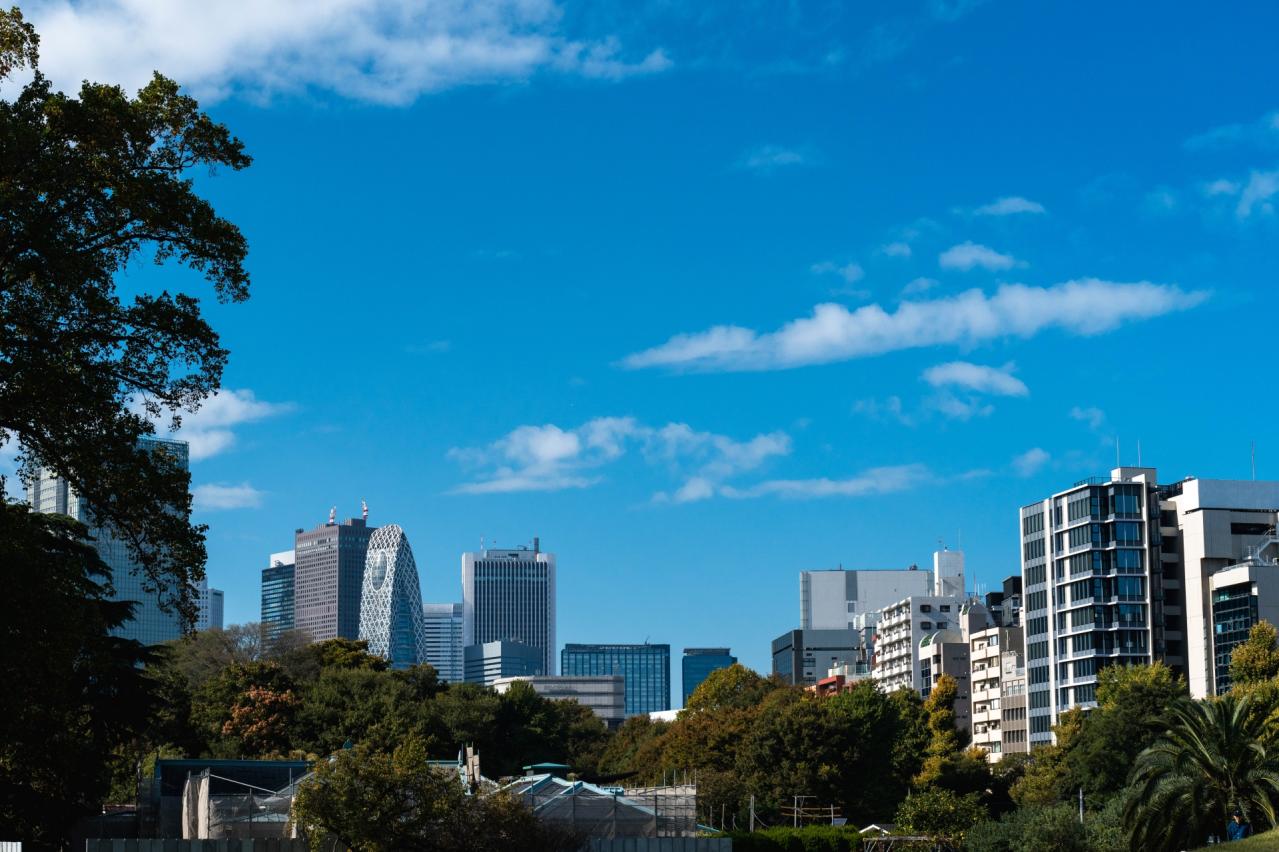
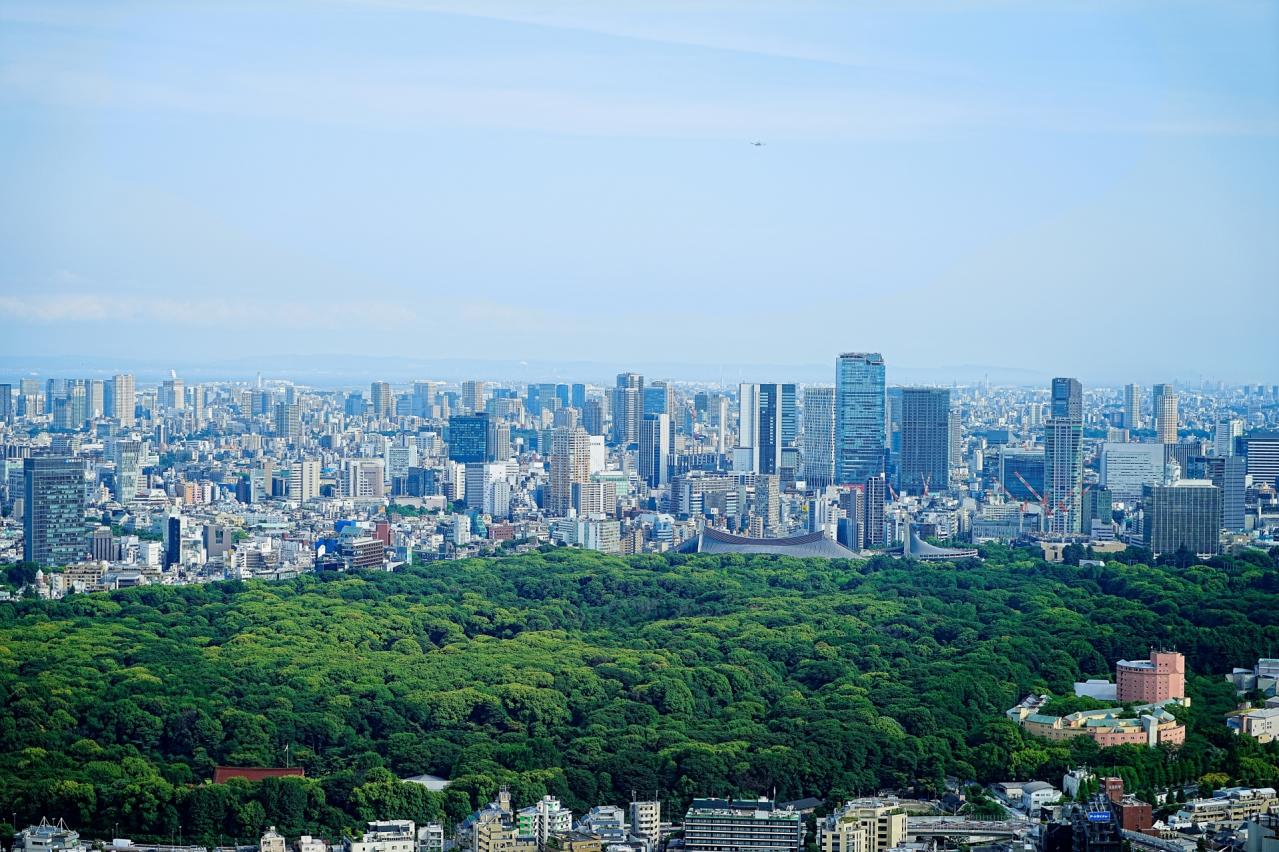
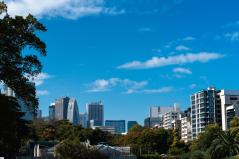
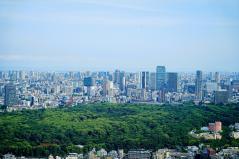
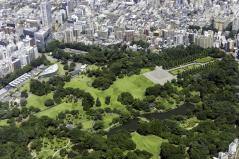
Shinjuku Gyoen is a vast garden stretching across Shinjuku and Shibuya wards in Tokyo. Even though it is located in the heart of the city, it is beloved by many as a healing space surrounded by rich nature and tranquility. Covering approximately 58.3 hectares with a perimeter of about 3.5 kilometers, it is an ideal place for strolling and admiring the scenery.
Historical Background
The origins of Shinjuku Gyoen date back to the Edo period, when Naito Kiyonari, a retainer of Tokugawa Ieyasu, was granted the feudal lord’s residence known as the “Naito family lower mansion.” During the Meiji period, it was used as an agricultural experiment station, and in 1906 (Meiji 39) it was developed into an imperial garden. After the war, it was opened to the public in 1949 as a national park, and today it is widely accessible as a garden under the jurisdiction of the Ministry of the Environment.
Garden Composition
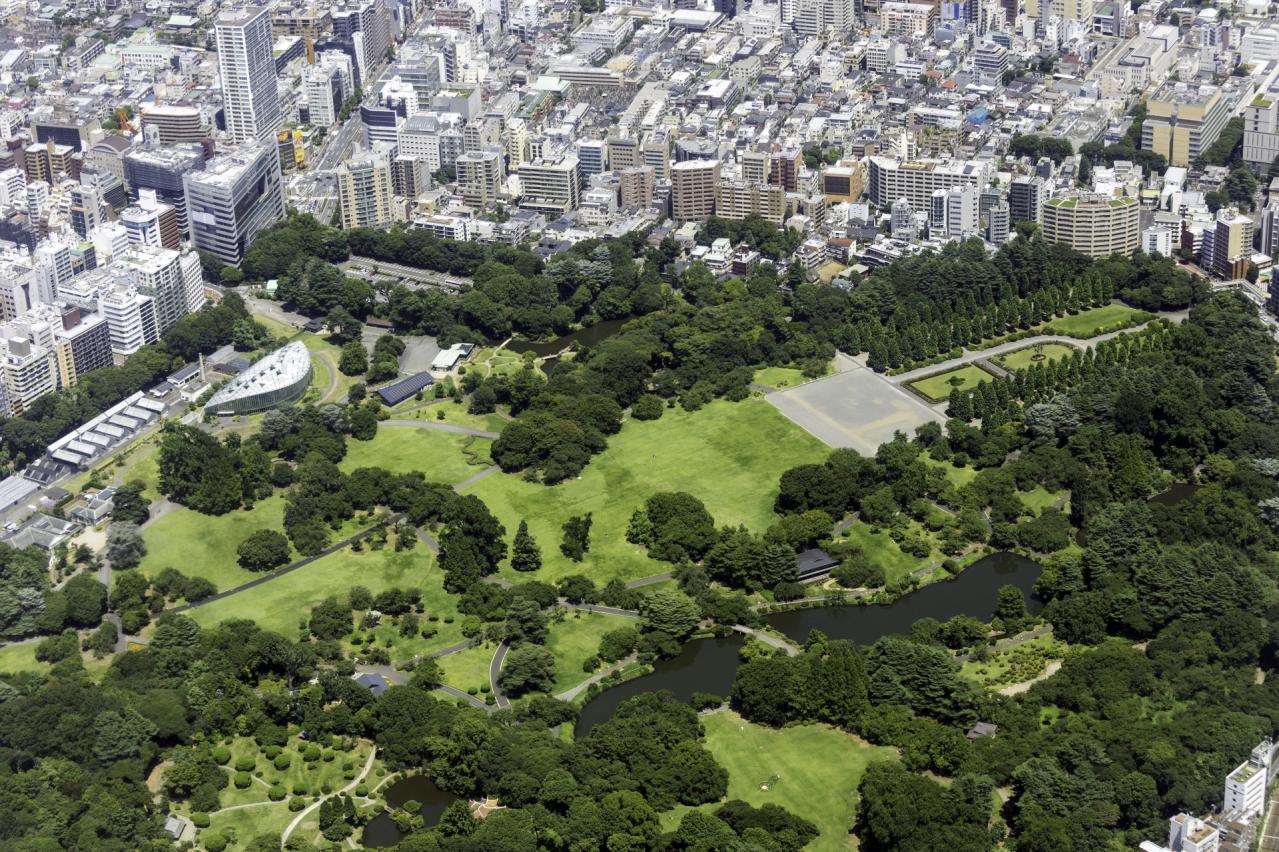
Shinjuku Gyoen is a rare garden in Japan, featuring a superb harmony of three styles: a Japanese garden, a formal garden (French style), and a landscape garden (English style).
Japanese Garden
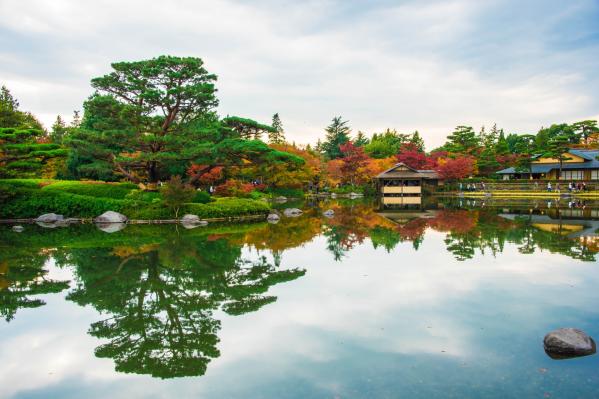
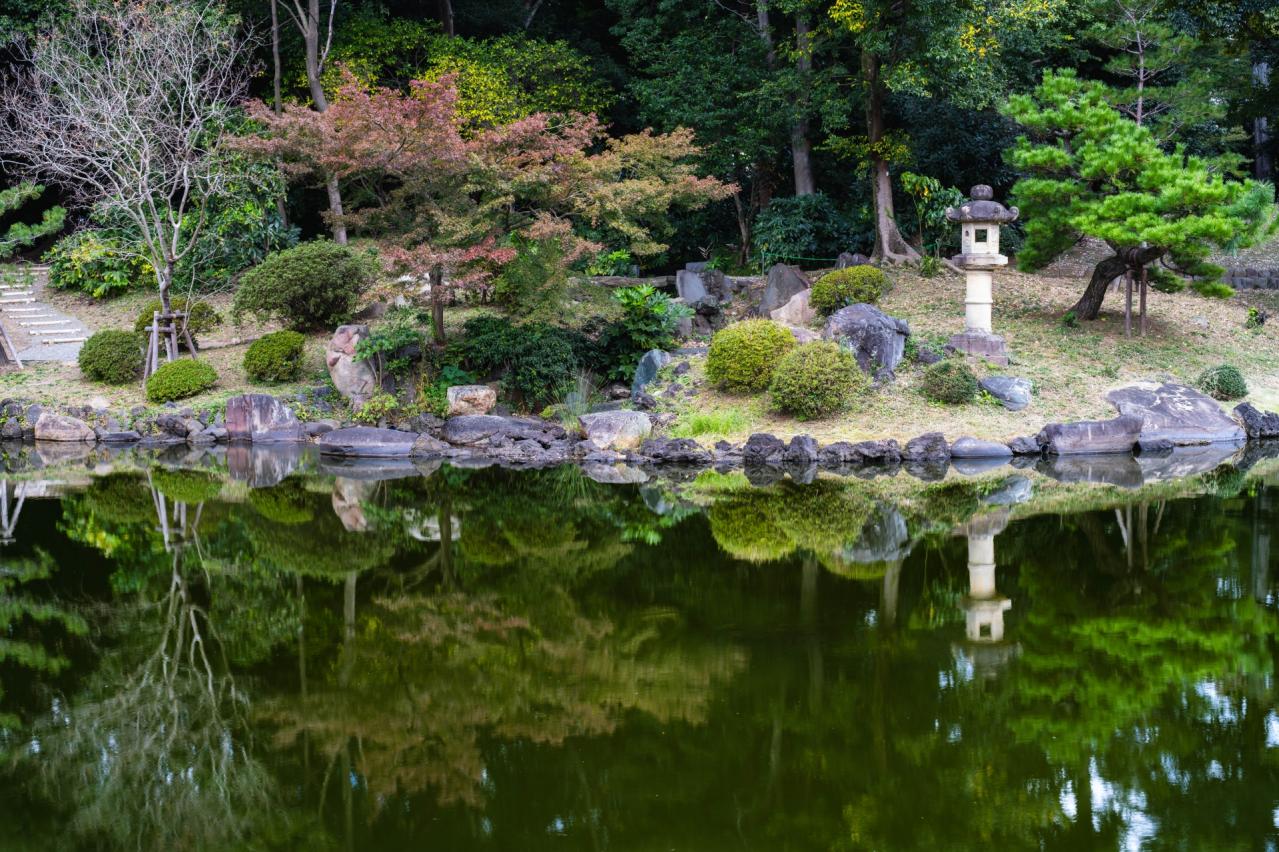
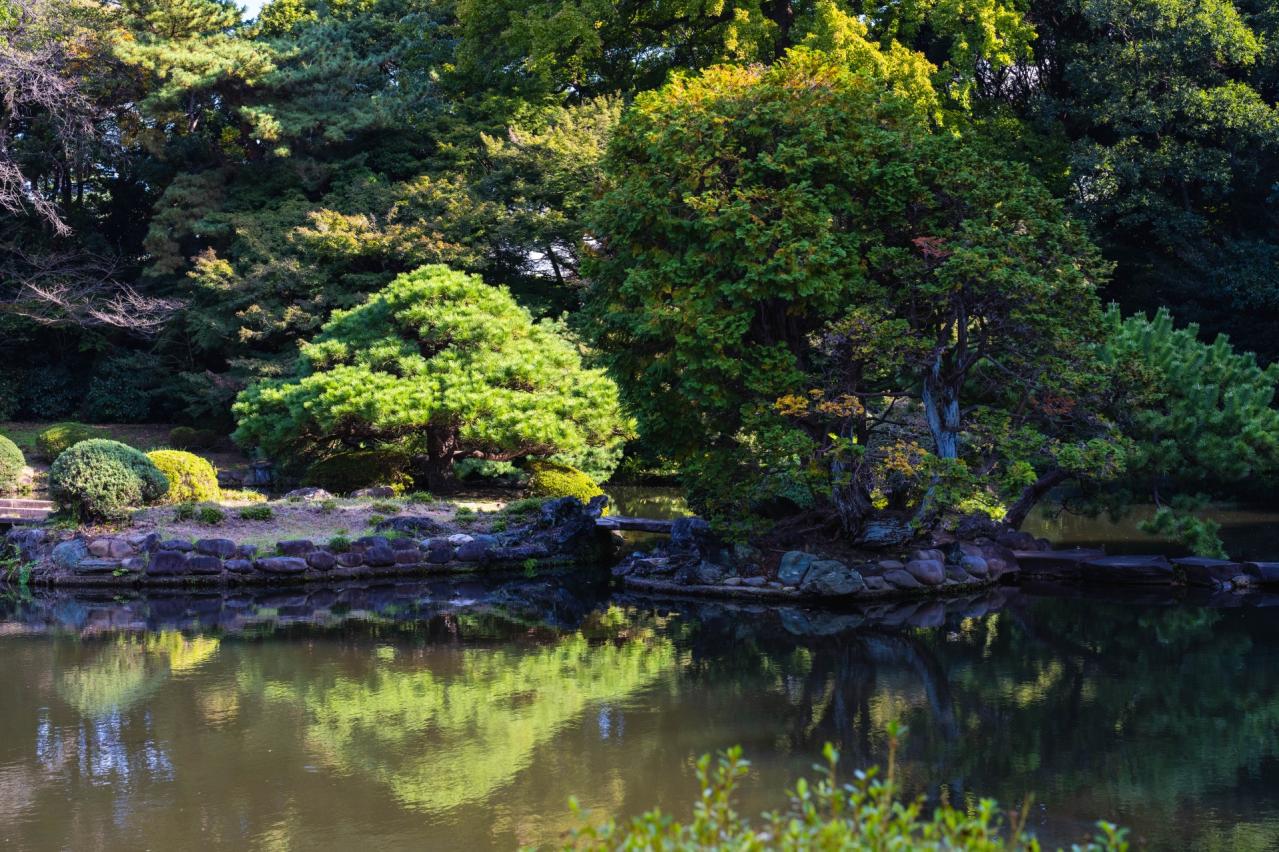
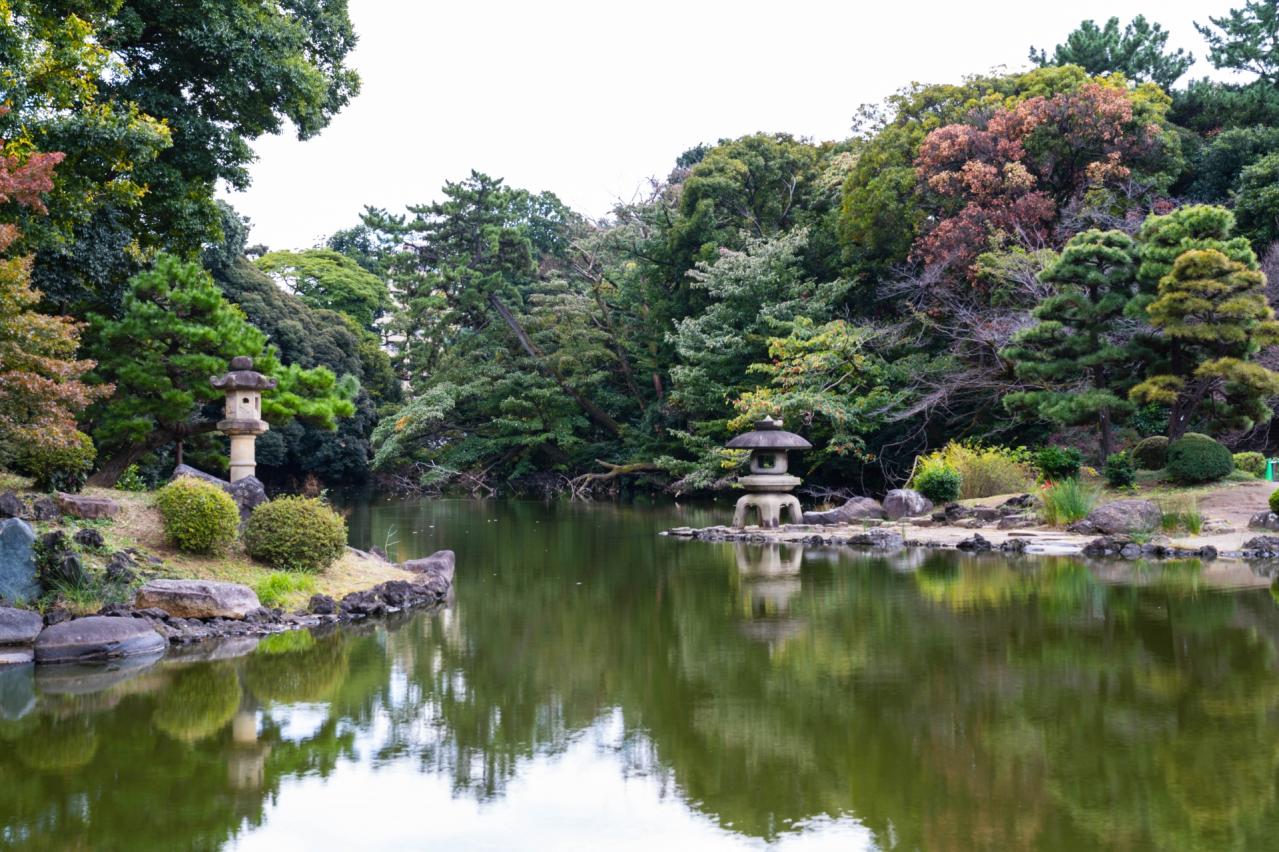
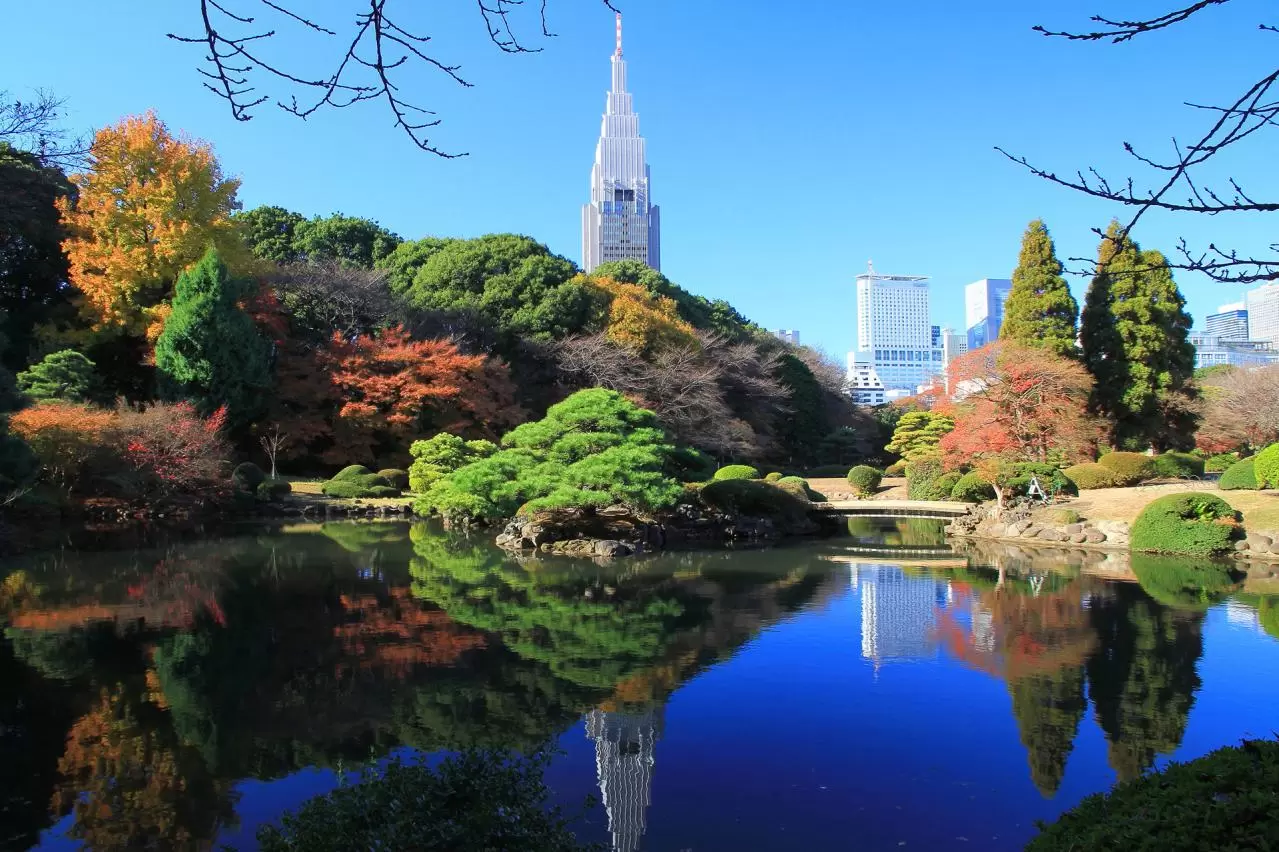
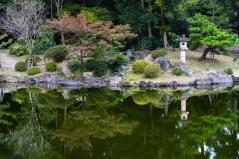
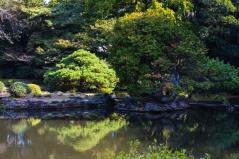
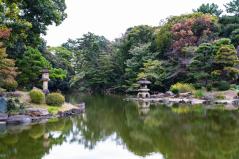
Centered around a large pond with paths winding around it, this pond-stroll garden preserves the atmosphere of the Edo period. It was renovated in the early Showa period and is now an elegant setting for events such as the autumn “Chrysanthemum Exhibition Associated with the Imperial Family.” It is also known as a famous spot for autumn foliage.
Formal Garden (French Style)
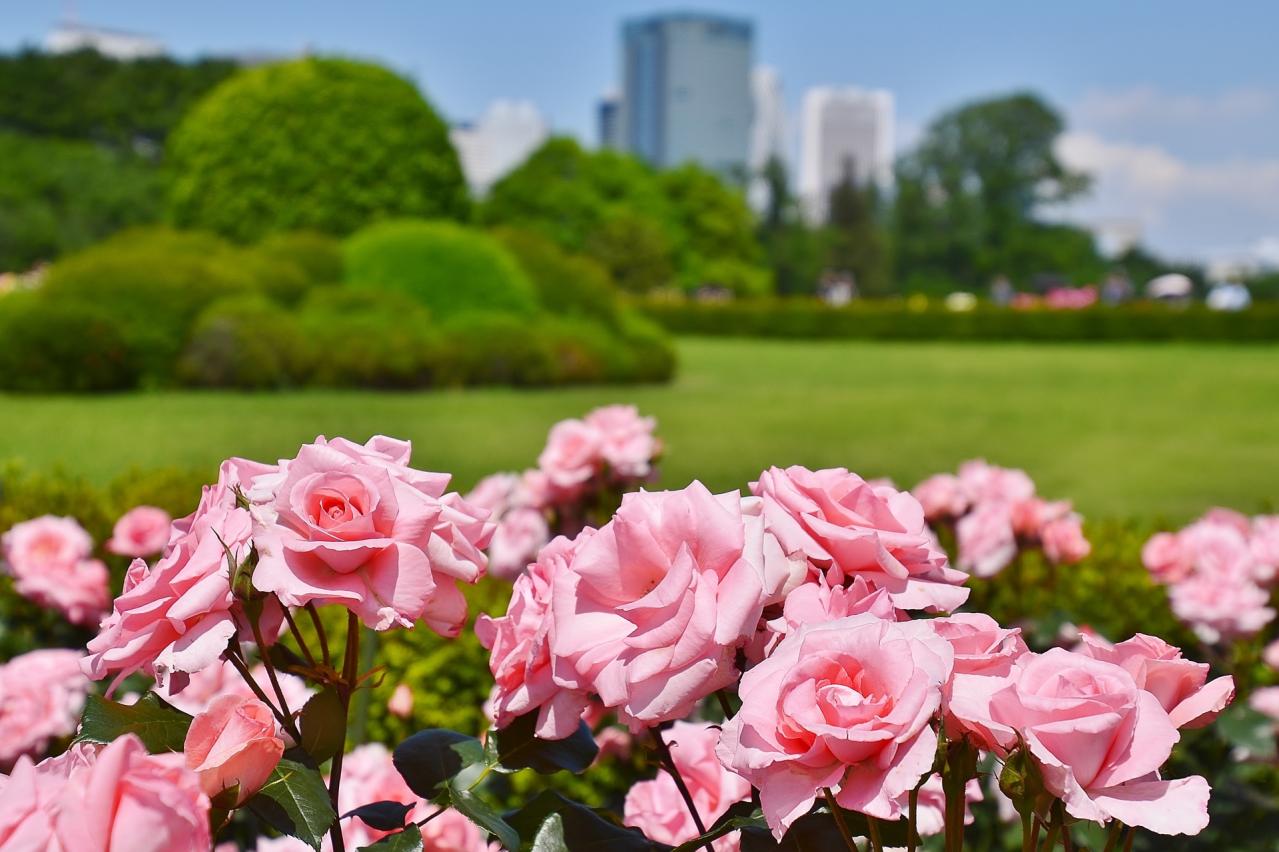
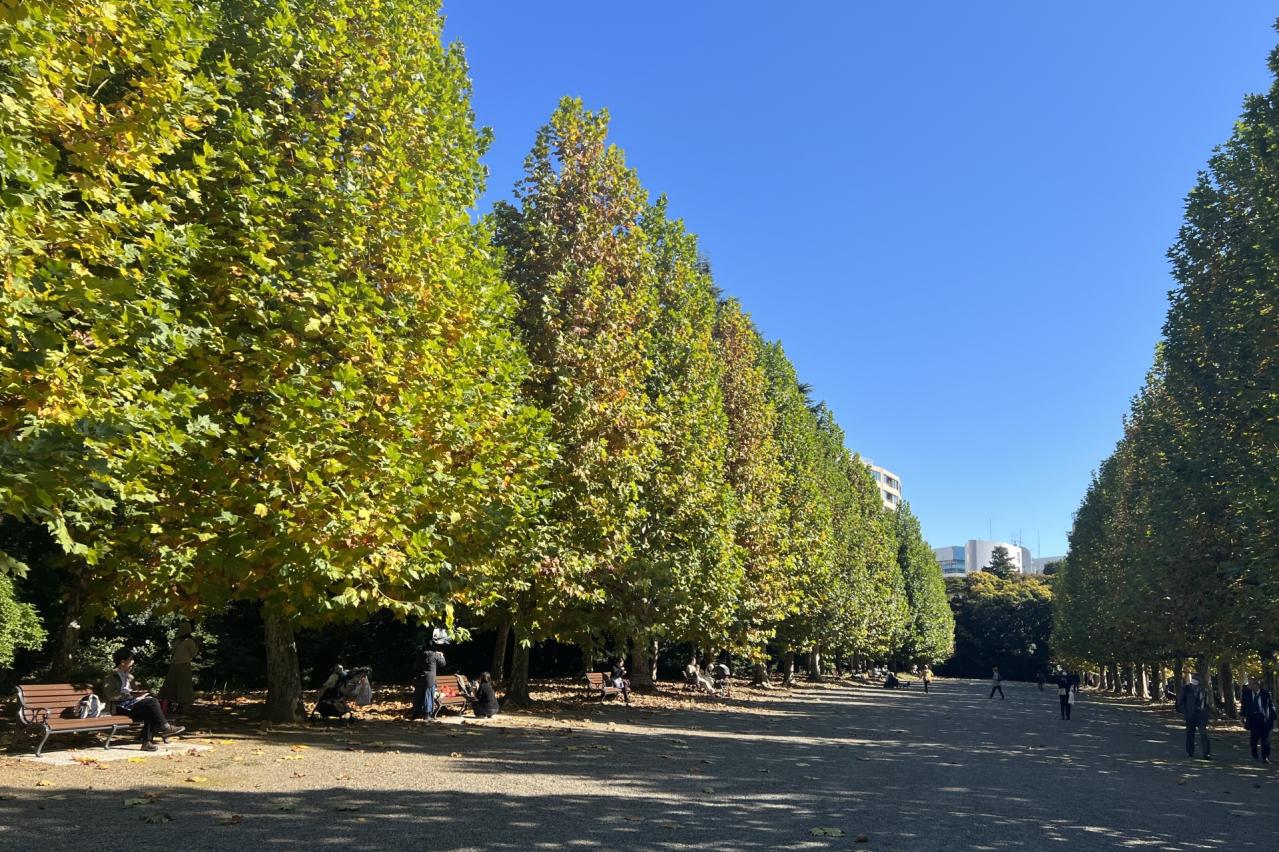
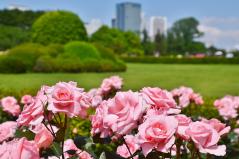
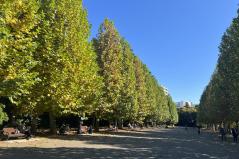
This garden is characterized by its beautiful symmetrical design. The central rose bed features about 100 varieties and roughly 500 rose bushes blooming in vibrant colors. On both sides, about 140 plane trees are planted in four rows, creating a sense of grandeur reminiscent of a European court garden.
Landscape Garden (English Style)
This spacious lawn garden is distinguished by its large trees standing naturally across the open space. At the center of the vista line leading from Shinjuku Gate to the Formal Garden stands the symbolic tulip tree, which rises more than 30 meters high and creates beautiful scenery throughout the seasons.
Notable Facilities
Tamamo-ike Pond
This area preserves the atmosphere of the former Naito family estate from the Edo period. It was once known as a scenic spot called “Tamagawa-en,” featuring a man-made hill, valley, and a palace.
Mother and Child Forest
Opened in 1985, this nature observation field was created to help children interact with nature close to home and nurture their sensitivity and environmental awareness. It is a place where visitors can encounter insects, wildflowers, and small animals.
Greenhouse
The greenhouse at Shinjuku Gyoen began with an experimental glasshouse built in 1875 and was improved over time. The current greenhouse was renewed in 2012. It cultivates and displays about 2,700 species of tropical and subtropical plants, including endangered species, and features an environmentally friendly design. An orchid exhibition is also held every November.
Former Imperial Rest House
Built in 1896 as a resting place for the Emperor and members of the Imperial Family, this building is an American-style Western building based on Stick Style architecture. It was expanded in 1924 and is now designated an Important Cultural Property.
Former Kyoryutei Pavilion
Built in 1927 to commemorate the marriage of the Crown Prince, later Emperor Showa, this structure is an authentic Chinese-style building based on Minnan architecture. Located by the water as a pavilion for cooling off, it was used as a place of rest in summer.
Ruins of the Former Greenhouse
These are the remains of the early greenhouse built between 1893 and 1914 and excavated in 2010. Constructed with cut stone and brick, they convey the appearance of greenhouse architecture at that time.
Former Gatekeeper’s Offices (Shinjuku Gate, Oikidomon Gate)
These gatekeeper’s offices were built in 1927 and are valued for their historical significance and distinctive design.
Gibokubashi Bridge
Completed in 1905, this was Japan’s first concrete bridge designed to resemble wood. Based on faux-wood technology introduced at the 1904 St. Louis World’s Fair, it was installed by a French engineer.
Seasonal Highlights
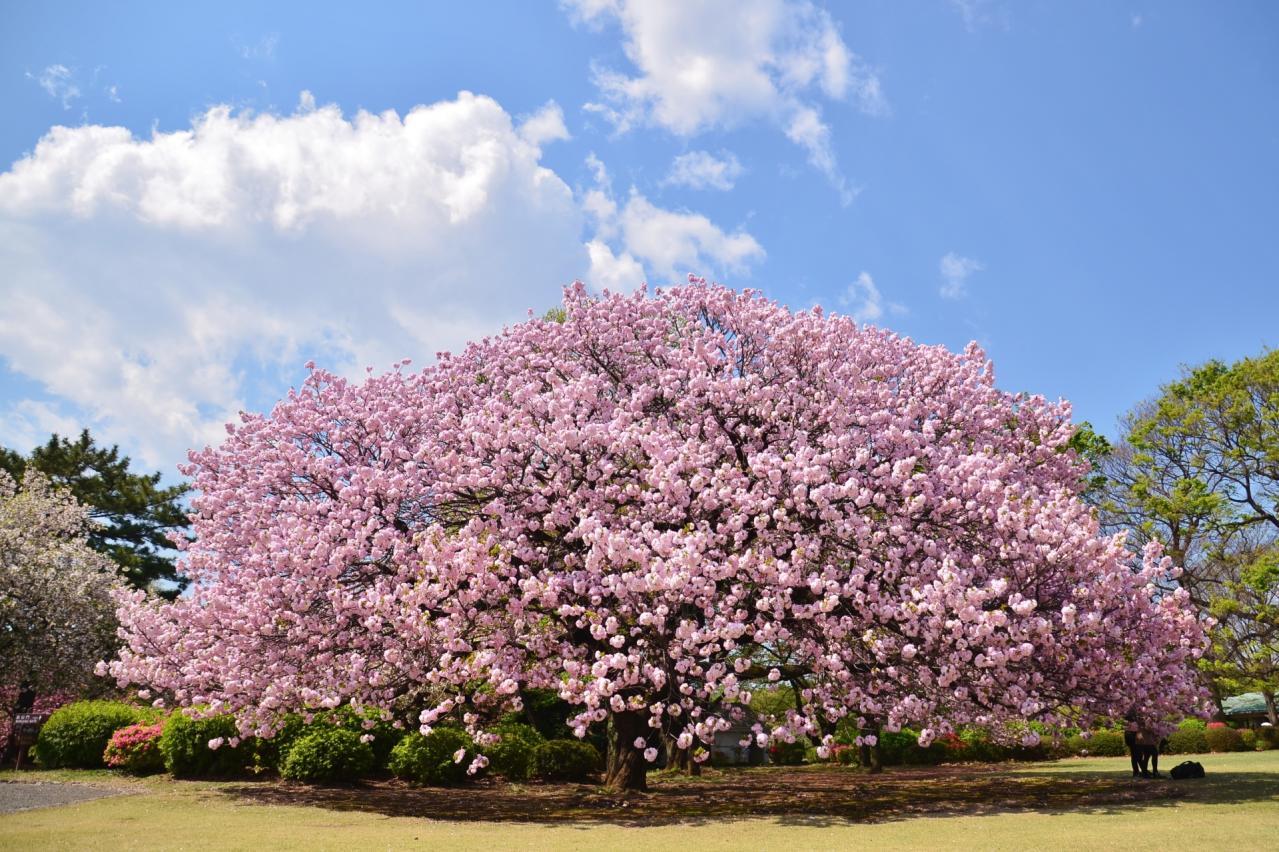
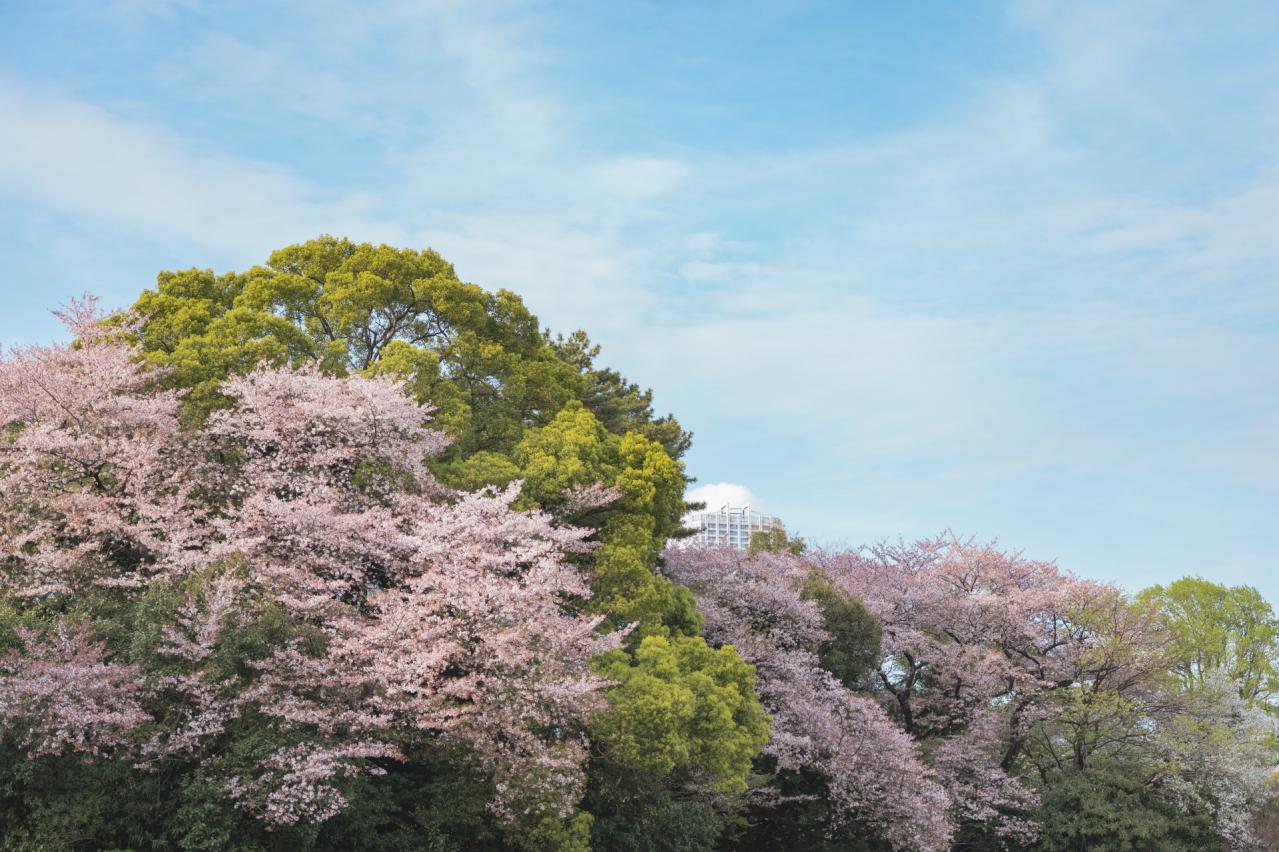
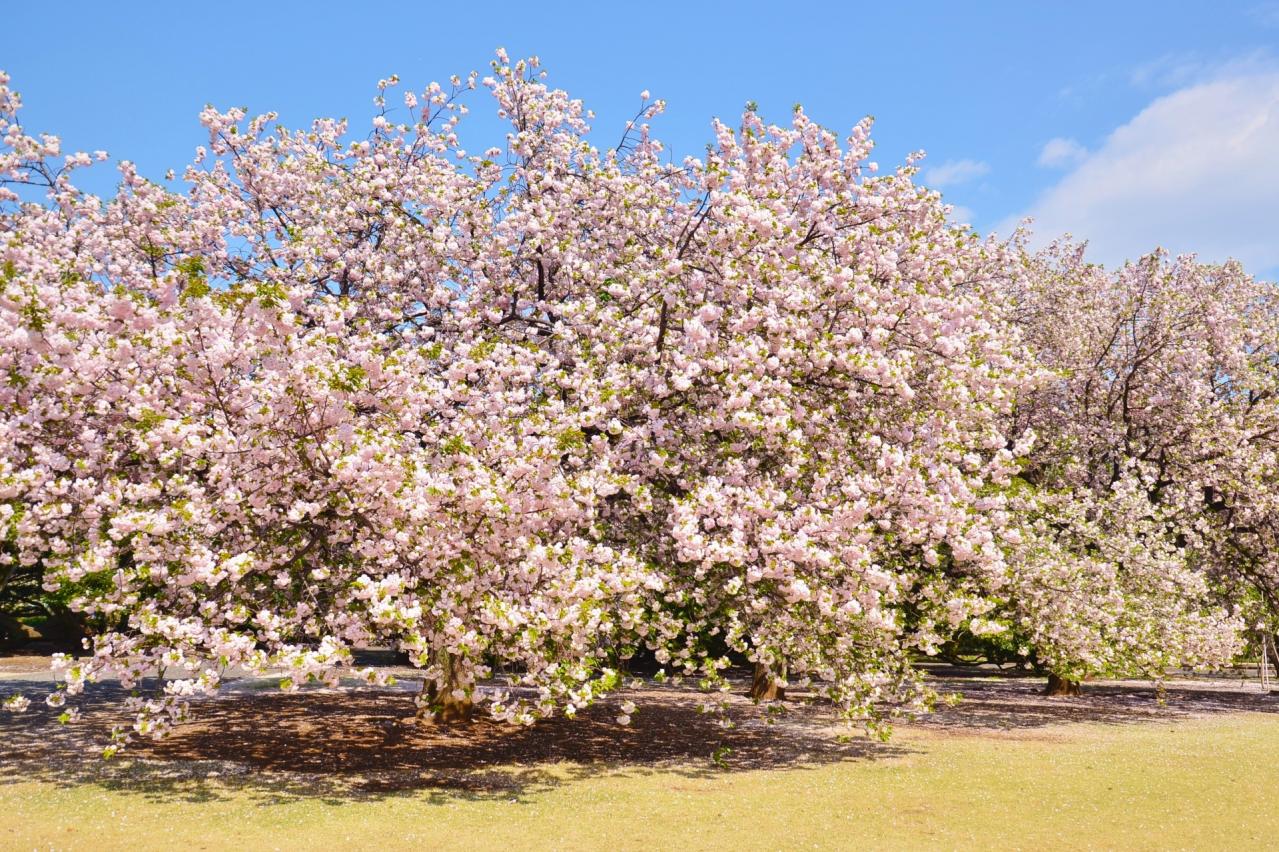
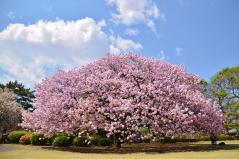
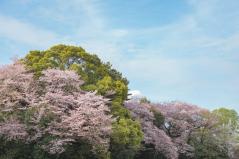
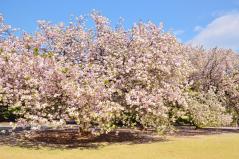
Spring: About 900 cherry trees bloom, making it a very popular cherry blossom viewing spot (bringing alcohol is prohibited).
Summer: The deep green lawns and cool ponds create an ideal space to escape the heat.
Autumn: Vibrant foliage from maples and ginkgo trees, as well as the Imperial Family-related Chrysanthemum Exhibition, are the highlights.
Winter: A serene landscape unfolds in the crisp air, and plants can be enjoyed in the greenhouse year-round.
Founded in 1872, the Tokyo National Museum is the oldest museum in Japan, focusing on Japanese and Asian art and archaeology. Located in Ueno Park, Taito-ku, Tokyo, ...
The Nezu Museum was established in 1941 (Showa 16) to preserve and display ancient Japanese and East Asian art collected by businessman Kaichiro Nezu (1860-1940). Th...
Senso-ji Temple is the oldest temple in Tokyo and is a representative tourist destination in Japan, attracting over 30 million visitors each year. Since its founding...
Showa Kinen Park is a vast national park created to commemorate the 50th anniversary of Emperor Showa's reign, located across Tachikawa City and Akishima City in Tok...
Meiji Shrine is an important Shinto shrine located in Shibuya, Tokyo, dedicated to Emperor Meiji and Empress Shoken. Built in 1920, it boasts the highest number of v...
Toyosu Market, which opened in October 2018 after relocating from Tsukiji, is part of the Tokyo Central Wholesale Market and is one of the largest public markets not...
The Edo-Tokyo Museum in Tokyo is a cultural facility that opened in 1993, dedicated to teaching about the history and culture of Tokyo over approximately 400 years, ...
Kasai Rinkai Aquarium is a popular aquarium located within Kasai Rinkai Park in Edogawa, Tokyo. The impressive large glass dome designed by architect Yoshiyuki Tanig...


![夏の新宿御苑散策 [4K] Strolling around Shinjuku Gyoen National Garden in summer](https://i.ytimg.com/vi/H8WvIgBgEHg/mqdefault.jpg)