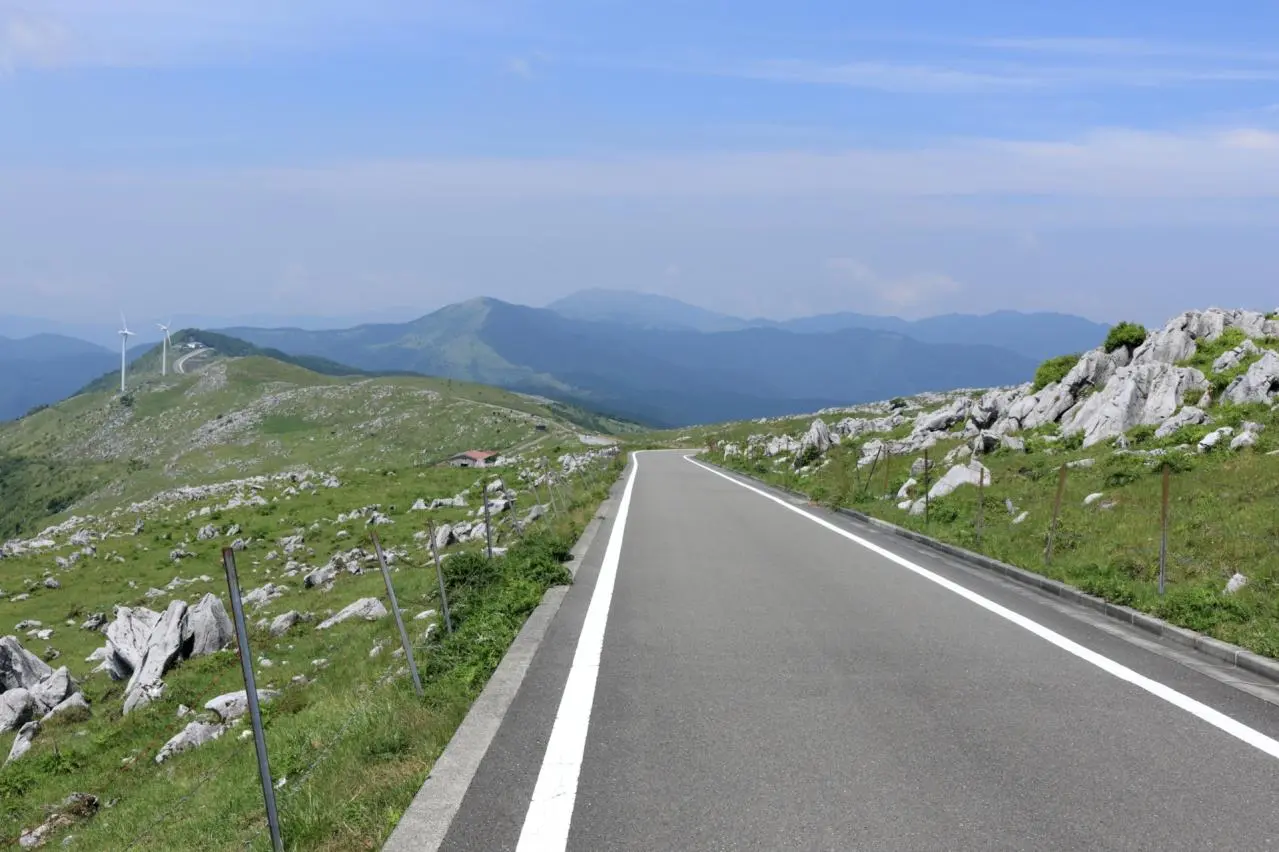
One of Japan’s three major karst landscapes
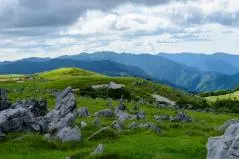
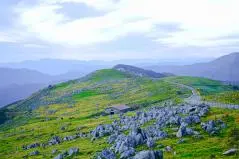
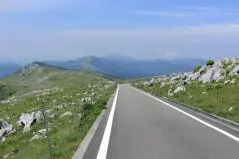
White limestone and grasslands create an expansive, open highland panorama.
AI Summary
This is an AI-generated summary. Please check the official information for opening hours, fees, and closed days.
A scenic highland ideal for a drive, with open grasslands and limestone formations above 1,000 meters.
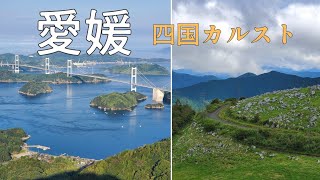
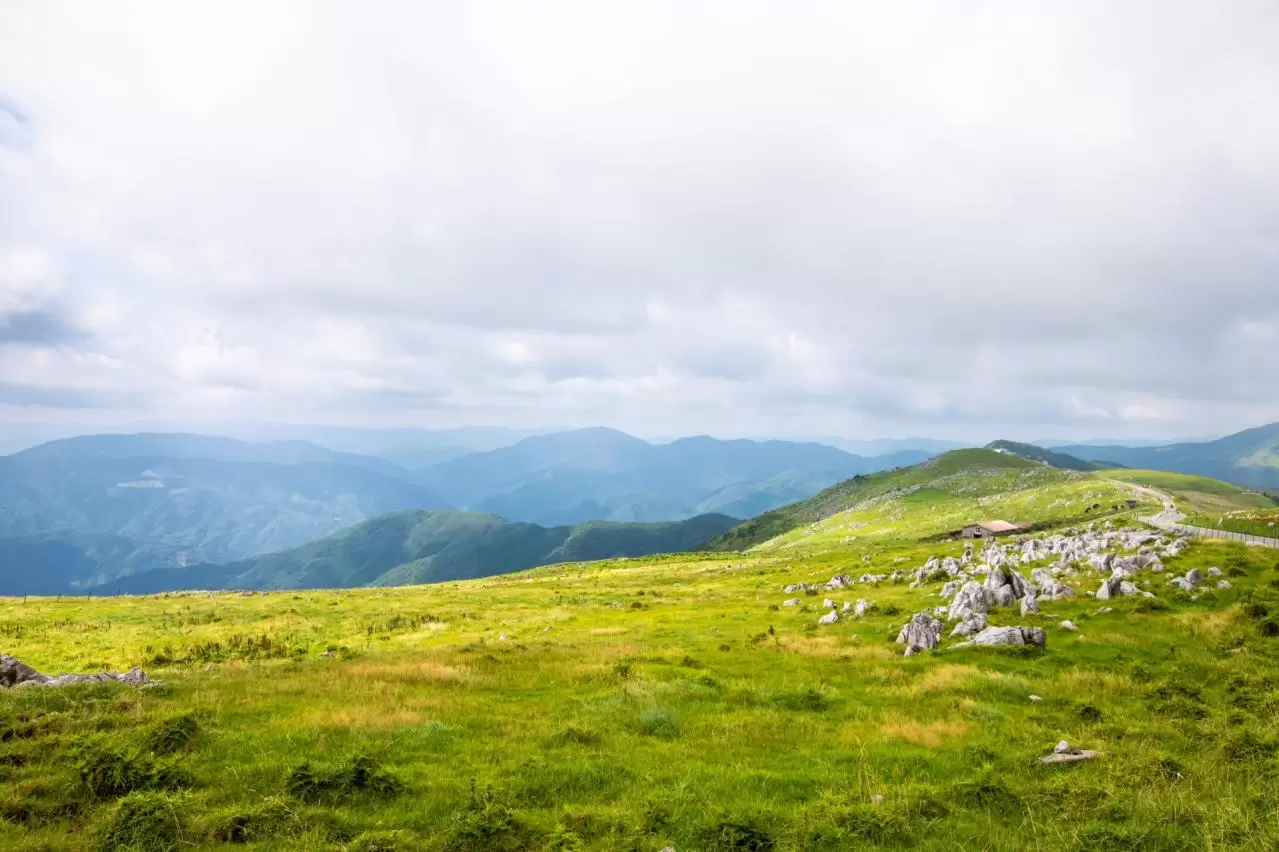
One of Japan’s three major karst landscapes, Shikoku Karst stretches across the Ehime–Kochi border. Its appeal lies in white limestone scattered across pastures, grazing cattle, and wide-open skies. Highlights such as Tengu Plateau, Godan Plateau, and Himezuru Plain are spread out, making this a destination best enjoyed by car, with light walks along the way.
White limestone and grasslands create an expansive, open highland panorama.
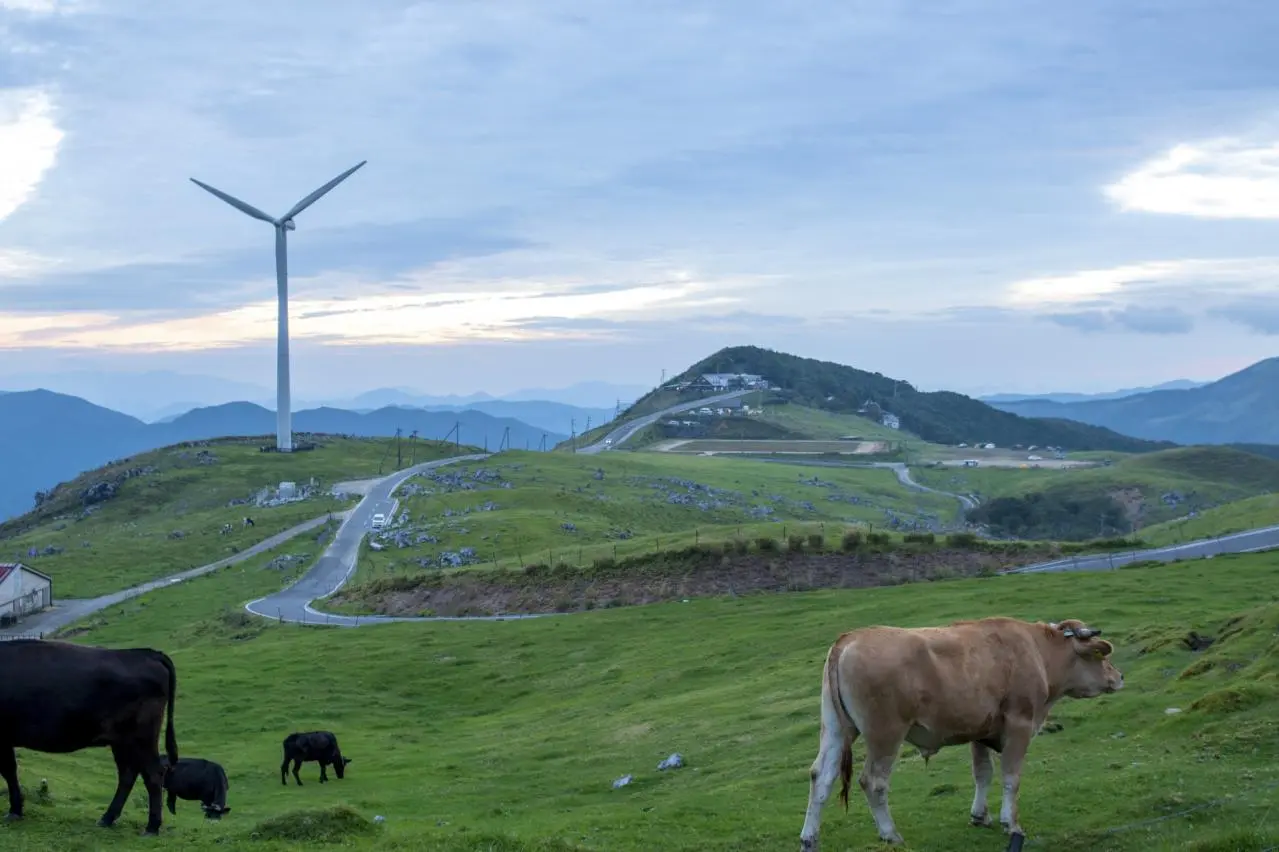
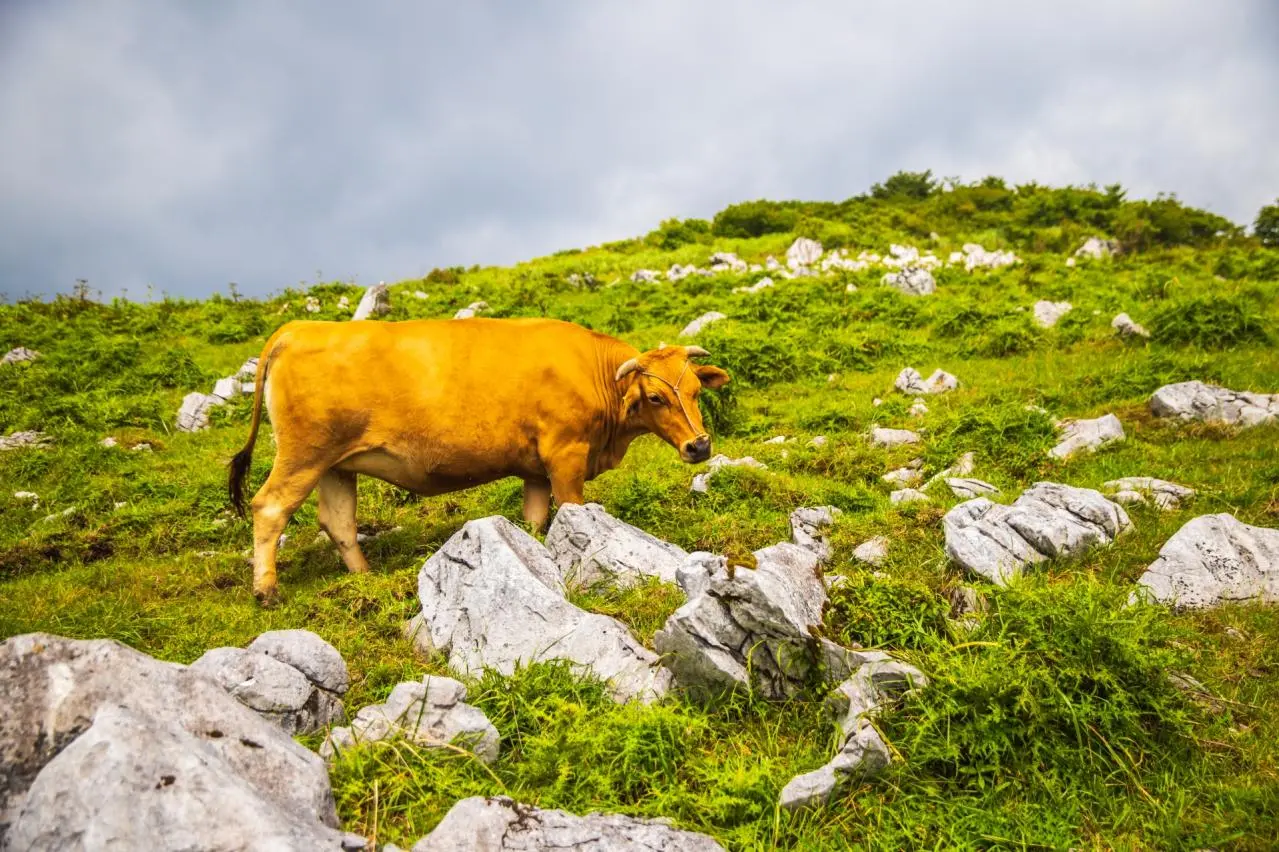
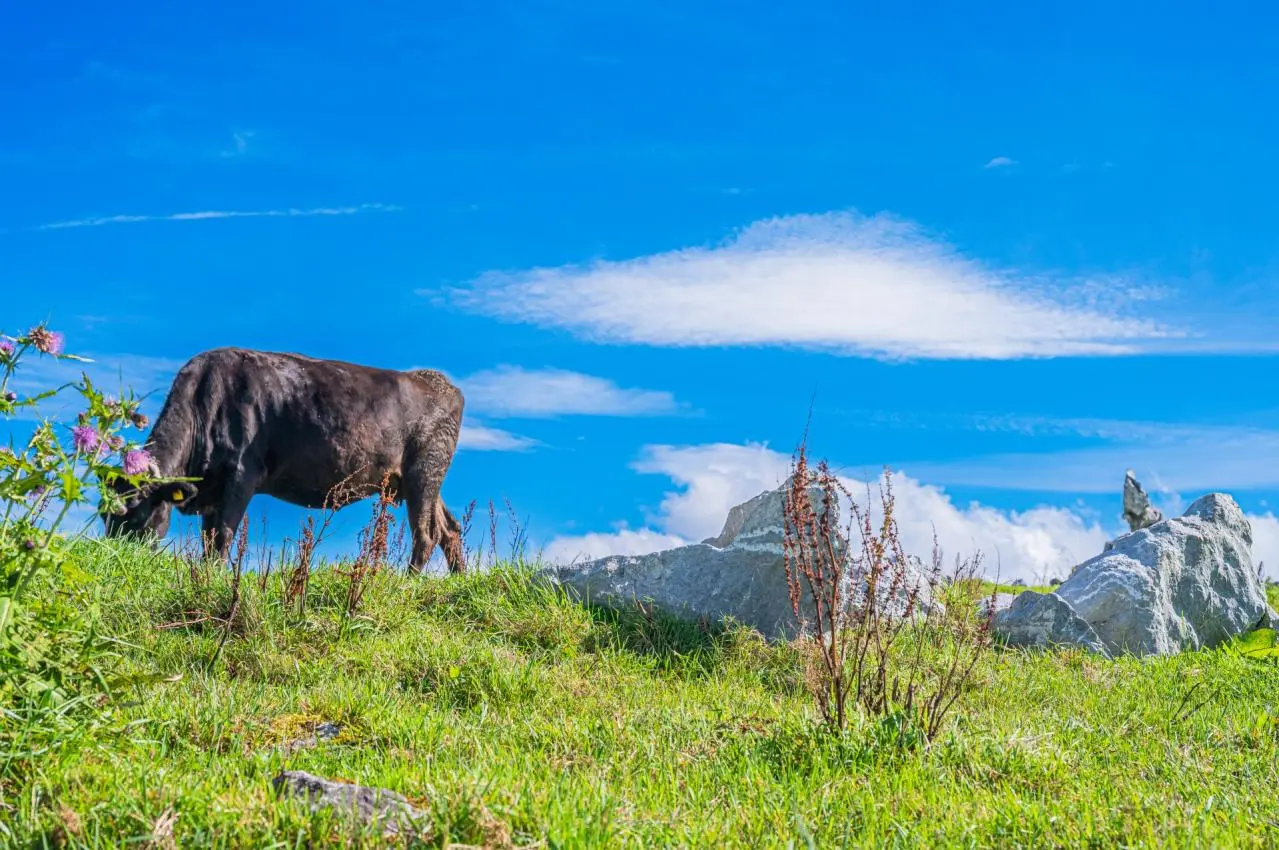
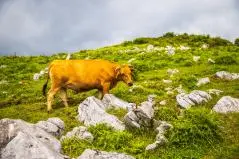
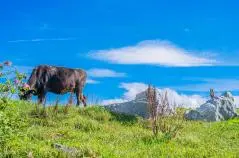
Look out for grazing cattle and enjoy the quiet, rural scenery.
Tengu Plateau, Godan Plateau, Himezuru Plain, and other spots each offer a different view.
Drive from Tengu Plateau to Himezuru Plain and then Godan Plateau for a varied introduction to Shikoku Karst.
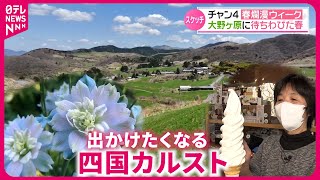
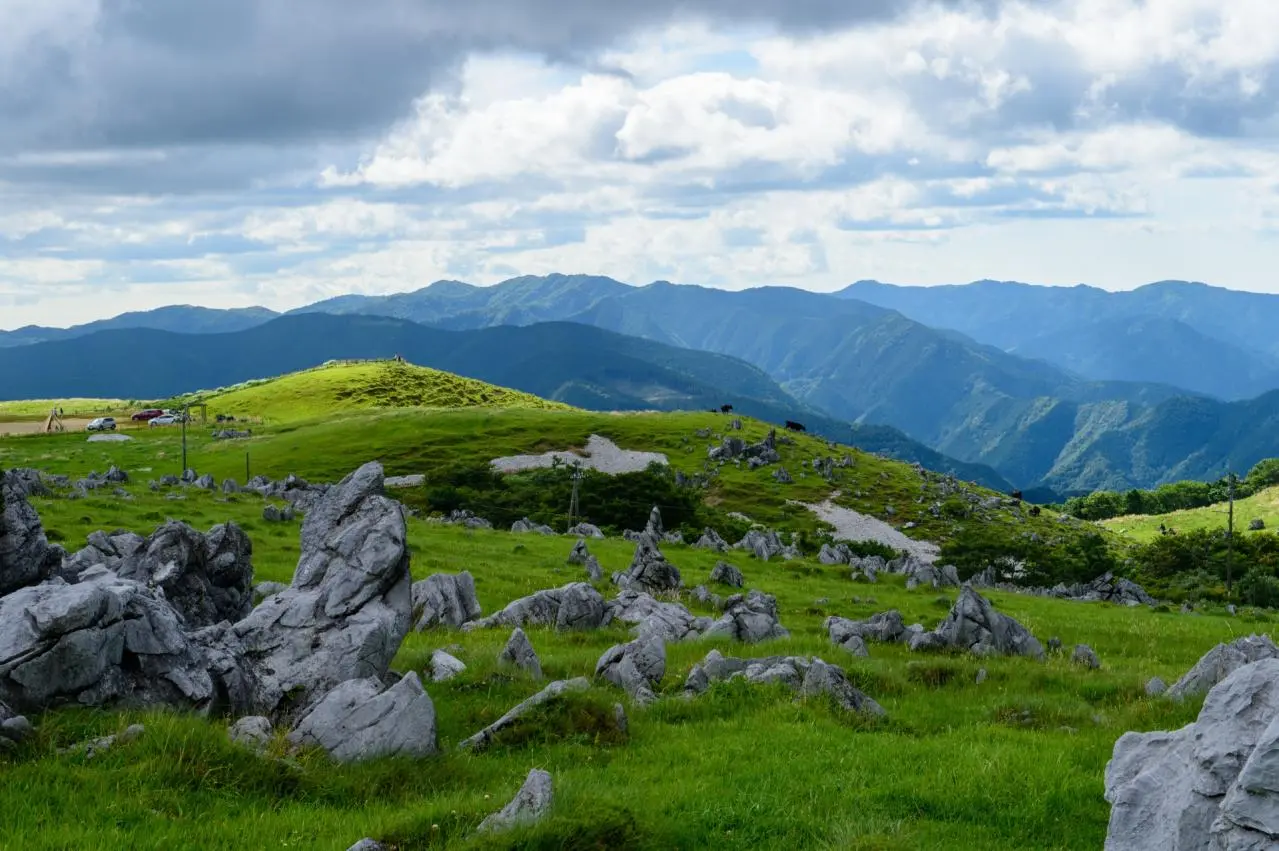
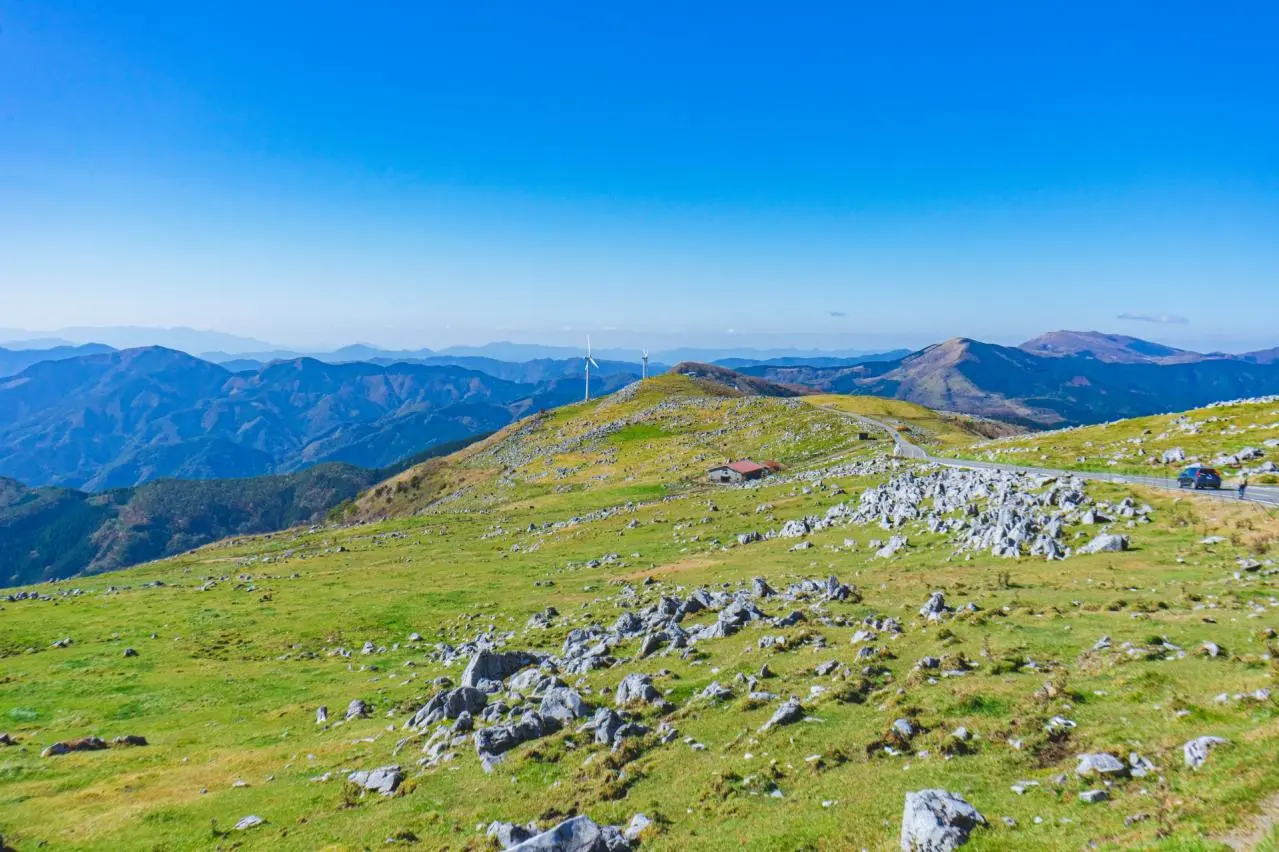
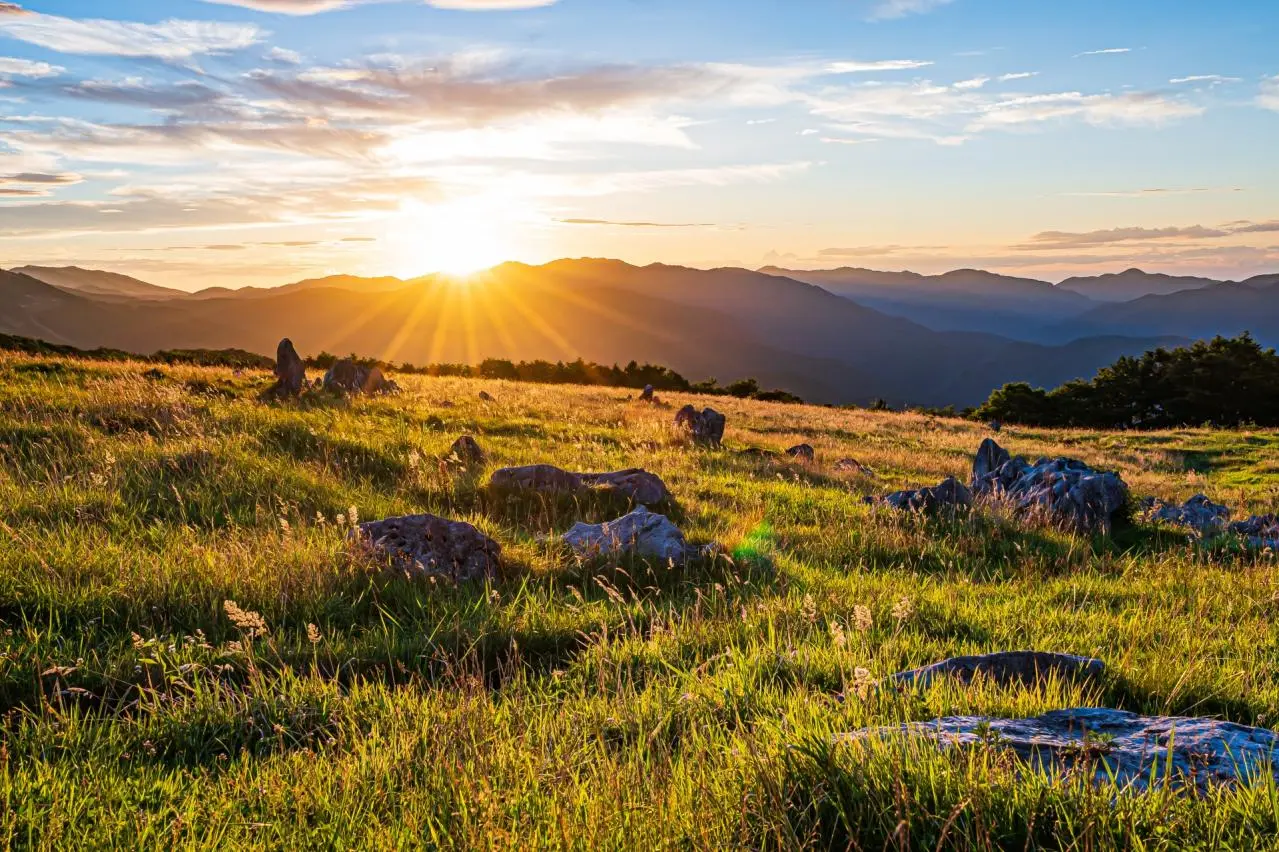
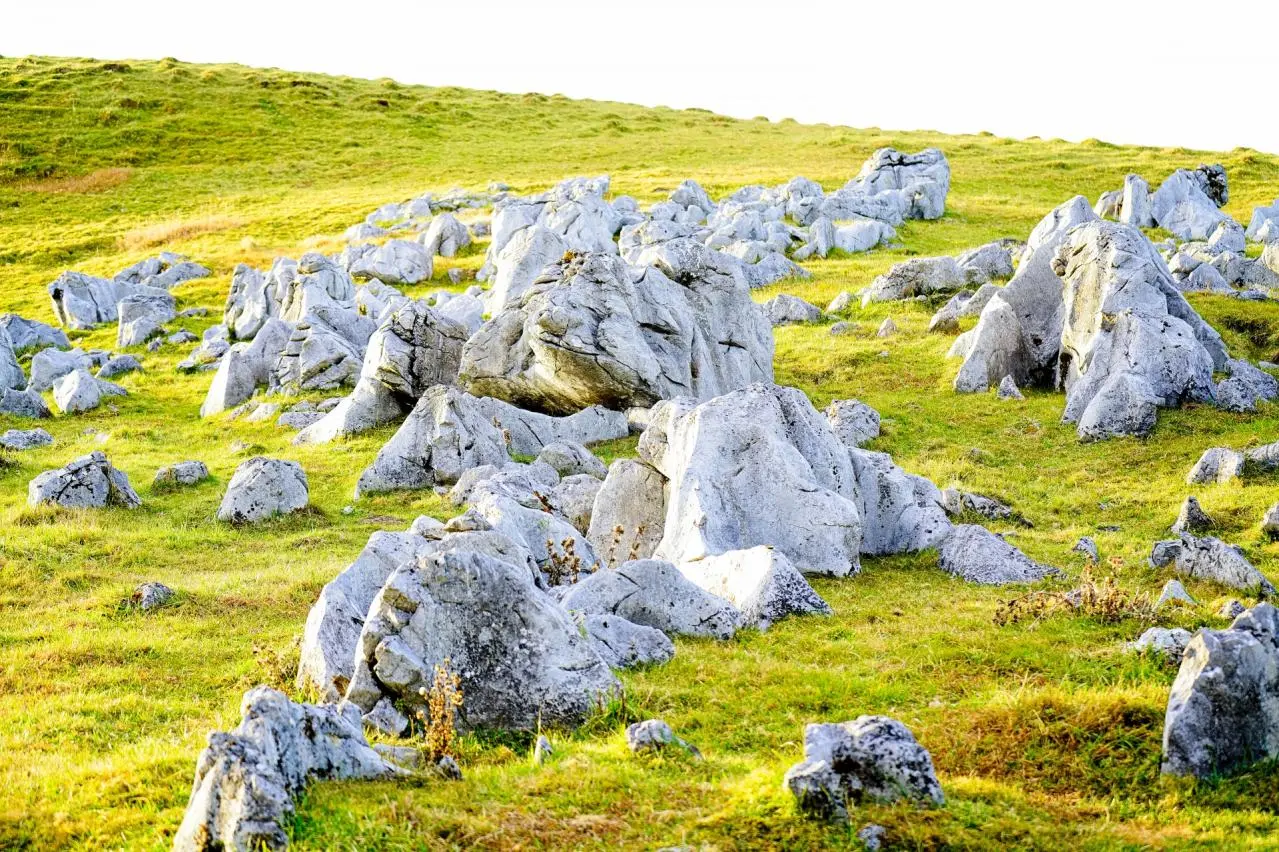
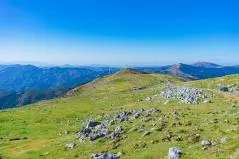
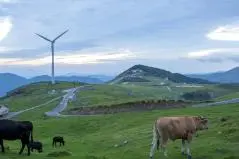
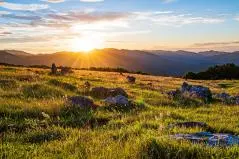
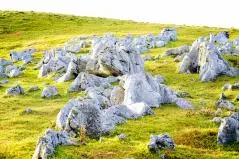
"Shikoku Karst" stretches along the ridgeline spanning Ehime and Kochi Prefectures. It is a place where you can enjoy the distinctive scenery of karst landscapes, including karren fields—where white limestone looks like flocks of sheep—and dolines, funnel-shaped depressions. The panoramic views spread across an elevation of 1,000 to 1,500 meters, along with rare alpine plants, are a must-see! Vast plains, endless blue skies, and herds of grazing cattle create an idyllic pastoral landscape.
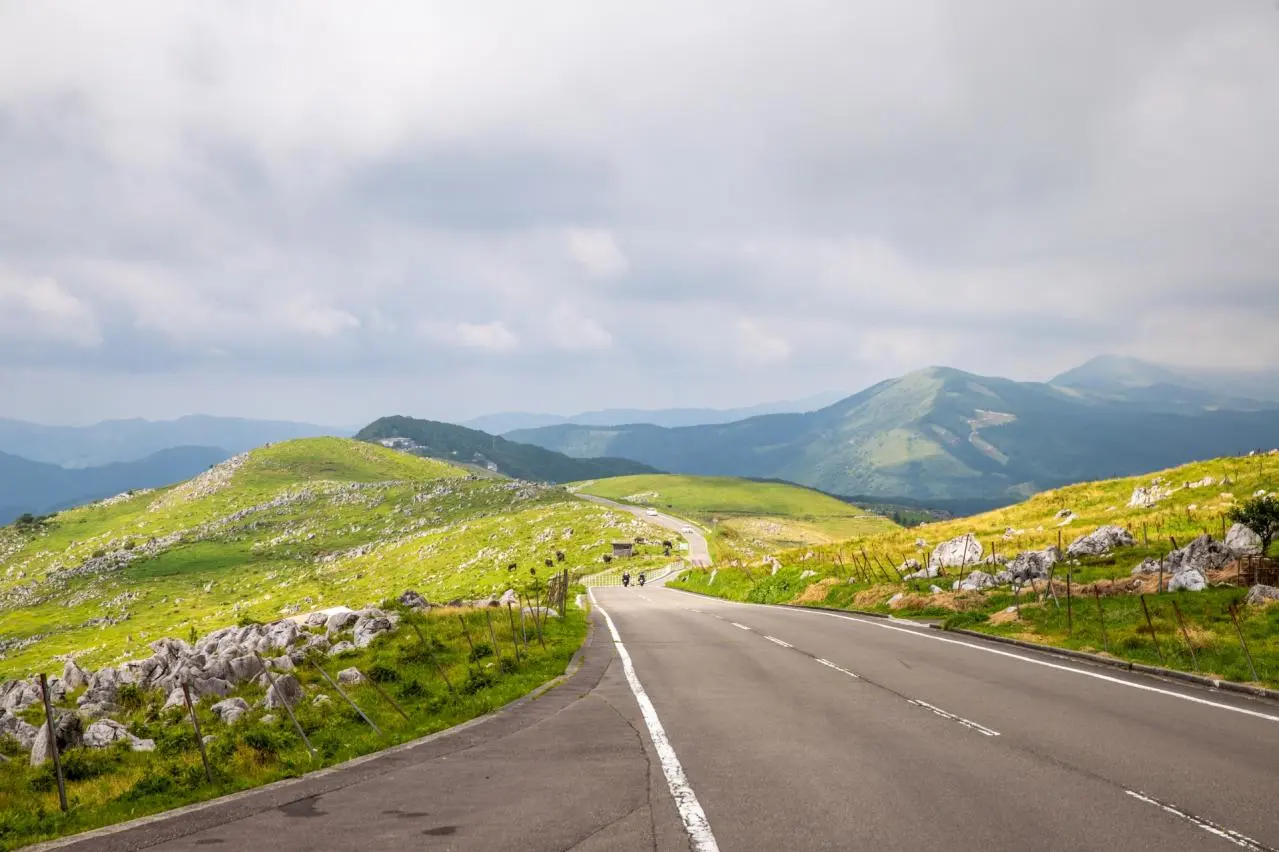
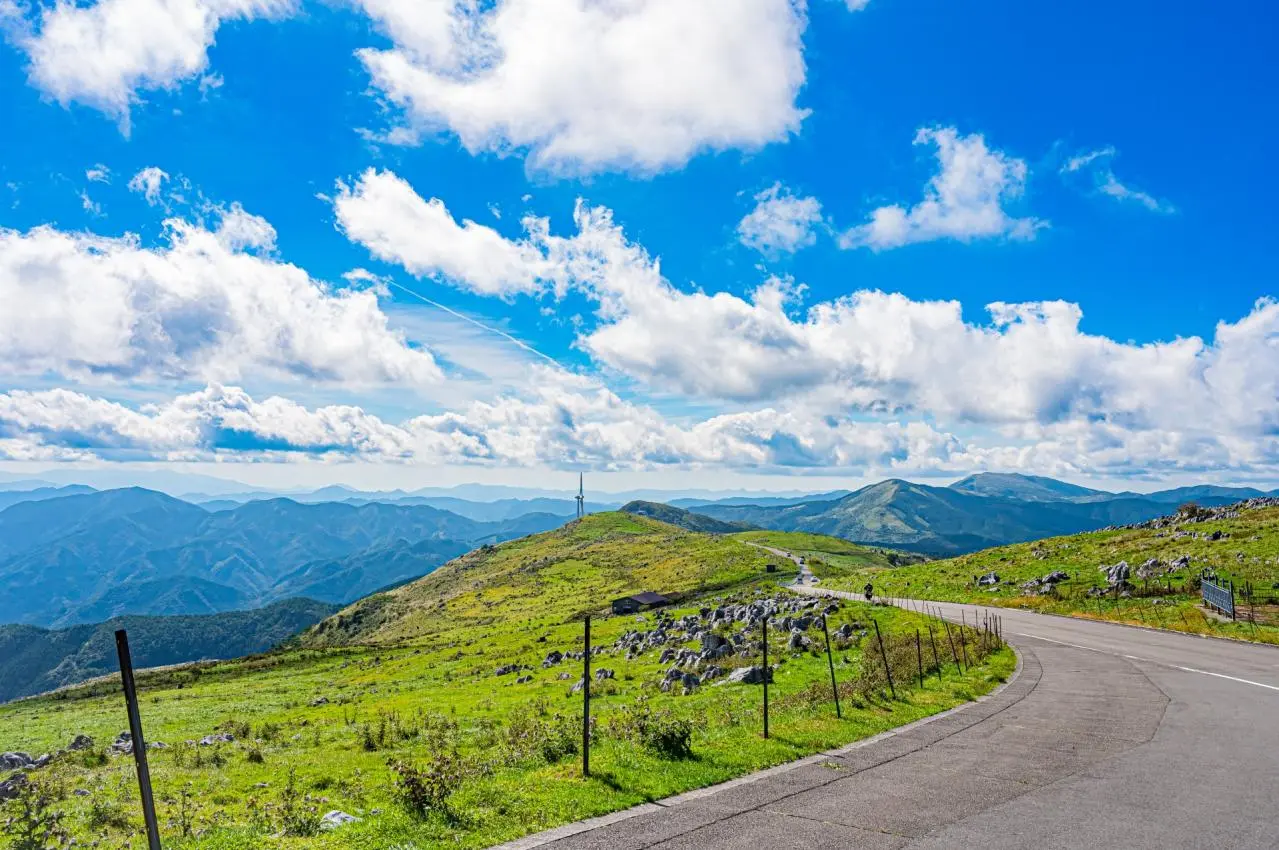
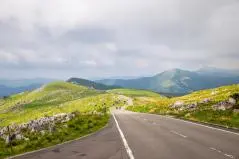
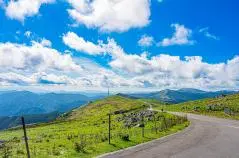
▶ A refreshing drive along the “Road to the Sky” (Prefectural Route 383)
Breathtaking views spread across elevations of 1,000 to 1,500 meters
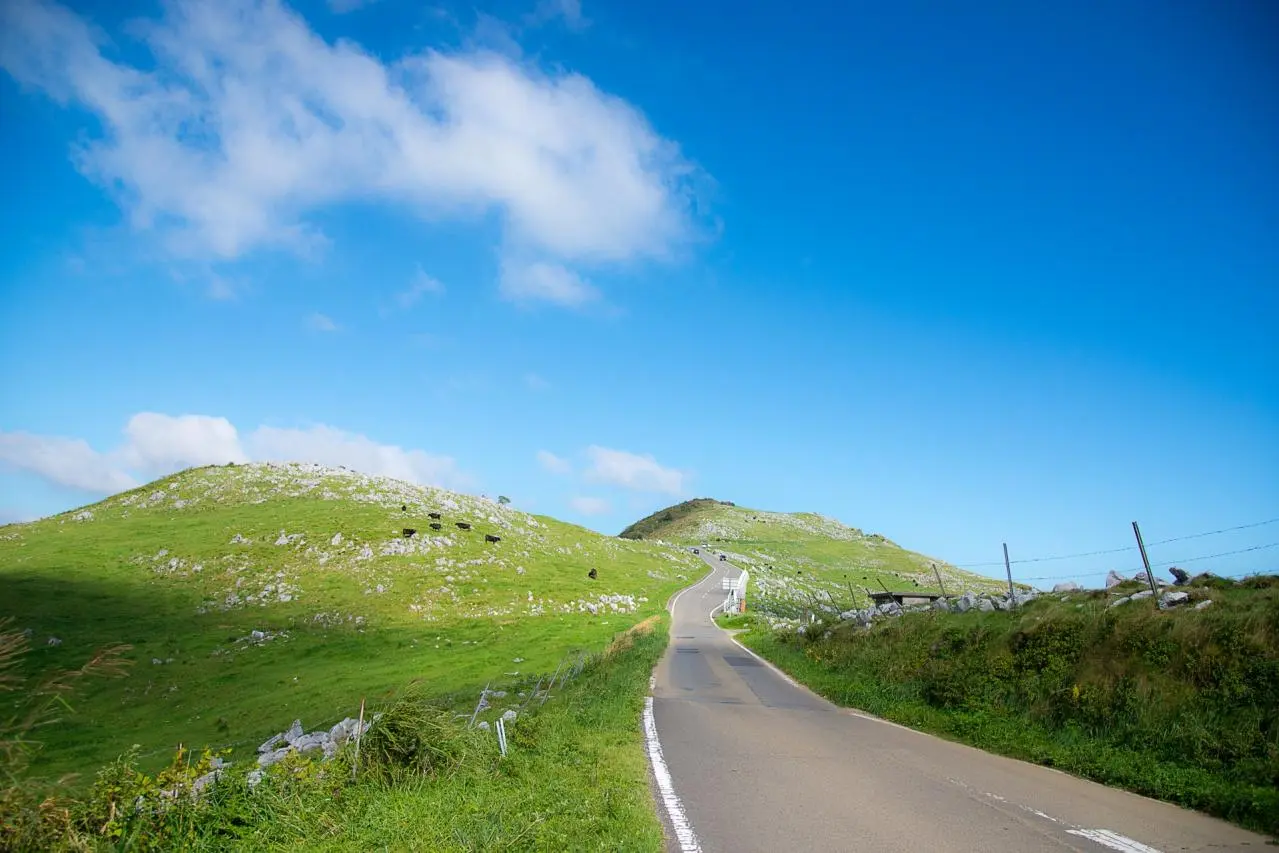
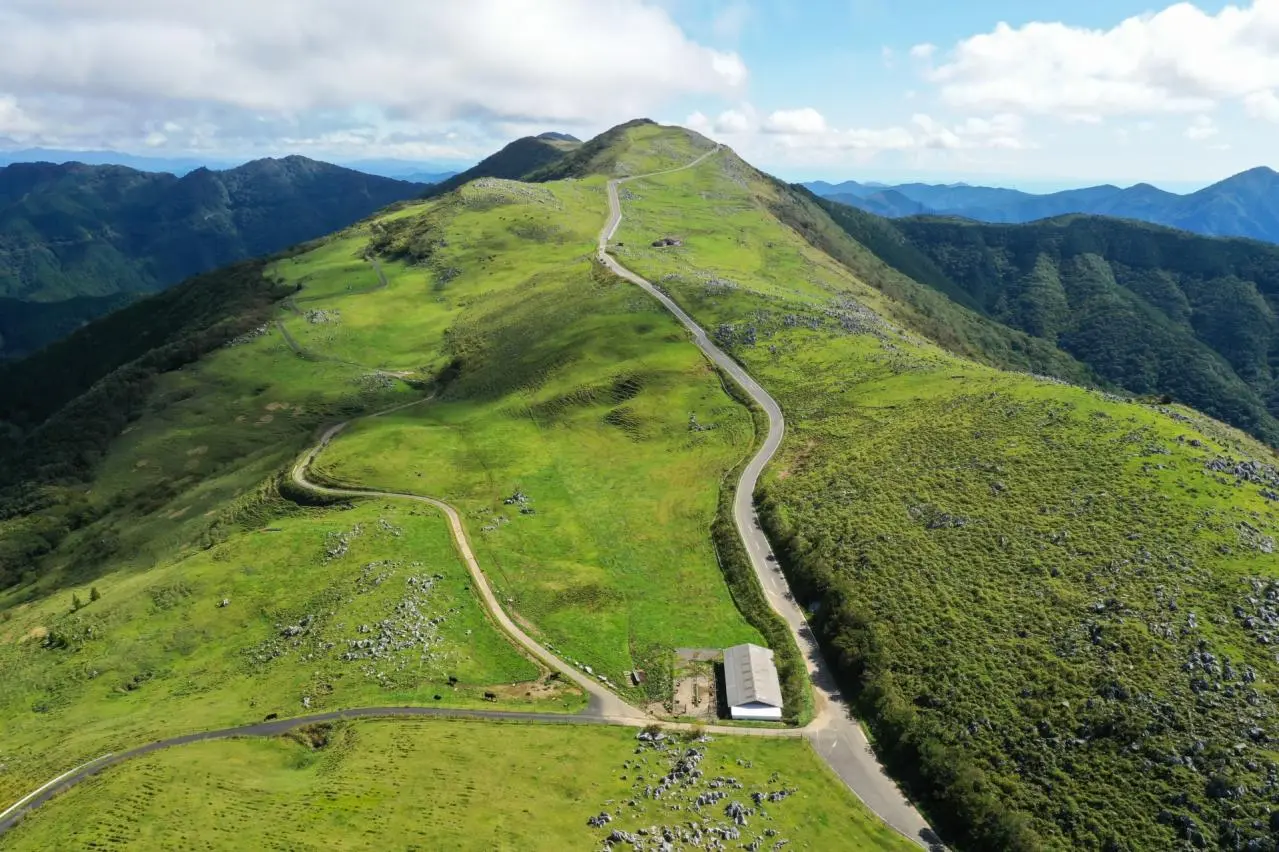
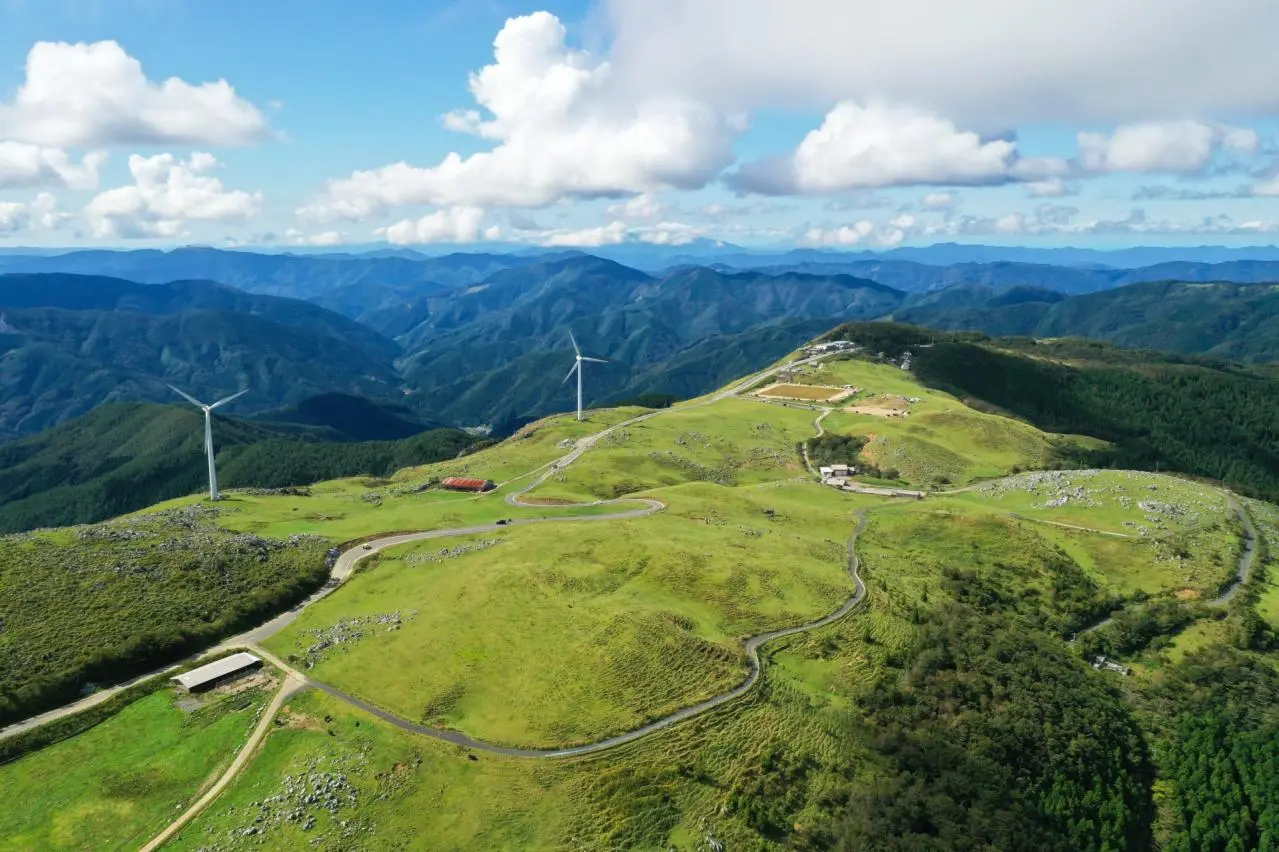
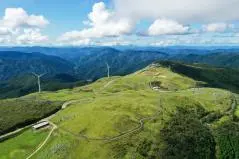
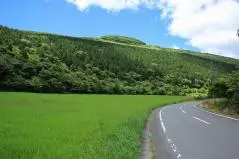
Prefectural Route 383 runs east to west for about 25 km across Shikoku Karst. Across the broad grasslands dotted with white limestone outcrops, a peaceful landscape unfolds. This spectacular driving route makes the deep blue sky and bright white clouds feel close at hand. The scene of a single road cutting through endless grasslands has been selected as one of Japan’s Top 100 Roads.
▶ “Ōnogahara,” a dairy region filled with pastoral scenery
A popular area dotted with ranches and pensions
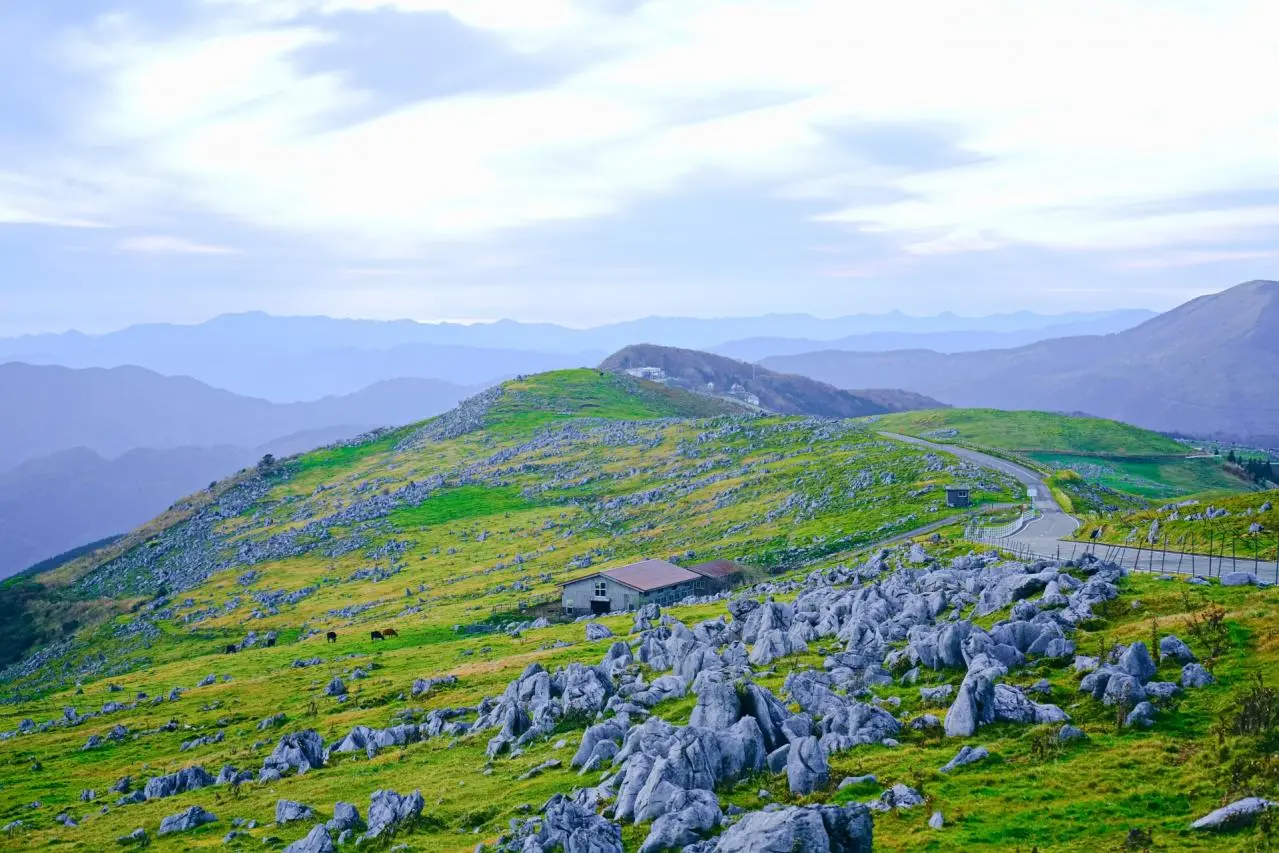
Ōnogahara is located at the western edge of Shikoku Karst. It is famous for its striking limestone formations protruding from the grasslands. With houses, cattle barns, silos, pensions, and cafés scattered throughout, it draws many visitors during the sightseeing season and serves as a cool summer retreat in the heat of midsummer. The view from Genjigedaba, a hilltop area, is magnificent, and on clear days you can see as far as the Bungo Channel.
▶ “Himeutsugi-daira,” the tourism hub of Shikoku Karst
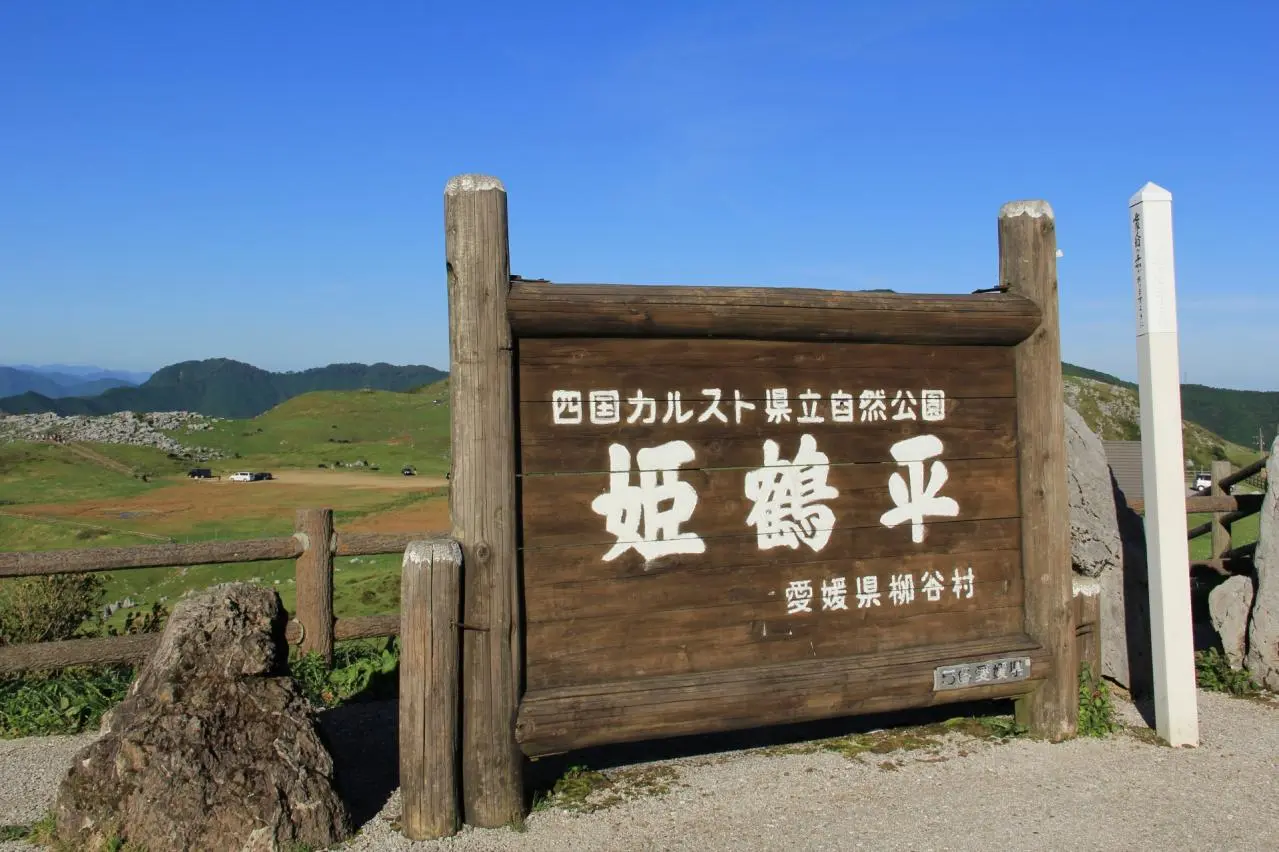
A striking panorama of grasslands as far as the eye can see
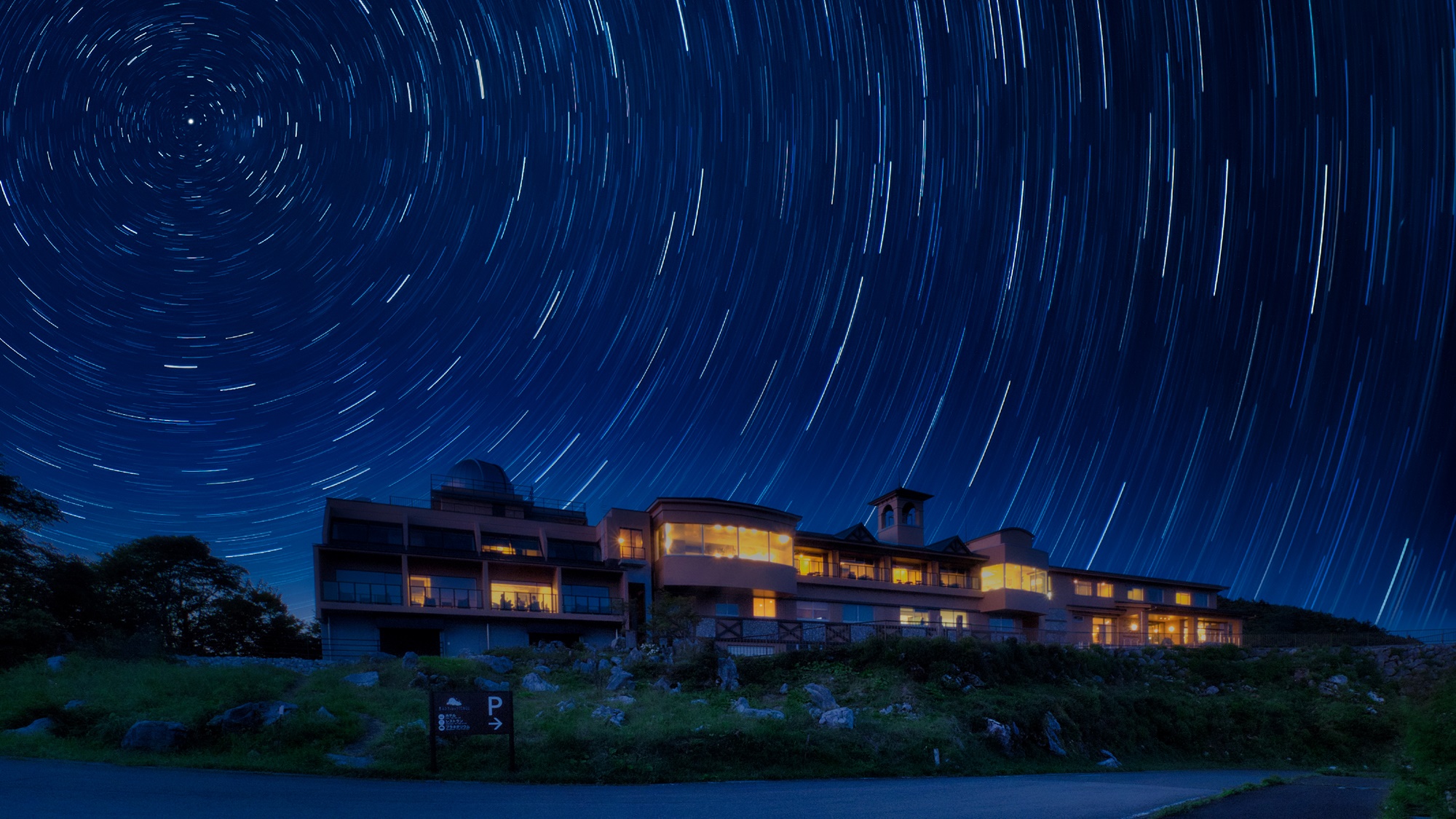
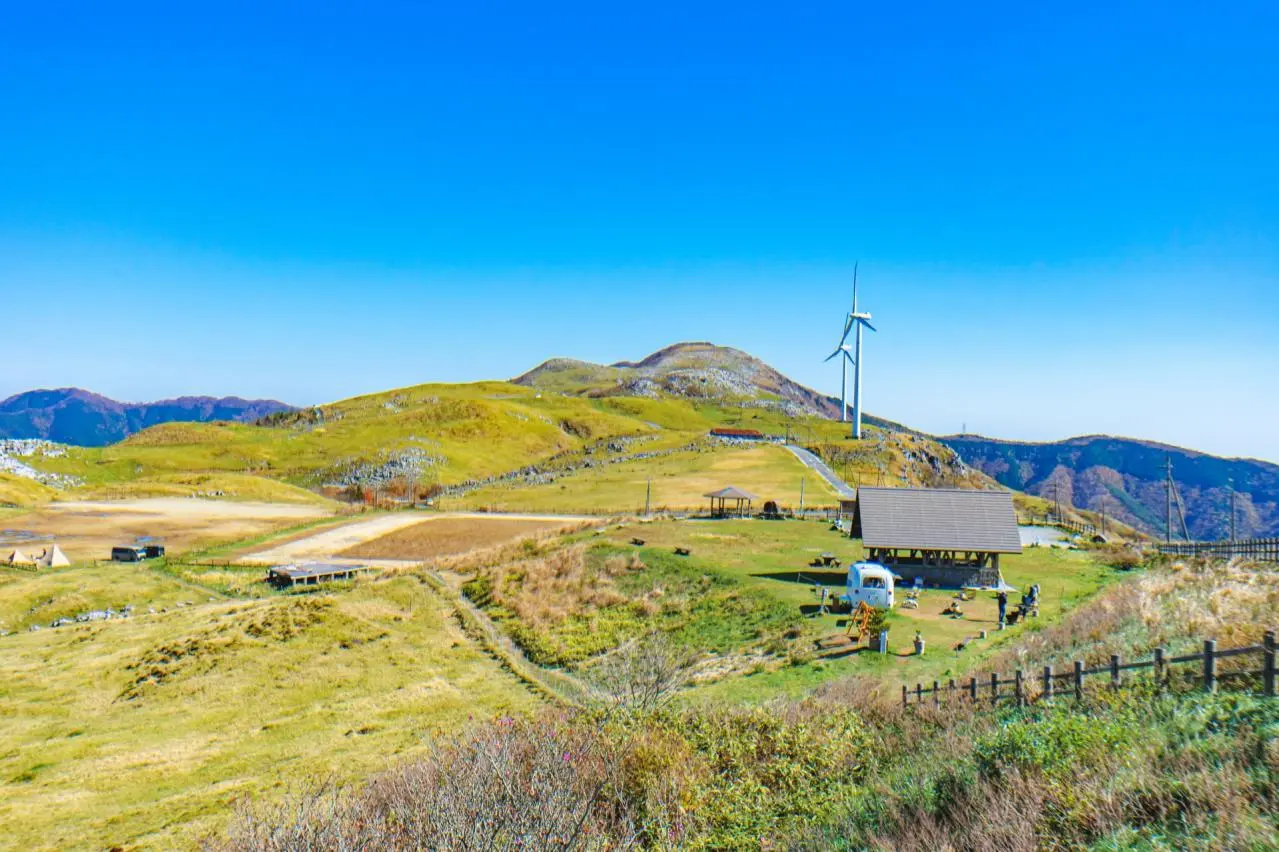
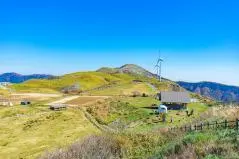
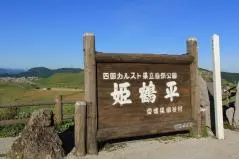
Himeutsugi-daira is the central sightseeing base of Shikoku Karst. With lodging facilities and campsites scattered around the area, visitors can enjoy stunning mountain views by day and a sky full of stars by night. From spring to autumn, grazing cattle and large wind turbines from wind power generation add color to the karst plateau landscape.
▶ “Godan Kogen,” where you can enjoy the distinctive scenery of karst
One of the best scenic spots in Shikoku Karst
Godan Kogen offers karst landscapes unique to the region, such as karren fields with exposed limestone surfaces and dolines, or sinkholes. The view from an elevation of 1,456 meters is spectacular, allowing you to take in the ridgelines of the Shikoku Mountains at a glance. Watching the grazing cattle strolling leisurely across the plateau is a soothing sight. If you’re lucky, you may even be able to see the cattle up close.
▶ “Tengu Kogen,” with well-maintained walking paths to enjoy rich nature
Stroll along a hiking trail through natural forest
Tengu Kogen spreads out at the foot of Tengu-no-Mori, the highest area in Shikoku Karst at 1,485 meters above sea level. This spot reveals a variety of seasonal faces: fresh greenery in spring, alpine plants such as Hankaiso in summer, and autumn foliage in fall. Since walking paths through natural forest, including the “Shinrin-yoku Therapy Road,” are well maintained, visitors can enjoy scenery quite different from the grasslands.
#Superb view/Scenic spot #Townscape/Bikan Historical Quarter
Uwajima Castle is one of the 12 existing tenshu (castle keeps) and was built by Date Munenori as a stronghold. Facing Uwajima Bay, it features an irregular pentagona...
Ishiteji Temple is the 51st temple of the Shikoku 88 Temple Pilgrimage, located near Dogo Onsen. It features important cultural properties including the National Tre...
Located at the southern tip of Oshima, Kamero Mountain Observatory Park boasts one of the best views along the Shimanami Kaido. From its observation deck at an altit...
Standing at an elevation of 132 meters, Matsuyama Castle is a magnificent structure that symbolizes Japan's history and culture. Construction was initiated by Kato Y...
The hot springs are said to have been opened during the Jomon period and were visited by Prince Shotoku. Many famous figures, including Masaoka Shiki, have connectio...
Oyamazumi Shrine is the head shrine of all Yamazumi shrines and Mishima shrines across the country, and it is the oldest shrine in Ehime Prefecture. Within the groun...
The "Botchan Train" is a diesel locomotive based on a steam engine that was beloved by the citizens of Matsuyama for 67 years starting from 1888. It gets its name fr...
Imabari Castle is a flat-topped castle built by the renowned castle architect Todo Takatora after the Battle of Sekigahara and is one of Japan's three major seaside ...