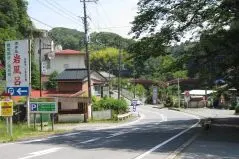
Yoro Valley
Yoro Valley Movies
![養老渓谷の紅葉 [4K] Autumn leaves at Yoro Valley](https://i.ytimg.com/vi/KE3Zh_yYi68/mqdefault.jpg)


Basic Information
- Spot Name
- Yoro Valley
- Location
- Awamata, Otaki Town, Isumi District, Chiba Prefecture - Asaohara, Ichihara City
- Access
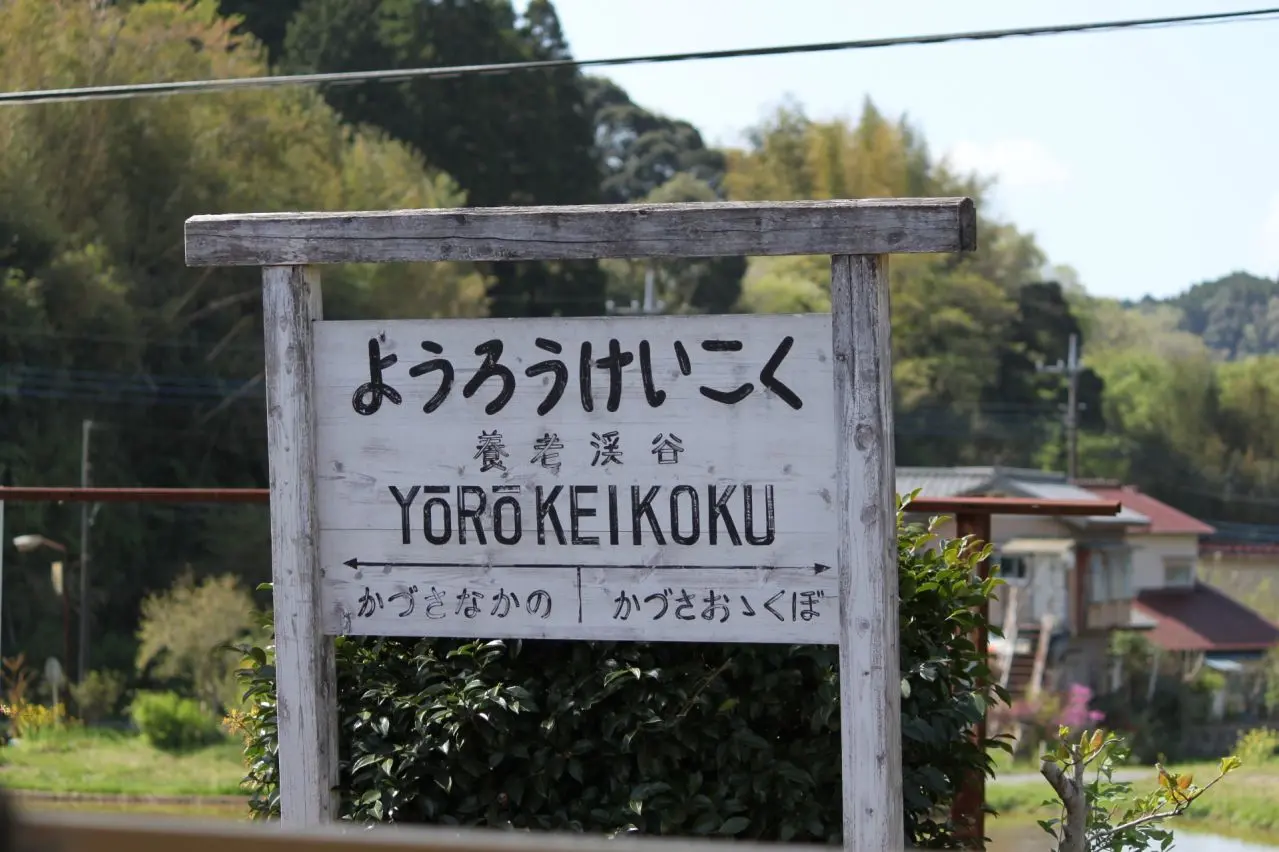
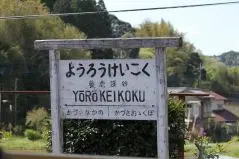
- Approximately 30 minutes on foot from Kominato Railway Yoro Kyo Station. Take a bus from Isumi Railway "Kazuwa Nakano" Station to "Awamata no Taki" and get off there.
- Parking
- Please use the nearby paid parking facilities.
- Business Hours
- Free to explore.
- Contact Information
- Phone Number:0470-80-1146
- Official Website
Map
Detailed Information
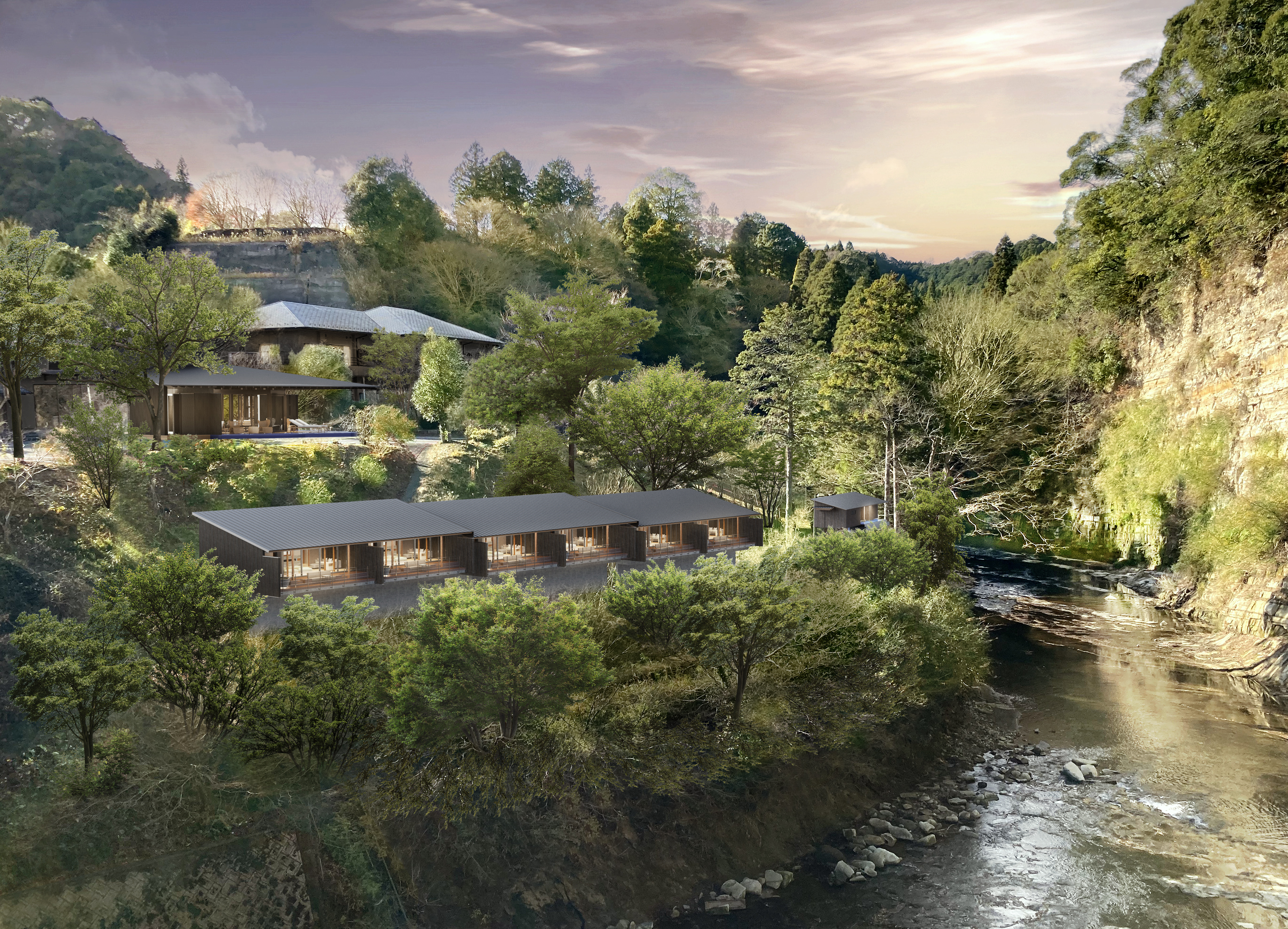
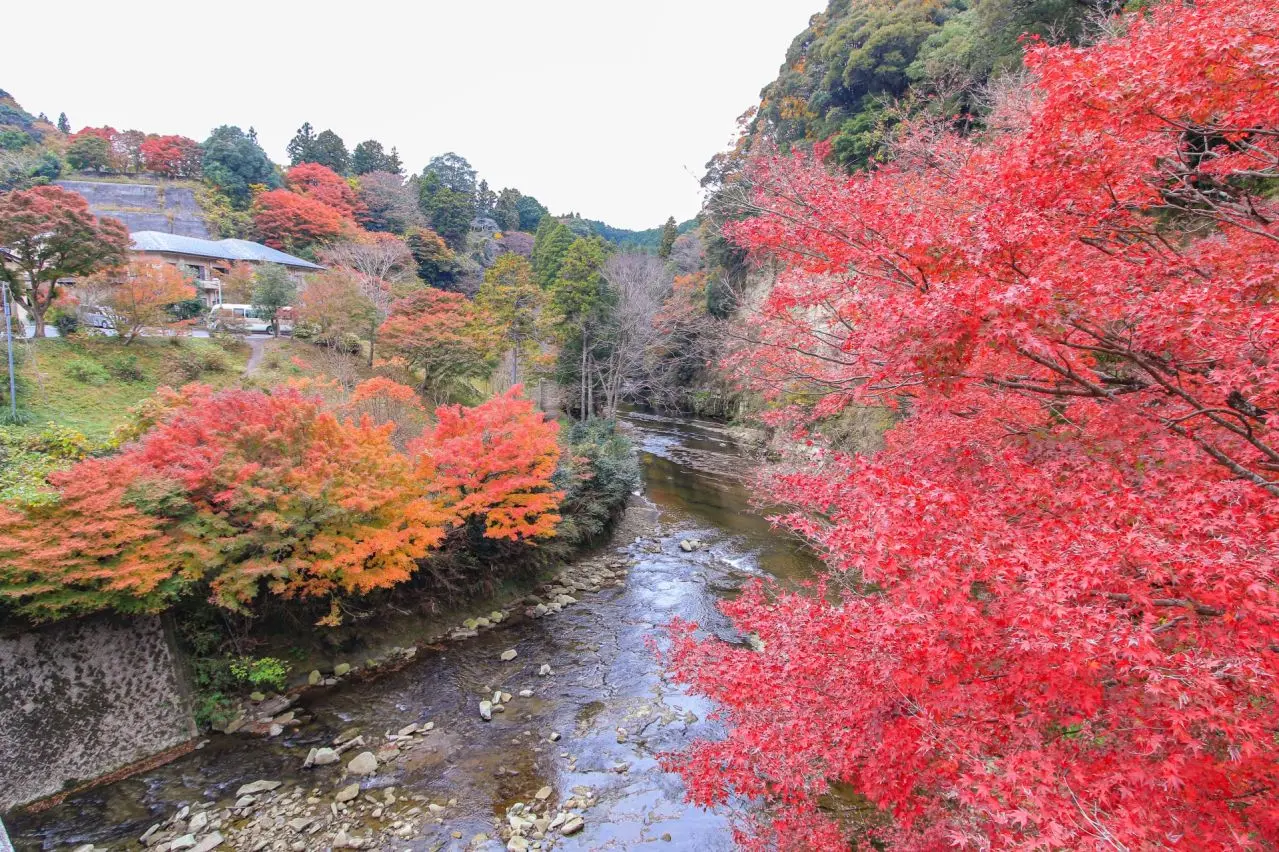
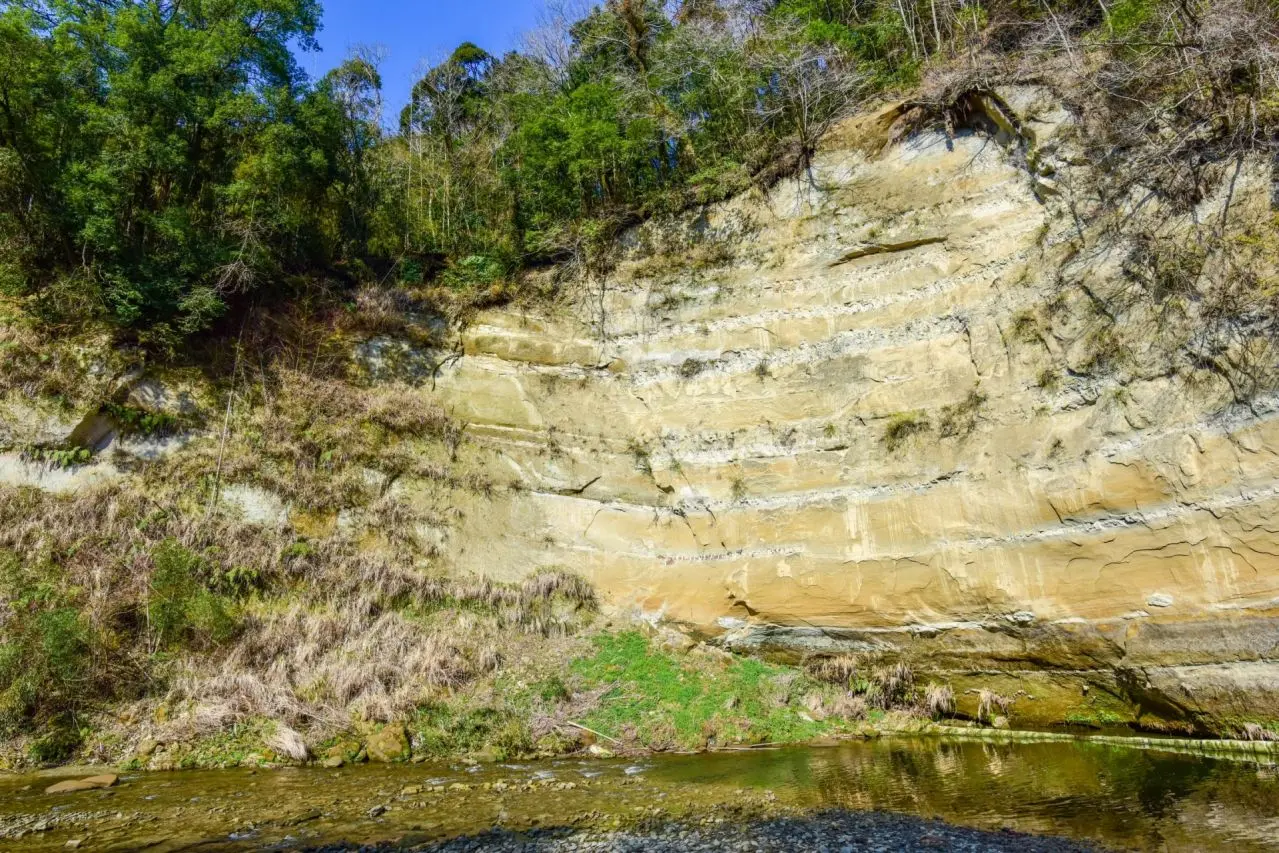
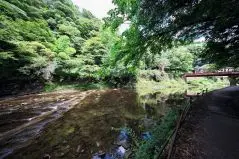
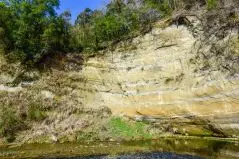
Yoro Keikoku is a deep ravine created by the Yoro River, stretching for about 6 kilometers from Asobara in Ichihara City to Awamata in Otaki Town, Isumi District, in the nearly central area of the Boso Peninsula in Chiba Prefecture. Rich natural scenery still remains here, and it is known as one of the largest sightseeing areas in Boso, bringing together waterfalls, scenic valley landscapes, and hot springs. Often called the “inner retreat of Boso,” it is one of the prefecture’s premier power spots, visited by travelers seeking relaxation throughout the year.
🍃 Valley beauty in every season
■ Spring to Summer: Refreshing season of fresh greenery
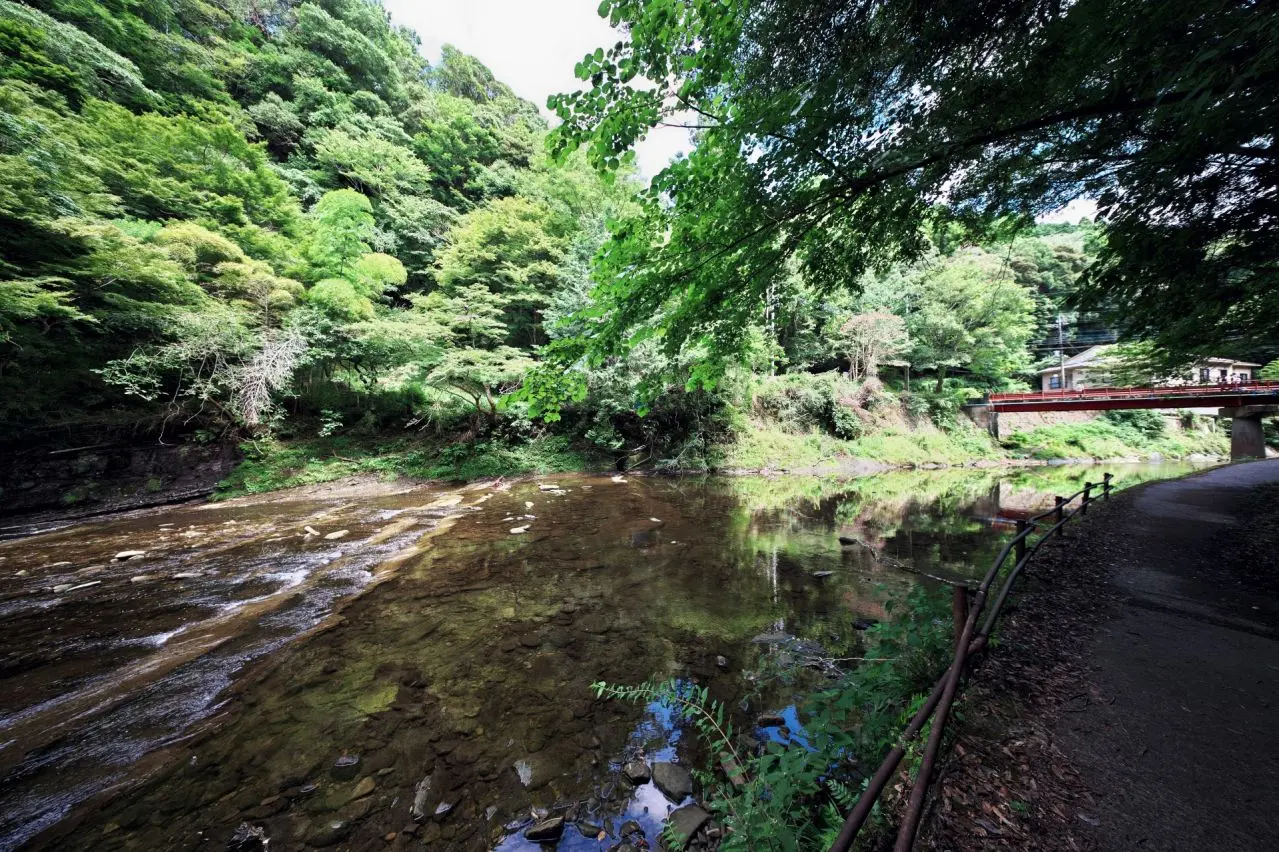
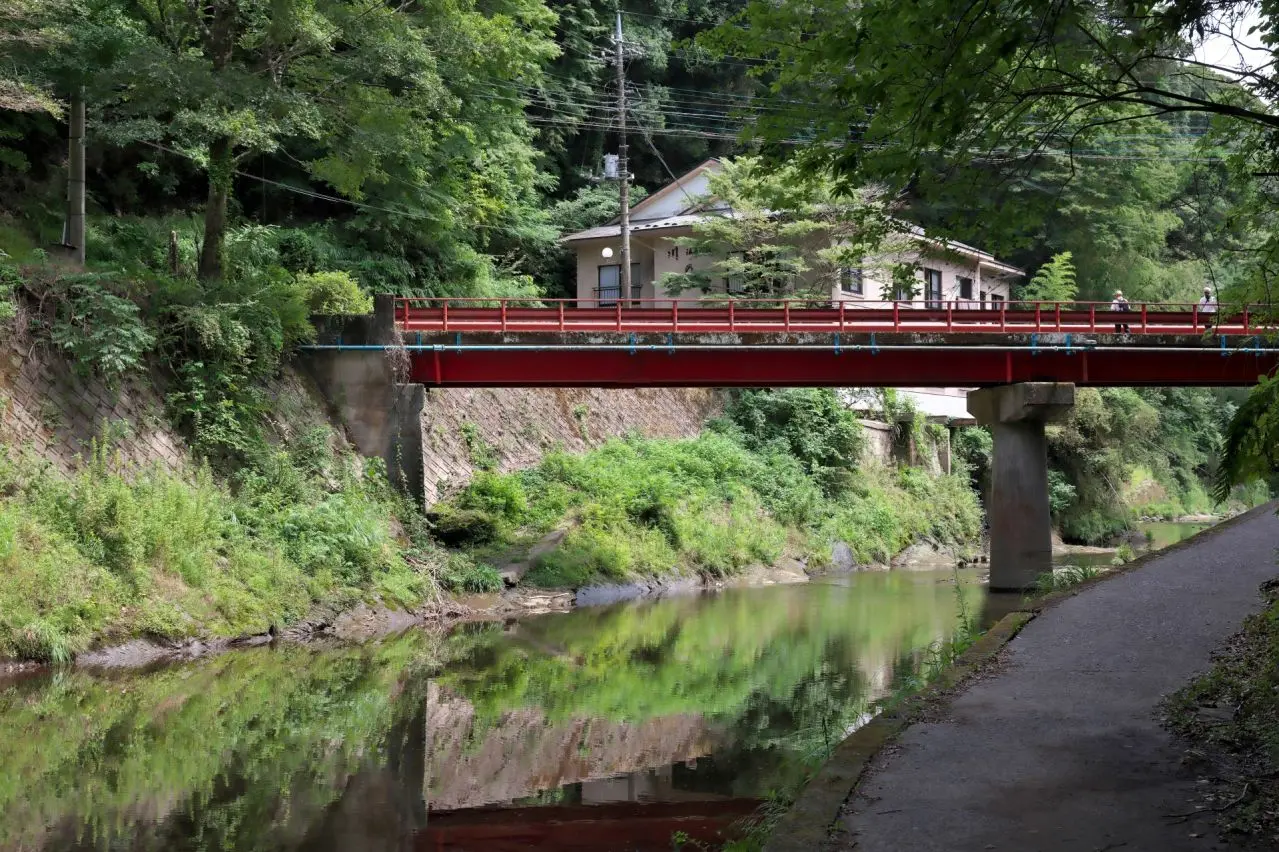
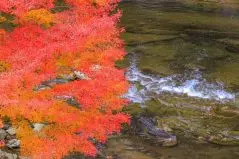
The fresh green leaves spreading along the valley are vibrant, and the trees reflected on the river surface sparkle brilliantly. The valley remains relatively cool, making it a popular summer retreat. Walking beneath the dappled sunlight, you can enjoy a clear stream where small fish swim and the songs of birds, experiencing nature in its purest form.
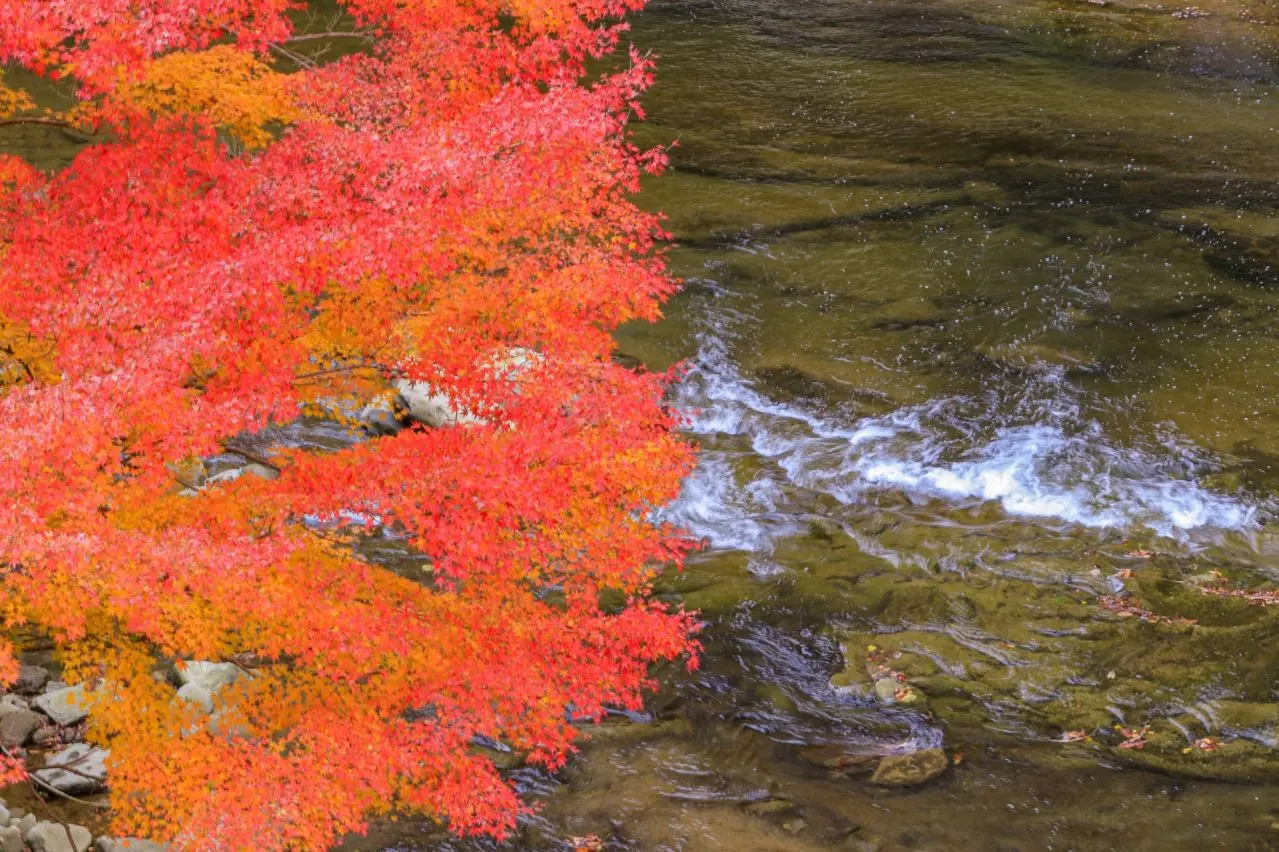
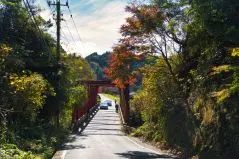
■ Autumn: The latest-famous autumn foliage spot in the Kanto region
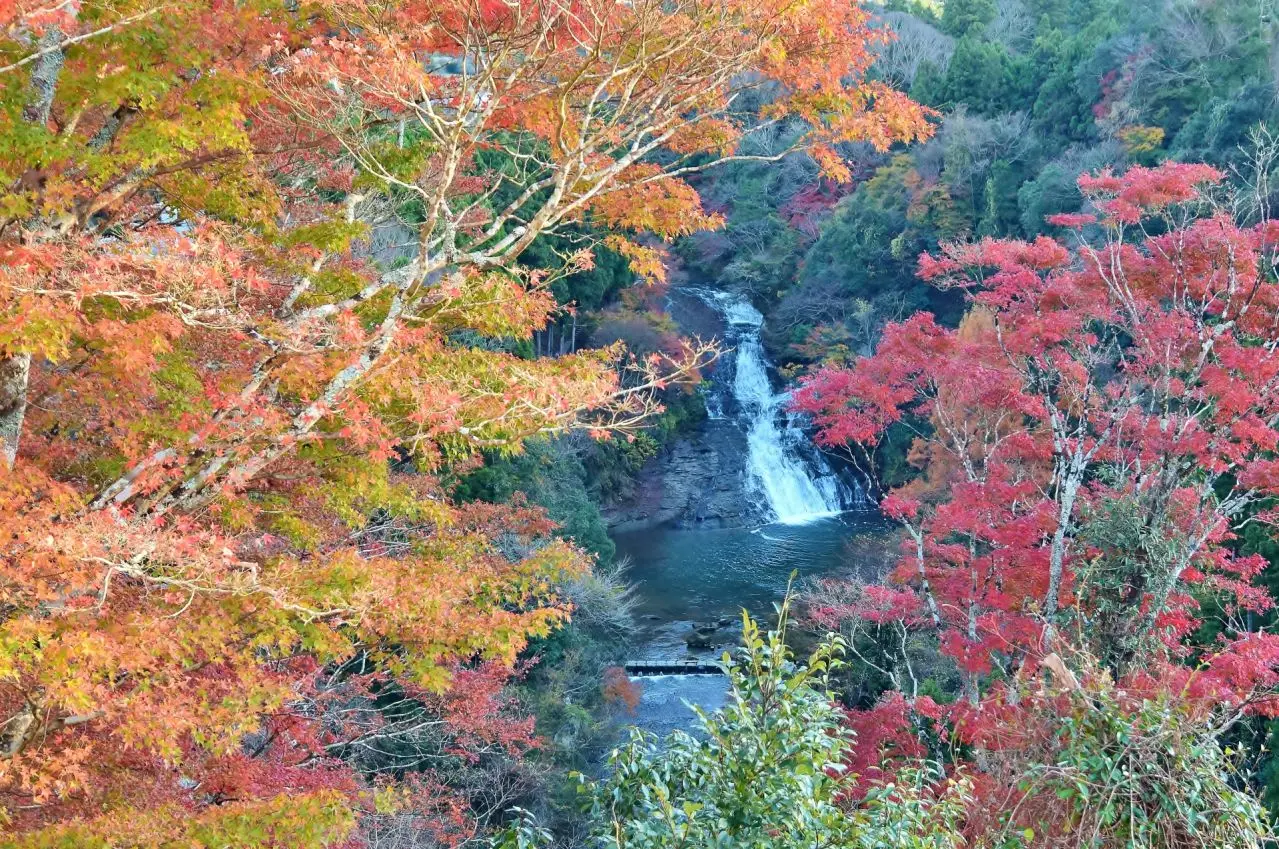
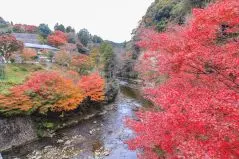
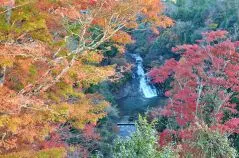
The autumn leaves usually reach their peak from late November to early December, painting the valley in vivid colors.
Popular spots include:
• Around Awamata Falls
• Kengai-kyo
• Umegase Valley
• Nakase Promenade
• The hot spring district
During the foliage season, illumination is held at places such as Awamata Falls, Kannon Bridge, and the Nakase entrance, allowing visitors to enjoy a fantastical atmosphere different from the daytime scenery.
💧 A waterfall tour symbolizing Yoro Keikoku
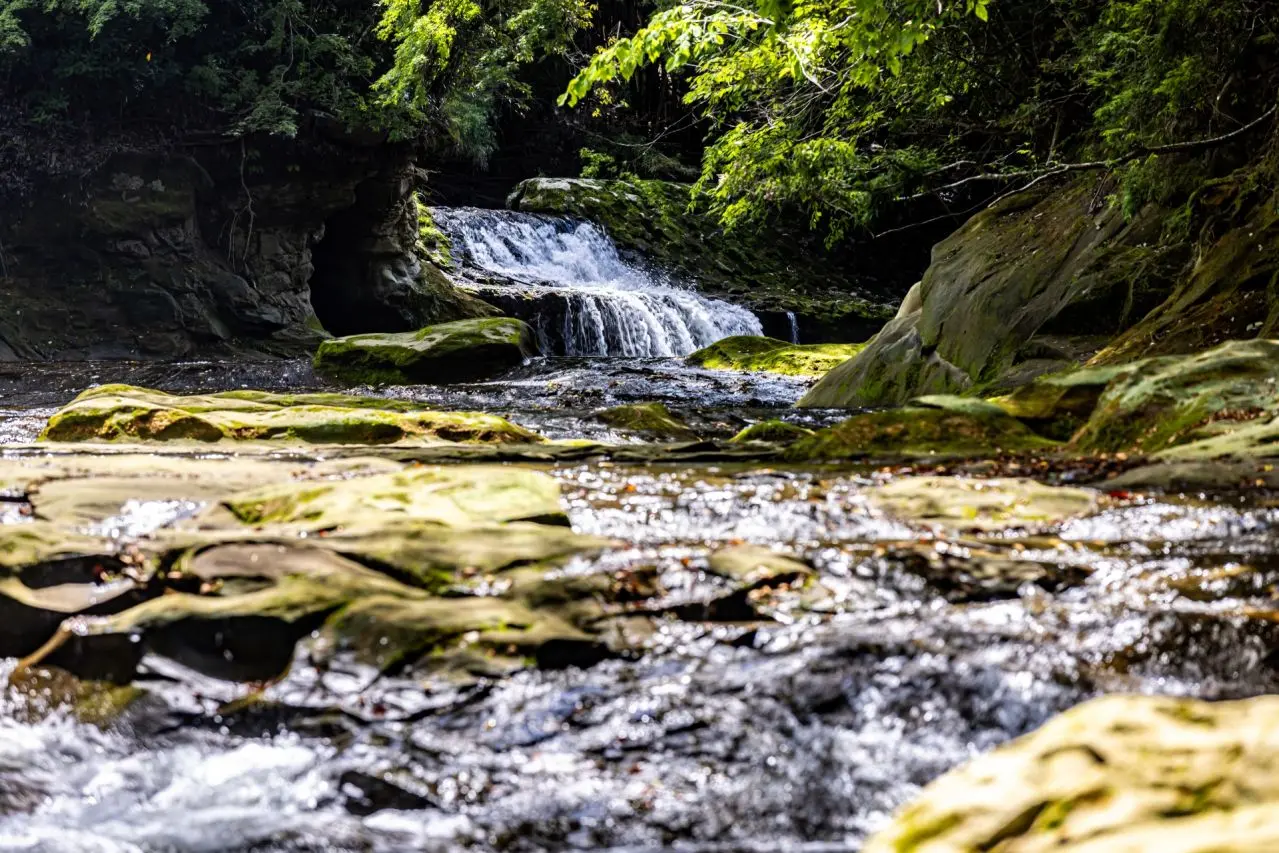
Yoro Keikoku is dotted with waterfalls of various sizes, and waterfall-hopping is a popular activity.
■ Awamata Falls (Yoro Falls)
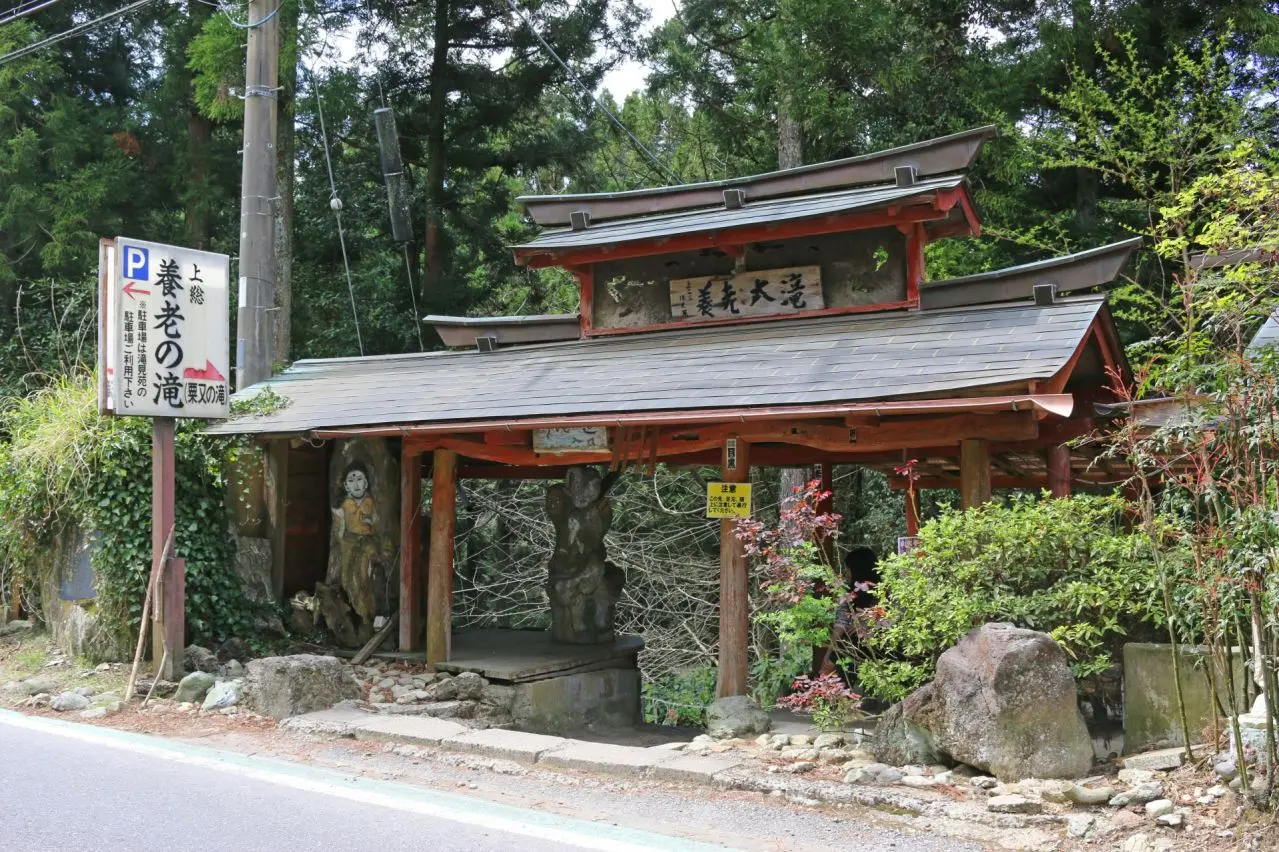
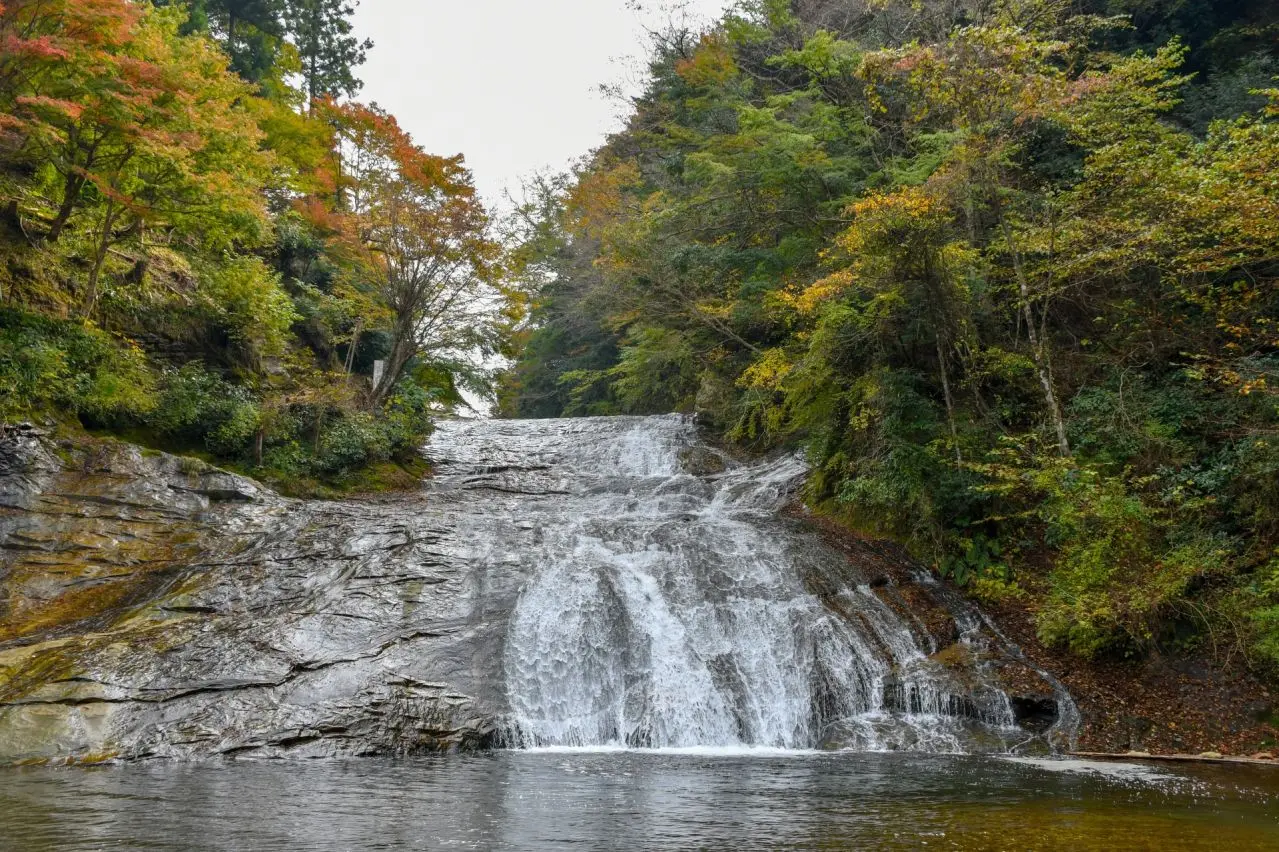
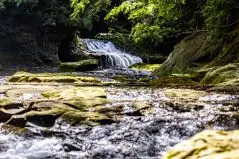
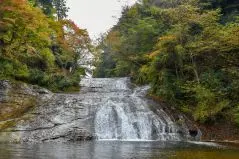
Known as one of the largest waterfalls in Chiba Prefecture, it is characterized by a “sliding waterfall” that flows down smooth rock faces for about 100 meters. With a drop of around 30 meters, visitors can walk close to the basin, and the beautiful harmony with spring greenery and autumn foliage creates a stunning view.
■ Chiyo Falls
Located downstream from Awamata Falls, this delicate and refreshing waterfall has a drop of about 8 meters.
■ Bandai Falls
A beautiful waterfall with a drop of about 10 meters, where water fans out and slides down the rock face; it is a spot where you can fully enjoy the negative ions.
■ Shoryu Falls
A powerful waterfall with a drop of about 20 meters, the water rushing down a rock face at an angle reminiscent of a rising dragon.
■ Kongo Falls
The tallest waterfall in Yoro Keikoku, with a drop of about 35 meters. It is a hidden gem that can be easily visited from the parking area.
🚶 The appeal of the hiking trails
Yoro Keikoku is also called a “mecca for hiking,” offering routes for everyone from beginners to advanced hikers.
● Waterfall Course (approx. 4 km)
The standard route for visiting five waterfalls, with few ups and downs, recommended even for first-time visitors.
● Nakase Promenade
A route that lets you walk close to the river surface, bringing you even nearer to the natural beauty of the valley.
● Daifukuyama Observatory
A superb viewpoint overlooking the mountain ridges dyed in autumn colors.
※ As of October 2025, some sections of the promenade are closed.
🕳 Historic highlights
■ Koubundo Ruins
A tunnel excavated about 140 years ago to divert the river for land development. After a collapse in 1979, it became a unique landscape harmonizing with nature and remains a popular spot today.
■ Mukaiyama-Kyoei Tunnel
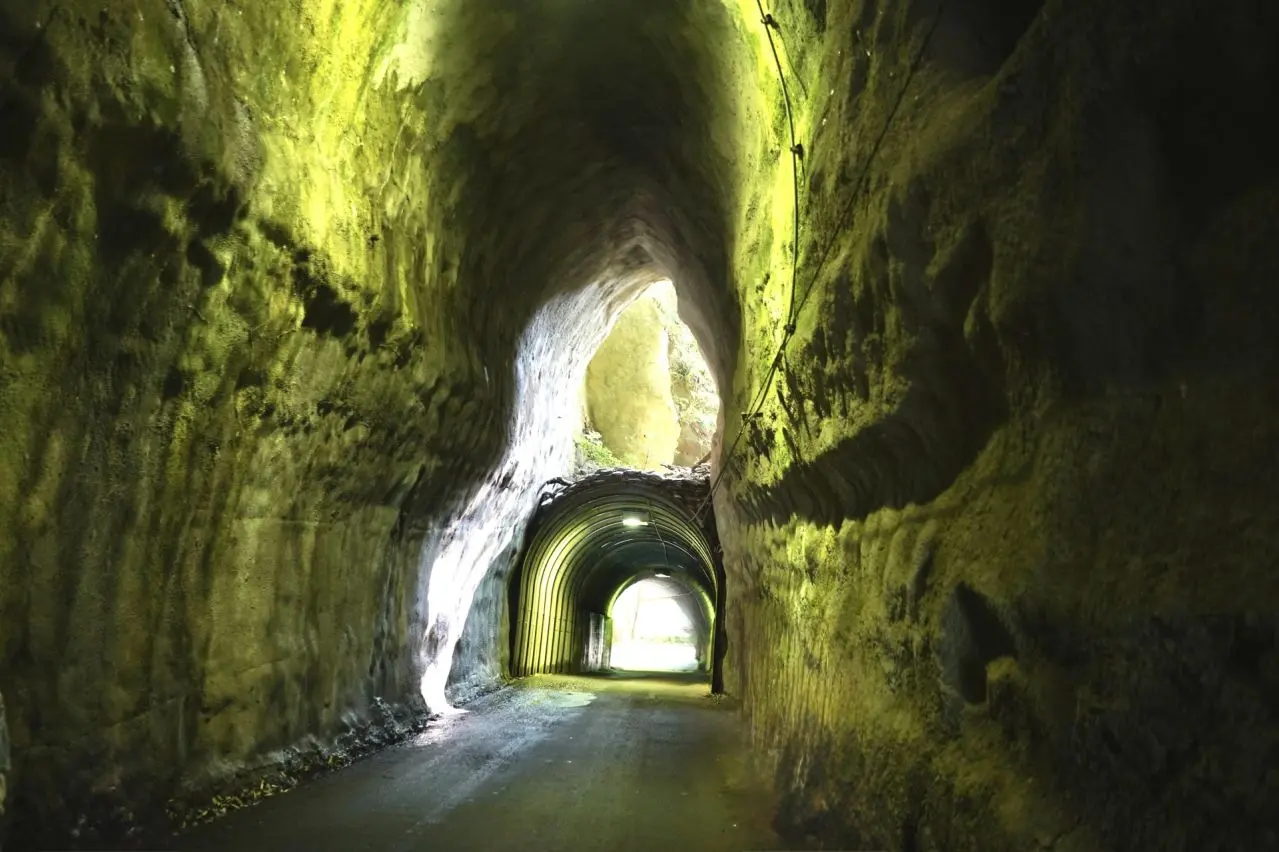
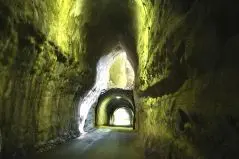
A rare hand-dug tunnel with a two-tier structure. It took on a “two-story” shape because the old exit was not filled in when the new lower tunnel was built. The green interior walls are caused by the lighting, making it a popular photo spot.
🛕 Temples, shrines, and cultural heritage with deep flavor
■ Suigetsu-ji Temple
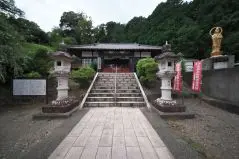
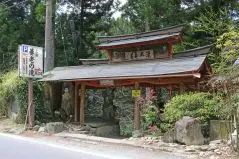
A Zen temple founded in 1384, famous for the rock azaleas that bloom in spring. Its principal image, a seated statue of Nyoirin Kannon Bosatsu, is said to date back to the time of the temple’s founding.
■ Rikkoku-ji Temple (Shusse Kannon)
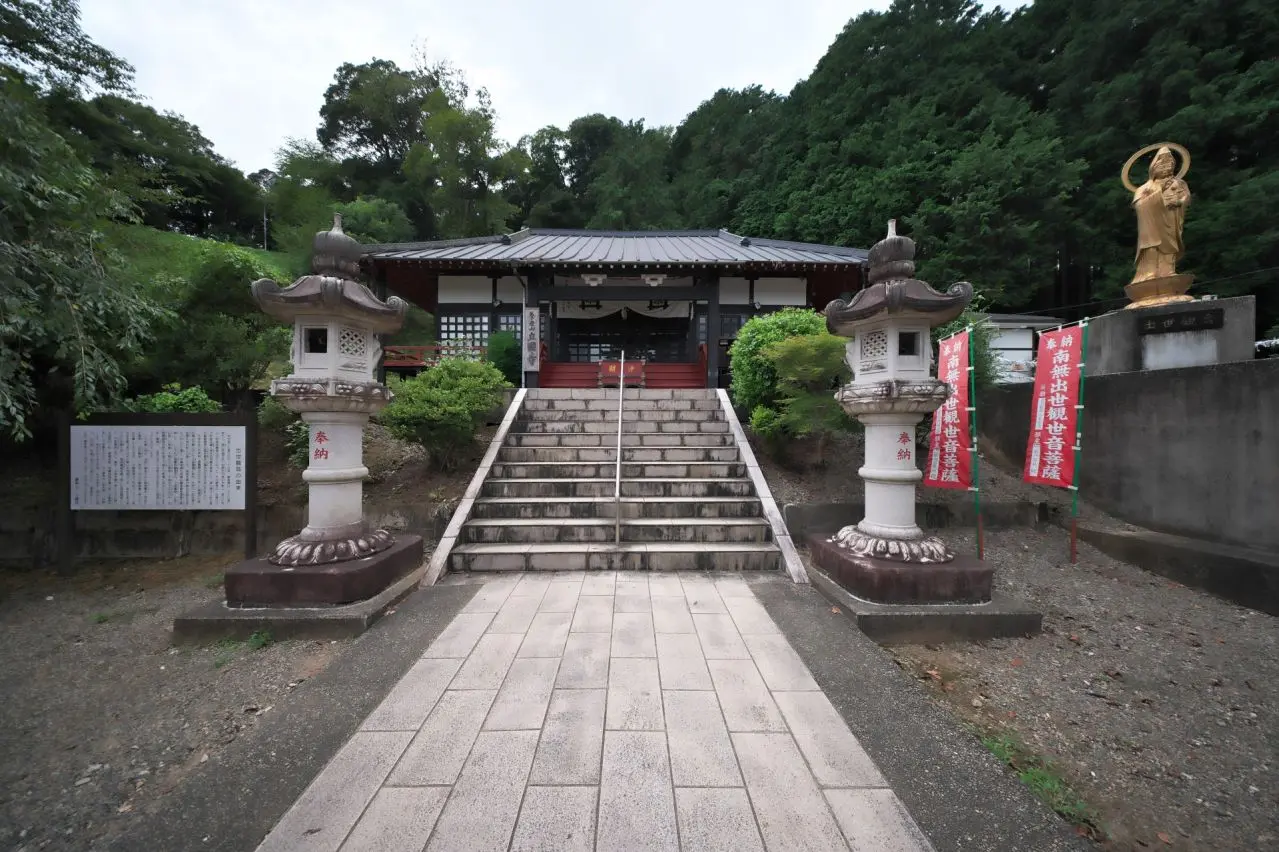
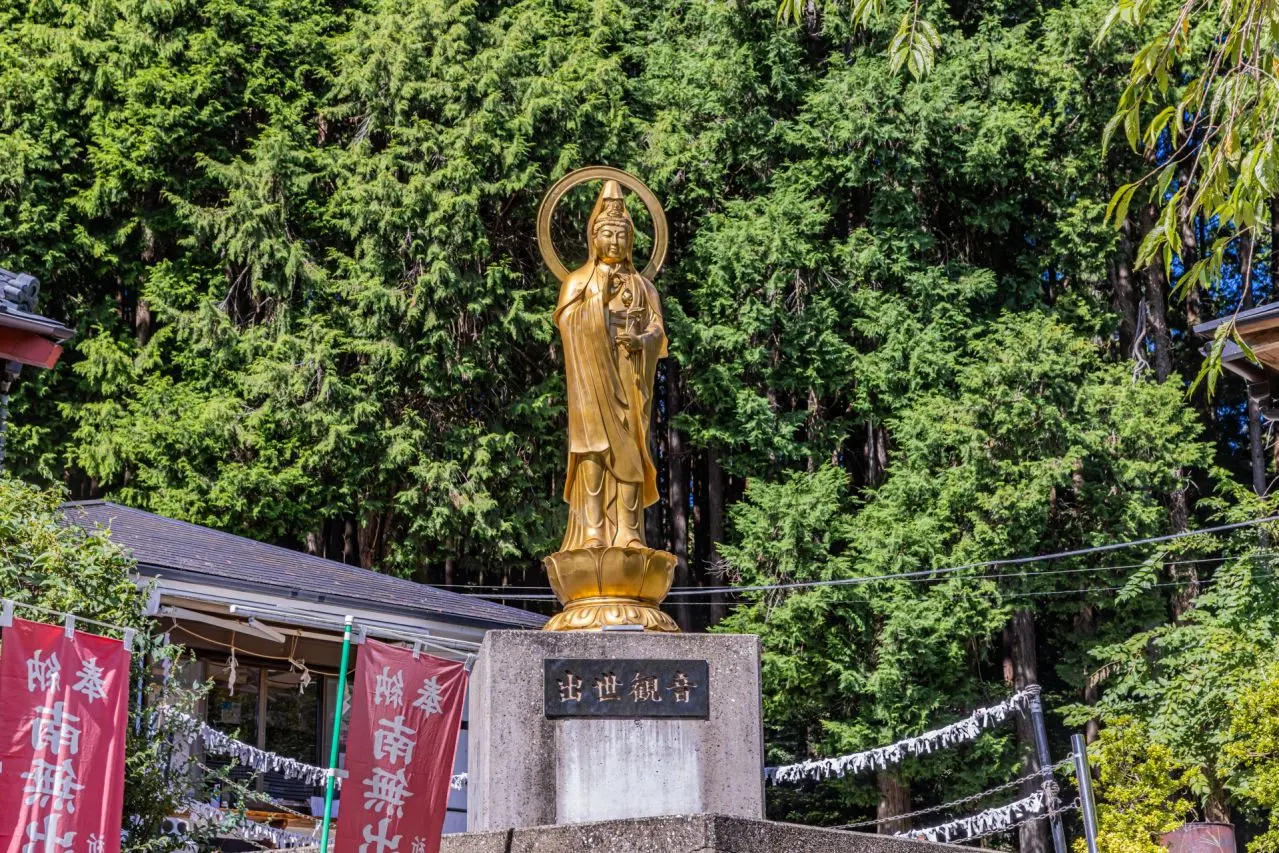
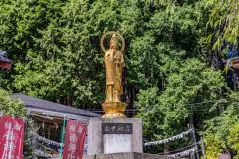
A temple standing beyond Kannon Bridge, enshrining “Shusse Kannon,” associated with the legend that Minamoto no Yoritomo prayed here for his comeback.
■ Tsutsumori Shrine
A historic shrine enshrining Tochi-no-Itsuhime, known as a deity of safe childbirth, and preserving legends related to the Jinshin War.
■ Myogon-ji Temple
Founded in 1382. It flourished as a Shugen-do training site, and valuable historical records remain, including documentation of land donated within the precincts by Satomi Yoshiyori.
🌡 The charm of Yoro Keikoku Onsen
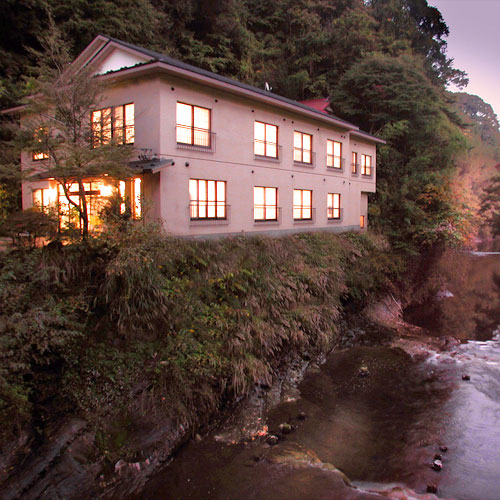
Yoro Keikoku is one of the largest hot spring areas in Boso, famous for its amber-colored black hot spring water. The mildly viscous water retains heat well and is beloved as a “beauty bath.”
• Abundant day-use hot spring facilities
• Footbath available at Yoro Keikoku Station
• Plenty of open-air baths with views of the seasonal scenery
It is the perfect place to soothe the fatigue of hiking and strolling.
🚴 Exploring Yoro Keikoku by bicycle
In the past, rental bicycles were available in front of Yoro Keikoku Station (currently suspended), and cycling to Mukaiyama-Kyoei Tunnel and the hot spring district was popular. With an e-bike equipped with electric assist, even uphill roads can be enjoyed comfortably, allowing you to tour the sights while feeling the valley breeze and nature up close.
🌉 Kannon Bridge
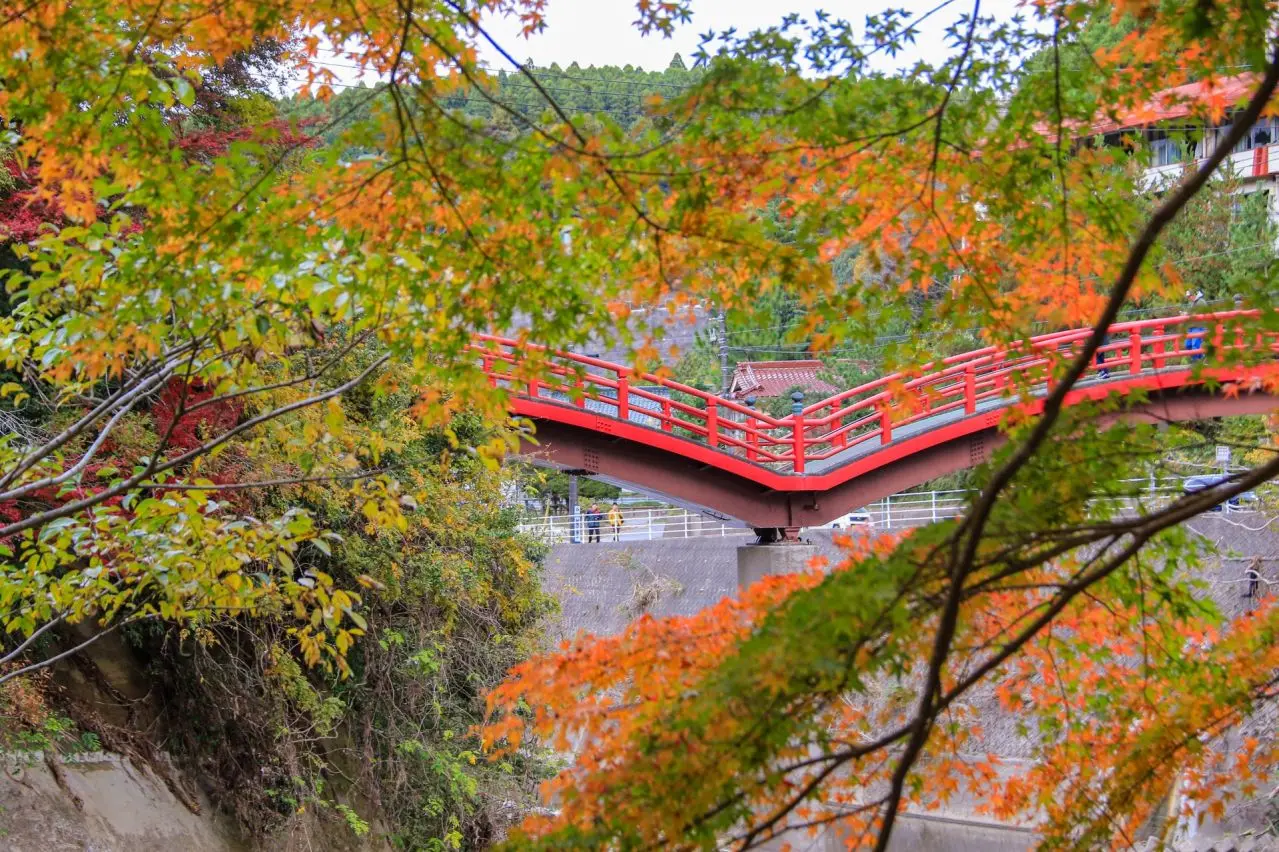
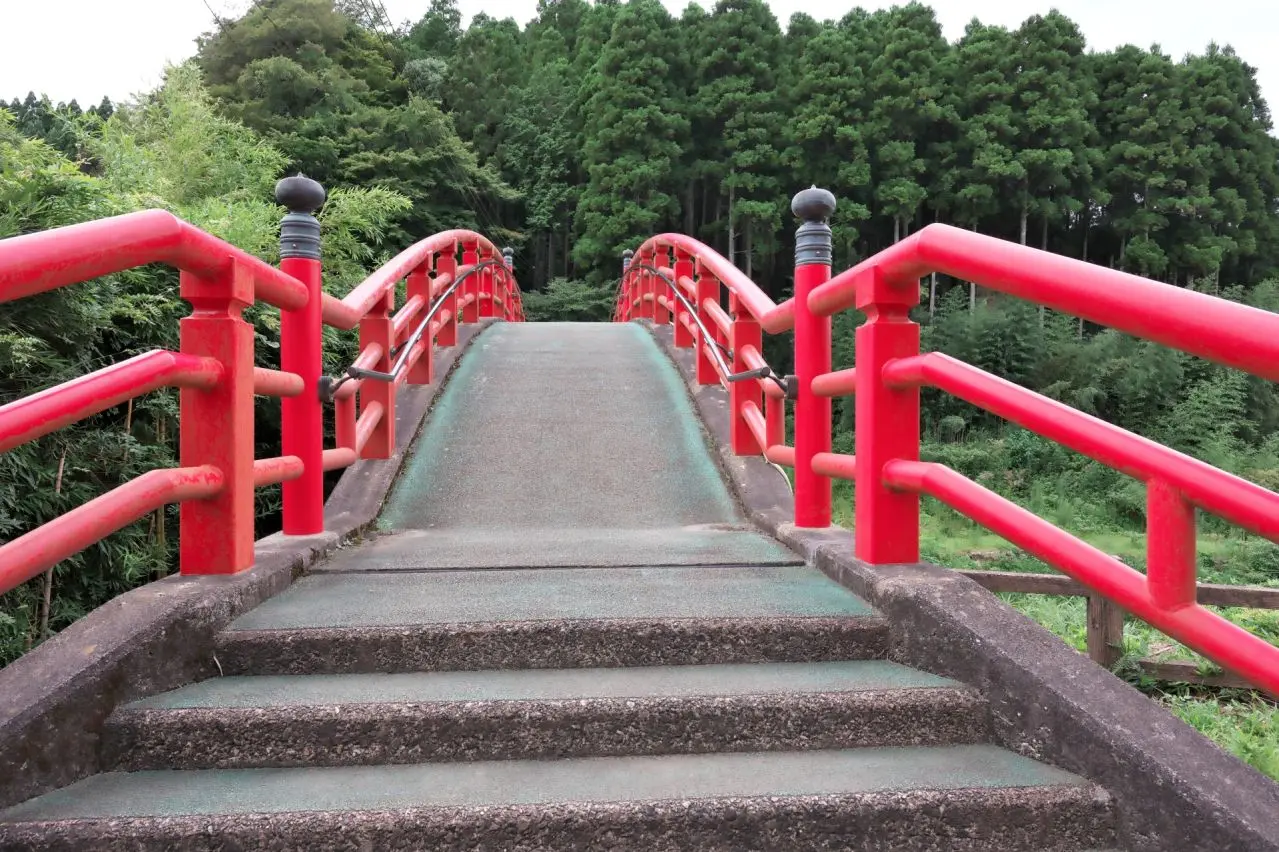
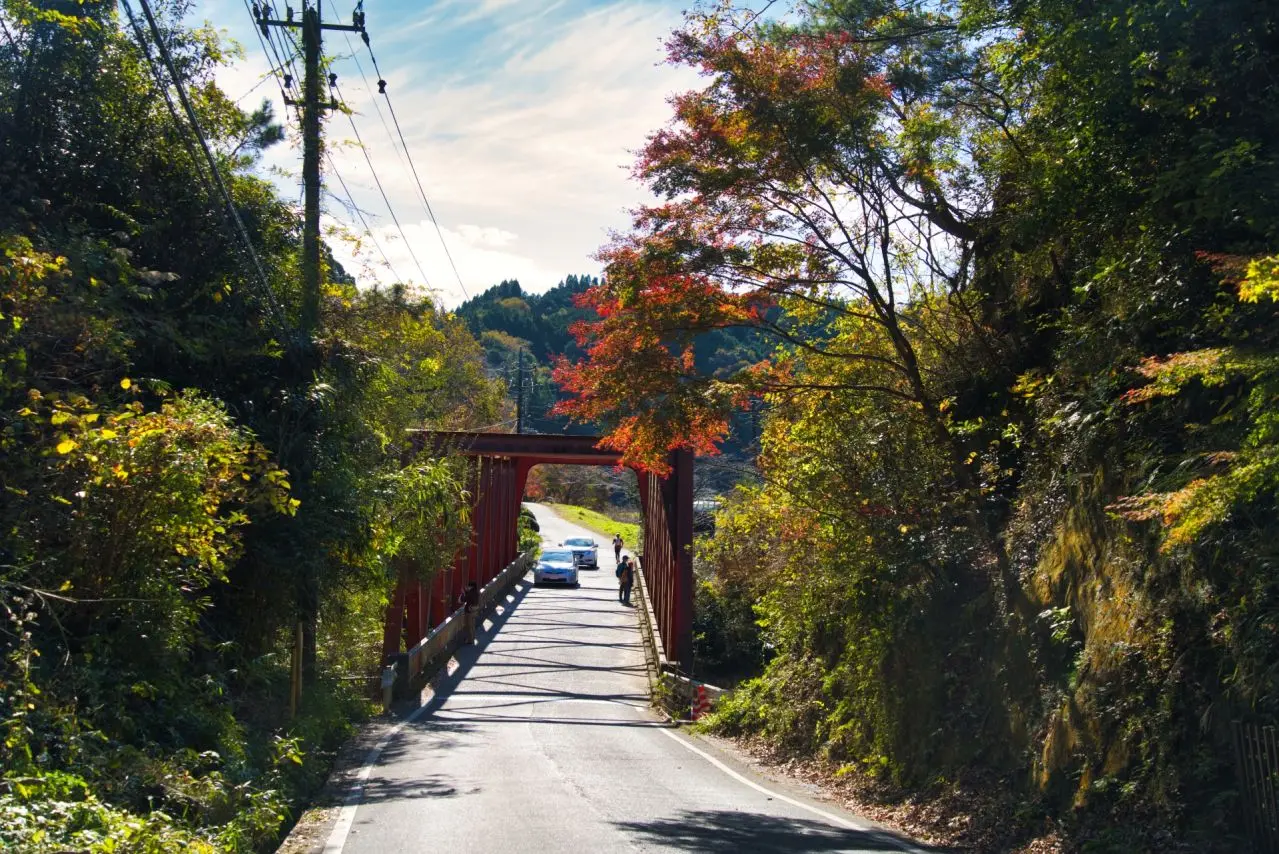
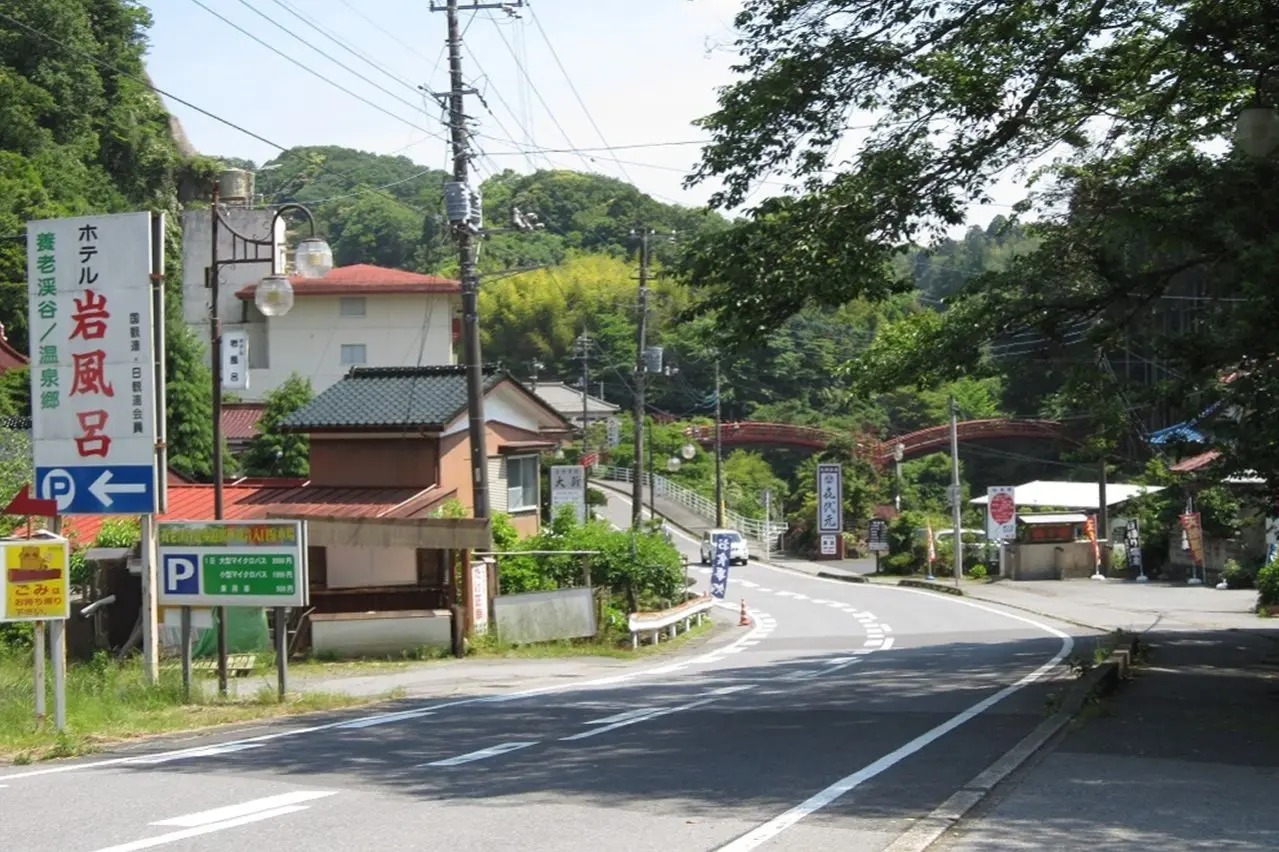
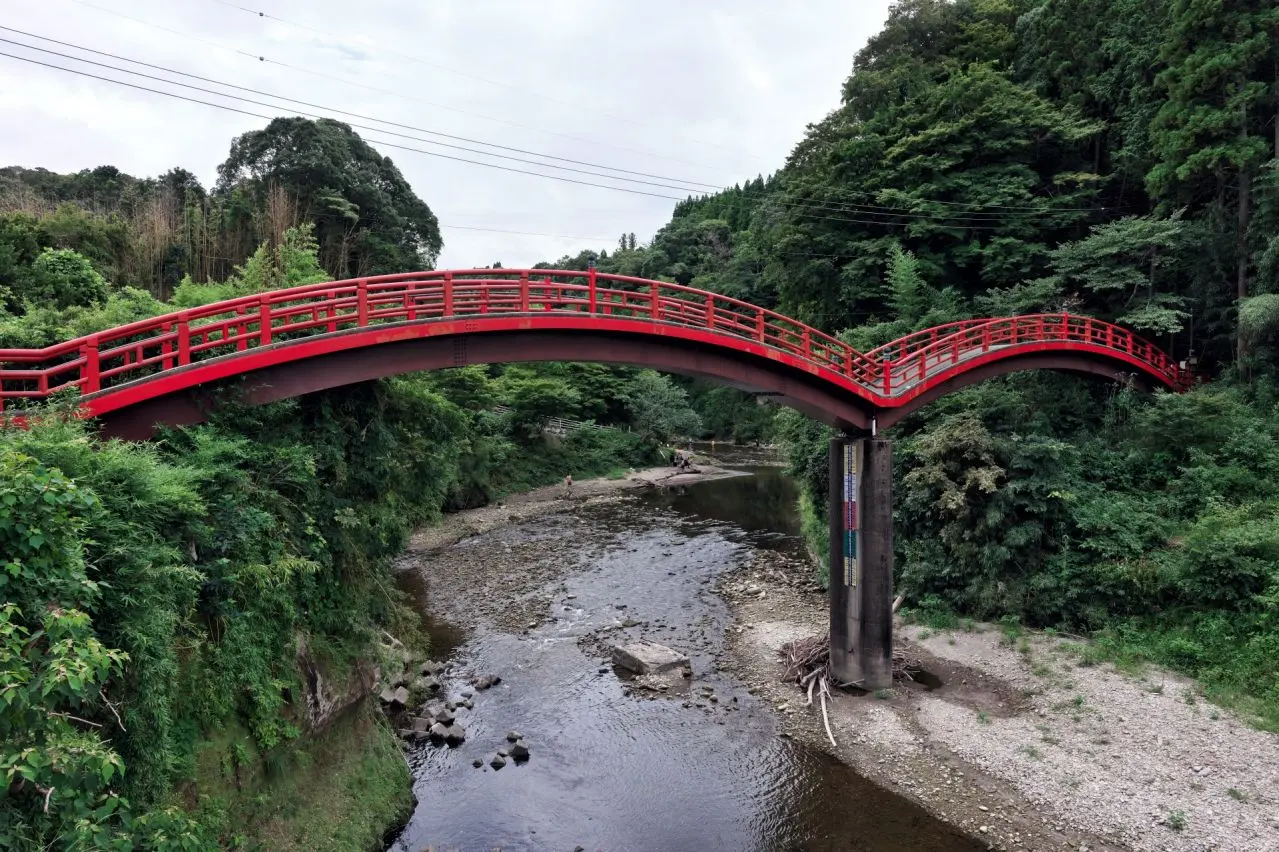
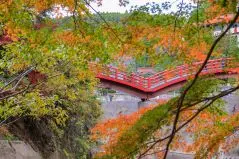
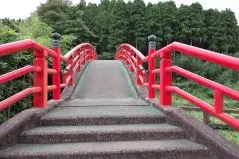
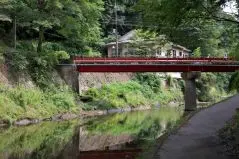
A vermilion-painted taiko-bashi bridge located at the entrance to the Yoro Keikoku hot spring district, it is also popular as a photo spot. Crossing the bridge leads to the approach to Rikkoku-ji Temple, and it is cherished as a symbol of the hot spring town.
🍁 Autumn foliage illumination (usually late November to early December)
During the autumn foliage season, illumination is held at multiple locations in the valley.
• Awamata Falls
• Kannon Bridge
• Hot spring district
• Nakase entrance
• Kengai-kyo
At night, the valley is enveloped in fantastical light and bustling with many tourists.
Yoro Keikoku is one of Chiba Prefecture’s premier sightseeing destinations, packed with diverse attractions such as rich nature, fresh greenery and autumn colors, hot springs, waterfall tours, historic temples and shrines, and scenic photo-worthy spots. It shows a different face in every season, offering new discoveries with each visit. This is the perfect ravine for those who want to escape the noise of the city and enjoy a healing journey in quiet communion with nature.
Chiba Tourist Attractions
View List
Tokyo Disneyland
Tokyo Disneyland is a theme park based on Walt Disney's vision of "a place to bring happiness to people," where visitors of all ages can enjoy themselves. Opened in ...

Chiba Zoological Park
Chiba City Zoo is an animal park surrounded by lush nature. The park is divided into six areas, including the Monkey Zone and Plains Zone, and is home to approximate...

Tokyo German Village
Tokyo German Village is a nature-themed park located in Sodegaura City, Chiba Prefecture, covering a vast area of 270,000 tsubo. Since its opening in 2001, the beaut...

Nokogiriyama
Mount Nokogiri is a mountain rising approximately 330 meters high on the Boso Peninsula in Chiba Prefecture. Known since the Edo period through to the Showa era as a...

Naritasan Shinshoji Temple
Naritasan Shinshoji Temple is located in Narita City, Chiba Prefecture, and is one of Japan's most prominent temples with a history of over 1,080 years. This temple ...

Funabashi Andersen Park
Funabashi Andersen Park is a popular leisure spot where visitors can enjoy seasonal flowers and picturesque windmills. The expansive grounds are divided into five zo...

Kamogawa Sea World
Kamogawa Sea World is an aquarium themed "Encounter with the World of the Sea," located on the Boso Peninsula. Inside the facility, 11,000 specimens of 800 species o...

Shimizu Park
Shimizu Park is a nature-rich park located in Noda City, Chiba Prefecture. With the catchphrase "Friends with Nature," visitors can enjoy beautiful scenery throughou...