



Meigetsuin
Meigetsuin Movies




Basic Information
- Spot Name
- Meigetsuin
- Location
- 〒247-0062 189 Yamanoichi, Kamakura City, Kanagawa Prefecture, Japan
- Access
- 10-minute walk from JR Yokosuka Line "Kita-Kamakura Station".
- Parking
- Please use the nearby paid parking facilities.
- Business Hours
- 9:00 AM - 4:00 PM
In June, 8:30 AM - 5:00 PM (last admission at 4:30 PM) - Regular Holiday
- Open every day.
- Fees
- High school students and above: 500 yen
Elementary and middle school students: 300 yen - Contact Information
- Phone Number: 0467-24-3437
- Official Website
Map
Detailed Information
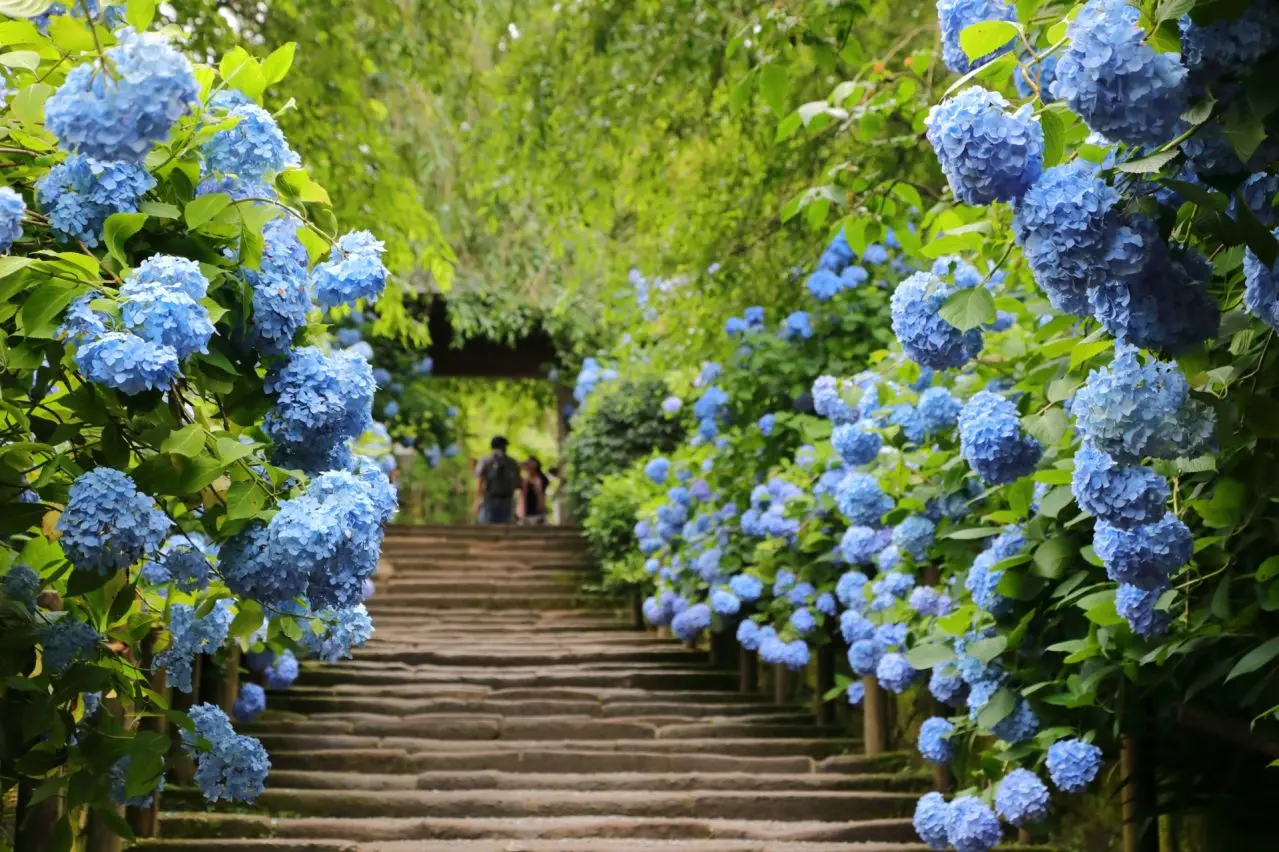
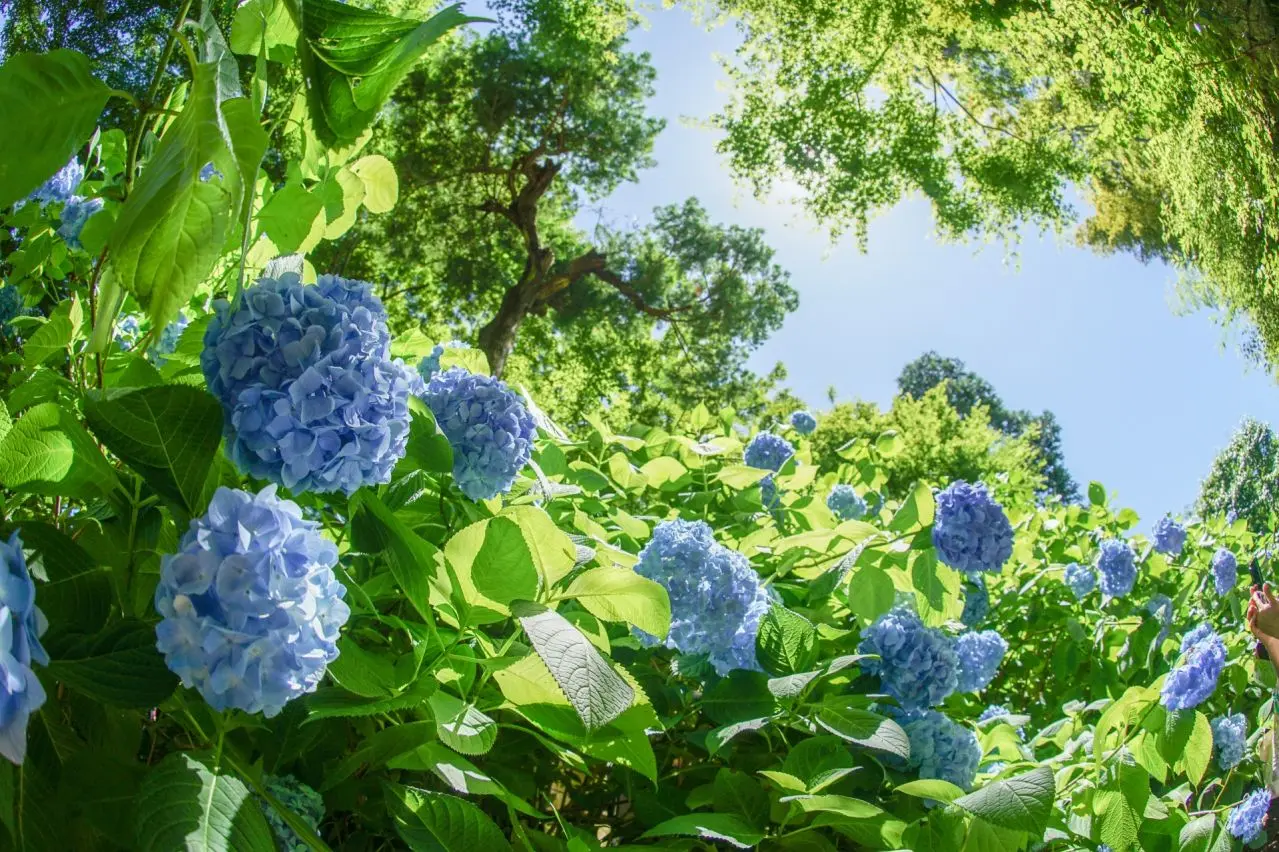
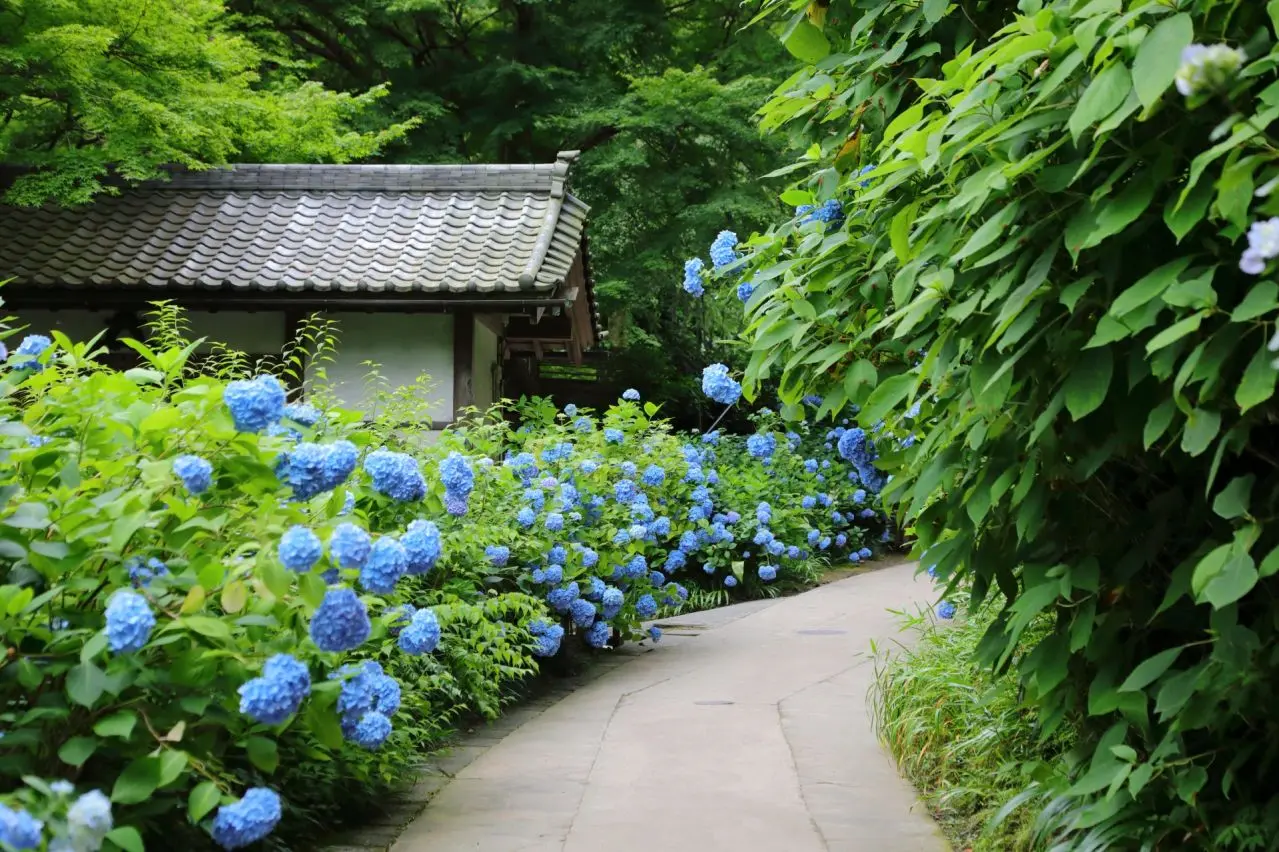
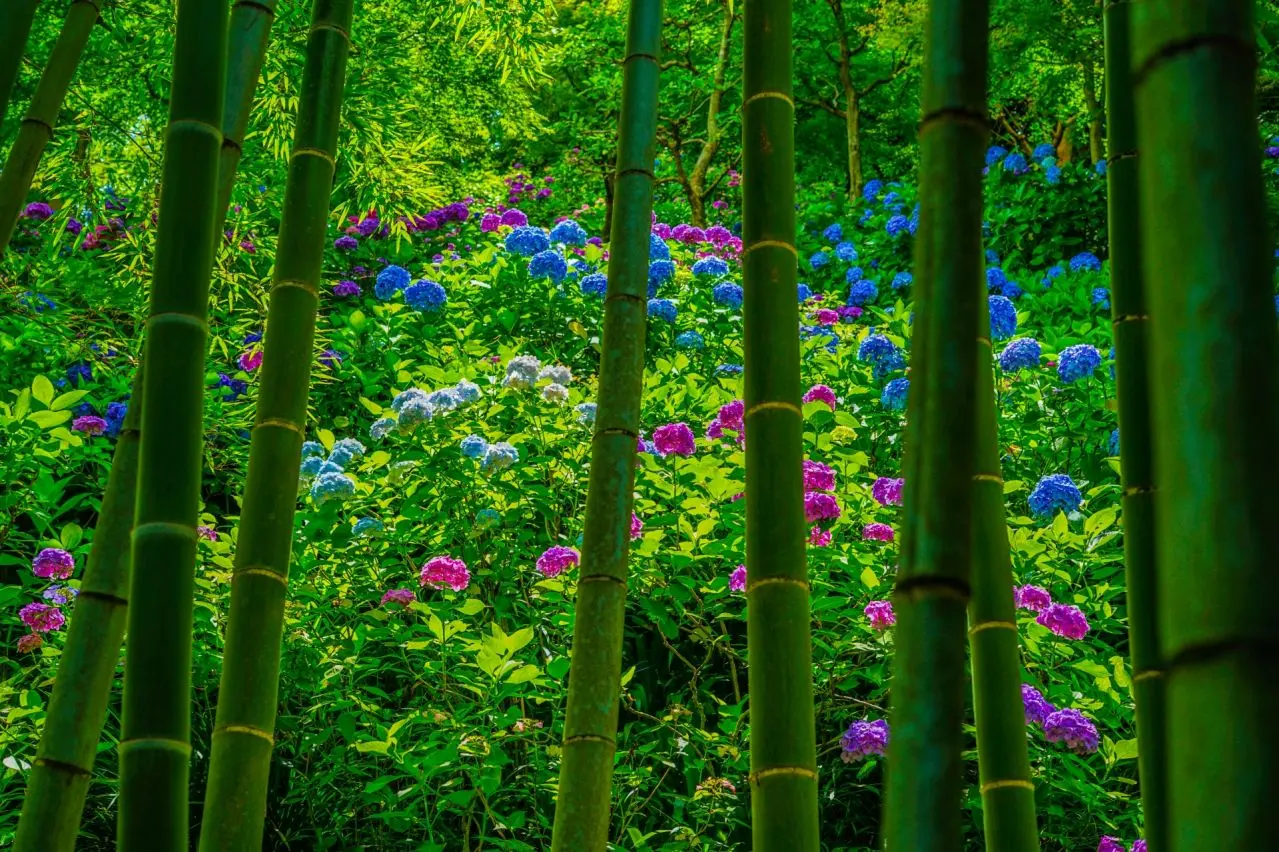
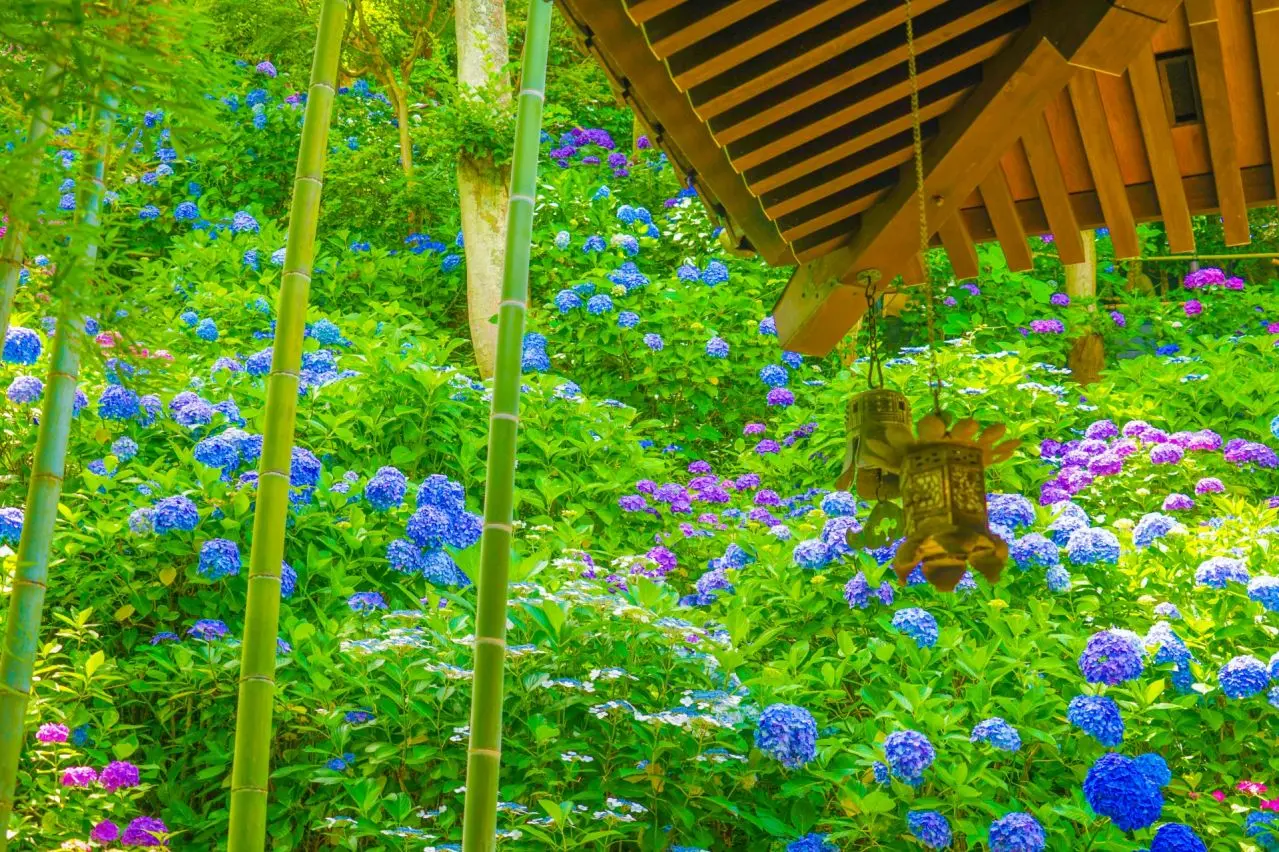
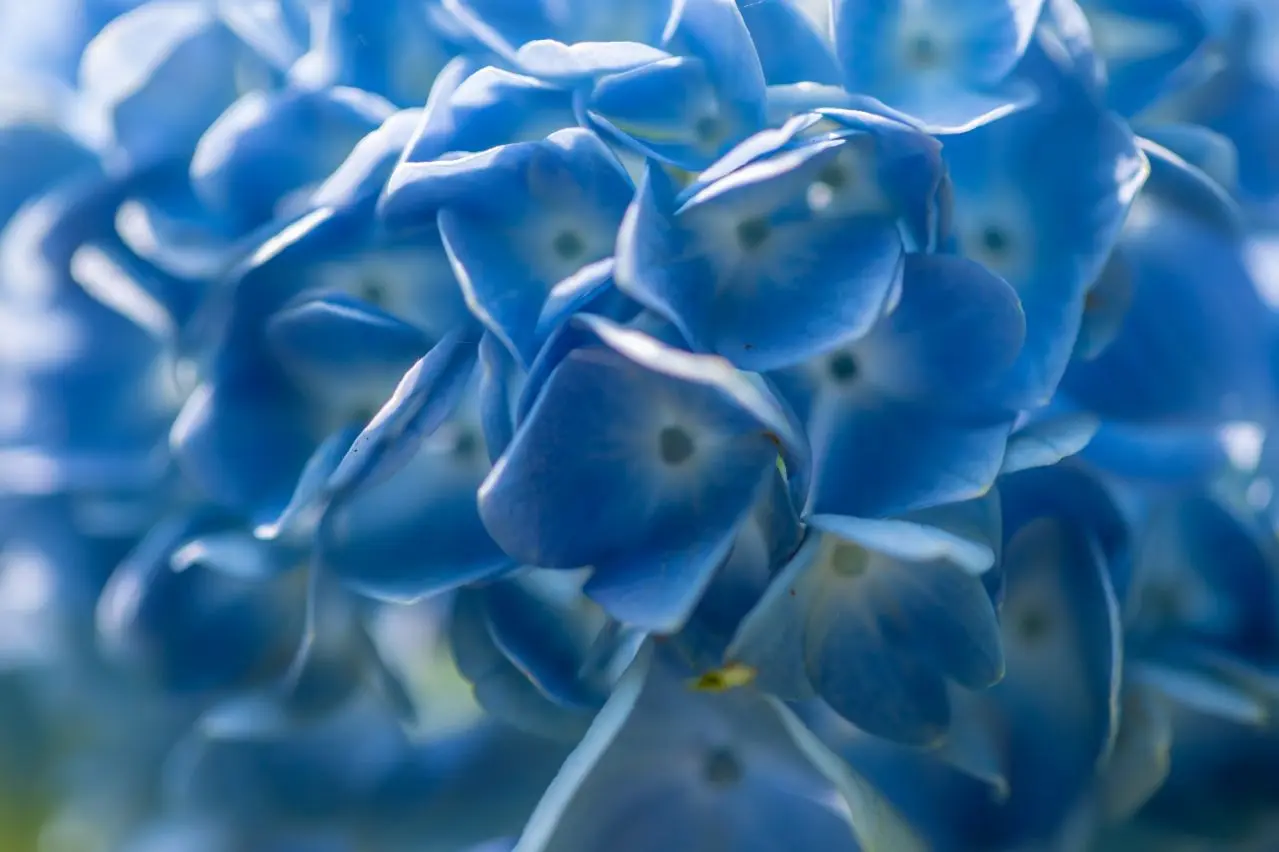
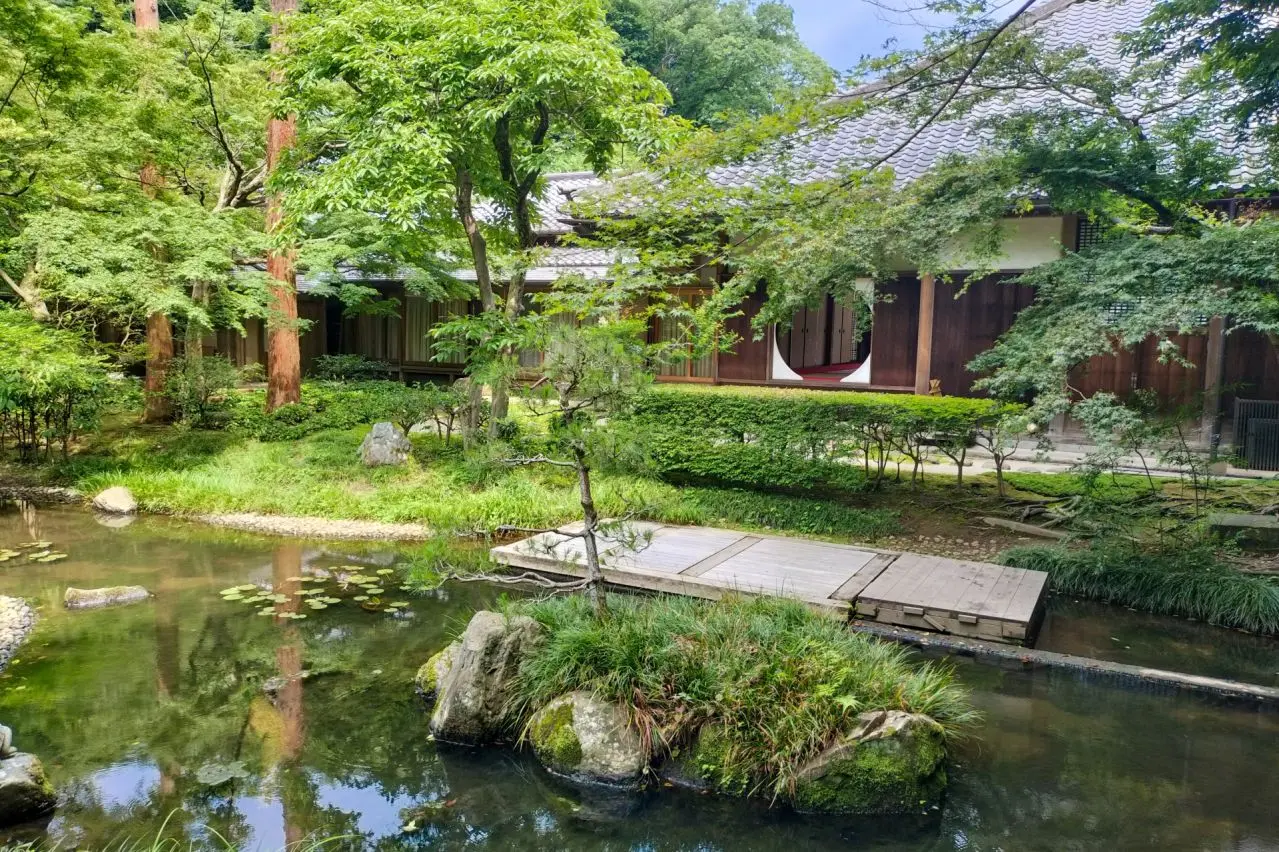
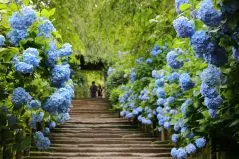
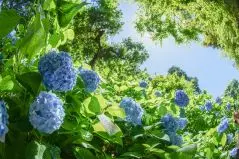
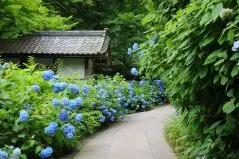
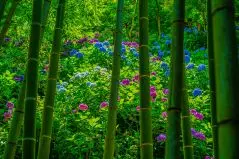
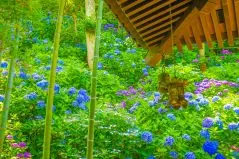
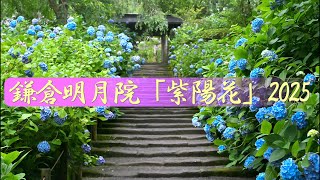
Meigetsuin is a temple of the Kenchō-ji branch of the Rinzai school, located in Yamanouchi, Kamakura City, and enshrines a seated statue of Shōkanzeon Bosatsu as its principal image. Surrounded by the rich natural beauty of a valley-shaped landscape, the temple grounds are known nationwide as the “Hydrangea Temple.” In particular, around 2,500 Hime-ajisai bloom in June, changing from pale blue to deep indigo and captivating many visitors as “Meigetsuin Blue.” But its appeal is not limited to hydrangeas; with a long history, flowers that color the seasons, buildings that evoke Zen thought, and one of Kamakura’s largest yagura cave tombs, it is a temple full of diverse highlights.
[History] — A temple founded in 1159 that supported the development of Kamakura Buddhism
The origins of Meigetsuin date back to 1159, in the late Heian period. It began when Yamanouchi Tokitoshi, the son of the warrior Shudō Toshimichi, who fell in battle during the Heiji Disturbance, established a hermitage called “Meigetsuan” at this site to memorialize his father.
Thereafter, the site developed in close connection with the Kamakura shogunate.
• 1256
The fifth shikken, Hōjō Tokiyori, founded Saimeiji as a place to become a monk and spent his later years here.
• After Tokiyori’s death, Tokimune founded Zenkōji
The eighth shikken, Hōjō Tokimune, established Zenkōji on the site of Saimeiji and invited the great priest Rankei Dōryū as its founding abbot.
• 1380
At the command of Kamakura kubō Ashikaga Ujimitsu, Kantō kanrei Uesugi Norikata revived Zenkōji. The temple estate was greatly expanded, and at this time Meigetsuan was renamed “Meigetsuin” and made the chief subtemple.
Norikata’s posthumous Buddhist name, “Meigetsuin-den,” is the origin of the temple’s name.
During the Muromachi period, Zenkōji became a renowned temple ranked first among the Ten Great Zen Temples of the Kantō region, but it was abolished in the early Meiji period. Today, only Meigetsuin, once a subtemple, remains and carries its history to the present day.
[Garden and Temple Grounds Highlights] — A space shaped by Zen spirit and natural beauty
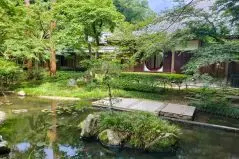
● ◎ The round window in the main hall, known as the “Window of Enlightenment”
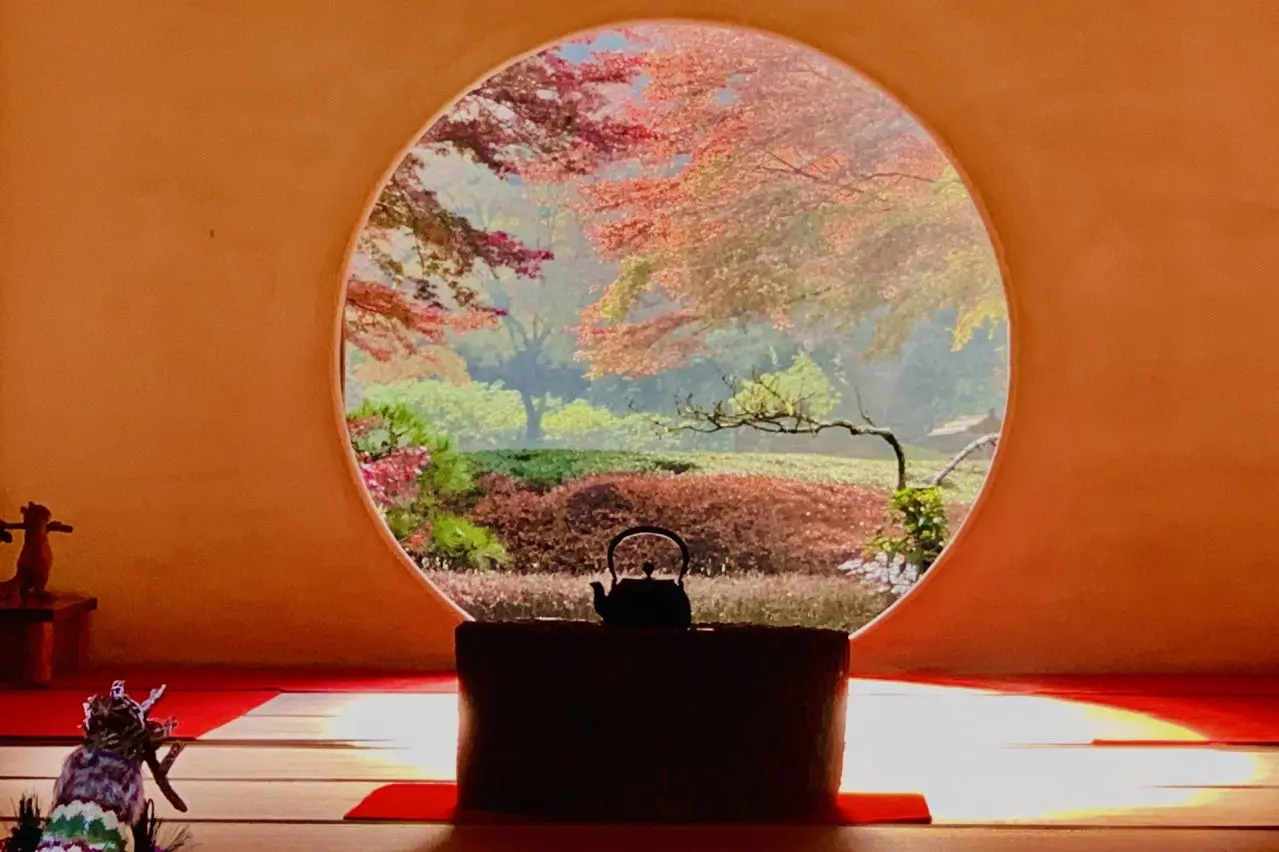
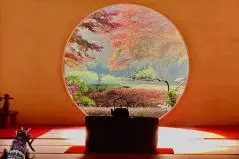
The large circular window in the main hall is commonly called the “Window of Enlightenment” (this is a popular nickname, not the official name). The circle is considered a symbol of enlightenment, truth, and the universe, and it is said that the way one perceives it varies depending on one’s state of mind.
The back garden viewed through this window is arranged like a scene from a painting. Usually closed to the public, it is opened only during the early summer iris bloom and the autumn foliage season, enchanting many visitors.
● ◎ Meigetsuin Yagura, one of the largest in Kamakura
Located at the back of the grounds, the “Meigetsuin Yagura” is one of the largest cave tombs in Kamakura.
It is said to measure about 7 m wide, 6 m deep, and 3 m high, an unparalleled size among Kamakura-period yagura structures (dimensions vary slightly depending on the source).
Inside stands a hōkyōintō stone pagoda believed to be the grave of Uesugi Norikata, and the walls are carved in relief with Shakyamuni Buddha, Prabhūtaratna Buddha, and the Sixteen Arhats, which is why it is also called the “Rakan Cave.” It is a highly valuable historic site of both artistic and historical significance.
● ◎ Dry landscape garden, Kame-no-i Well, and the grave of Hōjō Tokiyori
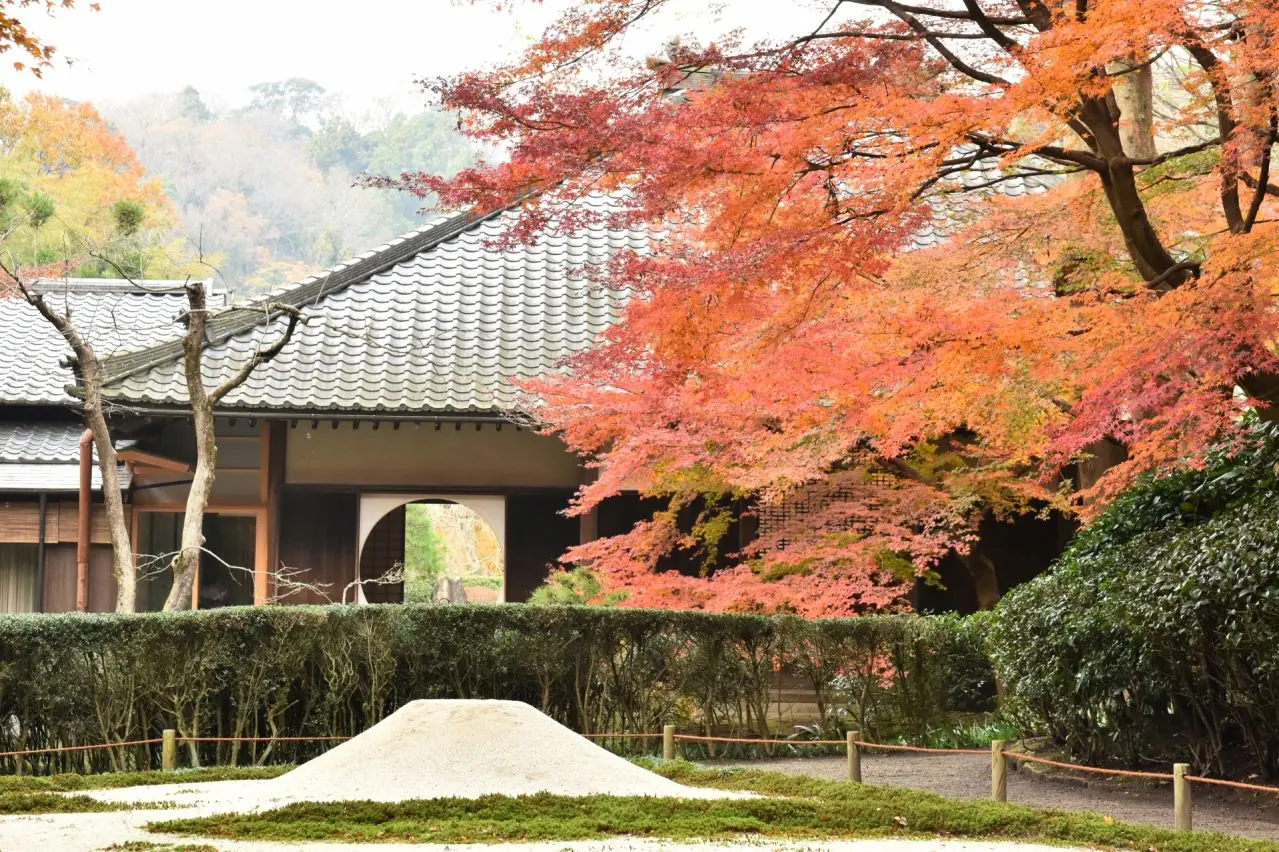
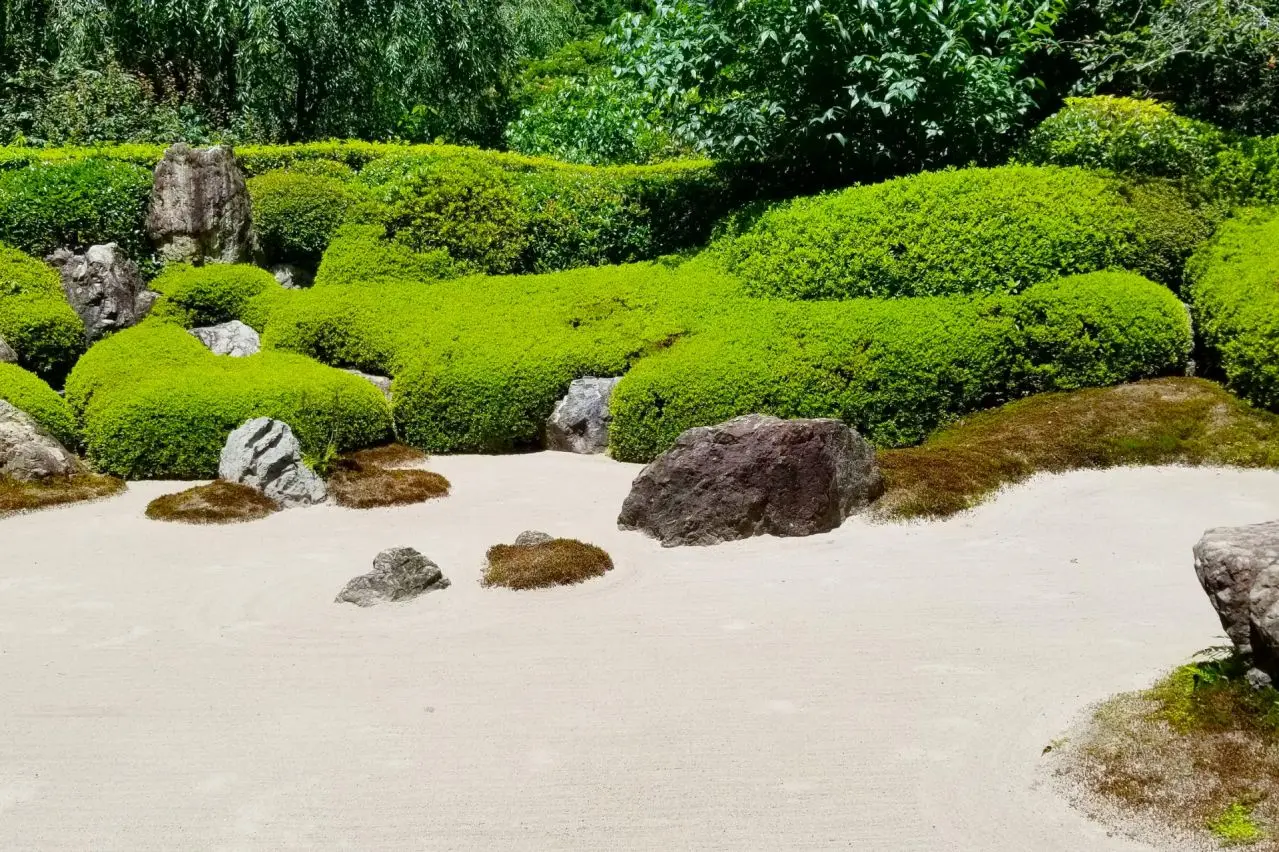
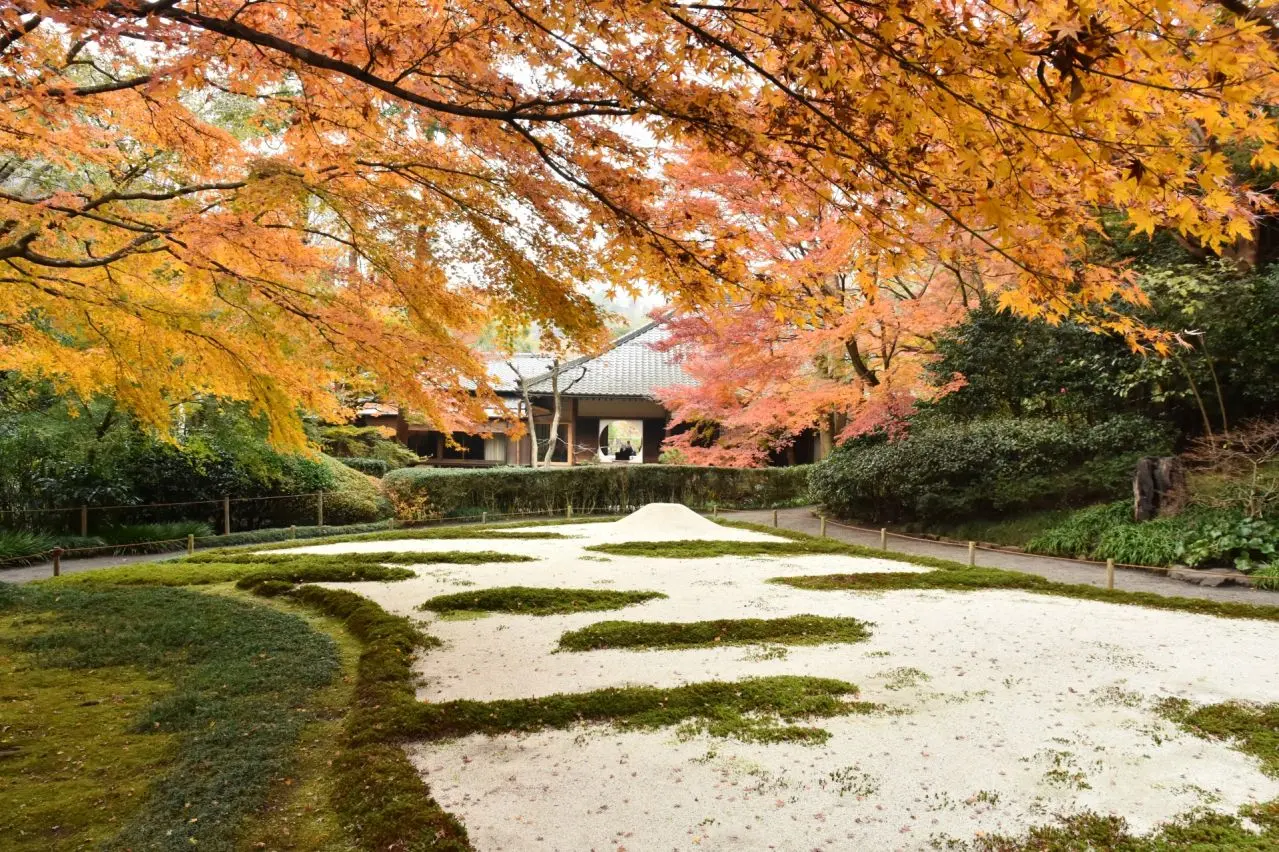
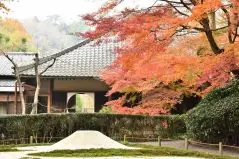
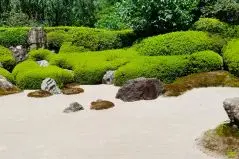
Within the temple grounds are several remains that evoke medieval Kamakura, including a dry landscape garden symbolizing Zen spirit, Kame-no-i (“Jar Well”), one of the Ten Famous Wells of Kamakura, and the grave of Hōjō Tokiyori.
[Seasonal Flowers] — Meigetsuin is also attractive as a “flower temple” in every season
■ Spring
• Weeping cherry blossoms (especially beautiful around the approach)
• Plum blossoms, snow willows, flowering quince, and Japanese magnolia
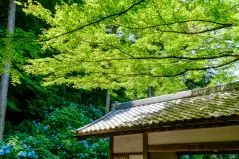
• The moss garden with its beautiful fresh greenery
Spring at Meigetsuin is surprisingly quiet, making it a hidden gem for leisurely walks.
■ Early summer (May to June) — the season of Meigetsuin Blue
• About 2,500 Hime-ajisai
• Depending on the timing, their color changes from pale blue to deep indigo
• You may also encounter heart-shaped hydrangeas
• The iris garden is specially opened to the public
It gets crowded, but after 4:00 p.m. it is relatively calm for viewing.
■ Summer
• Japanese irises
• Summer camellias
• Iwatabako, a rare purple flower that blooms on rocky surfaces
■ Autumn
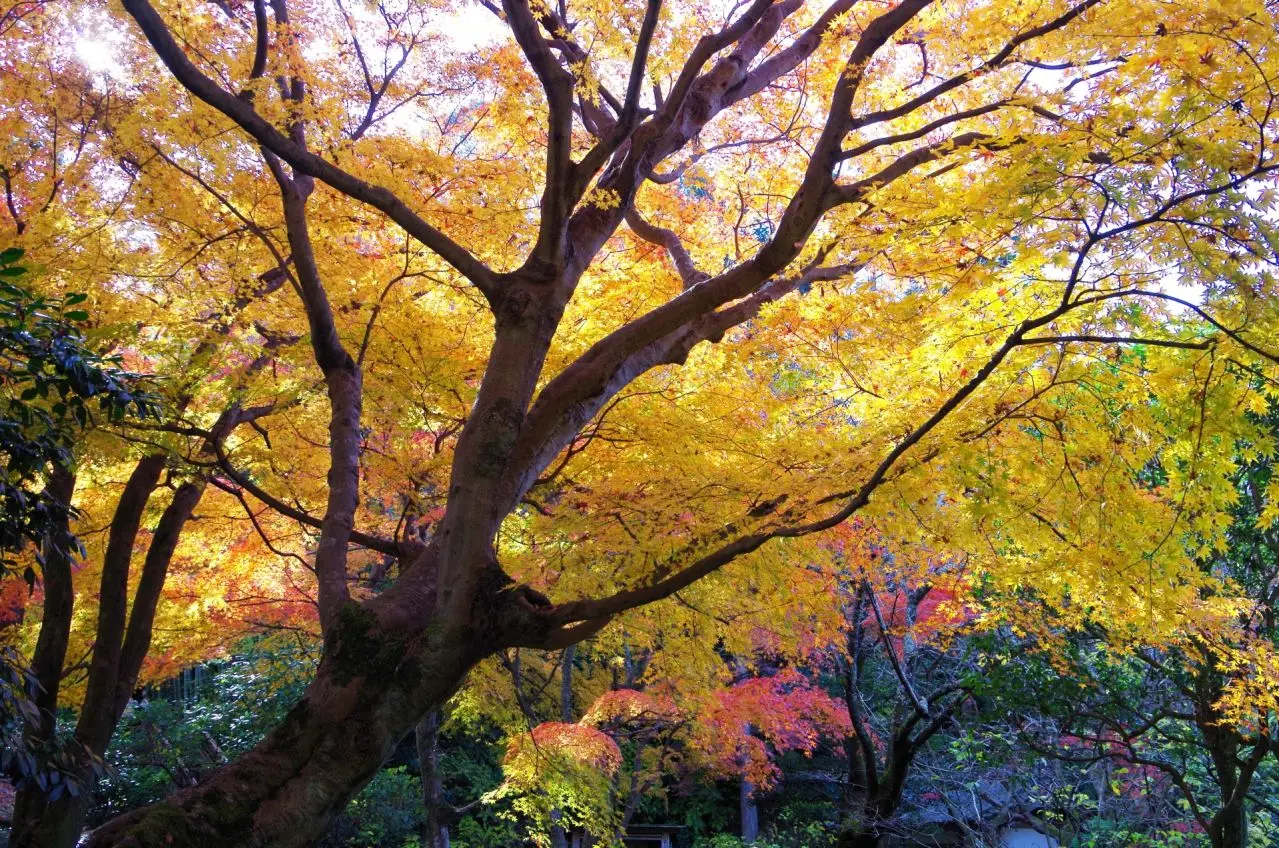
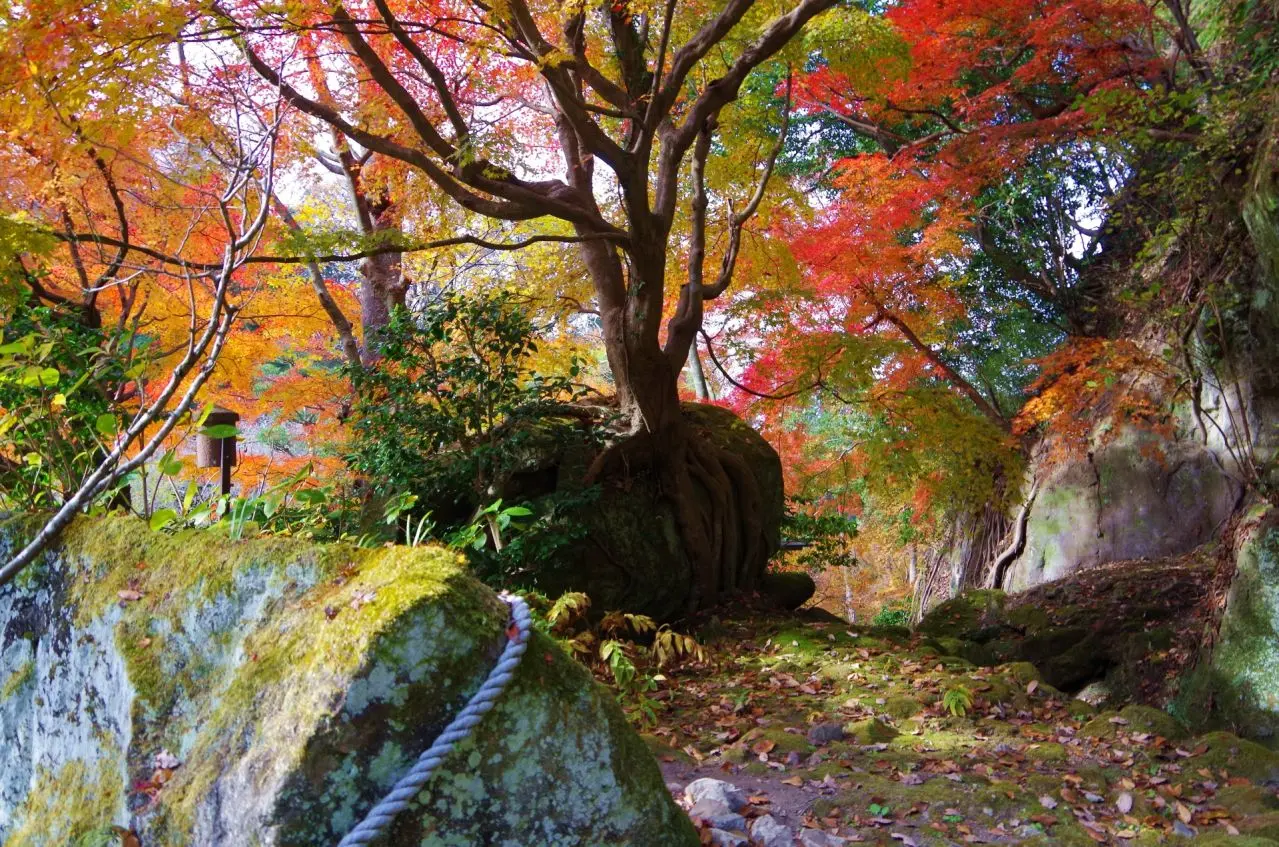
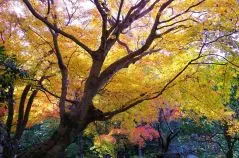
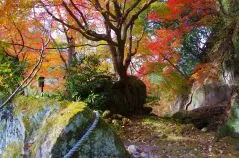
• Maple leaves turning red and ginkgo leaves turning yellow
• Bush clover, autumn anemones, and fragrant olive
• The back garden is specially opened during the autumn foliage season
The autumn leaves seen through the round window are especially breathtaking.
■ Winter
• Wintersweet and plum blossoms
• Christmas roses
• A tranquil landscape unique to winter
Because flowers bloom here throughout the year, it is also called the “Temple of Flowers.”
[Meigetsuin’s “Rabbits”] — A soothing presence connected to the moon
Because the temple name includes the character for “moon,” it evokes the image of the “moon rabbit,” and there are many rabbit-themed spots within the grounds.
• A statue of the “Rabbit and the Tortoise” near the entrance
• A rabbit hutch named the “Rabbit Space Station”
• Charming photo spots where their adorable presence can be enjoyed
Along with the seasonal flowers, the rabbits are a beloved source of comfort for visitors.
[Hanamoi Jizō] — A gentle Jizō carrying the flowers of the four seasons
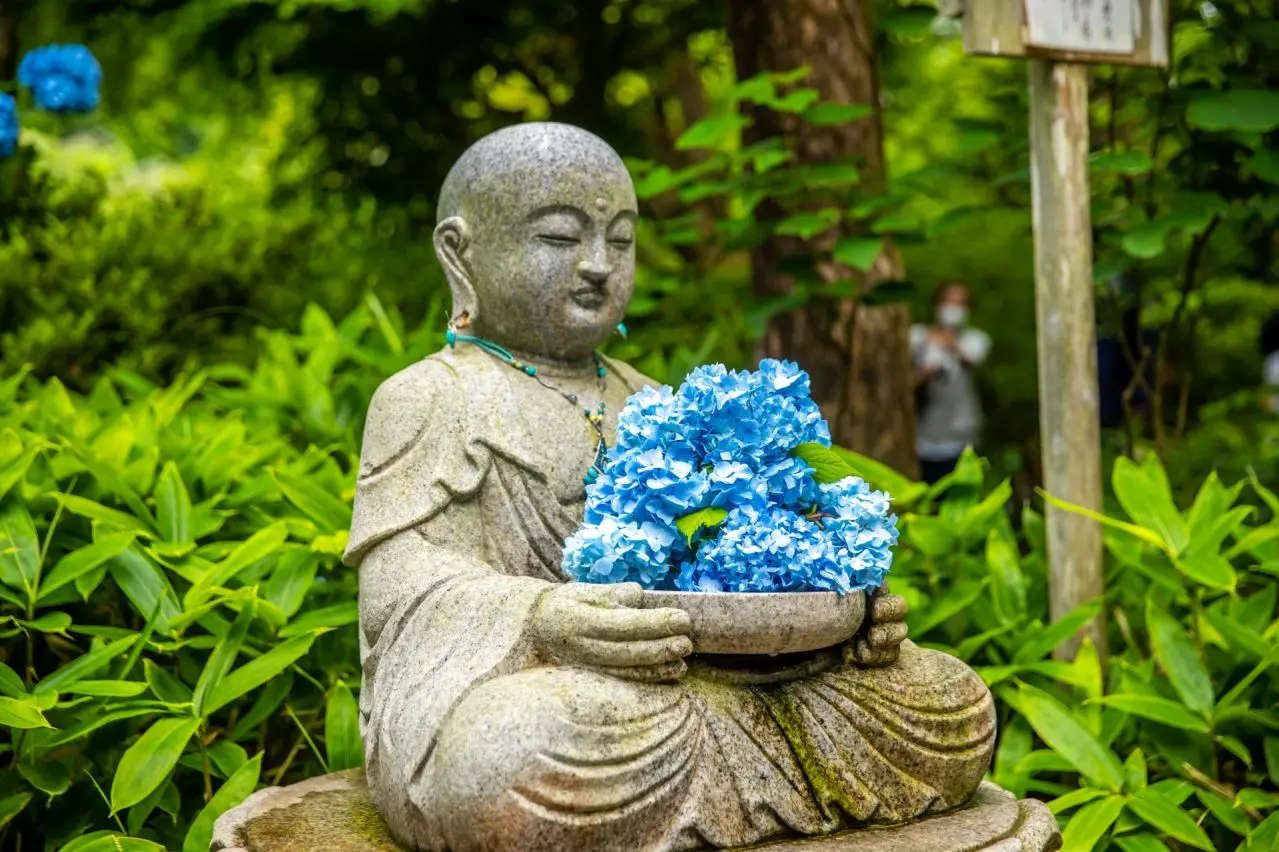
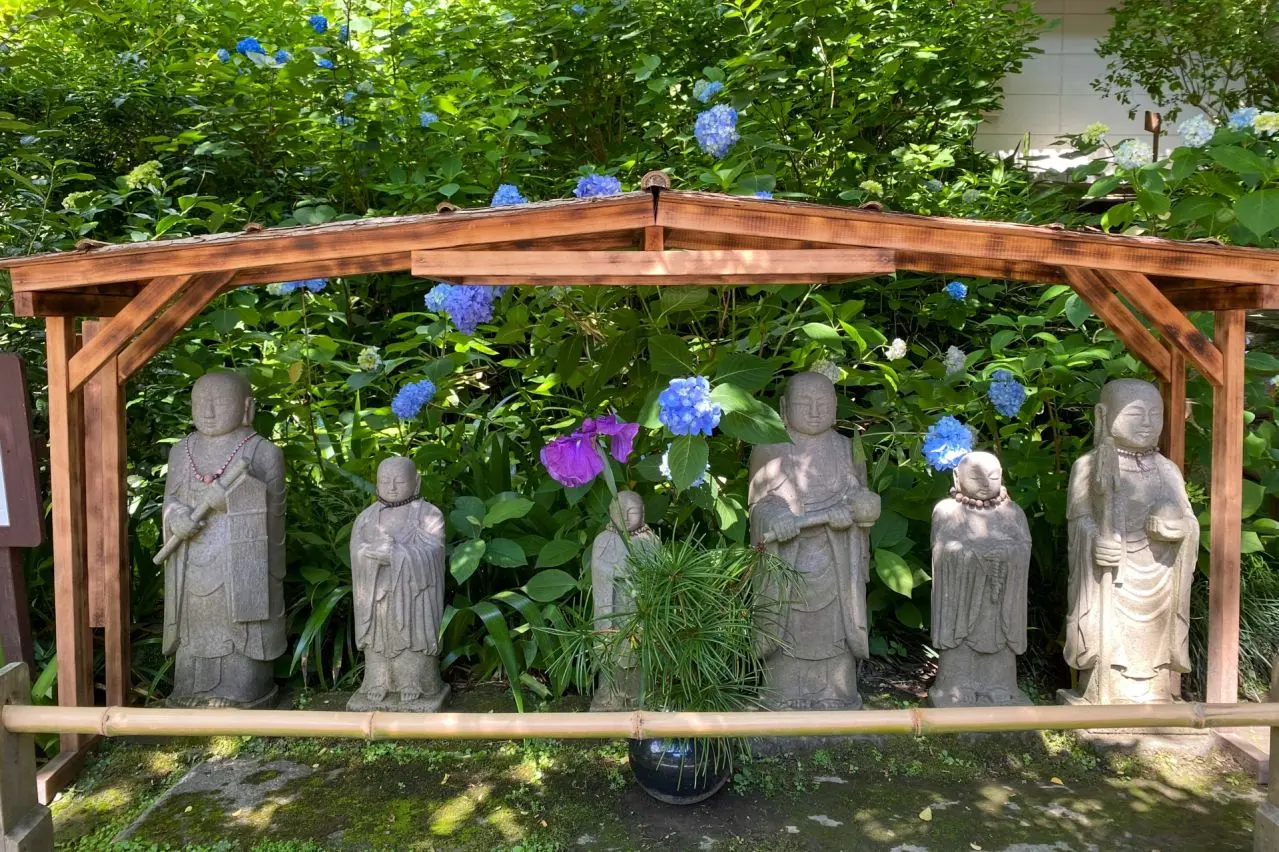
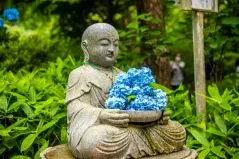
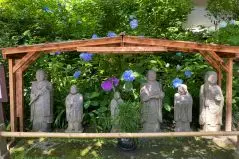
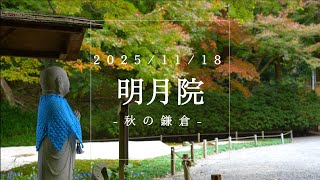
The “Hanamoi Jizō” standing in front of the hall for the founding abbot gently embraces seasonal flowers and brings peace of mind to visitors. During hydrangea season, the flower in its hand also becomes a hydrangea, and its appearance decorated with accessories has also become a topic of interest.
A nearby sign reads:
“Flowers are things that soothe the sorrow of parting.”
It offers quiet comfort to all who visit.
Kanagawa Tourist Attractions
View List

Tsurugaoka Hachimangu Shrine
Tsurugaoka Hachimangu is the head shrine of the Sagami province and one of the three major Hachimangu shrines, alongside Usa Jingu in Oita and Ishimizu Hachimangu in...

Yokohama Landmark Tower
Yokohama Landmark Tower is a representative skyscraper of Yokohama, standing at a height of 296 meters with 70 floors above ground, and it is an iconic landmark of t...

Yokohama Hakkeijima Sea Paradise
Yokohama Hakkeijima Sea Paradise is a complex amusement island where you can enjoy a day full of fun. It features four themed aquariums, various attractions, shops, ...


Kamakura Great Buddha (Kamakura Daibutsu)
Kamakura's Great Buddha Hall, Kōtoku-in, is a Jōdo-shū temple located in Hase, Kamakura City. It enshrines the national treasure, the "Bronze Amitabha Buddha Statue ...

Cup Noodles Museum Yokohama
The Cup Noodles Museum in Yokohama is an interactive food education museum where you can learn about the history of instant ramen and the importance of invention and...

Shin'en Shrine Aquarium
The Enoshima Aquarium is located in a prime spot overlooking Sagami Bay and offers a panoramic view of Mount Fuji and Enoshima. The main attraction is the impressive...