Chiran Peace Museum
Chiran Peace Museum Movies


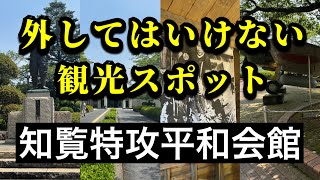


Basic Information
- Spot Name
- Chiran Peace Museum
- Location
- 〒897-0302 17881, Kurri, Chiran-cho, Minamikyushu-shi, Kagoshima-ken, Japan
- Access
- From Kagoshima-Chuo Station, take the Kagoshima Kotsu bus to Chiran, which takes about 1 hour and 15 minutes. Get off at the Tokko Kannon entrance, which is right there.
- Parking
- Parking available.
- Business Hours
- 9:00 AM to 4:30 PM (last admission at 5:00 PM)
- Regular Holiday
- Open all days.
- Fees
- Adults: 500 yen
Children (elementary and junior high school students): 300 yen - Contact Information
- Phone Number: 0993-83-2525
- Official Website
Map
Detailed Information
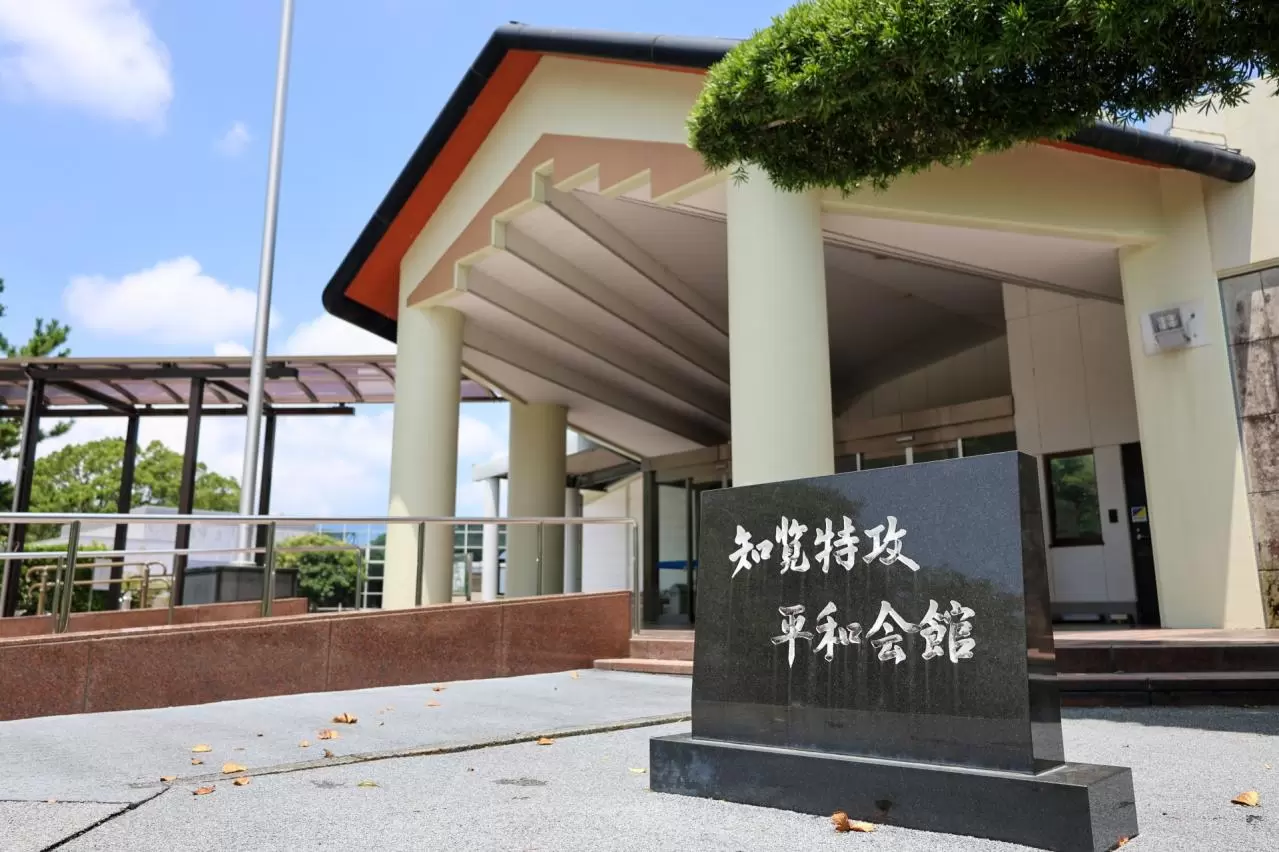
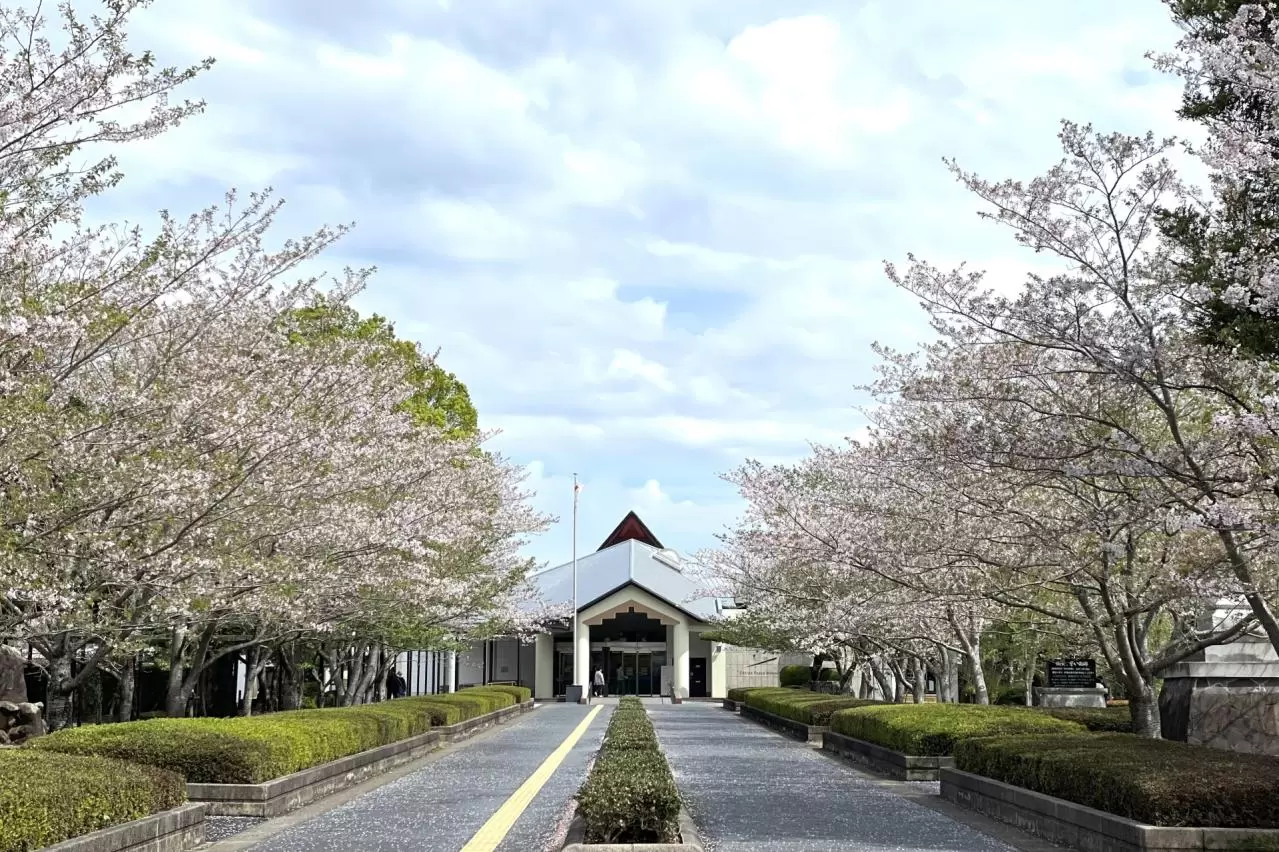
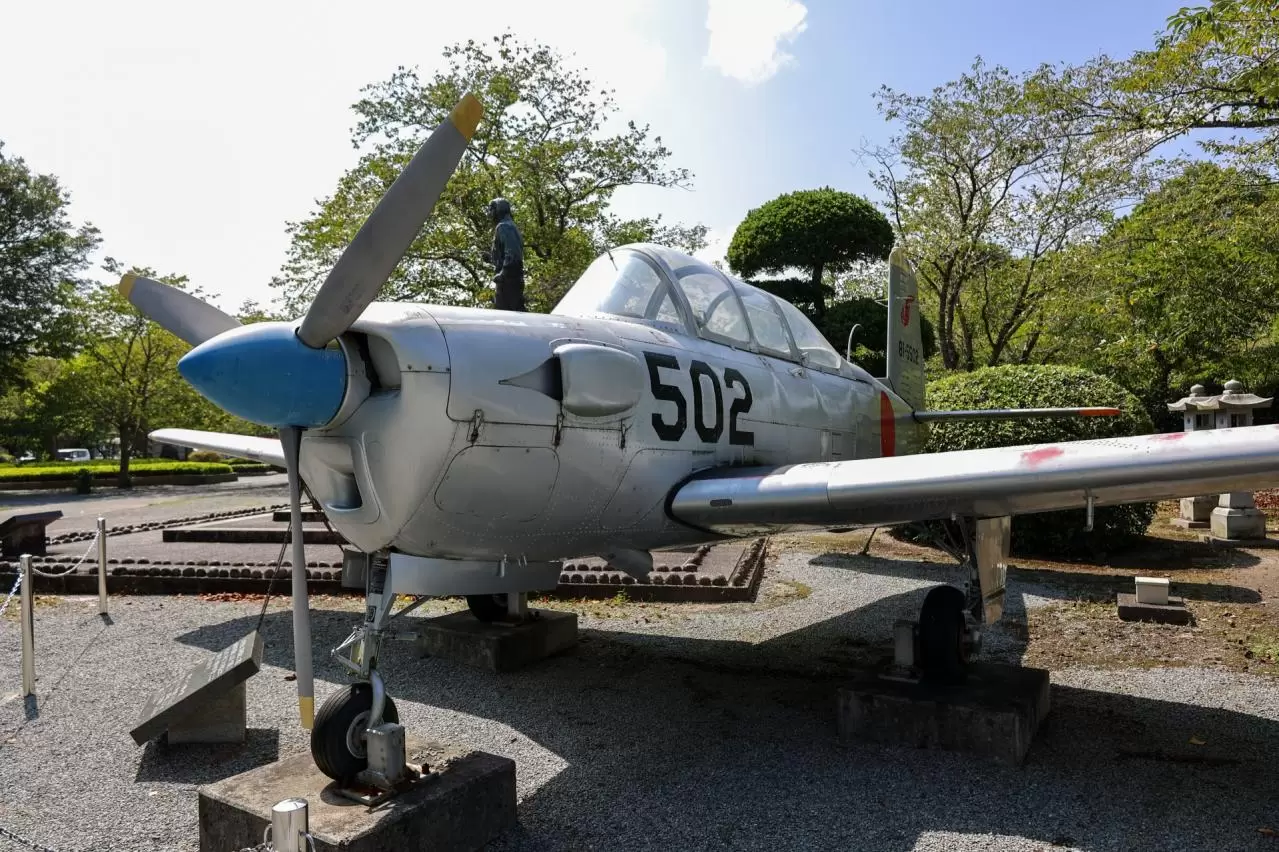
Chiran Peace Museum for Kamikaze Pilots is a facility located in Kori, Chiran-cho, Minamisatsuma City, Kagoshima Prefecture. It collects, preserves, and exhibits materials related to kamikaze operations and the wartime experiences of the local community, with a focus on the Army Air Special Attack Forces during the Battle of Okinawa at the end of World War II. Its purpose is to convey to future generations the history of Chiran, which once hosted an Army airfield, and the realities of the aerial special attack operations, while encouraging visitors to reflect on the horrors of war, peace, and the preciousness of life.
The history of Chiran Airfield began in October 1939, when plans to construct an airfield were communicated to Chiran Town. In December 1941, the airfield was completed and the Chiran Branch of the Tachiarai Army Flight School was established. In March 1942, it became the Chiran Training Unit, and it is said that approximately 600 pilots were trained there over a period of about three years. In its early days, Chiran Airfield was primarily an educational facility for training young pilots.
However, as Japan’s situation in the war deteriorated toward its end, Chiran Airfield became a special attack base for the Battle of Okinawa in March 1945. On March 26 of that year, U.S. forces landed on the Kerama Islands, followed by the start of landing operations on the main island of Okinawa on April 1. In response, the Japanese military conducted aerial special attack operations from bases throughout Kyushu and from Taiwan, which was then under Japanese rule. Aircraft carrying bombs were deliberately crashed into U.S. naval vessels.
Special attack operations were “certain-death” missions in which the pilots were not expected to survive. Rather than explaining the attacks simply as a method of combat, the Chiran Peace Museum for Kamikaze Pilots presents, based on historical materials, the background that led to operations sacrificing the lives of young people, the policies of the military, and changes in the war situation.
A total of 1,036 Army air personnel are said to have died in special attack operations during the Battle of Okinawa, of whom 439 departed from Chiran Base. These 439 included personnel who advanced from Chiran to Tokunoshima or Kikai-jima and then departed from those islands as intermediate bases. Therefore, this figure does not mean that all 1,036 personnel departed directly from Chiran.
Chiran was one of the principal departure bases for Army aerial special attack missions. As the southernmost base on the Japanese mainland, it played a major role in sorties toward Okinawa.
The central exhibition area of the museum is the Memorial Items Room. Here, portraits of all 1,036 personnel who died in Army aerial special attack operations during the Battle of Okinawa are displayed in chronological order according to the dates on which they departed and died. Many of those pictured were young people, primarily in their late teens and twenties. Looking at each photograph makes visitors aware that every individual had a name and had lived an ordinary life with family and friends.
Display cases contain farewell letters, personal letters, death poems, and final writings left by the personnel for their families and acquaintances. The museum also houses and exhibits related materials, including personal belongings. These writings express gratitude to parents, wishes for the health of family members, encouragement for younger brothers and sisters, and thoughts of home. They allow visitors to encounter the emotions and humanity of these young people—qualities that cannot be understood solely through their identity as soldiers.
When reading farewell letters and other writings, it is important to take into account the military education and social conditions of the time, as well as censorship of military mail. Even when a text contains brave or patriotic words, it is not possible to judge the entirety of the writer’s inner feelings from those words alone. Reading the surviving writings together with their historical context allows visitors to consider more deeply the circumstances in which the personnel found themselves.
The Memorial Items Room also contains “The Skies over Chiran,” a model recreating Chiran Airfield as it appeared at the time, as well as footage documenting the period and video testimonies from people who saw off the special attack personnel. The testimony video titled “From Those Who Remained” introduces the memories of people who interacted with the personnel, including Tome Torihama, who was affectionately known as the “Mother of the Kamikaze.”
Through not only letters and photographs but also testimonies preserved in the local community, visitors can learn that the special attack operations had a profound impact not only on the personnel themselves but also on their families and the people in the community who saw them off.
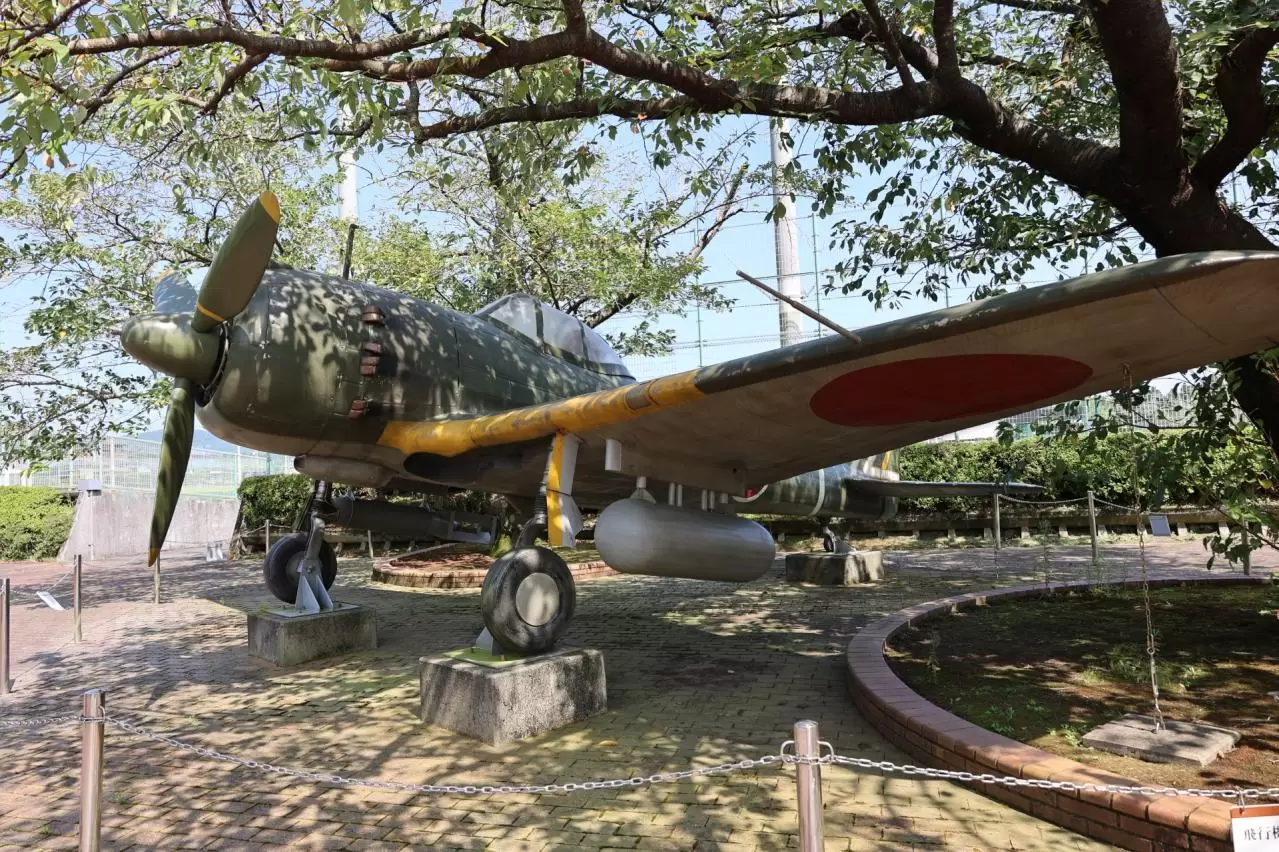
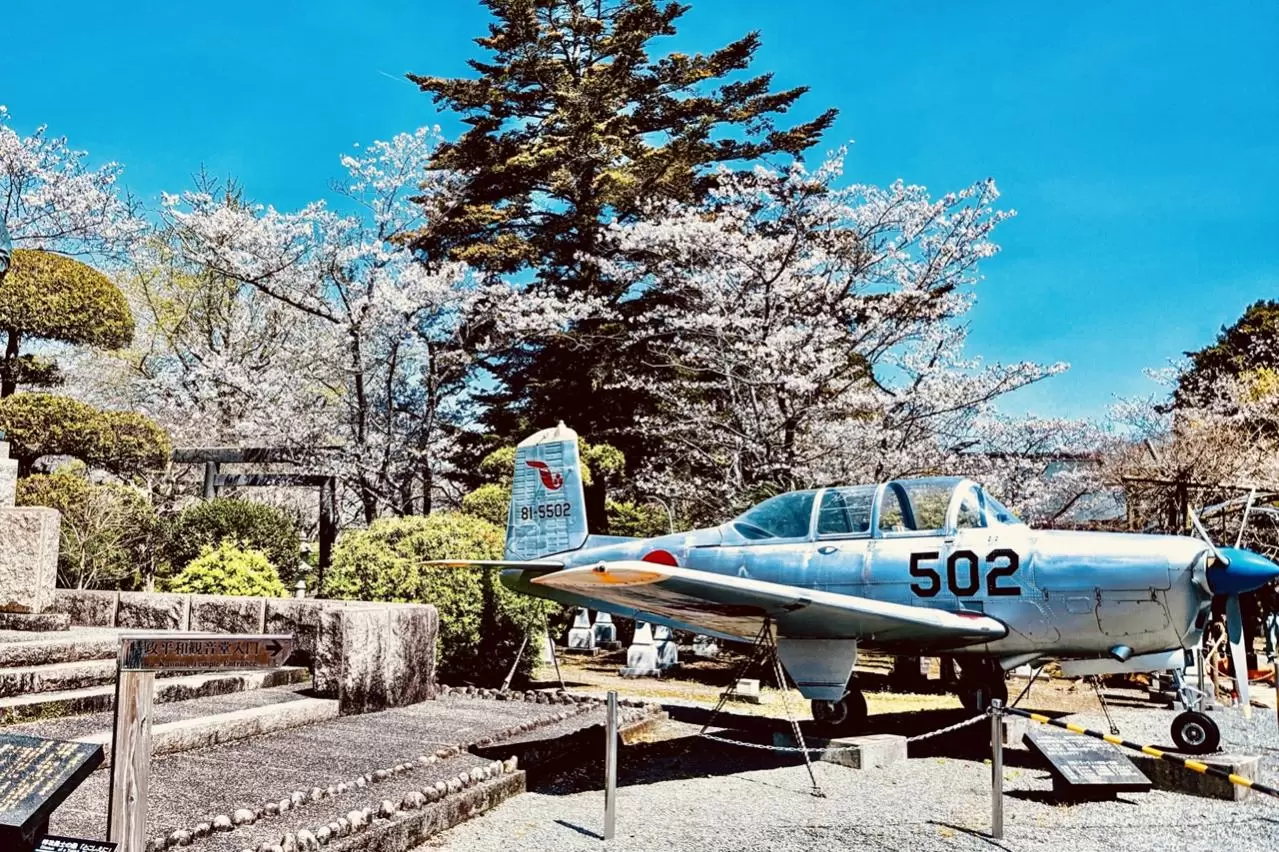
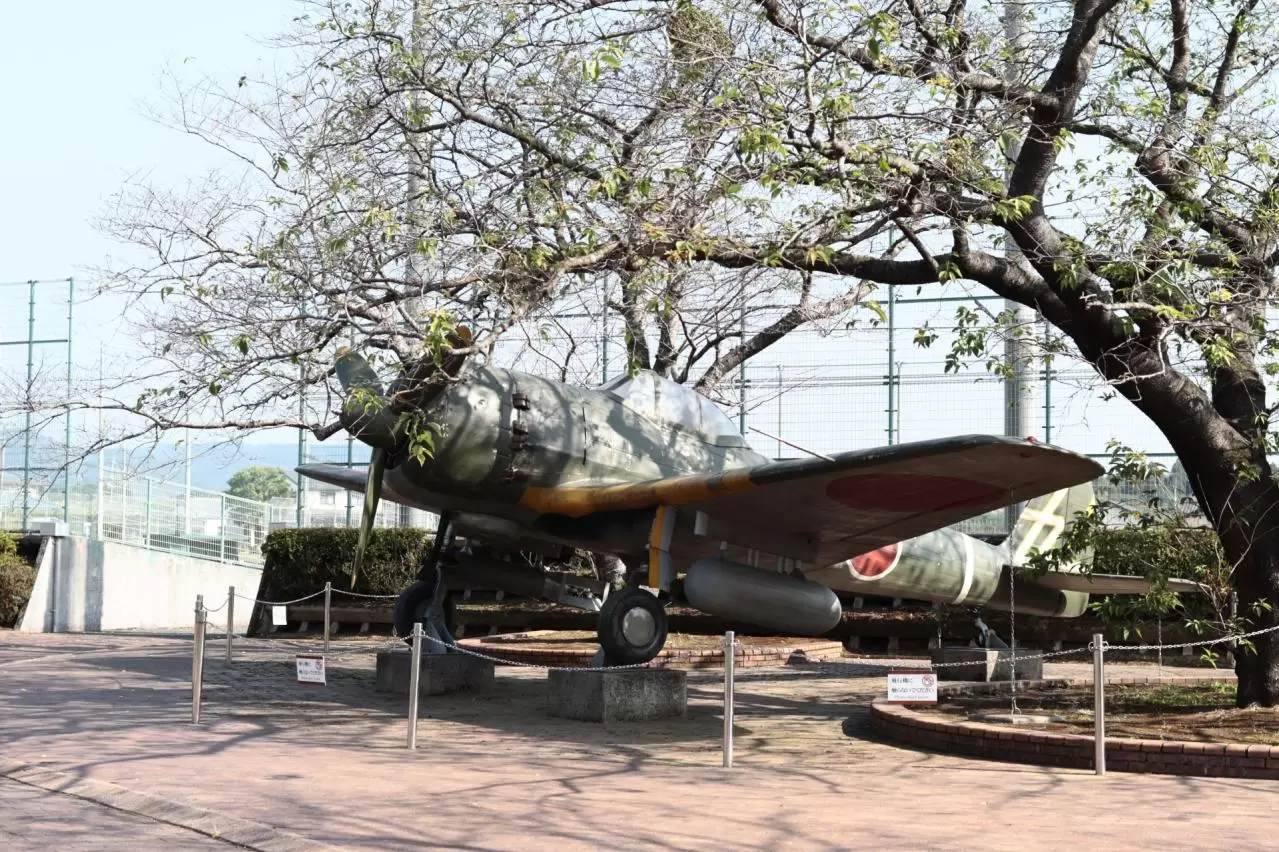
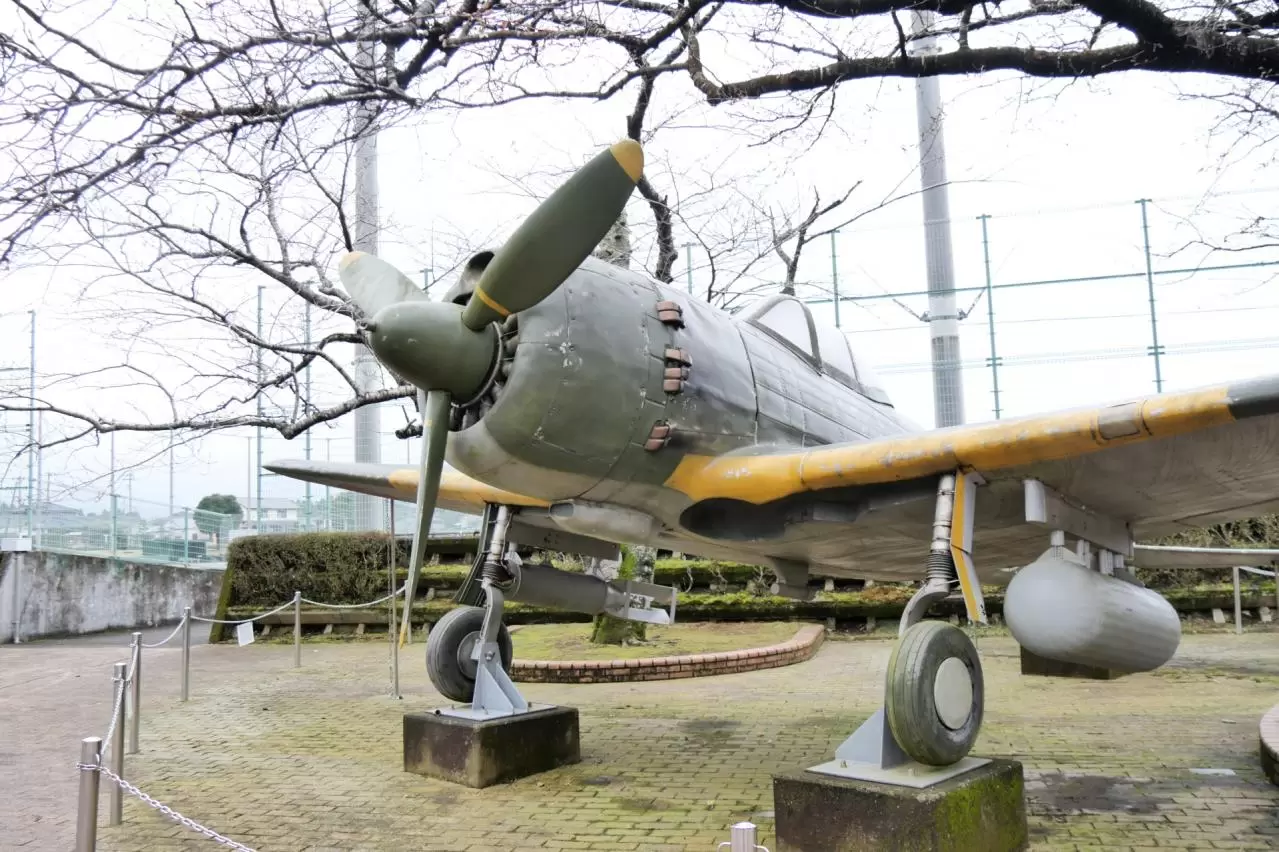
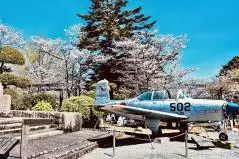
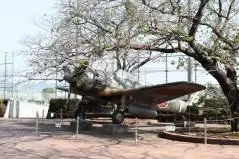
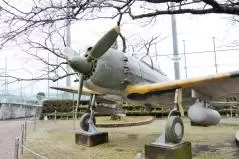
The museum also displays original materials related to aircraft and weapons. The Army Type 4 Fighter “Hayate” in the Hayate Exhibition Room was captured by the U.S. military in the Philippines in January 1945. It was subsequently restored and subjected to flight-performance tests. Later, it was sold to a private aviation museum in the United States, and in 1973 it returned to Japan for a commemorative flight.
It later passed through locations including Utsunomiya City in Tochigi Prefecture and the Arashiyama Museum of Art in Kyoto, as well as Sh白浜御苑 in Wakayama Prefecture, before being acquired by the former Chiran Town. It has been on public display at the Chiran Peace Museum for Kamikaze Pilots since March 1997. As a surviving aircraft manufactured during the war, it is an important historical resource conveying the aviation technology and realities of the period.
The Hayate was one of the Army’s principal fighter aircraft. Thirty Hayates of the 103rd Flight Regiment were stationed at Chiran Base, with some based on Tokunoshima. These aircraft were used to escort and guide special attack aircraft, intercept enemy aircraft, and perform other missions.
There were also cases in which the Hayate itself was used as a special attack aircraft during the Battle of Okinawa. Four departed from Chiran Base, and two are said never to have returned. Viewing the aircraft on display encourages visitors to think not only about its structure and size but also about the people who piloted and maintained aircraft like it at the time.
The Army Type 1 Fighter “Hayabusa” displayed in the Memorial Items Room is not an original aircraft. It is a full-scale, highly detailed replica built for filming the 2007 movie *For Those We Love*. The Hayabusa was a representative Army fighter and was also used in special attack missions.
According to the official website, 166 Hayabusas were used as special attack aircraft, of which 120 departed from Chiran Base. Seeing the full-scale replica allows visitors to imagine more concretely the size of the aircraft in which the personnel flew, as well as the structure of the fuselage, including the cockpit.
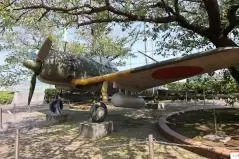
The Zero Fighter Exhibition Room contains a Type 52 Hei Zero Fighter of the former Imperial Japanese Navy. In May 1945, this aircraft sank in the sea approximately 500 meters offshore from Teuchi Port on Satsuma-Iojima, Kagoshima Prefecture, at a depth of about 35 meters. Approximately 35 years later, in June 1980, it was salvaged by the former Chiran Town.
Because it remained underwater for many years, the aircraft is heavily damaged. Nevertheless, it has been preserved as an original historical artifact that conveys the traces of war. Chiran was primarily an Army special attack base, while the Zero was a Navy aircraft. Therefore, this Zero is not displayed as a special attack aircraft that departed from Chiran. Although it did not depart from Chiran, it is exhibited as an original artifact of the former Imperial Japanese Navy that conveys the realities of war.
The museum’s Shinyo Boat Exhibition Room contains a Shinyo, a former Imperial Japanese Navy motorboat designed for waterborne special attacks. The Shinyo was a small craft equipped with explosives in its bow and intended to ram enemy ships. A Shinyo boat base was also established at Hijirigaura in the southern part of Chiran Town.
The boat is a historical resource conveying the fact that operations in which the crew was not expected to survive were also being prepared for on the water, not only in the air. However, it cannot necessarily be confirmed that the Shinyo on display was actually deployed at the Hijirigaura base. The history of the displayed boat and that of the Hijirigaura base should therefore be understood separately.
The War History Materials Exhibition Room introduces how people in the Chiran area became involved in war while tracing the history from the Satsuma Rebellion to World War II. Through testimonies and materials concerning people mobilized to build the airfield, those who went to war as soldiers, residents who experienced air raids, and female students who saw off the special attack personnel, visitors can learn that war deeply penetrated the daily lives of civilians as well as those of military personnel.
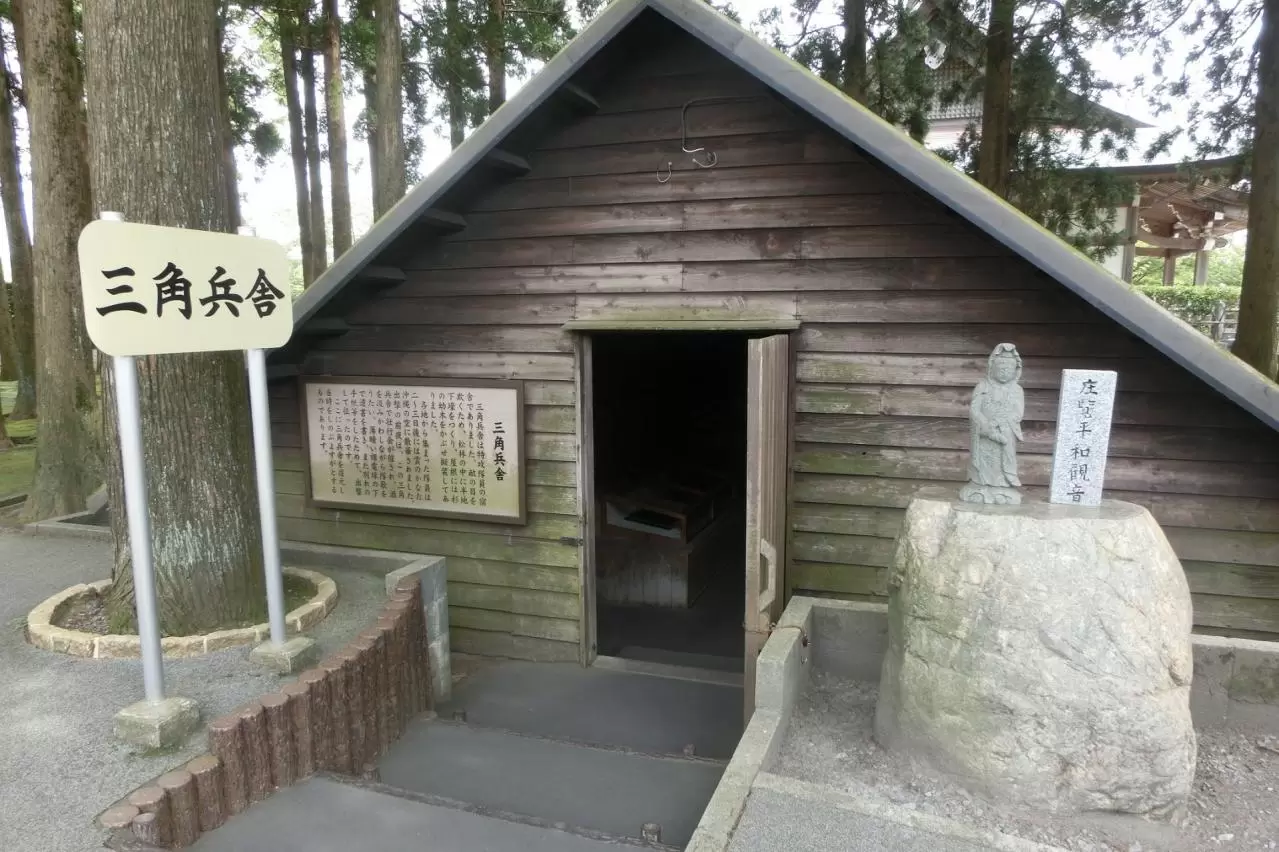
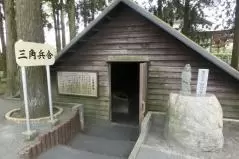
In the cedar grove beside the museum stands a reconstructed “sankaku barracks.” These were simple, semi-underground wooden barracks where special attack personnel spent the several days before their departure. The original sankaku barracks were built in a pine grove some distance from the airfield to avoid air raids. It is said that young trees were placed on the roofs as camouflage so that the structures would be difficult to spot from the air.
Inside the barracks, the personnel talked with their comrades, wrote messages on national flags, and composed farewell letters and other writings to send to their families back home while waiting for the time of departure. The interior of the reconstructed barracks has been recreated to convey the atmosphere in which the personnel spent their final days before departing.
A stone monument now marks the site where the actual sankaku barracks once stood, while a reconstructed barracks stands beside the museum. It is important to note that the current structure is not one of the original barracks. Visiting the reconstruction allows visitors to reflect on the everyday lives of young people who spent their final days in a confined space with death immediately before them.
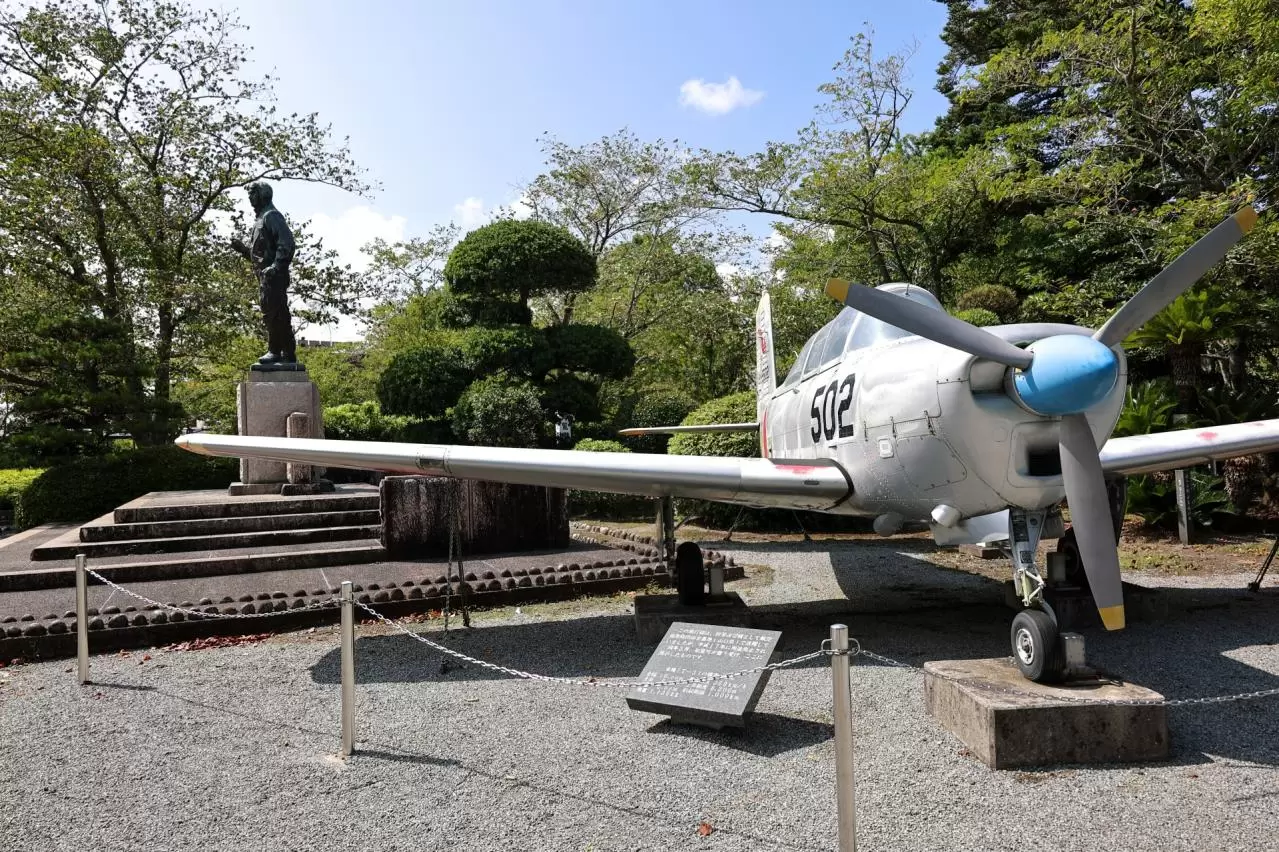
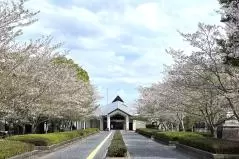
The Special Attack Peace Park, where the Chiran Peace Museum for Kamikaze Pilots stands, contains various memorial facilities. The “Statue of the Special Attack Warriors” was erected in 1974 and created by sculptor Ioka Kame Ito.
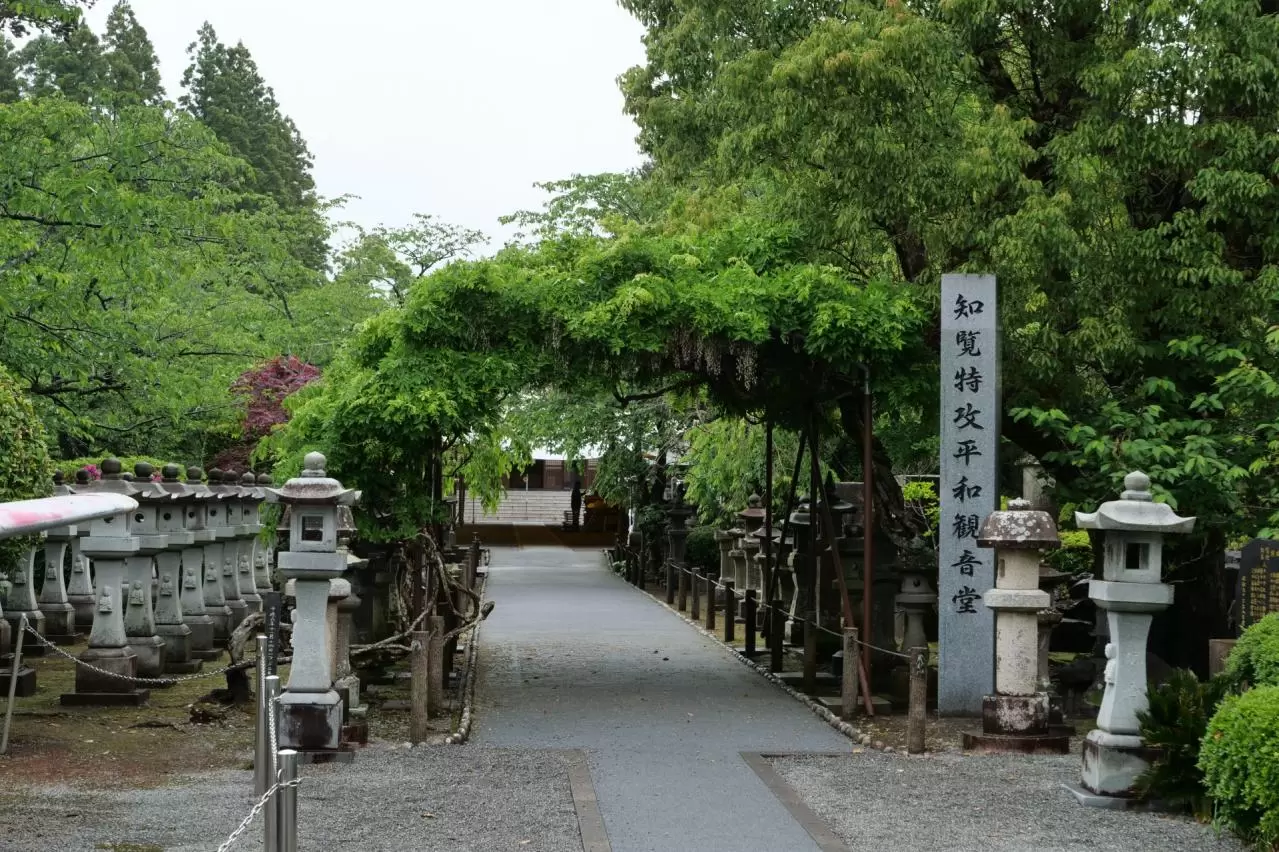
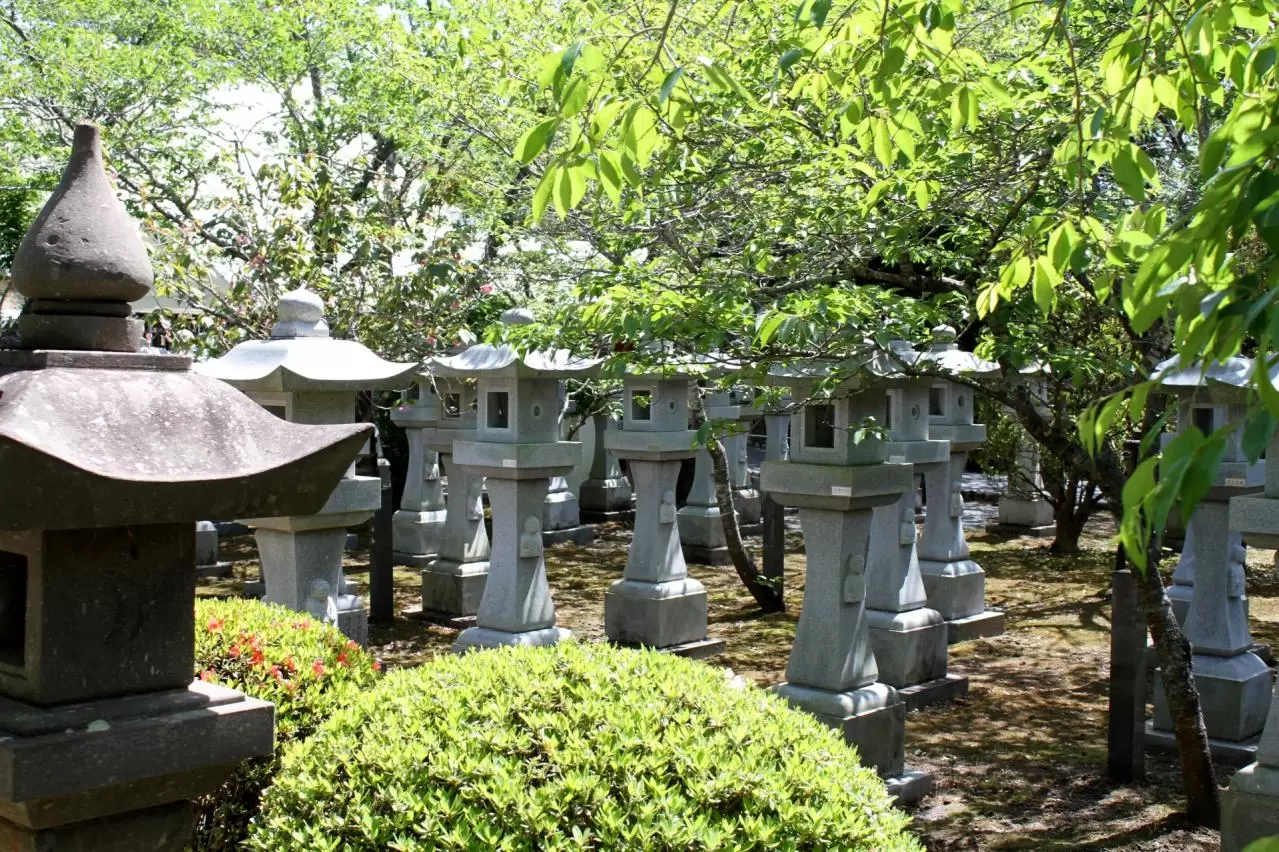
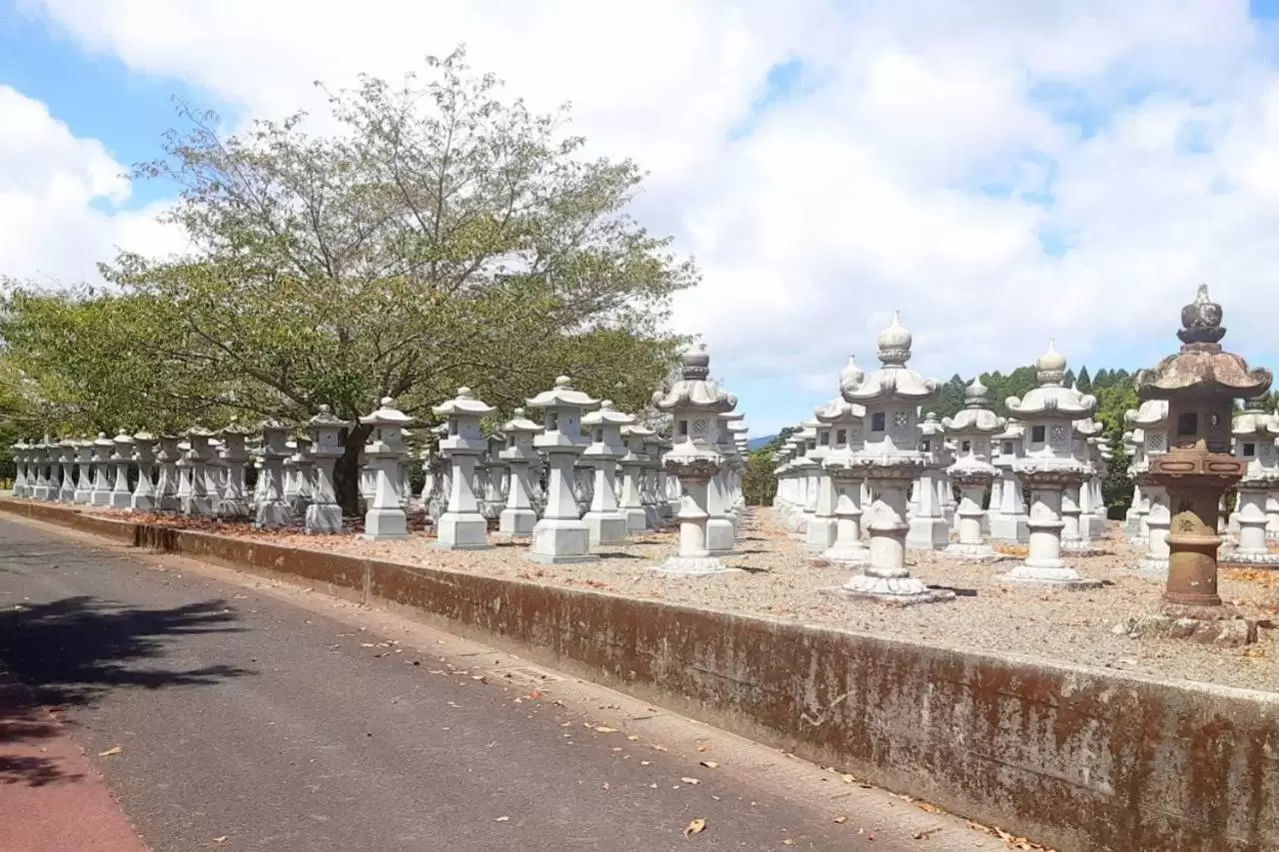
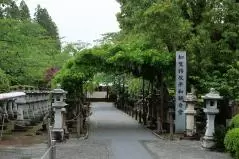
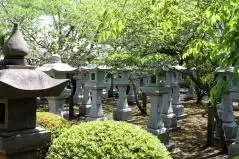
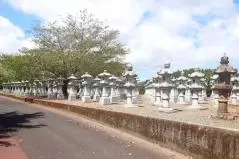
The Special Attack Peace Kannon Hall was built in 1955 and reconstructed in 2005 to commemorate the 50th memorial service. A memorial service is held every year on May 3. Lanterns donated by bereaved families, people connected with the personnel, and volunteers from throughout Japan line the path leading to the Kannon Hall.
Around the museum and on the former Chiran Airfield site, various relocated or preserved war remains can be found, including airfield gate pillars, a fuel and oil storehouse, a water tower, a firewater tank, an ammunition depot, and aircraft shelters. These remains are not all gathered together within the Special Attack Peace Park.
The walls of the fuel and oil storehouse still bear scars from U.S. air raids carried out after March 1945. The water tower was built to secure water for use at the airfield and is approximately 13 meters high and 6 meters in diameter. The remaining firewater tank was relocated to its present site in 2004.
Other sites include the “Departure Line Monument,” which marks the place where special attack aircraft waited for orders to take off; the remains of the “Combat Command Post,” which served a role similar to that of an air traffic control tower at a modern airport; and the place where students of Chiran Higher Girls’ School saw off the personnel. Viewing these war remains together with the museum’s exhibitions provides a more concrete understanding of the former airfield’s scale and the relationship between the base and local residents.
The Chiran Peace Museum for Kamikaze Pilots also offers talks by local storytellers from Chiran. These talks explain the historical background of the special attack operations, characteristics of the farewell letters and personal letters left by the personnel, and memories passed down in the local community.
Regular talks usually last about 30 minutes, although depending on the content and format, they may last approximately 30 to 40 minutes. In addition to regular talks, the museum offers DVD screenings and talks for groups. Because the times and venues may change depending on reservations, including school excursions, visitors who wish to attend should check the latest information on the official website.
Tablet-style audio guides are also available inside the museum. In addition to Japanese, they support English, Simplified and Traditional Chinese, Korean, and French. Visitors can use images, audio, and subtitles to learn about episodes concerning the personnel and explanations of the aircraft. The guides are convenient for visitors who wish to explore the exhibits at their own pace, as well as for international tourists.
The official website’s online museum also makes collection materials and video explanations by curators available to the public. It can be used to prepare for a visit or to review the exhibitions afterward.
The predecessor of the Chiran Peace Museum for Kamikaze Pilots was the Chiran Special Attack Memorial Items Museum, which opened in April 1975 using a rest facility in the park. Because the original facility was too small, a new institution was needed to prevent the dispersal of memorial items and materials sent by bereaved families and other people connected with the personnel throughout Japan, and to preserve them appropriately.
The former Chiran Town therefore constructed a new facility as a continuous two-year project beginning in fiscal 1985. The present Chiran Peace Museum for Kamikaze Pilots opened in February 1987. Since then, additional facilities have been built, including a special exhibition room, the Shinyo Boat Exhibition Room, an audiovisual room, a lecture room, and storage areas. The War History Materials Exhibition Room was added in 2019, and part of the permanent exhibition was renovated in 2020.
About five minutes by car from the museum, in central Chiran, is the Hotarukan Tomiya Shokudo. During the war, Tomiya Shokudo was a restaurant designated by the Army and was operated by Tome Torihama. Tome warmly welcomed the young special attack personnel who had come to Chiran from their homes, served them meals, and helped connect them with their families. For these reasons, she was affectionately known as the “Mother of the Kamikaze.”
The present building is a museum that recreates the wartime Tomiya Shokudo at its original location. It exhibits items, photographs, and other materials conveying Tome Torihama’s life and her interactions with the personnel. The wartime building itself has not survived intact; rather, its exterior and other features were restored to their former appearance, and the museum opened to the public on October 9, 2001.
Visiting the Chiran Peace Museum for Kamikaze Pilots together with Hotarukan Tomiya Shokudo allows visitors to consider not only military operations and the history of the base but also the relationships between the personnel and local residents.
Minamisatsuma City: Hotarukan Tomiya Shokudo
The Chiran Peace Museum for Kamikaze Pilots is not simply a place to view fighter aircraft and military materials. Through portraits, farewell letters, personal letters, belongings, and testimonies, it confronts the fact that war cut short the lives of young people and left their families and local communities with grief that never disappeared.
It is important neither to uniformly glorify the special attack personnel nor to oversimplify their individual feelings. Rather, we should consider the era and circumstances in which each person lived. By carefully viewing each photograph and letter on display, visitors can receive the historical reality of the special attacks not merely as a collection of numbers but as the stories of individual lives.
The Chiran Peace Museum for Kamikaze Pilots conveys historical facts to generations who have not experienced war and asks why operations sacrificing human lives were carried out. By preserving the memory of past tragedies and helping ensure that such events are never repeated, it offers visitors a quiet opportunity to reflect on peace and the preciousness of life.
Kagoshima Tourist Attractions
View List
Kirishima Shrine
Kirishima Shrine is a shrine located in Kirishima City, Kagoshima Prefecture, dedicated to Ninigi-no-Mikoto, the central figure in the myth of the descent of the hea...

Ohama Seaside Park
Oohama Seaside Park is a nature-rich park located in Minamisatsuma City, Kagoshima Prefecture. This park, which combines the beautiful coastline of the southern coun...

Saigo Takamori Statue
The statue of Saigo Takamori, a great figure born in Kagoshima, stands proudly near the top of Shiroyama. Saigo is well-known as a prominent leader of the Meiji Rest...

Sakurajima
Sakurajima is a composite active volcano known as a symbol of Kagoshima, featuring two main peaks: Kitadake (North Peak) and Minamidake (South Peak). Standing at 1,1...

Yurigahama Beach
Yurigahama is a beautiful sandy beach created by nature, located in Yakushima Town, Kagoshima Prefecture. The approximately 8 km long stretch of white sand consists ...

Meisho Sengannen
Sengan-en is a villa built by Shimizu clan's 19th generation leader, Mitsuhisa, in the first year of Manji (1658). It is a grand feudal lord's garden designed with S...

Jomon Sugi
Jomon Sugi is the most famous giant tree among the Yakusugi trees located on Yakushima Island in Kagoshima Prefecture, with an estimated age ranging from 2,170 to 7,...

Iowa World Kagosima Aquarium
Iow World Kagoshima Aquarium is located in a prime location with a spectacular view of Kagoshima's symbol, Sakurajima. It is one of the largest aquariums in Kyushu, ...