Sumiyoshi Taisha Shrine
Every New Year, the residents of Osaka flock to this shrine, making it a popular destination for "Hatsumode" (the first shrine visit of the year). From New Year's Eve, the shrine is bustling with visitors wishing for safety and prosperity as the year begins. The number of visitors during the first three days of the New Year exceeds two million annually, serving as a source of support for many people.
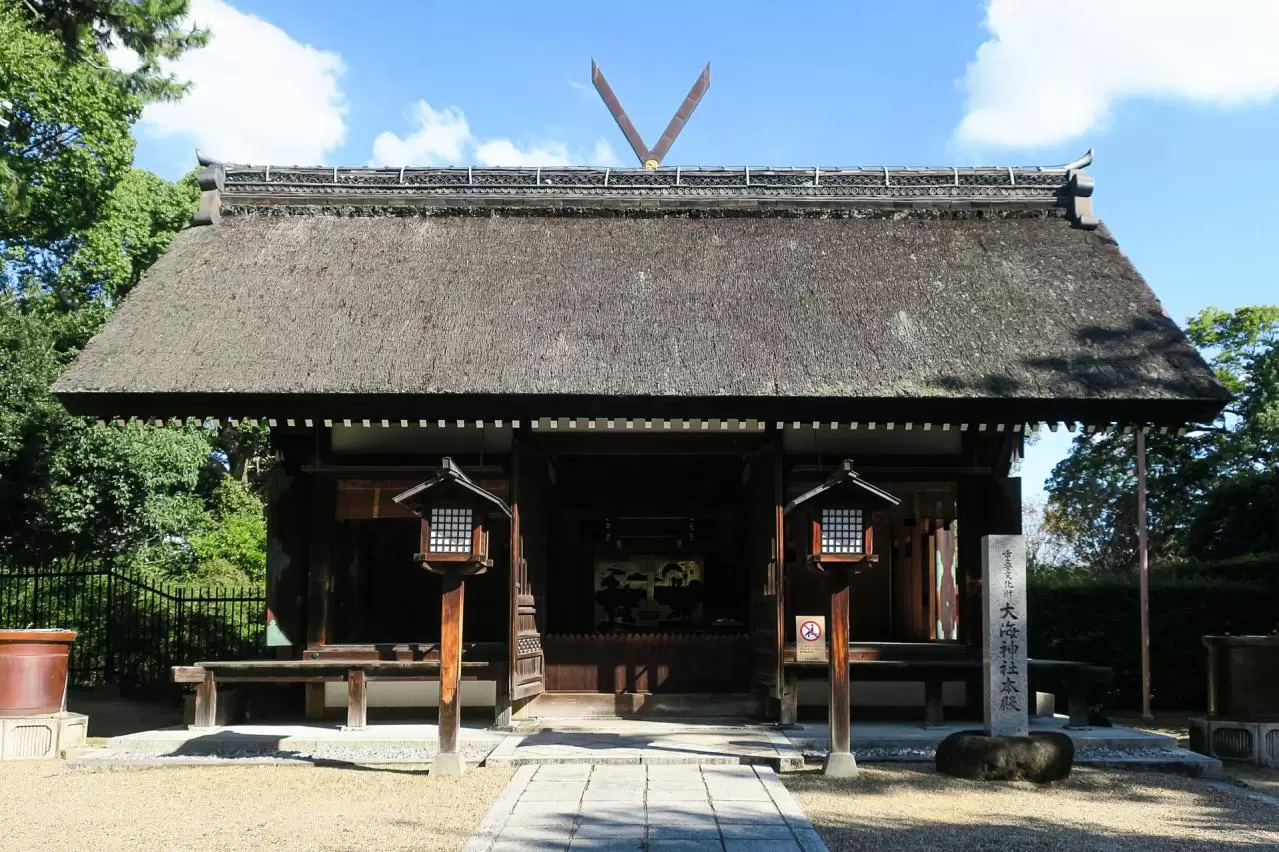
The unique architectural style of the shrine known as "Sumiyoshi-zukuri" has been designated as a national treasure. There are four main halls, each featuring a distinct layout. The three deities, Sokotsutsunomenokami, Nakatsutsunomenokami, and Omotetsutsunomenokami, are also known as deities of safe navigation, with a strong connection to maritime beliefs.
The shrine hosts a wealth of rituals and festivals, maintaining long-standing traditions such as the rice planting ceremony and the summer purification ritual. People gather from all over the country for the monthly greeting of the deities.
Thus, Sumiyoshi Taisha continues to be loved by many as a multifaceted shrine that watches over the development of Osaka as a commercial hub, ensures safe maritime activities, and supports the lives of the people.
Sumiyoshi Taisha Shrine Movies


![[大阪観光]住吉大社に行ってきました](https://i.ytimg.com/vi/DPNS1f9WgTs/mqdefault.jpg)
Basic Information
- Spot Name
- Sumiyoshi Taisha Shrine
- Location
- 〒558-0045 2-9-89 Sumiyoshi, Sumiyoshi Ward, Osaka City, Osaka Prefecture, Japan
- Access
- 3 minutes walk east from Nankai Main Line "Sumiyoshi Taisha Station"
5 minutes walk west from Nankai Takano Line "Sumiyoshi Higashi Station"
Just a short walk from Hankai Line "Sumiyoshi Torii-mae Station" - Parking
- Parking available
- Business Hours
- April to September: 6:00 AM to 5:00 PM
October to March: 6:30 AM to 5:00 PM - Regular Holiday
- Open year-round.
- Contact Information
- Phone Number:06-6672-0753
- Official Website
Map
Detailed Information
Sumiyoshi Taisha, affectionately known as “Sumiyossan,” is the head shrine of the approximately 2,300 Sumiyoshi shrines throughout Japan. Located in Sumiyoshi Ward, Osaka City, Osaka Prefecture, it is said to have been founded about 1,800 years ago and is known as one of Japan’s oldest shrines. Its principal deities are the Sumiyoshi Sanjin—Sokotsutsunoo no Mikoto, Nakatsutsunoo no Mikoto, and Uwatsutsunoo no Mikoto—as well as Empress Jingu.
Myths and the Origin of the Deities
In the divine age accounts of the Kojiki and the Nihon Shoki, it is recorded that when Izanagi no Mikoto purified himself in the sea after losing his wife, Izanami no Mikoto, in the land of the dead, the Sumiyoshi Sanjin appeared. For this reason, Sumiyoshi Taisha is known as a shrine dedicated to gods who preside over purification and plays an important role in Shinto.
The Shrine’s Establishment
The founding of Sumiyoshi Taisha is closely related to Empress Jingu, consort of the 14th Emperor Chuai, and her expedition to Silla in the Korean Peninsula. With the protection of the Sumiyoshi deity, Empress Jingu subdued Silla, and upon her return, she received a divine oracle and enshrined the Sumiyoshi Sanjin at the present site. Empress Jingu was later enshrined as well, and four main sanctuaries were established to enshrine each deity individually. Under the Engi system, the shrine was ranked as a myojin-taisha, was one of the Twenty-Two Shrines, and has long been regarded as a prestigious shrine as the ichinomiya of Settsu Province.
Architectural Style and Renewal of the Shrine
The main halls of Sumiyoshi Taisha are built in the ancient Sumiyoshi-zukuri style of shrine architecture and are designated as National Treasures. This style is characterized by a straight, simple structure and a gabled, entrance-on-the-side design. There are four main halls, each arranged in its own distinctive layout rather than in a single north-south line.
Like Ise Grand Shrine, Sumiyoshi Taisha also follows the shikinen sengu system, in which the shrine buildings are rebuilt and the deities transferred every 20 years. The earliest recorded example dates to 749, in the Nara period, though it is believed that several renewals had already taken place before then. The practice was temporarily suspended during the Sengoku period, but was revived through the deep faith of the people. In 2011, the 49th shikinen sengu was held as part of the 1,800th anniversary celebration of the shrine’s enshrinement.
Sumiyoshi Taisha and Daily Life
New Year Visits and the Hearts of Osaka Residents
Sumiyoshi Taisha is an indispensable place for hatsumode, the first shrine visit of the year, for Osaka residents. It is said, “When it comes to hatsumode, it’s Sumiyossan,” and many worshippers visit from New Year’s Eve through New Year’s Day. During the first three days of the year, more than two million visitors come each year, and the sight of people praying for peace and prosperity in the coming year is one of Osaka’s defining seasonal traditions.
Faith in Purification
The Sumiyoshi deity is also known as a god of purification. During Sumiyoshi Festival, one of the major summer festivals in Osaka, it is believed to purify all of Japan, and the shrine has long been deeply revered. This festival is also called oharai, and is thought to carry the power of purification not only to the old provinces of Settsu, Kawachi, and Izumi, but to the entire country.
Guardian Deity of Safe Voyages
Because the Sumiyoshi deity is said to have appeared from the sea, it has long been worshipped as a sea god and guardian of safe navigation. In the Nara period, rituals to pray for safety at sea were always performed when envoys were sent to Tang China, and the deity was considered so important to the state that it was praised in the Manyoshu: “If one goes or returns, the boat will be swift, with the priest of Sumiyoshi at the gods’ command.” In the Edo period, as maritime transport developed, merchants and sailors also paid it deep reverence. Even today, about 600 stone lanterns stand within the grounds, many of them donated by transport ship operators.
A God of Poetry and Literature
Thanks to its beautiful scenery of white sand and green pines, Sumiyoshi Taisha has long been cherished as a subject of waka poetry. Many poems are included in the Manyoshu and the Kokin Wakashu, and from the Heian period onward, many people involved in waka and literature have visited the shrine. Numerous stone monuments inscribed with poems and haiku have been dedicated within the grounds, and famous verses such as “Even as I look, it has been long indeed; how many ages have passed since the princess pines on the shore of Sumiyoshi?” have been handed down as kagura songs.
A God of Agriculture and Industry
Because of a legend that the Sumiyoshi deity taught a method of growing seedlings without laying grass beneath them, the shrine is also revered as a god of agriculture. Since agriculture has long been an essential industry, the deity is now also worshipped as a god of industry by people involved not only in farming but also in commerce and manufacturing. Within the grounds is about two tan of sacred rice fields, and every year on June 14, the Otaue Shinji, a ceremonial rice-planting ritual associated with the story of Empress Jingu, is held with great splendor.
A God of Archery and Sumo
Since Empress Jingu fought with a bow in hand during her expedition to Silla, Sumiyoshi Taisha is also revered as a god of archery. In connection with the sixteen Haji Yumibe archers who were stationed for protection, the Oyumihajime ritual is performed at the New Year, praying for the expulsion of evil spirits and peace throughout the land.
There are also records that a magnificent sumo ritual called the Sumoe was once held at Sumiyoshi Taisha, and even today, in October, a sumo tournament for high school and junior high school students is held in conjunction with the Honoichi Shinto rite.
In this way, Sumiyoshi Taisha, with its distinguished history, architecture, and diverse divine virtues, continues to be beloved by many people as a protector of maritime safety, protection from misfortune, the performing arts, industry, and daily life itself.
Osaka Tourist Attractions
View List
Rinku Premium Outlets
Rinku Premium Outlets is the largest outlet mall in western Japan, located in Rinku Town across from Kansai International Airport. It offers around 250 popular domes...

Harveston Hill
Harvest Hill is an experiential agricultural park located in the southern part of Sakai City. In spring, tulips bloom, in summer sunflowers fill the fields, and in a...

Osaka Aquarium Kaiyukan
Kaiyukan is an aquarium that faithfully recreates the natural environment of the Pacific Ocean and its surrounding waters, the largest ocean in the world. It feature...

Tennoji Zoo
Tennoji Zoo opened in 1915 and will celebrate its 110th anniversary on January 1, 2025. Located in the heart of Osaka, the zoo spans approximately 11 hectares and is...

Cup Noodles Museum Osaka Ikeda
The Cup Noodles Museum Osaka Ikeda is a unique facility where you can experience the history and culture of instant ramen, the birthplace of this iconic food. In 195...

Hirakata Park
Hirakata Park, commonly known as "Hira-Pa," is one of the largest amusement parks in the Kansai region, located in Hirakata City, Osaka Prefecture. It is convenientl...

Grand Front Osaka
Grand Front Osaka is a large-scale mixed-use commercial complex located to the north of JR Osaka Station in the area commonly known as "Umekita." The facility consis...

Nintoku Tennei Ryo Kofun
The Nintoku Tenno Ruins is the largest keyhole-shaped burial mound in Japan, located in Sakai City, Osaka Prefecture, with a total length of approximately 486 meters...