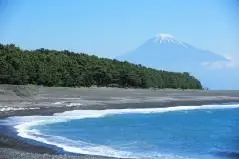
Mihomatsubara (Hagoromo no Matsu)
Mihomatsubara (Hagoromo no Matsu) Movies


Basic Information
- Spot Name
- Mihomatsubara (Hagoromo no Matsu)
- Location
- 〒424-0901 1338-45 Miho Shirube, Shimizu Ward, Shizuoka City, Shizuoka Prefecture, Japan
- Access
- From JR Tōkaidō Main Line Shimizu Station, take the Shizutetsu Just Line bus towards Tōkai University Miho for 25 minutes, get off at Hagoromo no Matsu Iriguchi, and walk for 10 minutes.
- Parking
- 174 cars
- Business Hours
- 9:00 AM to 4:30 PM (Mihoshirube)
- Regular Holiday
- None
- Fees
- Free
- Contact Information
- Phone Number:054-388-9181
- Official Website
Map
Detailed Information
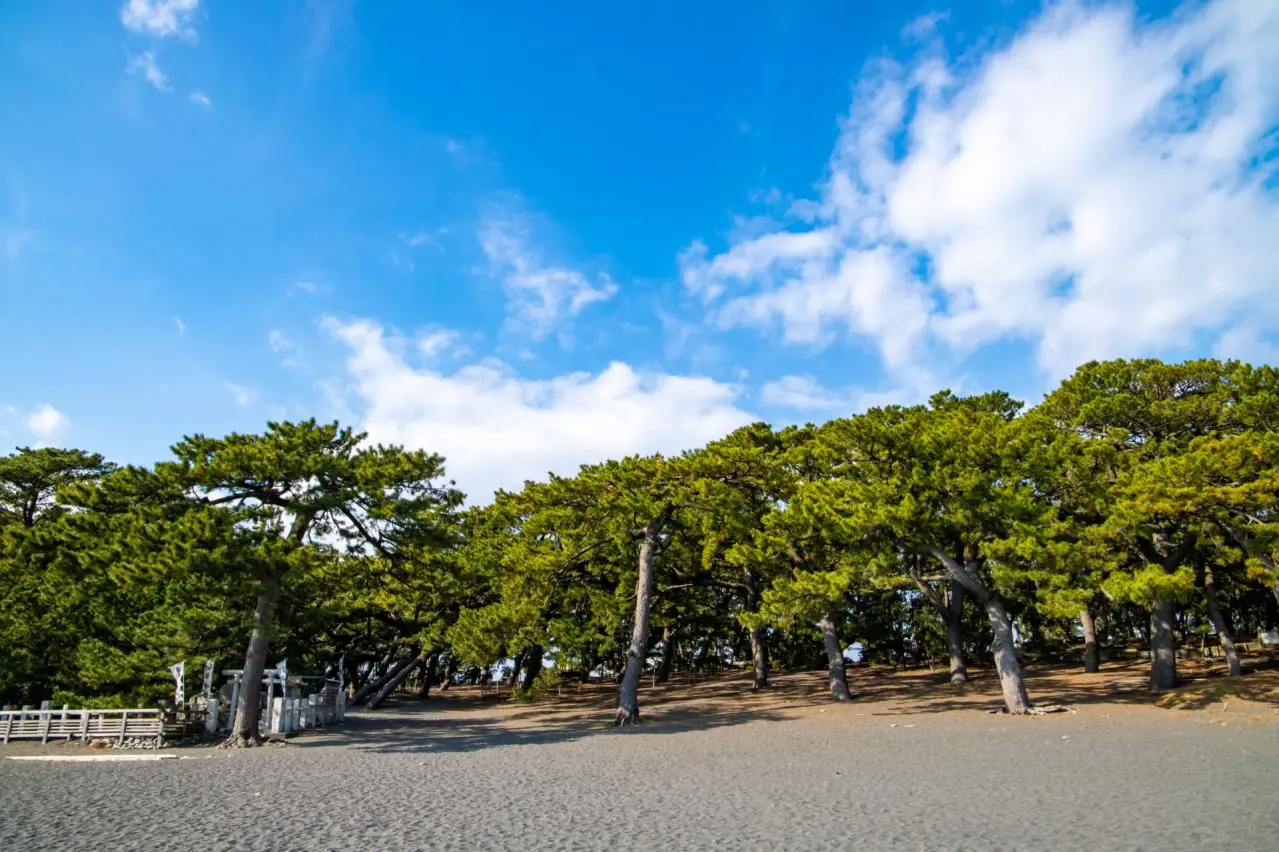
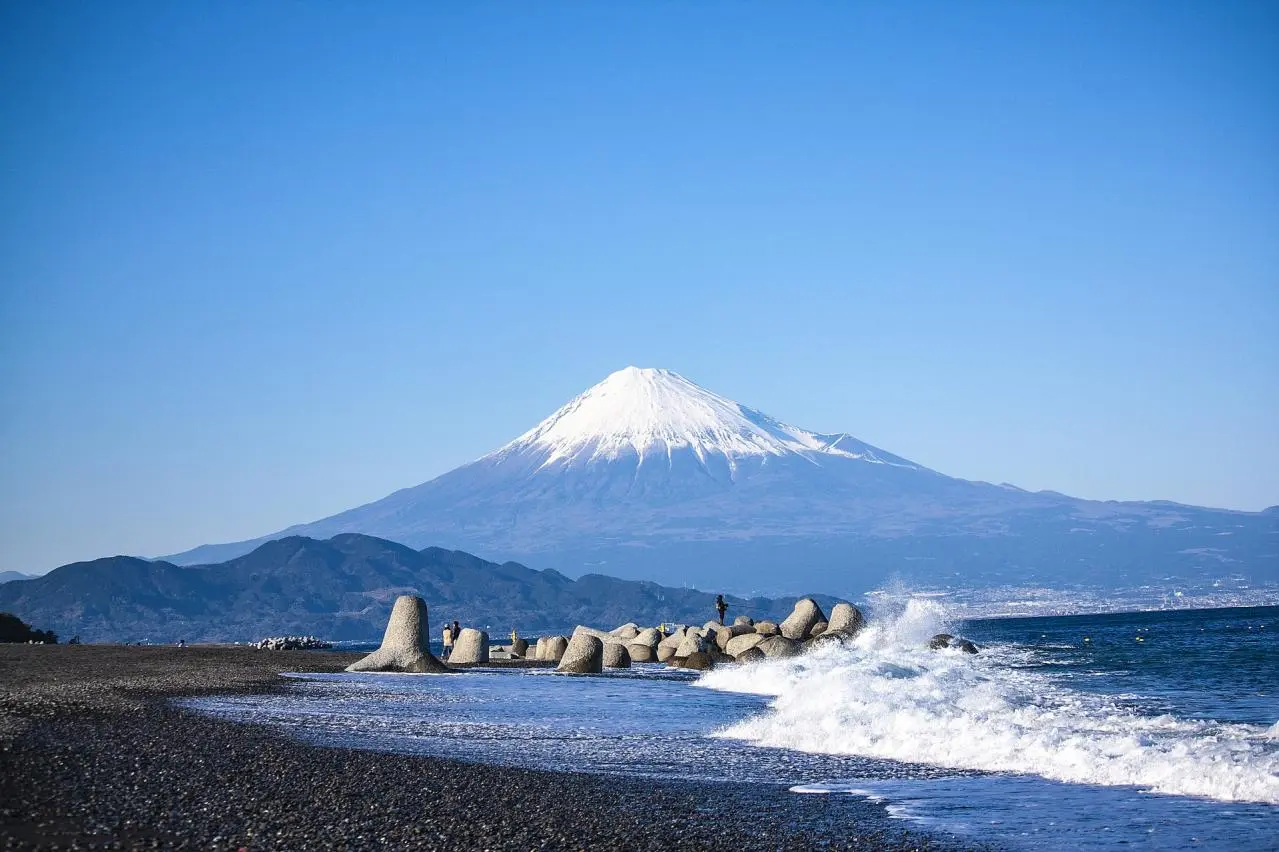
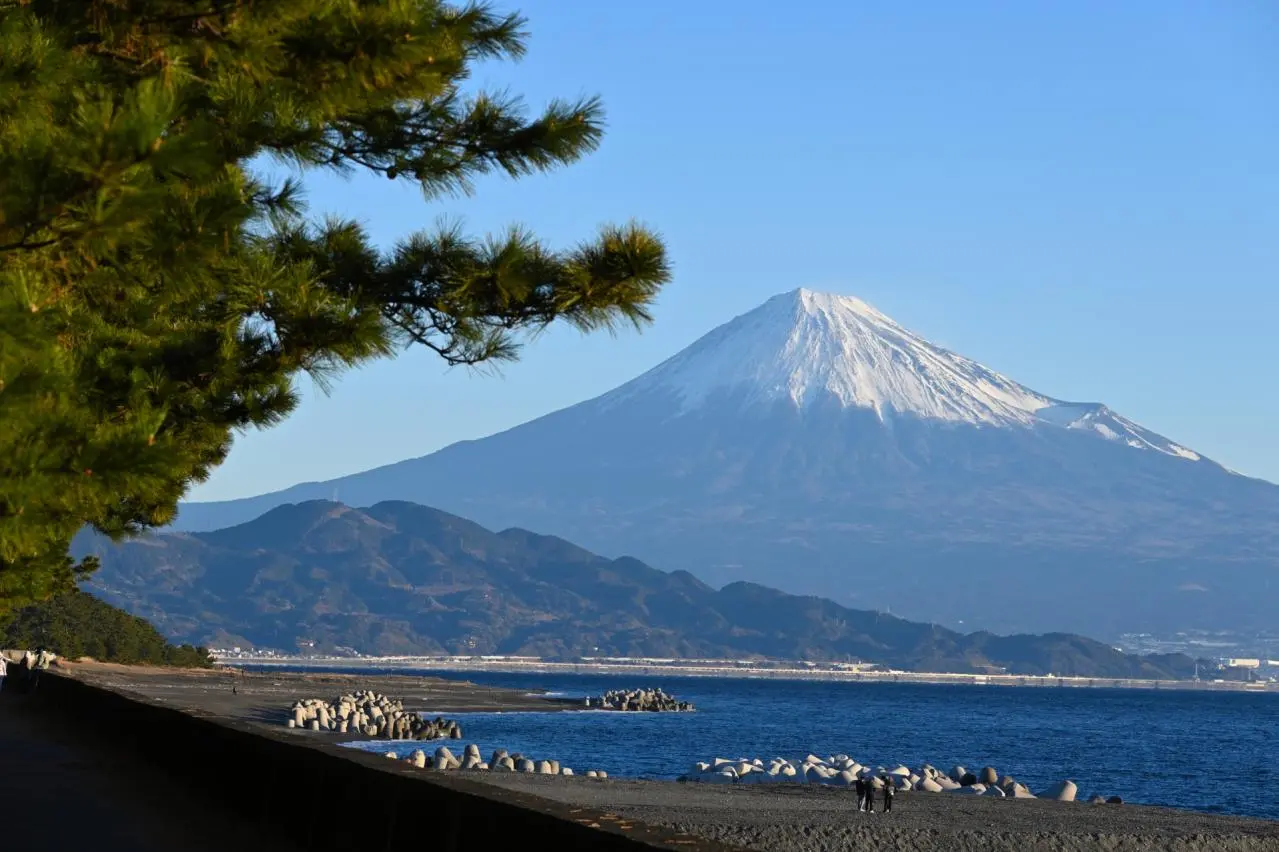
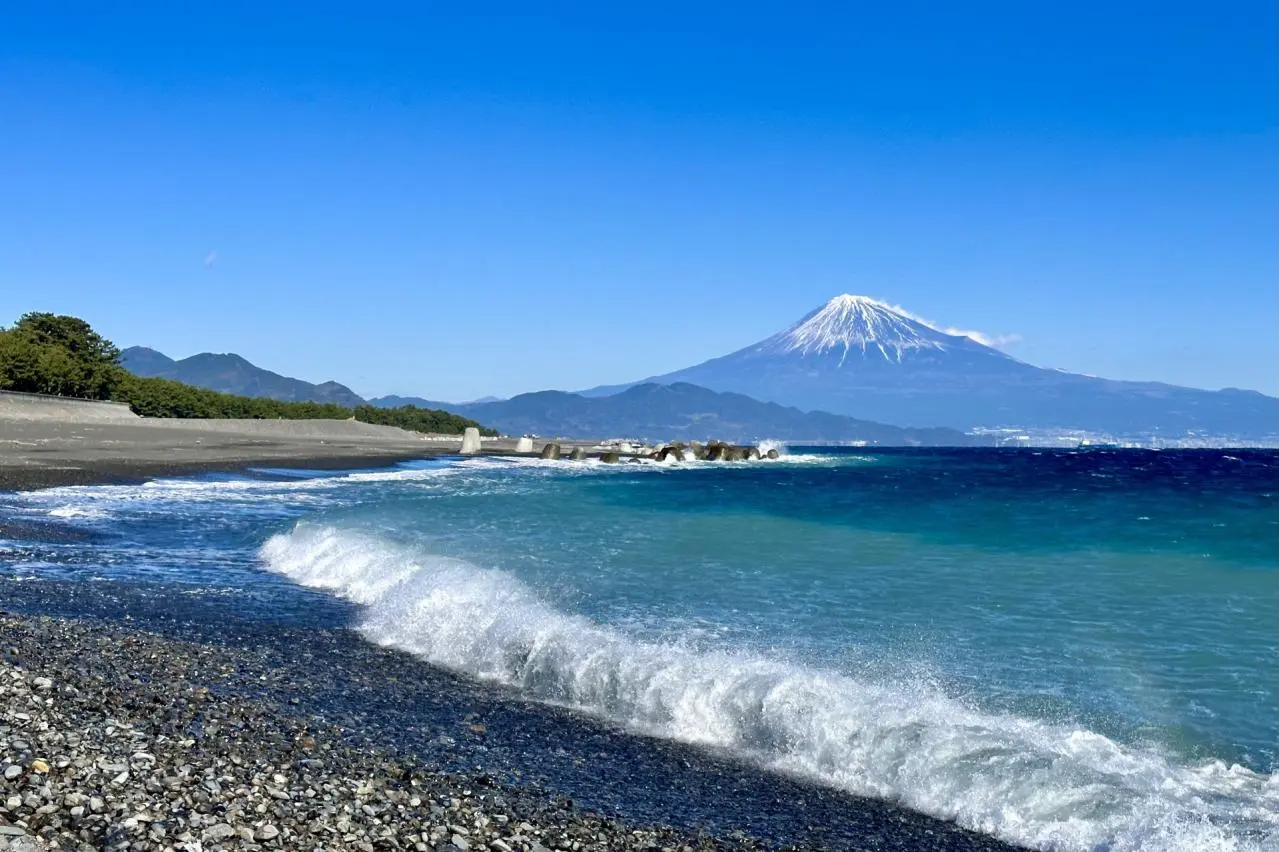
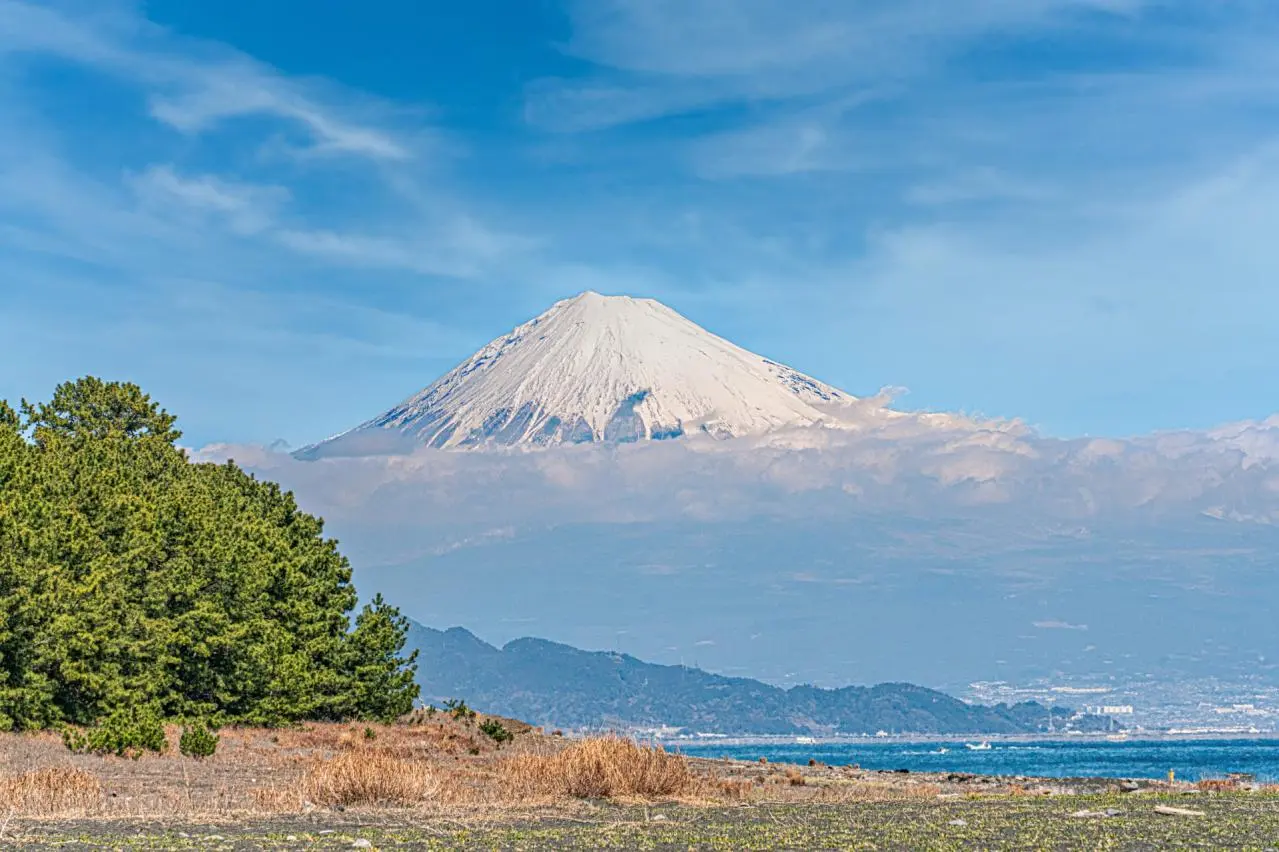
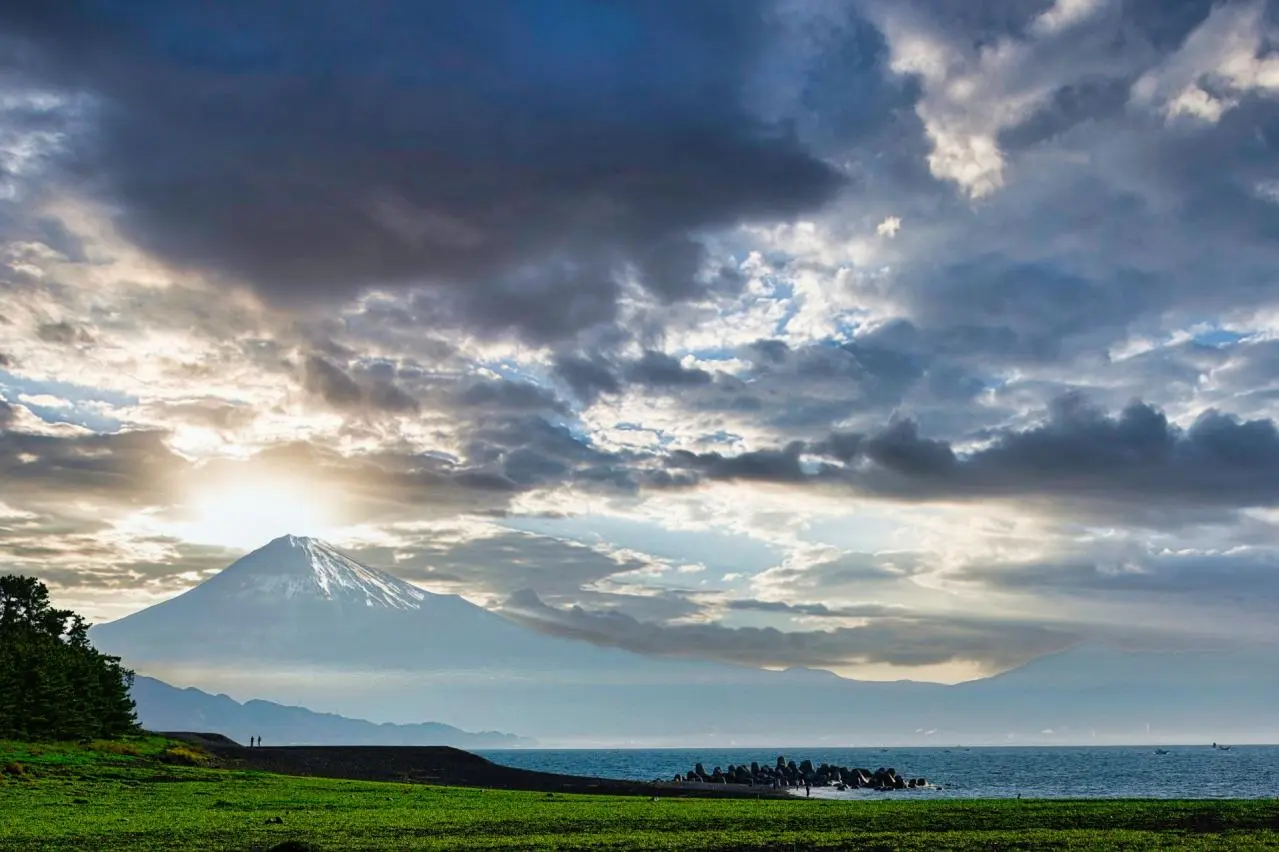
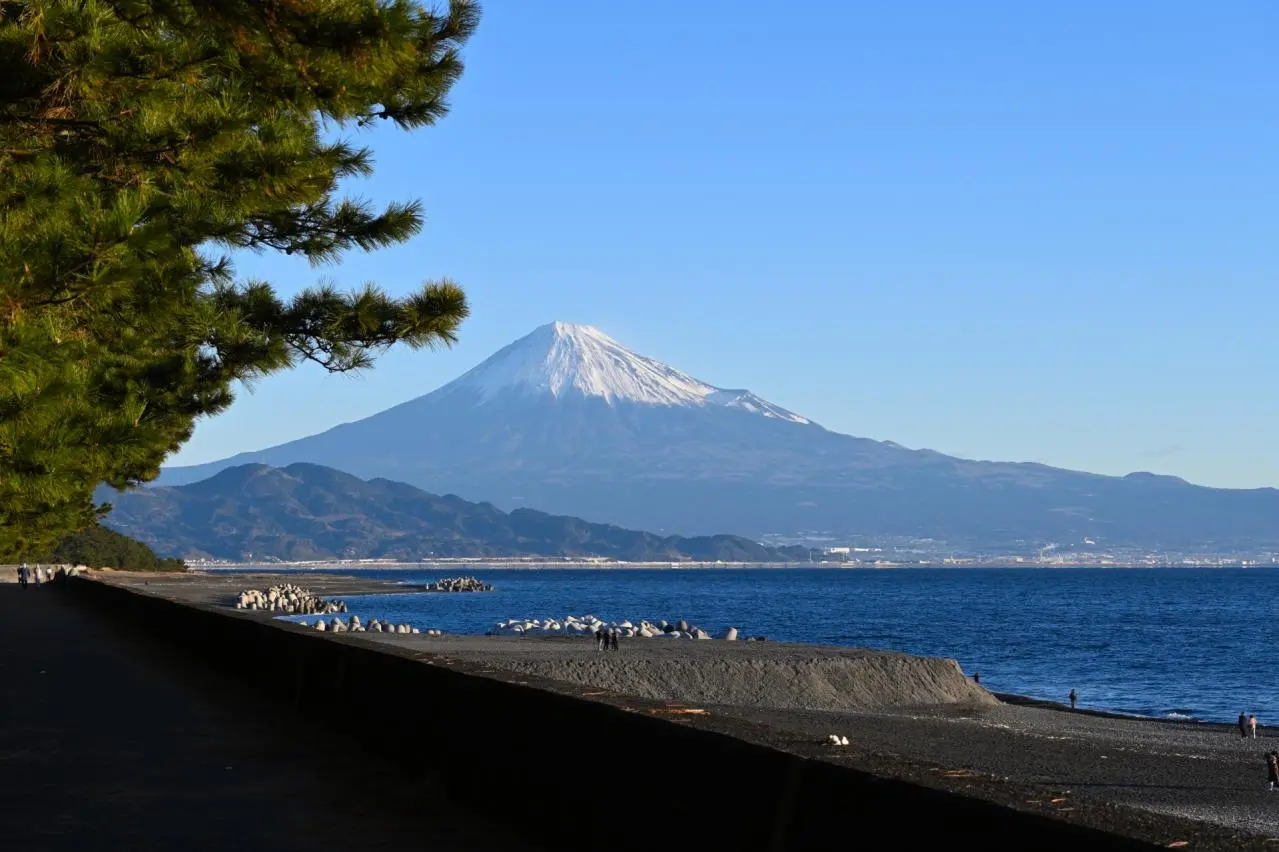
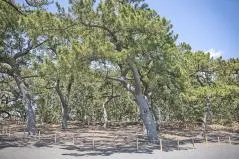
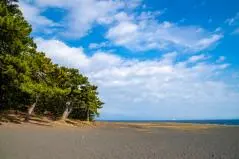
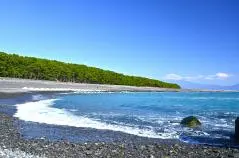
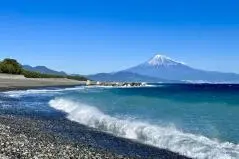
Miho no Matsubara is a scenic area stretching along the eastern coast of the Miho Peninsula in Shimizu Ward, Shizuoka City, Shizuoka Prefecture, and is known for its beautiful coastal landscape created by the peninsula jutting into Suruga Bay and a pine forest.
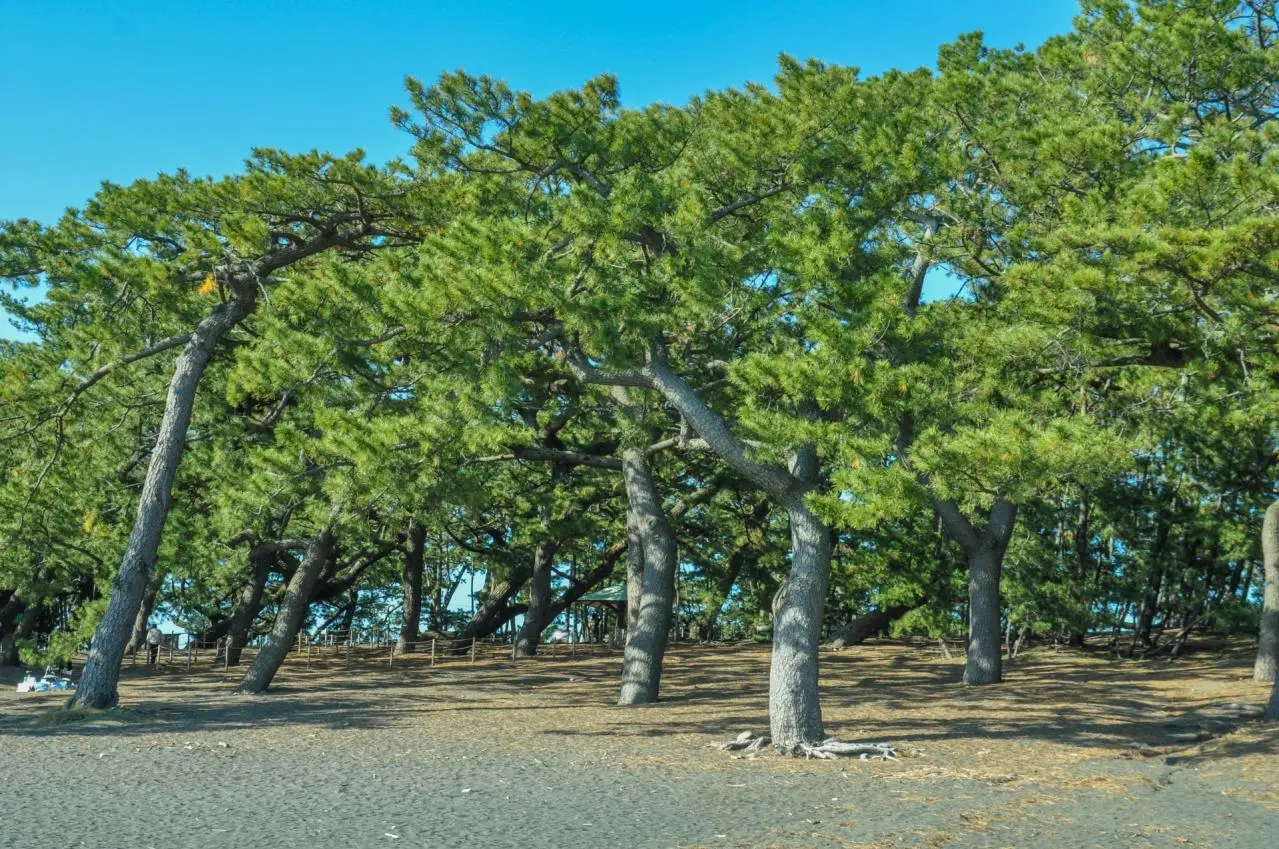
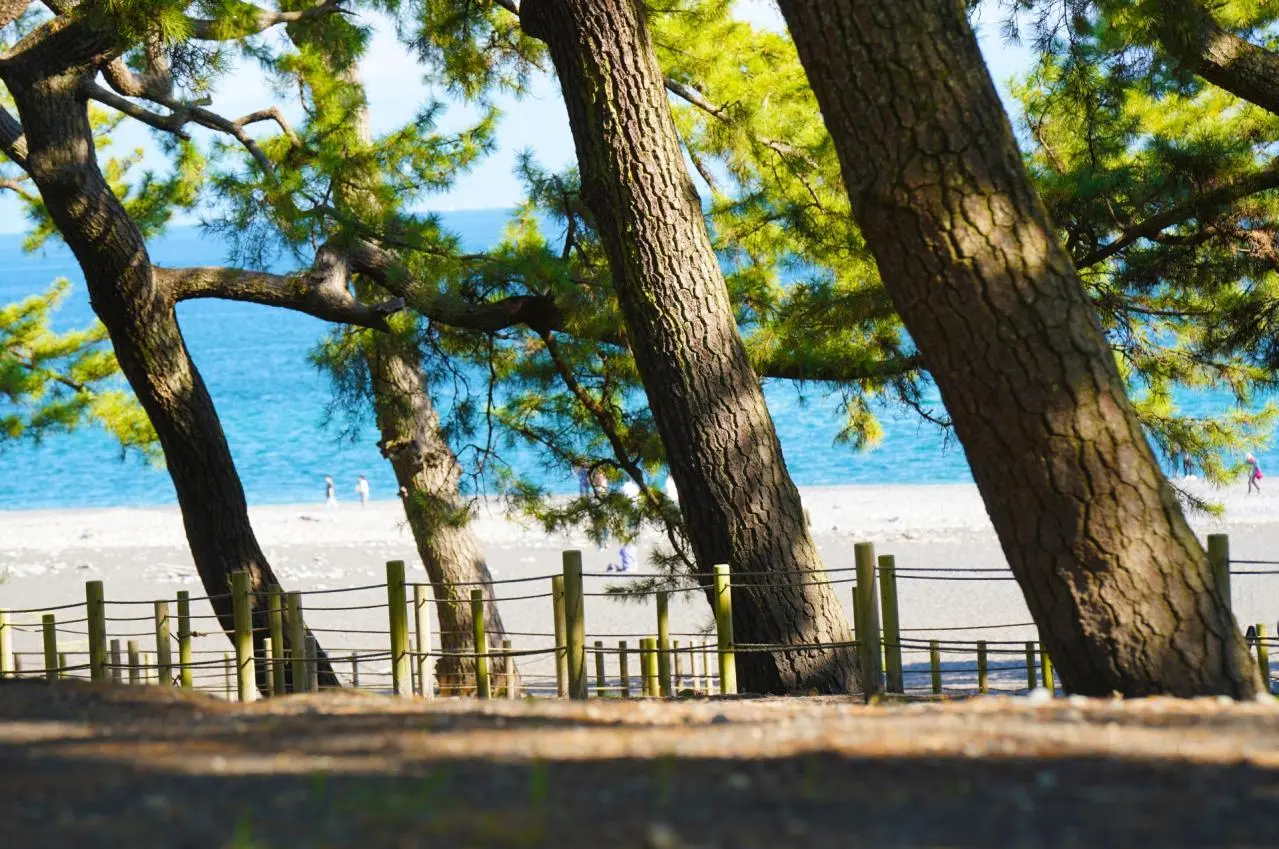
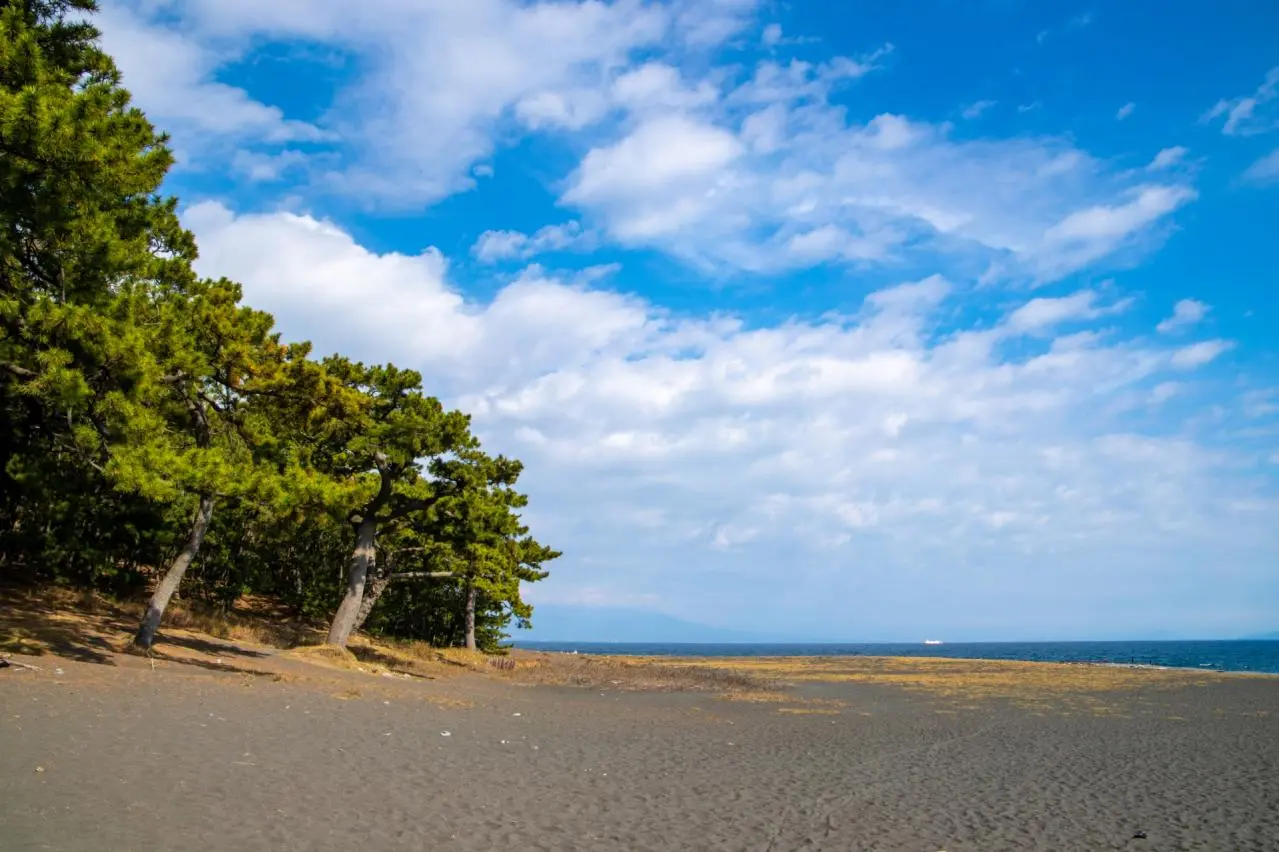
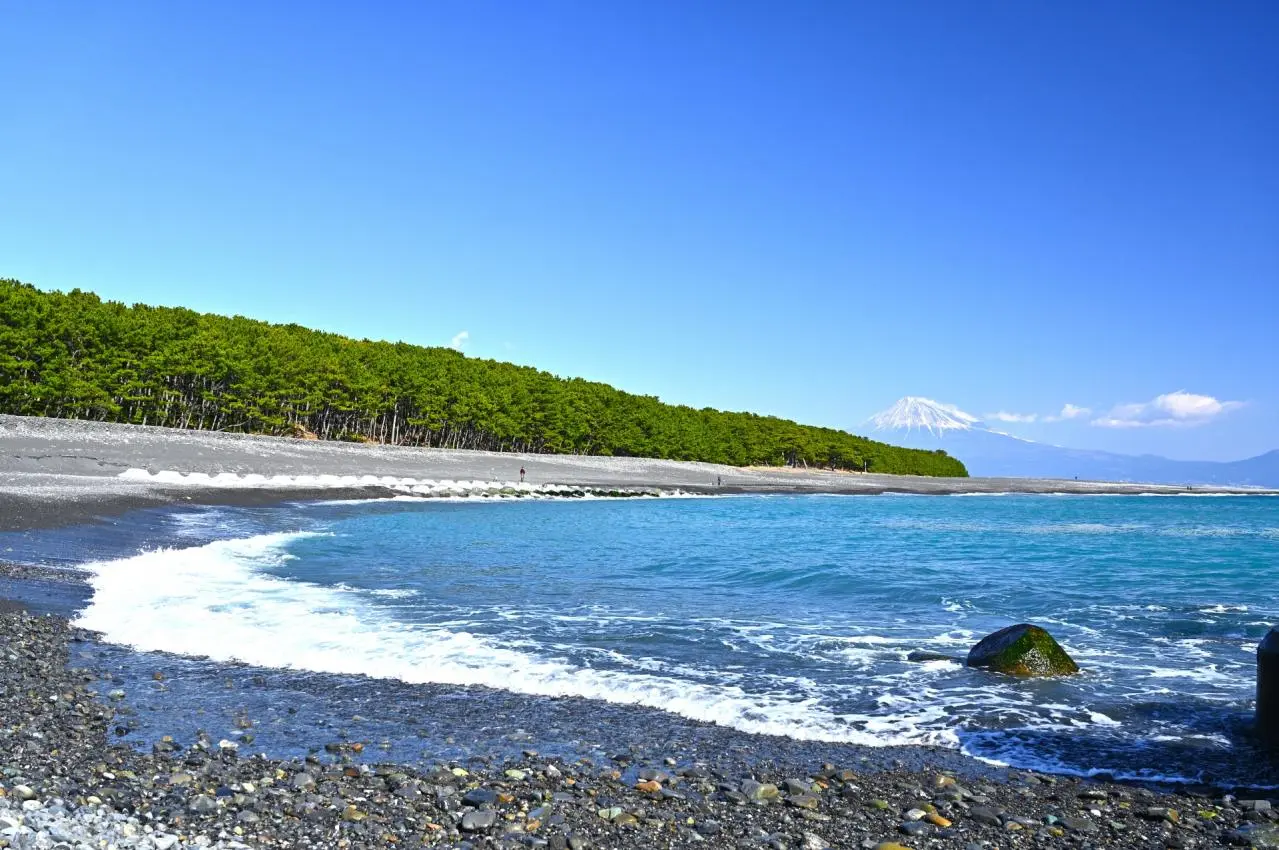
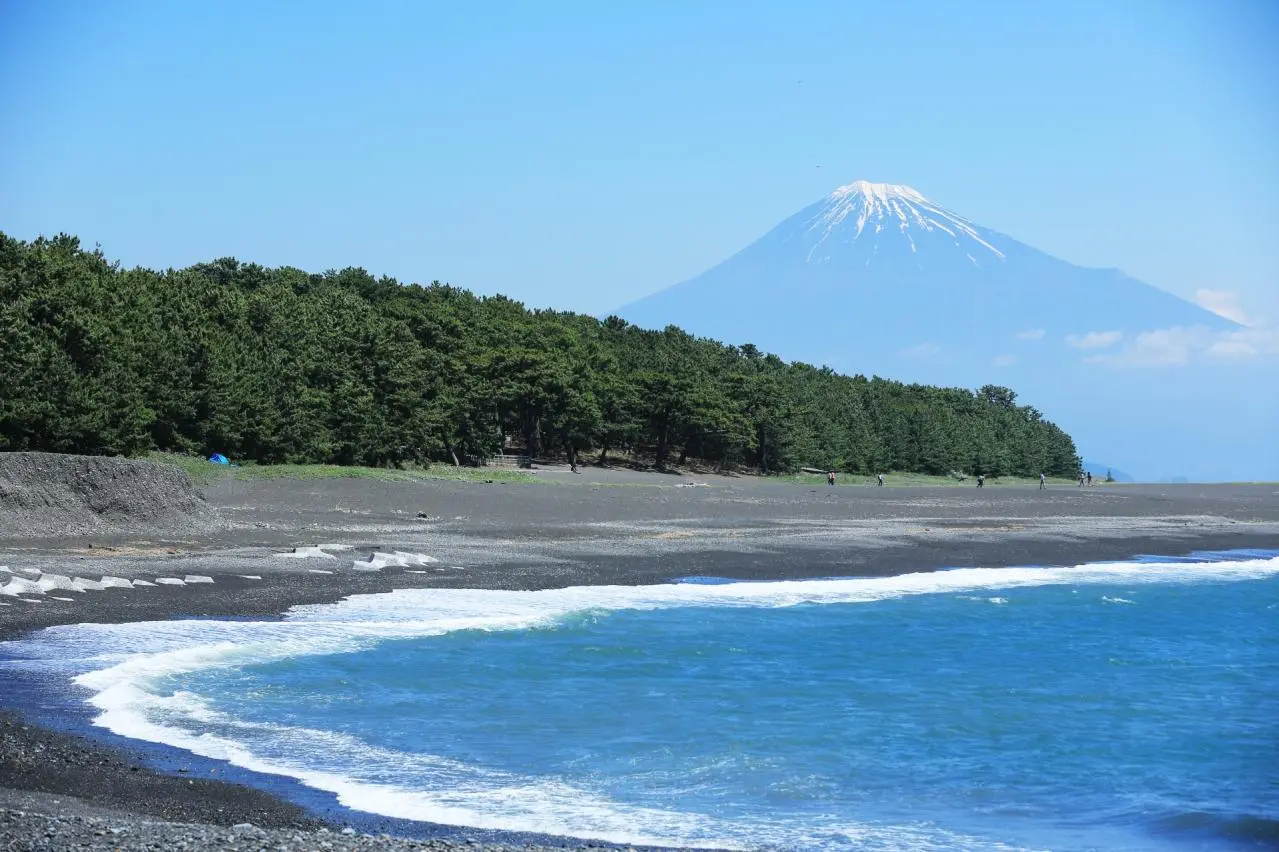
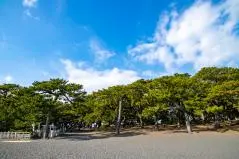
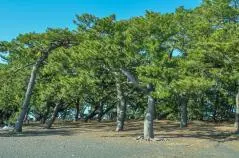
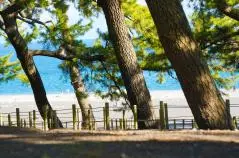
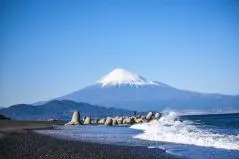
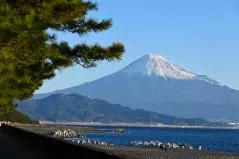
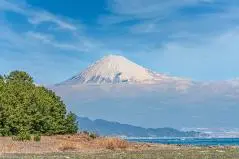
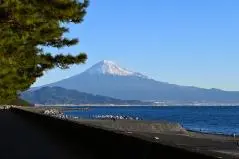
The pine forest extends for about 5 km along the coast, with an estimated 30,000 black pine trees, and the scenery of Mt. Fuji, the pine grove, white waves, and the blue sea blending together has an almost ukiyo-e-like beauty.
Miho no Matsubara has been known as a scenic spot since the Manyo period and has long been cherished as a special place from which to view Mt. Fuji.
It was also designated in 1922 as one of Japan’s earliest Places of Scenic Beauty, recognized as “a place of outstanding scenic beauty with a view of Mt. Fuji over a coastal pine grove.”
2. Miho no Matsubara as a World Cultural Heritage Site
In 2013, Miho no Matsubara was registered as one of the component assets of the World Cultural Heritage Site “Mt. Fuji: Object of Worship, Source of Art.”
Within the context of Japanese culture, which has looked up to Mt. Fuji as an object of worship and depicted it as a source of artistic inspiration, Miho no Matsubara is valued as an important part of the landscape from which Mt. Fuji can be admired.
3. Hagoromo-no-Matsu, the Setting of the Hagoromo Legend
One of the main highlights of Miho no Matsubara is Hagoromo-no-Matsu, the pine tree famous for the celestial maiden’s “Hagoromo” legend.
The legend tells of a celestial maiden who hung her robe on a pine branch while bathing; a fisherman found it and took it away, and in exchange for its return, she performed a dance. This story is deeply rooted in Japanese culture, including the Noh play “Hagoromo.”
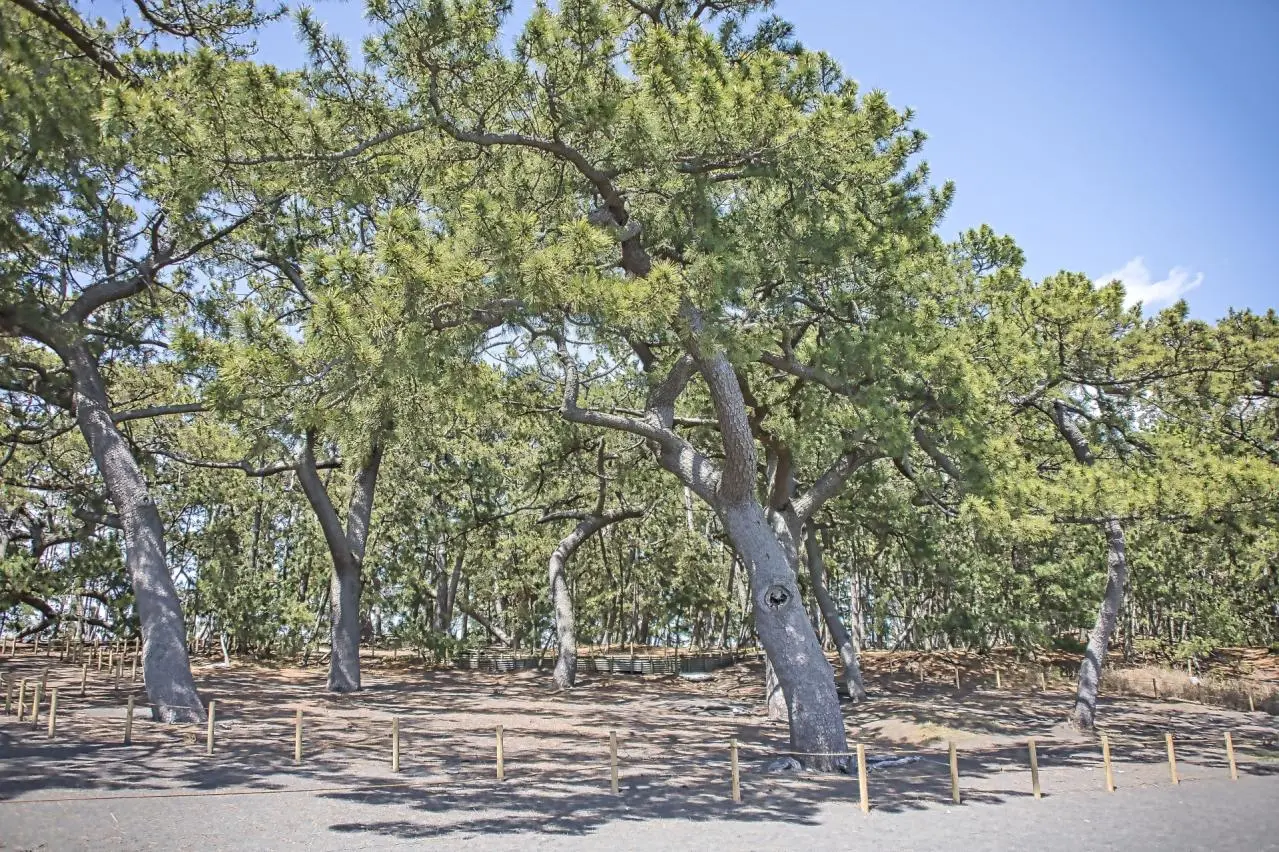
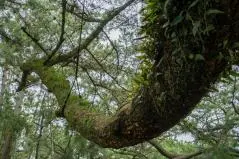
The current Hagoromo-no-Matsu is a black pine believed to be about 300 years old, notable for its well-shaped branches extending in all directions.
It is said that the first Hagoromo-no-Matsu was swallowed by the sea during the 1707 eruption of Mount Fuji’s Hoei crater, and that the second tree weakened over time, leading to the current third-generation pine.
4. Miho Shrine and the “Kaminomichi” Path
Hagoromo-no-Matsu is regarded as the sacred body of Miho Shrine, and is also said to be a yorishiro—a spiritual marker or object to which the deities Miho-tsuhiko no Mikoto and Miho-tsuhime no Mikoto descend.
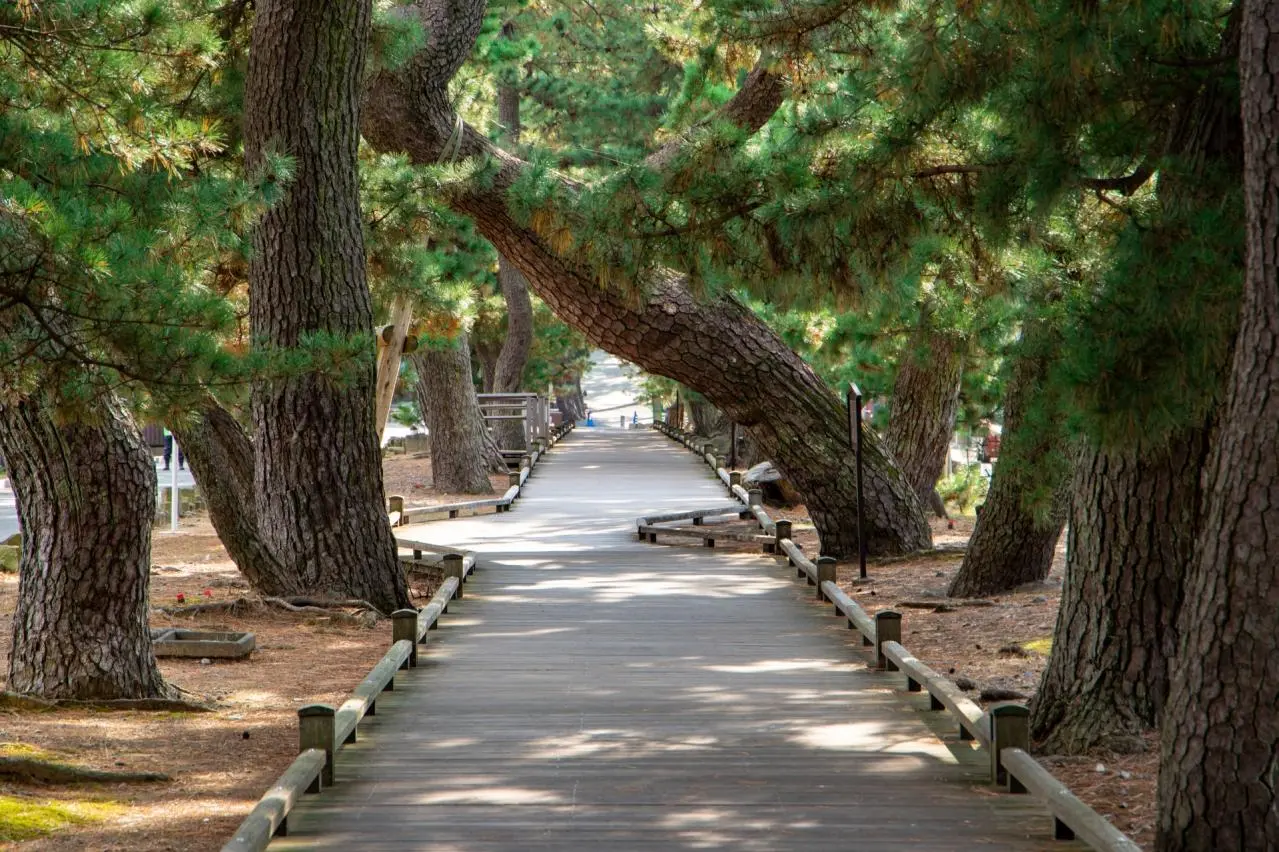
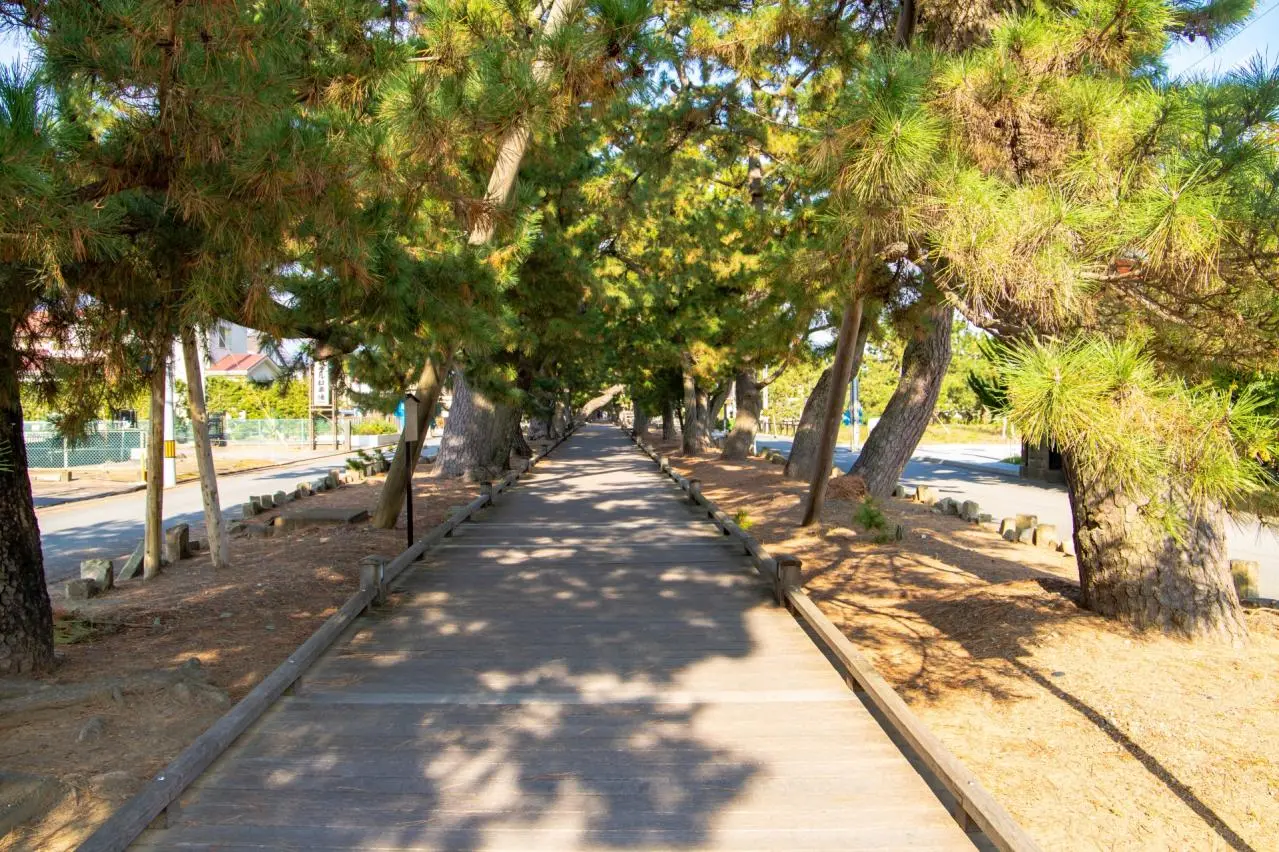
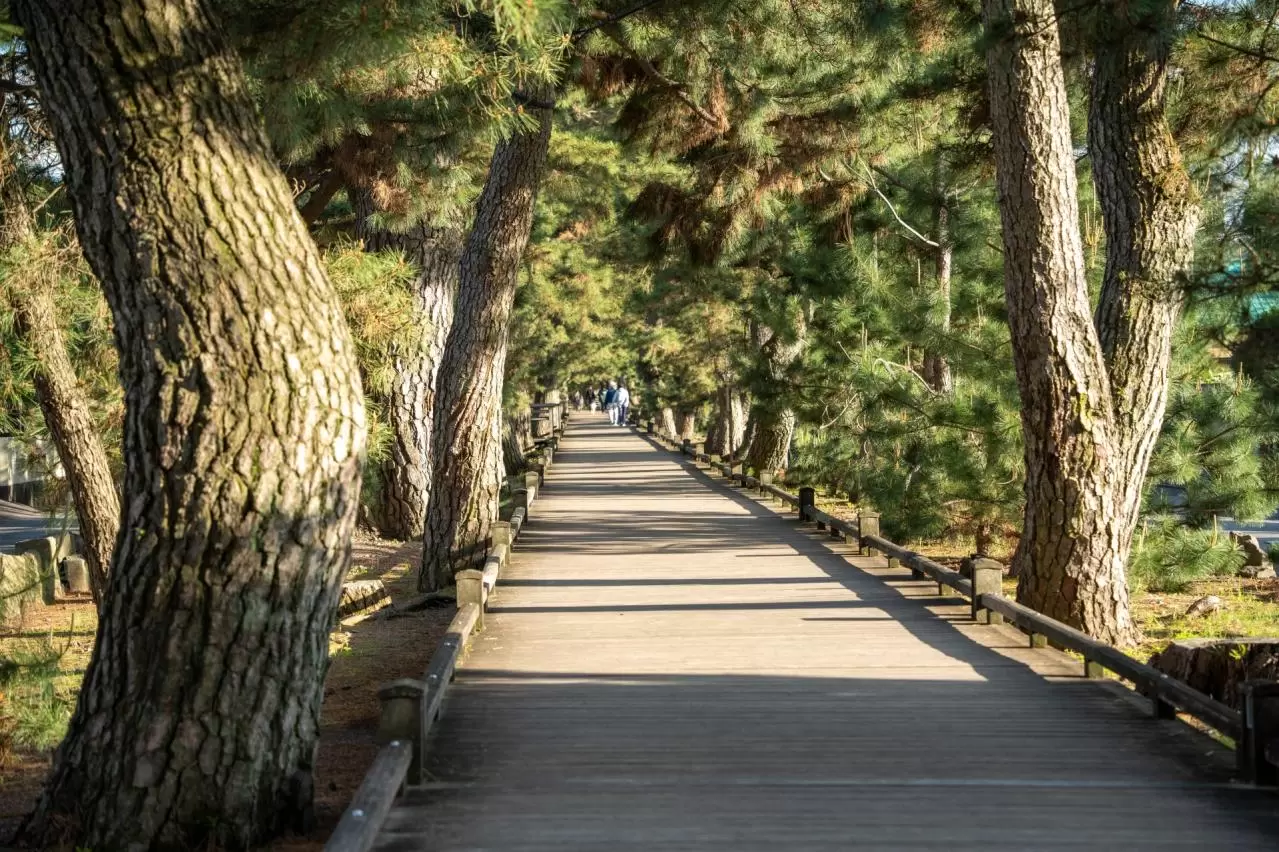
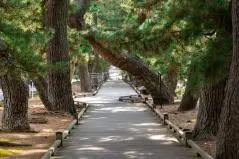
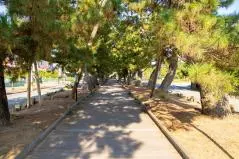
From Hagoromo-no-Matsu to Miho Shrine stretches the “Kaminomichi,” a pine-lined approach about 500 meters long, making it a popular route where visitors can enjoy strolling through the pine grove in a sacred atmosphere.
5. Haguruma Shrine and the Wish Stone Tradition
Near Hagoromo-no-Matsu stands Haguruma Shrine, considered an auxiliary shrine of Miho Shrine.
This small shrine, located on the beach overlooking Suruga Bay, enshrines Miho-tsuhiko no Mikoto (Ōkuninushi-no-Mikoto) and Miho-tsuhime no Mikoto.
It is said that there is a custom of writing one’s wish on a stone and offering it here, and even today various stones with written wishes can be seen at the site. It can be described as a distinctive form of faith unique to Miho no Matsubara, where visitors entrust their heartfelt prayers to the shrine.
6. The “Hélène Monument” and Cultural Reach
Near Hagoromo-no-Matsu stands a monument commemorating French dancer Hélène Giuglaris, who was so captivated by the Noh play “Hagoromo” that she died at the age of 35 without ever visiting Miho no Matsubara.
The monument was erected in 1952 thanks to the sympathy of local residents, and it is said that a lock of her hair was buried beneath it in accordance with her testament.
This shows that Miho no Matsubara is a place with cultural appeal strong enough to influence not only Japanese legends but also artists from abroad.
7. World Heritage Guidance Facility “Miho Shilube”
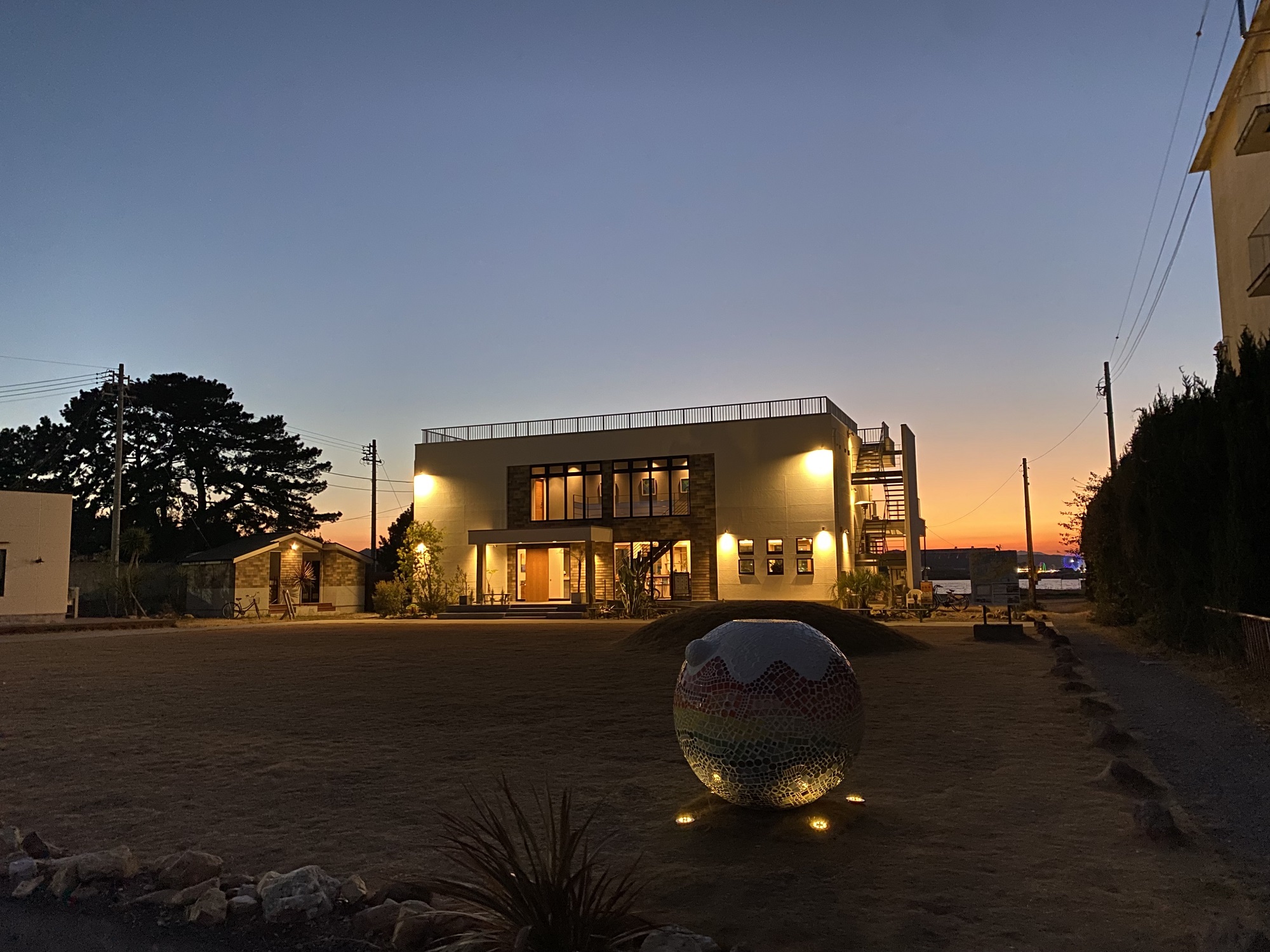
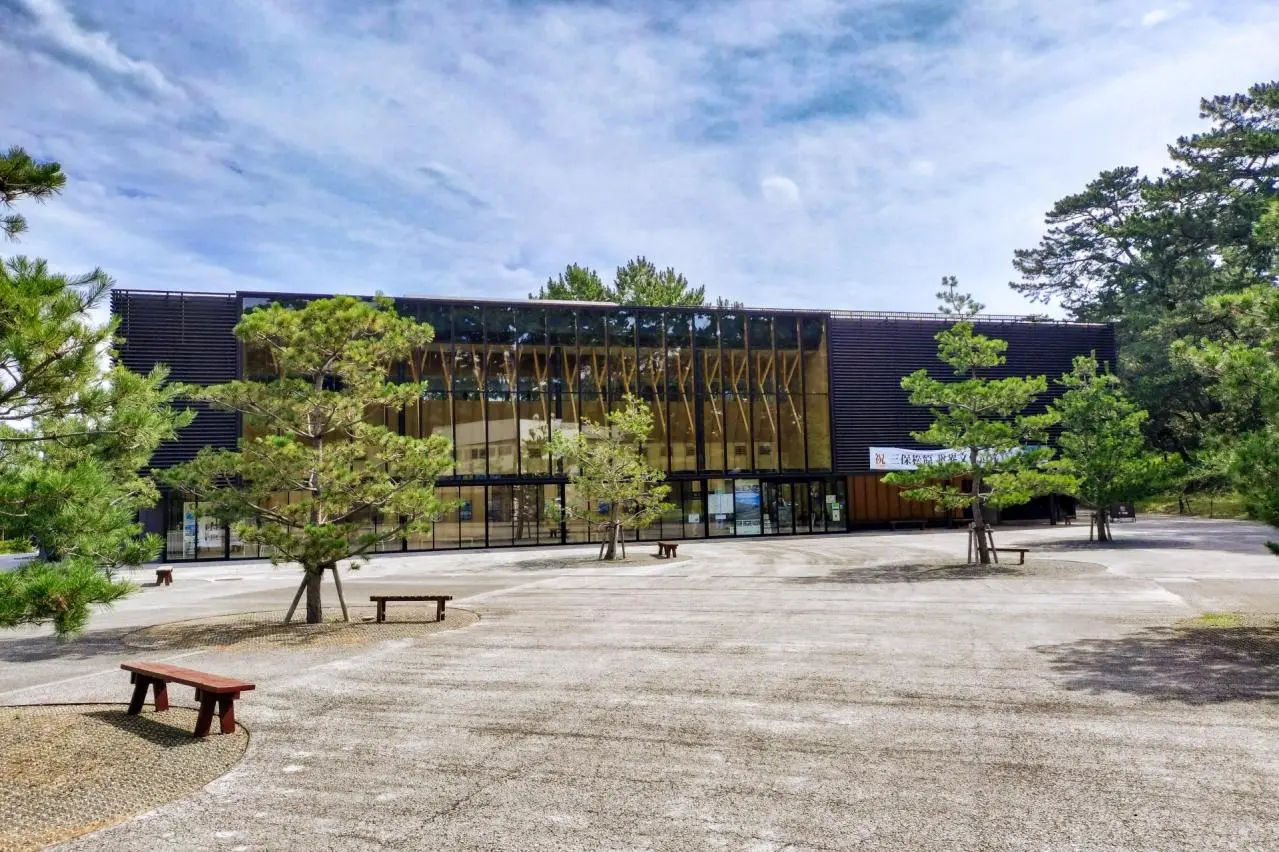
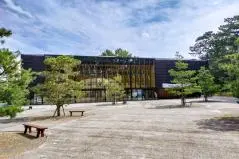
In 2019, the World Heritage guidance facility Shizuoka City Miho no Matsubara Cultural Creation Center “Miho Shilube” opened at the foot of Hagoromo-no-Matsu.
It serves as a facility where visitors can learn about the history, nature, and relationship with Mt. Fuji, and admission is free of charge (though opening days and other details may change).
Even on days when the weather is poor and Mt. Fuji cannot be seen, visitors can enjoy views of Mt. Fuji from Miho no Matsubara throughout the seasons in the video theater.
By stopping here before walking around, visitors can obtain area maps and basic information, making it easier to explore Miho no Matsubara efficiently. The museum shop also offers Miho-related items and exclusive souvenirs.
8. Natural Landscape and Conservation Efforts
Miho no Matsubara is known for its beautiful pine forest and sandy beach, but the sand on the coast is gradually carried eastward by waves and, once it falls into the deep sea from the tip of the Miho Peninsula, it does not return.
For this reason, measures are being taken to protect the beach by collecting sand before it is lost and returning it to the shoreline; these efforts have been likened to “giving a robe of feathers to the sand,” in reference to the legend.
Historically, during the Edo period the area was protected as the territory of Miho Shrine, and logging was prohibited. However, during the Meiji period, pine cutting increased and the pine forest once diminished.
Later, it was designated a forest reserve in 1898 and a Place of Scenic Beauty in 1922, and conservation efforts have continued. Thanks to local tree-planting activities and other efforts, the present landscape has been preserved.
9. Ways to Enjoy It: Strolling, First Sunrise, and Bicycle Rental
Miho no Matsubara is attractive even simply as a place to stroll, but because highlights such as Hagoromo-no-Matsu, Kaminomichi, and Miho Shrine are scattered throughout the area, walking around is especially enjoyable.
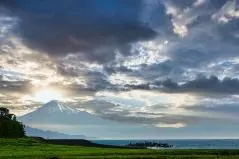
It is also known as a popular place to watch the year’s first sunrise, with many people gathering on New Year’s Day to see the sunrise over the mountains of the Izu Peninsula.
By using a rental bicycle, visitors can also make a full circuit of the Miho Peninsula, enjoying a refreshing sightseeing experience while feeling the sea and the pine forest.
Miho no Matsubara is one of Japan’s representative scenic spots, featuring a pine grove stretching about 5 km, the blue waters of Suruga Bay, and a superb view of Mt. Fuji.
In 2013, it was registered as a component asset of the World Cultural Heritage Site “Mt. Fuji: Object of Worship, Source of Art,” and its value as a place deeply connected with faith and art has also been recognized.
Centered on Hagoromo-no-Matsu, famous for the Hagoromo legend, visitors can experience the faith-based culture of Kaminomichi, Miho Shrine, and Haguruma Shrine, and deepen their understanding at Miho Shilube.
With its layered beauty of nature, legend, and history, Miho no Matsubara is a place that offers visitors a truly special time.
Shizuoka Tourist Attractions
View List

MOA Museum of Art
The MOA Museum of Art is a representative museum of Atami, boasting a collection of approximately 3,500 items focusing on East Asian art, including paintings, callig...

Numazu Deep Sea Aquarium
Numazu Deep Sea Aquarium is the only aquarium in Japan that showcases deep-sea creatures from Suruga Bay. The deepest part of Suruga Bay reaches 2,500 meters, making...

Mishima Skywalk
Mishima Skywalk is Japan's longest pedestrian suspension bridge, measuring 400 meters, and it opened in 2015. The bridge features a highly transparent mesh structure...

Fuji Safari Park
Fuji Safari Park is a safari park located at the foothills of Mount Fuji, consisting mainly of two areas: the Safari Zone and the Interaction Zone. In the Safari Zon...

Shizuoka Prefectural Mount Fuji World Heritage Center
The Fujisan World Heritage Center in Shizuoka Prefecture is a facility where visitors can learn about the history, culture, and nature related to the World Cultural ...

Hamamatsu Castle
Hamamatsu Castle is one of the castles deeply rooted in Japanese history. Construction began in 1504, and Tokugawa Ieyasu entered the castle in 1570, spending 17 yea...

Kinomiya Shrine
Kinuami Shrine has been revered as a deity of good fortune and auspiciousness for many years, and within its grounds stands the "Great Camphor Tree," a national natu...