MOA Museum of Art
MOA Museum of Art Movies


Basic Information
- Spot Name
- MOA Museum of Art
- Location
- 〒413-8511 26-2 Momoyama-cho, Atami City, Shizuoka Prefecture, Japan
- Access
- From Atami Station on the JR Tōkai Shinkansen, take the Tokai Bus bound for MOA Museum of Art for 7 minutes, and get off at the final stop, which is right there.
- Parking
- 200 vehicles
- Business Hours
- 9:30 AM to 4:00 PM (last admission at 4:30 PM)
- Regular Holiday
- Thursday (open on holidays), year-end and New Year holidays.
- Fees
- General: 1,760 yen (1,430 yen)
High school & university students: 1,100 yen (770 yen)
Free for middle school students and younger
Senior discount: 1,540 yen
Discount for people with disabilities: Free - Contact Information
- Phone Number:0557-84-2511
- Official Website
Map
Detailed Information
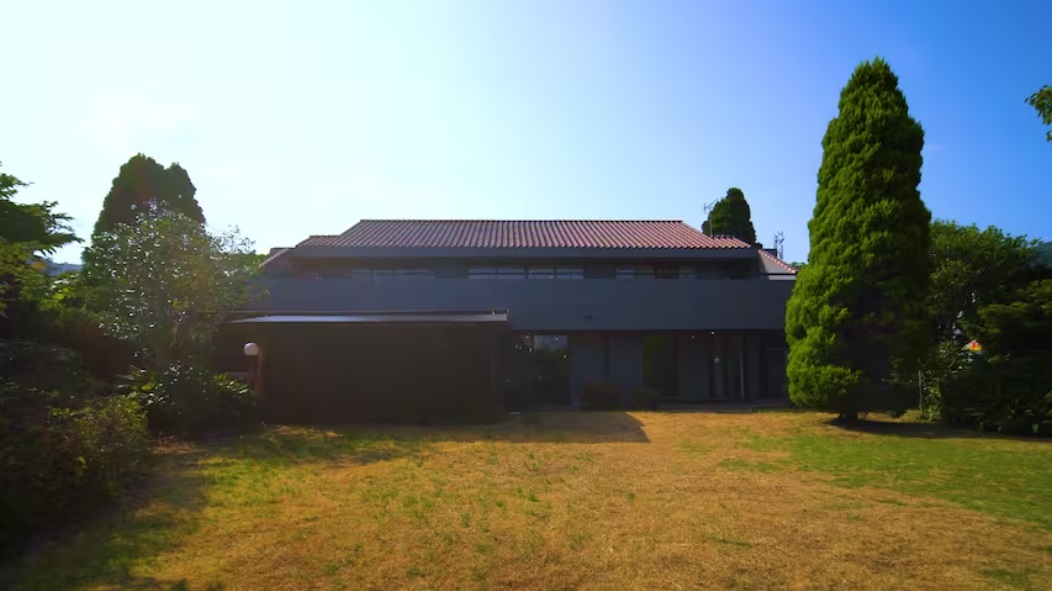
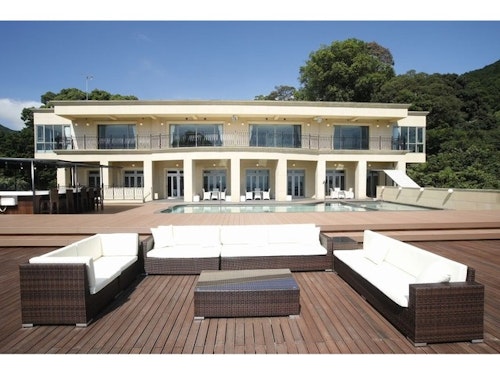
MOA Museum of Art is a landmark museum perched on a hillside in Atami City, Shizuoka Prefecture. With its superb location overlooking Sagami Bay, visitors can enjoy sweeping panoramic views of Hatsushima, Izu Oshima, and the stretch from the Boso Peninsula to the Izu Peninsula from the main lobby and the Mua Plaza (Mua Square). It is cherished by many not only for its art, but also as a place where the scenery and natural surroundings soothe the soul.
The museum houses approximately 3,500 works, focusing on masterpieces of East Asian art including paintings, calligraphy, crafts, and sculpture. Its scale and exceptional quality are renowned nationwide. Among its holdings are 3 National Treasures, 67 Important Cultural Properties, and 46 Important Art Objects.
Especially famous among its National Treasure works is “Red and White Plum Blossoms,” regarded as the masterpiece of Ogata Korin. This work is often displayed only for a limited period, and many visitors come specifically to see it during the plum blossom season. The museum also owns the National Treasure tea jar “Color-painted Wisteria Flower Design Tea Jar” by Nonomura Ninsei and the calligraphy album “Kanmakujō,” offering opportunities to experience a wide range of cultural traditions, from Rinpa art and ceramics to calligraphy.
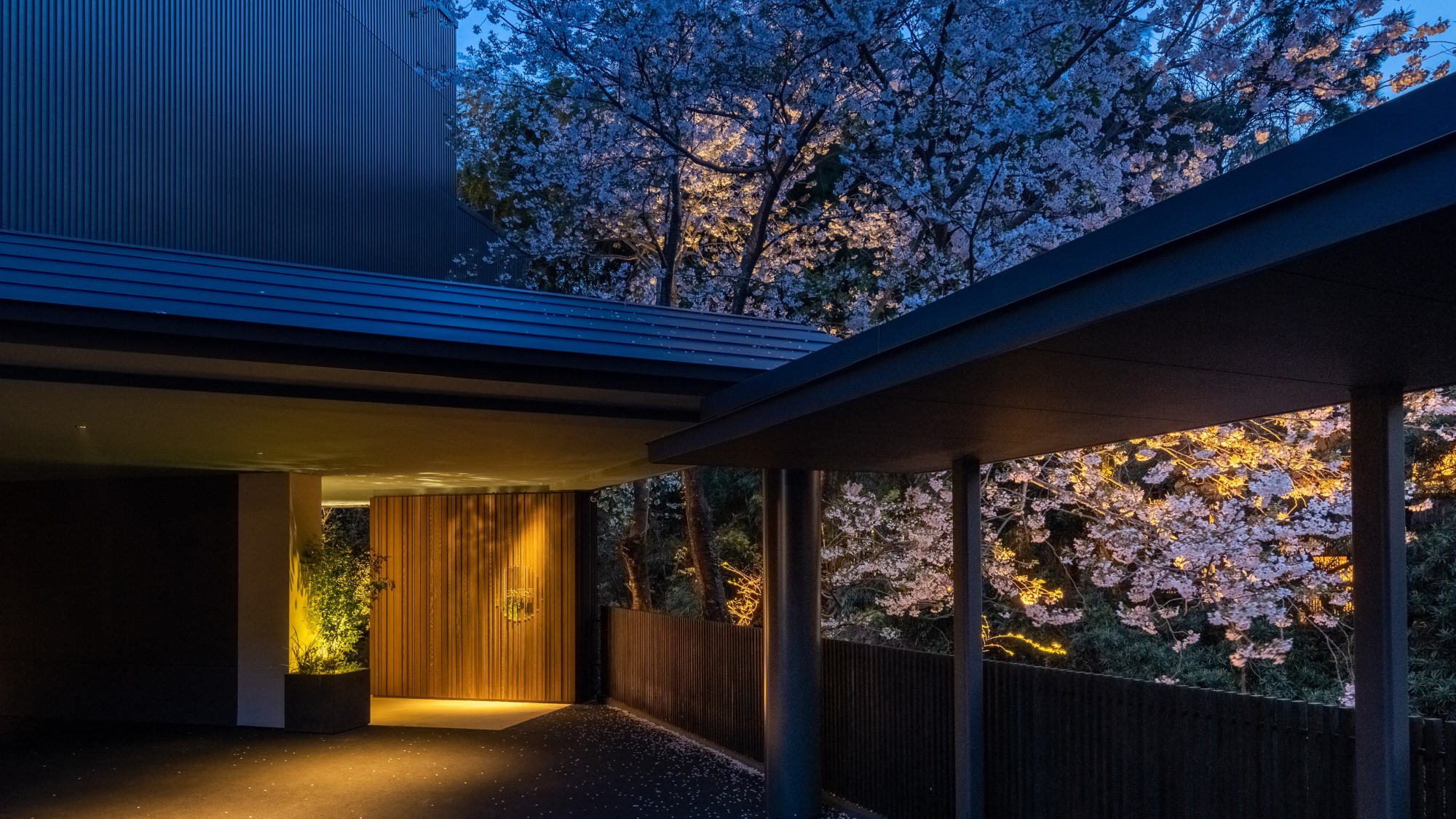
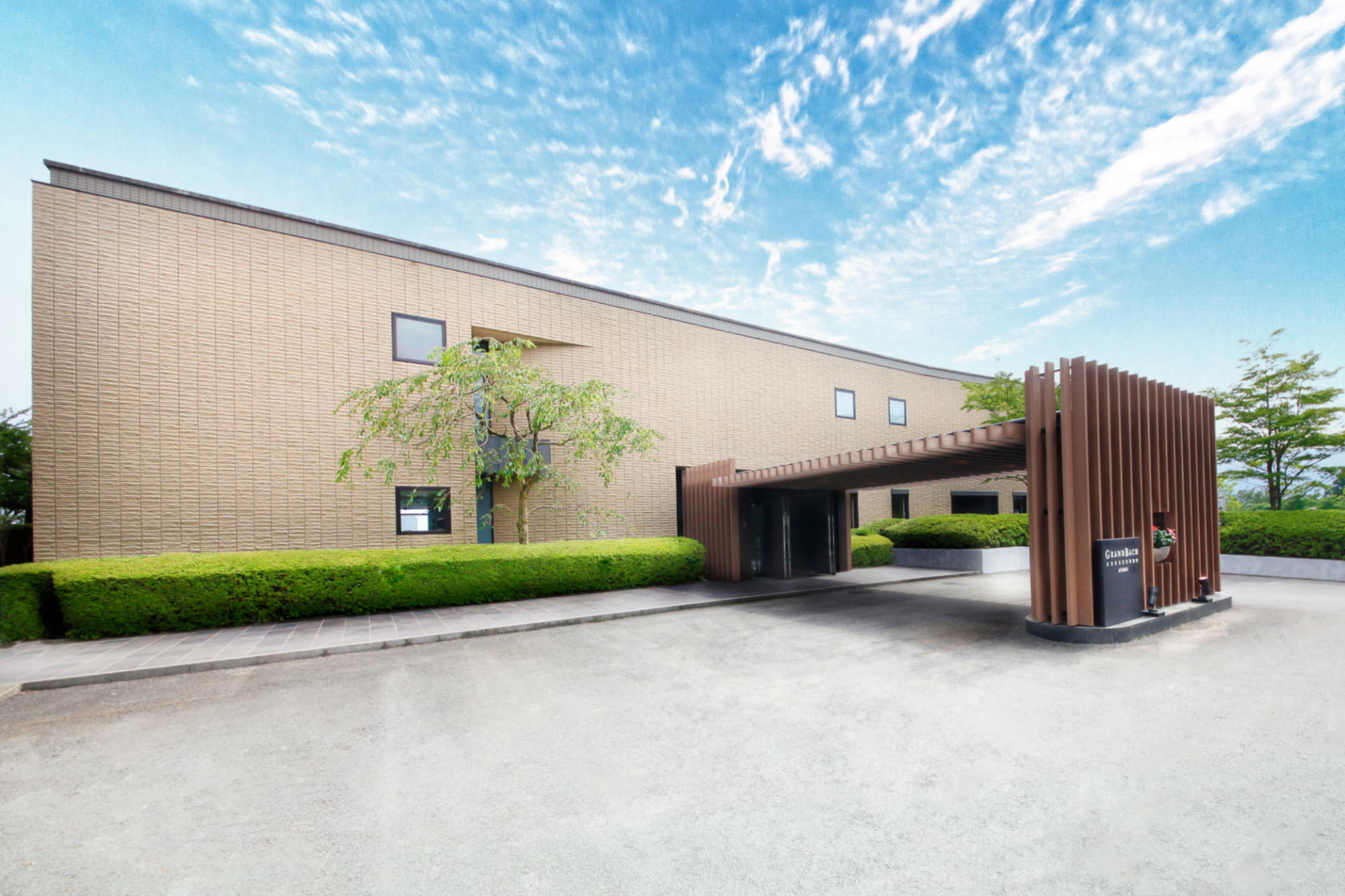
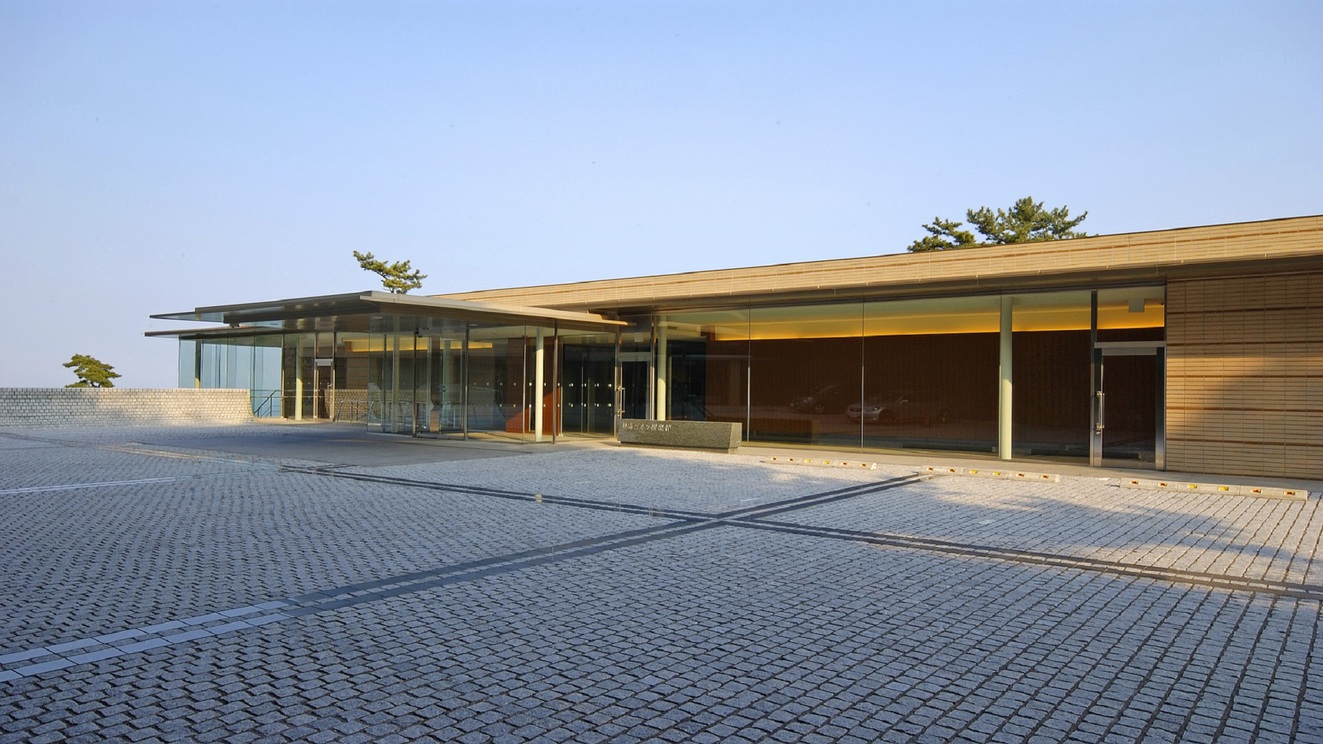
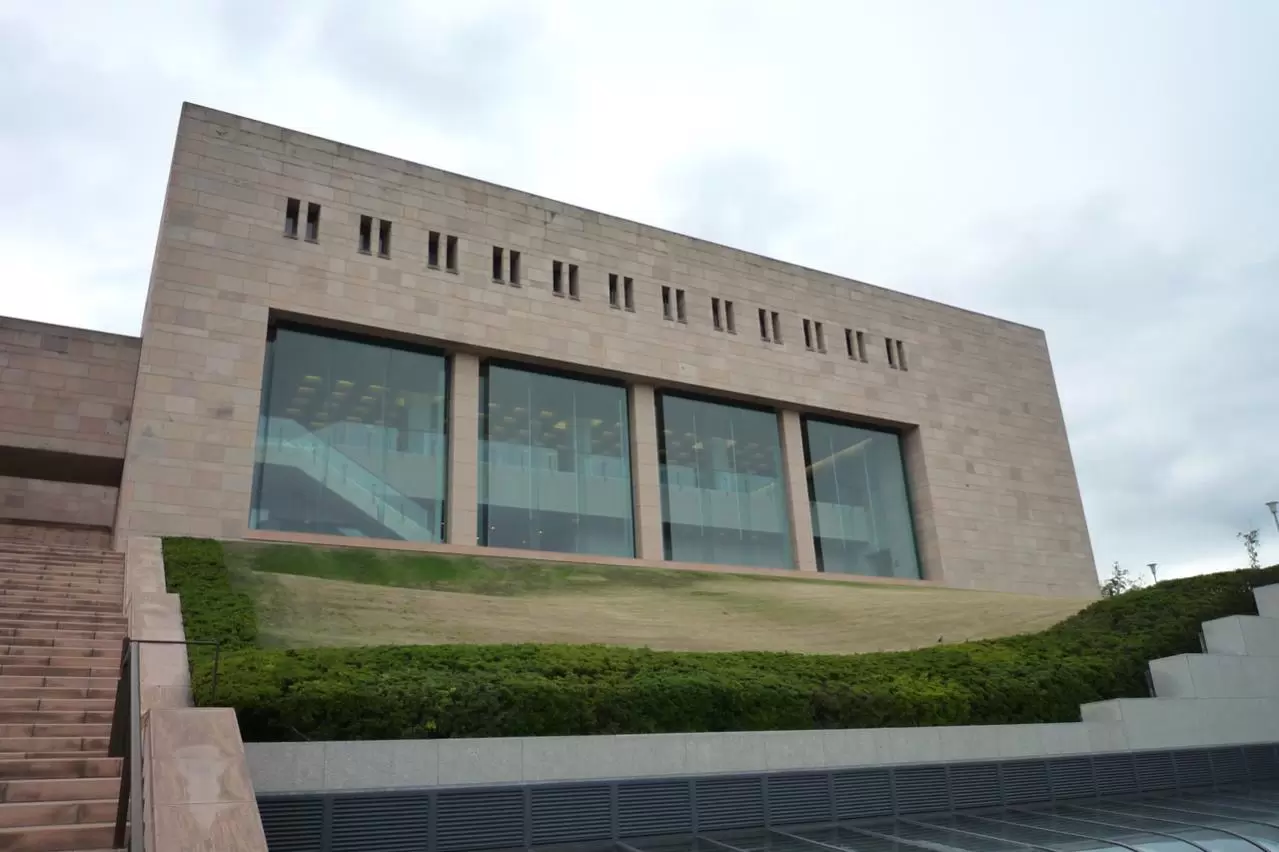
MOA Museum of Art opened in 1982 and was renewed in 2017. The lobby and exhibition spaces were designed by New Material Research Laboratory, led by contemporary artist Hiroshi Sugimoto and architect Toshiyuki Sakakida. Their spatial design is characterized by a modern reinterpretation of traditional Japanese materials and techniques. The exhibition rooms are designed to bring out the full appeal of the works, allowing visitors to enjoy not only the art itself but also the beauty of the space.
The museum also features the “Golden Tea Room,” a faithful recreation of a tea room associated with Toyotomi Hideyoshi, as well as a full-scale Noh theater with a cypress-bark roof, making it a place to experience the depth of Japanese culture beyond art alone.
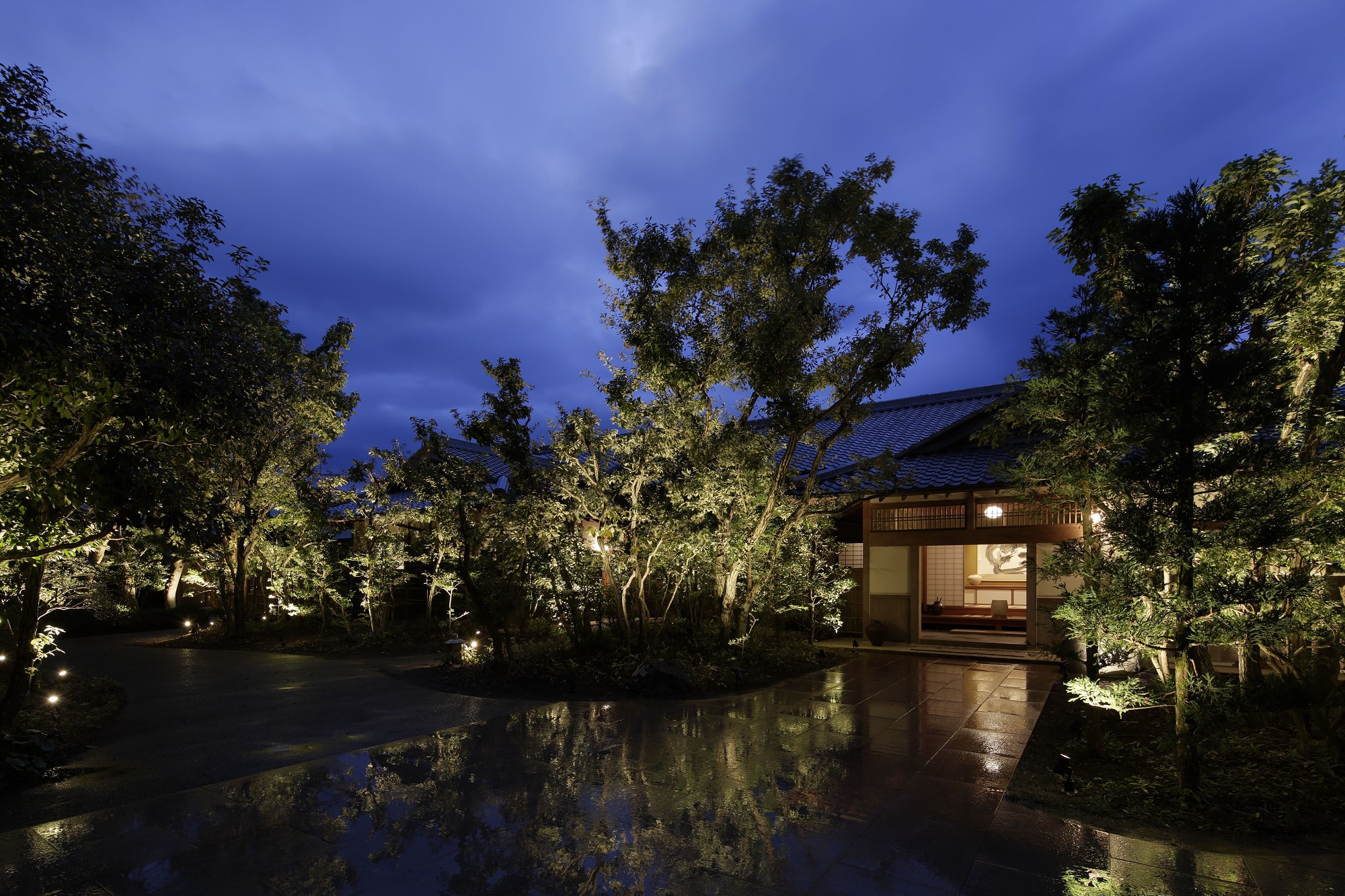
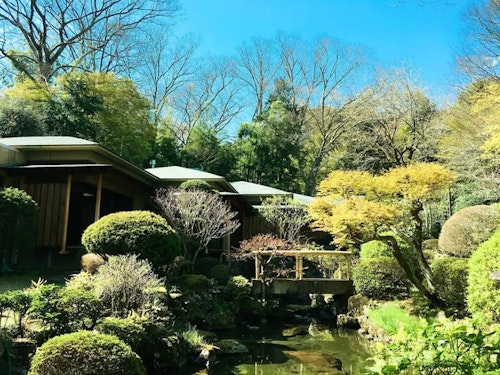
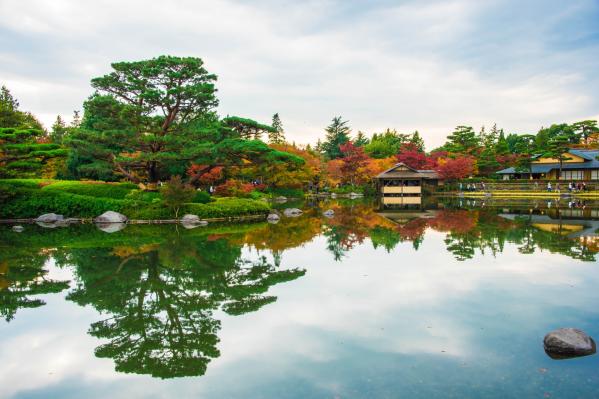
The museum grounds cover about 70,000 tsubo, and the garden, Zuikyu, offers seasonal natural beauty throughout the year. From cherry blossoms and azaleas in spring to fresh greenery in early summer and colorful foliage in autumn, the garden reveals a different charm each season, making even a simple stroll a special experience.
One of the museum’s distinctive features is its stepped layout from the entrance to the interior, where visitors travel by moving between escalators due to the elevation changes. Along the way, the circular hall features a giant kaleidoscope installation about 20 meters in diameter and 10 meters high, creating a fantastical atmosphere.
In addition, the cafe and restaurant overlooking the sea offer a chance to relax while enjoying spectacular views and seasonal Japanese cuisine, making the entire stay feel like a resort experience. Blending art, architecture, nature, views, and food into one unified setting, MOA Museum of Art is one of Atami’s most popular attractions, offering a rich and memorable experience just beyond the everyday.
Shizuoka Tourist Attractions
View List
Hamamatsu Castle
Hamamatsu Castle is one of the castles deeply rooted in Japanese history. Construction began in 1504, and Tokugawa Ieyasu entered the castle in 1570, spending 17 yea...

Numazu Deep Sea Aquarium
Numazu Deep Sea Aquarium is the only aquarium in Japan that showcases deep-sea creatures from Suruga Bay. The deepest part of Suruga Bay reaches 2,500 meters, making...

Fuji Safari Park
Fuji Safari Park is a safari park located at the foothills of Mount Fuji, consisting mainly of two areas: the Safari Zone and the Interaction Zone. In the Safari Zon...

Shizuoka Prefectural Mount Fuji World Heritage Center
The Fujisan World Heritage Center in Shizuoka Prefecture is a facility where visitors can learn about the history, culture, and nature related to the World Cultural ...

Mishima Skywalk
Mishima Skywalk is Japan's longest pedestrian suspension bridge, measuring 400 meters, and it opened in 2015. The bridge features a highly transparent mesh structure...


Kinomiya Shrine
Kinuami Shrine has been revered as a deity of good fortune and auspiciousness for many years, and within its grounds stands the "Great Camphor Tree," a national natu...

Mihomatsubara (Hagoromo no Matsu)
Miho Matsubara is a scenic spot located on the Miho Peninsula protruding into Suruga Bay, registered as part of the UNESCO World Cultural Heritage site "Mount Fuji -...