Red-brick industrial heritage
The museum makes use of a factory building from the Taisho era, so the architecture itself is also worth seeing.


AI Summary
This is an AI-generated summary. Please check the official information for opening hours, fees, and closed days.
Explore Toyota’s roots and the evolution of manufacturing, from textiles to automobiles.
Set in a red-brick industrial heritage building, the museum brings textile machinery demonstrations together with exhibits on automobile manufacturing. You can learn about the past, modern technology, and future mobility. Hands-on activities make it a good choice for families, but there is a lot to see, so allow plenty of time.
The museum makes use of a factory building from the Taisho era, so the architecture itself is also worth seeing.
See working machinery and experience the technology that helped drive Japan’s modernization.
Vehicles and production equipment make it easy to learn about the breadth of Toyota’s technology.
Combine your visit with sightseeing around Nagoya Station and allow time to explore at a relaxed pace around midday.
The Toyota Commemorative Museum of Industry and Technology is a corporate museum located in Nishi Ward, Nagoya, Aichi Prefecture, built on the site where the Toyota Group originated. It was established by preserving and repurposing the buildings of the experimental workshop and the Sako Factory of Toyota Automatic Loom Works, founded in 1911 by Sakichi Toyoda, who laid the foundation for the Toyota Group, as valuable industrial heritage. The red-brick buildings still retain a strong Taisho-era atmosphere and are highly regarded as industrial heritage that supported Japan’s modernization.
The museum is mainly composed of two exhibition halls, the “Textile Machinery Hall” and the “Automobile Hall,” where visitors can systematically learn about the history of manufacturing pursued by the Toyota Group and the evolution of industrial technology. A major feature of both halls is that they clearly explain technology through operating displays using real machines and demonstrations by staff.
The “Textile Machinery Hall” makes use of the columns, beams, and red-brick walls of a textile factory built in the Taisho era, creating an atmosphere as if visitors have stepped back in time to a factory of that period. Inside the hall, about 100 machines are on display, ranging from the circular loom invented by Sakichi Toyoda and early handcraft tools to textile machines incorporating modern mechatronics technology. During live demonstrations by staff, visitors can watch closely as yarn is spun and cloth is woven, gaining a deep understanding of the role Japan’s textile industry played in modernization.
The “Automobile Hall” presents Toyota’s automobile manufacturing from its beginnings to the present and into the future from multiple perspectives. The exhibits are organized into five zones: “The Founding Period of the Automobile Business,” “Vehicle Development with an Eye on the Times,” “Development Technology,” “Production Technology,” and “Who Was Kiichiro Toyoda?” Visitors can systematically learn about the evolution of automobile technology along with the ideas and philosophy of Kiichiro Toyoda, who pioneered the automobile business. In addition to actual vehicles, the hall features live displays of real production equipment and industrial robots, such as forging, casting, machining, and robotic welding lines, allowing visitors to experience the high level of Japan’s automobile manufacturing technology. Another highlight is the display of advanced technologies represented by recent CASE innovations—Connected, Autonomous, Shared, and Electric—as well as the latest partner robots.
The museum also includes “Techno Land,” an interactive facility for children. It offers 12 original hands-on attractions inspired by textile machinery and automobile mechanisms, allowing children to learn the fun and principles of manufacturing through play. Workshops and events are also abundant, and the “Waku-Waku Experience Corner,” where visitors can make straps and miniature cars, is especially popular with families.
In addition, the museum is equipped with a museum shop, restaurant, café, and library, creating an environment where visitors can enjoy both learning and relaxation. The nearest station is Sako Station on the Meitetsu Nagoya Main Line, about a 3-minute walk away, making access very convenient. It can also be easily reached from Nagoya Station by bus or taxi.
The Toyota Commemorative Museum of Industry and Technology is a valuable facility where visitors can experience the origins of the Toyota Group, which developed from textile machinery into automobiles, while also learning about Japan’s industrial technology and the spirit of manufacturing. This place, where history, technology, and visions for the future intersect, offers diverse learning and inspiration to all visitors, from children to adults, engineers to students.
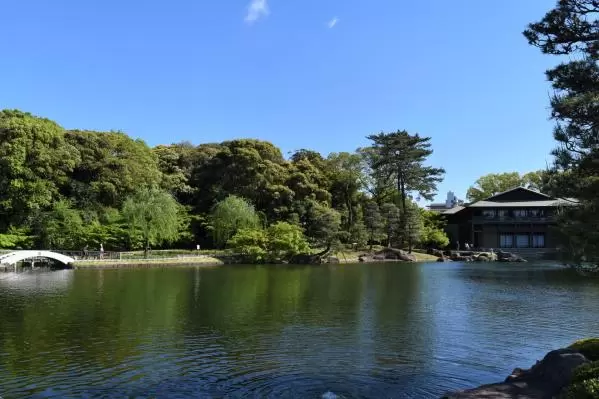
Tokugawaen is a Japanese garden designed in the style of a pond and garden stroll, located at the site of the Ozoneshi residence built by Mitsutomo, the second lord ...
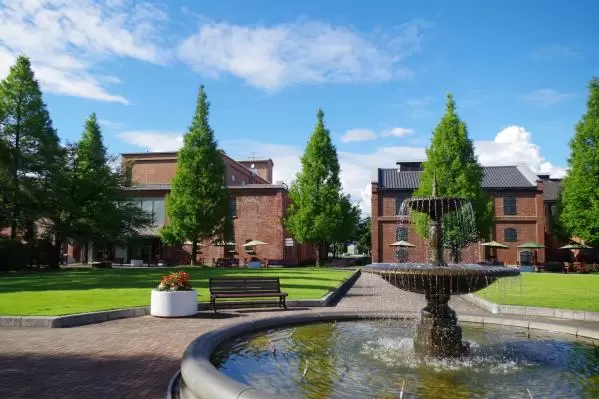
"Noritake no Mori" is a cultural complex created in Nagoya City to commemorate the 100th anniversary of the ceramics manufacturer "Noritake." Noritake started in 190...
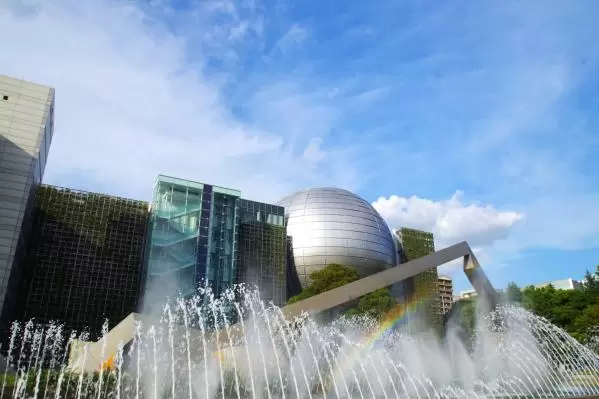
Nagoya City Science Museum is located in Nagoya, Aichi Prefecture, with the concept of "See, Touch, and Verify." It opened in 1962, commemorating the 70th anniversar...
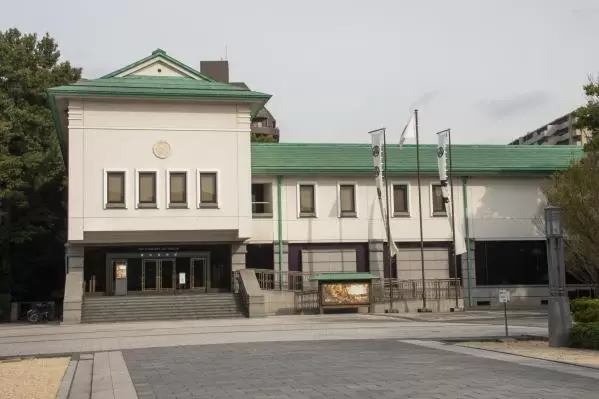
The Tokugawa Art Museum is an art museum located in Nagoya City that broadly introduces Japanese history and culture. It opened in 1935 and showcases over 10,000 val...
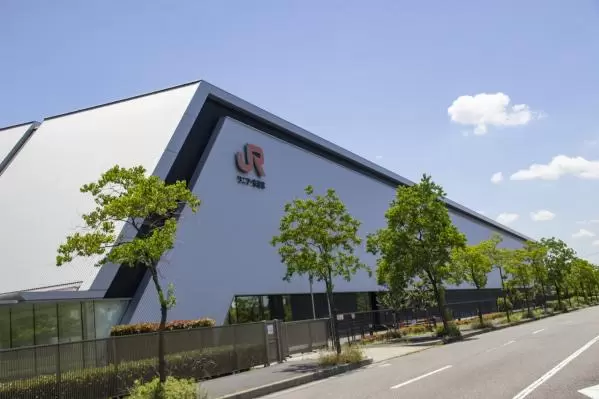
The Linear Railway Museum is a Japanese museum that showcases the evolution of railway technology and its impact on society. Opened in 2011, it features 39 actual tr...
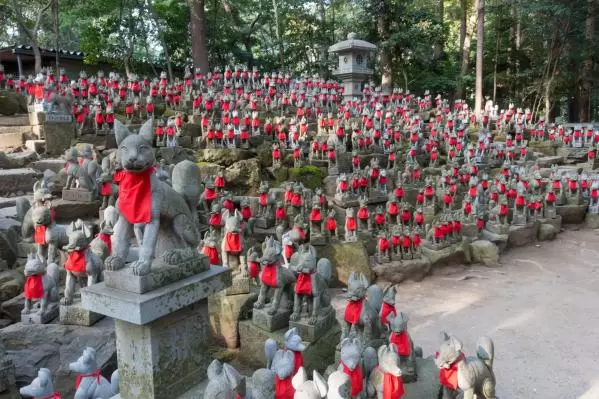
Toyokawa Inari is one of Japan's three major Inari shrines, attracting about five million visitors from across the country with its blessings for prosperous business...
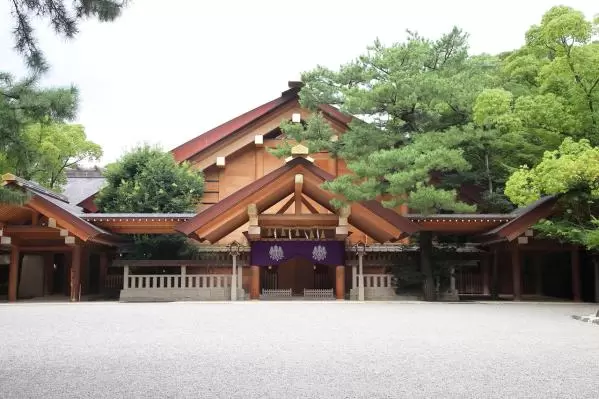
Atsuta Shrine is a prestigious shrine located in Nagoya City, Aichi Prefecture, dedicated to one of the three sacred treasures of Japan, the Kusanagi no Tsurugi (Gra...