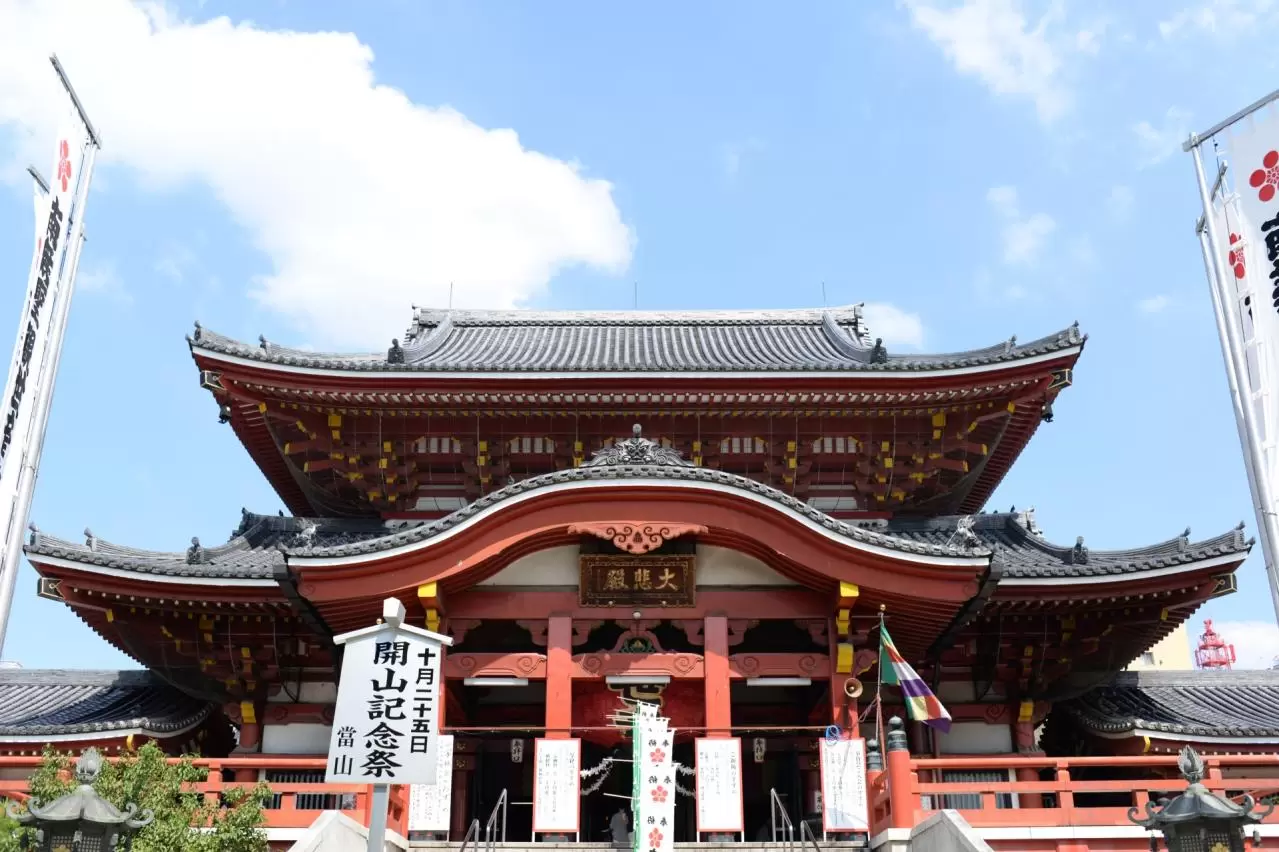
Osu Kannon (Hosho-in)
Osu Kannon is the most prestigious Kannon pilgrimage site in Nagoya and is a special head temple of the Shingon sect Chizan School. Many people visit to pray for family safety, business prosperity, and academic success. It is especially bustling during New Year visits and holds rituals such as the "Fuku no Kami Oni Oii no Gishiki" and a treasure ship procession during Setsubun.
Within the temple grounds is the "Osu Library," housing approximately 15,000 valuable books, including the oldest manuscript of the national treasure "Kojiki." Additionally, flea markets are held on the 18th and 28th of each month, featuring a variety of antique items.
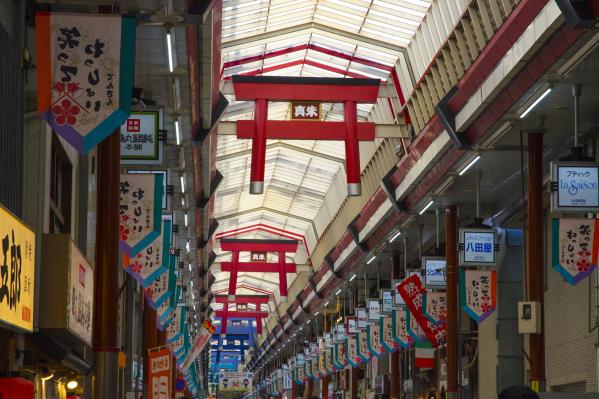
Nearby, the "Osu Shopping District" offers a chance to enjoy street food, so visitors can savor local delicacies after visiting the Kannon Hall. The location is convenient, just about a 3-minute walk from Osu Kannon Station on the Tsurumai Line.
It is said that one receives the compassion of Kannon and the wisdom of Tenjin here, and it is cherished by many believers and tourists alike. Osu Kannon is undoubtedly a must-visit spot when exploring Nagoya.
Osu Kannon (Hosho-in) Movies

![[名古屋vlog] 名古屋観光は大須がおすすめ❣️老若男女楽しめる大須商店街のお散歩と、喫茶店モーニング・カフェ巡り](https://i.ytimg.com/vi/mOEON1R6wUw/mqdefault.jpg)


Basic Information
- Spot Name
- Osu Kannon (Hosho-in)
- Location
- 〒460-0011 2-21-47 Osu, Naka Ward, Nagoya City, Aichi Prefecture
- Access
- Exit from Exit 2 of Osu Kannon Station on the Tsurumai Subway Line, and it is just a short walk from there. From "Nagoya Station," take the Meitetsu bus bound for "Jingu-mae (Line 18)." From "Sakae," take the bus bound for "Kanayama (Chū Jun-kai Line)." From "Kanayama," take the bus bound for "Sakae (Chū Jun-kai Line)" and get off at Osu Kannon.
- Parking
- There is no parking available, so please use nearby coin parking or similar facilities.
- Business Hours
- Free access to the grounds.
- Fees
- Free entrance
- Contact Information
- Phone Number:052-231-6525
- Official Website
Map
Detailed Information
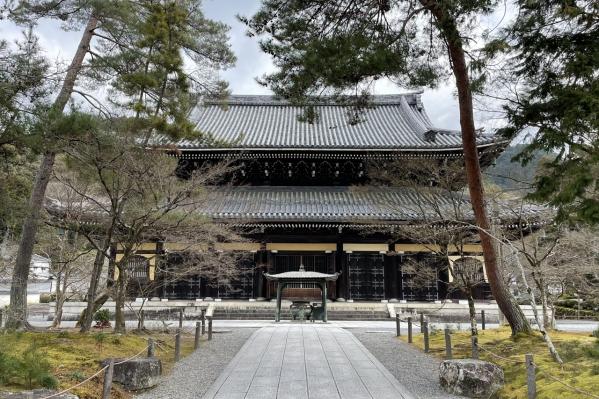
Osu Kannon (Bōshōin) is a historic temple located in Naka Ward, Nagoya, Aichi Prefecture. Its official name is Kitanozan Shinpukuji Bōshōin. Founded in 1324, it is a venerable Kannon sacred site said to be one of Japan’s Three Great Kannon temples, alongside Asakusa Kannon and Tsushima Kannon. Though situated in the heart of Nagoya, it remains a beloved place of worship supported by a long history and deep faith, attracting many visitors even today.
Osu Kannon was founded by the monk Nōshin Shōnin. The temple was originally established in Ōsu-go, Nagaoka-shō, Owari Province, in what is now Ōsu, Hashima City, Gifu Prefecture. By imperial decree of Emperor Go-Daigo, it was organized as the bettō temple of Kitano Tenmangū, and in 1333 it was granted the temple name “Kitanozan Shinpukuji Bōshōin.” It is said that Nōshin Shōnin spent one hundred days in prayer at Ise Grand Shrine, seeking a principal image to save the people, and after receiving a revelation from Kannon Bosatsu, enshrined that sacred statue as the temple’s main deity.
Later, the temple also received deep devotion from Emperor Go-Murakami, and with the improvement of its temple grounds and donations of temple lands, it developed greatly as an imperial prayer temple. During the Sengoku period, it received land donations from Oda Nobunaga, and in 1612, at the beginning of the Edo period, it was relocated to its present site in Ōsu, Nagoya, in connection with the construction of Nagoya Castle by Tokugawa Ieyasu. This relocation helped form the surrounding temple district and front approach town, laying the foundation for the prosperity of present-day Ōsu.
The temple belongs to the Shingon sect Chisan school and is currently classified as a bettō honzan. As Nagoya’s foremost Kannon sacred site, it is visited by many people who pray for household safety, business prosperity, protection from misfortune, academic success, and success in entrance examinations. Because it is a temple connected to Kitano Tenmangū, it is also widely known as a place to pray for academic achievement.
Within the grounds is the Ōsu Bunko, which houses valuable cultural assets. It contains approximately 15,000 precious volumes, including the oldest extant manuscript of the Kojiki, designated as a National Treasure, as well as Buddhist texts and classical works collected by Nōshin Shōnin, making it extremely important in the history of Japanese scholarship.
Various annual events are also held at Osu Kannon throughout the year. During the New Year’s visit period, the temple grounds are packed with worshippers, creating one of Nagoya’s defining New Year scenes. At Setsubun, the “Fukunokami Oni-oi no Gishiki” and the treasure ship procession, said to have continued since the Muromachi period, are held, drawing large crowds praying for health and good fortune. In addition, on the monthly temple fair days on the 18th and 28th, an antique market is held, with stalls selling antiques and old tools lining the grounds, making it popular with tourists as well.
The present main hall was rebuilt in 1970 after being destroyed by war. The grounds also enshrine Hotei-son, one of the Seven Lucky Gods of Nagoya, attracting the faith of people seeking good fortune.
Osu Kannon is conveniently located about a three-minute walk from Osu Kannon Station on the Tsurumai Subway Line, and after visiting the temple, visitors can also enjoy food sampling and shopping at the adjacent Osu Shopping Street. Combining history and faith, culture and bustle, Osu Kannon is truly one of Nagoya’s must-see attractions.
Aichi Tourist Attractions
View List
The Museum Meiji-Mura
Meiji Mura is an outdoor museum where visitors can experience Japan's history and culture centered around the Meiji era. Located in Inuyama City, Aichi Prefecture, i...

National Treasure Inuyama Castle
Inuyama Castle is one of five castles designated as national treasures in Japan, located in Inuyama City, Aichi Prefecture. Built during the Sengoku period by Oda No...

Tokugawa Art Museum
The Tokugawa Art Museum is an art museum located in Nagoya City that broadly introduces Japanese history and culture. It opened in 1935 and showcases over 10,000 val...

LEGOLAND® Japan
"LEGOLAND Japan" is an outdoor theme park that opened in 2017 at Knjyo Point in Nagoya City, targeting children aged 2 to 12 and their families. This park is the eig...

Toyokawa Inari Shrine
Toyokawa Inari is one of Japan's three major Inari shrines, attracting about five million visitors from across the country with its blessings for prosperous business...

Nagoya Port Aquarium
Nagoya Port Aquarium is a popular tourist destination located at the Nagoya Port Garden Wharf, divided into two areas: the South Building and the North Building. The...

Osu Shopping Street
Osu Shopping District is located on the south side of the bustling Sakae area in Nagoya city and is a vibrant “melting pot” of diverse industries, cultures, and even...

Atsuta Shrine
Atsuta Shrine is a prestigious shrine located in Nagoya City, Aichi Prefecture, dedicated to one of the three sacred treasures of Japan, the Kusanagi no Tsurugi (Gra...