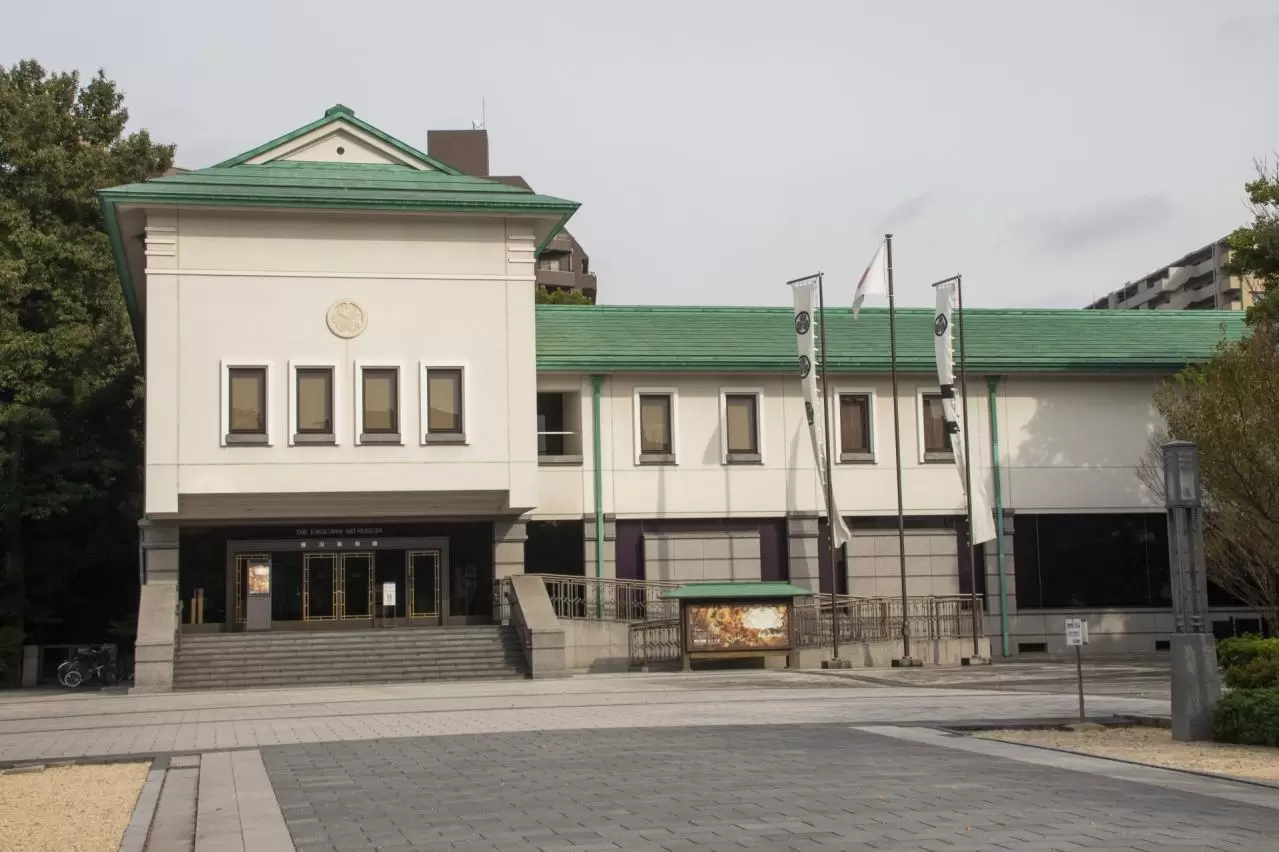
Tokugawa Art Museum
The museum consists of nine exhibition rooms, each designed with a different theme. The permanent exhibition hall features a collection of masterpieces across five rooms, where displays include reproductions of armor, tea ceremony settings, and a Noh theater stage. Exhibits are periodically changed to match the seasons, offering new discoveries with each visit.
There are also many special exhibitions and planned events, such as the annual "Special Public Viewing of the Tale of Genji Emaki" and "Owari Tokugawa Family Hina Matsuri," which focus on traditional Japanese culture.
Together with the adjacent Tokugawa Garden, it is a place where visitors can feel the depth of history and culture. The collection includes many national treasures and important cultural properties passed down through the Owari Tokugawa family, recognized for its unparalleled quality and quantity in Japan.
Items such as the short sword "Hōchō Masamune," various weapons, tea ceremony utensils, and artworks that have been cherished by the Owari Tokugawa family across generations are preserved in excellent condition. Being able to appreciate such a valuable collection is a unique charm of the Tokugawa Art Museum.
Tokugawa Art Museum Movies


![[愛知観光]名古屋の名勝庭園「徳川園」](https://i.ytimg.com/vi/_4weQyAEiBE/mqdefault.jpg)

Basic Information
- Spot Name
- Tokugawa Art Museum
- Location
- 〒461-0023 1017 Tokugawa-cho, Higashi Ward, Nagoya City, Aichi Prefecture, Japan
- Access
- From JR Nagoya Station, transfer to Ozone Station and walk about 10 minutes from the south exit.
From Subway Nagoya Station, get off at Sakae Station, transfer to the Meijo Line, and get off at Ozone Station. It takes about 15 minutes to walk from exit 3. - Parking
- Parking available.
- Business Hours
- 10:00 AM to 5:00 PM (last admission at 4:30 PM)
- Regular Holiday
- Closed on Mondays (on national holidays and substitute holidays, it will be the following weekday) and during the New Year holidays.
- Fees
- Admission Fee for Yosami Library and Tokugawa Art Museum:
Advance Tickets: Adults 1,200 yen / High school and university students 600 yen / Elementary and middle school students 400 yen
Same-day Tickets: Adults 1,400 yen / High school and university students 700 yen / Elementary and middle school students 500 yen - Contact Information
- Phone Number:052-935-6262
- Official Website
Map
Detailed Information
Tokugawa Art Museum is a history and culture museum located in Higashi Ward, Nagoya, which opened in 1935. Centered on treasures handed down in the Owari Tokugawa family, one of the three great Tokugawa branches, it houses more than 10,000 daimyo implements and works of art and craft. The building is designated as a Registered Tangible Cultural Property of Japan, and thanks to its rich collection and high standards of preservation, it serves as an important center for passing Japanese culture down to the present day.
■ Features of the Collection
The daimyo implements held by Tokugawa Art Museum are centered on the “Sunpu Obwakemono,” heirlooms received by Tokugawa Yoshinao, the first lord of the Owari Tokugawa family, from his father, Tokugawa Ieyasu. In addition, items passed down through successive generations of the Owari Tokugawa family throughout the Edo period have been systematically collected and preserved, making this one of the largest collections in Japan of items inherited from a daimyo family.
● Main Holdings
• 9 National Treasures and 59 Important Cultural Properties (in some sources, 58 are listed)
• The National Treasure “The Tale of Genji Scrolls,” world-renowned as the oldest surviving narrative picture scroll
• The National Treasure “Hatsune no Chodo,” a masterpiece of lacquerware that conveys the culture of the Heian imperial court to the present day
• The National Treasure “Hochō Masamune,” a famous sword said to be an heirloom of Tokugawa Ieyasu
• Around 1,000 pieces of armor and swords, including uchigatana, tachi, tantō, spears, and naginata (one of the largest collections in Japan)
• A wide variety of daimyo implements, including tea utensils, Noh costumes, calligraphy and paintings, and bridal furnishings
These holdings are regarded as among the best in Japan in both quality and quantity, and they are also highly praised in Japan and abroad for their excellent state of preservation.
■ Exhibition Rooms and Viewing Experience
The museum consists of nine exhibition rooms, each designed around a clearly defined theme.
● Masterpiece Collection Galleries (Permanent Exhibition)
Exhibition Rooms 1 through 5 form the Masterpiece Collection Galleries, featuring displays such as:
• A room for armor displays
• A tea ceremony setting
• A space recreating a Noh stage (omote-nō)
Rather than simply lining up works on display, the museum uses exhibition methods that allow visitors to experience the actual spaces in which people of the time would have viewed them. These permanent displays are changed almost every month to reflect the seasons and annual events, ensuring that each visit offers a fresh perspective.
● Special and Temporary Exhibitions
Tokugawa Art Museum presents a diverse range of special and temporary exhibitions throughout the year, including:
• The annual special viewing of “The Tale of Genji Scrolls”
• “The Hina Festival of the Owari Tokugawa Family,” introducing the family’s annual events and culture
• Various thematic exhibitions on traditional Japanese culture and history
Many exhibitions are held in coordination with the adjacent Hōsa Bunko, and large-scale exhibitions can use multiple venues, allowing for flexible exhibition design.
● Visitor Flow
The museum is designed so that visitors proceed through Exhibition Rooms 1 to 9 in order, naturally passing through the collection galleries on their way to the special exhibition spaces (Rooms 7 to 9). Unlike many museums, the entrances to the special exhibition and permanent exhibition areas are not clearly separated.
From the corridor connecting the exhibition rooms, visitors can look out onto the courtyard, creating a calm atmosphere that feels as though one is walking through a daimyo residence or castle compound.
■ Tokugawa Art Museum as a Cultural Hub
Tokugawa Art Museum is more than just an exhibition facility; together with:
• The adjacent Japanese garden “Tokugawaen”
• “Hōsa Bunko,” which houses valuable documentary materials
• Related facilities such as restaurants and banquet establishments
it forms a comprehensive cultural hub in Nagoya.
With the mission of conveying the beauty and spirit of Japanese culture inherited by the Owari Tokugawa family to the present and passing it on to the future, Tokugawa Art Museum continues its ongoing cultural outreach and educational activities.
■ Appeal and Reputation
• The scale and quality of its daimyo implement collection are among the largest in Japan
• Its display of National Treasures and Important Cultural Properties is of exceptionally high scholarly value
• Its space-reconstruction style exhibitions allow visitors to learn about the material culture of the era in three dimensions
• The building itself is a Registered Tangible Cultural Property, offering a stately and tranquil atmosphere
• Seasonal display changes and special exhibitions ensure that visitors can discover new attractions on every visit
Tokugawa Art Museum is a museum filled with the culture and beauty associated with the Tokugawa family. It is an extremely appealing cultural facility not only for history enthusiasts and art lovers, but also for tourists.
Aichi Tourist Attractions
View List
The Museum Meiji-Mura
Meiji Mura is an outdoor museum where visitors can experience Japan's history and culture centered around the Meiji era. Located in Inuyama City, Aichi Prefecture, i...

Noritake Garden
"Noritake no Mori" is a cultural complex created in Nagoya City to commemorate the 100th anniversary of the ceramics manufacturer "Noritake." Noritake started in 190...

LEGOLAND® Japan
"LEGOLAND Japan" is an outdoor theme park that opened in 2017 at Knjyo Point in Nagoya City, targeting children aged 2 to 12 and their families. This park is the eig...

Laguna Ten Bosch
Laguna Ten Bosch is a Japanese integrated resort located in the naturally rich Mikawa Bay. It features the theme park "Lagunasia," shopping and dining facilities at ...

Nagoya Castle
Nagoya Castle is an important place in Japan's history and culture, and it is considered a symbol of Nagoya City. Construction of the castle began in 1610 (the 15th ...

SCMAGLEV and Railway Park
The Linear Railway Museum is a Japanese museum that showcases the evolution of railway technology and its impact on society. Opened in 2011, it features 39 actual tr...

Osu Kannon (Hosho-in)
Osu Kannon (Hōshō-in) is one of Japan's three great Kannon temples, located in the heart of Nagoya City. Its formal name is Kitano-san Shinpukuji Hōshō-in, with its ...

Flight of Dreams
"Flight of Dreams" is a unique commercial complex located at Chubu Centrair International Airport in Japan. Its main attraction is the first Boeing 787 (ZA001), whic...