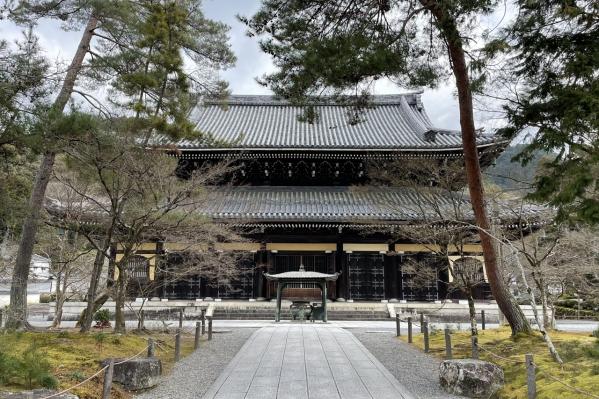
Historic Meiji-era buildings
See buildings including Important Cultural Properties and experience the atmosphere of the era firsthand.
AI Summary
This is an AI-generated summary. Please check the official information for opening hours, fees, and closed days.
A vast open-air museum where you can experience Meiji-era architecture up close—ideal for history buffs and hands-on travelers alike.
Explore Meiji-era buildings and daily life inside historic structures that have been relocated and restored. With a large grounds and plenty to see, plan for a leisurely visit that may include architecture, costume experiences, rides, and a meal.
See buildings including Important Cultural Properties and experience the atmosphere of the era firsthand.
Beyond the exhibits, you can try Meiji-style costumes, rides, and puzzle-solving activities.
Attractions are spread across the grounds, so choosing what you most want to see can make your visit more rewarding.
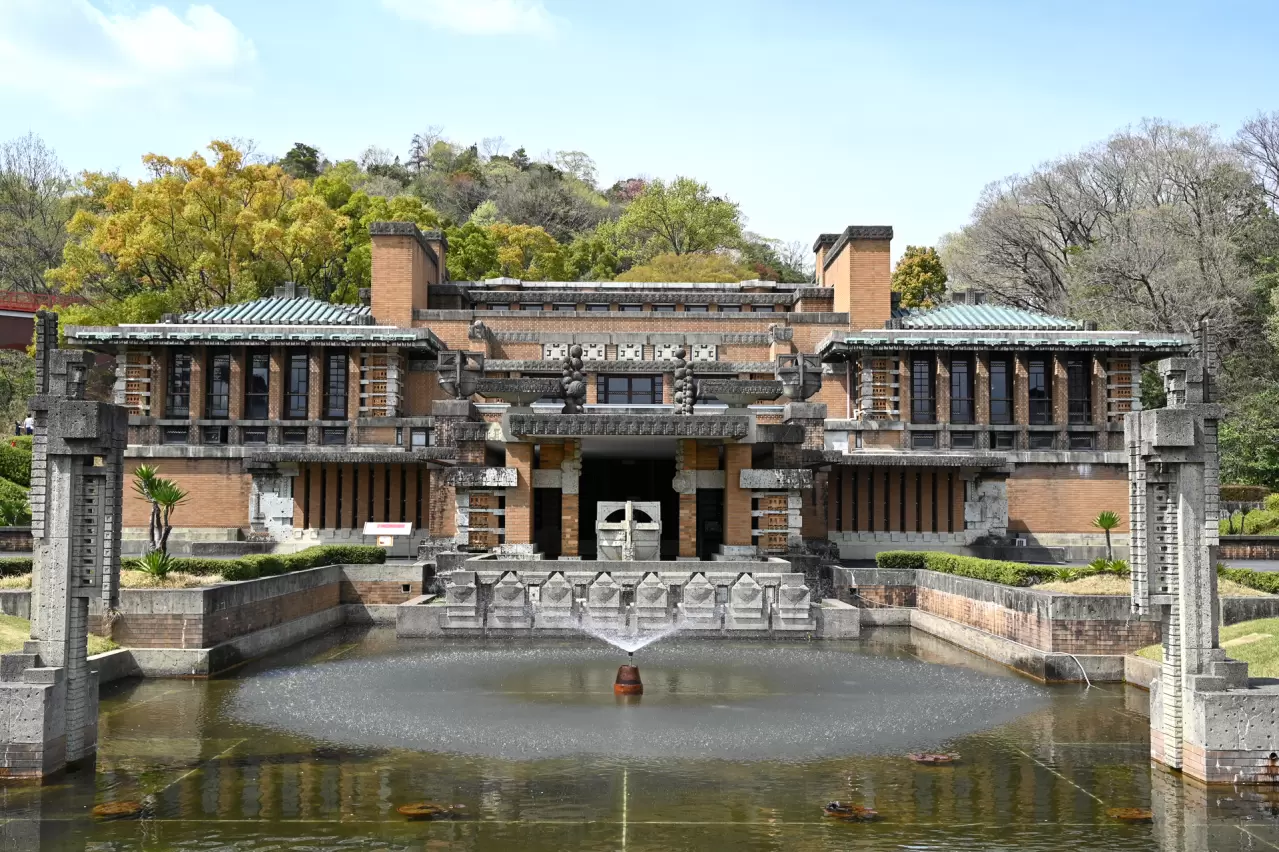
Start at the central entrance of the Imperial Hotel, then make time for a costume experience or rides, and finish with a meal on the grounds.
Meiji Mura Museum is an open-air museum where visitors can experience modern Japanese architecture and culture, especially from the Meiji period, through actual historic buildings. Spanning a hilly area in the outskirts of Inuyama City, Aichi Prefecture, facing Lake Iruka, its major attraction is the chance to stroll through a vast natural setting and get a feel for the lifestyle and atmosphere of the time.
The grounds cover approximately 1 million square meters, making them extremely spacious. Scattered throughout the village are historically significant buildings that have been relocated and restored, allowing visitors to experience what it feels like to travel back in time to the Meiji era.
2. Background and purpose of its founding — not just to “preserve,” but to “pass down”
Architecture from the Meiji period laid the foundation of modern Japanese architecture by incorporating Western styles, materials, and techniques into the wooden construction skills inherited from the Edo period. However, during the rapid economic growth of the postwar years, urban redevelopment and rebuilding caused many valuable structures to be lost.
In response to this trend, Meiji Mura Museum opened on March 18, 1965. The key figures behind its founding were architect Yoshirō Taniguchi and Motowo Tsuchikawa of Nagoya Railroad. Deeply saddened by the destruction of Meiji-era buildings, they worked together to preserve their value and pass it on to future generations, dedicating themselves to establishing Meiji Mura.
3. Scale of the collection and exhibits — buildings and cultural properties
At Meiji Mura, buildings that were in danger of demolition but had high artistic and historical value were selected, relocated, restored, and exhibited.
Today, there are more than 60 relocated and restored buildings, including 11 nationally designated Important Cultural Properties.
Not only are the buildings themselves preserved, but furniture and furnishings are displayed inside, along with materials related to architecture and historical documents from the Meiji era. As a result, Meiji Mura is appreciated not only as a place of learning, but also as a recreational destination where visitors can enjoy hands-on experiences.
4. A signature highlight — the Imperial Hotel Main Entrance
One of the most iconic structures at Meiji Mura is the Main Entrance of the Imperial Hotel. This is the central entrance portion of the former Imperial Hotel (the Wright Building), designed by American architect Frank Lloyd Wright.
Its imposing exterior, geometric ornamentation, and original spatial composition have earned it high praise as a masterpiece of modern architecture, making it one of the most popular sights for visitors to Meiji Mura.
5. Village transportation — enjoy getting around as part of the experience
The appeal of Meiji Mura is not limited to architecture. Within the village, steam locomotives and Kyoto streetcars operate, and visitors can actually ride them to move around and enjoy the experience.
These vehicles are not only means of transportation, but also valuable exhibits that allow visitors to experience the transportation culture of the time. Since operating days and times vary depending on the season, it is best to check in advance before visiting.
6. Hands-on experiences — costumes and commemorative photos
In addition to sightseeing, Meiji Mura offers a rich selection of interactive experiences. For example, at the “Haikara Costume Hall,” visitors can dress in Meiji-era-inspired outfits such as schoolgirl uniforms or student-style attire and take commemorative photos.
By taking pictures against the backdrop of historic buildings, visitors can enjoy an atmosphere that feels as if they have time-traveled to the Meiji era.
7. Cuisine unique to Meiji Mura
Dining in the park is another major pleasure of Meiji Mura. In addition to meals such as gyūnabe and casual street-food-style snacks, the village offers menu items inspired by the tastes and atmosphere of the Meiji period, such as Denki Bran.
Enjoying dishes that evoke the food culture of the time between sightseeing stops allows visitors to feel the Meiji era more deeply.
8. Mystery-solving events and its role as a filming location
Meiji Mura also hosts participatory events such as mystery-solving activities that visitors can enjoy while exploring the village. These programs make use of the buildings and the entire grounds, offering new experiences no matter how many times you visit.
It has also been used as a filming location for many TV dramas and movies, earning high praise as a setting for visual works that take advantage of its historic streetscape.
9. Tips for visiting — advance planning is recommended
Because Meiji Mura is so expansive and has so many highlights, it can be difficult to see everything carefully in one day. For that reason, it is recommended to plan ahead by deciding in advance on things such as:
• buildings you want to see (for example, the Imperial Hotel Main Entrance)
• rides you want to take (steam locomotives or streetcars)
• experiences you want to enjoy (costume experiences or mystery solving)
Then, combine the area and means of transportation to make the most of your visit.
Meiji Mura Museum is an unparalleled open-air museum in Japan, preserving precious Meiji-era architecture that would otherwise have been lost, and allowing visitors to learn its value by “seeing, walking, and experiencing” it. It is an attractive destination that can be enjoyed by a wide range of ages, from history enthusiasts to families, students, and general tourists alike.
The Toyota Commemorative Museum of Industry and Technology is located in Nishi Ward, Nagoya City, and is considered the birthplace of the Toyota Group. It features n...
Osu Shopping District is located on the south side of the bustling Sakae area in Nagoya city and is a vibrant “melting pot” of diverse industries, cultures, and even...
Laguna Ten Bosch is a Japanese integrated resort located in the naturally rich Mikawa Bay. It features the theme park "Lagunasia," shopping and dining facilities at ...
Atsuta Shrine is a prestigious shrine located in Nagoya City, Aichi Prefecture, dedicated to one of the three sacred treasures of Japan, the Kusanagi no Tsurugi (Gra...
Inuyama Castle is one of five castles designated as national treasures in Japan, located in Inuyama City, Aichi Prefecture. Built during the Sengoku period by Oda No...
The Nagoya City Art Museum is located in the center of Nagoya City, within Shirakawa Park. The building was designed by the renowned architect Kenzō Tange, who hails...
Tokugawaen is a Japanese garden designed in the style of a pond and garden stroll, located at the site of the Ozoneshi residence built by Mitsutomo, the second lord ...
Nagoya Port Aquarium is a popular tourist destination located at the Nagoya Port Garden Wharf, divided into two areas: the South Building and the North Building. The...