A castle linked to Tokugawa Ieyasu
As Ieyasu’s birthplace, the castle offers an accessible introduction to Japan’s Warring States period.

AI Summary
This is an AI-generated summary. Please check the official information for opening hours, fees, and closed days.
Known as the birthplace of Tokugawa Ieyasu, this popular Okazaki landmark is an easy place to combine a little history with a walk among the cherry blossoms.
Okazaki Castle is a historic site known as the birthplace of Tokugawa Ieyasu. Its reconstructed keep has easy-to-follow exhibits, and the surrounding grounds, now Okazaki Park, are pleasant to explore. The park is especially popular during cherry blossom season and offers an enjoyable visit for families and history enthusiasts alike.
As Ieyasu’s birthplace, the castle offers an accessible introduction to Japan’s Warring States period.
The easy-to-follow indoor exhibits make it simple to get a sense of the castle’s history, even on a short visit.
The park draws crowds in spring, when you can enjoy a stroll and cherry blossom viewing in one visit.
Start with a visit to Okazaki Castle, then take a leisurely walk through Okazaki Park if you have time.
Okazaki Castle, located in Kōsei-cho, Okazaki City, Aichi Prefecture, is a historic and celebrated castle widely known as the “castle of divine birth,” where Tokugawa Ieyasu was born. It is also known by the names “Ryujō” and “Tatsugashiro,” and a legend tells that when Ieyasu, whose childhood name was Takechiyo, was born, black clouds swirled above the castle, a golden dragon appeared, and ascended into the sky.
The present keep is a white reconstructed donjon rebuilt in 1959, and it is cherished by local residents and visitors alike as a symbol of Okazaki City.
■ Construction and the Origins of the Castle
The origins of Okazaki Castle are said to date back to the first half of the 15th century, when Saigō Danzōzaemon Yoritsugu (Shigetoshi) built a fortress on Ryūtōzan, a hill near the confluence of the Sugo River (part of the Oto River) and the Yahagi River.
Later, in 1531, Matsudaira Kiyoyasu, the grandfather of Tokugawa Ieyasu, moved the castle to its present location and developed and expanded the fortifications. From then on, it came to be called “Okazaki Castle.”
■ Tokugawa Ieyasu and Okazaki Castle
Okazaki Castle holds particular importance as the place where Tokugawa Ieyasu (childhood name: Takechiyo) was born inside the castle in 1542. Although Ieyasu left Okazaki Castle as a child to serve as a hostage, the castle remained an important strategic base throughout the turbulent Sengoku period.
• 1549: His father, Matsudaira Hirotada, died in a rebellion by a retainer, and Okazaki Castle became a branch castle of the Imagawa clan.
• 1560: After Imagawa Yoshimoto was defeated and killed in the Battle of Okehazama, Tokugawa Ieyasu recaptured Okazaki Castle and achieved independence from the Imagawa clan.
• 1570: Ieyasu moved his headquarters to Hamamatsu Castle, and Okazaki Castle was entrusted to his eldest son, Matsudaira Nobuyasu. After Nobuyasu’s death, senior retainers such as Ishikawa Kazumasa and Honda Shigetsugu served as castle administrators.
■ Development as a Castle of the Early Modern Period and Changes in Lords
In 1590, when Tokugawa Ieyasu was transferred to the Kanto region by order of Toyotomi Hideyoshi, Hideyoshi’s retainer Tanaka Yoshimasa entered Okazaki Castle. Tanaka Yoshimasa developed the castle into a full-fledged early modern castle by improving the stone walls and moats and building a large outer moat system that enclosed both the castle and the castle town.
Later, in 1601, Honda Yasushige, a senior retainer of Tokugawa Ieyasu, entered the castle with a stipend of 50,000 koku. Throughout the Edo period, Okazaki Castle was regarded with special reverence as the “castle of divine birth,” and high-ranking fudai daimyo served as its lords.
At that time, Okazaki prospered as an important hub on the Tōkaidō and along river transport, and its castle town’s prosperity was widely known, to the extent that people sang:
“Even with 50,000 koku, Lord Okazaki has boats reaching the castle town.”
■ Abolition and Reconstruction of the Keep
Following the Meiji Restoration and the abolition of feudal castles, many buildings including the keep were dismantled, leaving only the stone walls and moats of Okazaki Castle. However, in response to strong public demand for restoration, a three-story, five-level reconstructed keep made of reinforced concrete was rebuilt in 1959 and opened to the public as a historical museum.
Another highlight is the stone masonry built with natural stones in the nozura-zumi style, which conveys Sengoku-period castle construction techniques to the present day.
■ One of Japan’s 100 Famous Castles and the Renewal of Exhibits
Okazaki Castle was highly valued for its historical significance and was selected in 2006 as one of Japan’s 100 Famous Castles.
It reopened after renovation on January 21, 2023, with exhibits reorganized around the theme of “a story connecting the past castle town and the present-day city of Okazaki.”
Inside the museum, clear explanations using digital signage and touch panels are abundant. In particular, the theater room on the fourth floor offers an immersive experience through visual presentations that transition from a current map projected on the floor to the castle and castle town of earlier times.
From the observation room on the top floor, visitors can enjoy a panoramic view over Okazaki City.
■ Charms of Okazaki Park and Nearby Facilities
The area around Okazaki Castle has been developed as Okazaki Park, a historical park spanning about 10 hectares. The park is also famous as one of Japan’s Top 100 Cherry Blossom Spots. In spring, the cherry blossoms bloom magnificently, and the park becomes lively with nighttime illuminations, cherry blossom festivals, and the Ieyasu Procession.
Within and around the park, there are many facilities where visitors can stroll while experiencing history and culture.
• Mikawa Bushi no Yakata Ieyasu-kan: This museum clearly introduces the life of Tokugawa Ieyasu and the achievements of the Mikawa samurai who supported him through permanent and interactive exhibits. Popular displays include a movable diorama explaining the Battle of Sekigahara and armor-wearing experiences during events.
• Ninomaru Noh Theater and Tatsumikan: Facilities where visitors can experience castle-town culture, traditional performing arts, and the charm of modern Japanese-style architecture.
• The park also includes places to eat and rest, creating an environment that is easy for tourists to explore.
Okazaki Castle is a renowned castle that combines historical significance as the birthplace of Tokugawa Ieyasu with its role as the center of a castle town that developed on the strength of the Tōkaidō and river transport. The reconstructed keep is beloved as a symbol of Okazaki, and recent exhibit renewals have transformed it into a facility where even those unfamiliar with history can learn through hands-on experiences.
Together with the cherry blossoms of Okazaki Park and the surrounding attractions, it continues to draw many visitors as a “living historical space” where history, culture, and nature can all be enjoyed at once.
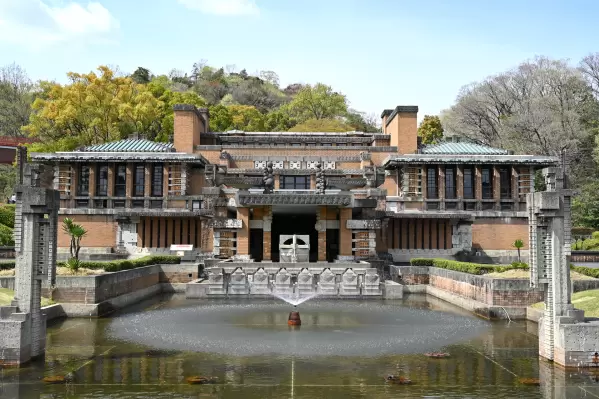
Meiji Mura is an outdoor museum where visitors can experience Japan's history and culture centered around the Meiji era. Located in Inuyama City, Aichi Prefecture, i...
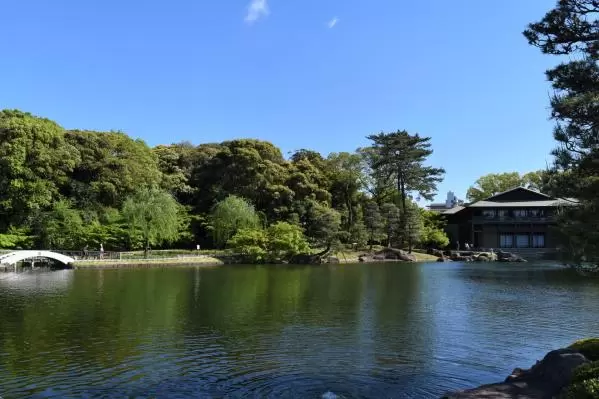
Tokugawaen is a Japanese garden designed in the style of a pond and garden stroll, located at the site of the Ozoneshi residence built by Mitsutomo, the second lord ...
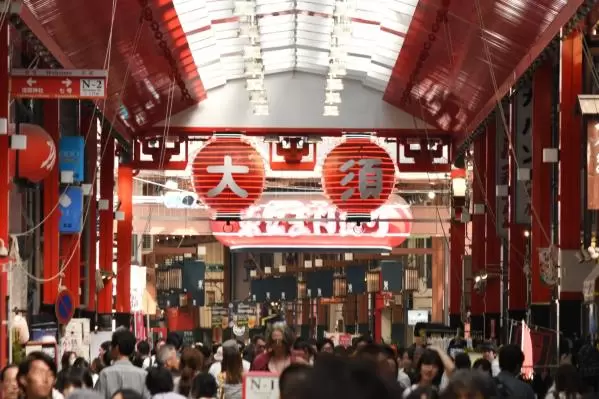
Osu Shopping District is located on the south side of the bustling Sakae area in Nagoya city and is a vibrant “melting pot” of diverse industries, cultures, and even...
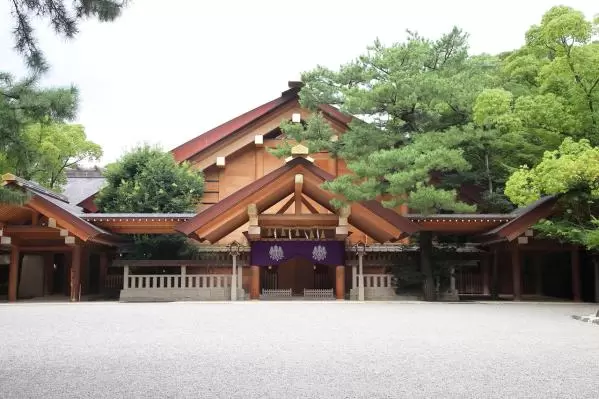
Atsuta Shrine is a prestigious shrine located in Nagoya City, Aichi Prefecture, dedicated to one of the three sacred treasures of Japan, the Kusanagi no Tsurugi (Gra...
Nagoya Port Aquarium is a popular tourist destination located at the Nagoya Port Garden Wharf, divided into two areas: the South Building and the North Building. The...
The Toyota Commemorative Museum of Industry and Technology is located in Nishi Ward, Nagoya City, and is considered the birthplace of the Toyota Group. It features n...
Laguna Ten Bosch is a Japanese integrated resort located in the naturally rich Mikawa Bay. It features the theme park "Lagunasia," shopping and dining facilities at ...
Toyokawa Inari is one of Japan's three major Inari shrines, attracting about five million visitors from across the country with its blessings for prosperous business...