

Goshikunuma
AI summary
What kind of place is Goshikunuma?
This is an AI summary. Check official information for opening hours, prices and closures.
A classic nature spot in Urabandai, where you can enjoy a walk among ponds that appear in different colors.
Plan your visit
- Time to allow
- About 1 hour 30 minutes one way Not verified
- Getting there
- Take a bus from JR Inawashiro Station to Goshikinuma Entrance Not verified
Explore more places
Read highlights and visiting tips
Plan your visit
- Rainy Day
- Take care on slippery paths after rain Not verified
- Family-friendly
- The easy-to-walk trail is relatively suitable for families with children Not verified
- For Older Visitors
- The route is not exceptionally long, but consider the walking distance Not verified
- Best Season
- Especially beautiful during fresh greenery and autumn foliage seasons Not verified
- Photo Spots
- The colors of the water at Aoike and Bishamonnuma Not verified
- Travel Mood
- A nature-focused walk Not verified
Goshikunuma is a scenic group of ponds scattered across Urabandai. Each pond, including Aoike and Bishamonnuma, has its own shades of blue and green, best enjoyed from the walking trail. The path is relatively easy and suitable for beginner hikers, but take care as it can be slippery after rain.
Recommended for
Highlights
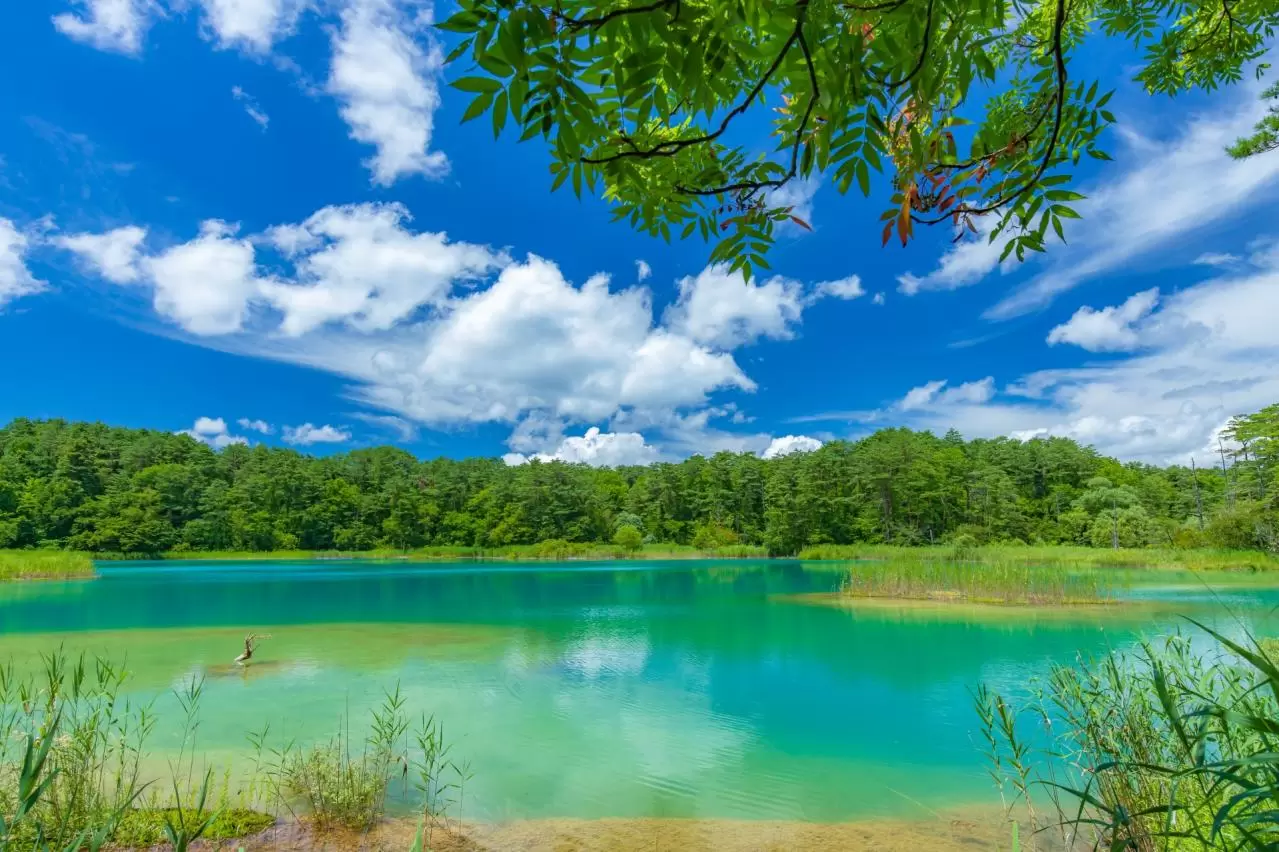
Different colors at every pond — The water takes on different shades of blue and green from one pond to the next.
Enjoy the walk — Follow the nature trail at an easy pace while taking in the scenery.
Highlights of Bishamonnuma — Look out for features such as boat rides and koi.
Before you go
- Wear shoes with good grip, especially after rain.
- Walking one way and taking a bus back makes it easier to explore.
- The scenery changes with the season and time of day, so take your time and enjoy the views.
Ideas for your visit
Start at Goshikinuma Entrance or Urabandai Kogen Station, walk one way, and finish at the other end to see the highlights efficiently.
Before deciding to visit
It may not be ideal if you are looking for a long paved walk or indoor sightseeing that is unaffected by the weather.
What to look for in the videos
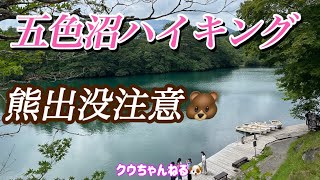
Watch the related videos to get a preview of the ponds’ changing colors.
Goshikunuma Movies




Basic Information
- Spot Name
- Goshikunuma
- Location
- Hibara, Kitashiobara Village, Yamagun District, Fukushima Prefecture
- Access
- From Inawashiro Station on the JR Ban'etsu West Line, take the Bandai Tōto Bus for about 30 minutes, then get off at the Goshikinuma Entrance and walk for about 5 minutes.
- Parking
- Parking available
- Business Hours
- Free to stroll around.
- Contact Information
- Phone Number: 0241-32-2349
- Official Website
Map
Detailed Information
Goshikinuma is the collective name for a group of lakes and marshes scattered across the Urabandai area in northern Fukushima Prefecture; its official name is the “Goshikinuma Lake and Marsh Group.” In 1888 (Meiji 21), a steam explosion occurred in the area north of Mount Bandai’s summit, including the small volcanic cone of Kobandai. The resulting landslide from the mountain collapse blocked the river, creating about 300 lakes and marshes in this region. In 2016, it was awarded one star in the Michelin Green Guide and has since attracted attention from both domestic and international visitors.
Origin of the Name and Changes in Color
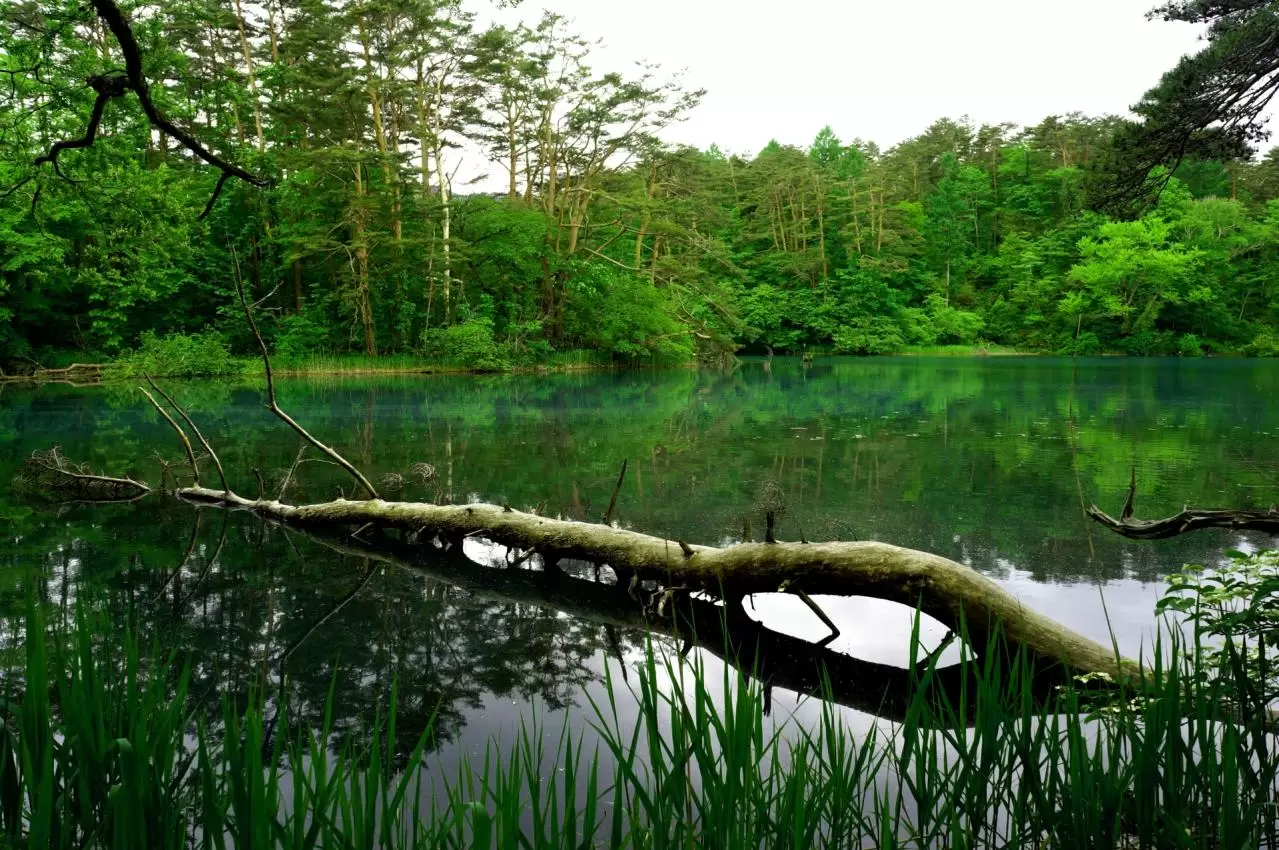
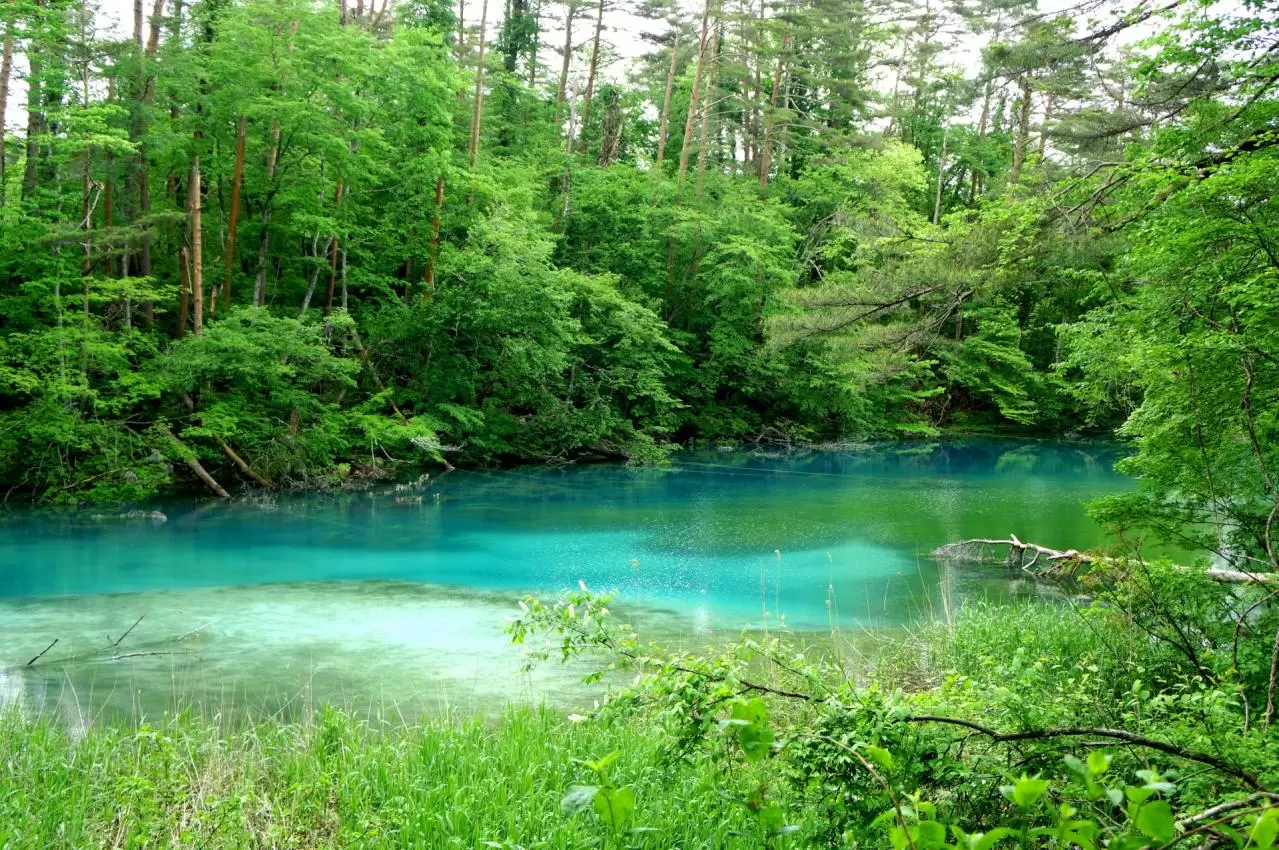
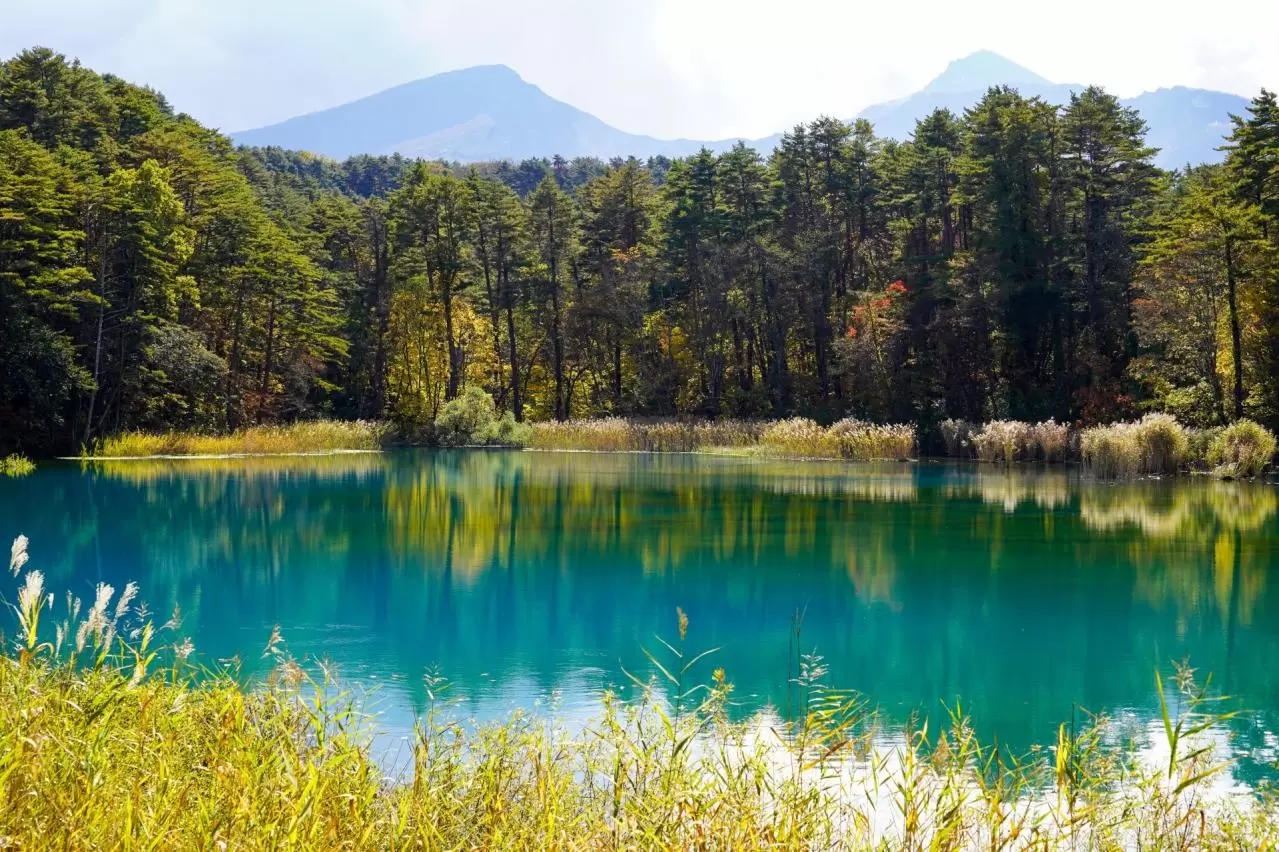
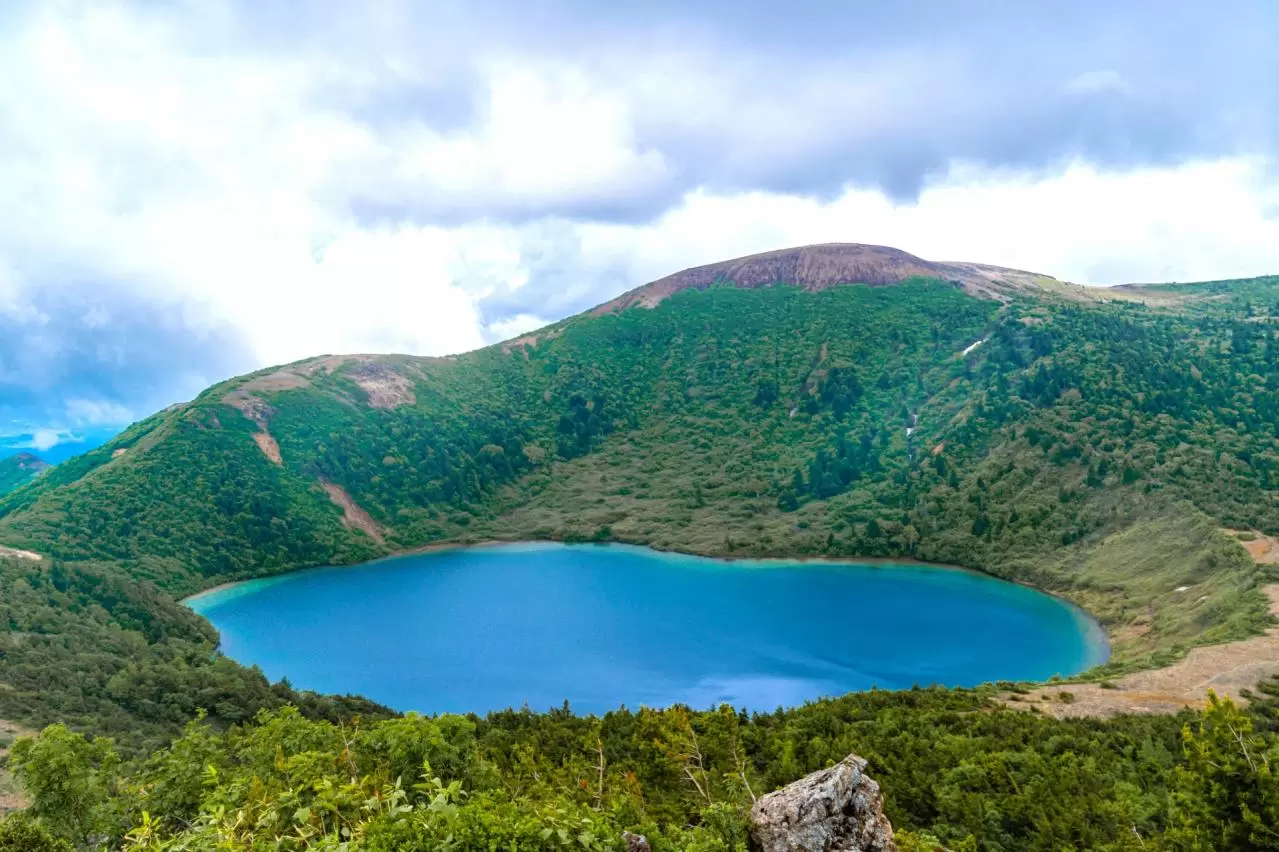
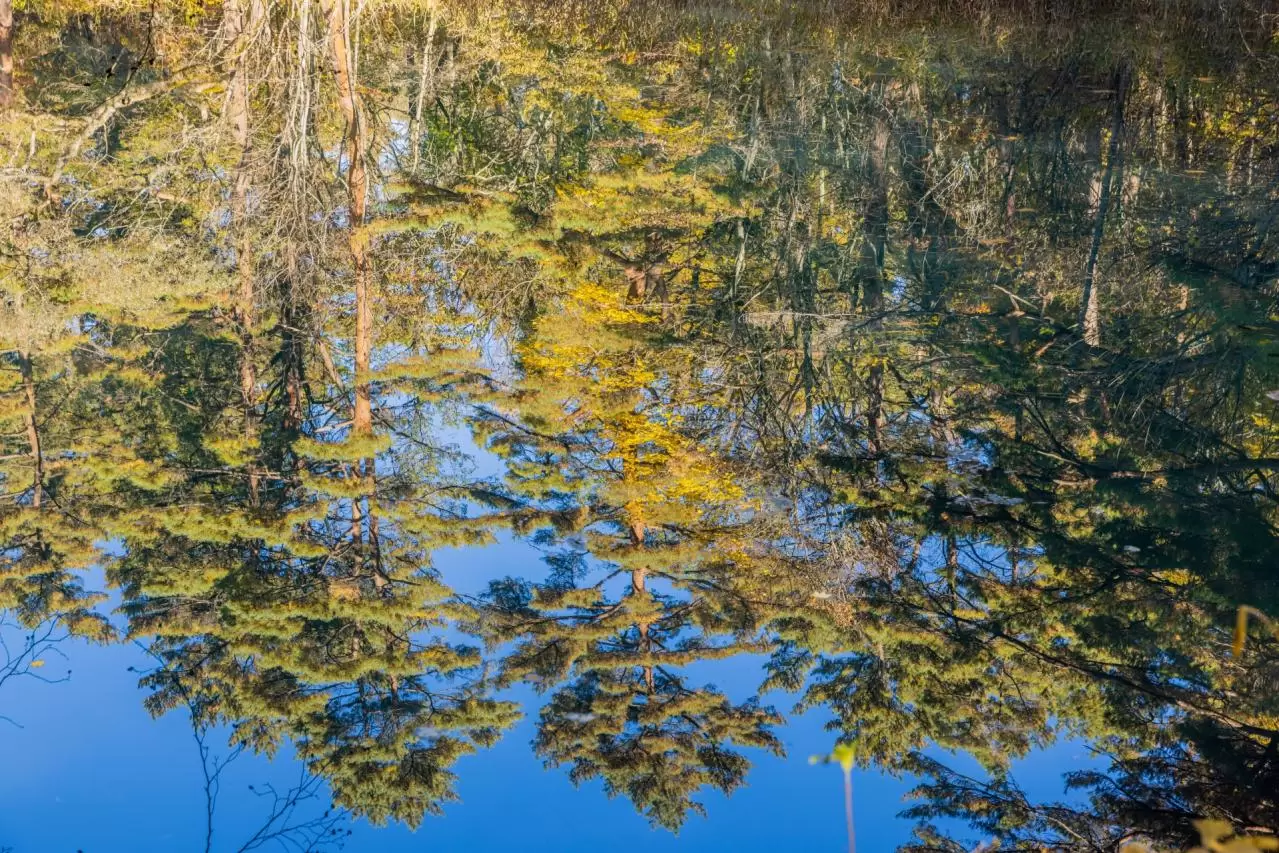
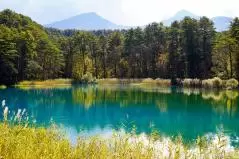
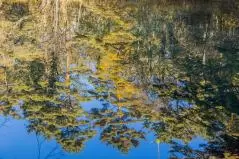
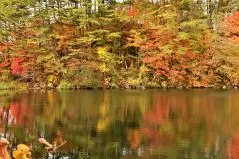
“Goshiki” does not mean five ponds; rather, it refers to the many different colors seen from pond to pond. The lake surfaces display a variety of hues such as emerald green, cobalt blue, turquoise blue, emerald blue, and pastel blue. Their colors are said to change depending on weather, season, time of day, viewing angle, and conditions such as volcanic substances and mineral particles in the water, acidity, and water depth. This ever-changing appearance is one of its greatest attractions.
Main Lakes and Highlights
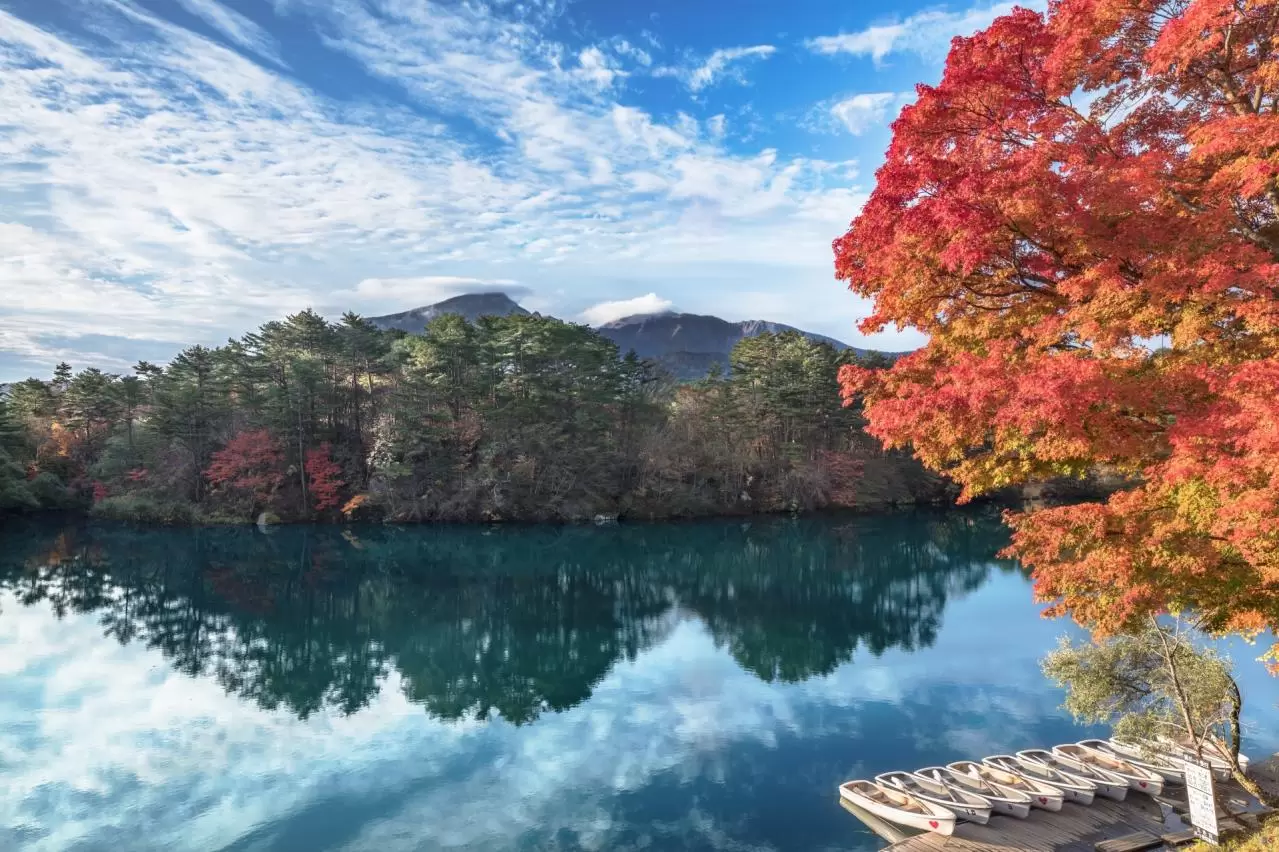
Bishamonnuma: The largest lake in the Goshikinuma group. Rowboats are available for enjoyment (usually from April to November; closed in winter). Many carp swim here, and if you spot a carp with a red heart pattern, it is said to bring good fortune.
Aonuma: Known for its vivid, clear blue color, it symbolizes the “mysterious lakes and marshes.”
Akanuma: A unique landscape where the surrounding plants and trees appear red due to iron in the water.
Midoronuma: A distinctive marsh said to appear in three colors depending on the viewing angle and lighting.
Yanaginuma: A highly transparent marsh with an appealing clear, light-blue color.
Goshikinuma Nature Trail
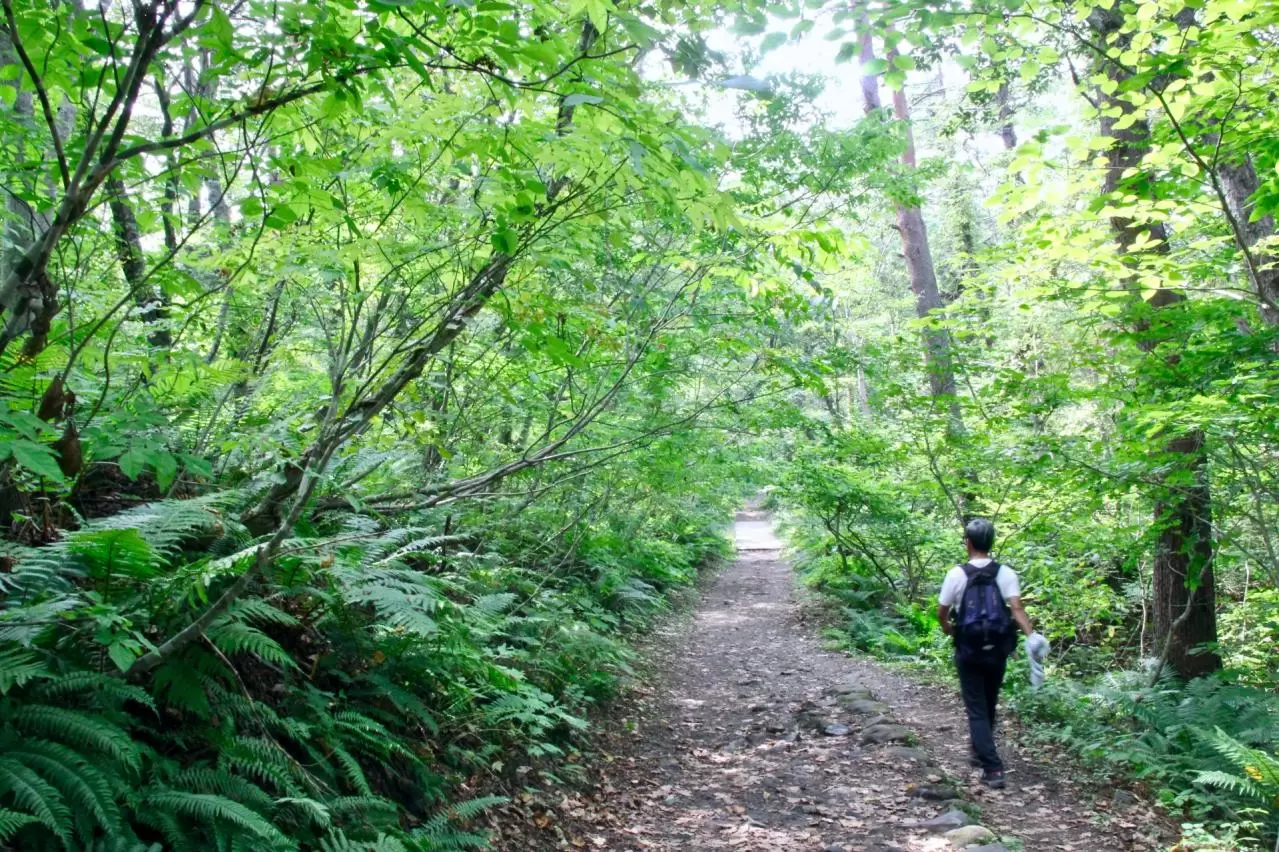
The “Goshikinuma Nature Trail,” which connects the lakes and marshes, is about 3.6 km long and takes roughly 1 hour and 30 minutes on foot, making it suitable for beginners. (Some guides list it as approximately 4 km one way, taking 1 hour 20 minutes to 2 hours.) The trail has entrances, parking areas, and bus stops on both the east side (Goshikinuma Entrance/Bishamonnuma side) and the west side (Urabandai Kogen Station/Yanaginuma side), and it is generally convenient to take a bus to the opposite side first and then walk one way back. The path is gentle, but it can be slippery after rain, so trekking shoes or other slip-resistant footwear are recommended. There are also scenic viewpoints along the way, offering magnificent views of Mount Bandai, one of Japan’s 100 Famous Mountains, alongside the colorful lakes and marshes.
Seasonal Appeal
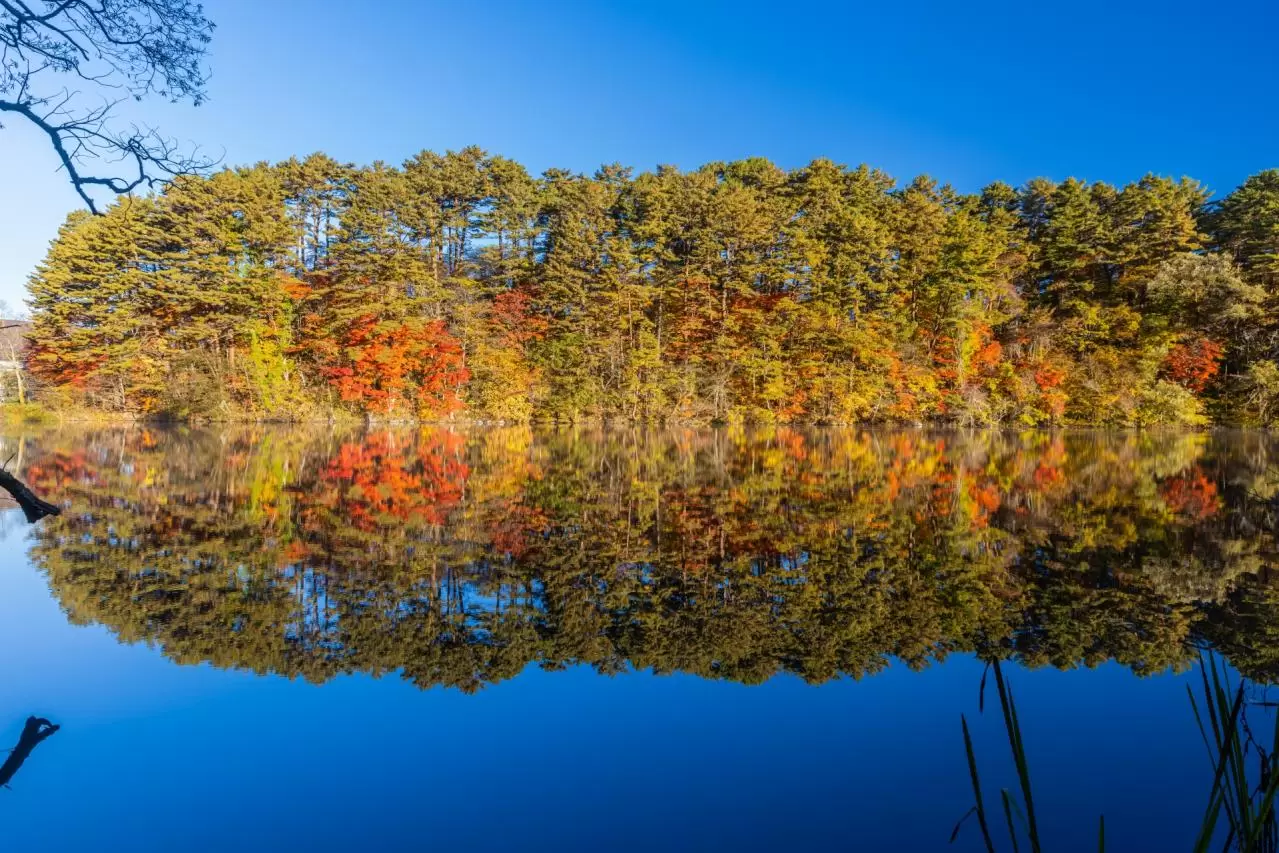
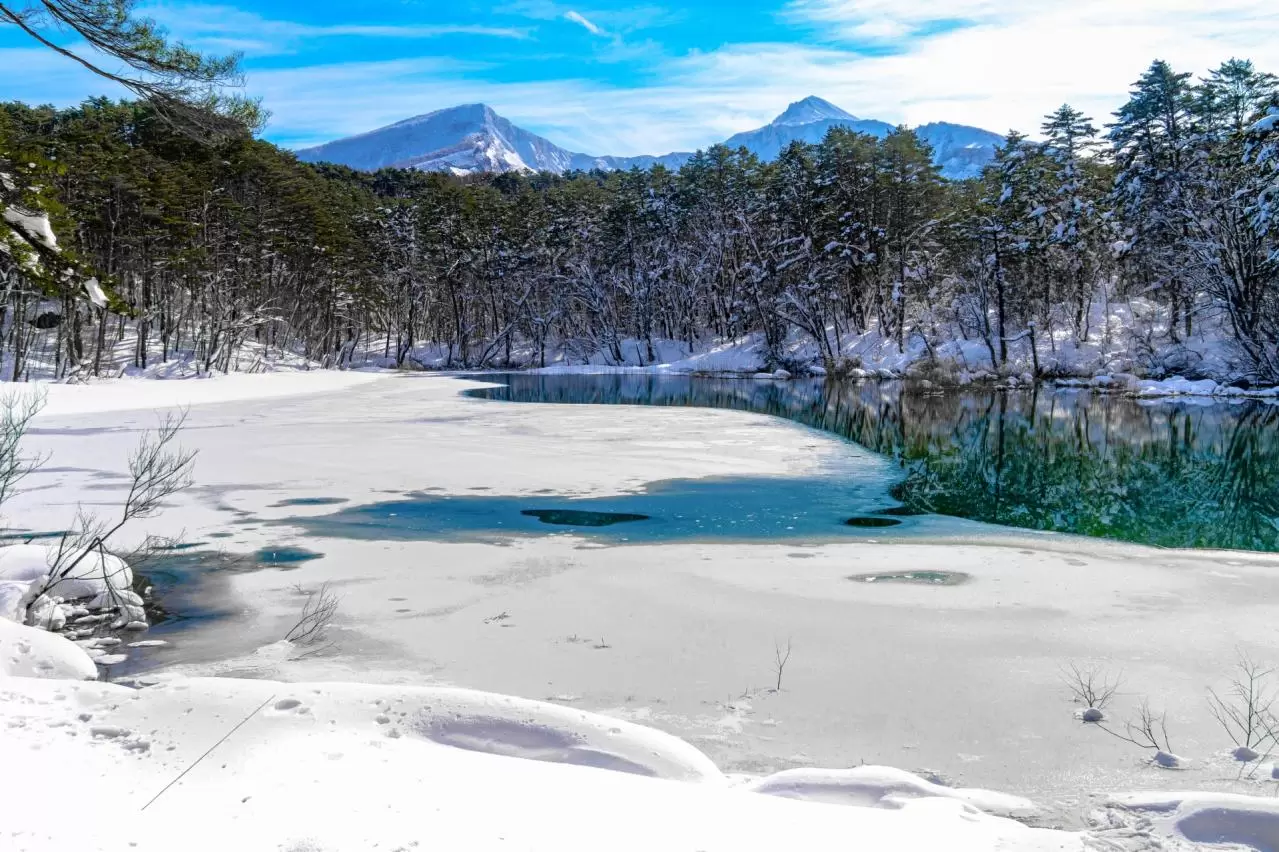
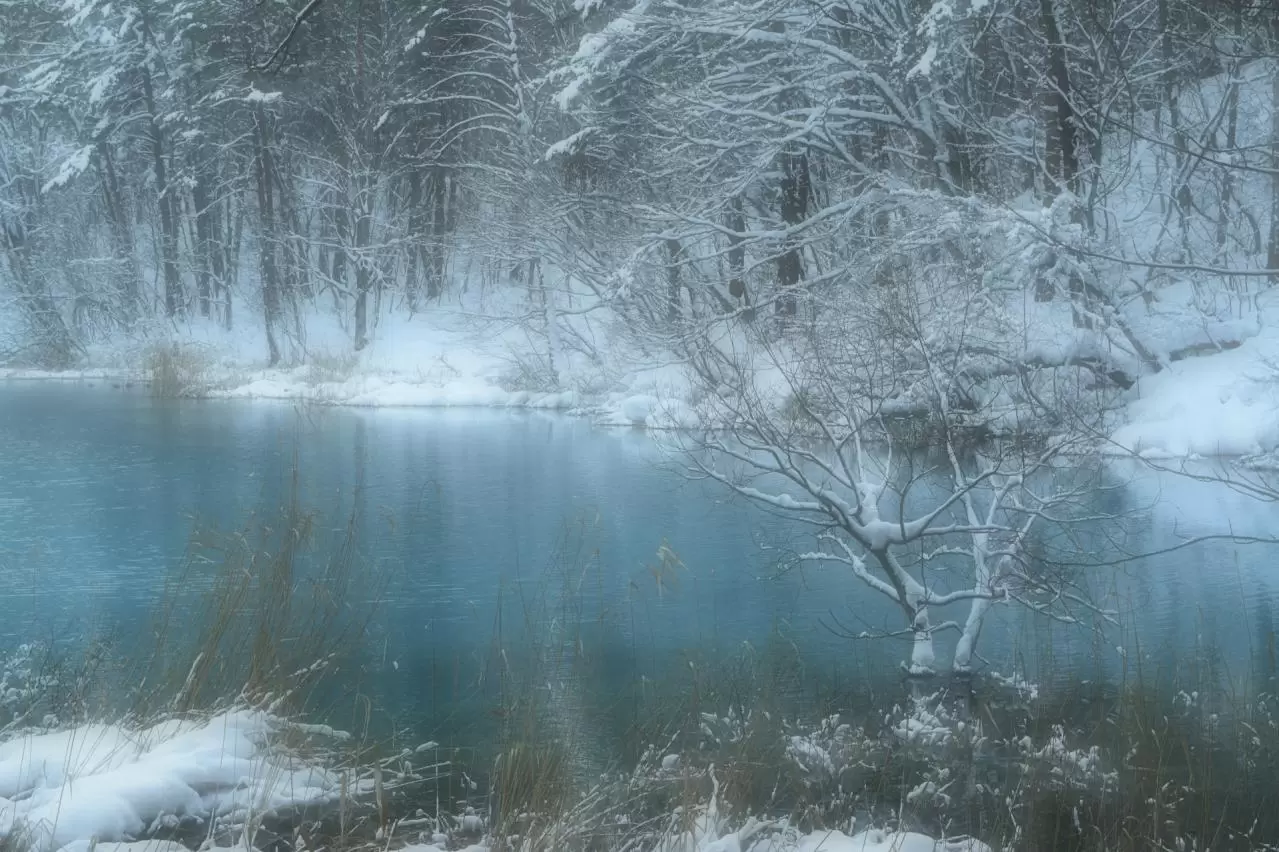
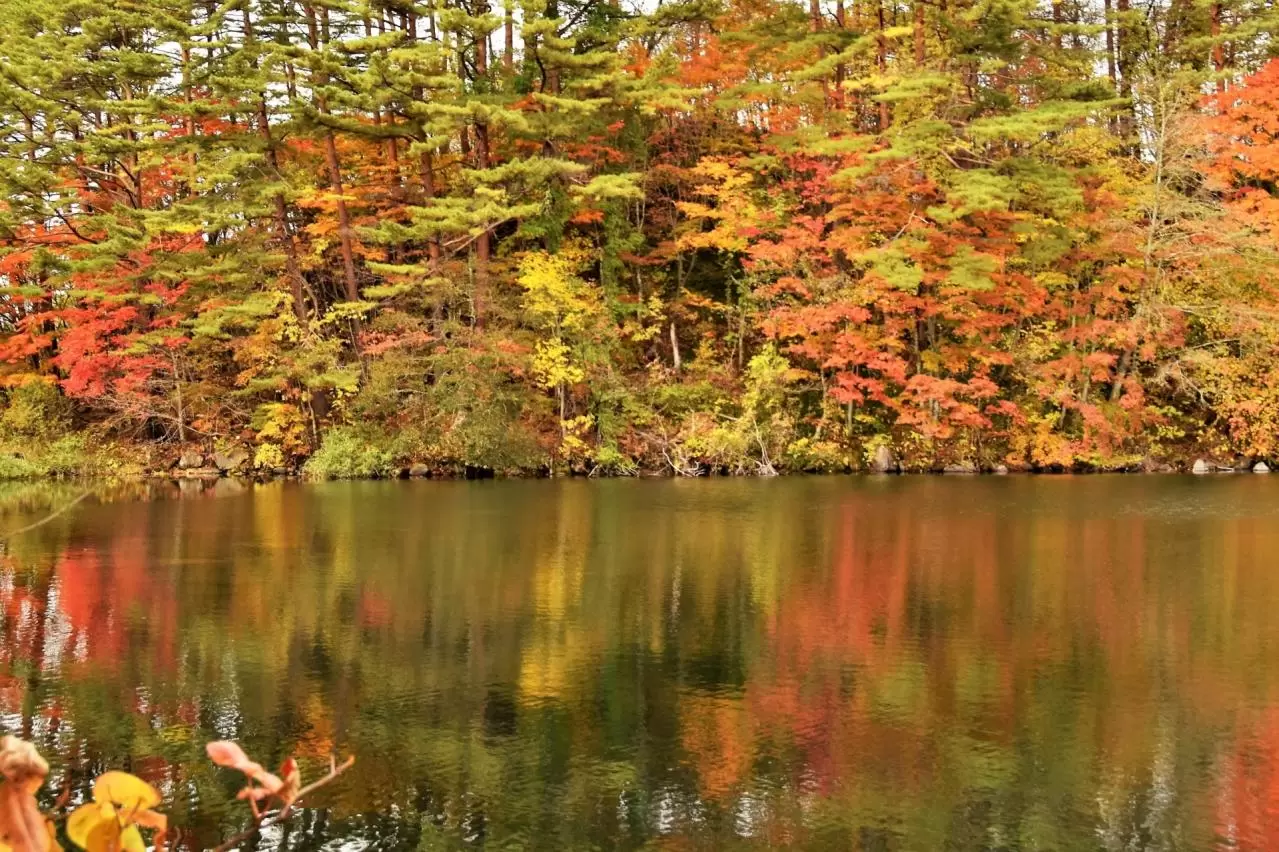
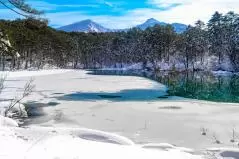
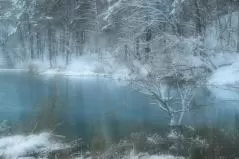
From spring to summer, the colors of the lake surfaces stand out beautifully against fresh and deep greenery. In autumn, the fall foliage is usually at its best from mid-October to early November. In winter, visitors can walk the trail wearing snowshoes and enjoy the magical lakes and marshes covered in snow. During the snowy season, the summer trail is hidden, so it is recommended to be accompanied by a local guide to avoid getting lost or slipping off the path.
Pets and Safety Etiquette
Pets are allowed on the trail, but they must be kept on a leash at all times, and all waste must be taken home with you. Wild animals such as bears and monkeys also inhabit the area, so care must be taken not to provoke them. As this is a Special Protection Zone within a national park, please refrain from collecting plants, animals, or stones, and do not leave the designated trail.
Access Tips
By car, it takes about 20 minutes from the Inawashiro-Bandai Kogen IC on the Ban-etsu Expressway to the Urabandai area. By public transportation, take a route bus from JR Inawashiro Station and get off at either “Goshikinuma Entrance” or “Urabandai Kogen Station.” Rowboat service at Bishamonnuma depends on weather and season, so it is a good idea to check the latest information before visiting.
Important Distinction
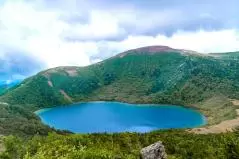
The crater lake “Goshikinuma” viewed from the Jododaira side or the summit of Mt. Issaikyo (commonly called “the Witch’s Eye”) is a different place from the Goshikinuma Lake and Marsh Group in Urabandai. When planning your trip, please make sure to confirm your destination.
Fukushima Tourist Attractions
View List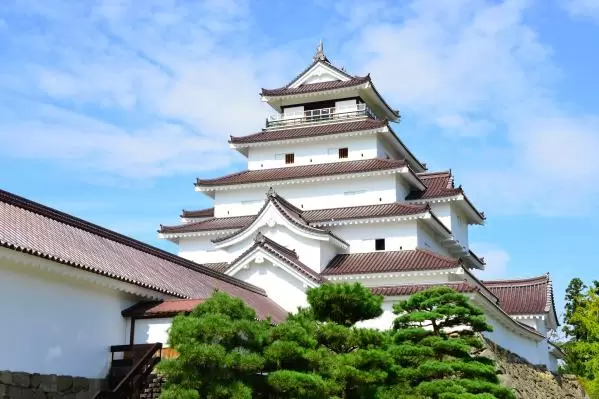
Tsuruga Castle
Tsurgasaki Castle, also known as "Aizu Castle" or "Aizuwakamatsu Castle," is famed for withstanding the fierce assaults of the new government forces during the Boshi...
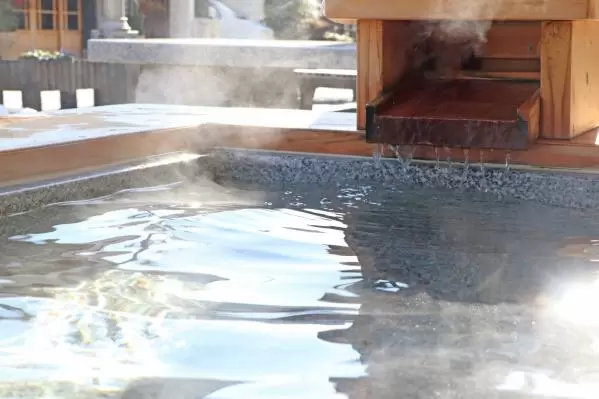
Iizaka Onsen
Iizaka Onsen, a representative hot spring district of the Tohoku region, is a historic and beloved spa that has been visited by famous literary figures such as Matsu...
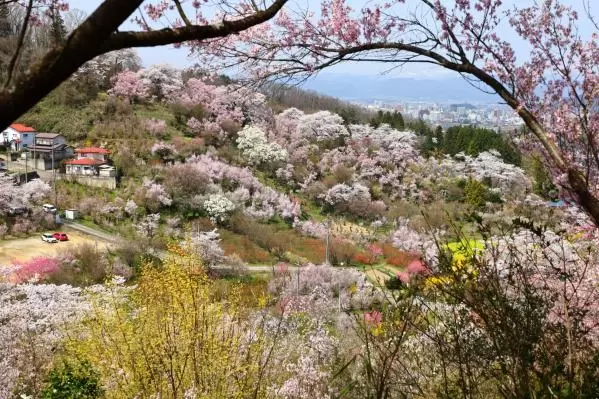
Hanamiyama Park
Hanamizuki Park is a renowned flower spot in the Wataru area of Fukushima City, praised by the late photographer Shojiro Akiyama as "a paradise of peach blossoms in ...
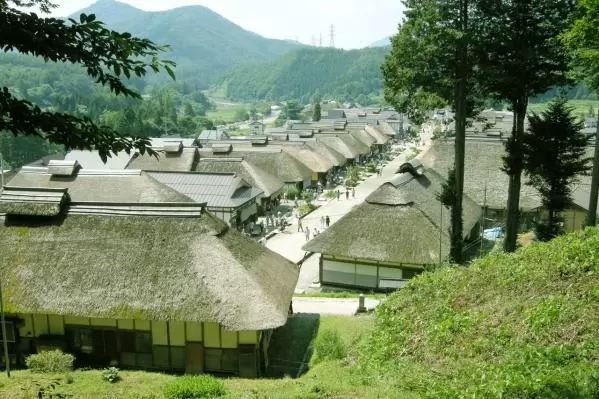
Ouchi-juku
Ouchi-juku, located in Minamiaizu, Fukushima Prefecture, was once an important post town on the Aizu Nishi Kaido, a highway connecting Aizuwakamatsu and Nikko Imaich...

Spa Resort Hawaiians
Spa Resort Hawaiians is one of Japan's premier hot spring leisure facilities, located in Iwaki City, Fukushima Prefecture. Utilizing the abundant hot spring water fr...
Lake Inawashiro
Lake Inawashiro is Japan's fourth largest lake, boasting a vast area of approximately 100 square kilometers. With its high transparency, it is also known as "Tenkyok...
Aizu Sazaedo
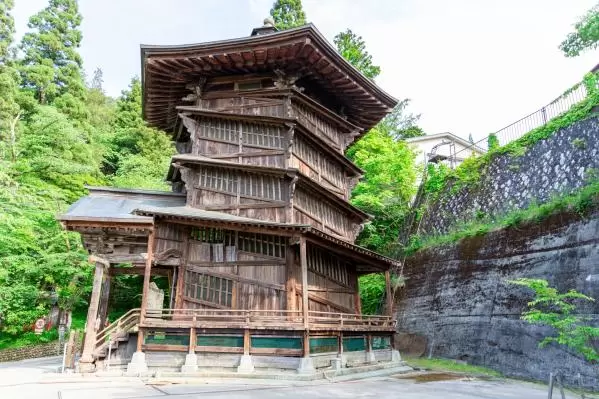
The Aizu Sazae-do is a three-story wooden hexagonal structure built in 1796 on Mount Iimori in Aizuwakamatsu City, Fukushima Prefecture. Its official name is "Entsu ...
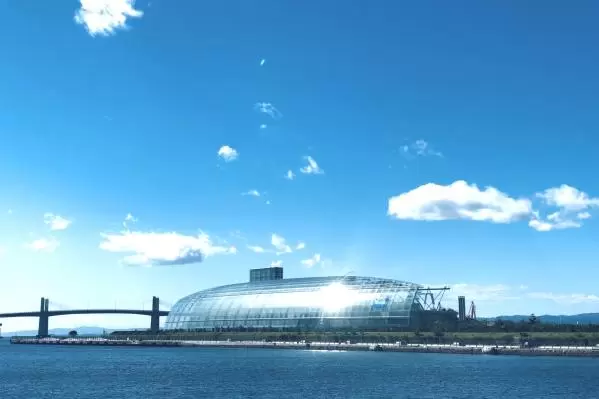
Aqua Marine Fukushima
Aqua Marine Fukushima is an aquarium themed around the "confluence of currents," where the cold and warm ocean currents meet. Inside the facility, you can experience...