Hideyo Noguchi Memorial Museum
Hideyo Noguchi Memorial Museum Movies


Basic Information
- Spot Name
- Hideyo Noguchi Memorial Museum
- Location
- 〒969-3284 81 Maeda, Mitsuwa, Inawashiro-machi, Yamagun, Fukushima-ken
- Access
- Nearest station: JR Ban'etsu West Line Inawashiro Station
By taxi: approximately 6 minutes
By bus: approximately 10 minutes
*For bus, take the Aizu Bus bound for "Kan no Hashi" and get off at the Noguchi Hideyo Museum stop, then walk for 1 minute.
Visit the Aizu Bus website:
https://www.aizubus.com/ - Parking
- Regular cars: 300 spaces
Buses: 30 spaces - Business Hours
- April to October: 9:00 AM to 5:30 PM (Last admission at 5:00 PM)
November to March: 9:00 AM to 4:30 PM (Last admission at 4:00 PM) - Regular Holiday
- Open year-round (except from December 29 to January 3).
- Fees
- Adults: 800 yen (15 years and older)
Children: 400 yen (elementary and junior high school students) - Contact Information
- Phone Number:0242-65-2319
- Official Website
Map
Detailed Information
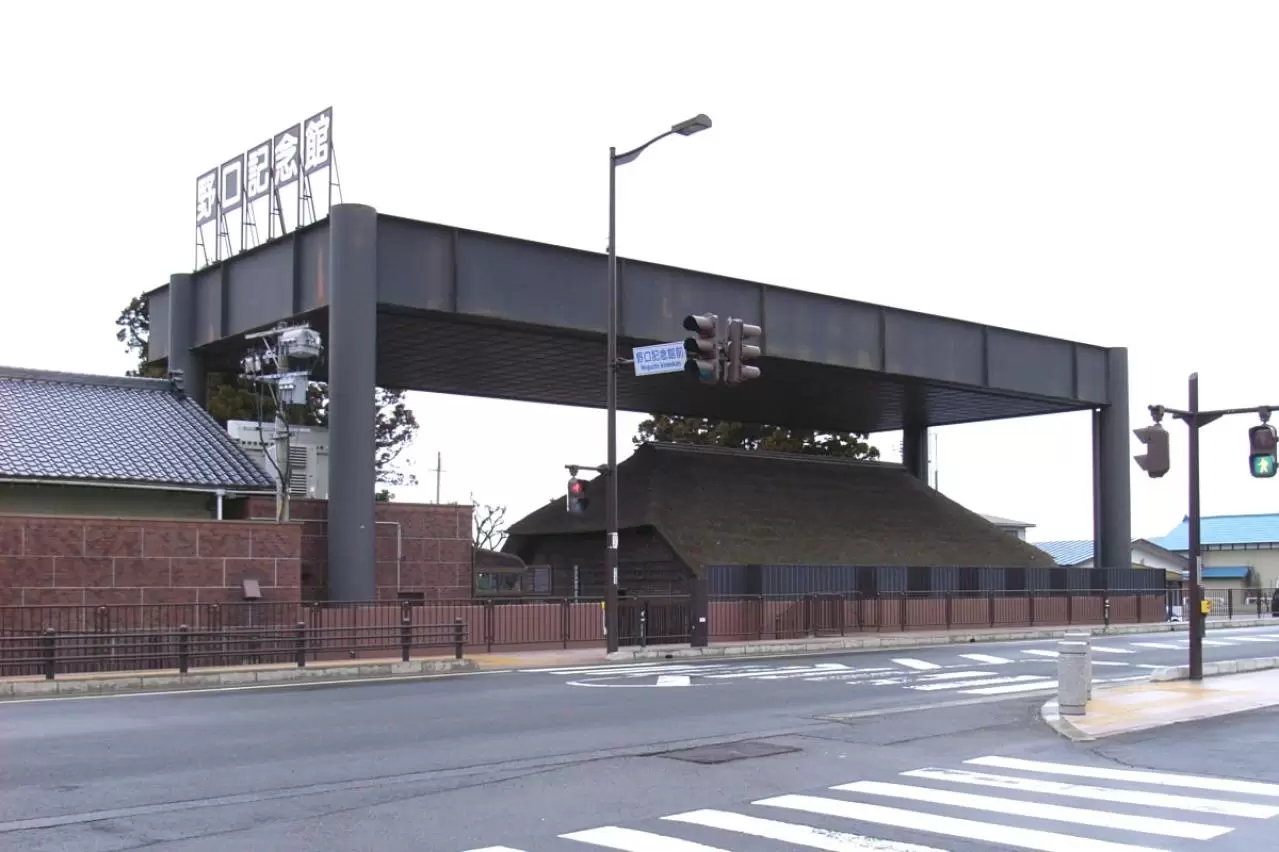
The Noguchi Hideyo Memorial Museum is a facility that introduces the life and achievements of bacteriologist Hideyo Noguchi (1876–1928), who is widely known as the portrait on the 1,000-yen note. Located in Inawashiro Town, Fukushima Prefecture, it was established in 1939. It was renovated and reopened in 2015, with new exhibits and hands-on learning areas added. The museum consists of a “birthplace” and a “reference museum,” allowing visitors to learn broadly about Noguchi Hideyo from childhood to his later years.
Preserved Birthplace and Valuable Remains
A major feature of the memorial museum is that Noguchi Hideyo’s birthplace has been preserved in its original state. The house was designated as a Registered Tangible Cultural Property by the Japanese government in 2019.
The Irori Hearth
The hearth where Hideyo suffered a severe burn to his left hand at the age of one and a half remains as it was. Although the accident caused his left fingers to fuse together, the surgery he underwent at age 16 became the catalyst for his aspiration to enter medicine.
The Resolute Inscription on the Tokobashira Pillar
When he left for Tokyo at age 19 in 1896, the resolve “If I do not achieve my ambition, I will not set foot in this place again” was engraved on a tokobashira pillar. It is famous as a symbol of his determination to pursue medicine.
The Pillar of the Matsushimaya Inn
It is said that because of poverty, Hideyo had no lamp at home and borrowed light while studying by helping out at the nearby inn, Matsushimaya.
The Stream Used by His Mother Shika
The stream where his mother, Shika, was washing dishes when Hideyo suffered his burn still exists today.
Also on view are a monument built the year after his death and the “Birthplace Monument,” which contains a lock of his hair.
Exhibits and Content of the Reference Museum
At the reference museum, Noguchi Hideyo’s research and life are presented by era: the Inawashiro/Aizu-Wakamatsu period, the Tokyo period, the America/Denmark period, and the Latin America/Africa period.
From Childhood to His Aspiration for Medicine
Materials such as report cards and letters are displayed, helping visitors understand the background of Hideyo’s dedication to scholarship.
His Research Path
His achievements, including the discovery of the syphilis spirochete and his research on yellow fever, as well as his nomination as a Nobel Prize candidate, are presented in an easy-to-understand way.
Letters from His Mother Shika
Letters with messages such as “Please come quickly; it is my dying wish” are on display. These materials convey the heartfelt feelings of his mother and became the trigger for Hideyo’s return to Japan in 1915, when he reunited with her after 15 years.
Noguchi Hideyo Robot
A Hideyo robot that converses with visitors is also on display and is popular with children.
Special Exhibitions
Rare items such as “Illustrations of River Fish” and test prints of the 1,000-yen note are sometimes exhibited. The contents vary depending on the exhibition period.
Interactive Exhibits and the Infectious Diseases Museum
One of the memorial museum’s features is its interactive exhibits that can be enjoyed by both children and adults.
The Doctor’s Laboratory
This area teaches bacteriology through quizzes and games. Visitors can also learn about Hideyo’s research and personality.
Infectious Diseases Museum
Established after the renovation, this museum features extensive exhibits that teach correct knowledge about infectious diseases.
Prologue Theater
The museum also includes a theater that clearly presents Hideyo’s life and research through video.
Location and Surroundings
The Noguchi Hideyo Memorial Museum is located on the shore of Lake Inawashiro and offers spectacular views of the lake from inside the museum and the surrounding area.
In addition, the adjoining museum shop sells related books and original goods, making it a popular place to pick up souvenirs and mementos of your visit.
The Noguchi Hideyo Memorial Museum is a facility where visitors can learn in many ways about the life, research, and character of Hideyo Noguchi, a medical scientist who achieved global recognition. While experiencing his efforts and aspirations from childhood through his birthplace and personal belongings, visitors can also enjoy learning science through the latest hands-on exhibits. With both historical and educational value, it is a place that can be enjoyed by a wide range of visitors, from children to adults.
Fukushima Tourist Attractions
View List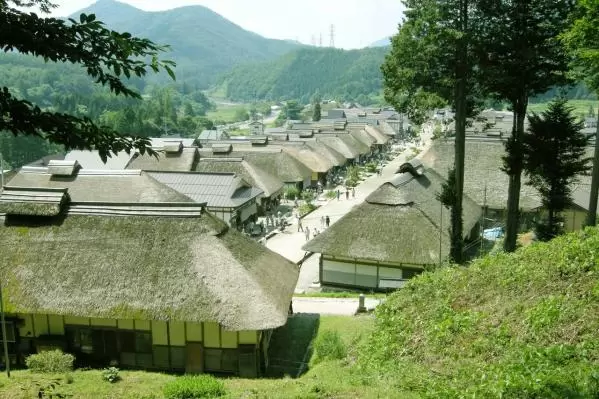
Ouchi-juku
Ouchi-juku, located in Minamiaizu, Fukushima Prefecture, was once an important post town on the Aizu Nishi Kaido, a highway connecting Aizuwakamatsu and Nikko Imaich...
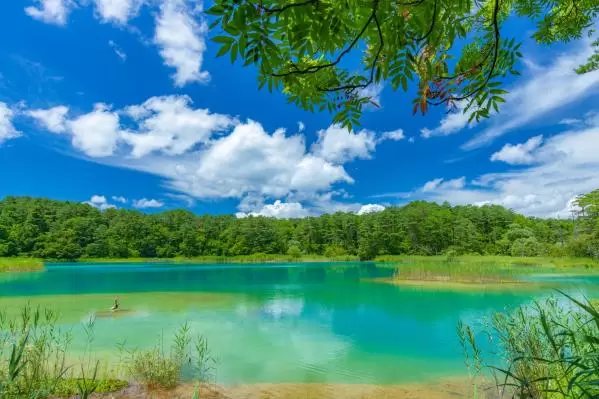
Goshikunuma
The Goshikinuma Pond Group in Urabandai, Fukushima Prefecture, is a mysterious cluster of lakes created by a landslide during the volcanic explosion of Mount Bandai ...
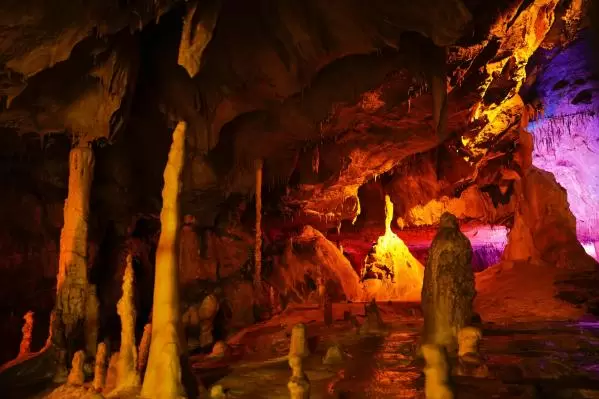
Abukuma Cave
Abukuma Cave is a tourist destination that boasts the beauty of natural formations created over eons. The cave, spanning approximately 600 meters in length, is home ...
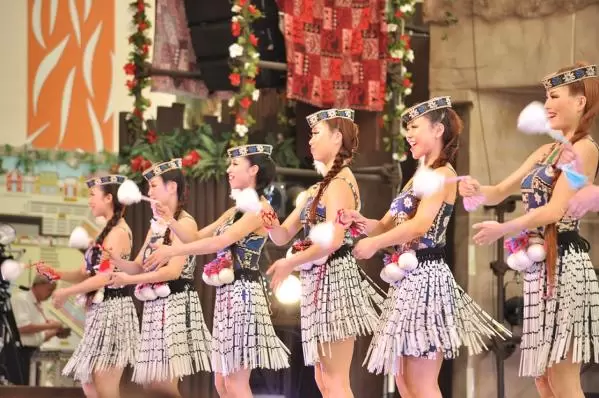
Spa Resort Hawaiians
Spa Resort Hawaiians is one of Japan's premier hot spring leisure facilities, located in Iwaki City, Fukushima Prefecture. Utilizing the abundant hot spring water fr...
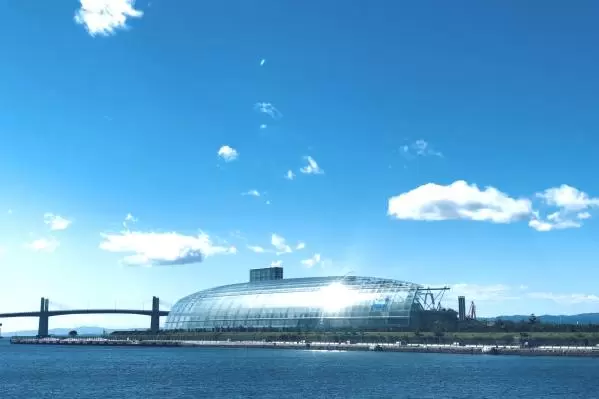
Aqua Marine Fukushima
Aqua Marine Fukushima is an aquarium themed around the "confluence of currents," where the cold and warm ocean currents meet. Inside the facility, you can experience...
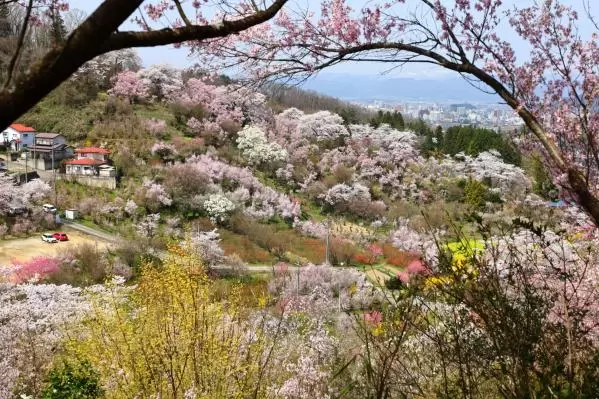
Hanamiyama Park
Hanamizuki Park is a renowned flower spot in the Wataru area of Fukushima City, praised by the late photographer Shojiro Akiyama as "a paradise of peach blossoms in ...
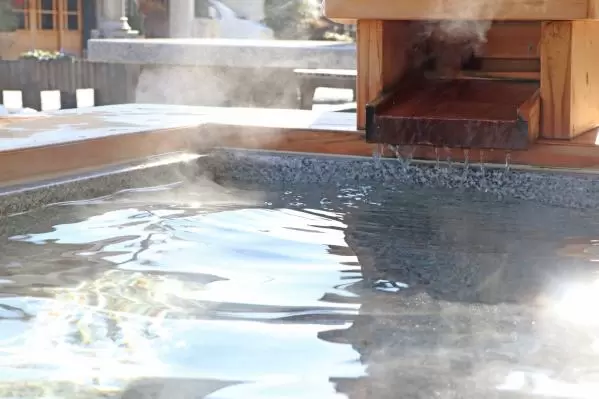
Iizaka Onsen
Iizaka Onsen, a representative hot spring district of the Tohoku region, is a historic and beloved spa that has been visited by famous literary figures such as Matsu...
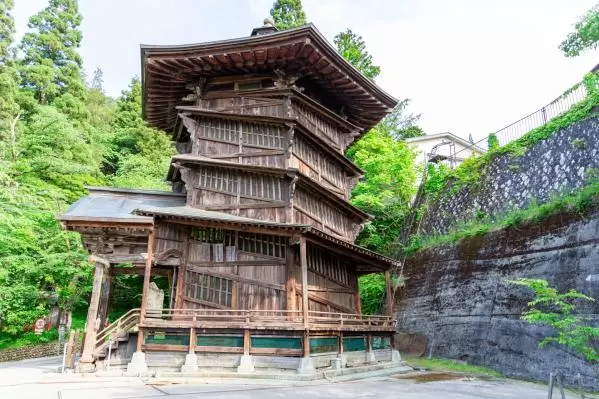
Aizu Sazaedo
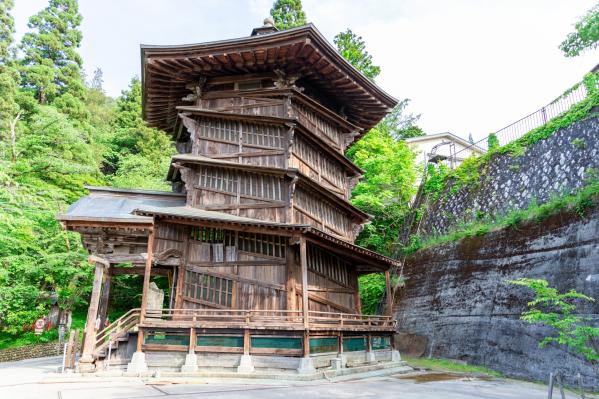
The Aizu Sazae-do is a three-story wooden hexagonal structure built in 1796 on Mount Iimori in Aizuwakamatsu City, Fukushima Prefecture. Its official name is "Entsu ...