Tsuruga Castle
Tsuruga Castle Movies


![【福島県 会津若松市】鶴ヶ城 夜桜さんぽ[4K]](https://i.ytimg.com/vi/VujNkc8Tf8g/mqdefault.jpg)
Basic Information
- Spot Name
- Tsuruga Castle
- Location
- 〒965-0873 1-1 Otemachi, Aizuwakamatsu City, Fukushima Prefecture
- Access
- Get off at "Tsuruga Castle Entrance" by Haikarasan Akabei, a 5-minute walk. Approximately 15 minutes from Aizuwakamatsu IC on the Ban-etsu Expressway.
- Parking
- Regular cars: 360 spaces (paid)
*There are three parking areas: Tsuru Castle West Demaru Parking Lot, Tsuru Castle South Entrance Parking Lot, and Tsuru Castle East Entrance Parking Lot. - Business Hours
- Tsuruga Castle Keep Opening Hours: 8:30 AM - 5:00 PM
*Last admission at 4:30 PM - Regular Holiday
- Open daily.
- Fees
- 【Tsuruga Castle Tower Admission Fee】
Adults: 410 yen
Children: 150 yen - Contact Information
- Phone Number:0242-27-4005
- Official Website
Map
Detailed Information
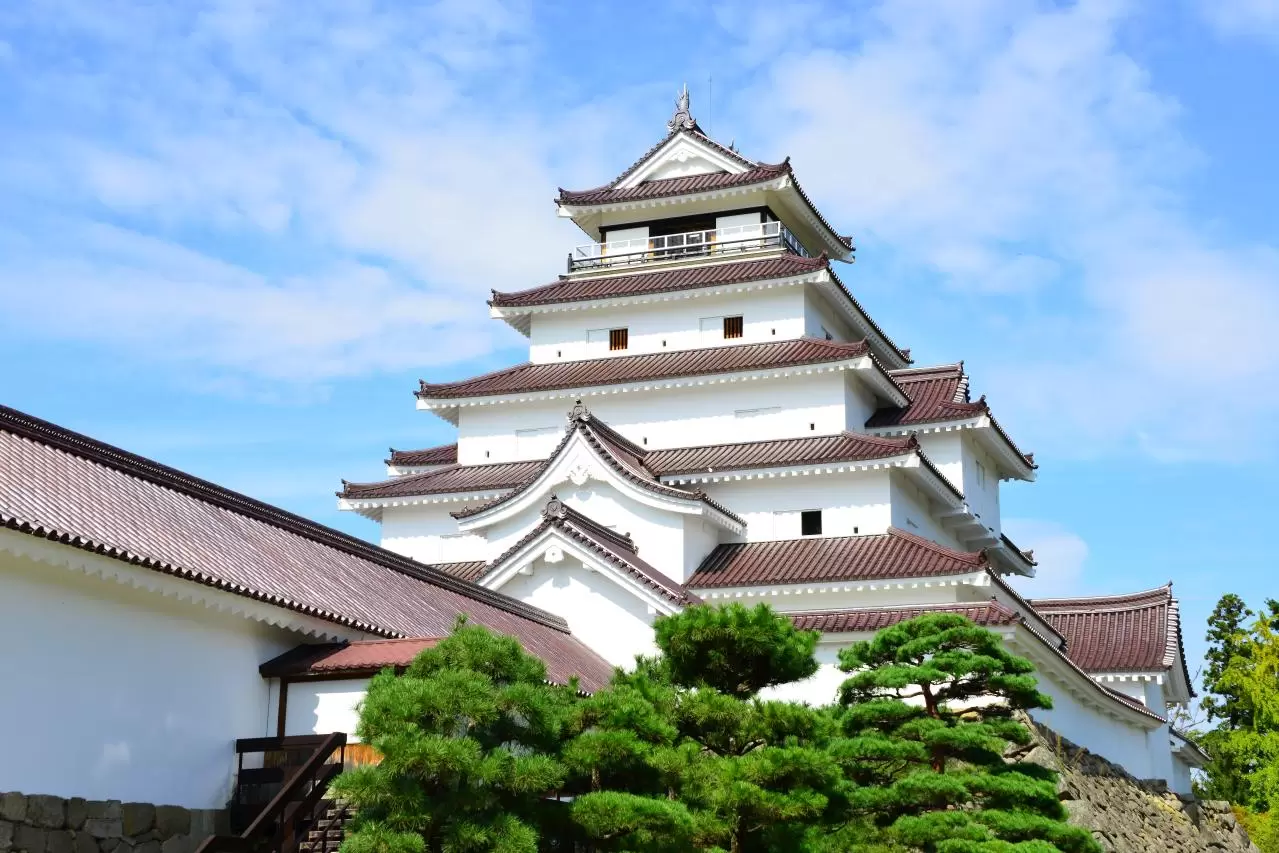
Tsuruga Castle is also known as “Aizu Castle” and “Aizu-Wakamatsu Castle,” and is beloved by local residents as a symbol of Aizu-Wakamatsu City. Its keep can be seen from almost anywhere in the city, and because the grounds are also used as a city park, it is common to see people enjoying walks and jogging. With many highlights such as red roof tiles, stone walls, and a tea house, it serves as a place of relaxation for citizens while also reflecting the history of Aizu.
Origins and the History of Construction
The origin of Tsuruga Castle is said to be “Higashi-Kurokawa Residence,” built in 1384 by Ashina Naomori. At that time, it had no keep and was closer in scale to a residence. Later, Date Masamune, a Sengoku warlord, became lord of the castle, and then Gamō Ujisato entered the castle after being appointed to rule Aizu by Toyotomi Hideyoshi. Ujisato is said to have built the first full-scale keep in eastern Japan in 1593, changed the name of the castle town from Kurokawa to “Wakamatsu,” and named the castle “Tsuruga Castle” (there is also a theory that the name came from Ujisato’s childhood name, “Tsuruchiyo”).
The Great Earthquake and Renovations
In 1611, a major earthquake struck the Aizu Basin, and the then seven-story keep reportedly suffered severe damage. Afterwards, extensive renovations were carried out by Katō Yoshiaki and Katō Akinari, including the development of the outworks surrounding the main enclosure, shaping the castle into the form seen today. At this time, the keep was also changed to a five-story structure.
The Boshin War and Its Reputation as an Impregnable Castle
In 1868, at the end of the Edo period, Tsuruga Castle was besieged by the forces of the new government during the Boshin War, and a castle siege battle continued for about a month from August 22. Despite intense artillery bombardment, it held out and earned a nationwide reputation as an “impregnable famous castle.” However, after the war the castle suffered major damage, and in 1874 the buildings, including the keep, were demolished, leaving only the stone walls.
Reconstruction and Restoration
Restoration of the castle began in 1965, when the keep was rebuilt in reinforced concrete. In 2000, “Kanhiyagura” and “Minami-sō Nagaya” were restored using Edo-period construction methods, and in 2011 the roof tiles were replaced with red tiles identical to those used at the end of the Edo period. These red tiles are said to have been developed during the time of Hoshina Masayuki, the founder of the Aizu domain, as tiles suited to snowy regions; they are highly durable and resistant to cold, and today the castle is the only one in Japan with a red-tiled keep.
Tsuruga Castle Today
The interior of the keep has been developed as a museum, operating as the “Wakamatsu Castle Keep Local Museum,” which exhibits historical materials related to Aizu. From the top floor, visitors can enjoy panoramic views of Aizu-Wakamatsu City, the Aizu Basin, Mt. Bandai, and even Mt. Iimori, where the Byakkotai committed suicide.
The castle ruins, designated a National Historic Site as “Wakamatsu Castle Ruins,” cover a vast area of about 69,000 tsubo and serve as a city park. Inside the grounds, there are many attractions, including the monument to “A Regiment of the Moon,” Tsukimi Yagura, the corridor bridge, and the huge “Yūjo-ishi” stone.
Rinkaku Tea House and Its Connection to Tea Ceremony
Inside the main enclosure is “Rinkaku,” a tea house said to have been built by Shōan, the son of Sen no Rikyū. After Rikyū was ordered by Hideyoshi to commit seppuku, Gamō Ujisato, fearing for the survival of the tea ceremony, sheltered Shōan in Aizu. It is also said that he later petitioned Hideyoshi, leading to the revival of the Sen family line. Rinkaku was moved elsewhere in the city after the Boshin War, but was restored to its original location in 1990.
Tsuruga Castle and the Four Seasons
Tsuruga Castle is nationally known as a famous cherry blossom spot. In spring, about 1,000 cherry trees bloom in full glory, and at night visitors can enjoy the magical illuminated scenery. Its seasonal landscapes are also part of its charm, and it continues to be loved by tourists and locals alike.
Built about 630 years ago, Tsuruga Castle is a famous castle that has walked alongside Aizu’s history. Its legends of being impregnable, its red-tiled keep, its connection to the tea ceremony, and its beauty as a cherry blossom destination continue to captivate many people today. It is a source of pride for Aizu-Wakamatsu City and remains a place where history and daily life coexist in the modern era.
Fukushima Tourist Attractions
View List
Aizu Samurai Residence
Aizu Bukeyashiki is a historical theme park centered around the residence of Aizu domain chief retainer, Saigo Yorimoto, which has been relocated and restored. Cover...
Lake Inawashiro
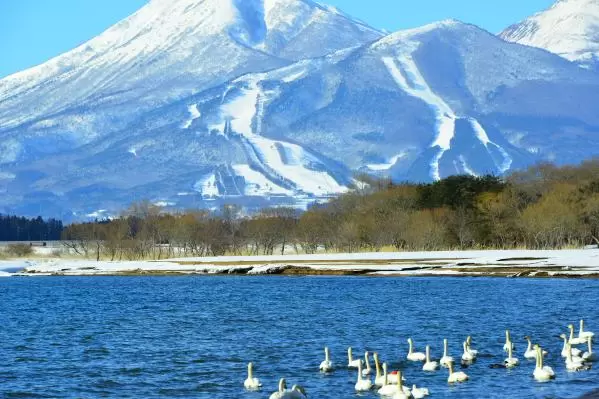
Lake Inawashiro is Japan's fourth largest lake, boasting a vast area of approximately 100 square kilometers. With its high transparency, it is also known as "Tenkyok...
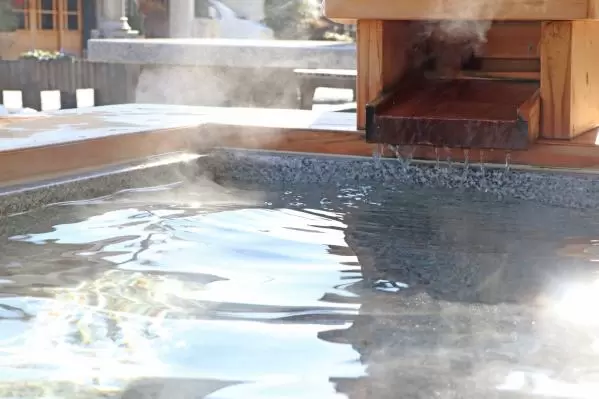
Iizaka Onsen
Iizaka Onsen, a representative hot spring district of the Tohoku region, is a historic and beloved spa that has been visited by famous literary figures such as Matsu...
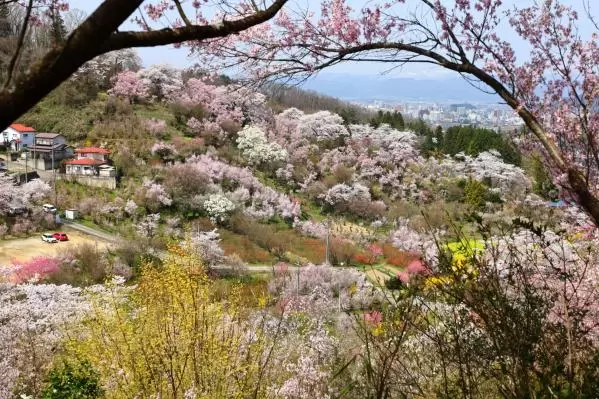
Hanamiyama Park
Hanamizuki Park is a renowned flower spot in the Wataru area of Fukushima City, praised by the late photographer Shojiro Akiyama as "a paradise of peach blossoms in ...
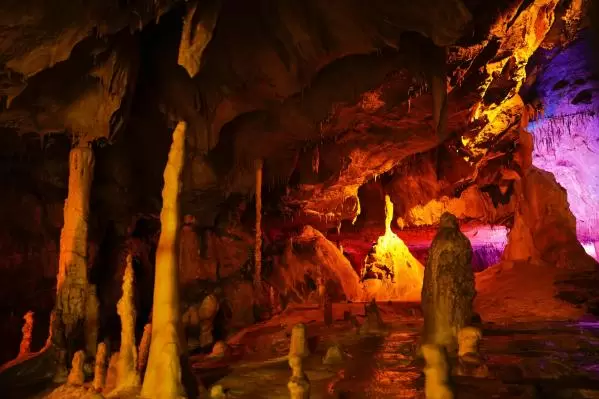
Abukuma Cave
Abukuma Cave is a tourist destination that boasts the beauty of natural formations created over eons. The cave, spanning approximately 600 meters in length, is home ...
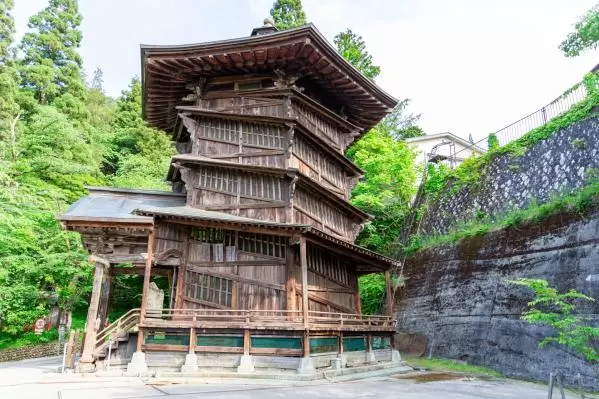
Aizu Sazaedo
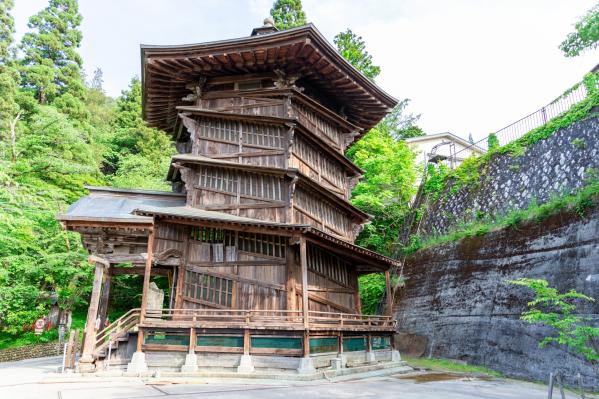
The Aizu Sazae-do is a three-story wooden hexagonal structure built in 1796 on Mount Iimori in Aizuwakamatsu City, Fukushima Prefecture. Its official name is "Entsu ...
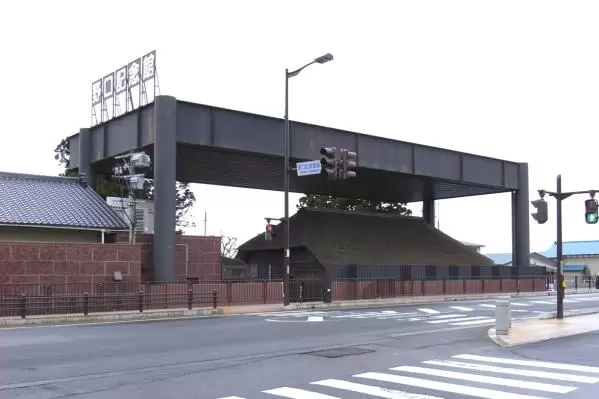
Hideyo Noguchi Memorial Museum
The Noguchi Hideyo Memorial Museum is a facility that introduces the life and achievements of the bacteriologist Hideyo Noguchi, known for his portrait on the 1,000 ...
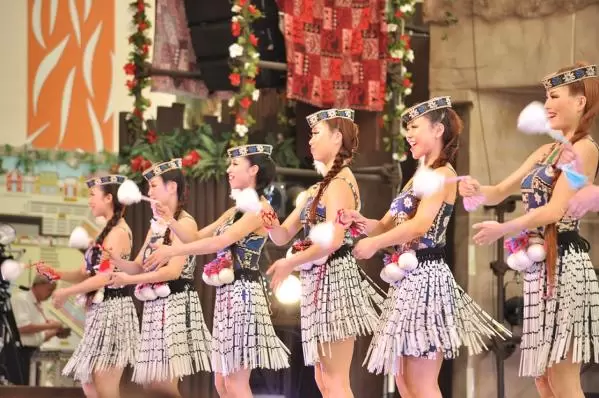
Spa Resort Hawaiians
Spa Resort Hawaiians is one of Japan's premier hot spring leisure facilities, located in Iwaki City, Fukushima Prefecture. Utilizing the abundant hot spring water fr...