Public bath hopping
Take a break from exploring the town to try its traditional public baths, one at a time.

AI Summary
This is an AI-generated summary. Please check the official information for opening hours, fees, and closed days.
Enjoy a historic hot-spring town once loved by writers, with visits to public baths and a stroll through its atmospheric streets.
Iizaka Onsen is one of Tohoku’s well-known hot-spring towns and is easy to reach by train from Fukushima Station. Public baths, including Sabako-yu, are scattered throughout the town, which retains an old-fashioned atmosphere. It suits visitors interested in history and literary connections, and can be enjoyed on a day trip or overnight stay.
Take a break from exploring the town to try its traditional public baths, one at a time.
This signature bath of Iizaka Onsen captures the feel of a historic hot-spring town.
Enjoy a peaceful stay with a sense of the writers Matsuo Basho and Akiko Yosano who visited here.
From Fukushima Station, head to Iizaka Onsen, visit Sabako-yu, stroll through the hot-spring town, then stop by a footbath or souvenir shop to get a feel for the area, even on a short visit.
Iizaka Onsen is one of the leading hot spring resorts in Tohoku, spreading along the Surikami River in the western part of Fukushima City, Fukushima Prefecture. This ancient hot spring is said to have been discovered about 2,000 years ago by Prince Yamato Takeru, and its long history has earned it a place among the “Three Great Hot Springs of Oshu,” along with Naruko Onsen (Miyagi) and Akiu Onsen (Miyagi). In 1689, during the Edo period, the haiku master Matsuo Basho is also known to have stopped here on his journey along the Oku no Hosomichi, and many literary figures, including Masaoka Shiki and Yosano Akiko, visited this area. It was once so famous that it was called “Iizaka in the east, Beppu in the west.”
Hot Springs and Public Baths
Iizaka Onsen is lined with more than 80 inns and hotels, where visitors can enjoy not only overnight stays but also day-use bathing. Scattered throughout the town are nine public bathhouses (though some sources say there are eight) and four footbaths, allowing visitors to experience a hot spring culture deeply rooted in local daily life. One of the charms of the area is the chance to enjoy a “bath-hopping” stroll.
Particularly symbolic is Sabakoyu. It is said that both Prince Yamato Takeru and Matsuo Basho bathed here, and it has become an iconic symbol of Iizaka Onsen. The former Sabakoyu was built in 1889 and was regarded as the oldest surviving wooden public bathhouse in Japan at the time. Due to aging, it was faithfully rebuilt in 1993. The bath uses “kanseki,” a stone referenced in a poem by Yosano Akiko, allowing visitors to feel history and culture through direct experience.
The waters of Iizaka are gentle and help keep the body warm long after bathing, and they are also known as beauty-enhancing waters. Loved not only by tourists but also by local residents, they continue to convey the atmosphere of a traditional hot spring town.
History and Culture
Iizaka Onsen was once called “Sabako no Yu” or “Sabako no Yu.” The haiku poet Matsuo Basho stayed here during his journey along Oku no Hosomichi, and Yosano Akiko wrote the following poem about it: “Even in the bath of kanseki / the moonlight shines into / the village of Iizaka.” As a famous hot spring beloved by literary figures, it is a resort of great literary value.
Nearby Attractions
Iizaka Onsen is also famous as the “village of fruit.” In the orchards near the hot spring district lies an area known as the Fruit Line, where visitors can enjoy seasonal fruit picking from early summer to late autumn, beginning with cherries in June and continuing with peaches, pears, grapes, and apples. The fruits of each season are one of the pleasures of visiting in combination with sightseeing.
The hot spring town also features facilities such as Kuyotei and Go-Kobo Kokon, where souvenirs are sold, making them ideal places to create memories of your trip.
Iizaka Onsen is an ancient hot spring said to have been discovered by Prince Yamato Takeru about 2,000 years ago, and it is one of Tohoku’s most celebrated hot spring resorts, ranked among the Three Great Hot Springs of Oshu. With public bathhouses and footbaths such as Sabakoyu, along with the abundant blessings of fruit, it is a hot spring destination where the atmosphere of an onsen town and the culture of the region come together in harmony. While preserving the nostalgic charm of a traditional hot spring town, it is also conveniently accessible and enjoyable for both day trips and overnight stays. It continues to offer visitors a pleasant and memorable experience, making it one of the representative hot spring destinations of Tohoku.
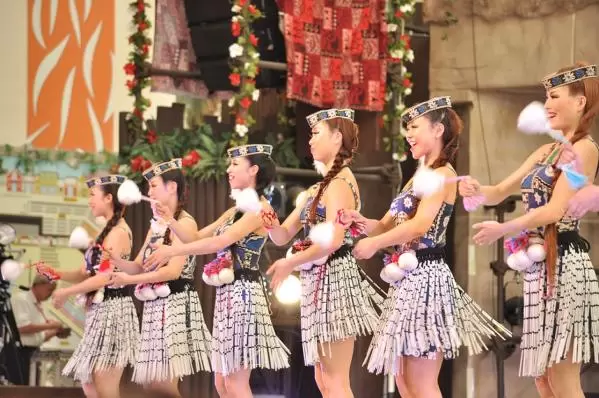
Spa Resort Hawaiians is one of Japan's premier hot spring leisure facilities, located in Iwaki City, Fukushima Prefecture. Utilizing the abundant hot spring water fr...
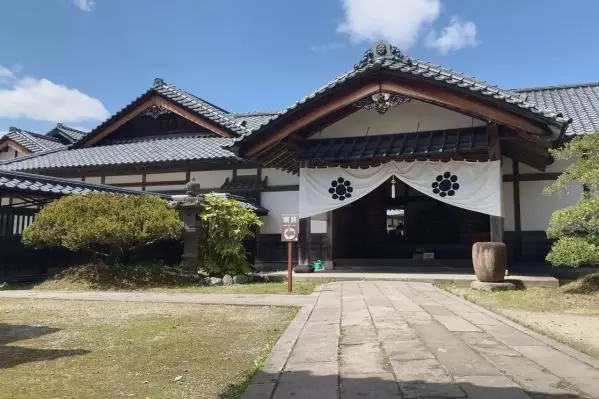
Aizu Bukeyashiki is a historical theme park centered around the residence of Aizu domain chief retainer, Saigo Yorimoto, which has been relocated and restored. Cover...
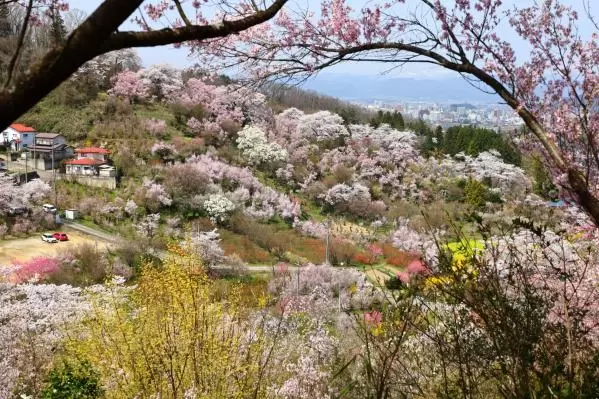
Hanamizuki Park is a renowned flower spot in the Wataru area of Fukushima City, praised by the late photographer Shojiro Akiyama as "a paradise of peach blossoms in ...
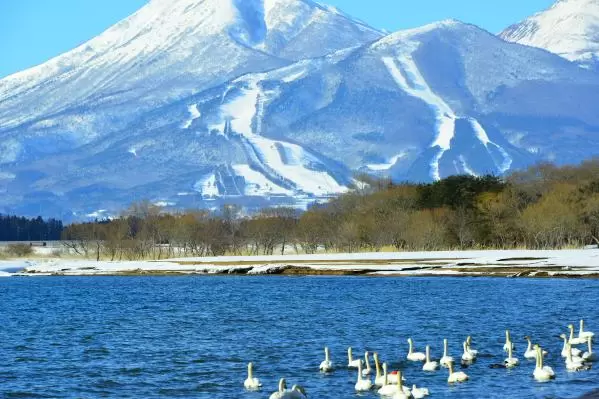
Lake Inawashiro is Japan's fourth largest lake, boasting a vast area of approximately 100 square kilometers. With its high transparency, it is also known as "Tenkyok...
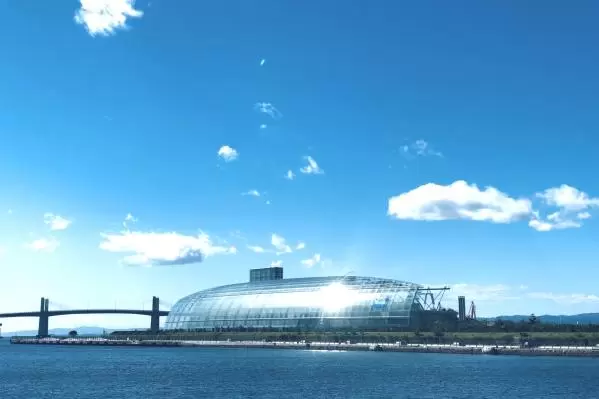
Aqua Marine Fukushima is an aquarium themed around the "confluence of currents," where the cold and warm ocean currents meet. Inside the facility, you can experience...
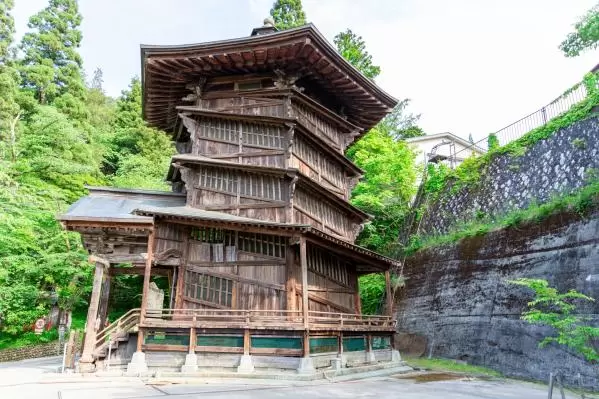
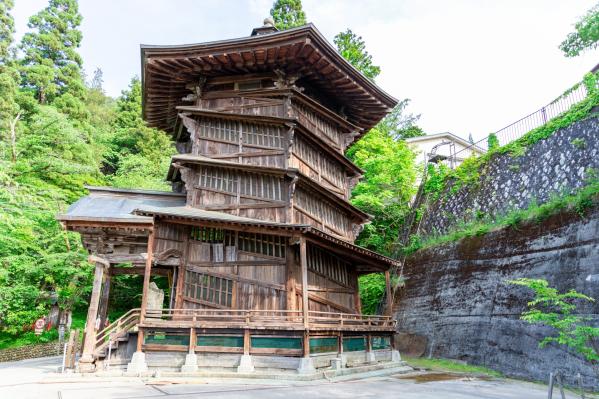
The Aizu Sazae-do is a three-story wooden hexagonal structure built in 1796 on Mount Iimori in Aizuwakamatsu City, Fukushima Prefecture. Its official name is "Entsu ...
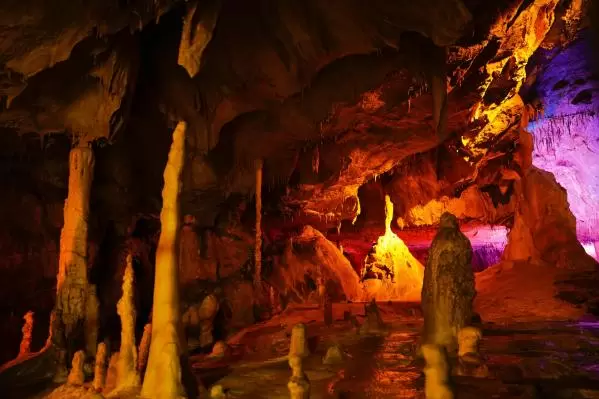
Abukuma Cave is a tourist destination that boasts the beauty of natural formations created over eons. The cave, spanning approximately 600 meters in length, is home ...
Tsurgasaki Castle, also known as "Aizu Castle" or "Aizuwakamatsu Castle," is famed for withstanding the fierce assaults of the new government forces during the Boshi...