Lake Inawashiro
AI summary
What kind of place is Lake Inawashiro?
This is an AI summary. Check official information for opening hours, prices and closures.
A vast lake that reflects Mount Bandai, best enjoyed on a scenic drive or lakeside walk throughout the year.
Plan your visit
- Time to allow
- 1–2 hours for a lakeside walk; half a day or more to explore the surrounding area Not verified
- Getting there
- 15 minutes by bus from Inawashiro Station; 30 minutes by bus from Aizuwakamatsu Station Not verified
Explore more places

Read highlights and visiting tips
Plan your visit
- Rainy Day
- Views of the lake can be affected by the weather Not verified
- Family-friendly
- There’s plenty of open space and it’s easy to stop by, though a car is useful for getting around Not verified
- For Older Visitors
- Lakeside sights are spread out, so consider how far you’ll need to walk Not verified
- Best Season
- Cherry blossoms in spring, green scenery in summer, autumn foliage, and swans and ice in winter Not verified
- Photo Spots
- Showa no Mori viewpoint, Mount Bandai from the lakeshore, and seasonal reflections Not verified
- Travel Mood
- A leisurely nature walk Not verified
Lake Inawashiro is one of Japan’s largest lakes and is known for its remarkably clear water. Nicknamed the “Mirror Lake,” it offers views of Mount Bandai and seasonal scenery, from spring cherry blossoms and summer waterside activities to autumn foliage and winter swans and ice formations. Lakeside viewpoints and sightseeing cruises are also highlights.
Recommended for
Highlights
Clear waters known as the “Mirror Lake” — The sky and Mount Bandai are reflected on the clear surface, creating a peaceful, striking view.
A different landscape in every season — Enjoy cherry blossoms in spring, lakeside activities in summer, autumn colors, and swans and ice formations in winter.
See the lake from shore or by boat — Lakeside viewpoints and sightseeing cruises offer different perspectives on the expansive lake.
Before you go
- Wind can make it feel colder, so bring an extra layer.
- If you plan to explore more of the lakeshore, consider driving and map out your route in advance.
- In winter, check road conditions and wear warm, suitable footwear.
Ideas for your visit
Head from Inawashiro Station to the lakeshore, take in the view from a lookout, and, if time allows, add a sightseeing cruise or a stop at a nearby café.
Before deciding to visit
The lake may feel too expansive if you prefer indoor attractions or want to visit just one spot in a short time.
What to look for in the videos
Watch the related videos to get a better sense of how the lake changes with the seasons.
Lake Inawashiro Movies


Basic Information
- Spot Name
- Lake Inawashiro
- Location
- 〒969-3101 Inawashiro Town, Yama District, Fukushima Prefecture
- Access
- 15 minutes by bus from Inawashiro Station
30 minutes by bus from Aizuwakamatsu Station - Contact Information
- Phone Number:0242-62-2048
- Official Website
Map
Detailed Information
Located in the central part of Fukushima Prefecture, Lake Inawashiro is a vast lake that spans the cities of Aizuwakamatsu and Koriyama, as well as the town of Inawashiro. With an area of about 103 square kilometers and a maximum depth of 93.5 meters, it ranks as the fourth largest lake in Japan. Excluding brackish lakes where seawater mixes in, it is the third largest freshwater lake in the country. Its immense scale can even make it seem like the sea.
The lake is highly transparent, with historical records showing visibility of more than 12 meters. Even today, it is known as one of Japan’s clearest lakes, and its beauty has earned it the nickname “Tenkyoko,” or “Mirror of the Sky,” for the crystal-clear surface that reflects the heavens.
Water Quality and Ecosystem
Lake Inawashiro is a slightly acidic, nutrient-poor lake, due to the fact that the Nagase River flowing into it contains volcanic acidic water. As a result, aquatic plants and algae do not grow abundantly, and fishing is limited to species such as dace and crucian carp. On the other hand, this unique environment supports a valuable ecosystem, including the nationally designated natural monument of the Mizusugikoke moss colony, and it is also known as a flyway for swans.
Scenery and Seasonal Appeal
Lake Inawashiro is designated as part of Bandai-Asahi National Park and, together with Mount Bandai, forms one of the representative landscapes of Aizu. The sight of Mount Bandai reflected on the lake’s surface in every season is especially beautiful and captivates many visitors.
Spring: From the lakeshore, visitors can enjoy views of cherry blossoms and Mount Bandai at the same time. Funozaki Park and the cherry tree-lined path along the Kannonji River are especially famous.
Summer: Swimming in the lake, camping, and water sports such as yachting and windsurfing are popular. The lake is loved for the comfortable water quality unique to freshwater.
Autumn: The colorful foliage is beautifully reflected on the lake’s surface, and nearby places such as Hetsu Shrine draw many visitors as famous spots for autumn leaves.
Winter: Thousands of swans fly in from Siberia, creating a dreamlike scene. Another winter highlight is “shibuki-ice,” formed when waves splash onto trees and freeze, a rare natural phenomenon in Japan.
Tourist Spots and Activities
A number of observation points and tourist facilities have been developed along the lakeshore. In particular, the view of the lake from the “Showa no Mori” observation deck is spectacular. Sightseeing boats operate on the lake throughout the year, allowing visitors to enjoy a cruise with Mount Bandai in the background.
In the northwestern part of the lake lies its only island, Okina Island. A legend associated with the famous monk Kobo Daishi, or Kukai, is said to be the origin of its name, preserving a historical anecdote to this day.
Surrounding Area
Around Lake Inawashiro, there are scattered ranches and hot spring resorts, as well as many areas where visitors can enjoy driving and café hopping. Ski resorts including Inawashiro Ski Resort are also nearby, making the area a popular base for winter sports.
Lake Inawashiro is a freshwater lake of remarkable size and clarity, and its beauty has earned it the name “Tenkyoko,” the Mirror of the Sky. The seasonal scenery created together with Mount Bandai captivates every visitor, and the lake offers different attractions throughout the year, including swimming, marine sports, camping, autumn leaf viewing, swan watching, and shibuki-ice viewing. With its combination of natural beauty and rich tourism resources, this lake is truly one of Fukushima Prefecture’s most iconic sightseeing destinations.
#Superb view/Scenic spot #Waterfalls, valleys, limestone caves
Fukushima Tourist Attractions
View List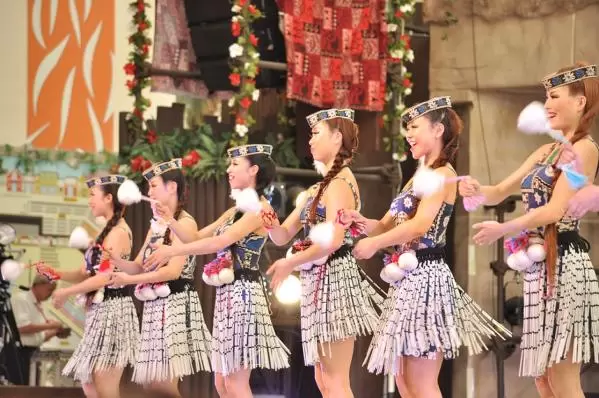
Spa Resort Hawaiians
Spa Resort Hawaiians is one of Japan's premier hot spring leisure facilities, located in Iwaki City, Fukushima Prefecture. Utilizing the abundant hot spring water fr...
Aqua Marine Fukushima
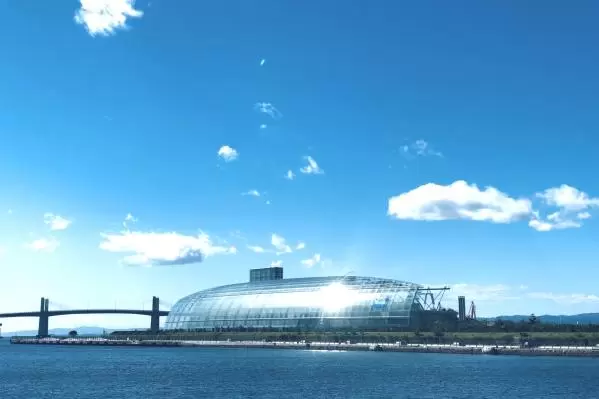
Aqua Marine Fukushima is an aquarium themed around the "confluence of currents," where the cold and warm ocean currents meet. Inside the facility, you can experience...
Aizu Sazaedo
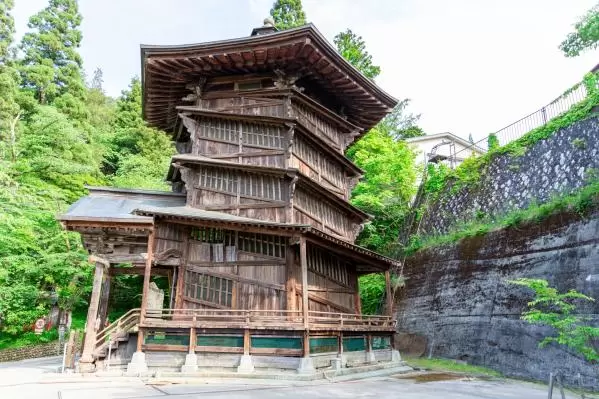
The Aizu Sazae-do is a three-story wooden hexagonal structure built in 1796 on Mount Iimori in Aizuwakamatsu City, Fukushima Prefecture. Its official name is "Entsu ...
Iizaka Onsen
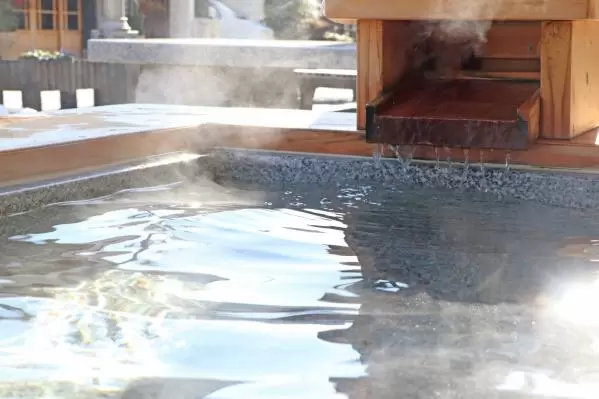
Iizaka Onsen, a representative hot spring district of the Tohoku region, is a historic and beloved spa that has been visited by famous literary figures such as Matsu...
Aizu Samurai Residence
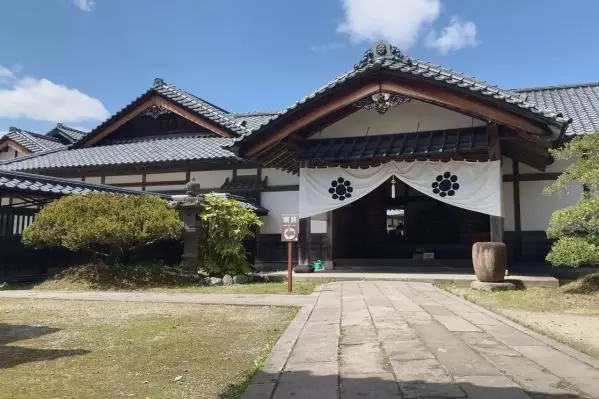
Aizu Bukeyashiki is a historical theme park centered around the residence of Aizu domain chief retainer, Saigo Yorimoto, which has been relocated and restored. Cover...
Abukuma Cave
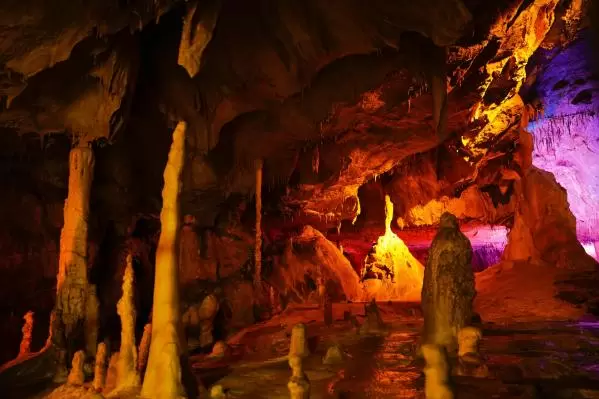
Abukuma Cave is a tourist destination that boasts the beauty of natural formations created over eons. The cave, spanning approximately 600 meters in length, is home ...
Goshikunuma
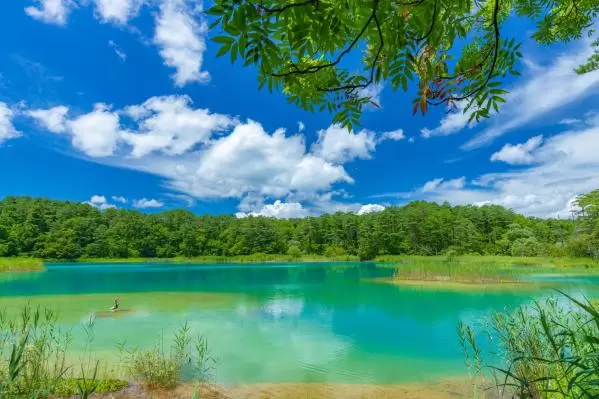
The Goshikinuma Pond Group in Urabandai, Fukushima Prefecture, is a mysterious cluster of lakes created by a landslide during the volcanic explosion of Mount Bandai ...
Hideyo Noguchi Memorial Museum
The Noguchi Hideyo Memorial Museum is a facility that introduces the life and achievements of the bacteriologist Hideyo Noguchi, known for his portrait on the 1,000 ...