Kaike Onsen
Kaike Onsen Movies


Basic Information
- Spot Name
- Kaike Onsen
- Location
- 〒683-0001 Kaike Onsen, Yonago City, Tottori Prefecture
- Access
- From Yonago Station on the JR San'in Main Line, take a Nihon Kotsu or Hinomaru Bus heading to Kaike Onsen for 19 minutes, and get off at the Kaike Tourist Center stop, which is just a short walk away.
- Parking
- Please use the nearby paid parking lots.
- Business Hours
- It varies by each spot.
- Contact Information
- Phone Number: 0859-34-2888
- Official Website
Map
Detailed Information
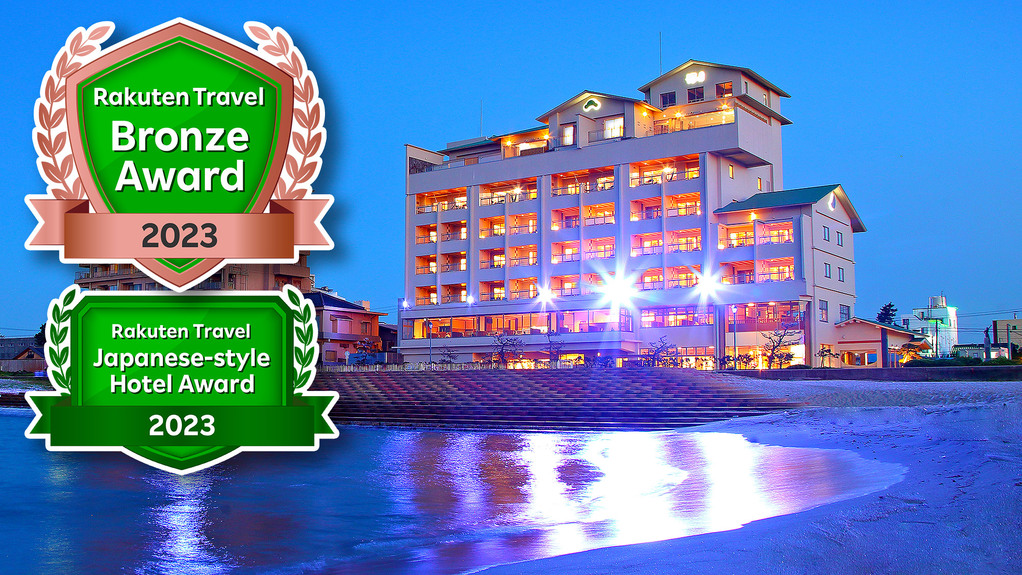
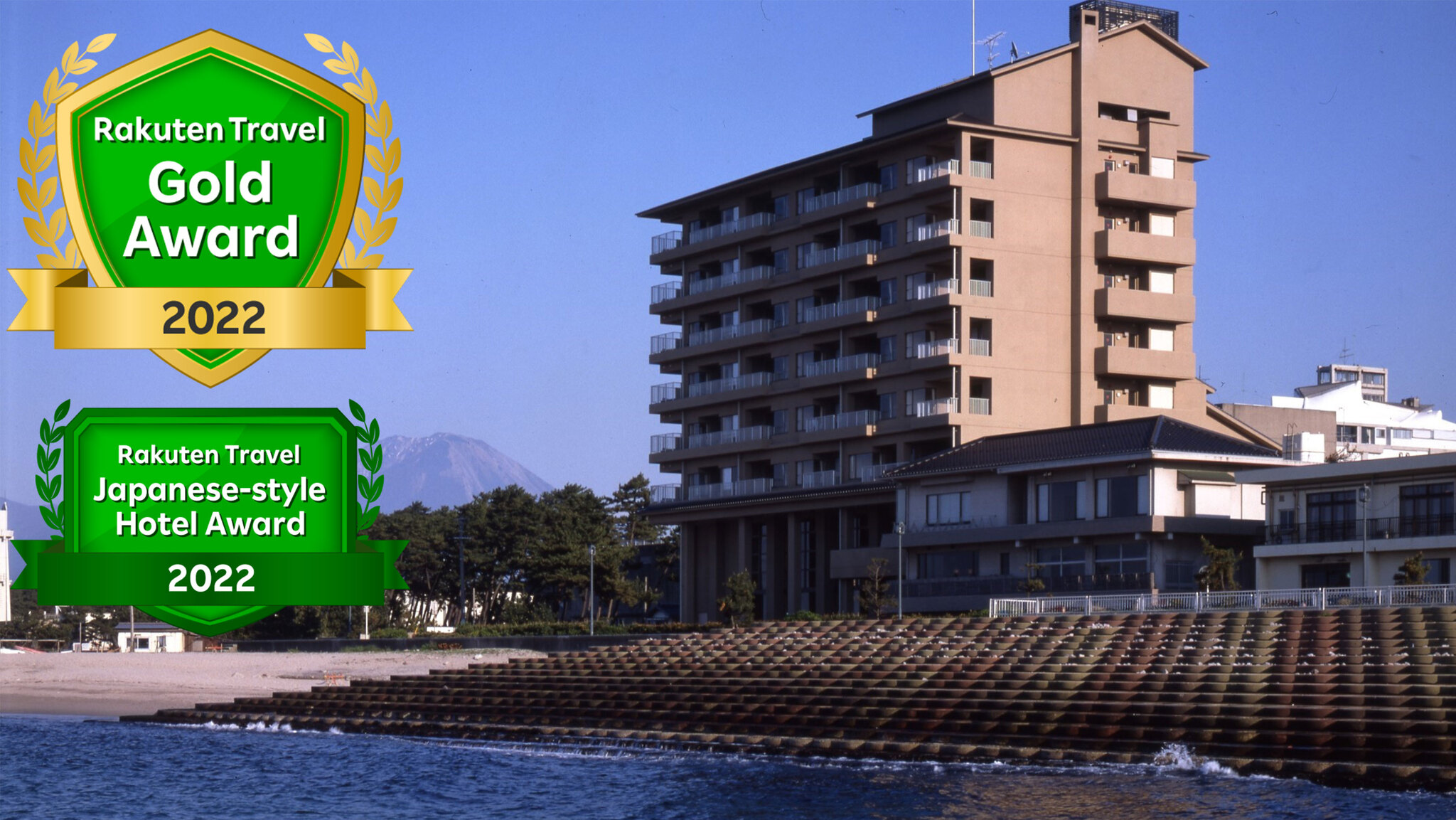
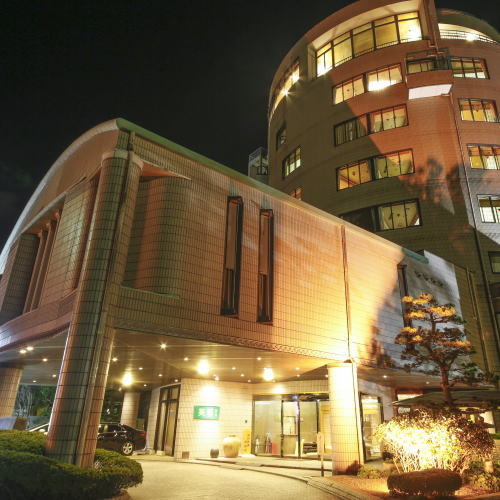
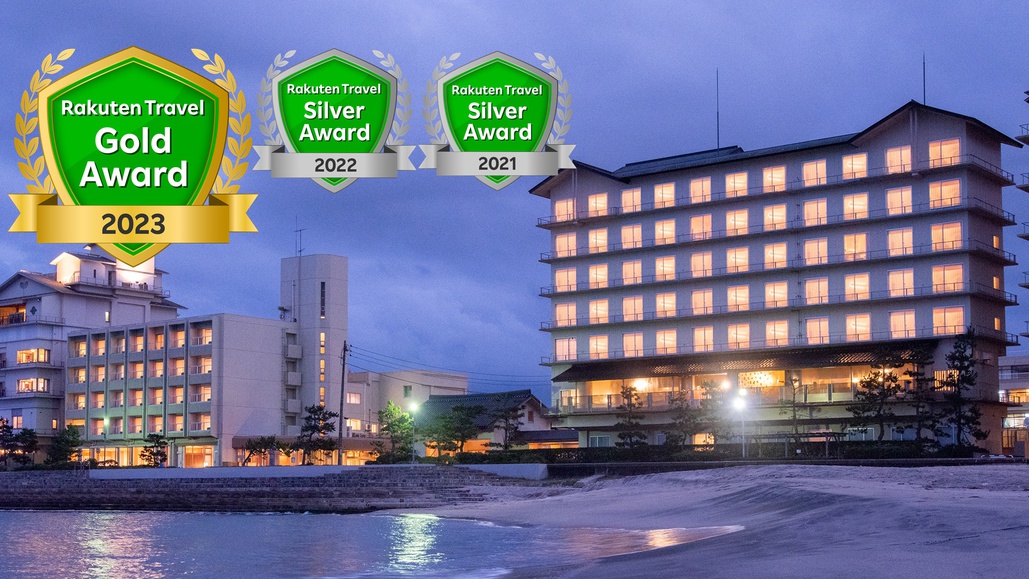
Kaike Onsen is a seaside hot spring resort facing the Sea of Japan and Miho Bay, north of Yonago City in Tottori Prefecture. Located at the base of the Yumigahama Peninsula, it is known as one of the San’in region’s leading hot spring destinations, offering scenic views of a beautiful coastline lined with white sand and green pines, as well as Mount Daisen, the highest peak in the Chugoku region.
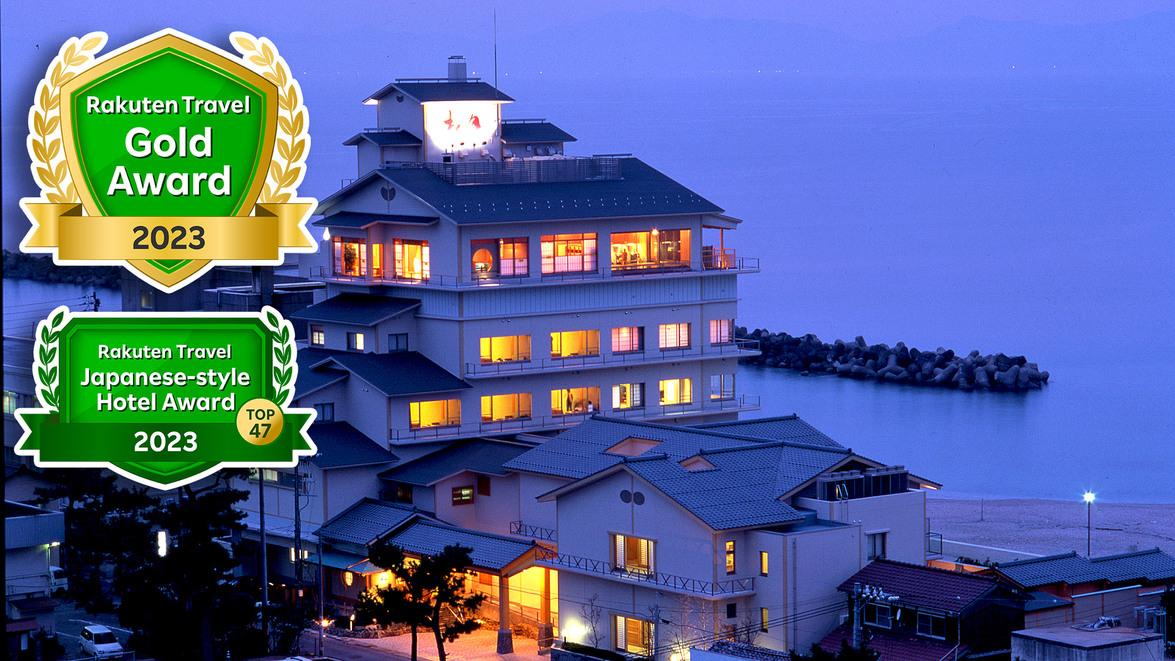
Many accommodations feature open-air baths overlooking the sea, allowing guests to enjoy the hot springs while feeling the sea breeze. Visitors can enjoy swimming in the sea in summer, as well as hot springs and seaside walks throughout the year. Kaike Onsen is also a popular base for sightseeing in the San’in region.
## History of Kaike Onsen
The name “Kaike” is said to have originated from a large pond called “Kaike” that existed in this area during the Tensho period (1573–1592). It is believed that the current written form, “皆生,” came into use in 1867.
Hot springs had been confirmed offshore during the Meiji period, but the discovery of hot water in the shallow waters near the coast in 1900 marked the beginning of Kaike’s development as a full-fledged hot spring resort. At the time, the Kaike coast was known as a rich fishing ground for sardines, horse mackerel, and other fish, and fishing flourished in the area. The discovery is said to have occurred when a local fisherman working along the shore happened to notice bubbles rising from the seabed.
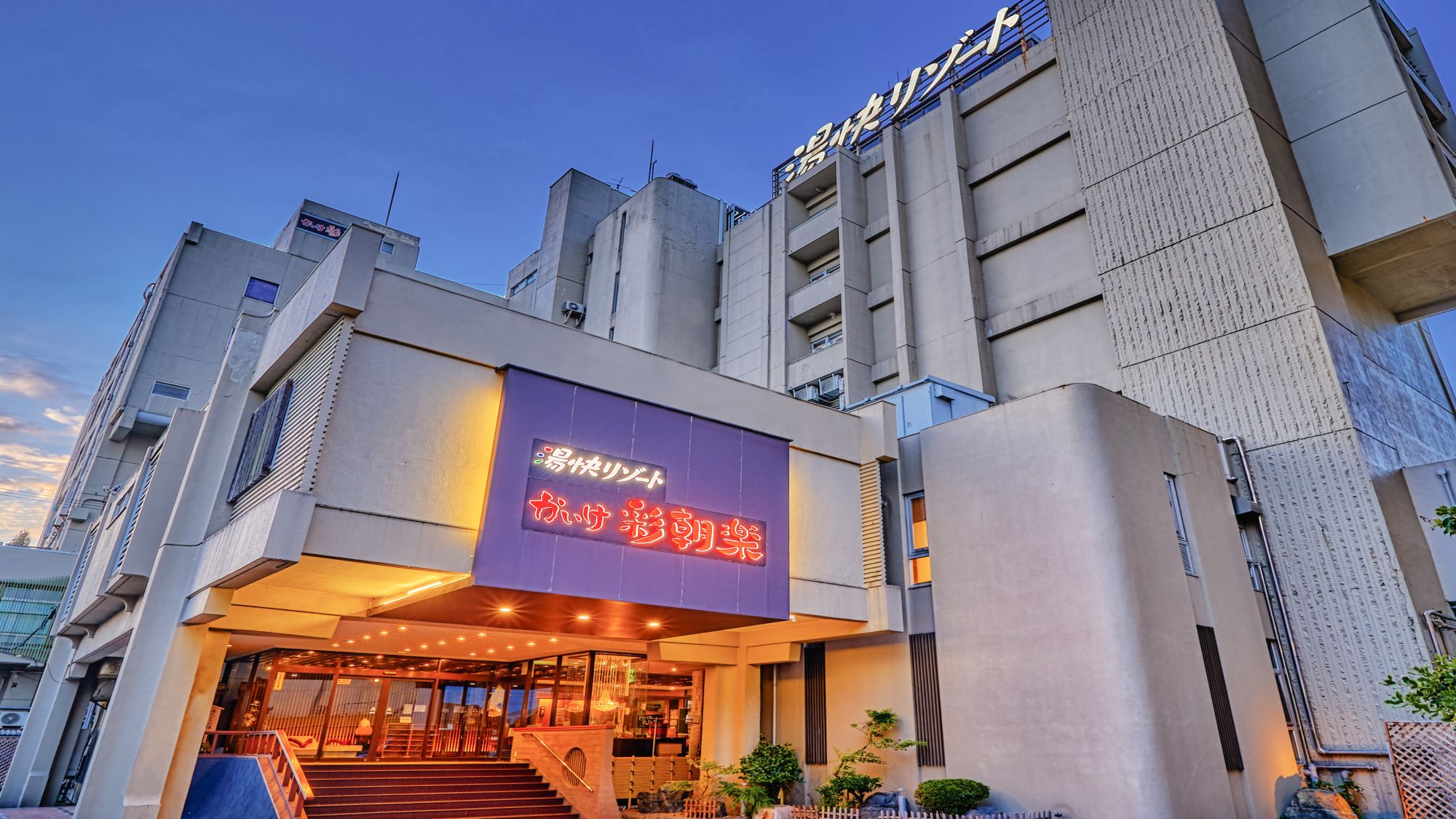
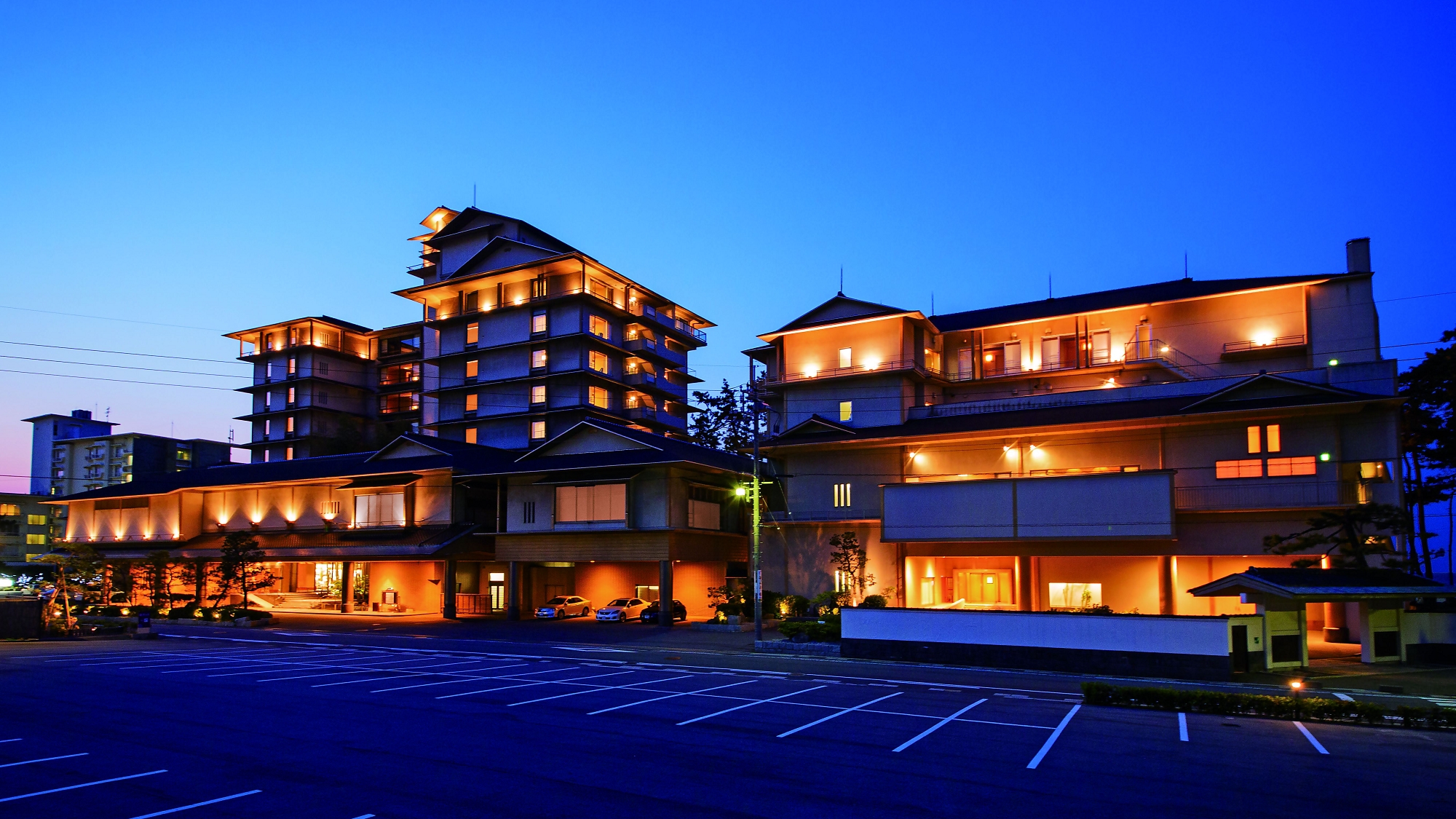
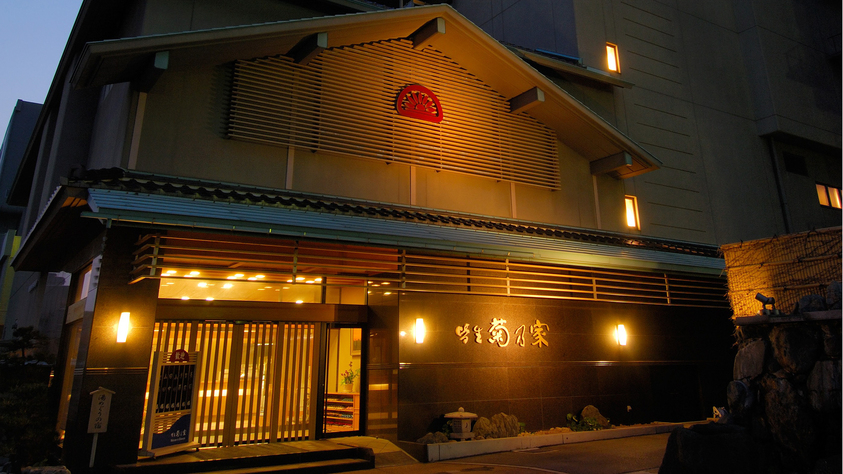
These unusual springs, which rise from beneath the sea, remain popular more than a century after their discovery as some of the finest hot springs in the San’in region. Today, Kaike has approximately 30 accommodations, including traditional inns, hotels, and public lodging facilities. It has developed into one of the largest hot spring resorts in the San’in region, with capacity for around 4,000 guests.
## Spring Quality and Benefits
The water at Kaike Onsen is a sodium-calcium chloride spring. Because it contains a high concentration of salt, it is also known as the “Salt Hot Spring.” There are 19 sources, with spring temperatures ranging from 63°C to 83°C, and the area is blessed with an abundant supply of hot water.
Chloride springs are believed to form a thin layer of salt on the surface of the skin after bathing, helping the body retain heat and preventing chills after leaving the bath. As a result, they are said to warm the body deeply and are especially popular with people who suffer from sensitivity to cold.
The spring’s traditional benefits include relief from neuralgia, rheumatism, chronic skin conditions, and chronic gynecological disorders. In recent years, its potential beautifying effects on the skin have also attracted attention, making it popular among women as a hot spring for “health and beautiful skin.”
Because Kaike is a seaside hot spring resort, it is sometimes described as a relaxing destination reminiscent of thalassotherapy, a natural therapy that uses seawater. The combination of the sea breeze, ocean views, and salt-rich waters creates a unique sense of relaxation that is one of Kaike Onsen’s greatest attractions.
## A Seaside Hot Spring Resort
One of Kaike Onsen’s greatest features is the opportunity to enjoy both hot springs and swimming in the sea. As soon as guests step outside their inn or hotel, the sea stretches out before them. In summer, Kaike Onsen Beach becomes lively with numerous swimmers.
Visitors can head to the sea in their swimsuits, enjoy a swim, and then warm themselves in the hot springs afterward—a uniquely enjoyable way to spend time at a seaside hot spring resort. Kaike Onsen Beach has also been selected as one of the “88 Best Bathing Beaches in Japan” and is known as a safe and comfortable place for swimming.
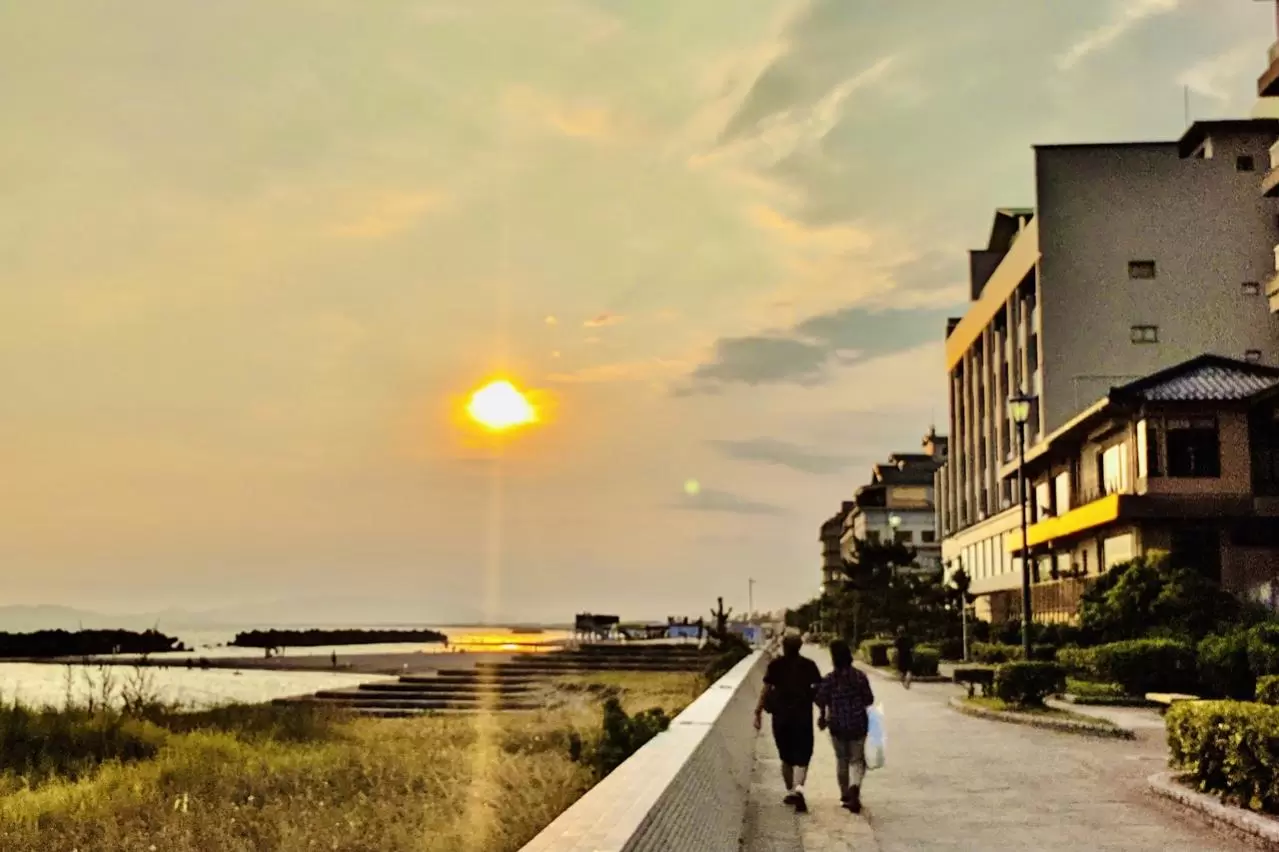
From the coast, visitors can enjoy views of the Sea of Japan, Mount Daisen, and the Shimane Peninsula. The beauty of the sunrise and evening views is another highlight.
## Scenic Views Selected for Numerous “Top 100” Lists
The area surrounding Kaike Onsen is highly regarded for the beauty of its natural scenery.
The townscape of Kaike Onsen was selected as one of the “100 Best Urban Landscapes” in recognition of the harmonious relationship between the Sea of Japan, Mount Daisen, and the resort town. The coastline of Yumigahama has also been selected for both the “100 Best Beaches in Japan” and the “100 Best White-Sand-and-Green-Pine Landscapes in Japan.”
In addition, the sunrise and evening views of Mount Daisen seen from the coast have been selected among the “100 Best Sunsets and Sunrises in Japan.” Kaike Onsen is therefore a place where visitors can enjoy not only hot springs but also spectacular scenery created by the sea, mountains, and sky.
## Shiokaze Foot Bath
At a corner of Kaike Seaside Park in the Kaike Onsen district is the Shiokaze Foot Bath. It was developed by Yonago City in August 2010 to commemorate the 110th anniversary of the opening of Kaike Onsen.
From the foot bath, visitors can look out over the sea and casually enjoy the atmosphere of a hot spring while feeling the sea breeze. The foot bath is L-shaped and can accommodate approximately 15 people at a time. Because the source water is extremely hot, its temperature is adjusted with water before use.
Benches featuring Yonago City’s mascot characters, the Yonegys, are also located nearby, making the foot bath a popular place to rest during a stroll. On clear days, visitors can relax while gazing out over the sea.
## Kaike Onsen Shrine
Kaike Onsen Shrine stands in a quiet corner of the Kaike Onsen district. Located partway along Nijo-dori and reached by entering a narrow lane, the shrine has a tranquil atmosphere and is sheltered by a grove of pine trees.
The shrine is beloved as the guardian shrine of Kaike Onsen. Because the place name “Kaike” can be interpreted as “everyone lives,” it is worshipped as a shrine associated with longevity. Its enshrined deity is Okuninushi-no-Mikoto, and some visitors come to pray for long life, family harmony, and marital bliss.
It is a hidden gem unique to Kaike Onsen that visitors can stop by while exploring the hot spring district.
## The Birthplace of Triathlon in Japan
Kaike Onsen is also known as the birthplace of triathlon in Japan. In 1981, the country’s first full-scale triathlon competition was held in Kaike Onsen.
The All-Japan Kaike Triathlon is still held every July, attracting many athletes from across Japan. For triathletes, Kaike Onsen is regarded almost as a sacred place.
The hot spring district features a road called Triathlon Street, as well as commemorative statues, making it a destination where visitors can experience not only the history of the hot springs but also the history of the sport.
## Seaside Walking and Jogging Course
Kaike Onsen has a seaside course where visitors can walk or jog. It is also known as a recommended route favored by the young proprietors and proprietresses of the local inns, and it is popular with tourists.
Heading toward the mouth of the Hino River, visitors can enjoy magnificent views of Mount Daisen. On clear days, it may even be possible to see as far as the tip of the Shimane Peninsula. The course offers opportunities for walking and running while taking in views of both the sea and mountains.
It is ideal for a morning walk or an evening stroll along the shore.
## Kaike Beach and the Tombolo Phenomenon
The coast of Kaike Onsen features a distinctive landscape of several bowl-shaped sandy beaches arranged in a row. This scenery is created by the tombolo phenomenon, in which offshore breakwaters alter the movement of waves and currents, causing sandbars to form between the breakwaters and the land.
This unique shape gives the Kaike coast its distinctive appearance. Walking along the shore, visitors can see a one-of-a-kind landscape created through a combination of natural forces and human efforts to preserve the coastline.
## Monument Honoring Shungetsu Ikuta
Kaike Seaside Park is home to a monument honoring Shungetsu Ikuta, a poet, translator, novelist, and literary critic.
Active from the late Meiji period through the early Showa period, Shungetsu Ikuta was known for poetry collections such as *The Autumn of Souls* and *The Spring of Sentiment*. He also made significant contributions to introducing and researching the works of the German poet Heinrich Heine.
He was praised by Sakutaro Hagiwara as “the lighthouse of Japanese poetry” and is remembered as one of the cultural highlights of the area around Kaike Onsen.
## Convenient Location for Exploring the Surrounding Area
Kaike Onsen is conveniently located as a base for sightseeing in the San’in region, including western Tottori Prefecture and eastern Shimane Prefecture.
It is close to central Yonago and offers easy access to destinations such as Sakaiminato and Mount Daisen. Sakaiminato is approximately 30 minutes away by car, making it possible to combine a visit to Kaike Onsen with attractions such as Mizuki Shigeru Road and the Mizuki Shigeru Memorial Museum.
The resort is also easy to include in trips to Mount Daisen, Matsue, and Izumo. Taking advantage of its location—sometimes described as being “in the very heart of the San’in region”—many travelers use Kaike Onsen as a convenient sightseeing base.
## Summary
Kaike Onsen is one of the San’in region’s leading seaside hot spring resorts, stretching along the Sea of Japan in Yonago City, Tottori Prefecture. Hot springs were discovered in the shallow coastal waters in 1900, and today the area is one of the largest hot spring resorts in the San’in region, with numerous traditional inns and hotels.
The sodium-calcium chloride spring, known as the “Salt Hot Spring,” is believed to have excellent heat-retention properties and to provide benefits for neuralgia, chronic skin conditions, chronic gynecological disorders, and skin beautification. Visitors can enjoy a wide variety of experiences, including open-air baths overlooking the sea, summer swimming, foot baths, walks through the hot spring district, the history of triathlon, and Kaike Onsen Shrine.
Surrounded by beautiful views of the Sea of Japan and Mount Daisen, Kaike Onsen allows visitors to enjoy both relaxing hot springs and the atmosphere of a seaside resort. It is a popular destination that should not be missed on a trip through the San’in region.
Tottori Tourist Attractions
View List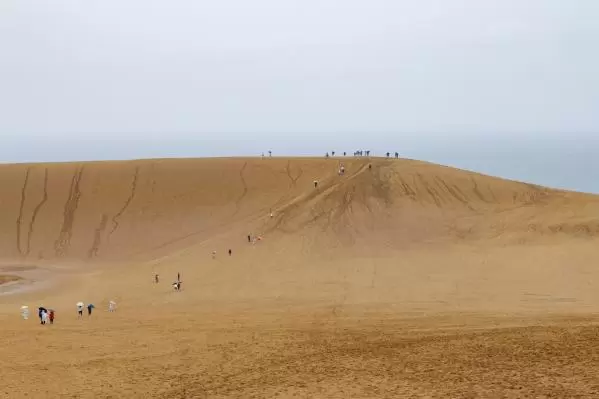
Tottori Sand Dunes
The Tottori Sand Dunes boast an astonishing landscape shaped by the beauty of wind and nature. The dunes, which constantly change shape due to the wind, create natur...
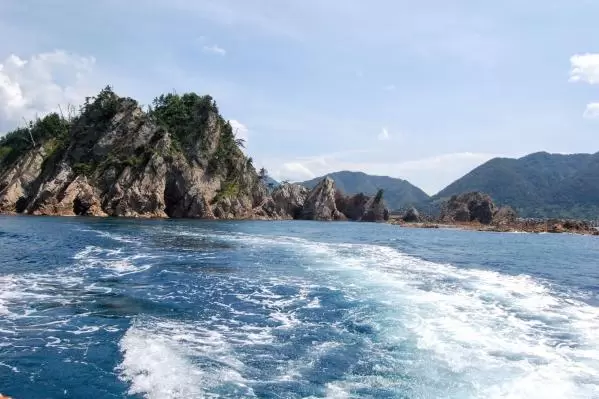
Uradome Coast Island Cruise
The Uradome Coast Island Cruising Tour is a scenic cruise that explores the popular tourist attraction, Uradome Coast, in Iwami Town. Uradome Coast is known for its ...
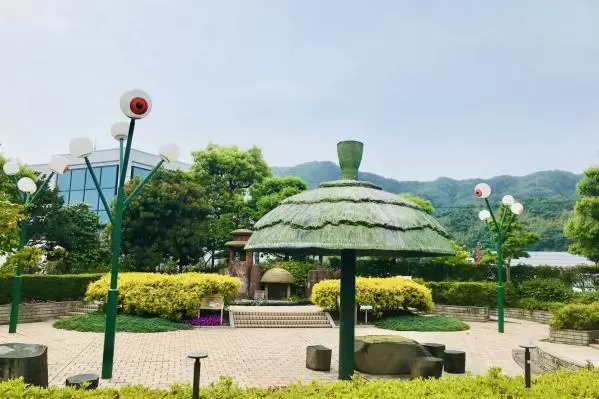
Mizuki Shigeru Road
Mizuki Shigeru Road is a street that stretches approximately 800 meters from Sakai Minato Station to the Mizuki Shigeru Memorial Museum, established in 1993. In 2018...
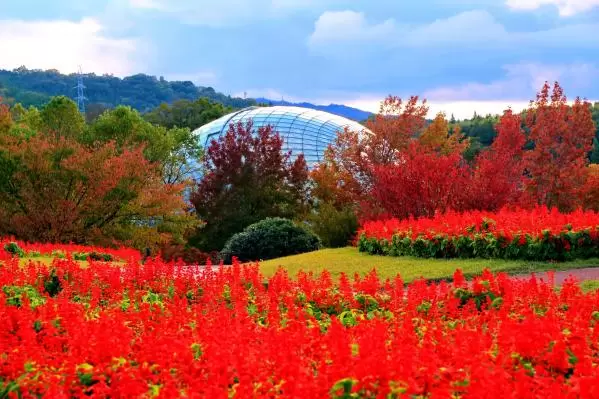
Tottori Hanakairo Flower Park
The "Tottori Hanakairo," one of the largest flower parks in Japan, is a floral paradise worth visiting throughout the four seasons. Nestled in beautiful landscapes, ...
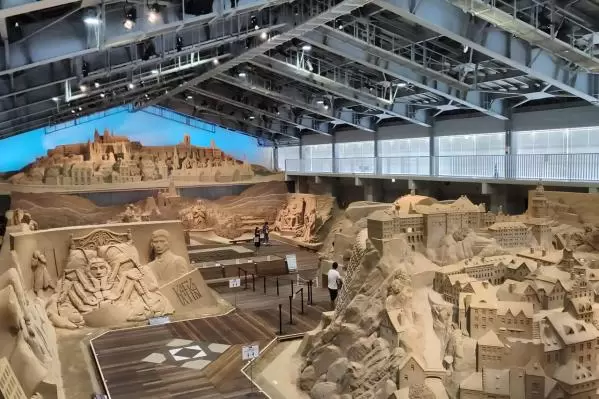
Tottori Sand Dunes Conan
The "Sand Museum" at Tottori Sand Dunes is the world's first museum dedicated to sand sculptures. With the concept of "World Travel Through Sand," sand sculptures ar...

Tottori Nijisseiki Kenkankan (Nashikko-kan)
The Tottori 20th Century Pear Memorial Hall, known as "Nashikko-kan," is Japan's only museum dedicated to pears, located within the Kurayoshi Park Square in Kurayosh...
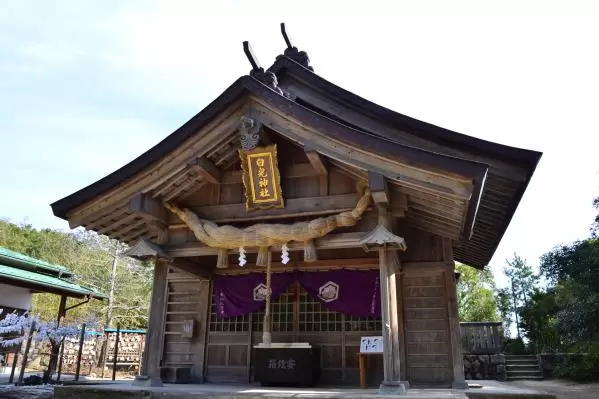
Hakuto Shrine
Shirataki Shrine is dedicated to the "White Rabbit of Inaba," which connects the great deity Okuninushi no Mikoto of Izumo and the princess Yagami of Inaba. It is kn...
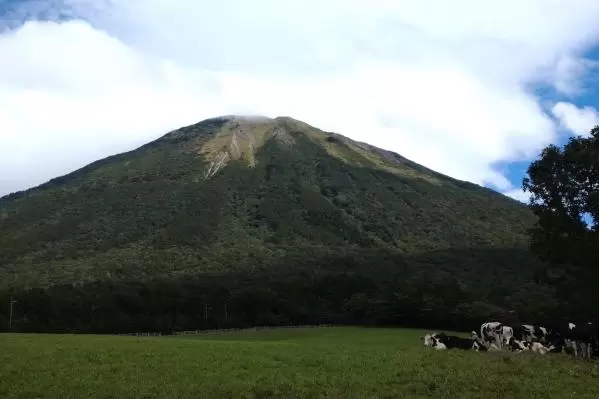
Daisen Makiba Milk no Sato
Daisen Makiba Milk no Sato is a popular spot located within Daisen Ranch, offering breathtaking views of the majestic Daisen Mountain and the Sea of Japan. Visitors ...