Sand patterns shaped by the wind
The dunes’ appearance changes with the wind, giving the landscape a different feel as you walk.

AI Summary
This is an AI-generated summary. Please check the official information for opening hours, fees, and closed days.
Discover sweeping dunes shaped by the wind, with scenic walks, sunsets, and starry skies—just be prepared for sand and wind.
One of Japan’s best-known scenic spots, Tottori Sand Dunes lets you experience wind-sculpted patterns and rolling terrain up close. Even a short walk feels like a change of scene, and the open landscape is especially appealing at sunset or after dark. Weather and the seasons can greatly change the experience.
The dunes’ appearance changes with the wind, giving the landscape a different feel as you walk.
The open views make this a rewarding place to visit from late afternoon into the evening.
It’s a scenic destination where you can also learn about the area’s natural formation and conservation.
Take a bus from Tottori Station to the dunes, explore on foot, then relax and enjoy the evening scenery.
▶ The Difference Between Sand Dunes and Deserts
A sand dune is a mound formed by sand carried by the wind. A desert is an area with annual rainfall of 250 mm or less, or where evaporation exceeds precipitation, and it refers to land with much sand, gravel, or rock.
Therefore, even if the surface of a sand dune feels dry, moist sand appears as soon as you dig into it. In a desert, because more water evaporates than falls as rain, only dry sand comes up even when you dig.
▶ How the Tottori Sand Dunes Were Formed
1. Granite and other rocks in the Chugoku Mountains weathered into sand.
2. Rain fell, turning the sand into sediment that flowed into the Chiyo River.
3. Carried by the river, it reached the Sea of Japan and was pushed back to the coast by waves.
4. Strong winds from the Sea of Japan blew the sand inland.
This process repeated over a long period of time until the Tottori Sand Dunes were formed.
▶ The Living Things of the Tottori Sand Dunes
- On hot summer days, the sand temperature can exceed 50°C.
- Strong winds blow and sand is constantly carried through the air.
- The ground is dry because sand retains moisture poorly, and food (nutrients) is scarce.
- With no places to hide, animals face the risk of being preyed upon.
For these reasons, the sand dunes are a harsh environment for plants and animals to live in.
However, even in the Tottori Sand Dunes, which can be considered an extreme environment, many kinds of plants and animals make their home there.
▶ The Sand Dunes Protected by Local Residents
Today, the Tottori Sand Dunes are beloved as one of Tottori Prefecture’s premier tourist destinations, attracting more than one million visitors a year. Many local residents also carry out conservation activities in the dunes in order to protect this local treasure.
Beach cleanups at the Tottori Sand Dunes, as well as weeding conducted in the early morning or evening during summer, are volunteer activities in which the participants are mostly local residents.
This is another major feature of the Tottori Sand Dunes.
#Superb view/Scenic spot #Townscape/Bikan Historical Quarter
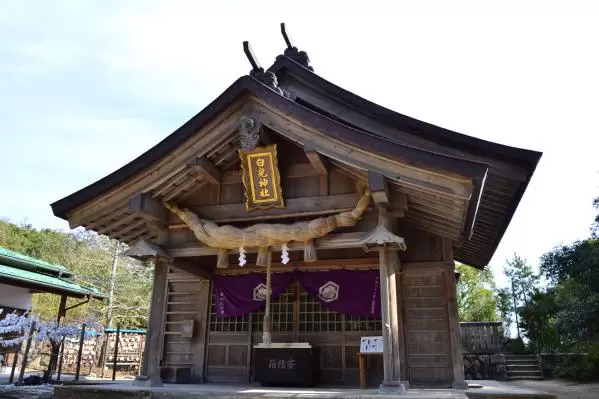
Shirataki Shrine is dedicated to the "White Rabbit of Inaba," which connects the great deity Okuninushi no Mikoto of Izumo and the princess Yagami of Inaba. It is kn...
Kaike Onsen is a beautiful seaside hot spring area located on the northern side of Yonago City in Tottori Prefecture, facing the Japan Sea. Known as "Shio no Yu" or ...
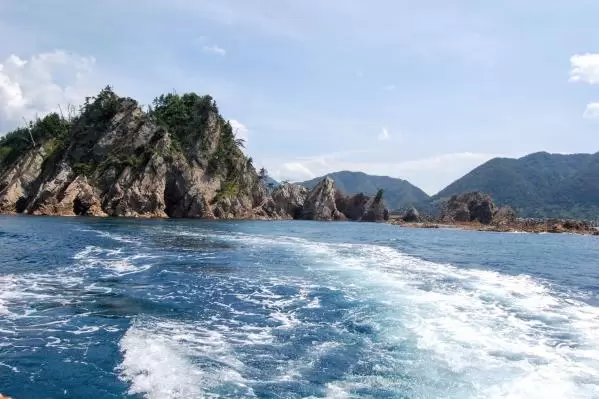
The Uradome Coast Island Cruising Tour is a scenic cruise that explores the popular tourist attraction, Uradome Coast, in Iwami Town. Uradome Coast is known for its ...
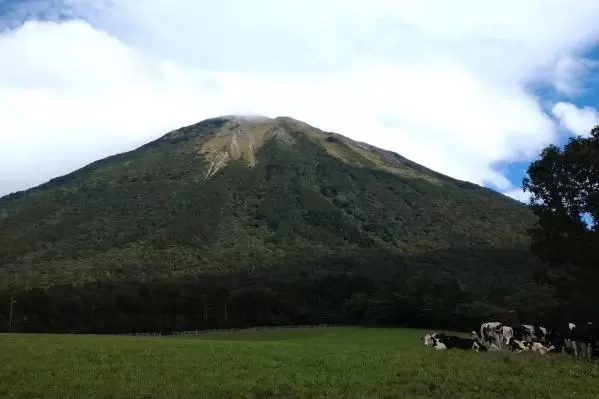
Daisen Makiba Milk no Sato is a popular spot located within Daisen Ranch, offering breathtaking views of the majestic Daisen Mountain and the Sea of Japan. Visitors ...
The Tottori 20th Century Pear Memorial Hall, known as "Nashikko-kan," is Japan's only museum dedicated to pears, located within the Kurayoshi Park Square in Kurayosh...
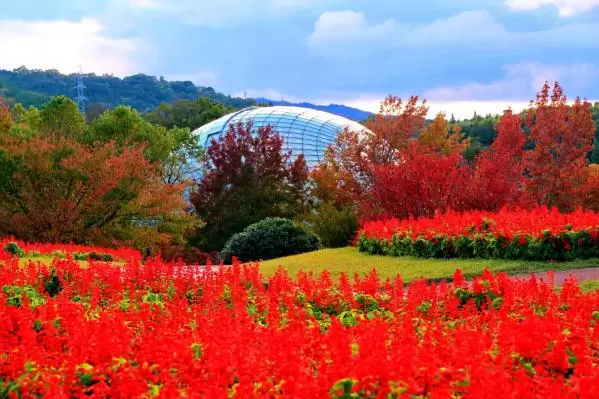
The "Tottori Hanakairo," one of the largest flower parks in Japan, is a floral paradise worth visiting throughout the four seasons. Nestled in beautiful landscapes, ...
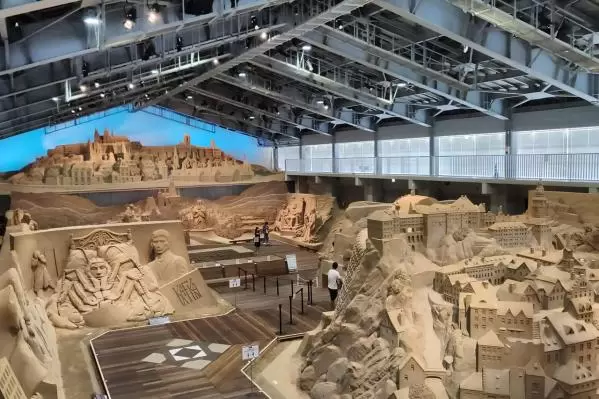
The "Sand Museum" at Tottori Sand Dunes is the world's first museum dedicated to sand sculptures. With the concept of "World Travel Through Sand," sand sculptures ar...
Mizuki Shigeru Road is a street that stretches approximately 800 meters from Sakai Minato Station to the Mizuki Shigeru Memorial Museum, established in 1993. In 2018...