Tottori Sand Dunes Conan
Tottori Sand Dunes Conan Movies


Basic Information
- Spot Name
- Tottori Sand Dunes Conan
- Location
- 〒689-0105 2083-17 Yuyama, Fukube-cho, Tottori City, Tottori Prefecture, Japan
- Access
- From JR Tottori Station, take the NIKKO/Dainihon Bus to Tottori Sand Dunes and get off at the "Suna no Bijutsukan-mae" stop, which is right in front.
From JR Tottori Station, take the Loop Kirin Bus and get off at the "Suna no Bijutsukan" stop, which is right in front. (Available only on Saturdays, Sundays, and holidays.)
From the Chugoku Expressway "Sayō JCT," take the Tottori Expressway "Tottori IC," which takes about 20 minutes by car. It takes about 1 hour and 20 minutes by car from Sayō JCT. - Parking
- Main gate side: 30 vehicles, Sub gate side: 180 vehicles.
- Business Hours
- 9:00 AM to 6:00 PM (Last admission at 5:30 PM)
- Fees
- Adults: 800 yen
Children (Elementary, Middle, and High School): 400 yen
Children under elementary school age: Free - Contact Information
- Phone Number: 0857-20-2231
- Official Website
Map
Detailed Information
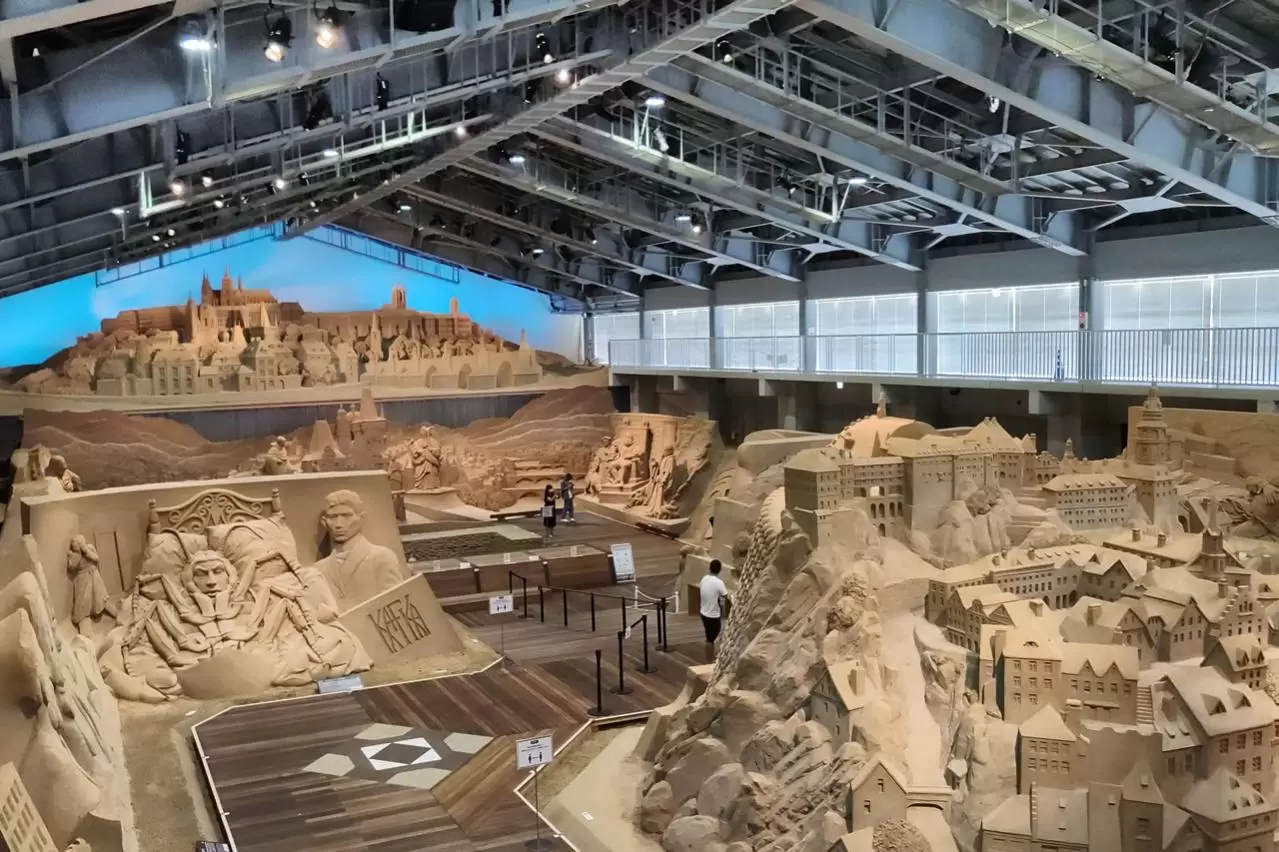
The Sand Museum at the Tottori Sand Dunes, adjacent to the Tottori Sand Dunes in Tottori City, Tottori Prefecture, is the world’s first museum dedicated exclusively to sand sculptures. It exhibits massive sand sculptures created using only sand and water. Based on the concept of “Traveling the World in Sand,” the museum hosts exhibitions each year featuring a different country or region. As one of the world’s few museums specializing in the art of sand, it is one of Tottori Prefecture’s most popular tourist attractions, drawing visitors from both Japan and abroad.
The greatest appeal of the Sand Museum lies in its breathtakingly large and intricately detailed sand sculptures, created by some of the world’s leading sand sculptors. The exhibits are made using only sand and water, without any hardening agents or adhesives. As a result, the sculptures are extremely delicate and remain at risk of collapsing even after completion. Yet this fragility is precisely what makes sand sculpture so fascinating, and the art form is sometimes described as “once-in-a-lifetime art.” After each exhibition ends, all the sculptures are returned to sand, meaning that the same works can never be seen again.
The museum also displays enormous sand sculptures measuring more than 20 meters in width, whose scale is truly overwhelming. The expressions on the figures’ faces, the wrinkles in their clothing, and even the intricate details of architectural decorations are reproduced with remarkable precision, achieving such a high level of perfection that visitors may wonder, “Are these really made of sand?” Viewed up close, the sculptures reveal the skill and artistry of their fine details, while from a distance, they have the imposing presence of gigantic buildings.
The museum’s overall production is overseen by Katsuhiko Chaen, an internationally renowned sand sculptor. Born in Minamisatsuma City, Kagoshima Prefecture, Mr. Chaen is highly regarded both in Japan and overseas and is recognized as a pioneer who helped bring Japanese sand sculpture to the world’s attention. Each year, leading sand sculptors from abroad are also invited to create works of the highest international standard.
The Sand Museum began in 2006. Its first exhibition, “The Italian Renaissance,” was held outdoors, while the second through fourth exhibitions were presented inside temporary tents. In 2012, the current permanent exhibition facility, the Sand Museum, was completed and opened as the world’s first museum dedicated exclusively to sand sculptures.
The exhibition theme changes every year. Past themes have included Scandinavia, South Asia, Egypt, Russia, and the Czech Republic and Slovakia, with the history, culture, architecture, and tourist destinations of countries around the world represented in sand. Previous exhibits have also featured works inspired by the Taj Mahal, the Blue Mosque, Mahatma Gandhi, and Mother Teresa, attracting considerable attention for their remarkably realistic expressions.
On the third floor, the museum has a glass-enclosed observation area offering panoramic views of the Tottori Sand Dunes. The Sea of Japan stretches beyond the dunes, and at certain times of day, visitors can enjoy beautiful sunsets. The view from the outdoor plaza is also popular, making the museum an especially appealing destination to combine with a visit to the Tottori Sand Dunes.
After sunset, the sand sculptures are illuminated as well. Bathed in fantastical lights, the sculptures take on an atmosphere entirely different from that of the daytime, with their three-dimensionality and imposing presence becoming even more pronounced. The magical nighttime setting is particularly popular with couples and families.
Visitors are allowed to take photographs of the exhibits inside the museum, and many capture the impressive sand sculptures on camera. Information about past exhibition themes and works is also available on the official website, allowing visitors to look back on their “journey around the world in sand” along with explanations of previous exhibits.
The facility also includes a gift shop selling original Sand Museum merchandise, as well as local specialties and souvenirs from Tottori Prefecture. Strollers are available to borrow free of charge, making it easy for visitors with young children to enjoy the museum.
The Sand Museum at the Tottori Sand Dunes is known as Japan’s only museum dedicated exclusively to sand sculptures, transforming the natural gift of sand from the Tottori Sand Dunes into art. The combination of immense scale, delicate craftsmanship, and the fleeting nature of works that can be viewed only for a limited time has moved countless visitors. When visiting the Tottori Sand Dunes, be sure to stop by this iconic Tottori attraction.
Tottori Tourist Attractions
View List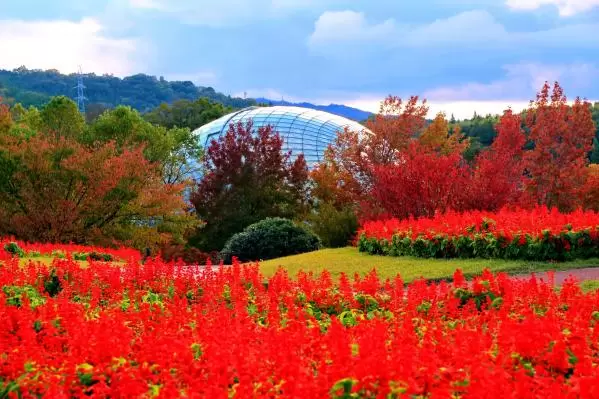
Tottori Hanakairo Flower Park
The "Tottori Hanakairo," one of the largest flower parks in Japan, is a floral paradise worth visiting throughout the four seasons. Nestled in beautiful landscapes, ...
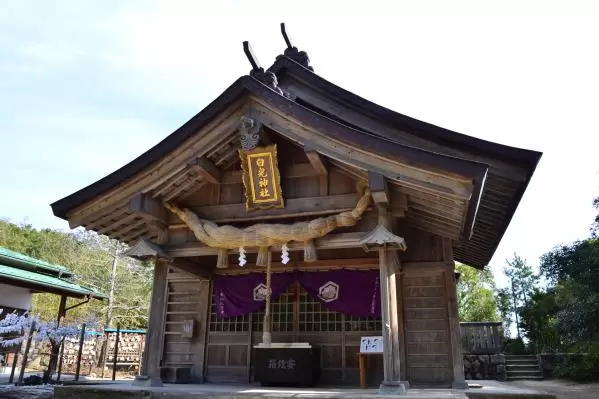
Hakuto Shrine
Shirataki Shrine is dedicated to the "White Rabbit of Inaba," which connects the great deity Okuninushi no Mikoto of Izumo and the princess Yagami of Inaba. It is kn...
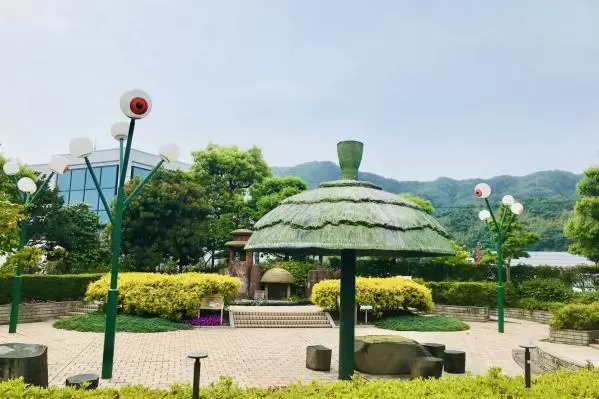
Mizuki Shigeru Road
Mizuki Shigeru Road is a street that stretches approximately 800 meters from Sakai Minato Station to the Mizuki Shigeru Memorial Museum, established in 1993. In 2018...
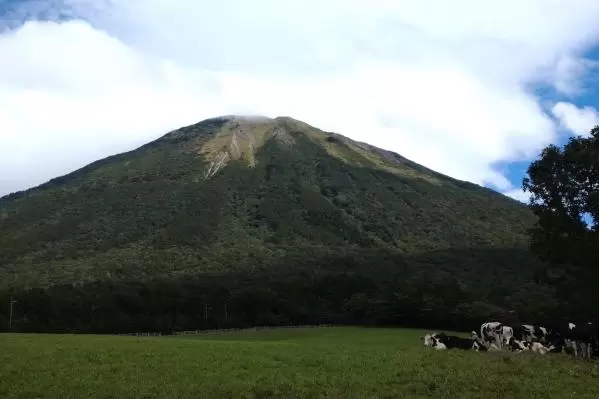
Daisen Makiba Milk no Sato
Daisen Makiba Milk no Sato is a popular spot located within Daisen Ranch, offering breathtaking views of the majestic Daisen Mountain and the Sea of Japan. Visitors ...
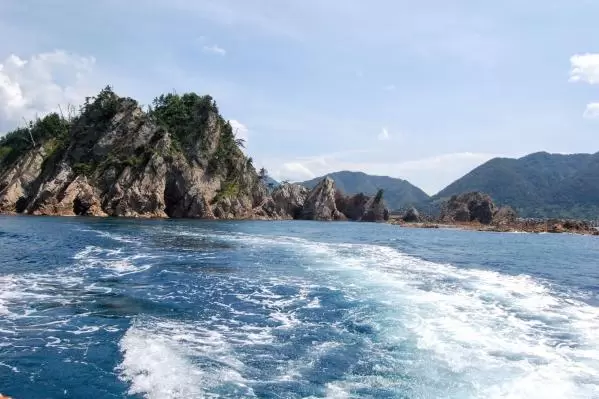
Uradome Coast Island Cruise
The Uradome Coast Island Cruising Tour is a scenic cruise that explores the popular tourist attraction, Uradome Coast, in Iwami Town. Uradome Coast is known for its ...
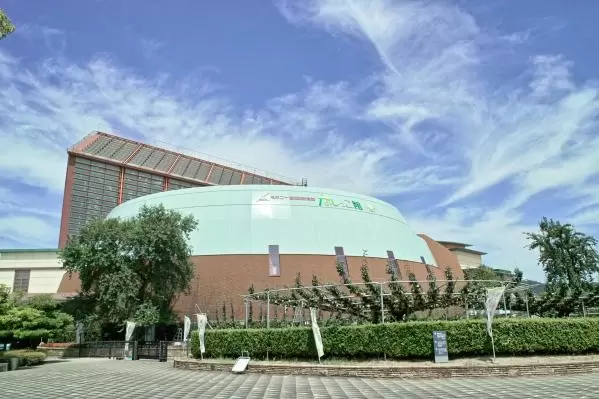
Tottori Nijisseiki Kenkankan (Nashikko-kan)
The Tottori 20th Century Pear Memorial Hall, known as "Nashikko-kan," is Japan's only museum dedicated to pears, located within the Kurayoshi Park Square in Kurayosh...
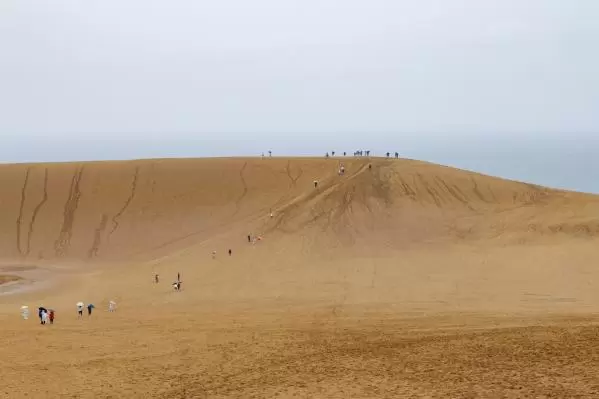
Tottori Sand Dunes
The Tottori Sand Dunes boast an astonishing landscape shaped by the beauty of wind and nature. The dunes, which constantly change shape due to the wind, create natur...
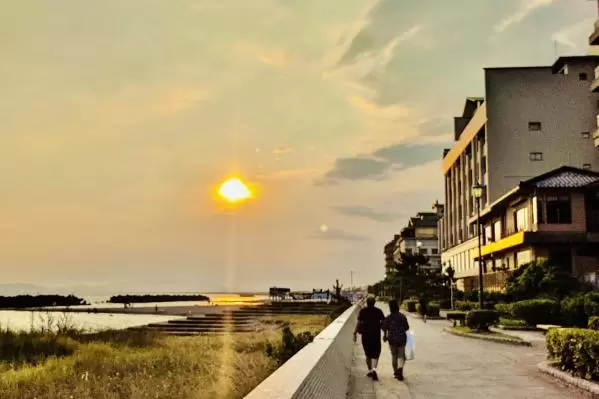
Kaike Onsen
Kaike Onsen is a beautiful seaside hot spring area located on the northern side of Yonago City in Tottori Prefecture, facing the Japan Sea. Known as "Shio no Yu" or ...