Ohara Museum of Art
Ohara Museum of Art Movies


![[trip vlog] 岡山ひとり旅|倉敷美観地区 / 大原美術館 / アフタヌーンティー / 後楽園](https://i.ytimg.com/vi/jQ_BjTV_Rv0/mqdefault.jpg)


Basic Information
- Spot Name
- Ohara Museum of Art
- Location
- 〒710-0046 1-1-15 Chuo, Kurashiki City, Okayama Prefecture, Japan
- Access
- 15 minutes on foot from JR Sanyo Main Line Kurashiki Station.
About 20 minutes from Kurashiki IC on the Sanyo Expressway or Hayashima IC on the Seto Chuo Expressway. - Parking
- Please use the paid parking facilities nearby.
- Business Hours
- 9:00 AM to 4:30 PM (last admission at 5:00 PM)
- Regular Holiday
- Closed on Mondays (open on holidays), at the end of the year, and from late July to August. Open all October. Only the main building is open on New Year's Day.
- Fees
- Adults: 2,000 yen, Junior high and high school students: 500 yen, Children under elementary school age: free.
- Contact Information
- Phone Number: 086-422-0005
- Official Website
Map
Detailed Information
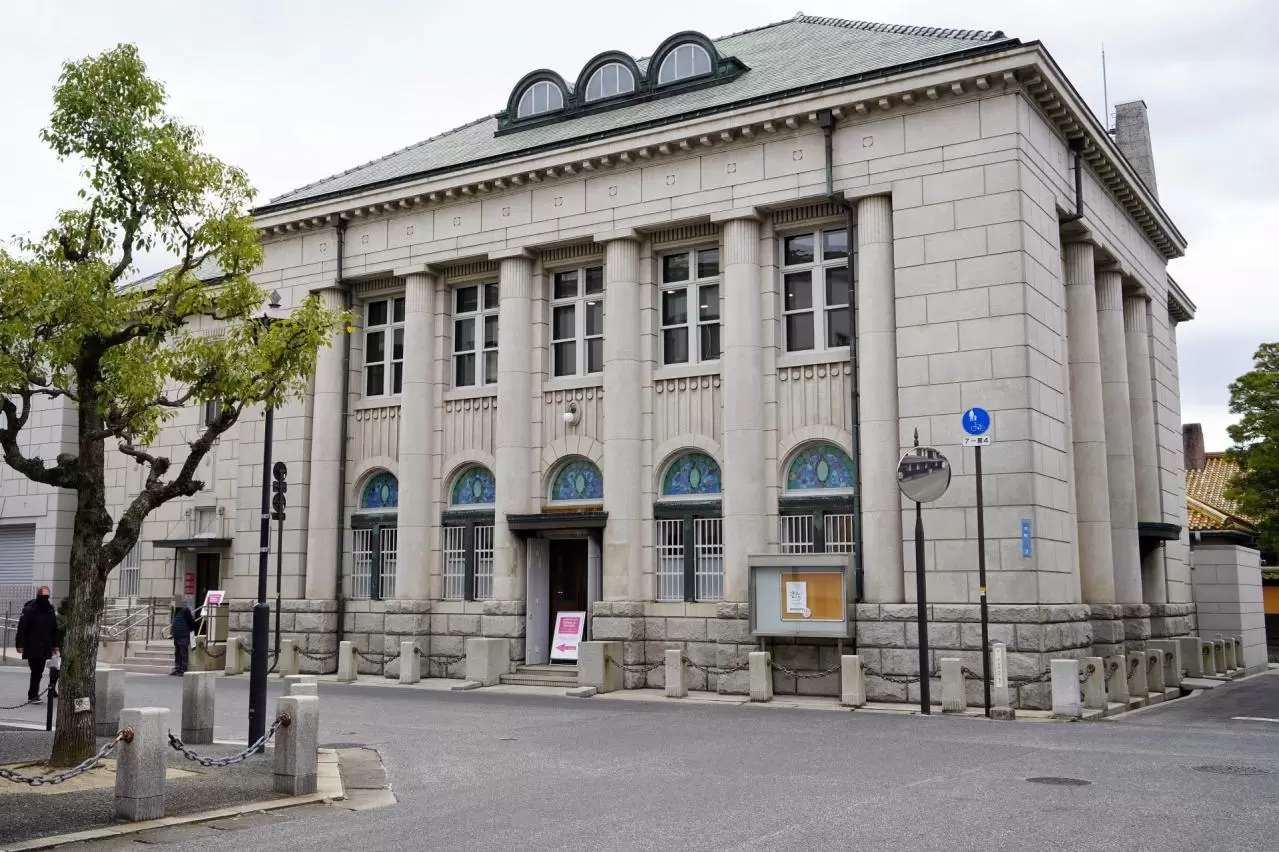
The Ohara Museum of Art, which opened in 1930 in Kurashiki, Okayama Prefecture, was Japan’s first private museum centered on Western art. It was founded by Magosaburo Ohara, a businessman from Kurashiki who devoted himself to the development of Kurabo, or Kurashiki Spinning Co., Ltd. Located along the Kurashiki River in the heart of the Kurashiki Bikan Historical Quarter, the museum is widely known for its white, Greek temple-style exterior, one of the area’s most iconic sights.
The museum was also established as a memorial to the Western-style painter Torajiro Kojima. Supported by Magosaburo Ohara, Kojima studied in Europe on three occasions, where he learned about Western painting and collected numerous works of art. Ohara held Kojima’s artistic talent and character in high regard and fully supported his proposals to purchase Western artworks. As a result, world-famous masterpieces by artists including El Greco and Monet were brought to Japan, eventually leading to the establishment of the Ohara Museum of Art.
Today, the Ohara Museum of Art houses approximately 3,000 works. Its extensive collection spans Western modern art, modern Japanese art, contemporary art, crafts, East Asian antiquities, and ancient Egyptian art, encompassing a wide range of periods and regions. In addition to the Main Gallery, visitors can explore the Crafts and East Asian Gallery and the Torajiro Kojima Memorial Museum, offering opportunities to experience a diverse range of artistic cultures. The Annex is currently closed for an extended period.
## Architectural Features
The Main Gallery of the Ohara Museum of Art is characterized by its dignified and elegant architecture, reminiscent of an ancient Greek or Roman temple. The building was designed by the architect Kazue Yakushiji, who was known for designing many buildings associated with the Ohara family and Kurashiki Silk Weaving Co., Ltd.
The large columns at the front of the Main Gallery appear at first glance to be made of marble, but they are actually constructed of steel-reinforced concrete. Stone powder was mixed into the mortar, and plastering techniques were used to recreate the beautiful texture of stone. They are an excellent example of the advanced architectural technology and craftsmanship of the early Showa period.
Near the entrance to the Main Gallery, visitors are welcomed by *John the Baptist* and *The Burghers of Calais* by the French sculptor Auguste Rodin. The sculptures are also popular spots for commemorative photographs.
## Major Works and Highlights
### El Greco’s *Annunciation*
The most famous work in the Ohara Museum of Art’s collection is *Annunciation* by El Greco. Depicting the Annunciation, one of the most important subjects in Christian art, the painting is sometimes said to be a miracle simply because it is located in Japan.
A mysterious light shines through the deep darkness, while a dove representing the Holy Spirit descends from heaven. The Virgin Mary and the angel Gabriel are portrayed with a dramatic intensity and an air of fantasy. El Greco’s distinctive elongated figures and vivid colors are also among the painting’s greatest attractions.
### Monet’s *Water Lilies*
*Water Lilies* by Claude Monet, one of the leading painters of Impressionism, is another popular work at the Ohara Museum of Art. Among the many paintings in Monet’s *Water Lilies* series, this work is believed to have remained in the artist’s own possession for many years, giving it exceptional value.
The painting depicts the pond in the garden of Monet’s home in Giverny, France, and conveys a soft light and misty atmosphere. In addition, water lilies propagated from plants taken from the pond at Giverny were planted in the museum’s courtyard in 2000, allowing visitors to see water lilies connected to Monet himself.
### Giovanni Segantini’s *Midday in the Alps*
This work by the Italian painter Giovanni Segantini depicts the natural beauty of the Swiss Alps with delicate brushwork. By layering fine touches of paint, Segantini expresses light and atmosphere, while golden tones give the scene a sense of sacredness.
### Seiji Sekine’s *Sorrow of Faith*
This is one of the representative works of modern Japanese Western-style painting. Seiji Sekine, who studied painting on his own, had a deep interest in the Christian worldview. The work is said to depict a vision he experienced after suffering a nervous breakdown, although no definitive interpretation has been established even today.
Sekine received the Chogyu Prize for this painting in 1918, but died at a young age the following year after contracting the Spanish flu. His short life and the mysterious quality of the work continue to fascinate many people.
## The Crafts and East Asian Gallery
The Crafts and East Asian Gallery features ceramics, prints, dyed works, and Chinese antiquities. The building was originally a rice storehouse and was renovated based on designs by the textile artist Keisuke Serizawa.
Chestnut wood is used for the floor inside the gallery, producing a warm, gentle “clatter” as visitors walk across it. The floor has been carefully waxed over many years and shines beautifully, reflecting the museum’s meticulous maintenance.
The gallery also displays works by artists associated with the Mingei movement, including Shoji Hamada, Kanjiro Kawai, Kichinosuke Tōmimoto, Shiko Munakata, and Bernard Leach, offering visitors an opportunity to experience Japan’s rich craft culture.
## The Annex and Shinkei-en Garden
In 1961, the Annex opened, featuring contemporary artworks collected after World War II. During the postwar period, under the leadership of Magosaburo Ohara’s son, Soichiro Ohara, the collection was further expanded. Modern and contemporary Japanese art gradually became major components of the museum alongside Western art.
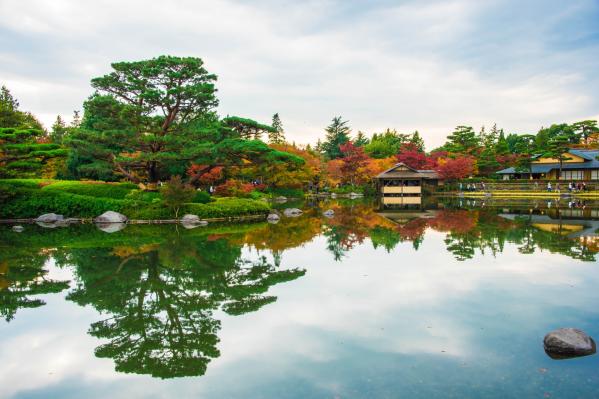
Between the Main Gallery and the Annex lies Shinkei-en Garden. The site was once the villa of Koshiro Ohara, the founder of Kurabo. In 1922, Magosaburo Ohara donated it to the city of Kurashiki, where it was opened to the public. Today, it is a relaxing place where visitors can enjoy the beautiful scenery of a traditional Japanese garden.
## Museum Shop
The Ohara Museum of Art also has a well-stocked museum shop. It offers a wide variety of souvenirs, including original goods and postcards featuring works in the collection, framed prints, stationery, sweets, and more.
The shop is popular with visitors who stop by after viewing the exhibitions to purchase goods inspired by their favorite works. It is also open to people who have not entered the museum.
## The Appeal of the Ohara Museum of Art
The greatest appeal of the Ohara Museum of Art is that visitors can view world-famous masterpieces up close while remaining in Japan. It is a rare museum where visitors can see works by many of the great masters of Western art history—including El Greco, Monet, Renoir, Gauguin, Picasso, and Matisse—in one place.
The museum is also distinguished by the breadth of its offerings, which extend beyond Western art to include modern Japanese art, crafts, and East Asian antiquities. Its historic architecture, beautiful gardens, and the atmosphere of the Kurashiki Bikan Historical Quarter combine to create a special place where visitors can experience art, history, and scenery all at once.
When visiting the Kurashiki Bikan Historical Quarter, be sure to include this leading cultural institution of Okayama Prefecture in your itinerary.
Okayama Tourist Attractions
View List
Toy Kingdom
"Toy Kingdom" is a toy and play-themed park located in Tamano City, Okayama Prefecture. It features 18 toy pavilions filled with children's dreams, including Tomica ...

Bitchū Matsuyama Castle
Bitchu Matsuyama Castle is the only surviving hilltop castle in Japan with an existing main keep, and it is one of the 12 castles from the Edo period that still stan...

Kurashiki Ivy Square
Kurashiki Ivy Square is a multi-use cultural facility located in the Kurashiki Bikan Historical Quarter. It has been renovated from the original headquarters of the ...

Kibitsu Shrine
Kibitsu Shrine is known for its legends surrounding Kibitsuhiko no Mikoto and the ogre Ura, which are considered to be the prototypes of the Momotaro legend and asso...

Washuzan Observation Deck
Washu Mountain Observatory is located near the summit of Washu Mountain within Setonaikai National Park and has been designated as a national scenic spot. There are ...

Korakuen Garden
Okayama Korakuen is one of Japan's most representative daimyo gardens from the Edo period, constructed by the Okayama domain lord Ikeda Tsunamasa. The construction b...

Okayama Castle
Okayama Castle, also known as "Ujo" (Crow Castle), was built in 1597 by Ukita Hideie, a vassal of Toyotomi Hideyoshi. It features a unique three-story, six-floor asy...

Kurashiki Bikan Historical Quarter
Kurashiki Bikan Historical Quarter features an enchanting townscape with white-walled storehouses, earthen walls, and beautiful rows of willows, creating a perfect h...