Oumi Shrine
Oumi Shrine Movies


![滋賀大好きな人たちの王道のんびり旅☁️ ちはやふるの近江神宮⛩️|千と千尋の浮御堂[4K]](https://i.ytimg.com/vi/ZwqK3BBcuOE/mqdefault.jpg)


Basic Information
- Spot Name
- Oumi Shrine
- Location
- 〒520-0015 1-1 Jingu-cho, Otsu City, Shiga Prefecture
- Access
- 9-minute walk from Keihan Ishiyama Sakamoto Line Omi Jingu-mae Station.
10 minutes from Meishin Kyoto-Higashi IC, exit at Omi Jingu ramp or Oji-yama ramp on the Saidaiji Bypass.
15 minutes from Otsu IC, head towards the mountains from Yanagizaki intersection. - Parking
- Approximately 200 spaces.
- Business Hours
- Shinpu Shuyo Shrine: 9:00 AM - 4:30 PM
Clock Museum: 9:30 AM - 4:30 PM - Regular Holiday
- The Clock Museum is closed on Mondays, except for holidays.
- Fees
- Free entry to the precincts. Clock Museum and Treasure Museum: 300 yen (210 yen for groups of 25 or more), 150 yen for elementary and junior high school students (100 yen for the same).
- Contact Information
- Phone Number: 0775223725
- Official Website
Map
Detailed Information
Omi Jingu is a shrine located in Otsu City, Shiga Prefecture, enshrining Emperor Tenji, the 38th emperor of Japan, as its deity. It stands on the historic site of the ancient Otsu Palace in Omi, where Emperor Tenji once established the capital, and is a venerable shrine deeply connected with Japan’s history and culture.
Omi Jingu was founded in 1940 as part of the commemorative projects for the 2,600th anniversary of the founding of the imperial line. Although the shrine itself has a relatively recent history, devotion to Emperor Tenji has long been strong, and the shrine can be said to be rooted in some 1,350 years of history since the relocation of the capital to Otsu in Omi. During the Meiji period, a movement to establish the shrine gained momentum among the people of Shiga, and in the Showa era it was built with imperial sanction and through the support of worshippers from all over the country.
Emperor Tenji, enshrined here as Ame-no-Kagoyama-no-Mikoto, is known as Prince Naka-no-Ōe, who, together with Fujiwara no Kamatari, overthrew the Soga clan and carried out the Taika Reform. He also promoted numerous policies, including the enactment of the Omi Code, the creation of the school system, the development of the family register system, land reforms, and the promotion of industry, thereby laying the foundations of Japan’s ancient state. For these achievements, he is widely revered as a deity of good fortune and guidance, as well as a god of industry, culture, and learning.
Emperor Tenji is especially known as the first person in Japan to install a water clock and establish a system for announcing the time, and he is also venerated as the ancestral deity of time. In connection with this, the Rokei Festival is held on June 10, “Time Memorial Day.” Within the shrine grounds is the Clock Pavilion Treasure Museum, which displays clocks from past and present, including Japanese clocks, along with related materials. Water clocks and sundials are also installed on the grounds.
In addition, Emperor Tenji is known as the author of the first poem in the Ogura Hyakunin Isshu, “Aki no ta no / kariho no io no / toma o arami / waga koromode wa / tsuyu ni nuretsutsu,” and is also worshipped as the ancestral deity of uta-karuta. For this reason, Omi Jingu is considered the “sacred place of competitive karuta,” and every January the Meijin and Queen title matches are held, drawing many participants and spectators.
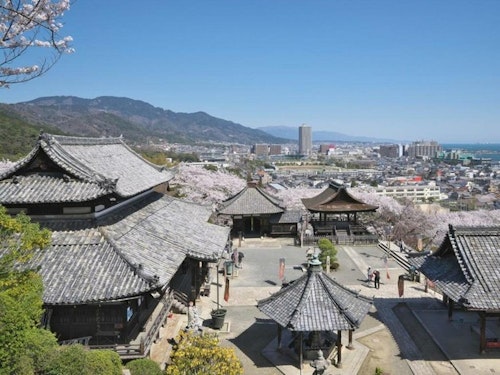
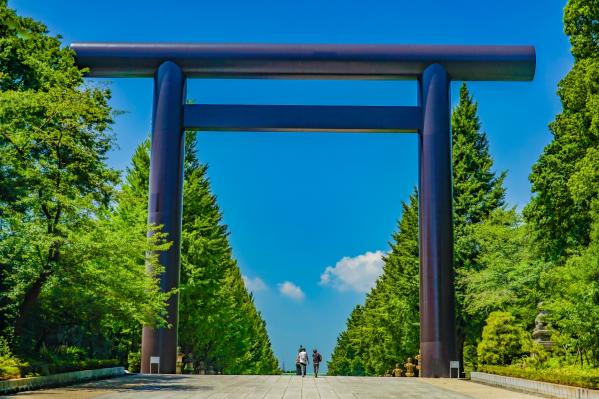
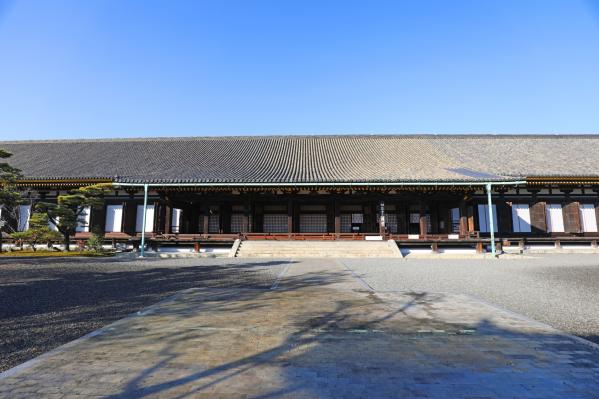
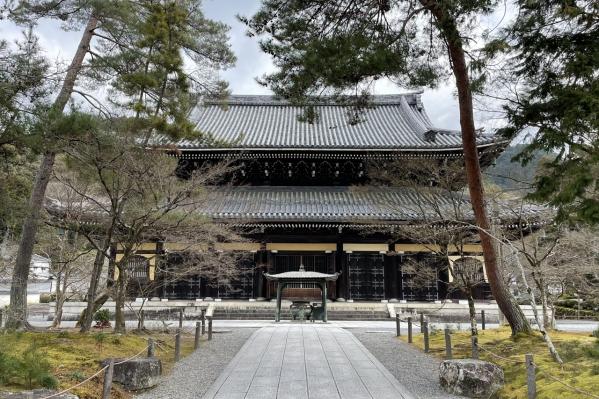
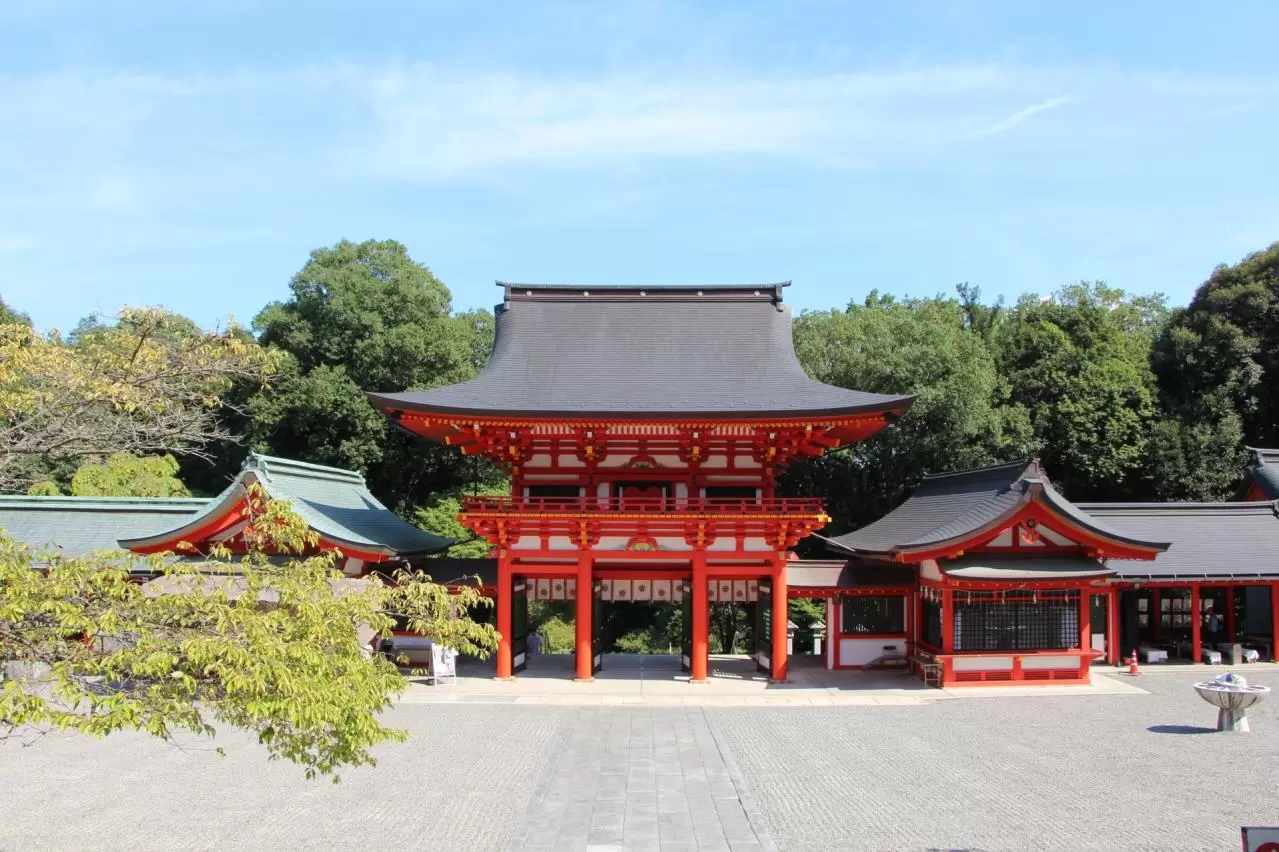
The shrine grounds cover approximately 60,000 tsubo, or about 200,000 square meters, and are set in a lush natural environment at the foot of the mountains on the western shore of Lake Biwa. The shrine buildings, including the vermilion-painted romon gate and the outer worship hall, inner worship hall, and main sanctuary built in unpainted cypress and connected by corridors, are in the Omi style, also called the Showa style, and are designated as an Important Cultural Property of Japan in the form of registered tangible cultural properties as a representative example of modern shrine architecture.
Omi Jingu was formerly a Kanpei Taisha, and is also one of the 16 Imperial Shrines in Japan. On the annual festival held every April 20, an imperial envoy is dispatched from the Imperial Court as the Emperor’s representative, attesting to the shrine’s high status.
Traditional events such as yabusame, mounted archery rituals, are also held within the grounds, providing visitors with an opportunity to experience Japanese culture. The shrine also accepts Shinto wedding ceremonies, hatsumiyamairi visits for newborns, Shichi-Go-San celebrations, car blessings, and various other prayers, and is cherished as a center of faith in the local community.
In this way, Omi Jingu is a shrine where history, culture, and faith come together, and it remains an important place that attracts a wide range of beliefs related to time, culture, learning, and good fortune.
Shiga Tourist Attractions
View List
Hikone Castle
Hikone Castle is a flatland castle built in the early Edo period, utilizing Hikone Mountain (Kinkiyama) for its construction. The castle still retains its national t...

Hachimanbori
Yahata-bori is a waterway built during the Azuchi-Momoyama period by Toyotomi Hidetsugu to support the castle town of Yahata-yama. It played a significant role in th...

Mount Hiei Enryakuji
Hieizan Enryaku-ji is the head temple of the Tendai sect, located at the border of Kyoto and Shiga, with a history spanning over 1,200 years. It began when Saicho es...

Metasequoia Namiki
The Metasequoia Avenue in Makino Town, Takashima City, Shiga Prefecture, features approximately 500 metasequoias planted along a 2.4 km stretch, creating a beautiful...

Lake Biwa Terrace
Biwa Lake Valley is located at an elevation of 1,100 meters on the summit of Mt. Uchimi, offering a spectacular view of Lake Biwa. Visitors can reach the summit in a...


Sagawa Art Museum
The Sagawa Art Museum is located on the shores of Lake Biwa and is known as the "museum that floats on water." The design of the museum harmonizes with the vast wate...

Miho Museum
MIHO MUSEUM, opened in 1997, is an art museum designed by the world-renowned architect I.M. Pei. The design theme is "paradise," providing a mystical space where nat...