Sagawa Art Museum
Sagawa Art Museum Movies


Basic Information
- Spot Name
- Sagawa Art Museum
- Location
- 〒524-0102 2891 Kitagawa, Mizuhodacho, Moriyama-shi, Shiga-ken, Japan
- Access
- From JR Biwako Line Moriyama Station, take the Omi Railway Bus bound for Sagawa Art Museum for 31 minutes and get off at Sagawa Art Museum Mae bus stop.
About 30 minutes from Meishin Expressway "Seta NishI IC".
About 15 minutes from Kosei Road "Mano IC".
About 30 minutes from Meishin Expressway "Ritto IC". - Parking
- Approximately 70 vehicles.
- Business Hours
- 9:30 AM to 4:30 PM (Last admission at 5:00 PM)
- Regular Holiday
- Monday
- Fees
- General: 1,000 yen, High school and university students: 600 yen.
- Contact Information
- Phone Number:077-585-7800
- Official Website
Map
Detailed Information
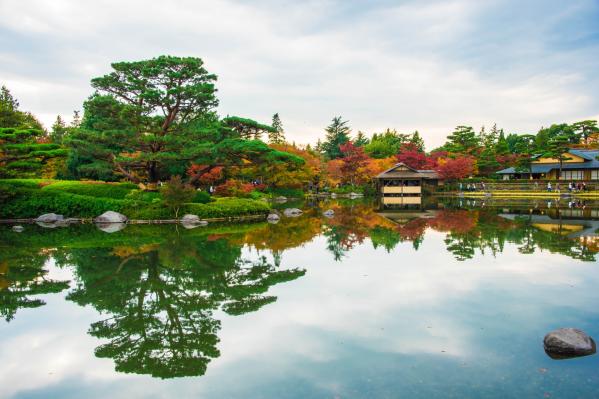
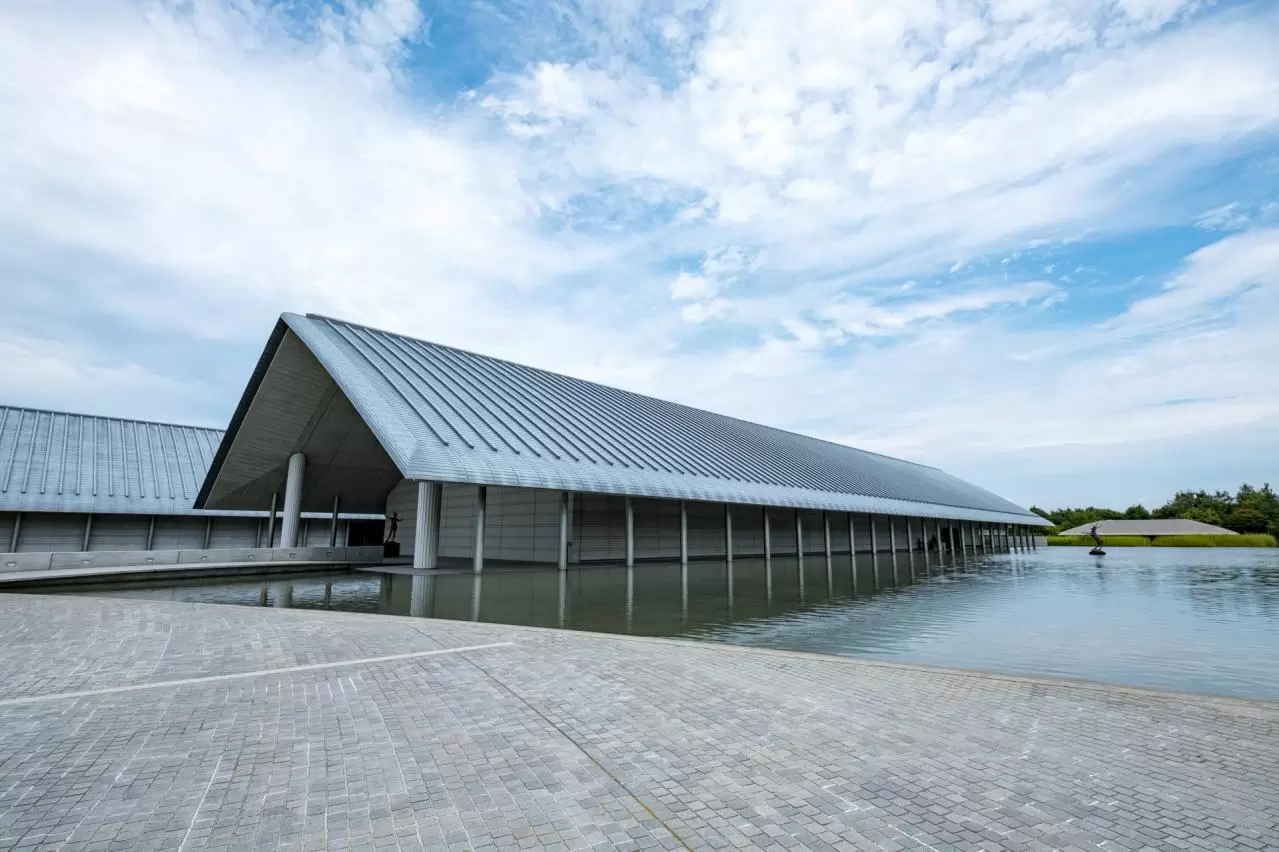
Sagawa Art Museum is located on the shores of Lake Biwa in Moriyama City, Shiga Prefecture, and is widely known as “the museum floating on water.” It opened in March 1998 as part of the 40th anniversary commemorative project of Sagawa Express Co., Ltd., a logistics company. Set in a scenic location with views of Mount Hiei and the Hira Mountains in the distance and Lake Biwa stretching out before it, the museum’s beautiful landscape, harmonized with nature, is one of its defining features.
The museum grounds cover approximately 29,000 square meters, and most of the site is occupied by the “Water Garden.” Within this garden, several exhibition buildings are arranged as if floating, creating a dreamlike space woven together by light and shadow and the rippling surface of the water. The monochrome-based architecture incorporates Japanese aesthetics while being designed to blend with the surrounding nature, and its design has received numerous awards, including the Good Design Award.
Inside the museum, the exhibits focus on works by three leading Japanese artists: nihonga painter Ikuo Hirayama, sculptor Churyo Sato, and ceramic artist Kichizaemon Raku XV, later known as Naotake Raku. Separate exhibition spaces are dedicated to each artist.
The Ikuo Hirayama Museum is themed around “Prayers for Peace” and exhibits works inspired by the introduction of Buddhism to Japan and the Silk Road. Hirayama was a painter who continued to express his thoughts on peace in response to his wartime experiences, and the collection includes more than 350 works, making it one of the largest of its kind in Japan.
The Churyo Sato Museum is themed “The Poetry of Bronze” and displays sculptures that pursue the beauty of the human form. His works, which portray human figures found in everyday life from a warm and compassionate perspective, possess a simple yet profound appeal.
The Kichizaemon Raku Museum is based on the concept of “shuhari” and features ceramic works connected to the spirit of the tea ceremony. The exhibition space was designed with the artist’s involvement and has a uniquely distinctive layout, including underground galleries beneath the Water Garden and a tearoom, making it unlike any other.
In addition, the attached tearoom offers not only viewing but also tea service and tea gatherings, providing a place to experience both art and Japanese culture. Reservations are required for visits, and an additional fee applies.
Along with its permanent exhibitions, the museum hosts a wide variety of special and themed exhibitions throughout the year, as well as cultural events such as lectures, gallery talks, workshops, and museum concerts. These activities provide visitors of all ages with opportunities to engage with art.
Sagawa Art Museum is a museum that offers visitors an extraordinary experience within a space where nature, architecture, and art come together as one. By encountering artworks amid reflections on the water and landscapes that change with the seasons, visitors can spend special moments that enrich their sensibilities. It is truly a museum with a one-of-a-kind appeal.
Shiga Tourist Attractions
View List
Oumi Shrine
Omi Shrine is a shrine dedicated to Emperor Tenchi, located at the site of the ancient capital of Omi Otsu Palace, where Emperor Tenchi established his court. He is ...

Mount Hiei Enryakuji
Hieizan Enryaku-ji is the head temple of the Tendai sect, located at the border of Kyoto and Shiga, with a history spanning over 1,200 years. It began when Saicho es...

Miho Museum
MIHO MUSEUM, opened in 1997, is an art museum designed by the world-renowned architect I.M. Pei. The design theme is "paradise," providing a mystical space where nat...

Hachimanbori
Yahata-bori is a waterway built during the Azuchi-Momoyama period by Toyotomi Hidetsugu to support the castle town of Yahata-yama. It played a significant role in th...

Lake Biwa Terrace
Biwa Lake Valley is located at an elevation of 1,100 meters on the summit of Mt. Uchimi, offering a spectacular view of Lake Biwa. Visitors can reach the summit in a...


Hikone Castle
Hikone Castle is a flatland castle built in the early Edo period, utilizing Hikone Mountain (Kinkiyama) for its construction. The castle still retains its national t...

Metasequoia Namiki
The Metasequoia Avenue in Makino Town, Takashima City, Shiga Prefecture, features approximately 500 metasequoias planted along a 2.4 km stretch, creating a beautiful...