Hachimanbori
Hachimanbori Movies


Basic Information
- Spot Name
- Hachimanbori
- Location
- Around Miyauchi-cho, Omihachiman City
- Access
- From JR Biwako Line Omi-Hachiman Station, take the Omi Railway bus bound for Chomeiji for 6 minutes and get off at Osugi-cho Hachiman-yama Ropeway Entrance, which is just a short walk away.
30 minutes from Meishin Ryuoh IC.
Parking: There are two city-operated parking lots available. - Parking
- Please use the nearby paid parking lot.
- Business Hours
- Free wandering
- Regular Holiday
- None
- Contact Information
- Phone Number: 0748-33-6061
- Official Website
Map
Detailed Information
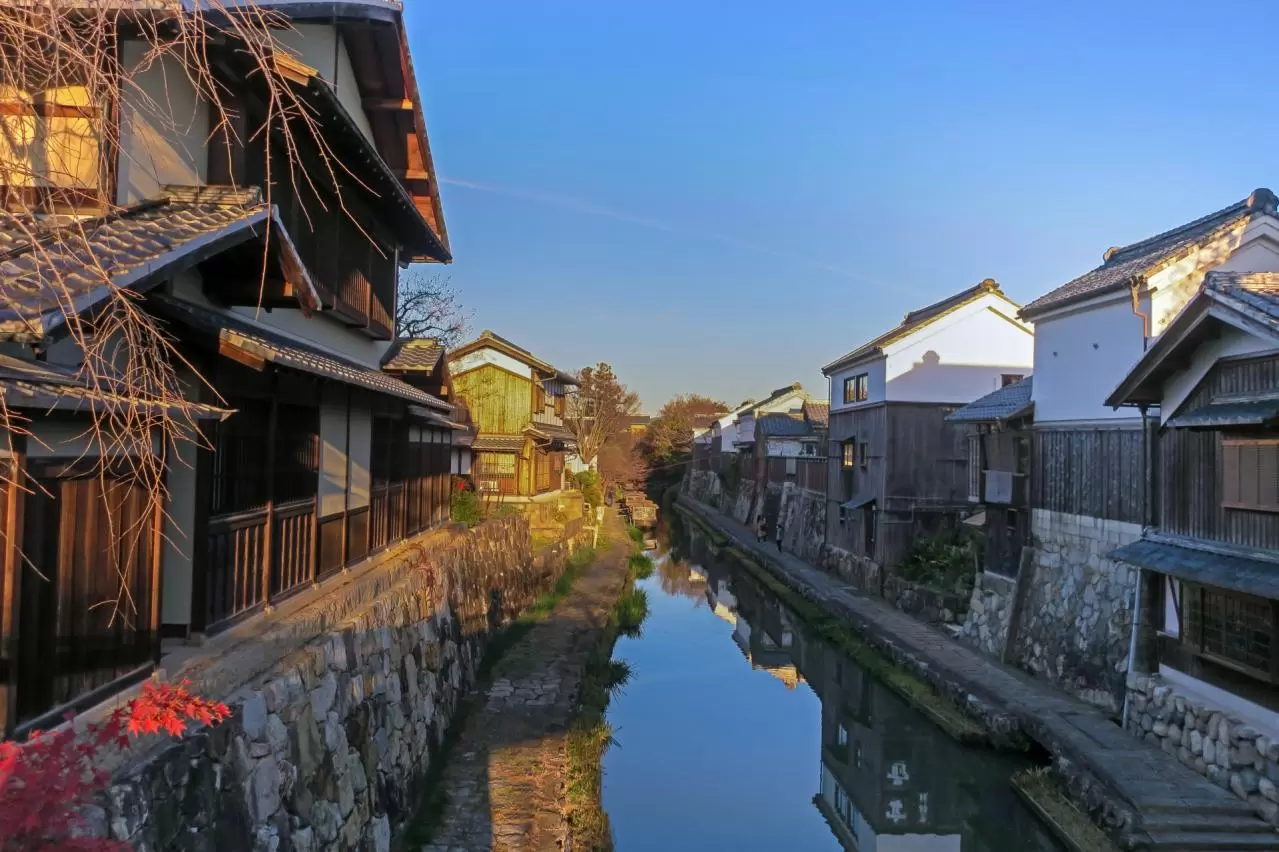
Hachimanbori is a historic waterway located in Omihachiman City, Shiga Prefecture, and was built during the Azuchi-Momoyama period by Toyotomi Hidetsugu, the nephew of Toyotomi Hideyoshi. In 1585, when Hidetsugu constructed Hachiman-yama Castle, the moat was excavated to serve the castle’s defensive functions and support the development of the castle town, and it was maintained as an important canal connecting Lake Biwa and the castle town.
This moat stretches for approximately 4.7 kilometers, winding around Mount Hachiman and linking to inland lakes such as Nishi-no-Ko as well as Lake Biwa. At the time, a system was established to have cargo boats traveling on Lake Biwa stop at Hachiman, and it functioned as the “lifeline of the town,” bringing together people, goods, and information. Thanks to this water transport, commerce developed greatly, and it became an important foundation supporting the growth of the Omi merchants. Omihachiman flourished as one of the central bases of the Omi merchants and played a role in supporting the activities of merchants who expanded their business across Japan.
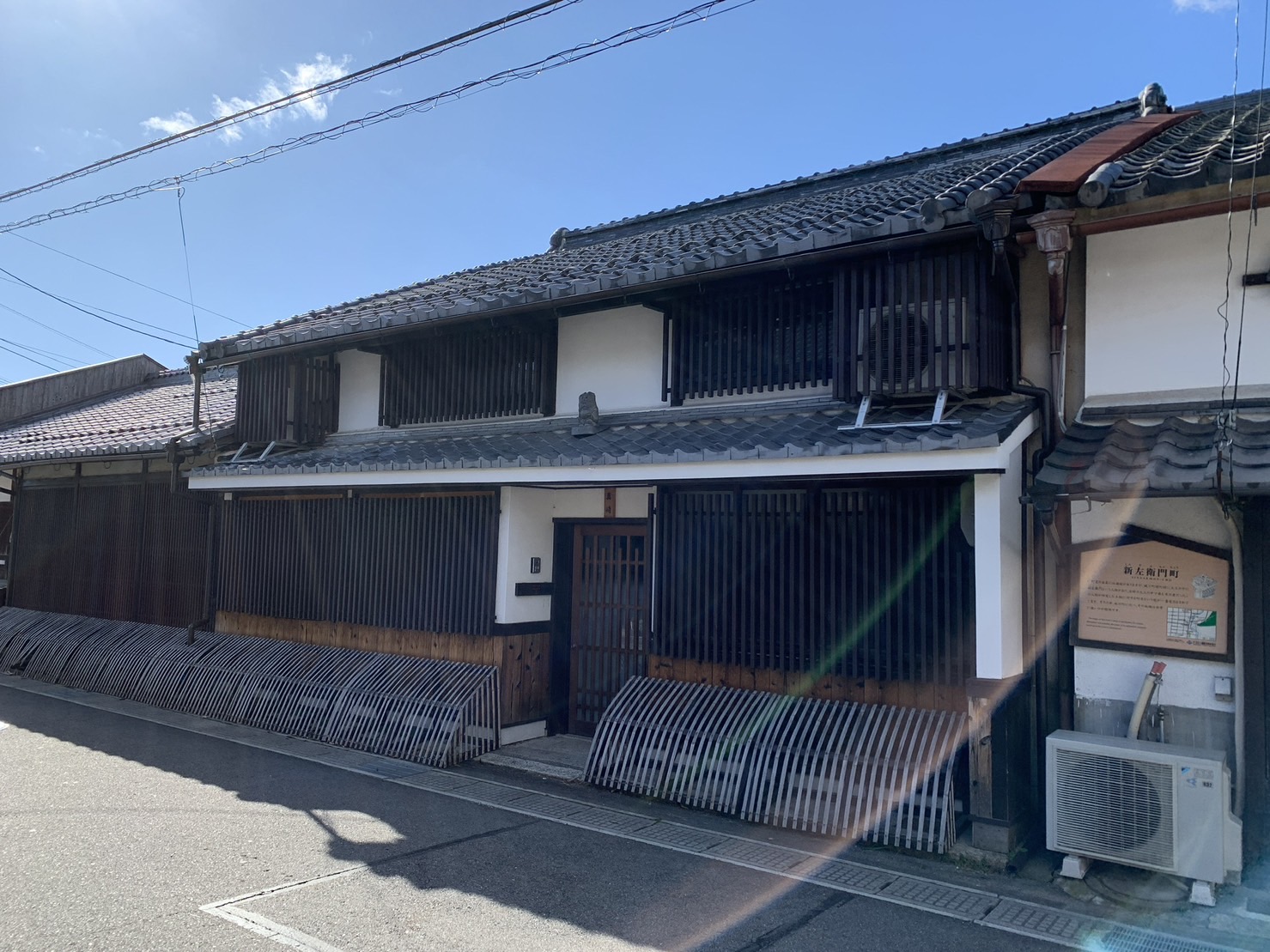
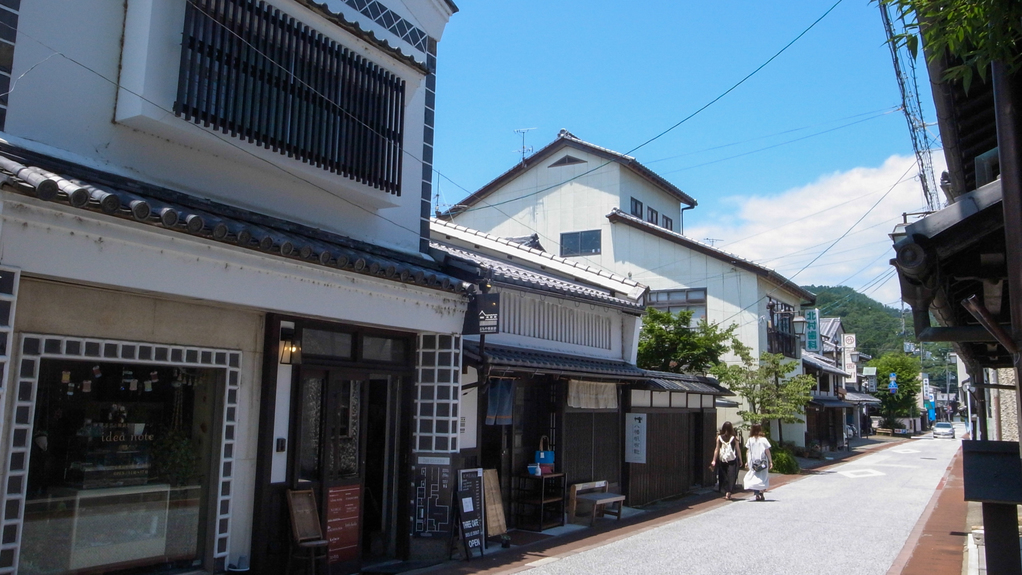
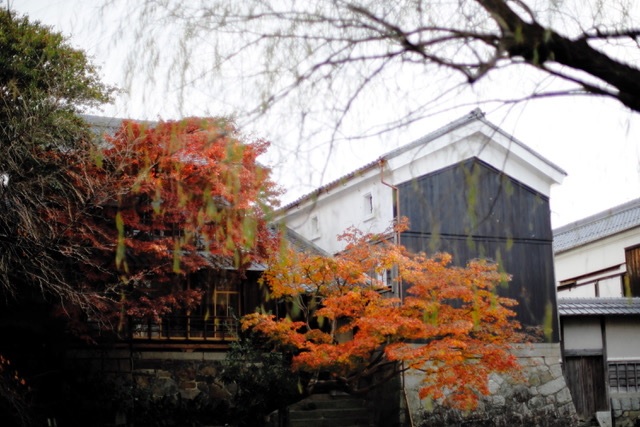
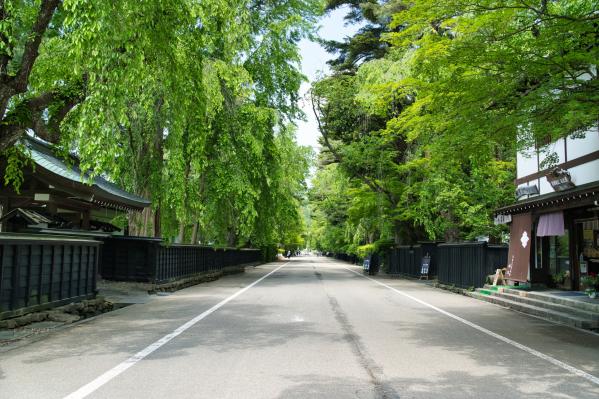
Throughout the Edo period, Hachimanbori prospered as a hub of logistics, and the town of Omihachiman was as lively as Otsu. Along the moat, white-plastered storehouses and merchant houses line the banks, conveying the prosperity of that era to the present day. In addition, many historical structures remain in the surrounding area, including Himure Hachimangu Shrine, Hakuun Bridge, the former Nishikawa Residence, and the former Ban Family Residence, allowing visitors to strongly sense the atmosphere of the castle town.
However, although Hachimanbori continued to play an important economic and distribution role until around the early Showa period, it gradually lost its function after the war due to the development of land transportation such as railways and roads. Eventually, the moat fell into disrepair, its water quality deteriorated, and it became so neglected that there were even plans to fill it in.
Under these circumstances, conservation and restoration efforts led by local residents, especially young people, began, and cleaning and landscape improvement were carried out. Thanks to these efforts, Hachimanbori regained its beautiful former appearance and is now highly regarded as a historic landscape. The surrounding area has also been designated as an Important Cultural Landscape by the national government, making it a representative tourist destination in Omihachiman.
Today, Hachimanbori is known for its atmospheric scenery, where white-plastered storehouses and old merchant houses are reflected on the water’s surface, and it is also widely recognized as a filming location for period dramas and movies. In particular, the area around Hakuun Bridge to Meiji Bridge is often used for filming. Another major attraction is its seasonal natural beauty: cherry blossoms and irises in spring, lush green willows in summer, autumn foliage in fall, and snowy scenes in winter offer visitors a different ambiance each time they come.
In addition, the “Hachimanbori Meguri” boat tour on traditional Japanese boats is very popular. During the approximately 30-minute cruise, visitors can leisurely admire the historic townscape from the water and enjoy a truly exceptional experience. The boatman’s guidance, the sound of the oars, and the gentle sparkle of the water’s surface provide deep relaxation and moving moments for all who visit.
In this way, Hachimanbori stands as a symbol of the region’s history and culture, from the formation of the castle town and the rise of the Omi merchants to the present day. Along with the charm of a waterside town, it is a precious place where one can experience more than 400 years of accumulated history.
#Townscape/Bikan Historical Quarter #Sightseeing boat/vehicle
Shiga Tourist Attractions
View List
Sagawa Art Museum
The Sagawa Art Museum is located on the shores of Lake Biwa and is known as the "museum that floats on water." The design of the museum harmonizes with the vast wate...

Metasequoia Namiki
The Metasequoia Avenue in Makino Town, Takashima City, Shiga Prefecture, features approximately 500 metasequoias planted along a 2.4 km stretch, creating a beautiful...


Miho Museum
MIHO MUSEUM, opened in 1997, is an art museum designed by the world-renowned architect I.M. Pei. The design theme is "paradise," providing a mystical space where nat...

Oumi Shrine
Omi Shrine is a shrine dedicated to Emperor Tenchi, located at the site of the ancient capital of Omi Otsu Palace, where Emperor Tenchi established his court. He is ...

Lake Biwa Terrace
Biwa Lake Valley is located at an elevation of 1,100 meters on the summit of Mt. Uchimi, offering a spectacular view of Lake Biwa. Visitors can reach the summit in a...

Hikone Castle
Hikone Castle is a flatland castle built in the early Edo period, utilizing Hikone Mountain (Kinkiyama) for its construction. The castle still retains its national t...

Mount Hiei Enryakuji
Hieizan Enryaku-ji is the head temple of the Tendai sect, located at the border of Kyoto and Shiga, with a history spanning over 1,200 years. It began when Saicho es...