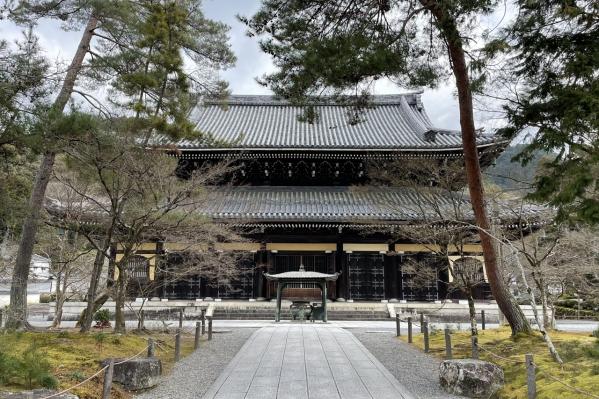
To-ji Temple
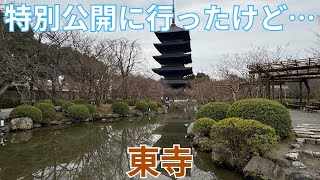
Toji is home to many national treasures and important cultural properties, with particular attention given to its five-story pagoda, which is designated as a national treasure. This wooden tower, standing at 55 meters, is known as Japan's tallest wooden structure and is an iconic part of the Kyoto landscape. Especially during the cherry blossom and autumn foliage seasons, the pagoda is illuminated, captivating many visitors with its beautiful appearance.
The vast temple grounds feature the Hyotan Pond, where the reflections of the five-story pagoda, cherry blossoms, and autumn leaves create a picturesque scenery, making it a popular spot for photography. In this way, Toji provides many emotional experiences for visitors, serving as a place that embodies the trinity of history, religion, and beauty.
To-ji Temple Movies


Basic Information
- Spot Name
- To-ji Temple
- Location
- 〒601-8473 1 Kujo-cho, Minami-ku, Kyoto-shi, Kyoto Prefecture
- Access
- Get off at Kintetsu Railway "Toji" Station and walk for about 10 minutes.
Get off at the city bus stop "Toji Higashimonmae," which is just a short distance away.
Get off at JR "Kyoto" Station and walk for about 15 minutes. - Parking
- Available (Parking not allowed on the 21st of every month)
- Business Hours
- Opening hours: 5:00 AM to 5:00 PM
Main Hall and Lecture Hall: 8:00 AM to 5:00 PM (Last admission at 4:30 PM) - Regular Holiday
- None
- Fees
- Admission to the temple grounds is free.
* The Main Hall, Lecture Hall, and Five-Story Pagoda require a fee (prices vary by season).
* The Treasure Museum and Kanchi-in are also subject to separate fees. - Contact Information
- Phone Number:075-691-3325
- Official Website
Map
Detailed Information
Toji is the head temple of the Shingon sect, located in Minami Ward, Kyoto City. Its official name is Kyoogokokuji. It was founded in 796, two years after the transfer of the capital to Heian-kyo in 794, as a state temple built for the protection of the nation. As the only surviving remnant of Heian-kyo, it was registered in 1994 as one of the component properties of the UNESCO World Heritage Site “Historic Monuments of Ancient Kyoto.”
Later, in 823, Kobo Daishi Kukai, who had returned from Tang China, was granted Toji by Emperor Saga, and Japan’s first esoteric Buddhist temple was established here. Centering on Dainichi Nyorai, the principal deity of esoteric Buddhism, Kukai realized his grand vision of expressing the “Mandala world” that visualizes the cosmos of esoteric Buddhism through three-dimensional arrangements of Buddhist statues, known as the “Three-dimensional Mandala.”
Kyoto Landmark: the Five-storied Pagoda
The most iconic structure of Toji is its five-storied pagoda. Standing at about 55 meters, it is known as the tallest wooden tower in Japan. The first pagoda was built shortly after Kukai’s death, but it burned down four times due to lightning strikes and fires. The current tower is the fifth, rebuilt in 1644 through a donation by Tokugawa Iemitsu, and is designated as a National Treasure.
The interior is usually closed to the public, but it can be viewed during special openings in spring and autumn. Its vividly colored ceiling and the array of esoteric Buddhist statues create an awe-inspiring atmosphere.
Experience the World of Esoteric Buddhism: the Three-dimensional Mandala
Enshrined in the Kodo Hall, the main building of Toji, is the “Three-dimensional Mandala,” a sculptural expression of the esoteric Buddhist view of the universe. It is based on the Taizokai Mandala, representing the world of enlightenment, and the Kongokai Mandala, representing the world of wisdom. Around Dainichi Nyorai at the center, 21 Buddhist statues are arranged in a circle.
Of these, 16 are designated National Treasures, and the power and dignity of each statue overwhelm visitors. This is a precious space where one can visually learn the teachings of esoteric Buddhism.
Feel the Presence of Kukai: Mieido Hall and Shojinku
Mieido Hall, located on the north side of Toji, is the place where Kukai actually lived. The building itself is designated as a National Treasure, and every morning from 6:00 a.m., a Buddhist service called Shojinku is still conducted here. In this ceremony, offerings of two trays of food and tea are presented just as they would have been when Kukai was alive. Ordinary visitors may also participate, making this a rare opportunity to connect with Kukai’s spiritual legacy.
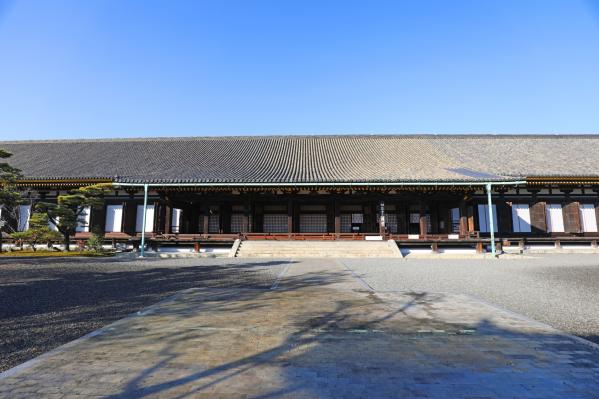
A Masterpiece of Buddhist Sculpture and Architectural Beauty: the Kondo Hall
The Kondo Hall was rebuilt in 1491 after the original was destroyed by fire. It is characterized by an architectural style that blends the Chinese-influenced Tenjikuyo with Japan’s Wayo style, and its beautiful exterior and interior spaces are highlights.
Inside, the Yakushi Triad—Yakushi Nyorai, flanked by Nikkobosatsu and Gakkobosatsu—is enshrined at the center. In addition, the Twelve Divine Generals, the twelve guardian deities, surround the pedestal. All of these are designated Important Cultural Properties, allowing visitors to appreciate the fusion of faith and art.
The Treasure House and Its Wealth of Cultural Properties
Toji houses around 20,000 national treasures and important cultural properties, including the National Treasure Tobatsu Bishamonten and a Senju Kannon standing statue over 6 meters long. These are kept in the Toji Treasure House and are opened to the public during special exhibitions held twice a year, in spring and autumn, attracting many worshippers and researchers alike.
Nature Through the Seasons and Kobo Market
Toji is also popular as a scenic spot that offers beautiful views in spring and autumn. In spring, about 200 cherry trees color the grounds, especially the Fuizakura weeping cherry tree, over 120 years old and more than 13 meters tall, which is breathtakingly beautiful. In autumn, about 250 maple trees turn brilliant red and yellow, creating a picture-like harmony with the five-storied pagoda and the temple buildings.
During the cherry blossom and autumn foliage seasons, nighttime illuminations are also held, allowing visitors to enjoy the grounds enveloped in a dreamlike atmosphere.
In addition, on the 21st of every month, the Kobo Market is held in memory of Kukai’s passing. Stalls selling antiques, old tools, kimono, and local gourmet foods line the grounds, and it becomes lively with many visitors as one of the largest temple fairs in Kyoto.
Toji is conveniently located about a 15-minute walk from JR Kyoto Station’s Hachijo Exit, and its five-storied pagoda can also be seen from the Tokaido Shinkansen.
If traveling from Tokyo, reserve Seat A (left side in the direction of travel).
If traveling from Osaka, reserve Seat E (right side in the direction of travel).
Doing so will let you enjoy the splendid view from the train window.
Toji is a proud cultural heritage of Japan, blending religious value as a sacred site of Shingon esoteric Buddhism, historical value through its National Treasures and Important Cultural Properties, and the natural beauty of the seasons. Why not visit this place, where you can encounter the teachings and spirit of Kobo Daishi Kukai anew with each visit?
Kyoto Tourist Attractions
View List

Kenninji Temple
Kennin-ji Temple, founded in 1202 by the Zen master Eisai, is the oldest Zen temple in Kyoto and serves as the head temple of the Kennin-ji branch of the Rinzai sect...

Tofuku-ji Temple
Tōfuku-ji is the head temple of the Rinzai sect of Zen Buddhism, founded in 1236 by Kujō Tadayoshi, with its main hall completed in 1255. It is counted among the fiv...

Heian Shrine
Heian Shrine was established in 1895 to commemorate the 1100th anniversary of the relocation of the capital to Heian-kyo, with Emperor Kanmu as its deity. Located in...


Ginkaku-ji (Silver Pavilion)
Ginkaku-ji, officially known as Jishō-ji, is located in the Sakyo Ward of Kyoto City and is affiliated with the Rinzai school of the Shokoku-ji sect. Originally buil...

Kyoto Railway Museum
The Kyoto Railway Museum, opened in 2016, is one of the largest railway museums in Japan, designed to be a fun and educational facility with the theme of "see, touch...

Kiyomizu-dera Temple
Kiyomizu-dera is a prestigious temple located in the Higashiyama district of Kyoto, boasting a history of over 1,200 years. This temple attracts many tourists from b...