Heian Shrine
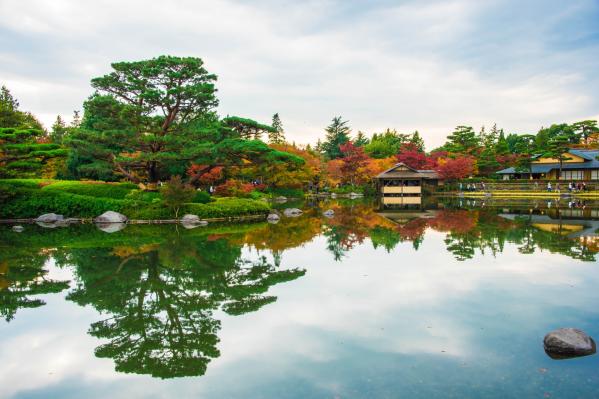
Within the shrine grounds lies a garden called "Shinen," designed by the pioneer of modern Japanese gardens, the seventh generation of Ogawa Jihei. The garden showcases beautiful seasonal flowers, particularly stunning cherry blossoms in spring. The shrine hosts the "Jidai Matsuri" (Festival of Ages) every year on October 22, where approximately 2000 participants don costumes from various eras and parades for 2 kilometers, symbolizing Kyoto's traditions and culture.
Heian Shrine continues to uphold the heritage and history of Kyoto, honoring both Emperor Kanmu and later adding Emperor Komei as a deity. It holds significance beyond just a tourist destination, cherished by many. A visit will captivate you, leaving a lasting impression deep in your heart.
Heian Shrine Movies


![【京都観光】[4K]今年話題の観光コース!|平安神宮|岡崎神社|おかきた| Heian Shrine| Okazaki Shrine |Kyoto Sightseeing| Kyoto/Japan](https://i.ytimg.com/vi/cZONncuL6qo/mqdefault.jpg)

Basic Information
- Spot Name
- Heian Shrine
- Location
- 〒606-8341 97 Okazaki Nishitennocho, Sakyo-ku, Kyoto City, Japan
- Access
- Approximately a 7-minute walk from Higashiyama Station on the Tozai Subway Line.
Approximately a 5-minute walk from the Okazaki Park Museum/Heian Shrine bus stop on the city bus. - Parking
- No parking available.
- Business Hours
- 【Temple Grounds】6:00 AM – 5:30 PM
【Shine】8:30 AM – 5:00 PM
*Hours may vary by season. - Regular Holiday
- Open every day.
- Fees
- 【Temple Grounds】
Free
【Garden】
Adults: 600 yen
Children: 300 yen - Contact Information
- Phone Number:075-761-0221
- Official Website
Map
Detailed Information
Heian Jingu Shrine was founded in 1895 to commemorate the 1,100th anniversary of the transfer of the capital to Heian-kyo, and stands in Okazaki, Sakyo Ward, Kyoto City. The main deities enshrined here are Emperor Kanmu, the 50th emperor who established Heian-kyo, and Emperor Komei, the 121st emperor who continued to pray for the peace and safety of the nation during the formative years of modern Japan.
As a symbol of Kyoto’s history and culture, this shrine is beloved by many worshippers and tourists alike, and is widely known for its magnificent architecture and beautiful gardens that change with the seasons.
Background and Significance of Its Founding
Heian Jingu was established in 1895, 1,100 years after the relocation of the capital to Heian-kyo. At that time, Kyoto had begun to lose vitality after the capital was moved to Tokyo as a result of the Meiji Restoration. In this context, Heian Jingu was built as part of a town revitalization project led by Kyoto citizens, and it became a symbol of Kyoto’s rebirth, embodying the pride and hopes of the local people.
About Emperor Kanmu and Emperor Komei
Emperor Kanmu (50th Emperor)
Emperor Kanmu was born in 737 as a prince of Emperor Konin and ascended the throne in 781. Believing that Heijokyo was no longer suitable as the nation’s capital, he first moved the capital to Nagaokakyo in Yamashiro Province, and then in 794, the 13th year of the Enryaku era, he made the decisive transfer to what is now Kyoto City. This new capital was named “Heian-kyo” and became the foundation for the development of Japan’s national capital.
During his reign, Emperor Kanmu devoted himself to improving the ritsuryo system, promoting education and culture, rescuing refugees, and encouraging exchange with overseas countries, thereby laying the foundations of Japan’s governing system. He passed away in 806, and his mausoleum is Kashihara no Misasagi in Momoyamacho, Fushimi Ward, Kyoto City.
Emperor Komei (121st Emperor)
Emperor Komei was born in 1831 as a prince of Emperor Ninko and ascended the throne in 1847 as the 121st emperor. Amid the turbulent conditions of the late Edo period, he placed the future of the nation and the peace of the people first, and can be regarded as a figure who laid the groundwork for the Meiji Restoration.
As expressed in his imperial poem, “Various people may weep and smile and speak together, all while thinking of the nation and the people,” his political stance was imbued with deep concern for the country and compassion for the people. He passed away on December 25, 1866, at the young age of 36, and his mausoleum is Goketsurin Higashiyama no Misasagi at Sennyuji in Higashiyama Ward, Kyoto City.
Architecture and Highlights
The Great Torii
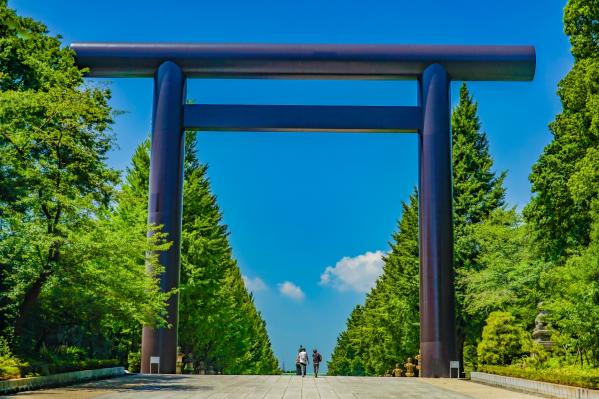
The Great Torii was erected in 1929 to commemorate the Enthronement Ceremony of Emperor Showa, and boasts an overwhelming scale, standing 24 meters high and 18 meters wide. Its vivid vermilion color makes it a beloved landmark in the Okazaki area, and it remains a popular photo spot for many tourists today.
Otenmon Gate
The “Otenmon” gate at the front of the shrine was built in imitation of the former main gate of Heian-kyo, and its vermilion pillars and blue-tiled roof are beautifully harmonized. This two-story tower gate is designated as an Important Cultural Property of Japan. Passing through this gate, visitors can feel as if they have traveled back to the Heian period.
Daigokuden
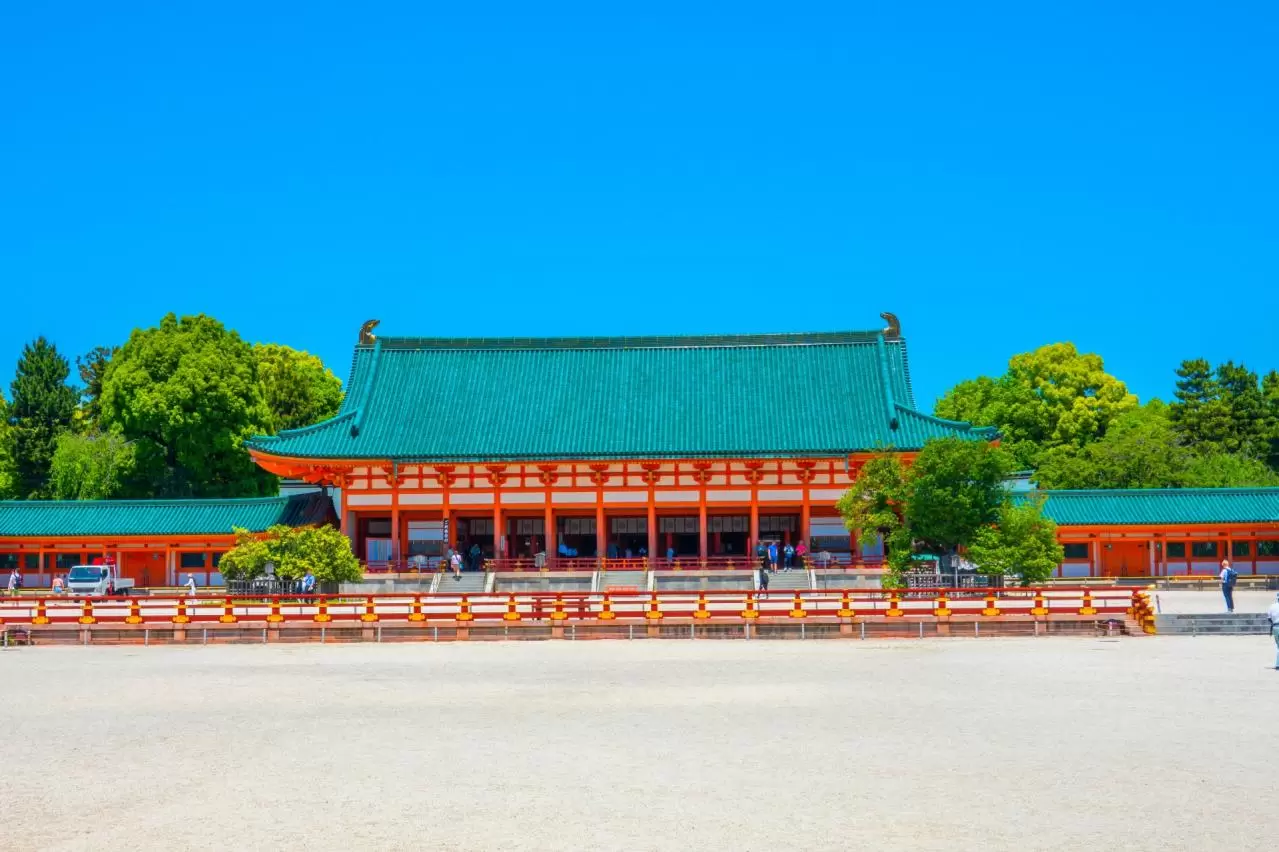
Daigokuden is a faithful 5/8-scale reproduction of the “Chodoin Main Hall / Daigokuden” of Heian-kyo, and serves as an outer worship hall where visitors can pray. Its vivid vermilion pillars, blue tiles, and roof topped with golden shibi ornaments create a solemn atmosphere. In the front garden are the “Sakon no Sakura” cherry tree and the “Ukon no Tachibana” mandarin tree, evoking the refined beauty of classical Japan. In 2010, it was designated as an Important Cultural Property along with the main hall and other structures.
Heian Jingu Shrine Garden — A Scenic Garden of Seasonal Beauty
The shrine garden, designed by Jihei Ogawa VII, a pioneer of modern Japanese gardens, is a strolling pond garden designated as a Place of Scenic Beauty by the Japanese government. Covering a total area of about 30,000 square meters, it is divided into four areas: East, Middle, West, and South.
East Garden: Centered on Seihou-ike, the largest pond in the garden, this area harmonizes with the surrounding scenery and soothes the spirit.
Middle Garden: Highlights include Soryu-chi pond and Garyu-kyo bridge, where visitors cross stepping stones.
West Garden: About 200 species of plants bloom here, and especially in early summer, beautiful water lilies decorate the pond.
South Garden: Serving as the entrance to the garden, this area welcomes visitors with a serene atmosphere.
In spring, more than 300 cherry trees bloom in splendor, among them the beni-shidare zakura, a famous weeping cherry tree also featured in Junichiro Tanizaki’s novel *The Makioka Sisters*. At night, the grounds are illuminated, allowing visitors to enjoy a magical scene. In autumn, the precincts turn red and orange, creating a striking contrast with the vermilion shrine buildings, and the shrine is highly regarded as one of Kyoto’s best spots for autumn leaves.
Popularity for Good Matchmaking
Heian Jingu is also popular as a “power spot” for enmusubi, or good matchmaking, believed to bring good relationships. Because the shrine enshrines Emperor Kanmu and Emperor Komei, two emperors who guided their eras, many people visit not only for romance but also at important milestones in work and life. The grounds also have shops where amulets and ema votive plaques are offered, and many visitors entrust their hopes and wishes there.
Jidai Matsuri — One of Kyoto’s Three Great Festivals
Jidai Matsuri, the annual festival of Heian Jingu, is counted as one of Kyoto’s Three Great Festivals, along with Gion Matsuri and Aoi Matsuri. Held every year on October 22, it originated from the “Heian-kyo 1100th Anniversary Festival,” which led to the shrine’s founding.
In this festival, about 2,000 local citizens dressed in costumes from various eras ranging from the Enryaku period to the late Edo period and the Meiji Restoration parade over a distance of about 2 kilometers from the Kyoto Imperial Palace to Heian Jingu, taking about two hours. Recreating the figures of historical人物, samurai warlords, nobles, and common people, it is often described as a “moving historical picture scroll” and leaves a deep impression on tourists from Japan and abroad.
Heian Jingu is not merely a sightseeing destination, but a sacred place that can be seen as the culmination of history and culture, embodying Emperor Kanmu’s great achievement in founding the capital, Emperor Komei’s concern for the nation, and the pride of Kyoto’s citizens in the Meiji era. Its magnificent vermilion architecture, the shrine garden that retains its beauty throughout the seasons, and the many events that engage with history bring visitors profound inspiration and a quiet sense of peace. When visiting Kyoto, be sure to stop by.
Kyoto Tourist Attractions
View List
Kiyomizu-dera Temple
Kiyomizu-dera is a prestigious temple located in the Higashiyama district of Kyoto, boasting a history of over 1,200 years. This temple attracts many tourists from b...

Kyoto Imperial Palace
Kyoto Imperial Palace is a place of great importance in Japanese history and culture. This vast area is located within the Kyoto Gyoen in the city center of Kyoto, c...

Shimogamo Shrine (Kamo Mioya Shrine)
Shimogamo Shrine (officially known as Kamo Mioya Shrine) is located in the Sakyo Ward of Kyoto City and is registered as a World Heritage site as part of the "Cultur...

Kifune Shrine
Kifune Shrine is an ancient shrine located in Kibune, Sakyo Ward, Kyoto City, and it is the head shrine of about 500 Kifune Shrines nationwide, dedicated to Takao Ka...

Nijo Castle
Nijo Castle, originally built as a retreat for the Shogun, can be described as a place condensed with Japan’s history and culture. Constructed in 1603 by the first S...


Yasaka Shrine
Yasaka Shrine, commonly known as "Gion-san," is widely cherished. This shrine is particularly significant as the head shrine of the approximately 2,300 Yasaka Shrine...

Ginkaku-ji (Silver Pavilion)
Ginkaku-ji, officially known as Jishō-ji, is located in the Sakyo Ward of Kyoto City and is affiliated with the Rinzai school of the Shokoku-ji sect. Originally buil...